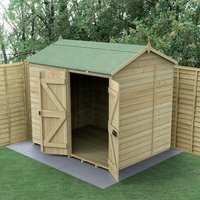
Description
Wooden sheds special offers for garden storage, tool space, and compact outdoor builds in timber, from lean-to styles to apex and pent roof formats, with sizes and finishes to compare.
Timber with a Different Line
Wooden sheds in a special offers range do more than sit quietly at the back of a garden. They bring shape, grain, and a natural edge that steel or plastic often miss. Timber has a warmer look, but it also carries a clear practical side: it can be cut into many forms, adapted to awkward corners, and matched to the style of a plot without looking forced.
These offers often include varied layouts, so the choice is not only about size. You may find narrow stores for long-handled tools, square units for mixed use, and taller designs for bikes, lawnmowers, or stacked boxes. Some stand low and tidy under fence lines. Others rise with a stronger roof pitch and make better use of headroom. The difference is not just visual; it changes what fits, how things are arranged, and how much access you get when doors are open.
Short and straight. That matters.
Shapes That Change the Use
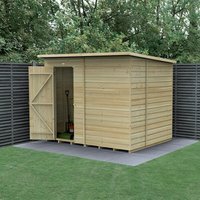
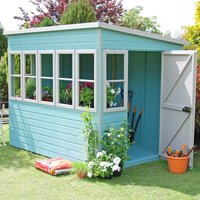
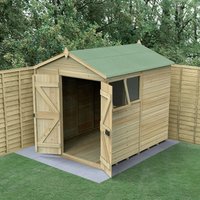
When looking through wooden sheds special offers, the roofline tells a lot about the shed’s job. An apex roof gives a central peak and often feels more open inside, with extra space in the middle for taller items. A pent roof runs on a single slope, which can sit neatly against a wall or boundary and works well where height is limited at one side. Both styles appear often, but they suit different garden layouts.
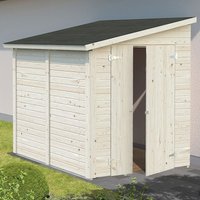
Then there are the body shapes. A rectangular shed is the familiar option, easy to line with shelving or racking. A corner shed uses an angled footprint, tucking into spaces that might otherwise be wasted. Lean-to forms can work along garage walls or beside a house wall, giving a slim storage run without taking over the garden. Barrelled or cabin-like lines may appear in timber ranges too, though the practical question is always the same: what do you need to store, and how much standing room do you want when you step inside?
Square. Neat. Direct.
- Apex roofs help create a stronger internal feel and often a bit more height in the middle.
- Pent roofs suit lower profiles and side-on positions near a boundary.
- Corner forms use space that would otherwise sit empty.
- Lean-to styles can follow a wall line without crowding the main lawn.
Board, Panel, and Frame Differences
The word “wooden” covers more than one build type. In special offers, you may see overlap-panel sheds, shiplap designs, tongue-and-groove construction, and framed units with cladding fixed to a timber skeleton. These are not just catalogues terms; they change how the shed feels and how the parts sit together.
Overlap boards are a common sight and give a layered, traditional look. The boards sit over each other, which can help shed water from the surface in a straightforward way. Shiplap boards interlock with a slight profile, creating a tidier finish with a more ordered face. Tongue-and-groove boards slot together more tightly, often giving a denser wall feel and a cleaner internal line. Framed structures add another level, with the frame taking the shape and the cladding doing the outer job. That can matter when a shed has to hold shelves, hooks, or heavier kit inside.
Not all timber sheds look the same from the outside, either. Some are built with plain boards and honest edges; others use smoother boarding and sharper corners. The difference is easy to spot if you compare them side by side. One can feel rustic, another more measured. Neither is louder than the other, but they speak in different tones.
Doors, Openings, and Access Points
Door style is one of the most practical parts of a wooden shed special offers category, yet it is often skimmed over too quickly. Single doors suit narrow access and smaller loads. Double doors make moving wider items less awkward, especially if a wheelbarrow, bike, or boxed equipment needs to go in and out regularly. A pair of doors can also make the opening feel less cramped, even if the shed itself is not large.
Some sheds use centred doors, while others place the opening slightly off to one side. This changes how the internal wall space can be used. If the door sits in the middle, storage may need to split left and right. If it is offset, one wall can take longer items more easily. A windowed door or side glazed section may appear in some timber ranges too, helping light reach the inside, though the main point is still access: can you reach what you need without shifting half the shed?
Open wide. Step in.
- Single doors suit smaller footprints and lighter garden storage.
- Double doors help with larger tools and wider garden gear.
- Offset openings free up one long wall more naturally.
- Low thresholds reduce the push needed when moving equipment.
Sizes That Match Real Garden Jobs
The special offers section can include compact timber sheds and larger garden stores, so it helps to think in terms of use rather than just measurements. A small shed can hold hand tools, seed trays, watering cans, and a few boxes. Medium sizes often take on lawn gear, foldable furniture, and seasonal pieces. Larger timber sheds may manage all of that with room to spare for organised shelving, bikes, or workshop-style tasks.
Very narrow sheds are often chosen for side passages where only slim storage works. They can still be useful if the shape is right: rakes, spades, brooms, and folded items suit them well. Wider sheds allow a clearer aisle, which makes the inside less of a shuffle. If the garden has a tight run between house and fence, a long shallow build may be better than a deeper square one. If the plot has room at the rear, a larger cabin-style shed may feel less squeezed.
Measure once. Then again.
Why Timber Often Stands Out
Wooden sheds special offers pull in buyers for several reasons, and most come down to the material itself. Timber has a distinct look that sits comfortably with plants, gravel, brick, and lawn. It does not shout for attention. Instead, it settles into the view. That makes it easier to place in gardens with older features, but also in newer spaces where a softer finish is wanted.
There is also a practical side to timber variety. Different claddings, panel directions, and roof forms let the same basic material behave in different ways. A shed with vertical boarding reads differently from one with horizontal lines. A low pent model can look discreet, while a taller apex shed can feel more substantial. If the garden uses several hard surfaces, wood can soften the scene. If the garden is already leafy, the timber grain can almost disappear into the setting.
Some buyers want the shed to blend in. Others want it to look like a proper garden room’s smaller cousin. Timber can do both, depending on shape and finish.
Special Offer Details Worth Reading Twice
In a special offers section, the headline price is only one part of the picture. What matters just as much is what the shed includes in the listed build. Does it come with a certain cladding type? Is the roof style fixed? Are the doors single or double? Is the footprint compact enough for the corner you have in mind? These are the points that save confusion later.
It also helps to compare timber thickness where that detail is provided. A more solid board profile may feel different from a lighter one, and that can influence the shed’s use. Some offers may show visible framing or a stronger-looking outer pattern. Others keep the surface simple and light. There is no need to chase one style every time; the right pick depends on whether the shed is meant for loose storage, tidier kit, or a more enclosed setup for larger items.
Special offers can also make mixed ranges easier to compare because the differences become clearer when the price is highlighted. A simple overlap shed and a more structured shiplap version may sit close together, but the internal feel is not the same. If the shed will be opened often, that difference may matter more than it first seems.
Placement, Light, and Garden Flow
Where a wooden shed sits in the garden changes its usefulness more than people expect. A side-run position can keep the main lawn clear. A rear position can hide storage away from the most visible part of the plot. A shed near the boundary may feel more discreet, while one set slightly forward can act as a working point for tools and equipment. The form of the shed should match the line around it.
Light matters too, though not in a general sense of brightness. It affects the feeling inside when the doors open. A door facing the garden path might make quick access easier. A side opening can keep the front clean and calm. Windows, if present, may help with visibility, but even without them, the layout of the doors and roof will shape how the interior is used. A pent roof near a taller fence can sit low and tidy, while an apex shed in a central spot may give the garden a stronger anchor point.
Place it well. The shape follows.
Useful Things to Compare Before Choosing
When you browse wooden sheds special offers, a quick scan can be more useful than reading every line in the same order. Start with shape, then door arrangement, then the cladding style. After that, compare footprints and roof lines. This keeps the process simple and stops the offer from looking more complicated than it is.
- Roof profile: apex, pent, or a lower lean-to line.
- Door type: single, double, or offset opening.
- Footprint: narrow, square, rectangular, or corner-led.
- Cladding style: overlap, shiplap, tongue-and-groove, or framed build.
- Internal use: long tools, mixed storage, bikes, or boxed items.
If you are comparing several timber sheds, look for the one that fits the garden shape rather than forcing a large unit into a tight run. A shed can be small and still suit the job. It can be large and still feel awkward if the lines do not suit the plot. The best match is often the one that makes movement simple and storage logical, without wasting a metre where the garden does not give one.
When the Offer Matches the Space
A strong special offer is not only about price. It is about the little fit between form and function. A wooden shed with the right roof line can sit under a branch line without fuss. A narrow shed can slip into a side passage where wider builds would block movement. A double-door timber store can make heavy garden kit less of a faff when it needs shifting in and out. And a clean shiplap finish can give a more ordered look if the rest of the garden uses simple, straight lines.
There are many ways these sheds differ, and that is the point. One is not just a copy of another in a different size. Some give height, some give reach, some give compactness, and some give a more grounded shape. The right one will make sense the moment you picture it beside the fence, the path, or the border. If that picture works, the offer has done its job.
Keep the line. Keep the space. Let the timber sit where it belongs.