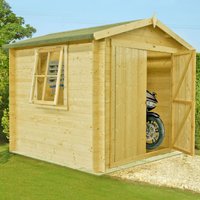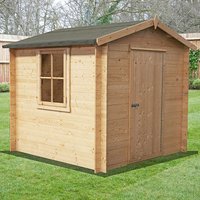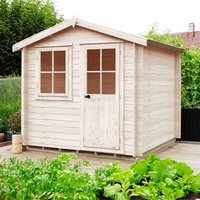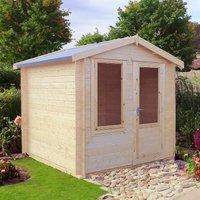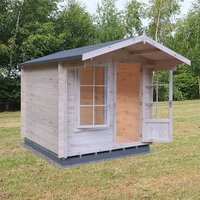
Description
Summerhouses with gazebo special offers for garden spaces with shade, shelter, and open-air seating; timber, corner, pent, and hexagonal forms, with glazed or open sides, in one clear category.
Two shapes, one garden story
These builds join a closed summerhouse with a gazebos-style side, roof link, or adjoining pergola section, creating a split-use structure rather than a single enclosed room. The contrast is part of the charm: one side gives a snug interior for seating or storage, while the other keeps a lighter, more exposed frame for dining, shade, or a quiet coffee spot.
Short sentence. The roof line matters. So does the stance in the garden.
Within this category, you will see timber summerhouses with gazebo features in several forms, each changing the look and use. A straight-front model feels tidy and square, while a corner version tucks neatly into a plot edge and can free the centre of the lawn. Hexagonal and octagonal options lean into softer lines, with a more pavilion-like appearance that suits decorative planting and open seating.
Forms that change the feel
The type of gazebo attachment can shift the whole mood of the building. An open-sided gazebo extension keeps views wide and air moving. A half-enclosed side bay gives a little more cover without shutting the space off. Some styles use a wraparound veranda effect, where the sheltered edge runs along the front or side, making the structure read as one flowing shape.
In gazebo summerhouse offers, you may also spot different roof designs. A pitched roof gives a stronger profile and often brings a more classic garden-building look. A pent roof sits lower and cleaner against fences or boundary lines. Curved, hipped, and multi-faceted roofs bring a softer silhouette, especially on larger garden rooms that need the gazebo section to feel built-in rather than added on.
Where the differences show
Not every summerhouse with a gazebo is built for the same kind of garden. A compact corner unit suits tighter plots or areas beside a shed, greenhouse, or patio. A broad front-facing model works better where the building should become a focal point. Larger layouts with side seating can create a distinct split between enclosed and open zones, which is useful when the garden has both sunny and shaded areas.
- Corner summerhouse with gazebo – shaped to sit into an unused angle.
- Hexagonal gazebo summerhouse – softer outline, often with a pavilion feel.
- Pent-roof hybrid – lower roofline and a neat, modern profile.
- Open-sided veranda style – gives cover without enclosing the edge.
- Glazed house with canopy side – more shelter inside, lighter outside.
Materials and visual character
Most of these special-offer designs are timber-based, and that material keeps the look warm, textured, and in step with planting, fencing, and stone paving. Some versions feel rustic, with visible framing and natural grain. Others are more refined, using cleaner cladding, deeper join lines, and sharper roof detailing. The difference can be subtle, but it changes how the building sits against the rest of the garden.
A glazed summerhouse side tends to draw the eye inward, especially if the gazebo element is open and airy. By contrast, an all-open gazebo section makes the structure feel lighter and more social, with less visual weight. If the garden already has strong features, a simpler shape can sit quietly beside them; if the plot is plain, a more decorative form can add structure without needing extra ornament.
Some garden spaces need a building that looks calm from every angle. Others can carry a more expressive frame. That is where these offers work across different tastes: the same category, but not the same silhouette.
Useful features to compare before choosing
When browsing the special offers, it helps to compare the parts that alter use, not just the headline shape. Look at how much of the build is enclosed, whether the gazebo side has railings or full openings, and how the roof is carried across both zones. The internal layout can also matter, especially if one side is meant for chairs, a table, or a small retreat from the weather.
- Glazed frontage for a brighter enclosed room.
- Open gazebo bay for shaded seating and fresher air.
- Side canopy for a smoother transition between garden areas.
- Double-zone layout for dividing relaxation and social space.
- Raised base option where the structure needs a level stance.
These differences are practical, but they also shape how the building reads in the garden. A structure with a heavier enclosed end and a lighter open side creates visual balance. A fully balanced pavilion form feels more symmetrical. A mixed layout leans a bit more informal, which may suit gardens with winding paths, planting borders, or a less rigid layout.
Shapes that suit different plots
Square and rectangular versions are straightforward and sit well against straight boundaries. Corner versions use the plot more cleverly, especially where the garden is narrow or already busy. Hexagonal and octagonal types bring a gentler outline, with roof faces that catch light in a different way from flat-front buildings. That makes them stand out even when the footprint is not large.
There are also subtle differences in how the gazebo element is attached. In some designs it looks like an extension of the main roof. In others, it feels like a separate open pavilion linked to the enclosed room by a shared line or framing post. One version reads as a single garden building with an airy wing; another feels more like two connected uses under one theme.
Short sentence. It reads lighter. It feels broader.
Why this category draws attention
Special offers in this section often appeal because they combine two garden uses in one build. The enclosed summerhouse side can serve as a private sitting area, a quiet reading room, or a place to keep furniture out of the main weather. The gazebo side extends the usable edge outside that shell, letting people sit under cover while still feeling part of the garden.
This is a strong match for plots where space is available, but not endless. Instead of adding separate structures, the buyer gets a joined form with different zones. That can also keep the garden looking more organised, since the shape is intentional rather than pieced together from several items.
Another point is visual rhythm. A summerhouse alone can seem solid and closed. A gazebo alone can feel open but temporary. Together, they give more depth: solid, then open; sheltered, then airy. That contrast is what gives the category its character.
Handy tips for reading the offer details
Check the product text for the exact arrangement of the gazebo section, because that tells you whether the open side is a true extension, a side canopy, or a roofed sitting area attached to the main room. Also note whether the glazing or wall coverage changes from one side to another, as that will affect how enclosed the building feels.
It also helps to compare roof pitch and footprint rather than only external style. Two models can look similar at a glance, yet one may feel more compact while the other gives broader sheltered seating. If your garden already has strong geometry, a crisp roofline may fit in better; if the plot is softer and more planted, a hexagonal or octagonal outline can blend more naturally.
A small typo here or ther is not the point. The shape is.
Special-offer value without the guesswork
These offers are worth scanning when you want a structure with a defined look and more than one use. The category can include modest, compact builds as well as more statement-like garden rooms with attached open sides. That range is what makes the category useful: one label, but different forms, roof treatments, and levels of shelter.
If you are weighing up options, think in layers. First, the footprint. Next, the enclosed-to-open split. Then the roof shape and how it sits with your garden lines. After that, the finish and overall character. With those points in mind, special offer garden buildings in this style become easier to compare at a glance, even when the designs vary quite a lot.
Not all offers say the same thing. Some lean neat and compact. Some look broad and social. Some keep the gazebo part open and lively, while others give it a more tucked-in, sheltered role. That variety is the point: a summerhouse with a gazebo is not just one building type, but a small family of shapes with different strengths, and each one brings its own way of sitting in the garden.