
Tables - special offers - Best offers in UK
Showing all 6 resultsSorted by price: low to high
-
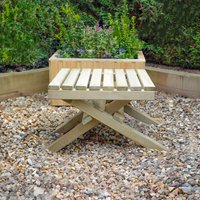
22% discount: Forest Slatted Wooden Garden Table 1’9 x 1’8 (0.54m x 0.50m) £99.9922%
-
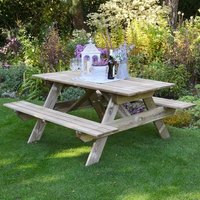
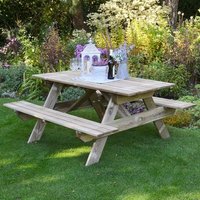
46% discount: Forest Small Rectangular Wooden Garden Picnic Table 5’x5′ (1.5×1.5m) £139.9946%
-
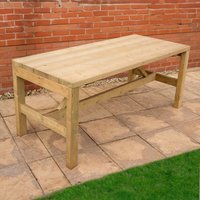
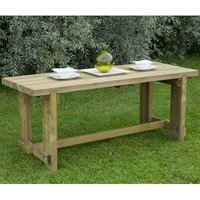
43% discount: Forest Wooden Garden Dining Table 5’11 x 2’6 (1.8m x 0.76m) £179.9943%
-
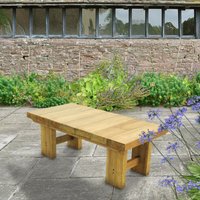
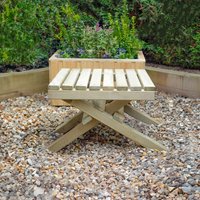
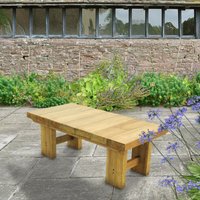
15% discount: Forest Low Sleeper Wooden Garden Table 4’x2′ (1.2×0.6m) £201.9915%
-
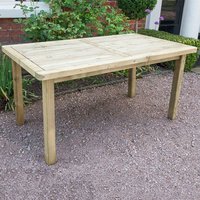
38% discount: Forest Rosedene Wooden Garden Table 5′ x 3′ (1.5m x 0.9m) £229.9938%
-
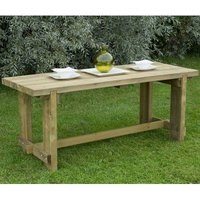
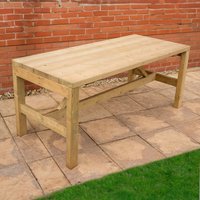
19% discount: Forest Refectory Wooden Garden Table 6’x2′ (1.8×0.7m) £299.9919%
Garden tables special offers bring together outdoor dining tables, bistro shapes, folding options and compact side tables, with clear savings on materials, sizes and styles for patios, balconies and lawns.
Tables that change the mood of a garden space
Outdoor tables do more than hold plates and glasses. They set the pace of a sitting area, define how many people can gather, and decide whether a corner feels open, close-knit or ready for a long meal. In a garden shop category built around special offers, the range often brings together pieces that differ in height, shape, frame type and surface size, so it helps to read them by use rather than by looks alone.
Some tables suit quick coffee breaks, others are shaped for family lunches, and a few are made to sit beside loungers or between chairs. The right choice is often about how the table sits in relation to the rest of the outdoor setup. A narrow balcony calls for a different footprint than a wide terrace. A spot near a grill asks for enough landing space, while a quiet reading corner may need only a small top and a stable base.
Short and simple.
Shape matters too.
So does height.
And the frame.
What the special offer range usually includes
Within a garden tables special offers category, the selection commonly spans a few clear table families. Each one answers a different outdoor need, and the distinctions are easy to see once you know what to look for.
- Dining tables for four, six or more seats, often with rectangular, oval or round tops.
- Bistro tables with smaller diameters or square tops for two-person settings.
- Foldable tables that collapse for storage or for occasional use in changing spaces.
- Extendable tables that shift from compact to longer layouts when extra seating is needed.
- Side tables and low coffee tables for drinks, books or planters near lounge furniture.
- Picnic-style tables with attached benches or a shared central structure for sociable seating.
These types may appear in the same offer period, but they are not interchangeable. A bistro table gives a tighter, more intimate setup. A dining table needs more room around it for chairs and movement. A folding model gives flexibility, while an extendable one handles guest numbers with less fuss than buying a second table. Each style has its own shape of usefulness.
Round, square, rectangular: the shape story
Table shape changes how people sit and how space feels. Round tables soften hard edges and make conversation feel shared because nobody is tucked into a corner. They also work well in smaller areas when you want the centre of the space to feel open. A round top can be easier to weave around on a patio with curved paths or planting beds.
Square tables suit neat layouts and smaller groups. They often sit well against walls or in corners, especially when the setting is geometric and tidy. A square form can feel balanced in a compact courtyard, though it usually offers less flexible seating than a round one once the chairs are in place.
Rectangular tables are the strongest choice for longer gatherings. They line up easily with benches or separate chairs and often give the best balance between length and eating space. In many garden settings, this shape makes the table appear more anchored, which helps when it sits on paving or decking. Oval tables sit somewhere between round and rectangular: softer than one, longer than the other, and often easier to move around than a sharp-cornered format.
Materials that tell their own outdoor tale
Special offers often include a mix of materials, and each one brings different visual and practical qualities. Wood, metal, plastic, glass tops and mixed-material frames each create a distinct look. The material also affects weight, feel and how the table relates to chairs, parasols and surrounding planting.
- Wooden tables carry a natural grain and often suit planting-heavy spaces, rustic terraces or classic garden rooms.
- Metal tables feel crisp and structured, with slim frames that can make a layout seem lighter.
- Aluminium tables are usually featherweight in comparison, handy where moving furniture is part of the routine.
- Steel-framed tables bring a firmer presence and often work well where the table should feel steady and grounded.
- Plastic or resin tables can be quick to position and often come in clean, unfussy shapes.
- Glass-topped tables open up the visual field and can look less bulky in tighter areas.
The differences are not only visual. A thick wooden top behaves differently from a slim metal frame in terms of feel at the table, leg room and the amount of visual space it takes up. Glass can make a setting look airy, but it changes how the top reflects light. A darker metal frame can define the outdoor zone more sharply, while pale finishes tend to blend into brighter stone or timber surroundings.
Small footprints, big use
One advantage of special offer tables is that they can open up options for spaces that may have seemed too narrow for full outdoor dining. A compact square table can fit into a balcony nook, a slim rectangular model can line up against a wall, and a small round top can sit neatly beside two chairs without crowding the space. This is where measuring pays off.
Leave room for pulling out chairs, not just for the tabletop itself. A table that seems right in the showroom can feel cramped outside if the seat backs hit planters, railings or steps. For a tight area, folding edges or pedestal bases can help because they reduce the clutter of four heavy corners. Central supports also make it easier to slide knees in without leg clashes.
For larger spaces, the table can act as a visual anchor. A long dining table gives structure to an open patio. A round table can gather loose seating into one social island. A coffee table beside a lounger turns a wide deck into a place for sitting rather than simply passing through. The surface size and base style quietly decide how the area is used.
Special offer differences worth noticing
Not all offer tables are the same, even when they look similar at a glance. One may be built for fast folding and easy storage, while another is a fixed piece meant to stay in one place. Some tables are sold as standalone items, others as part of matching sets, and the difference matters if you are trying to keep a seating area visually consistent.
- A fixed table usually feels more settled and sturdy once positioned.
- A folding table suits changing use, guests, or seasonal layouts.
- An extendable design bridges everyday use and larger gatherings.
- A bar-height table shifts the mood towards standing drinks or tall stools.
- A low lounge table pairs with deeper seating and softer outdoor living.
Those categories can overlap in appearance, yet they serve different habits. A bar-height table changes posture and social rhythm, making the setting feel more relaxed and less meal-centred. A low table works with cushions, loungers or sofa-style seating, where the aim is not formal dining but easy reach. A folding table is more flexible by nature, though it may have a lighter visual presence than a heavier fixed piece.
Materials and forms that suit different corners
Some offers lean towards slimline modern tables, others towards chunkier frames or decorative legs. The form should suit the space around it. Thin, straight legs work well where you want the floor covering to stay visible. Cross-brace bases can add character, though they may reduce foot freedom. Pedestal tables remove corner legs from the edges, which can make seating more relaxed on two or three sides.
In a courtyard, a compact round table can sit like a focal point among pots and paving. On a long terrace, a rectangular table often echoes the space and keeps movement organised. Near a wall or fence, a square table may feel less awkward than a round one because its edges line up with the boundary. If a table must stand under a parasol, check for a central opening or a layout that leaves room for shade without crowding plates and elbows.
There are also tables with slatted tops, smooth tops, textured surfaces or mesh-inspired detailing. Slatted designs bring rhythm and can let rain move away more easily, though this text avoids maintenance matters and stays with the look: slats create line and shadow. Smooth tops read as more polished and can give cups and trays a steady visual base. Textured finishes add tactility, which can soften an otherwise hard-edged garden setting.
Useful buying tips without the fluff
Choosing from a special offer list works best when you match the table to real use. Start with the number of people who actually sit there most often. If two people use the space daily but six gather only now and then, a folding or extendable option may make more sense than a permanently large dining surface. If a table is mainly for drinks and a plate or two, a smaller footprint gives more breathing room.
Think about the chair shape too. Deep lounge seats ask for different table height than upright dining chairs. Thick chair arms can block the table edge if the overhang is too short. A pedestal base can ease access, while four legs can offer a more traditional feel. If the table sits on grass, decking or gravel, the base style may affect how confidently it stands on the ground.
Colour also changes the final effect. Dark frames can outline a seating area clearly. Pale or natural tones blend with stone, wood and greenery. Mixed finishes can bridge contemporary and softer styles. When choosing from offers, it helps to see whether the table reads as a statement piece or a quiet backdrop. Neither is wrong; they simply do different jobs.
Why special offers matter in this category
Garden tables on offer can make it easier to choose a better fit without overcommitting to a single format. This matters because outdoor furniture often has to answer more than one need: eating, chatting, resting, serving, or simply holding a few items while people move between zones. A reduced price can make a larger top or a more distinctive shape easier to justify, which opens room for better matching with existing seating.
Offers also let shoppers compare forms more openly. For example, a round metal café table may compete with a rectangular folding piece at a similar price, yet the experience of using them is quite different. One supports quick conversation in a tighter circle. The other handles trays, cutlery and several place settings with more lineal order. That difference is what makes the category worth browsing slowly, even when the price labels are pulling attention.
A table is not just a flat surface. It is where the garden pauses.
It gathers cups.
It catches light.
It sets the scene.
Picking the right fit for the way you sit
For a sociable corner, choose a table that allows people to face each other without crowding the edges. For a solo coffee spot, a smaller top with a firm base feels more relaxed and less demanding on space. For family meals, rectangular and extendable styles generally give the most usable length, while round tables often keep the conversation closer and the layout gentler.
If your outdoor area has several functions, a table with a simpler shape can adapt more easily. A plain square or round top can move from meal use to plant display to drinks table without looking out of place. More decorative models often work best when the setting is already defined by a strong style, such as a paved dining zone or a sheltered nook with matching chairs.
In the end, tables in special offers are about fit, form and function meeting in one place. The differences may seem small on a screen, but they show up clearly once chairs, space and seating habits come into play. A well-chosen table gives the garden a clearer rhythm, and that rhythm is what makes the area feel arranged rather than accidental.