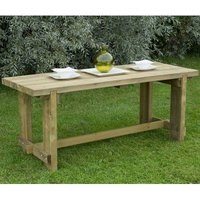
Description
Table and sleeper bench sets bring a strong timber look to garden meals, with special offers on sturdy outdoor seating, matching tables and weathered sleeper character for patios, terraces and shared spaces.
Chunky lines, honest timber, no fuss
These sets are built around a simple idea: a table that holds its ground and benches that carry the same solid, squared-off style. The sleeper look comes from thick wooden sections with a bold, rustic edge, so the furniture reads as part dining set, part feature piece. It has presence without shouting. Short tables. Long benches. Clean lines.
You will often see the style split into a few clear forms:
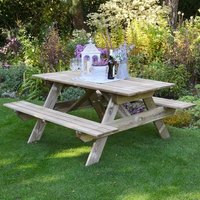
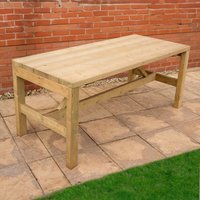
- Rectangular table and bench sets with straight seating on both sides, common for family meals and larger gatherings.
- L-shaped sleeper bench layouts that turn a corner and use space tightly against a wall, fence or pergola.
- Four-seat dining sets with a smaller table and two benches, suited to compact patios and smaller decks.
- Six- to eight-seat sets with broader tables and full-length benches, chosen when the garden becomes a social spot.
What makes sleeper benches look different
Sleeper bench sets do not lean on delicate joinery or slim café lines. Instead, they use a thicker profile that feels grounded and architectural. The benches are usually broad, with firm edges and a weighty stance, while the table top often echoes that same block-like look. This gives the whole set a stronger silhouette than standard slatted garden furniture.
There are also visual differences within the range. Some sets keep the wood tone close to a natural timber shade, giving a softer grain-led finish. Others are darker and more aged in appearance, which pushes the rustic feel further. If a set includes a paired backrest, the seat reads more like a dining bench; if it is backless, it feels more open and easier to slide into position.
Very short sentence. Strong shape. Easy to read.
Special offers with real garden use in mind
When a category is marked as special offer, the point is usually straightforward value across the pieces that matter most: table size, bench length, material finish and overall set balance. A reduced set can be a way into a timber style that would otherwise sit higher in budget, especially when the same design language runs from table to bench without needing extra chairs.
For shoppers comparing options, the main practical advantages are easy to spot:
- benches can fit more people side by side than separate chairs in the same footprint
- the table-and-bench format leaves a cleaner centre line for serving dishes and trays
- the sleeper look works well beside stone paving, bark borders and brick walls
- heavy timber styling can make the set feel settled in open, windy gardens
Shapes that change the feel of the space
The table shape changes how the whole set sits in the garden. A rectangular table is the most common choice, because it follows the bench format neatly and gives an orderly, framed look. A broader plank-style top makes the set feel more relaxed and informal. Where a round or oval shape appears in the category, it can soften the strong sleeper character a little, although these shapes are less common than straight-edged designs.
Bench form matters just as much. Backless benches make the setting lighter to look at and easier to tuck under the table. Benches with backs add a more defined dining feel and can support longer sitting during evening meals. Corner bench sets create a booth-like arrangement, useful when one side of the patio has to stay open for walking space.
Small set. Big lines. Less clutter.
Useful differences between set types
Because the category centres on timber table-and-bench combinations, the main comparison is not about decoration but about layout, scale and how the set will be used. A compact two-bench set is easier to place on a small terrace, while a larger six-seater set is more suited to gardens where the table is used for long lunches, drinks and grouped seating. A single table with two equal benches keeps things tidy; a wider table with mixed bench lengths can create a more deliberate, built-in look.
If you are narrowing the options, these distinctions help:
- Compact patio set — smaller footprint, easier to position near doors or on courtyards
- Family dining set — more seat length, better for shared meals and occasional extra guests
- Corner arrangement — uses an edge well and can free up the middle of the garden
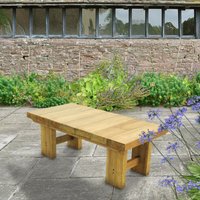
- Freestanding bench pair — simpler to move and re-space than fixed corner seating
Where the sleeper style sits best
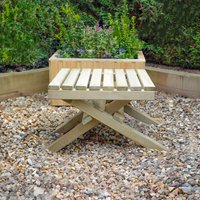
The look works especially well where the garden already has strong materials around it. Gravel, concrete slabs, clay pavers and timber decking all suit the set’s blocky form. Against planting, the contrast can be striking: soft grasses and leafy borders can sit beside the hard, straight timber shape without fighting it. In more modern spaces, the chunky bench style can bring warmth to a sharper layout.
It also helps when the furniture needs to feel anchored rather than temporary. A sleeper set is less about dainty movement and more about creating a seating point that looks as though it belongs there. That is why many buyers compare it with standard chair sets and choose the bench version when they want a stronger visual centre for the outdoor area.
Buying tips that keep the choice simple
To make the right pick, measure the table span and bench clearance first, then check how much room is needed for people to sit and move behind the set. A bench needs space not just for seating but for pulling in and out without clipping walls, planters or railings. If the set will sit on a narrow terrace, backless benches often feel easier to place; if it will live on an open lawn edge, a backed bench can suit the setting better.
It also helps to look at the visual weight of the timber. Some sleeper-style sets are visually dense and suit larger outdoor zones, while others keep the same character but with a lighter outline. If the furniture needs to sit near a grill area or outdoor kitchen, a straighter table edge can make serving simpler. If the goal is a more informal gathering spot, a broader bench format gives the set a relaxed, sturdy look.
Good fit matters. So does clear space. Check both.
Why people choose benches over chairs here
In this category, benches do more than save room. They set the tone. Chairs can break up the line of a garden dining area, while benches create a long, continuous shape that suits the sleeper timber look. That continuity can make the whole setting feel more deliberate and more unified. It also makes the table appear longer and more substantial, even when the footprint stays modest.
Another point is flexibility. Benches can take mixed seating positions without needing a full place setting at every edge. For casual outdoor eating, that makes the arrangement feel easy rather than formal. If a set is being compared with chair-based furniture, the sleeper bench version often wins where the brief is visual strength, shared seating and a tighter material story.
Small details that change the finish
Even within one category, the little details alter the overall impression. An overhanging table top gives a lighter edge and a slightly lifted look. Thicker legs make the set seem more grounded. Straight-cut bench ends read as modern-rustic, while more softened corners can feel calmer and less heavy. These are small changes, but they shape how the set sits in the garden.
If the wood surface shows more grain and variation, the furniture tends to look less formal and more characterful. If the finish is smoother and more even, the set can sit nicely in cleaner, contemporary surroundings. Neither approach changes the sleeper identity, but it does shift the mood from rough-hewn to neatly dressed.
A category with weight and character
Table and sleeper bench sets stand apart because they combine usable seating with a strong visual frame. The tables are not just surfaces; they act as the anchor point for the whole arrangement. The benches are not just seats; they carry the same timber language and help the set read as one piece. That is why the special offers in this category are worth a close look: the value sits in both the practical layout and the clear, solid style.
For gardens that need seating with shape, timber with presence and a layout that can handle both quiet meals and busier gatherings, this category keeps things focused. The forms are clear. The differences are easy to see. The look stays rooted in the wood itself.