
wooden garden storage 6x3 - Best offers in UK
Showing all 3 resultsSorted by price: low to high
-
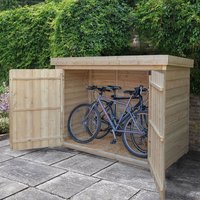
34% discount: 6’5 x 2’10 Forest Overlap Large Double Door Pent Wooden Garden Storage – Bike / Mower Outdoor Store (1.9m x 0.86m) £244.9934%
-
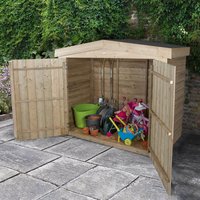
31% discount: 6’5 x 3′ Forest Overlap Large Double Door Apex Wooden Garden Storage – Bike / Mower Outdoor Store (1.9m x 0.8m) £259.9931%
-
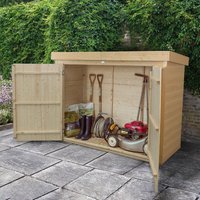
38% discount: 6’5 x 2’10 Forest Shiplap Large Double Door Pent Wooden Garden Storage – Outdoor Bike / Mower Store (1.9m x 0.86m) £304.9938%
wooden garden storage 6×3 for compact outdoor spaces, keeping tools, cushions and seasonal bits tucked behind timber boards in a neat, narrow footprint with natural grain and practical access.


Small on the outside, useful on the inside
A 6×3 timber garden store works with a slim patch of ground rather than asking for a wide corner. That shape matters. It sits along a fence, by a path, or beside a patio without swallowing the whole garden. The depth is modest, yet the length gives room for long-handled tools, folding chairs, plant trays, pots and bagged compost. It is a storage form that feels made for side returns, narrow plots and tucked-away gaps where a bulkier shed would look awkward.
Small footprint. Clear lines. Less visual clutter. More floor left for planting, seating or a turn of the lawn mower.
The wooden build also changes the feel. Timber does not read like a hard box in the same way metal or resin often does. It brings a softer edge, especially where the grain is left visible. In a garden with borders, sleepers or trellis, the store blends in rather than standing apart.
The 6×3 shape and what it changes
The proportions of 6×3 wooden garden storage are the main story. Six feet of run gives you a useful stretch for arranging items side by side, while three feet of depth keeps the unit from jutting far into the space. That balance makes the shape different from square storage, which can feel boxier and less easy to place. It also differs from deeper sheds that can hold more bulk, but often take up more of the garden than you want to spare.
In practical terms, the shape suits items that are long, flat or stacked in layers. Spades, rakes and brushes can stand in one zone. Smaller pieces can sit on shelves or on the floor in lidded crates. Cushions and seat pads can go into a dry section, while garden games, watering kit or barbecue bits stay in another. The width is narrow, so sorting by lane or slot helps make the most of the space.
If you are comparing it with a wider garden store, the difference is reach rather than volume. A wider unit can take bulky bins or more equipment in one sweep. A 6×3 format, by contrast, is about a tidy line of storage with less wasted corner space. That suits gardens where access matters as much as capacity.
Timber styles that shape the look
Wooden garden storage comes in several forms, and the finish changes both appearance and how the building sits in the plot. Some versions use horizontal featheredge or shiplap boards, giving a classic shed profile with visible lines across the walls. Others have vertical cladding, which draws the eye upward and can suit a more upright, narrow look. Overlap board styles bring a rougher, traditional feel, while tongue-and-groove timber gives a tighter, neater face with cleaner joins.
Shiplap garden storage usually has interlocking boards that shed rain well and create a crisp surface. Overlap cladding storage looks more rustic, with boards laid over each other for a simpler build style. Tongue-and-groove timber sheds feel more structured, with boards fitted edge to edge for a smoother appearance. Each has a different visual tone, so the choice often comes down to whether you want the unit to look tidy, rustic or somewhere in between.
There are also differences in roof form. A pent roof slopes in one direction and suits placing the store against a wall or fence. An apex roof gives a traditional peaked outline and can offer a little more head height in the middle. A flat roof keeps the profile low, which helps in tighter plots where the store should sit quietly rather than dominate the view. Those shape differences matter more than many buyers expect, because the roof line affects how the unit reads from a window or path.
Access points that change everyday use
Door design shifts how the storage works from day to day. Double doors make it easier to move in wider items, such as folded chairs, push brooms or plant stands. A single door uses less front space and can work better where the opening area is tight. Some 6×3 timber stores have a centred entrance, while others place the door to one side, leaving a longer uninterrupted wall section for shelving or hooks inside.
Double door wooden storage feels open and simple when items need to be lifted in and out without a twist. A side door can be handier if the unit backs onto a fence and the main face is visible from the garden. Low threshold access can reduce lifting, while a raised lip at the entrance helps keep the interior clearly defined. These are not dramatic details, but they shape how easy the space is to use when your hands are full.
Some designs include a small window or glazed panel, which changes the inside from dark to readable in daylight. Others stay fully boarded for a private, closed look. A glazed opening can help you spot stacked items quicker. A fully enclosed front can suit a tidy, less busy garden image. Different, but each has a place.
Roof lines, floor levels and the feel underfoot
The roof is not only about looks. In a wooden garden store, the roof form affects the silhouette, rain run-off and how tall the unit feels from the path. A pent roof sits lower at the back and is often chosen where height must stay controlled. An apex roof makes the storage feel more established and can create a small rise in internal space. The difference is easy to notice from outside, especially in a narrow 6×3 format where the roof becomes part of the profile.
The floor also matters. A timber floor gives a continuous wooden feel under boxes, planters and tool cases. It feels more like part of the building than a bare ground base. In a 6×3 layout, floor space can be divided more clearly than in a looser outdoor corner, so it helps to think in strips: one for long tools, one for stacked containers, one for bulkier items. That simple line-up makes the interior easier to read at a glance.
Very short point. Measure the longest item first. Then check the door.
What fits where in a narrow timber store
A 6×3 format lends itself to a set of storage zones rather than one open heap. Long tools can stand upright at one end. Medium items can hang on the side walls. Loose items can sit in crates, baskets or stackable boxes on the floor. This is where the shape differs from a square unit: the narrow width encourages clear ordering, so items are less likely to disappear into a deep corner.
- Long-handled tools such as spades, forks and rakes
- Folded chairs and slim deck pieces
- Plant pots, trays and seed trays
- Hose reels or watering cans
- Outdoor cushions in storage bags
- Small garden machinery with a compact footprint
Because the width is not generous, stacked storage works better than loose piling. Flat containers, narrow shelves and wall hooks make more sense than wide freestanding units inside the store. That is not a limitation so much as a format. It pushes the layout toward order.
Why wood changes the mood of the plot
Timber has a different presence to steel or plastic. It can sit with fences, pergolas, raised beds and sleepers without feeling separate from them. The tones are usually earthy, with natural variation that softens a boundary line. In a compact garden, that can be a strong advantage because the store becomes part of the scene rather than a block in it. The natural finish also works with painted gates, dark decking or pale stone, depending on how the surrounding materials are set out.
natural timber storage tends to feel less severe in close quarters, especially where planting is near the wall line. compact wooden shed forms can read as a garden feature as much as a store, depending on cladding and roof shape. slim outdoor storage unit is the phrase many people use when the space is too tight for a broader shed footprint. These terms are close, yet each points to a slightly different use or outline.
There is also a visual difference between rough-sawn boards and smoother planed timber. Rougher surfaces give a more workmanlike, country feel. Smoother boards look cleaner and more settled. Neither is better in itself; they simply sit differently in the garden picture.
Practical tips for choosing the right version
First, look at access. If the path to the store is narrow, the door width and opening angle matter more than you might think. Second, look at the shape of the items you want to keep inside. Long tools and narrow kit suit the 6×3 line better than large, bulky items that need more depth. Third, look at the roof height in relation to fences, shrubs and windows so the structure sits where it will not feel overbearing.
It also helps to think about the front view. A double-door front gives a more open face. A single door with plain cladding gives a simpler line. A window breaks up the wall and brings light, but it also changes the privacy of the store. A pent roof can keep the overall profile low, while an apex roof adds a more traditional top line. Each one changes the way the unit sits in the garden, not just how it stores things.
One more note: if your ground area is tight, the 6×3 footprint can be measured against paving slabs, border edges or fence posts before you commit. That makes it easier to see whether the store will line up neatly or need a small adjustment in position. Tiny shifts in placement can make a narrow unit feel tidy rather than squeezed in.
Short line. Check the swing. Check the wall.
Where this format stands apart from broader storage
A wider wooden shed often gives more freedom inside, but it can also use space in a way that feels heavy for a smaller garden. The 6×3 version keeps the same timber presence in a more restrained shape. That difference is useful where the garden already has seating, borders or a route that needs to stay open. It is also why this format often suits side return areas, end-of-garden strips and corners beside garages.
Compared with metal garden storage, wood gives a warmer visual finish and usually a more traditional garden look. Compared with plastic storage, timber has more texture and a stronger sense of permanence. Compared with a narrow locker or chest, the 6×3 format offers proper walk-in access rather than a simple lift-top hold. Each type has its place, but the wooden 6×3 form sits in the middle ground between compact and usable.
That middle ground is the real strength. It is not a giant store. It is not just a box. It is a measured piece of outdoor space that can hold the things a garden uses all year while still leaving the rest of the plot feeling open. For many layouts, that balance is the thing that counts most.
Choosing by use, not only by size
If the main load is tools, look for upright internal space and door access that allows easy lifting. If the main load is cushions or outdoor fabrics, a dry, enclosed timber body with sensible internal ordering matters more. If the store will also hold pots and seasonal items, shelves or a divided interior can help separate fragile pieces from heavier ones. In a 6×3 plan, those divisions are especially helpful because the width is limited and every section has to work.
There are also differences in how each style feels when opened. A clean, narrow interior with straight walls is easier to scan quickly. A more rustic board style may look warmer outside, though it can feel less crisp inside if the lining is not as smooth. The choice between these styles is less about fashion and more about how you use the space on a normal week, not just on one busy day.
When the size, roof line, cladding and door type align with the things you store, the unit earns its place. That is the quiet value of wooden garden storage 6×3: it matches a specific slice of garden life without taking over the rest. And that, in a small plot, means a lot.
Small frame. Clear purpose. Timber with a job.