
Wooden Garden Tables - Best offers in UK
Showing 1–8 of 9 resultsSorted by price: low to high
-
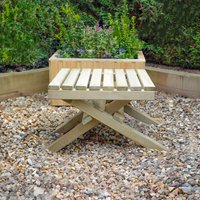
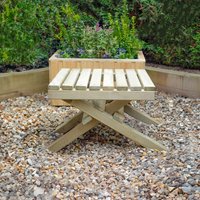
22% discount: Forest Slatted Wooden Garden Table 1’9 x 1’8 (0.54m x 0.50m) £99.9922%
-
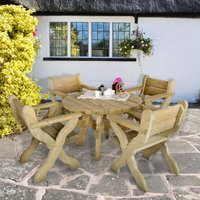
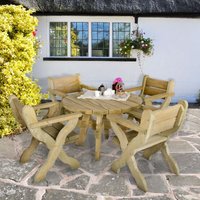
Forest Grizedale Circular Wooden Garden Table 4’x4′ (1.2×1.2m) £149.99
-
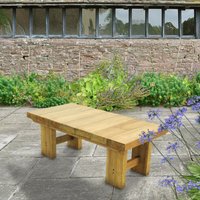
15% discount: Forest Low Sleeper Wooden Garden Table 4’x2′ (1.2×0.6m) £201.9915%
-
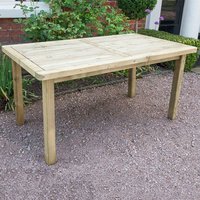
38% discount: Forest Rosedene Wooden Garden Table 5′ x 3′ (1.5m x 0.9m) £229.9938%
-
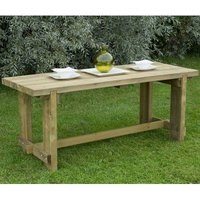
19% discount: Forest Refectory Wooden Garden Table 6’x2′ (1.8×0.7m) £299.9919%
-
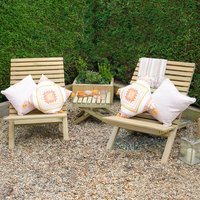
19% discount: Forest Slatted Wooden Garden Table and Chairs Set 2’3 x 3’11 (0.68m x 1.19m) £309.9919%
-
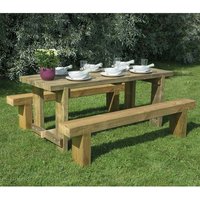
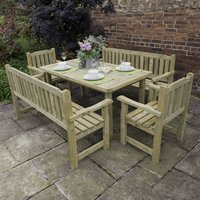
20% discount: Forest Sleeper Bench & Refectory Wooden Garden Table Set 6’x2′ (1.8×0.7m) £444.9920%
-
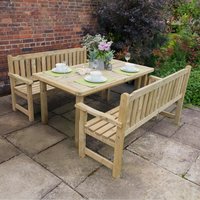
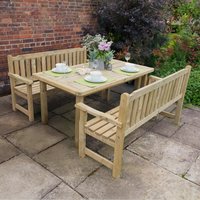
24% discount: Forest Rosedene Wooden Garden Table and Benches Set 5’5 x 6’2 (1.65m x 1.87m) £669.9924%
Wooden garden tables bring grain, weight, and warmth to outdoor dining, from compact bistro tops to broad family boards, in oak, teak, acacia, and slatted or solid forms.
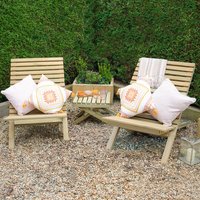
Cut from timber, shaped for the garden
Wooden garden tables sit in a space where furniture meets weather, shade, and shifting light. Their appeal is not just the look of timber, but the way each table carries a distinct surface, edge, and frame. A slatted top throws soft shadow across the boards. A thick plank top feels steady and grounded. A folding table carries a lighter mood, while a fixed table tends to feel more anchored in a seating area.
In this category, the differences are not subtle. Table width, leg stance, tabletop format, and wood species all change how a piece looks and works outdoors. Some tables are made for narrow terraces and morning coffee. Others are built for long lunches, shared platters, and chairs tucked around every side.
Grain, boards, and the way timber speaks
Wood is the thing here, and wood never looks flat for long. The grain gives each table its own line and movement, with lighter species showing a clean, calm pattern and darker timbers leaning into a deeper, more textured tone. That visual character matters when the table sits against stone paving, clipped hedges, rattan seating, or painted metal chairs.
Many wooden garden tables use one of three surface styles:
- slatted tops, where narrow boards create gaps for a breezy look
- solid tops, where the surface reads as one broad plane
- plank-style tops, where wider boards bring stronger lines and a more rustic edge
Each style changes the feel of the table. Slatted designs seem lighter and less heavy in small spaces. Solid tops can look bolder and more formal. Plank tops often carry a more rural, workbench-like character, which suits courtyard settings or gardens with natural planting.
Round, square, rectangular: shape changes the mood
The shape of a wooden garden table shapes the whole gathering around it. Round tables pull everyone into a shared centre and make conversation feel close. Square tables keep things neat and symmetrical, with seating usually arranged in a tidy, face-to-face pattern. Rectangular tables stretch the dining line and suit longer terraces or more structured layouts.
A small round table can soften a corner that feels sharp or narrow. A rectangular table can lead the eye along a patio and make the space appear more ordered. Square versions often work well where balance matters more than length, especially if the table sits beneath a pergola or between planters.
There are also compact café forms, drop-leaf styles, and extending tables. Drop-leaf designs make sense where floor space changes from one hour to the next. Extending tables suit homes that host sometimes but not every day. Fixed tables usually keep the cleanest silhouette.
Oak, teak, acacia: each timber brings its own accent
Wooden garden tables are not one single look. The timber species changes colour, density, tone, and the way the piece settles into an outdoor setting. Teak is often chosen for its rich golden-brown cast and fine grain, which weathers to a silvery tone if left to age. Oak tends to read as firm and classic, with a prominent grain that shows well in strong daylight. Acacia often brings a warmer, more varied pattern, with a slightly more animated surface.
Different woods also change the visual weight of the table. A dense hardwood can look and feel substantial, with thicker legs and a stronger profile. Lighter constructions may feel less imposing, which can help in smaller gardens or on balconies. The difference is not only in appearance; it alters how the table sits among chairs, parasols, and surrounding planting.
That’s the draw of timber: it can be blunt and bold, or soft and relaxed. Some tables lean toward a countryside feel. Others look crisp enough for a pared-back terrace. A few carry a more handcrafted edge, where joints, slats, and visible framing become part of the appeal.
Small breakfasts, long suppers, and the role of scale
Scale matters as much as style. A two-seater wooden garden table keeps things intimate and suits a narrow spot beside a wall or flower bed. Mid-size tables often work for everyday outdoor meals, with enough room for plates, drinks, and one bowl of herbs or salad in the centre. Larger tables make a stronger statement and can define a whole patio zone.
Short phrases. Big effect.
Space breathes here. Timber settles in. Seats gather round.
Length, width, and leg placement all affect comfort. A table with corner legs may give cleaner access for chairs than one with a central pedestal. A narrow table can feel agile, while a broader top gives more breathing room between diners. If the table is going beside other features, think about how much room is left for movement without squeezing the setting tight.
Folding edges, fixed frames, and how the structure changes use
The structure beneath the top matters just as much as the surface. Folding wooden garden tables can be tucked away when the garden needs to shift from dining to open space. Fixed-frame tables usually offer a more settled look and may suit permanent seating areas better. Some designs use cross-braced legs for extra visual strength. Others keep the base simpler, which can help the table feel less busy.
Pedestal bases are useful where legroom matters. Four-legged tables often feel familiar and straightforward. Trestle-style supports can add a robust, almost farmhouse character. Each base changes how chairs sit around the table and how the piece reads from a distance. A table with wide-set legs often looks sturdier, but a narrower stance can suit smaller patios more neatly.
What wooden tables do differently outdoors
Compared with glass, metal, or stone, wooden garden tables bring a softer visual note. Timber absorbs harshness and tends to sit more naturally with planting, fencing, and lawn edges. The grain and colour bridge the gap between built space and living space. That makes wooden tables feel less stark in gardens that already have a lot of texture.
They also offer variation within the same category. One wooden table may look rustic and weathered, another refined and sleek, another somewhere between the two. That range lets the material fit different outdoor settings without losing its character. Even when shapes are similar, the wood species and finish can make two tables feel worlds apart.
- slatted tables suit breezy, open patios
- solid tables carry more visual weight
- round forms support relaxed conversation
- rectangular forms suit longer dining lines
- folding tables help in shifting spaces
Useful cues before choosing a table
Look first at the space, then at the seating plan, then at the table shape. If the garden area is narrow, a slim rectangular or small round wooden garden table may work better than a broad square one. If the table will sit in a larger open setting, a longer shape can help create a clear dining zone. When several chairs need to tuck in fully, the leg position is worth checking closely.
Also consider how formal or relaxed the setting should feel. A table with smooth lines and a refined grain can sit neatly with structured planting and clean paving. A chunkier plank design may suit a more casual setting with mixed pots, grasses, and uneven stone. That contrast can be part of the charm.
The finish also changes the reading of the table. Lighter tones feel airier. Darker tones add depth. Natural, understated surfaces tend to let the grain lead, while more processed finishes push the piece towards a sharper, cleaner look. None of these are louder than the others; they simply tell different stories.
Where the eye rests first
On a wooden garden table, the first thing people often notice is the top edge. Is it square, rounded, bevelled, or thick and block-like? Then comes the base, which may be slim and discreet or bold and architectural. Finally, the grain settles the impression. These details are small on their own, but together they decide whether the table feels airy, robust, rustic, or polished.
That is why wooden garden tables remain easy to place but never bland. They can hold a room outdoors without shouting for attention. They work with benches, chairs, parasols, and planters, yet keep their own line. A good wooden table doesn’t just sit in the garden; it gives the garden a place to pause.
Forms that answer to different corners
For tighter balconies or compact patios, café tables and fold-away tops keep the footprint modest. For family meals, rectangular tables and extendable forms give more room for plates and serving dishes. For sociable corners, round and square tables feel more conversational. For a more grounded, traditional look, trestle and plank constructions bring a stronger sense of timber craft.
In every case, the variations are part of the attraction. Wood can be slim or heavy, smooth or visibly grained, fixed or folding, pale or deep-toned. It can feel country-leaning, clean-lined, or somewhere in between. And when the light shifts across the boards, the surface changes again. That’s the quiet drama of it.
Choose with shape, timber, and proportion in mind. Keep the setting honest. Let the wood do the rest.
Some tables feel calm. Some feel sturdy. Some feel ready.
And a few just sit there, looking quietly right.