
Stargazing Sheds – Advice for a Garden Telescope Setup

Many astronomy enthusiasts dream of having their own dedicated space for observing the night sky. Transforming a garden structure into a functional observatory offers an excellent solution. This approach provides convenience and protection from the elements while maintaining accessibility.
This comprehensive resource explores practical methods for converting existing outdoor buildings. Readers will discover how to create an effective home observatory without requiring expensive, purpose-built facilities. The guidance covers various structure types and their suitability for different needs.
The information addresses both simple DIY approaches and considerations for professional assistance. Whether one is beginning their astronomical journey or has years of experience, this material offers valuable insights. It focuses on creating a space that enhances the enjoyment of celestial observation from one’s property.
Inhaltsverzeichnis
Key Takeaways
- Converting garden structures provides an affordable alternative to professional observatories
- Proper planning ensures optimal telescope placement and viewing conditions
- Various outdoor buildings can be adapted for astronomical purposes
- Both budget-friendly and more advanced modification options are available
- Safety considerations are essential when creating a home observation space
- The setup process accommodates astronomers at different skill levels
- Effective design enhances the overall stargazing experience
Understanding the Benefits of a Home Observatory
Establishing a personal observatory transforms how enthusiasts engage with celestial viewing. This dedicated space offers significant advantages over temporary arrangements. The investment yields returns through improved observation quality and convenience.
Enhancing Your Observation Experience
A permanent home observatory eliminates setup time before each session. This encourages spontaneous viewing when conditions are ideal. The structure provides comfort during extended observation periods.
Light pollution reduction significantly improves celestial viewing. Additional panels can block interfering ambient light. This enhancement allows for clearer views of distant galaxies.
| Benefit | Impact on Observation | Equipment Protection |
|---|---|---|
| Permanent Setup | Reduces preparation time | Minimises handling damage |
| Weather Protection | Enables all-weather viewing | Shields from elements |
| Wind Blocking | Improves image stability | Reduces vibration damage |
| Temperature Control | Maintains optical clarity | Prevents condensation |
Protecting Equipment from the Elements
The observatory structure safeguards valuable astronomy equipment from harsh weather. Rain, snow and wind can compromise optical performance. Proper storage prevents moisture damage and temperature fluctuations.
Wind protection is crucial for stable observations. Even mild breezes cause vibrations that blur celestial views. The enclosed space maintains equipment in optimal condition.
Long-term equipment preservation extends the astronomy experience. Sheltered storage reduces maintenance requirements. This protection ensures consistent observation quality over time.
Choosing the Right Shed Design and Materials
The selection of an appropriate garden building is a critical first step in creating an effective home observatory. The right combination of design and materials forms the foundation for clear, comfortable celestial viewing. This choice directly impacts both the ease of modification and the quality of observations.
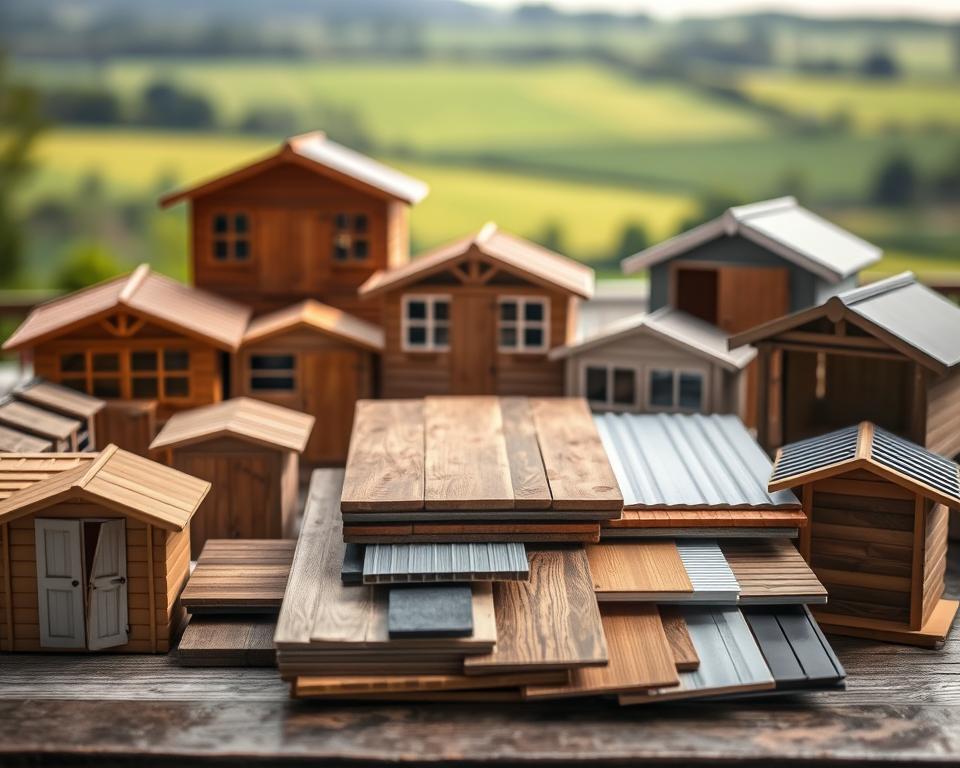
Different types of outdoor buildings offer distinct advantages. A thoughtful comparison helps identify the best fit for one’s specific needs and budget.
Comparing Pent Roofs, Log Cabins and Summer Houses
Each style of structure presents unique benefits for astronomical use. The table below outlines the key features of popular designs.
| Building Type | Key Feature | Modification Ease |
|---|---|---|
| Pent Roof Shed | Single-sloping roof | High – sections can be hinged or removed |
| Log Cabin | Large glass double door | Medium – may utilise existing openings |
| Summer House | Floor-to-ceiling windows | Low – often ready for use |
Pent roof sheds are highly adaptable. Their simple, sloping structure allows parts of the roof to be easily detached or modified without dismantling the entire frame. This is ideal for creating a clear aperture for the sky.
Log cabins and summer houses often provide excellent views through their existing large windows and doors. They can offer a more spacious room and may require fewer structural changes. The internal size should comfortably accommodate the equipment and observer.
Material choice is equally vital. Wooden buildings, especially those made from Western Red Cedar, provide excellent natural insulation. They avoid the heat retention issues of concrete or brick, which can distort air and degrade image quality.
Stargazing Sheds – Advice for a Garden Telescope Setup
The strategic positioning of the telescope forms the cornerstone of a successful home observatory. Careful planning maximises observations and ensures clear, unobstructed views of the night sky.
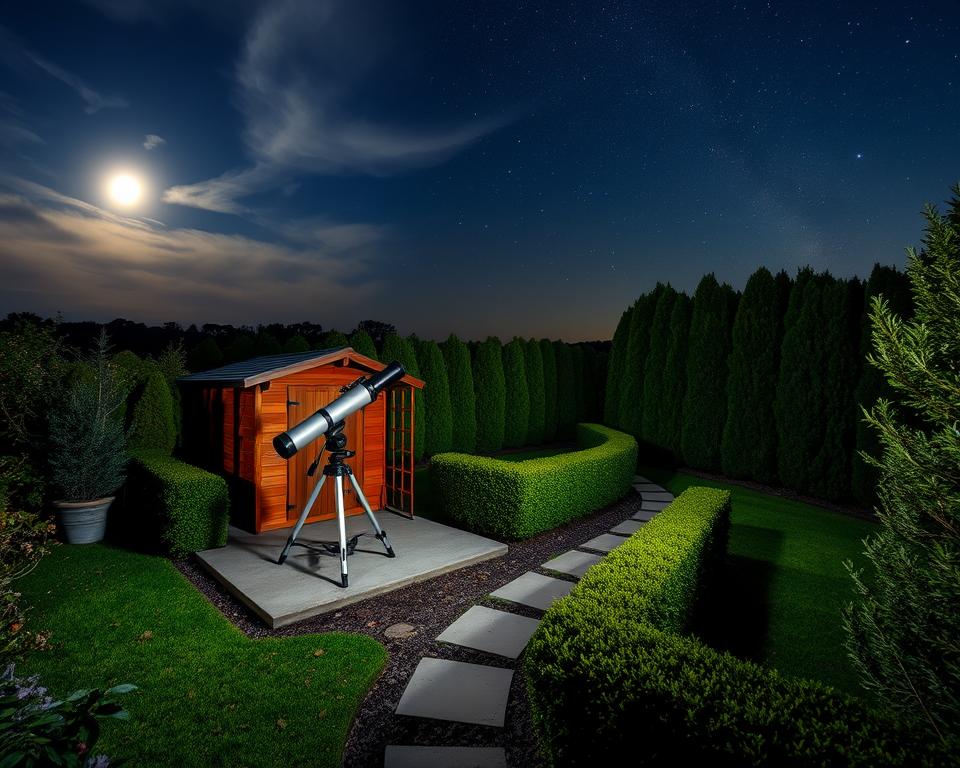
Planning Your Telescope Placement
Conducting trial sessions in different parts of the garden is highly recommended. This practical approach helps identify the optimal spot before making a permanent commitment.
One must also consider future changes. Trees or hedges that seem small today may grow to block critical sightlines in a few years. Planning ahead prevents such issues.
Ensuring an Unobstructed Night Sky View
For the best lunar and planetary observations, an uninterrupted view of the southern sky is essential. This direction tracks most celestial objects throughout the night.
Artificial lights from one’s own property or a neighbour’s can significantly interfere. Positioning the observatory away from these sources, or discussing adjustments with family and neighbours, is beneficial.
Setting up near a large window or door provides a full view of the overhead sky. Turning off interior lights avoids glare, and opening these features on pleasant evenings allows for direct access and a refreshing breeze.
DIY Modifications for an Improved Stargazing Setup
Personalising an outdoor building for astronomy requires thoughtful adjustments. Several do-it-yourself projects can significantly enhance the functionality of a space. These modifications provide a custom fit for specific equipment and viewing preferences.

They offer a cost-effective way to create a professional-grade setup. Even basic skills can yield impressive results with careful planning.
Installing Skylights and Roll-Off Roofs
Altering the roof is a common diy project. A roll-off roof system allows a part of the structure to slide away. This reveals an open observatory space for clear views.
Hinges or rails can be fitted to a pent roof design. The main shutter section often uses small caster wheels for smooth operation. This way of modifying the roof is very effective.
For a less invasive change, skylights are an excellent alternative. Polycarbonate panels are a budget-friendly option. They are lighter than glass and easier to install.
Fitting one or more skylights requires careful cutting. It provides a permanent window to the sky. This diy approach is less complex than a full roll-off roof.
Utilising Windows and Doors for Optimal Views
Existing features like a large door or window can be leveraged. This method requires no structural work. It is the simplest way to begin.
Positioning a telescope near an opening offers a wide field of view. It saves time during each session. This setup is ideal for spontaneous astronomy.
Ensuring a clear line of sight is crucial. Any glass in the door or window should be of good quality. This prevents distortion during observations.
With some planning, these diy changes transform a simple building. It becomes a highly functional observatory. The investment of time and effort is well worth it.
Technical Considerations and Home Observatory Requirements
Before embarking on the construction of a private observation facility, several technical requirements demand thorough evaluation. These considerations ensure the structure meets both practical needs and regulatory standards.

Material Choices and Insulation
Temperature stability is crucial for astronomical equipment. Proper insulation maintains consistent warmth, preventing damage from fluctuations.
Material selection directly impacts observational quality. The right choices create an optimal environment for the astronomy experience.
Planning Permission and Structural Safety
Planning permission typically poses minimal obstacles for projects under 3 metres tall. An informal consultation with local authorities clarifies any restrictions.
Structural safety involves proper foundation work. Concrete pads support wall posts, while a substantial central pier prevents vibrations.
| Technical Aspect | Key Requirement | Benefit |
|---|---|---|
| Foundation | Concrete pads and central pier | Vibration reduction and stability |
| Insulation | Thermal barrier materials | Equipment protection and comfort |
| Security | Lockable doors and alarms | Theft prevention and insurance compliance |
| Regulatory | Height and placement guidelines | Planning permission compliance |
Customised Designs and Adjustments
The observatory home benefits from tailored design features. Shaped strips allow for wall cladding attachment, while hardwood blocks support joists.
Each step in building a home observatory requires careful planning. This approach ensures the final structure meets all technical requirements.
Budget, Tools and Safety: Planning Your Build
A well-organised plan is the cornerstone of any successful construction project. Allocating the budget, sourcing the right tools, and prioritising safety from the start saves considerable time and prevents costly errors. This approach ensures the build progresses smoothly.

Careful planning is the first critical step. It helps identify which parts of the project are suitable for a DIY approach and which might require professional input.
Essential Tools and Equipment for DIY Projects
Gathering the correct tools is a fundamental step. For the foundational work, a cement mixer, wheelbarrow, and shovel are needed for mixing and moving concrete. Accurate measuring is vital, so a tape measure and spirit level are essential.
Basic woodworking requires a handsaw, hammer, nails, and screws. For more efficient work, power tools like a circular saw or jigsaw can be hired. These items speed up the process significantly.
Safety and finishing items are also important. Gloves, overalls, rollers, and black emulsion paint protect the builder and complete the observatory to a high standard.
Working with Professionals Within Budget Constraints
If complex woodworking is not your forte, hiring a professional is a smart way to ensure quality. The cost for specific tasks is often under £300. This is far cheaper than a purpose-built garden observatory.
This investment can save time and avoid potential mistakes. It allows the builder to focus on other aspects of the project. Involving family members can also help reduce labour costs.
| Task | DIY Approach | Professional Help |
|---|---|---|
| Foundation & Concrete | Physically demanding but straightforward | Recommended for complex bases |
| Woodwork & Framing | Possible with basic skills | Advisable for intricate designs |
| Electrical (e.g., lights) | Not recommended | Essential for safety |
| Final Finishing | Ideal for personal touch | Can ensure a polished look |
Mixing concrete is hard work. The surfaces must be level and smooth to avoid future problems. Allocating adequate time for this step is crucial for stability.
Safety extends to the finished observatory. A well-built step and door mat prevent trips, especially in low lights during night-time astronomy. This simple addition makes the home observatory safer for everyone.
By balancing DIY efforts with selective professional help, one can create a fantastic garden building. This guide highlights the importance of planning each part carefully.
Conclusion
Building a dedicated space for celestial observation represents a significant enhancement to any astronomer’s practice. This guide has illustrated that a functional home observatory is an achievable project, offering a practical and affordable route to superior viewing.
Success hinges on meticulous planning, from selecting the right structure to implementing key modifications. Whether adapting a simple shed or a spacious summerhouse, the goal remains a clear view of the night sky.
Attention to technical details ensures the observatory is safe, secure, and optimised for equipment performance. A blend of DIY initiative and selective professional input makes this dream attainable on various budgets.
The result is a lasting investment. It grants convenient, comfortable access to the wonders of astronomy for years to come. This project truly brings the universe to your doorstep.
FAQ
What are the primary advantages of a dedicated home observatory?
A dedicated structure protects valuable astronomy equipment from weather, reducing setup time. It provides a permanent, stable base for the telescope, leading to higher quality observations of the night sky. This setup also offers a comfortable, private space for the entire family to enjoy.
Which garden building designs are most suitable for an observatory?
Buildings with a roll-off roof design are highly recommended, as they allow for an completely unobstructed view. While traditional pent roof sheds can be modified, structures like summerhouses often provide more headroom. The best choice depends on the telescope’s size and the desired observing experience.
Is planning permission required to build a garden observatory?
In many cases, a garden observatory falls under permitted development, but this is not universal. Key factors include the structure’s size, height, and location on the property. It is essential to consult with the local planning authority before starting any building work to ensure compliance.
How can I minimise light pollution from my home observatory?
Using materials with minimal gaps helps prevent internal light from escaping. Installing red LED lights inside preserves night vision. Positioning the building to shield the telescope’s view from streetlights or house windows is also a critical step in planning.
What is the most important consideration for the telescope’s concrete pier?
The pier must be structurally separate from the building’s foundation. This isolation prevents vibrations from wind or movement within the observatory from affecting the telescope. A well-constructed pier is fundamental for achieving sharp, steady observations.
Can a standard garden shed be converted into an observatory?
Yes, many standard sheds can be successfully converted. This typically involves reinforcing the structure, replacing a standard roof with a roll-off mechanism, and improving insulation. A DIY conversion can be a cost-effective project, but careful planning is required for a successful outcome.

