The Ultimate Summerhouse Buying Guide

A well-chosen garden building can transform an outdoor space. It offers a versatile extension to a home, providing a dedicated area for relaxation or hobbies. This guide helps navigate the process of selecting the perfect structure.
These structures serve many purposes. They can become a peaceful home office, a creative workshop, or a cosy spot to enjoy the summer months. Their versatility is a key advantage, making them a valuable addition to any property.
Choosing the right one involves careful thought. Considerations include the available space, intended use, and desired style. This resource provides essential information to make an informed decision.
Inhaltsverzeichnis
Key Takeaways
- A garden building serves as a versatile extension to a home.
- It can be used for various purposes, from an office to a leisure space.
- Careful planning is essential for a successful project.
- Considerations include size, materials, and intended use.
- Proper site preparation ensures longevity and stability.
Understanding Your Summerhouse Requirements
Determining the primary purpose of your garden building ensures it meets both current and future requirements. This initial step directly influences size specifications and feature selection. Careful planning at this stage prevents costly modifications later.
Many people choose these structures for dedicated home office spaces. A separate garden office provides quiet focus away from household distractions. Others prefer creative workshops or leisure areas for hobbies and relaxation.
Future-proofing considerations are essential for long-term satisfaction. A building might initially serve as a playroom but later convert to a work space. Anticipating these changes guides investment in adaptable features.
Year-round usage demands specific preparations. Insulation, heating, and proper electrical installations become necessary for comfort during colder months. These decisions affect the building’s functionality across seasons.
Understanding functional needs helps establish realistic budget parameters. Essential features should be prioritised over desirable enhancements. This approach ensures the final selection delivers maximum value for the investment.
Choosing the Right Size and Layout
Getting the proportions correct is fundamental to creating a harmonious garden retreat. This involves a careful balance between the intended use, the available garden space, and the budget. Each factor influences the final decision on the building’s dimensions.

Assessing Your Garden Space
Homeowners should begin by physically measuring the proposed location. It is crucial to account for boundaries, trees, and other existing features. The goal is for the structure to enhance the outdoor environment, not overwhelm it.
Adequate clearance around the perimeter is essential. A minimum of 18 inches to 2 feet allows for maintenance and treatment application. Consideration must also be given to door swings, window openings, and roof overhangs to ensure they do not impede the surroundings.
Maximising Usable Interior Area
It is important to understand that the listed dimensions are the total exterior footprint. The actual usable interior space is smaller. Wall thickness, insulation, and interior lining can reduce the available floor area on all sides.
For specific uses, like a home office, document furniture dimensions beforehand. This confirms the selected model’s interior can accommodate everything needed. Some systems offer layout flexibility, allowing customisation of door and window placement to optimise light and views.
Key considerations for interior planning include:
- Calculating true dimensions: Subtract cladding and insulation from external measurements.
- Functional layout: Ensure there is enough room for movement and furniture.
- Future adaptability: Consider how the space might need to change over time.
Exploring Summerhouse Styles: Traditional to Contemporary
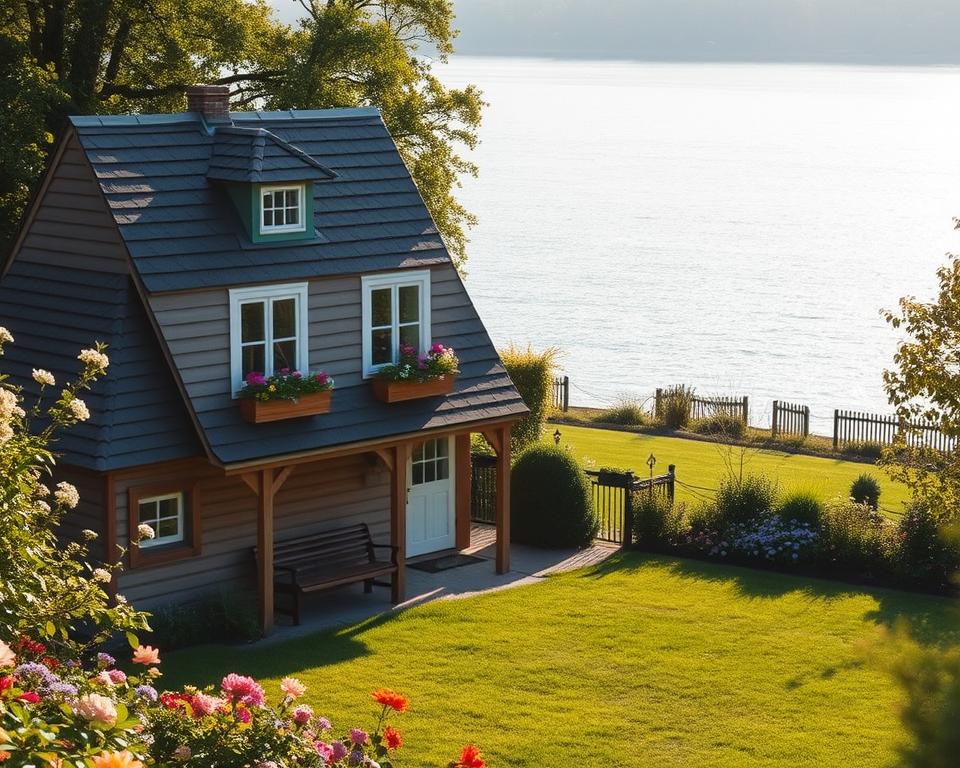
From classic apex roofs to contemporary pent designs, summerhouses offer diverse aesthetic choices. The architectural style significantly influences how the structure complements existing garden schemes and property character.
Apex, Pent, and Hip Roof Designs
An apex roof represents the traditional choice with two sloping planes meeting at a central ridge. This design provides maximum headroom and excellent weather protection.
Pent roofs feature a single sloping plane creating modern profiles. They suit urban gardens and locations with height restrictions near boundaries.
Hip roof designs incorporate four sloping sides for superior structural strength. They excel in exposed areas experiencing harsh weather conditions.
Corner, Octagonal, and Veranda Options
Corner summerhouses efficiently utilise garden corners with angled front elevations. They maximise panoramic views while conserving central space.
Octagonal designs provide near-360-degree views with traditional styling. Georgian windows and decorative details create charming focal points.
Veranda options extend covered outdoor areas for transitional activities. They offer sheltered spaces for seating and plant displays.
This range of styles ensures there’s a perfect match for every garden scheme and personal preference.
Selecting Quality Materials and Construction Techniques
Material selection forms the foundation of a durable and aesthetically pleasing garden retreat. The choice of materials fundamentally determines longevity, maintenance needs, and structural performance across changing seasons.
Timber remains the predominant choice for quality garden buildings. Softwood species like pine, spruce, and cedar offer excellent workability and natural insulation. Premium models use kiln-dried timber that minimises warping and splitting.
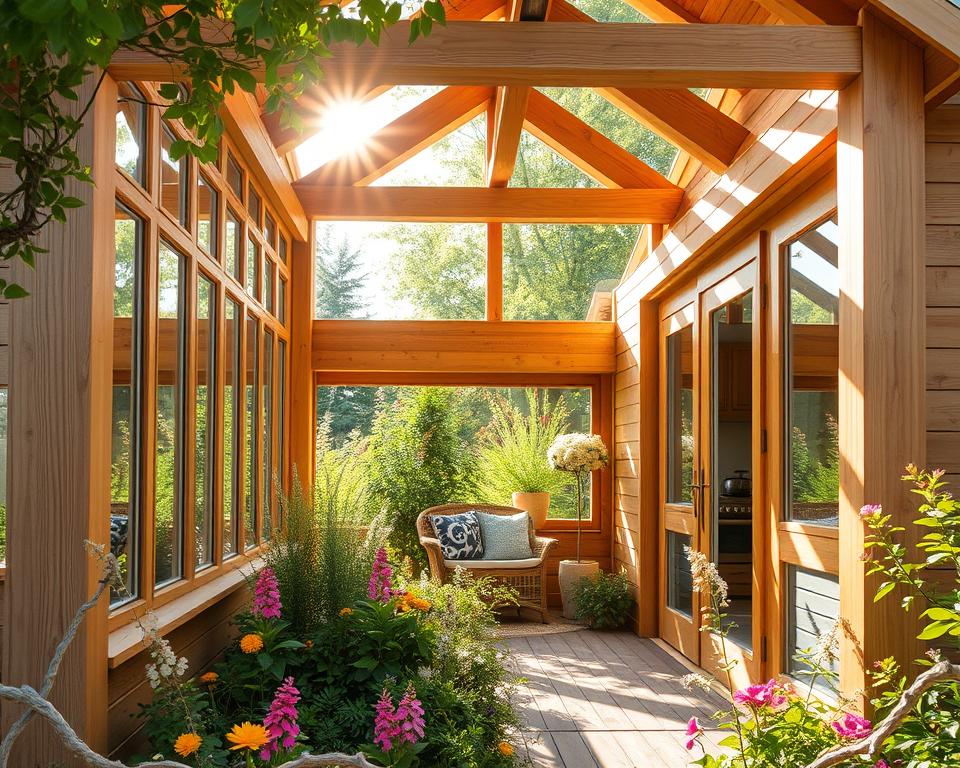
Construction techniques vary significantly across quality tiers. Superior builds incorporate proper corner jointing and comprehensive framing systems. Tongue and groove methods create interlocking, weathertight assemblies that accommodate natural timber movement.
Alternative materials include steel-framed structures offering reduced maintenance. Composite systems combine timber appearance with enhanced weather resistance. However, these options often compromise aesthetic authenticity and customisation possibilities.
Key quality indicators include cladding thickness, framing dimensions, and joint execution standards. Understanding differences between budget, standard, and premium construction types enables informed decision-making aligned with usage intensity and long-term value expectations.
Summerhouse Cladding, Insulation and Timber Treatments
The long-term performance and comfort of a garden building hinge on its protective envelope and internal climate control. Selecting the right materials directly influences weather resistance, energy efficiency, and maintenance needs. These choices determine whether a structure is suitable for seasonal use or comfortable year-round occupation.
Overlap vs Tongue and Groove Cladding
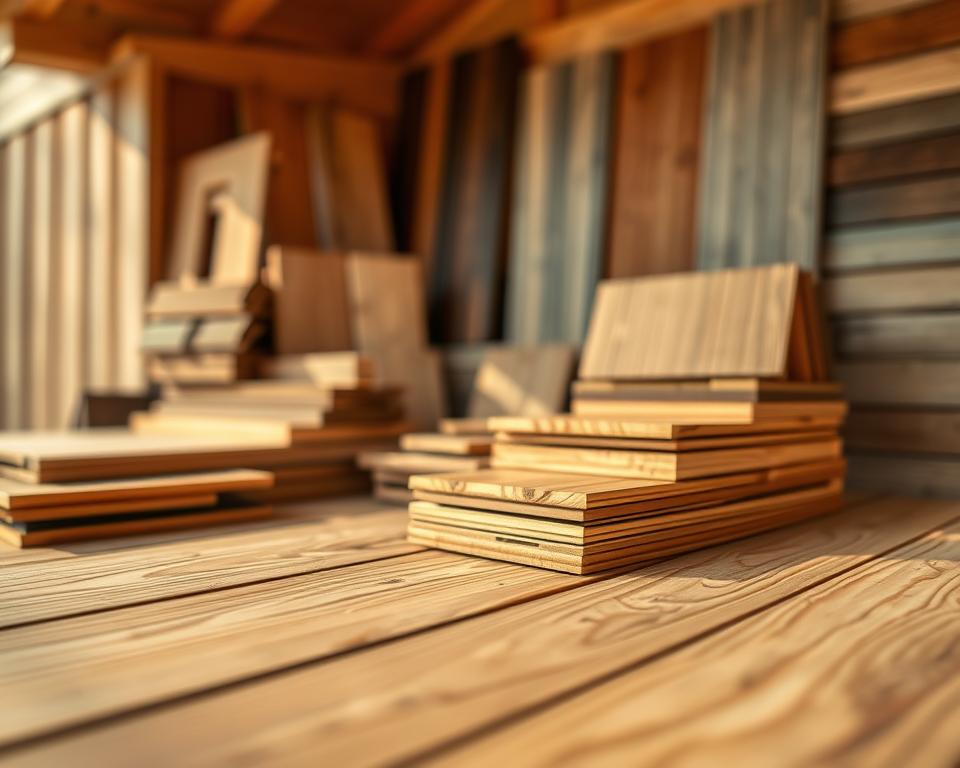
Wall cladding is a primary defence against the elements. Overlap cladding is an economical choice, using simple overlapping boards. This method, however, can allow draughts and moisture penetration, making it less ideal for frequently used spaces.
Superior tongue and groove systems create a much tighter seal. Each board has a projecting tongue that fits snugly into the adjacent board’s groove. This interlocking design significantly improves weatherproofing.
Shiplap is a popular tongue and groove variant with a rebated edge that sheds water effectively. Loglap offers the same sealing benefits with a curved, log-style finish for enhanced aesthetics. Thicker cladding, from 16mm to 44mm in log cabins, provides better insulation and sturdiness.
| Cladding Type | Weather Resistance | Ideal Use | Typical Thickness |
|---|---|---|---|
| Overlap | Basic | Storage, Seasonal Use | 12mm |
| Shiplap Tongue & Groove | High | Year-Round Rooms, Offices | 12-16mm |
| Loglap | High | Year-Round Use, Aesthetic Focus | 16mm+ |
Dip Treatment Versus Pressure Treatment
Timber preservation is essential for durability. Dip treatment involves briefly immersing wood in preservative. It provides a base layer of protection but typically requires reapplication every year to remain effective.
Pressure treatment is a more robust process. Preservatives are forced deep into the wood’s cells under high pressure. This method offers long-lasting protection against rot and decay, often for over a decade with minimal maintenance.
The choice impacts long-term upkeep. While dip-treated timber has a lower initial cost, pressure-treated timber represents better value for a structure intended to last. For comfortable interiors, adding insulation to walls, floors, and the roof is crucial for winter use.
Comparing Roof Designs and Finishing Options
The roof is a critical component that defines both the aesthetic appeal and functional performance of a garden building. Its design directly influences internal space, weather resilience, and overall character. Selecting the right option is a key choice in the planning process.
Felt Roofing Versus Shingles
High-quality mineral felt is the standard covering for most structures. It provides reliable, cost-effective weatherproofing against rain and wind. Proper installation with secure overlaps is essential for its performance.
Shingle coverings offer a premium aesthetic choice. Available in colours like cedar or slate-effect, they enhance visual sophistication. This option delivers superior presentation compared to standard felt.
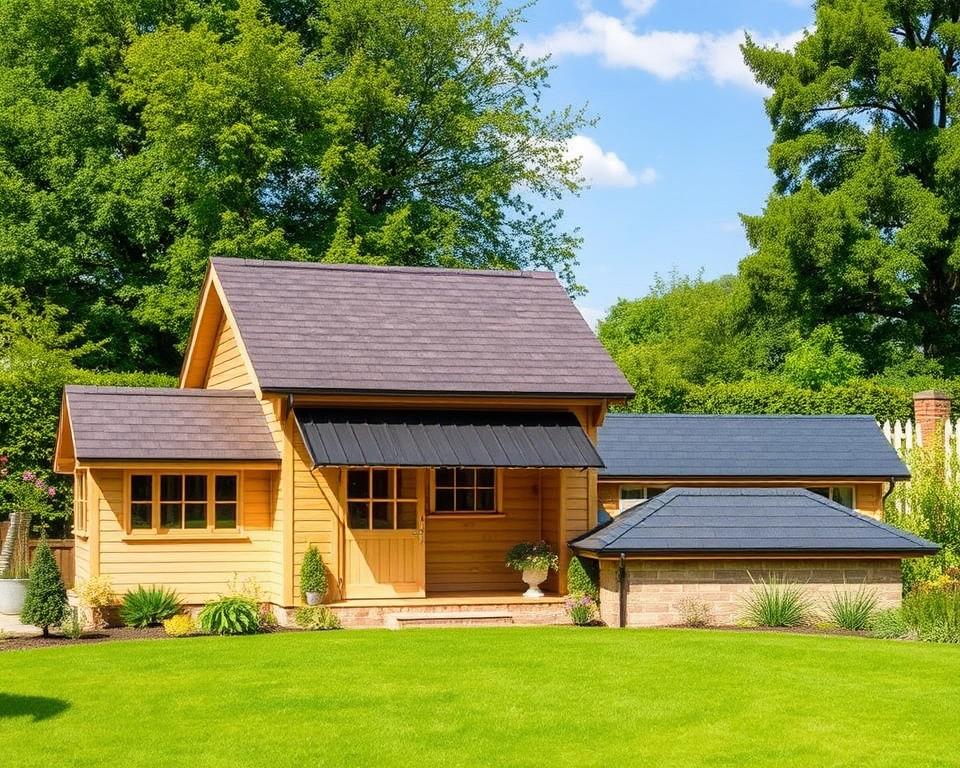
Advanced membranes like EPDM rubber represent another modern option. They boast exceptional longevity, often with guarantees exceeding 20 years. Their seamless installation provides superior weather resistance.
Custom Roof Fixtures and Details
The underlying roof construction is vital for durability. A tongue and groove timber board substrate creates a stable, rigid deck. This prevents membrane sagging and ensures a long-lasting finish.
Custom details like decorative finials and ornate bargeboards add distinctive character. These fixtures elevate a basic structure into a premium garden feature. They contribute significantly to the final design and style of the house.
Ultimately, the roof design and finishing option should balance aesthetics with practical performance. This ensures the summerhouse is both beautiful and built to last.
Establishing an Ideal Base and Optimising Positioning
Before a single panel is assembled, the groundwork laid determines the structure’s entire future. A properly constructed base is fundamental to the building‘s structural integrity and longevity. It prevents doors from sticking and protects the summerhouse from premature deterioration.
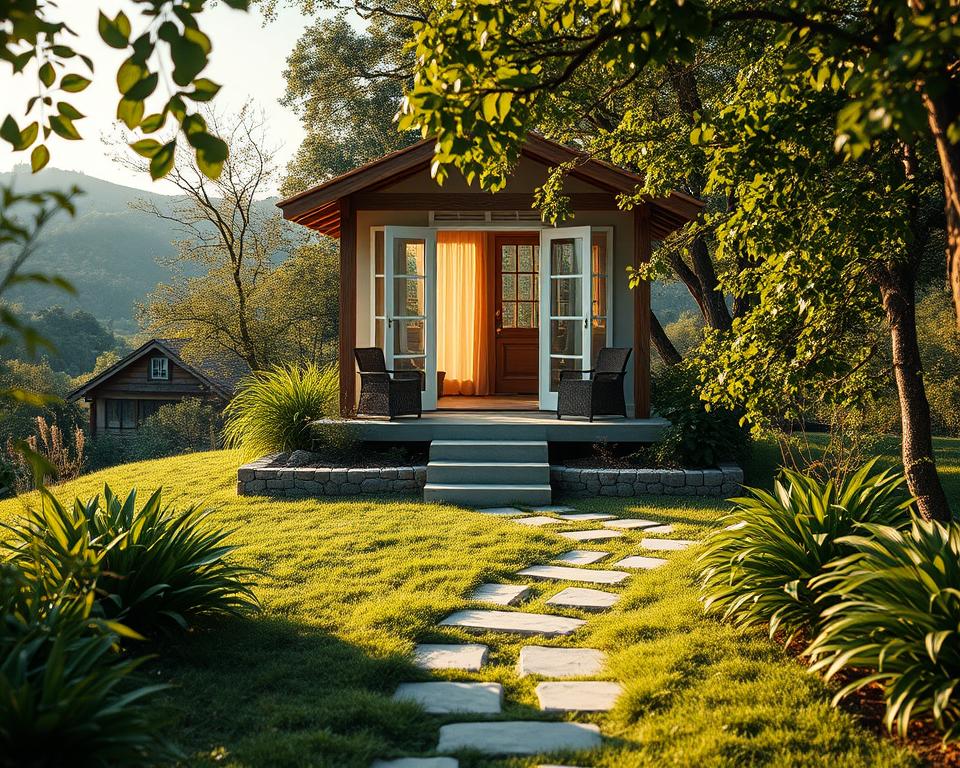
Choosing the right material for this base is a crucial decision. Each option offers different benefits for the garden setting.
Choosing the Right Base Material
Concrete provides a permanent, solid foundation, ideal for larger, heavier structures. It is highly durable but can be expensive and difficult to relocate.
Paving slabs offer a versatile and strong alternative. They are relatively easy to install and can create an attractive patio area around the house. It is essential to ensure they are laid on a level surface.
Timber decking is an aesthetically pleasing choice that allows for good water drainage and air circulation. Composite decking, made from recycled materials, requires less maintenance but comes at a higher cost.
| Material | Durability | Maintenance | Best For |
|---|---|---|---|
| Concrete | Excellent | Low | Large, permanent buildings |
| Paving Slabs | Very Good | Low | Versatile, attractive patios |
| Timber Decking | Good | High | Aesthetic appeal, drainage |
| Composite | Very Good | Low | Low-maintenance solutions |
Positioning for Sunlight and Accessibility
Where you place the summerhouse in your garden is just as important as its base. Consider sunlight exposure throughout the day. A south-facing position gets the most sun, perfect for a lounge area.
For a home office or gym, a north-facing spot avoids glare and overheating. Ensure there is at least 18 inches of clearance around the entire building for maintenance access.
Think about practical access from your main house to prevent damaging lawns. Also, consider the view from the windows and proximity to power sources for electricity.
Planning Permission and Garden Regulations
Understanding the rules for planning permission is a vital step before any garden building project begins. Fortunately, most structures fall under ‘Permitted Development’ rights, meaning formal planning application is not needed.

This exemption applies if specific criteria are met. The internal floor area must generally be under 30 square metres. Height limits are also crucial, especially near boundaries.
Positioning is another key factor. A summerhouse should not be placed forward of the main house‘s principal elevation. It also cannot occupy more than half of the total garden land.
Special rules apply in designated areas like conservation zones or national parks. Here, Permitted Development rights are often more restricted. Checking with the local council’s planning department is strongly recommended for clarity.
While not a legal requirement, discussing plans with neighbours is considered good practice. It helps maintain positive relations and can prevent potential disputes regarding privacy or views.
Budget Considerations and Investment Value
Establishing clear financial parameters early in the selection process prevents unexpected costs. A comprehensive budget should account for the structure, foundation preparation, installation, and interior furnishings.
Standard garden rooms typically range from £500 to £1,700. These offer functional spaces for seasonal use with 12mm shiplap cladding and basic weatherproofing.
Premium options cost between £1,000 and £3,000. They feature thicker cladding, superior timber, and enhanced specifications suitable for frequent use.
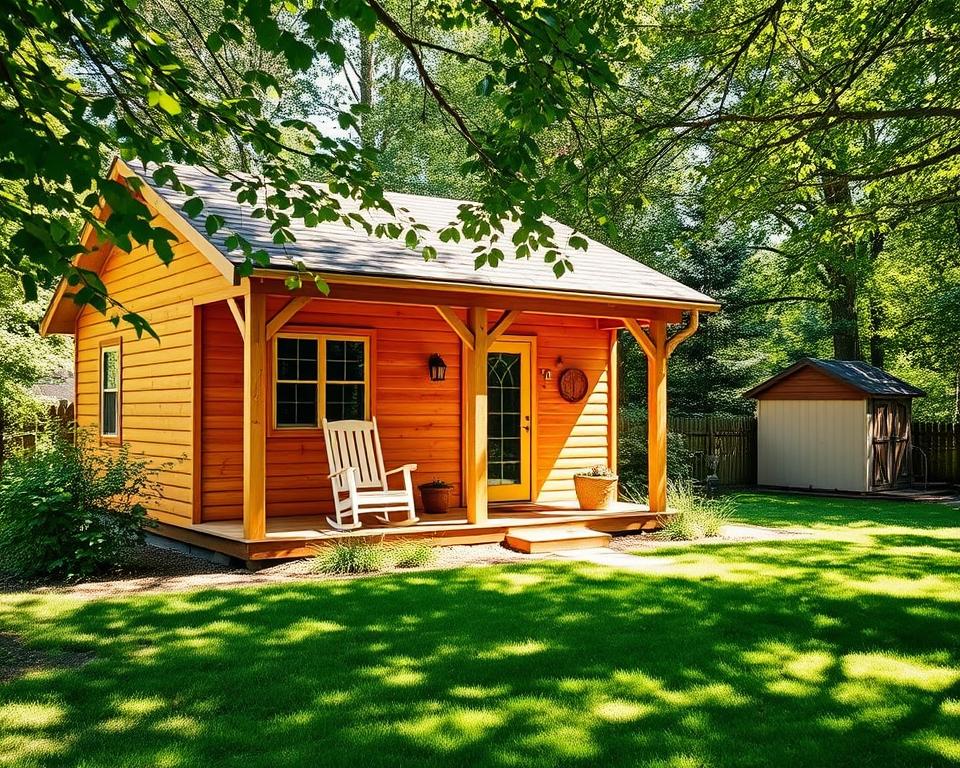
Log cabin buildings represent the highest quality choice, priced from £1,500 to £10,000. Their substantial construction supports year-round usage as workshops or offices.
Investment value extends beyond initial costs. Quality construction and pressure treatment justify higher expenditure through extended service life.
Manufacturer guarantees provide important quality indicators. Industry standards offer 10-year coverage, while premium suppliers may extend this to 20 years.
Size directly influences pricing, potentially requiring compromises between desired space and available budget. Customisation options enable perfect specification matching but command premium pricing.
Long-term value encompasses structural longevity, functional adaptability, and aesthetic contribution to property presentation. Budget allocation should reserve contingency allowances for unforeseen requirements.
Conclusion
A successful garden building project culminates in a space that enriches daily life. This guide has outlined the key steps, from initial planning to final touches.
Quality construction and thoughtful maintenance ensure these houses provide enjoyment for many years. Simple care, like cleaning roofs and fixing small issues promptly, preserves their condition.
Consider security features such as robust locks and lighting for peace of mind. Personalising the space with accessories and furnishings makes it a true extension of the home.
With careful consideration and this guide’s advice, one can create a perfect garden retreat. It becomes a cherished space for relaxation and hobbies throughout the summer and beyond.
FAQ
Do I need planning permission for a garden building?
In many cases, planning permission is not required for a summerhouse if it falls under ‘Permitted Development’ rights. This typically depends on the building’s size, height, and its position relative to your property’s boundary. It is always advisable to consult your local planning authority before proceeding with any installation.
What is the best base for a summerhouse?
A solid, level base is crucial for the longevity of any garden room. A concrete slab is often considered the most durable option. Alternatively, a properly constructed timber frame or paving slabs on a compacted sub-base can also provide a stable foundation, ensuring the structure remains square and secure over time.
What is the difference between apex and pent roof designs?
An apex roof has a central ridge with two sloping sides, creating a traditional, house-like appearance that offers more headroom. A pent roof has a single, sloping plane, providing a more contemporary look. The choice often depends on personal style preference and the desired internal space.
How does tongue and groove cladding differ from overlap?
Tongue and groove cladding features interlocking boards that create a smooth, seamless finish with superior strength and better insulation properties. Overlap cladding consists of boards that simply overlap each other. While overlap is a cost-effective option, tongue and groove generally offers enhanced durability and a more refined aesthetic for garden buildings.
Should I insulate my summerhouse?
Insulation is highly recommended if you plan to use the space as a garden office or a room you wish to enjoy year-round. Proper insulation in the walls and roof will regulate the temperature, making it comfortable in both summer and winter, and can reduce condensation.
What are the benefits of pressure-treated timber?
Pressure treatment forces preservatives deep into the timber’s fibres, providing long-lasting protection against rot and insect infestation. This is superior to a simple dip treatment, which offers only a surface-level coating. Pressure-treated timber significantly extends the lifespan of your garden building.
Can a summerhouse be used as a home office?
Absolutely. Many people successfully use their summerhouse as a dedicated garden office. For this purpose, consider models with ample glazing for natural light, adequate insulation for comfort, and a design that minimises distractions. Ensuring a stable internet connection and power supply is also key for a functional workspace.
What maintenance does a summerhouse require?
Regular maintenance is essential to preserve the appearance and integrity of your building. This typically includes applying a protective stain or paint every one to two years, checking the roof felt for wear, and ensuring windows and doors are kept in good working order. Treating the timber helps protect it from the elements.