Things You Need to Plan Before Playhouse Installation: A Guide

Creating a dedicated play area for children represents an exciting project for any household. A well-planned playhouse offers more than just shelter. It becomes a magical realm where creativity flourishes and lasting memories are forged.
Proper preparation ensures the entire process runs smoothly, avoiding common pitfalls. Understanding the scope helps families allocate appropriate resources effectively. This comprehensive guide explores the vital considerations for creating a safe and enchanting space.
Whether working with a pre-fabricated kit or building from scratch, the initial planning phase determines the project’s success. Addressing factors like location, foundation, and design beforehand creates an optimal environment. The result is a cherished feature that serves families for years.
Inhaltsverzeichnis
Key Takeaways
- Thorough preparation prevents costly mistakes and unnecessary delays
- Understanding the project scope aids in resource allocation
- Location selection impacts both safety and enjoyment
- Proper foundation work ensures structural integrity
- Early design decisions influence long-term functionality
- Considering local regulations avoids future complications
- Quality materials contribute to durability and safety
Understanding the Importance of Detailed Planning
The journey towards a new playhouse begins long before the first piece of timber is cut, rooted firmly in the planning stage. This initial phase is not merely administrative; it is the strategic groundwork that determines the entire project’s success and longevity. A thoughtful approach here paves the way for a smooth installation process.
The Role of Preparation in Successful Installation
Comprehensive preparation allows families to identify potential hurdles early. Issues like poor drainage, uneven ground, or local council regulations can be addressed before they become costly problems. This foresight is crucial for a safe and stable structure.
Investing effort in this stage helps avoid purchasing incorrect materials or a playhouse model unsuitable for the available space. It ensures the final choice aligns with both the children’s needs and the gardener’s vision. This careful selection is a cornerstone of a successful project.
How Proper Planning Can Save Time and Expenses
According to DIY experts, proper planning saves valuable time and prevents unnecessary expenses. A realistic timeline and budget can be established, preventing mid-installation surprises that cause delays. This efficient approach minimises frustration during assembly.
When installers make sure all preparatory steps are completed, they work more efficiently. This reduces the overall time required and protects the budget from unexpected inflations. A well-planned playhouse project considers long-term maintenance, ensuring the structure remains a cherished feature for years.
Things You Need to Plan Before Playhouse Installation
A systematic approach to defining the scope and specifications of your play structure lays the foundation for seamless implementation. This phase requires careful consideration of multiple factors that influence the final outcome.
Identifying Your Project Requirements
Different playhouse projects demand distinct preparations. Indoor structures typically require less foundational work than outdoor alternatives. Two-storey designs need additional safety measures like proper fall protection.
Families should assess available space and budget constraints early. Understanding children’s ages and interests helps select appropriate features. The choice between simple wooden models and elaborate designs with slides impacts complexity.

The Benefits of a Well-Thought-Out Plan
Comprehensive planning ensures the play space remains engaging as kids mature. It allows for future adaptations and potential secondary uses. Many families convert outgrown structures into garden sheds or storage areas.
Proper preparation addresses both immediate installation needs and long-term maintenance. Regular safety inspections and seasonal treatments preserve the investment. A thorough approach creates environments that encourage creative play and physical activity.
| Project Type | Space Requirements | Safety Considerations | Maintenance Needs |
|---|---|---|---|
| Indoor Playhouse | Minimal foundation work | Basic childproofing | Occasional cleaning |
| Single-Level Outdoor | Level ground preparation | Weather-resistant materials | Annual protective treatments |
| Two-Storey Structure | Substantial clearance area | Advanced fall protection | Regular structural checks |
| Elaborate Design with Features | Extended play area | Multiple safety systems | Comprehensive upkeep schedule |
Essential Pre-Installation Preparations
Finalising the groundwork is a critical phase that directly influences the efficiency of the entire project. Addressing legalities and assembling resources beforehand creates a smooth path for the building process.
Obtaining Planning Permission and Local Guidelines
Most garden structures fall under permitted development, meaning formal planning permission is often not required. However, regulations can vary significantly by local authority. Restrictions might apply to size, height, and proximity to boundaries.
Contacting the local planning authority (LPA) is a prudent step to ensure full compliance. This verification helps prevent potential setbacks or fines. Discussing plans with neighbours can also foster good relations and avoid future disputes.
Gathering the Necessary Tools and Materials
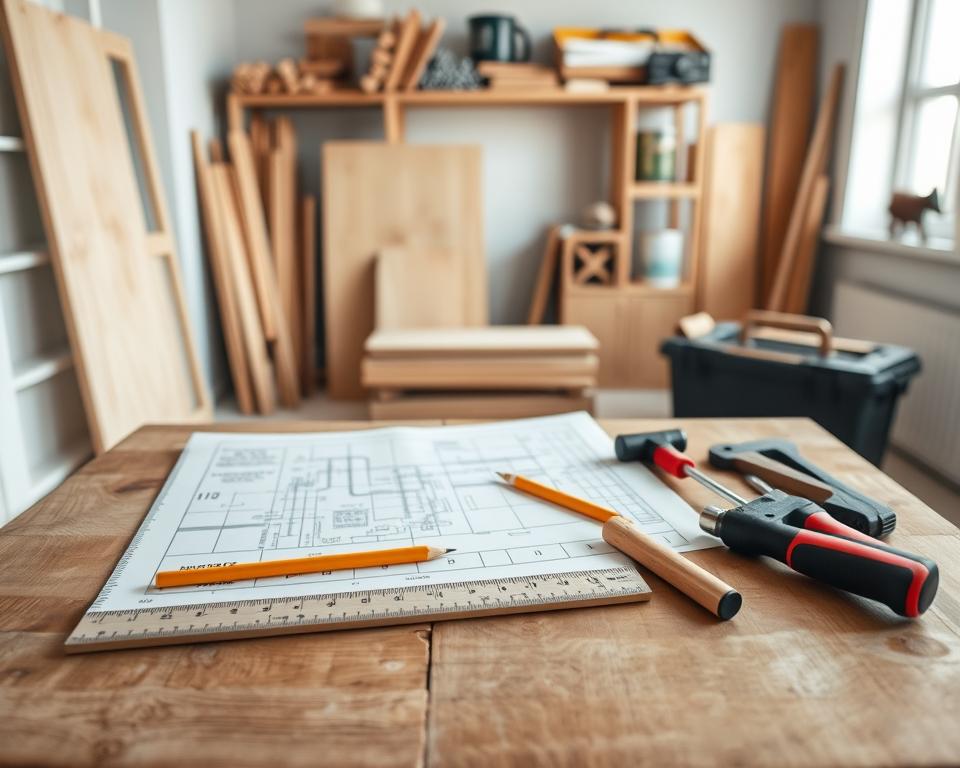
Having the right equipment on hand prevents frustrating interruptions. Essential tools include a hammer, screwdriver, drill, spirit level, and a Stanley knife for packaging. A tape measure, safety goggles, and a step ladder are also highly useful.
It is crucial to confirm all materials are present before starting. This includes any additional fixings or wood treatment products not included in a kit. Following the manufacturer’s instructions carefully is vital for a safe and correct assembly.
Organising the workspace and checking the weather forecast are final preparatory steps. A dry day with mild temperatures is ideal for working with wood. Proper preparation ensures the building process is efficient and successful.
Selecting the Ideal Location and Foundation
Optimal placement of an outdoor play structure requires evaluating both the physical terrain and surrounding environment. The chosen location significantly impacts safety, durability, and accessibility.
Assessing Ground Conditions and Drainage
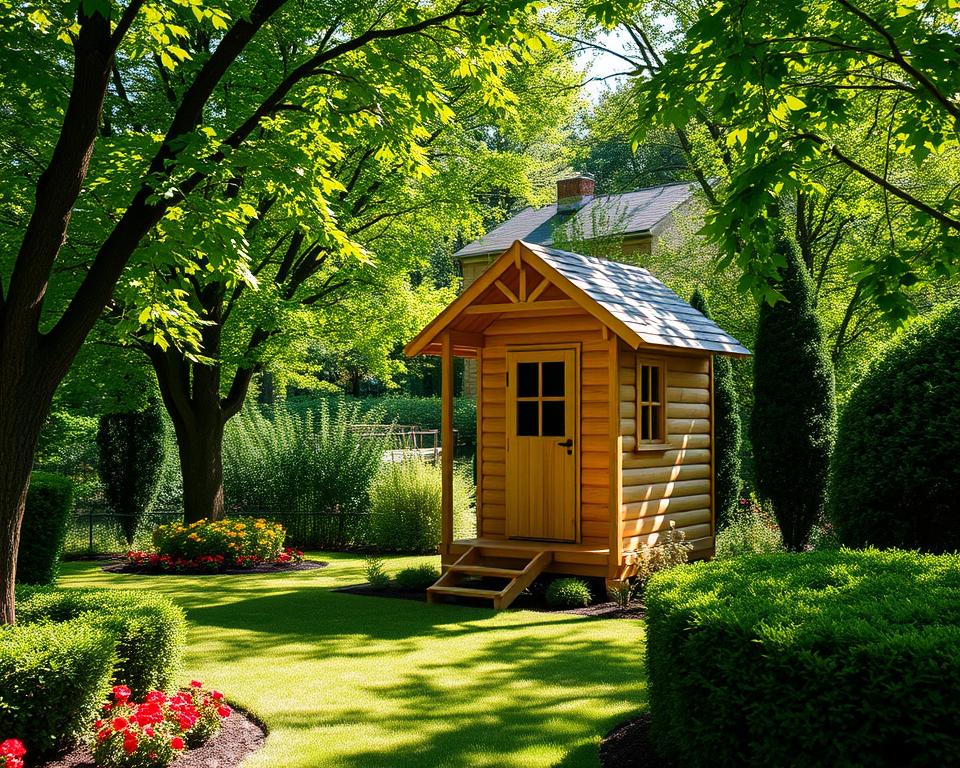
Proper ground assessment prevents future structural issues. The selected area should feature natural drainage and avoid waterlogged spots. Moisture accumulation leads to rot and instability.
Positioning away from trees reduces falling branch hazards. An open space allows clear supervision from the main house. The garden location should balance sunlight exposure with wind protection.
Establishing a Stable and Level Base
A solid foundation ensures structural integrity for years. The base must be perfectly level to prevent doors jamming and safety hazards.
Concrete bases offer maximum durability and moisture protection. Alternative options include paving slabs or treated timber platforms. The base should extend slightly beyond the structure’s footprint.
| Foundation Type | Installation Time | Durability | Cost |
|---|---|---|---|
| Concrete Base | 1-2 days | Excellent | Medium-High |
| Paving Slabs | 1 day | Good | Medium |
| Timber Platform | Half day | Moderate | Low-Medium |
| Glulam Beams | 1 day | Very Good | Medium |
Proper foundation preparation includes digging to frost-free depth. This ensures stability during seasonal ground movements. The base must remain level over time.
Step-by-Step Installation and Assembly Tips
The assembly phase represents the culmination of careful preparation work. A methodical approach ensures the structure comes together securely and efficiently.
Following Manufacturer Instructions Carefully
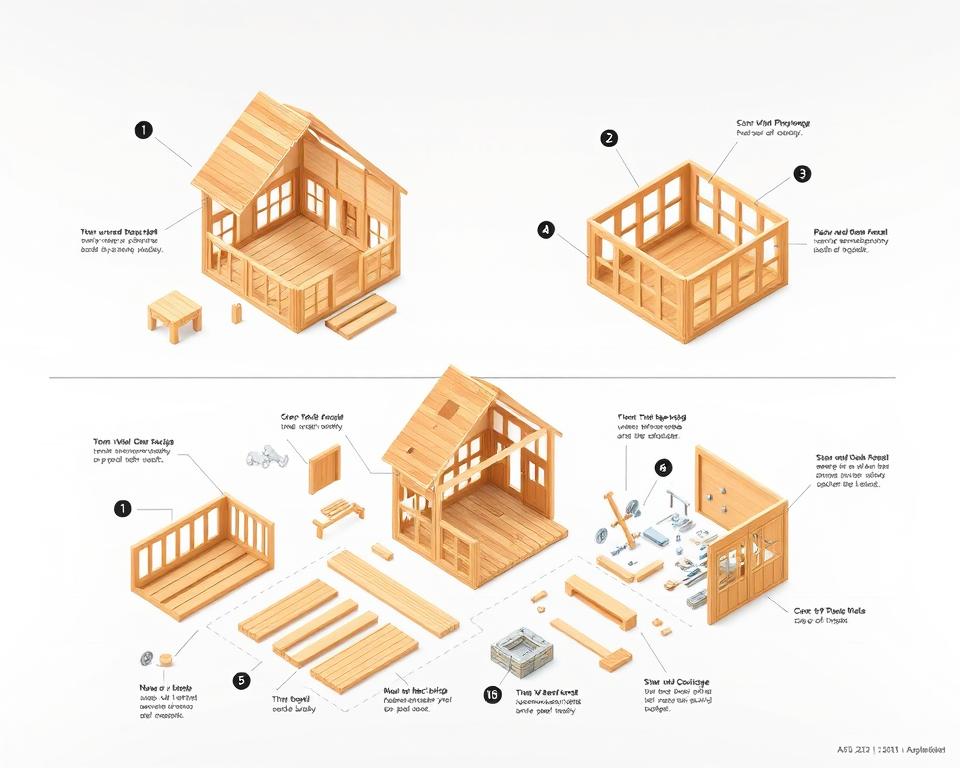
Every step in the construction process should follow the manufacturer’s instructions precisely. This ensures proper assembly of the playhouse components. Deviating from these guidelines can compromise stability.
When building a playhouse, organise all timber components before starting. Label each post and panel to streamline the process. Assemble complete wall sections on the ground before raising them.
For roof assembly, ensure adequate overhang protects the walls. Check that all fixings are secure before progressing. A spirit level helps maintain proper alignment throughout.
Implementing Safety Features During Assembly
Safety considerations must integrate into every step of the construction. Install guardrails on elevated platforms and ensure windows have safety catches. Doors should feature child-safe hinges.
After completing the main structure, conduct a thorough inspection. Check for protruding screws and sharp edges. Anchor the playhouse firmly to prevent movement.
For multi-level designs, pay extra attention to upper floor supports. Ensure ladders attach securely at both top and bottom. Working with a partner improves safety during challenging steps.
Design Considerations and Customisation Options
Material choices and customisation options significantly influence both the appearance and longevity of outdoor play spaces. Thoughtful design decisions ensure the structure remains functional and appealing for many years.
Choosing the Right Style and Material for Your Playhouse
Wood remains the preferred material for garden playhouse construction due to its natural beauty and versatility. Different species offer varying levels of durability against weather exposure.
Pine and spruce provide economical options when properly pressure-treated. Douglas fir and larch offer superior natural resistance, with larch requiring less frequent protective coating. This makes larch ideal for those seeking minimal maintenance over the years.

The roof design impacts both construction complexity and water management. A mono-pitched roof is simpler to build and seal effectively. Bitumen sheets and roof shingles offer affordable, DIY-friendly alternatives to rubber roofing.
Double-glazed windows provide essential weather protection while allowing natural light. For the exterior, tongue and groove moulded boards create an attractive, weather-resistant surface. Proper paint application over insulating primer enhances both protection and appearance.
Incorporating Additional Child-Friendly Features
Customisation transforms a basic wooden playhouse into a personalised play space. Additional features like slides, climbing walls, or swings expand physical activity opportunities.
Design considerations should account for future adaptability. The space can evolve as children grow, potentially incorporating shelving or seating areas. This extends the structure’s useful life beyond early childhood years.
Material selection for customisation elements should match the main structure’s quality. This ensures consistent weather resistance across all components. Proper planning creates a cohesive design that withstands seasonal changes.
Conclusion
A thoughtfully prepared playhouse project culminates in a space that enriches family life for many seasons. This comprehensive guide has outlined the essential considerations for creating a safe and engaging environment. The effort invested yields significant returns in children’s development and enjoyment.
Proper preparation ensures the structure serves its purpose effectively through different stages of childhood. Whether families choose to build playhouse structures from kits or custom designs, the fundamental principles remain consistent. Attention to detail during the planning time prevents common issues that might arise later.
The final result becomes more than just a house for play. It transforms into a cherished sanctuary where little ones develop social skills and create lasting memories. The right size and design make the garden playhouse an integral part of the home environment.
Following this systematic way ensures children gain a secure space for imaginative adventures. The completed project will provide countless hours of enjoyment for kids of all ages. This valuable addition to any family garden supports healthy development and outdoor activity.
FAQ
Is planning permission required for a garden playhouse?
In many cases, a small wooden playhouse may fall under ‘permitted development’, meaning planning permission is not needed. However, regulations vary by local council. Key factors include the structure’s size, its height, and its position relative to property boundaries. It is always advisable to consult local planning guidelines before starting the project.
What is the best foundation for a children’s playhouse?
A stable, level base is crucial for safety and longevity. Popular options include a concrete slab, paving slabs, or pressure-treated timber bearers on a bed of gravel. The choice often depends on ground conditions and desired permanence. A proper foundation prevents water damage and ensures the structure remains square and secure for years.
How can one ensure the playhouse is safe for little ones?
Safety begins during construction. All materials should be splinter-free and non-toxic. The assembly must follow the manufacturer’s instructions precisely, ensuring all fixings are secure. Features like rounded edges on windows, secure door hinges, and a sturdy roof are essential. Regularly checking the structure for wear and tear is also a critical safety step.
What materials are best for a long-lasting playhouse?
Pressure-treated wood, such as cedar or pine, is a common and durable choice for a wooden playhouse. This material is naturally resistant to rot and insects. Applying a child-safe wood preservative or paint further protects the structure from the elements, extending its life and maintaining its appearance in the garden.
How much space is needed around the playhouse?
It is wise to allow ample clear space on all sides of the building. This provides safe access for children to play and allows for essential maintenance tasks like painting or cleaning the windows. Considering the playhouse’s final location in relation to trees, fences, and other garden features is an important part of the initial planning.