Winter Greenhouses: Easy Vegetables to Grow
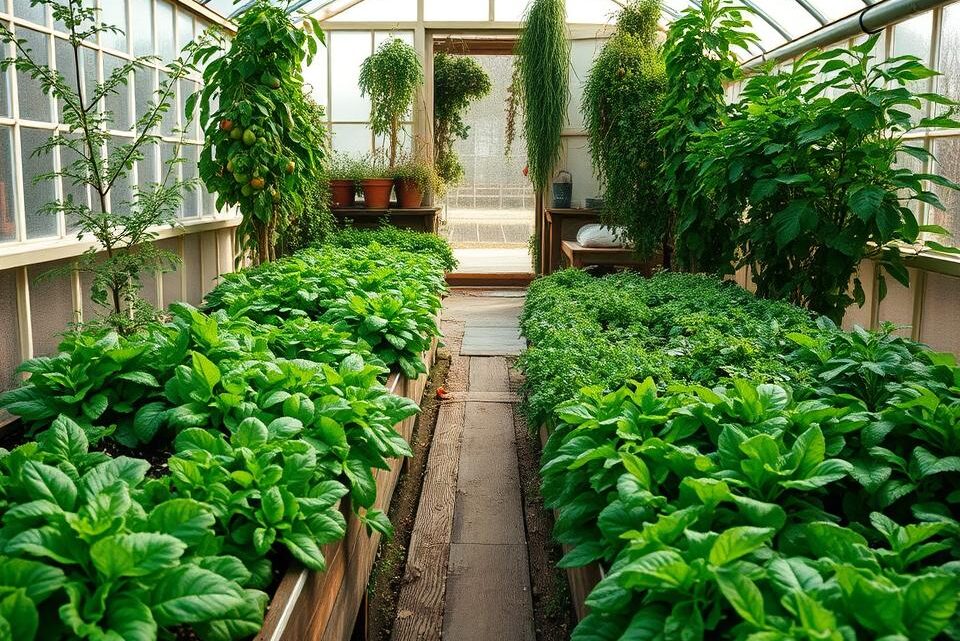
For many gardening enthusiasts, the arrival of colder weather signals the end of fresh homegrown produce. However, a protective structure offers a remarkable solution. It allows for an extended growing season, defying the limitations of the traditional outdoor calendar.
This controlled environment is the key to success. Inside, factors like temperature and humidity can be carefully managed. This creates a sanctuary for plants, safeguarding them from frost and harsh conditions. It enables the cultivation of a variety of crops that would otherwise struggle outdoors during the colder months.
This guide serves as a practical resource for anyone wishing to harness this potential. It covers essential topics, from initial preparation and selecting suitable varieties to effective temperature management. While challenges like shorter daylight hours exist, they can be overcome with the right knowledge and techniques.
Inhaltsverzeichnis
Key Takeaways
- A protective growing structure enables cultivation beyond the standard outdoor season.
- It provides a managed environment where temperature and humidity are regulated.
- This setting offers protection from frost and other adverse weather conditions.
- Successful cultivation requires understanding specific techniques and choosing appropriate plant varieties.
- Challenges such as reduced light can be managed with proper planning.
- The guide provides a comprehensive approach for both new and experienced gardeners.
- The goal is a consistent supply of homegrown produce throughout the year.
Benefits of Growing Vegetables in a Winter Greenhouse
While traditional outdoor gardening faces limitations during colder periods, a protective growing structure offers remarkable continuity. This approach transforms the gardening calendar, allowing cultivation to proceed regardless of external conditions.
Extended Growing Season
The primary advantage lies in prolonging the productive season significantly. Outdoor gardens typically lie dormant for several months when cold weather arrives. However, within a protected environment, gardeners can harvest fresh produce throughout these challenging periods.
Controlled Environment for Optimal Growth
These structures enable precise management of critical factors. Temperature regulation protects plants from frost damage while maintaining ideal conditions for growth. Humidity levels can be adjusted to suit specific crops requirements.
This controlled setting reduces stress on vegetation, leading to healthier development. Gardeners can cultivate diverse varieties that would struggle outdoors during colder months. The protection from harsh elements ensures more consistent yields and reduces crop failure risks.
Essential Preparations for Your Winter Greenhouse
Establishing the right foundation before the cold season begins ensures optimal growing conditions inside the structure. Proper groundwork involves both structural maintenance and environmental adjustments.
A thorough clean-up removes dead plant material that could harbour pests. Inspecting the frame and glazing for damage prevents heat loss. Sealing gaps around doors and vents maintains consistent temperatures.
Insulation and Temperature Control
Applying bubble wrap to interior surfaces creates an effective thermal barrier. This affordable method traps heat while allowing light transmission. Straw bales placed around the exterior provide additional insulation.

For temperature management, passive solar methods using black water bottles absorb daytime warmth. Electric heaters with thermostats offer precise control. Maintaining minimum temperatures around 2°C prevents frost damage.
Optimising Soil and Space
Well-drained, nutrient-rich growing medium supports plant health during slower growth periods. Adding compost enhances soil fertility and structure. This provides consistent nutrition for crops.
Strategic space planning maximises productivity. Raised beds suit in-ground cultivation, while deep containers work well for root vegetables. Adequate spacing between plants ensures proper air circulation and development.
| Insulation Method | Materials Required | Effectiveness | Cost Level |
|---|---|---|---|
| Bubble Wrap | Plastic sheeting | High | Low |
| Straw Bales | Agricultural straw | Medium | Medium |
| Double Glazing | Additional panels | Very High | High |
| Thermal Screens | Fabric screens | High | Medium |
Selecting the Right Crops for Greenhouse Gardening
Strategic crop selection represents one of the most critical decisions for gardeners maintaining productive cultivation throughout the winter season. Choosing appropriate varieties ensures successful harvests despite challenging conditions.

Leafy Greens and Cold-Hardy Herbs
Many leafy greens excel in protected environments during cooler periods. Spinach, lettuce, and kale tolerate lower temperatures remarkably well.
Cold-resistant herbs like parsley, thyme, and rosemary maintain their flavour and vigour. These aromatic plants add both culinary value and sensory appeal to the greenhouse space.
Root Vegetables and Microgreens
Root crops such as carrots and beetroot develop well in sheltered conditions. They require adequate soil depth and proper drainage for optimal growth.
Microgreens offer rapid harvests with minimal space requirements. These nutrient-dense seedlings provide fresh flavours when other plants grow more slowly.
Selecting varieties bred for cold tolerance ensures better performance. This approach maximises success rates during the challenging cold season.
Winter Greenhouses: Easy Vegetables to Grow
Choosing the right crops transforms a protective structure into a productive haven during the colder months. Certain varieties offer remarkable resilience and reliable yields.
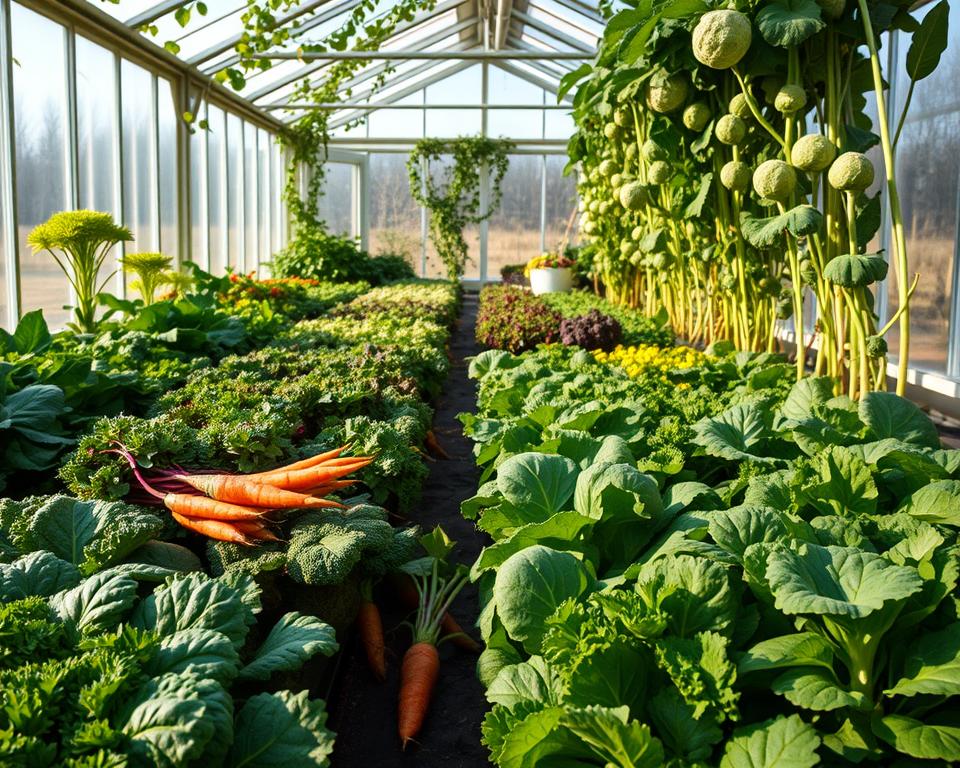
These selections are celebrated for their ability to thrive with minimal intervention, making them perfect for gardeners of all experience levels.
Spinach: A Cold-Loving Star
Spinach stands out as a top performer. It grows quickly in favourable conditions and can withstand temperatures as low as -6°C.
Successive sowings ensure a near-continuous harvest. Growth may slow in the darkest days, but it reliably resumes. Interestingly, exposure to chill enhances its sweetness as the plant produces sugars for protection.
Lettuce, Greens and Root Crops
Many lettuce and salad greens are naturally frost-resistant. They prefer cooler temperatures and can be harvested as baby leaves for fresh salads.
For carrots, autumn planting is key. They remain in the soil and become sweeter after cold exposure. Selecting the right variety is crucial for success.
Additional Reliable Choices
Kale shares a similar hardiness to spinach, developing a sweeter flavour. Potatoes started in January in large containers yield harvests by March.
Garlic planted in winter, specifically hardneck types bred for cold tolerance, provides an early spring crop. These vegetables offer plenty of reward for the time invested.
Effective Temperature and Humidity Management
Effective climate control represents the fundamental difference between thriving vegetation and struggling plants within enclosed cultivation areas. Maintaining stable conditions prevents stress and supports consistent growth throughout challenging periods.
Ventilation and Air Circulation
Proper airflow management is essential for regulating the internal environment. Even during cooler months, sunny periods can cause significant heat buildup inside greenhouse structures.
Opening vents or doors during the day allows excess warmth to escape. This prevents temperature spikes that could stress vegetation. Closing openings before evening retains accumulated heat overnight.

Consistent air movement prevents condensation and fungal issues. Stagnant conditions create uneven temperatures and moisture problems. Regular monitoring ensures optimal conditions for what plants need to flourish.
Heating Options and Energy Efficiency
Various heating methods maintain protective temperature levels during cold weather. Each option balances effectiveness with energy considerations.
Electric fan heaters with thermostats provide precise control. They activate automatically when temperatures drop below set points. Passive solar methods using black water bottles offer sustainable alternatives.
| Heating Method | Energy Efficiency | Initial Cost | Best Application |
|---|---|---|---|
| Electric Fan Heater | Medium | Low-Medium | Small to medium spaces |
| Passive Solar Bottles | High | Very Low | Supplemental heating |
| Paraffin Heater | Low | Low | Larger structures |
| Root Zone Heat Mats | High | Medium | Container cultivation |
“Maintaining consistent conditions prevents plant stress and promotes steady development throughout the season.”
Humidity monitoring complements temperature management. Some species require higher moisture levels, particularly when heating systems operate. Balanced conditions support healthy growth in the winter greenhouse environment.
Maximising Natural and Artificial Light in Winter
Successful winter gardening depends heavily on addressing the substantial decrease in sunlight exposure. The dramatic reduction in daylight hours compared to summer conditions presents a significant challenge for maintaining healthy plant development.
While protective structures allow maximum transmission of available natural light, the intensity and duration of winter sunlight often proves insufficient. This can lead to weak, leggy growth or complete stagnation without proper intervention.
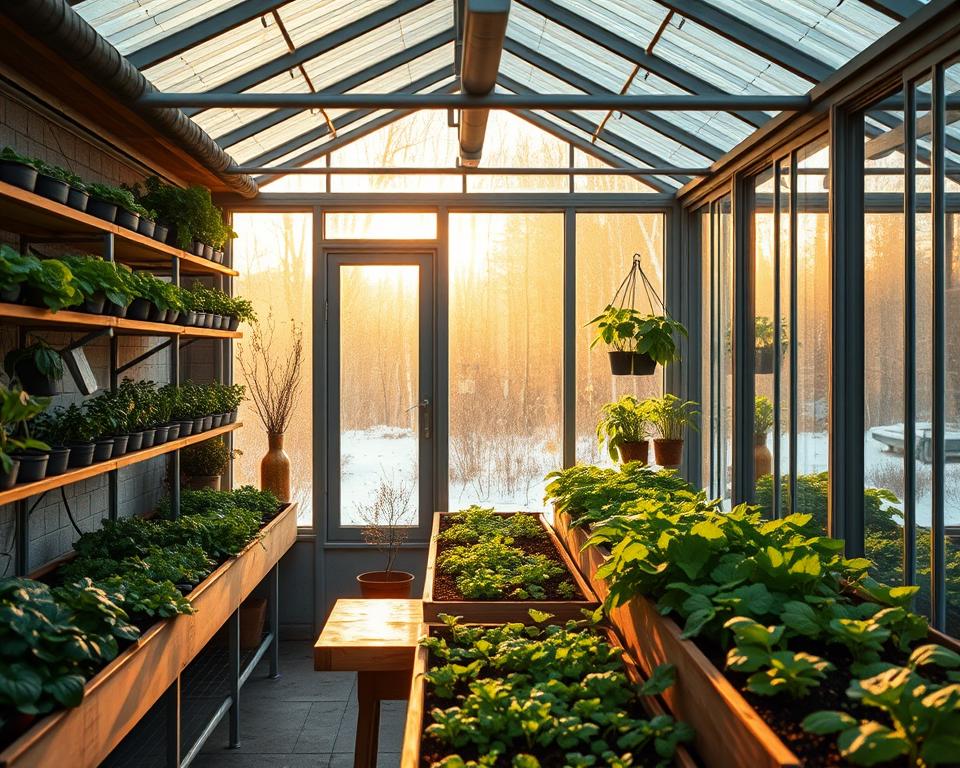
Positioning the structure to capture maximum available sunlight during short winter days is essential. In the UK, south-facing orientations typically provide the best light exposure throughout the day.
Utilising Grow Lights and Supplementary Illumination
Artificial lighting serves as a practical solution for supplementing natural light during the darkest periods. Grow lights can extend the effective “day length” for plants, providing additional photosynthetic hours needed for healthy growth rates.
Various lighting options are available, from simple LED systems to more sophisticated setups. Gardeners must balance providing adequate illumination with managing energy costs effectively.
Lighting requirements vary significantly between different crops. Leafy greens and herbs generally tolerate lower light levels better than fruiting vegetables. Some plants remain relatively productive with natural winter light alone.
Proper lighting management during these challenging months influences not only continued growth but also plant quality, flavour development, and nutritional content. This makes it a worthwhile consideration for serious gardeners.
Practical Tips for a Year-Round Greenhouse Harvest
Achieving a continuous supply of fresh produce requires a strategic approach that spans the entire year. This involves careful planning and understanding how different seasons influence cultivation within a protected greenhouse.

By viewing the structure as a tool for all months, gardeners can maintain productivity. The key lies in anticipating what comes next.
Seasonal Crop Rotation Strategies
Implementing a crop rotation plan is fundamental. It prevents soil depletion and reduces pest cycles. This practice ensures the space is always working efficiently.
As one set of crops is harvested, another is ready to take its place. This succession planting avoids gaps in production. It allows for a smooth transition from cool-season to warm-season plants.
Early Spring Planting and Ongoing Maintenance
The protected environment is perfect for getting a head start on early spring varieties. Starting seeds indoors weeks before the last frost means plants are robust and ready harvest much sooner.
Tomatoes, peppers, and aubergines are ideal candidates. This method effectively extends the productive time for these popular crops. Early peas sown in late winter develop into sturdy specimens.
During the darkest days of December and January, growth may slow. This is normal. Patience is key, as plants will resume vigorous growth as days lengthen. Maintaining consistent conditions simplifies management.
Conclusion
With careful planning and execution, gardeners can maintain vibrant cultivation throughout the entire year. The strategies outlined demonstrate how protected environments enable consistent production despite challenging external conditions.
Success hinges on proper preparation, appropriate variety selection, and diligent environmental management. These structures provide a valuable head start for spring planting while extending the harvest season. Even during the shortest days, plants continue their steady development.
Patience remains essential, as growth rates naturally slow during colder periods. The investment in greenhouse winter operations yields plenty of rewards. Fresh homegrown produce becomes available when outdoor gardens lie dormant.
This approach transforms the coldest days into productive time. Anyone can successfully grow greenhouse crops with the right techniques. The satisfaction of harvesting during challenging weather makes the effort worthwhile.
FAQ
Which crops are best suited for a winter greenhouse?
Hardy leafy greens like spinach and certain varieties of lettuce are excellent choices. Root crops such as carrots also perform well, as they can tolerate the cooler temperatures inside a protected structure during the cold season.
How can one maintain adequate heat inside the structure during winter?
Effective insulation is crucial. Gardeners can use bubble wrap or thermal screens. For consistent temperatures, a small greenhouse heater may be necessary, especially on very short days. Proper sealing to prevent drafts also conserves heat.
Is supplementary lighting required for plant growth in winter?
Yes, due to the shorter day length, plants often need extra light. Full-spectrum LED grow lights are an energy-efficient option to supplement natural sun, ensuring crops receive enough light for healthy growth.
What are the key considerations for watering plants in a winter greenhouse?
Watering needs decrease in the cold season. It is vital to water sparingly, directly at the root zone, and only when the soil is dry to the touch. Good drainage is essential to prevent waterlogging and root rot.
Can a greenhouse be used for gardening year-round?
Absolutely. With careful management, a greenhouse enables a continuous harvest. After winter crops, one can plant for an early spring harvest. Succession planting and crop rotation make year-round production achievable.
How does one manage humidity and air circulation effectively?
Ventilation is key, even in cold weather. Automatic vent openers or periodic manual airing help control humidity levels. Good air circulation prevents fungal diseases and strengthens the plants.