Tips for decorating a garden
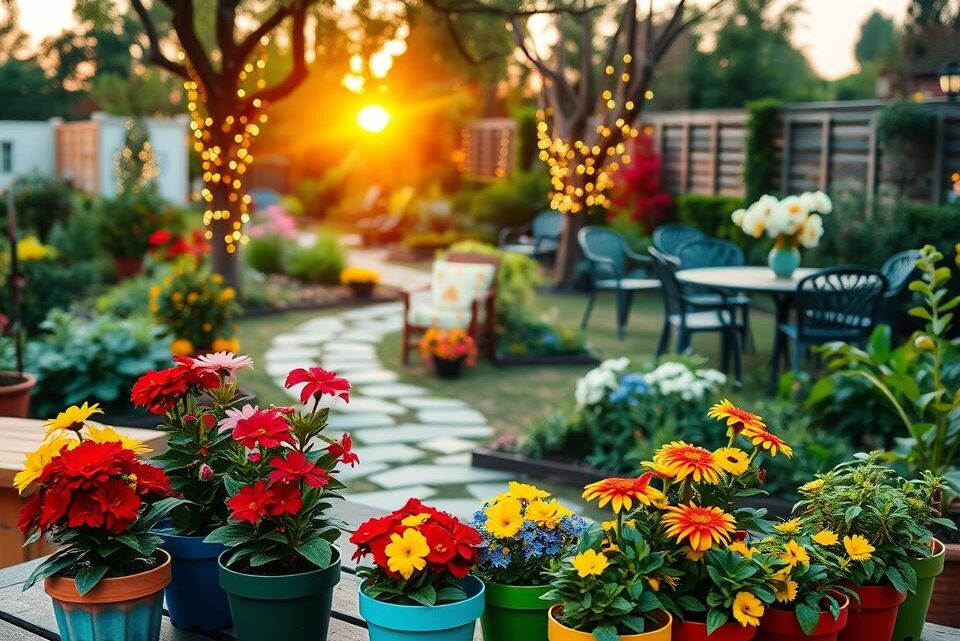
Your garden represents a unique canvas for outdoor space transformation, waiting to be personalised with beautiful garden ideas. Every patch of green offers potential to craft an extraordinary retreat that reflects your individual style and enhances your living environment.
Transforming an outdoor space requires strategic planning and creative vision. Whether you manage a compact urban courtyard or a sprawling rural landscape, garden decoration tips can help you design a stunning area that serves both aesthetic and functional purposes.
Successful garden design combines artistic expression with practical considerations. Understanding your specific landscape’s characteristics enables you to make informed decisions about plant selection, furniture placement, and decorative elements that will create a harmonious outdoor sanctuary.
Inhaltsverzeichnis
Key Takeaways
- Evaluate your garden’s unique spatial characteristics
- Select plants appropriate to your specific environment
- Consider functional and aesthetic design elements
- Integrate personal style into outdoor spaces
- Plan for seasonal changes and maintenance
Understanding Your Garden Space and Its Potential
Transforming your garden begins with a thoughtful garden space assessment. Before diving into design, you’ll want to unlock the unique potential of your outdoor sanctuary by understanding its fundamental characteristics.
Conducting a comprehensive garden planning approach involves several critical steps:
- Observe sunlight patterns throughout different times of day
- Analyse soil quality and drainage capabilities
- Identify microclimatic variations in your garden
- Map out areas of full sun, partial shade, and deep shadows
Tracking Sunlight Movements
Understanding sunlight patterns is crucial for successful garden design. Spend a few days monitoring how sunshine traverses your space. Note which areas receive direct light, which remain shaded, and how these patterns shift with seasonal changes.
Soil Quality and Drainage Evaluation
A thorough soil quality evaluation will reveal critical information about your garden’s growing potential. Check your soil’s:
- Texture and composition
- Drainage speed after rainfall
- pH levels
- Nutrient content
By investing time in this initial assessment, you’ll create a solid foundation for a thriving, beautiful garden that works harmoniously with your landscape’s natural characteristics.
Creating a Garden Design That Reflects Your Style
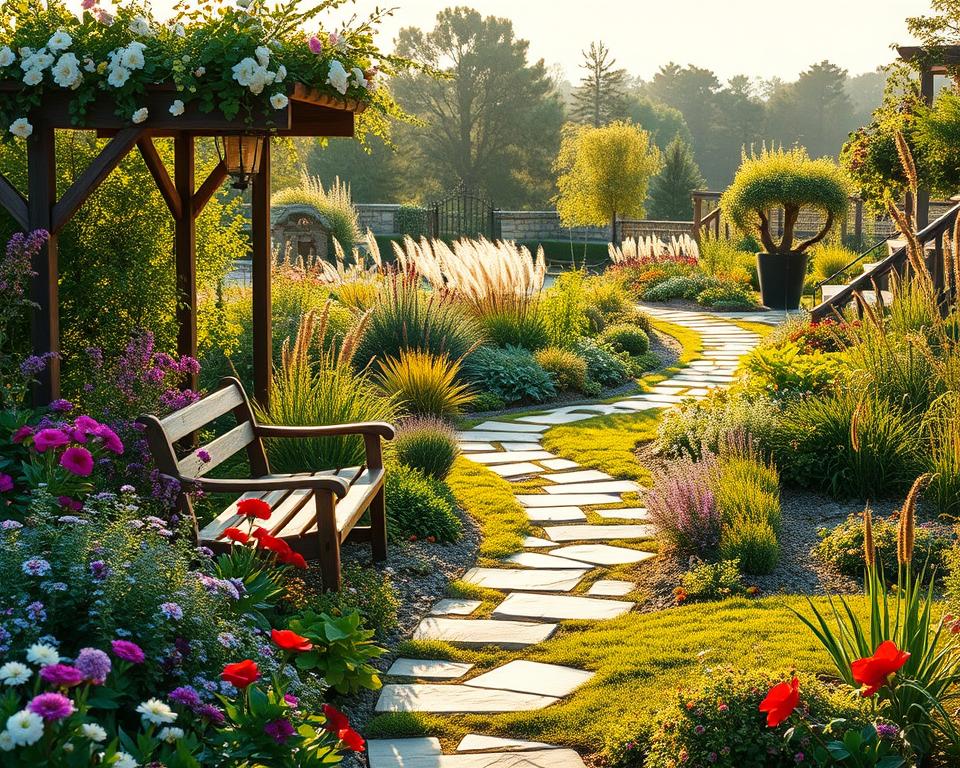
Your garden is a canvas waiting to express your unique personality and outdoor style. Crafting a personalised garden isn’t just about planting flowers—it’s about creating an extension of your living space that resonates with your aesthetic sensibilities.
When developing your garden design style, consider these key elements:
- Your home’s architectural character
- Personal lifestyle preferences
- Intended garden functionality
- Colour palette and mood
Different garden aesthetics can transform your outdoor space:
| Garden Style | Key Characteristics | Best Suited For |
|---|---|---|
| Formal Garden | Symmetrical layouts, geometric shapes | Traditional homes, architectural precision |
| Cottage Garden | Relaxed, abundant plantings | Romantic, informal spaces |
| Modern Minimalist | Clean lines, limited plant varieties | Contemporary homes, low-maintenance spaces |
Your garden should feel like an authentic expression of yourself. Don’t be afraid to blend styles or incorporate unexpected elements that spark joy and reflect your personal taste.
Remember that a truly successful garden design harmonises with your lifestyle. Whether you dream of a serene retreat, an entertainment hub, or a productive kitchen garden, let your imagination guide you towards creating an outdoor sanctuary that speaks directly to your heart.
Choosing the Right Plants for Year-Round Interest
Creating a vibrant garden that captivates throughout the seasons requires strategic plant selection. Your garden can become a living canvas that transforms and delights with carefully chosen greenery.
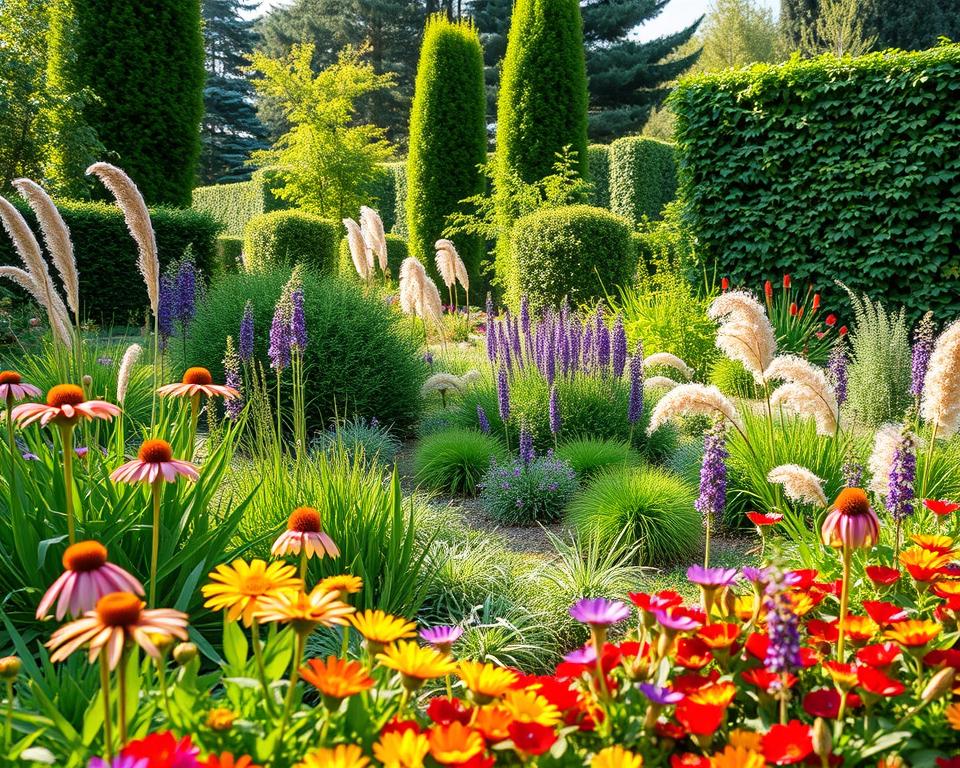
Successful seasonal planting involves understanding how different plants contribute to your garden’s visual appeal. The key is developing a layered approach that ensures continuous interest.
Selecting Seasonal Flowers and Foliage
Craft a dynamic garden by incorporating plants that shine in different seasons:
- Spring: Daffodils, tulips, and early-blooming perennials
- Summer: Lavender, roses, and vibrant dahlias
- Autumn: Asters, sedums, and ornamental grasses
- Winter: Hellebores and plants with interesting bark texture
Incorporating Evergreen Plants for Structure
Evergreen plants provide the essential backbone for year-round garden interest. These structural elements maintain visual appeal even when flowering plants retreat.
- Box hedges for crisp green boundaries
- Holly for winter colour and texture
- Yew for elegant, dense greenery
Your plant selection should balance flowering periods, foliage textures, and architectural forms. Think beyond blooms—consider seed heads, bark colours, and plant shapes that create intrigue throughout different seasons.
A well-designed garden tells a story of continuous transformation.
By thoughtfully combining seasonal and evergreen plants, you’ll create a garden that remains engaging and beautiful all year round.
Adding Garden Furniture to Enhance Functionality

Transforming your garden into a functional outdoor space requires thoughtful selection of garden furniture. Your choice can turn an ordinary garden into an inviting sanctuary for relaxation and entertainment.
Consider these garden furniture ideas to maximise your outdoor seating potential:
- Choose furniture that complements your garden’s size and style
- Select materials suitable for British weather conditions
- Create distinct zones for different activities
Garden comfort begins with understanding your space. Measure your area carefully to ensure furniture fits proportionally. Oversized pieces can overwhelm small gardens, while tiny furniture might appear lost in expansive spaces.
“The right garden furniture transforms an outdoor area from mere decoration to a living extension of your home.”
Material selection plays a crucial role in durability and aesthetic appeal. Teak and oak provide elegant weathering, while rattan offers contemporary charm. Metal furniture delivers sleek, modern lines that withstand various climatic challenges.
Position your outdoor seating strategically. Create intimate conversation areas, sunny breakfast spots, or shaded retreats that invite relaxation and enjoyment throughout different times of day.
- Install comfortable lounge chairs for reading
- Add a dining set for alfresco meals
- Include versatile side tables for practicality
Remember to invest in quality pieces that reflect your personal style and meet practical requirements. Your garden furniture should not just look beautiful but also enhance your outdoor living experience.
Tips for Decorating a Garden with Lighting Solutions
Transforming your outdoor space after dark requires thoughtful garden lighting design. Illumination isn’t just about visibility—it’s about creating magical atmospheres that extend your garden’s usability into evening hours.
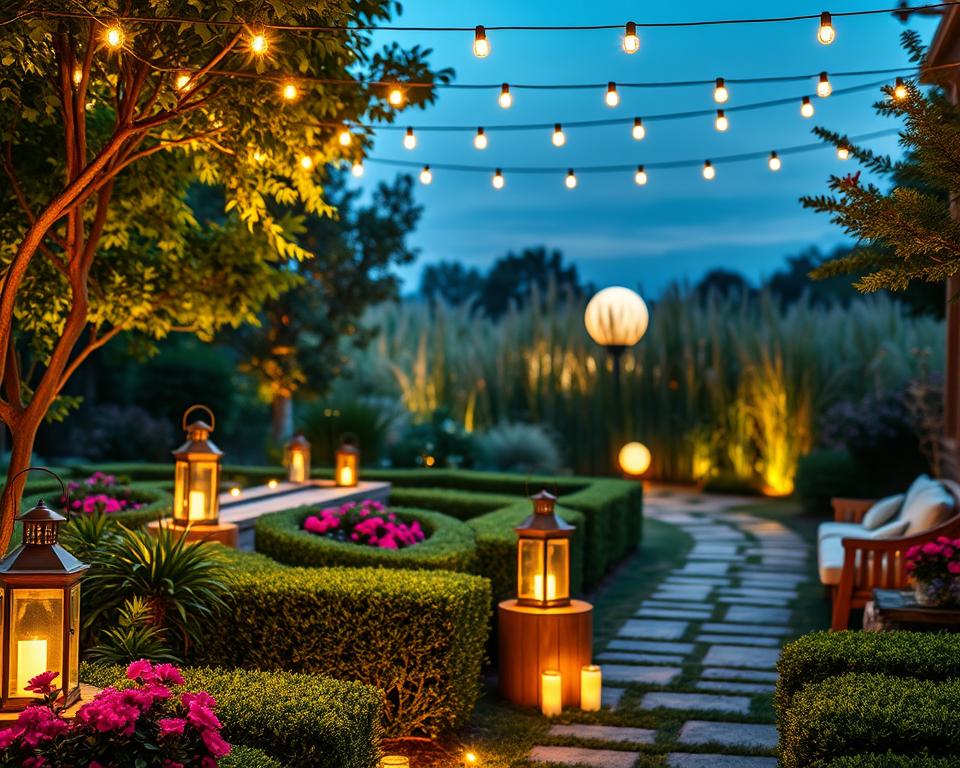
Garden lighting offers numerous creative possibilities for outdoor illumination. Strategic placement can dramatically enhance your garden’s aesthetic and functionality.
Installing Solar-Powered Garden Lights
Solar garden lights provide an eco-friendly, cost-effective solution for garden lighting. Consider these placement strategies:
- Line pathways for safe evening navigation
- Highlight garden borders and plant features
- Illuminate seating areas for extended outdoor enjoyment
Creating Ambience with String Lights and Lanterns
Ambient lighting can completely transform your garden’s atmosphere. String lights and lanterns offer versatile decorative options:
- Drape string lights through trees for a magical canopy effect
- Hang lanterns along fences to create warm, inviting spaces
- Position battery-operated or solar lanterns for flexible mood lighting
Professional garden lighting design isn’t about brightness—it’s about creating layers of light. Mix different lighting types at various heights to generate depth and visual interest. Remember, the goal is to reveal your garden’s beauty while maintaining an element of mystery.
Incorporating Water Features for Tranquillity

Transform your outdoor space into a serene sanctuary by introducing water features that breathe life and calm into your garden. A well-designed garden fountain or pond can become the centrepiece of a tranquil garden, offering a peaceful retreat from the bustling world.
When planning water features, consider these key design elements:
- Scale and proportion matching your garden’s size
- Natural sound qualities of water movement
- Positioning for maximum visual and auditory impact
- Integration with surrounding landscape
Pond design requires careful thought. Choose between formal geometric shapes for contemporary gardens or organic, free-flowing layouts that mimic natural waterscapes. Small urban gardens can benefit from compact water bowls or wall-mounted fountains that create visual interest without overwhelming limited space.
Water features are not just decorative—they’re transformative elements that connect us with nature’s rhythmic beauty.
Your garden fountain can attract wildlife, mask urban noise, and create a meditative atmosphere. Select materials that complement your existing garden design, whether sleek modern stone or rustic ceramic elements.
Remember that maintenance is crucial. Regular cleaning and proper water circulation will ensure your water feature remains a stunning, healthy addition to your outdoor sanctuary.
Using Garden Ornaments and Sculptures Tastefully
Garden ornaments transform outdoor spaces from simple green landscapes into artistic expressions of personal style. These decorative sculptures breathe life and character into your garden, creating visual interest and emotional depth.

Selecting the right garden art requires a delicate balance between aesthetic appeal and natural harmony. Your chosen statement pieces should complement, not compete with, the surrounding landscape.
Selecting Statement Pieces
When choosing garden ornaments, consider these key factors:
- Scale relative to your garden’s size
- Material durability for outdoor conditions
- Stylistic coherence with existing landscape design
- Potential as visual focal points
“A single well-placed sculpture can tell a story and create a moment of wonder in your garden.” – Garden Design Expert
Balancing Decorative Elements with Natural Beauty
The art of incorporating garden ornaments lies in subtlety. Less is often more. Position your decorative sculptures strategically to enhance, not overwhelm, the natural beauty of plants and landscape.
Consider materials that age gracefully—bronze, stone, and weathered metals develop rich patinas that integrate beautifully with surrounding greenery. Your garden art should feel like an organic extension of the space, inviting exploration and reflection.
Building Pathways and Borders for Definition

Designing garden pathways and borders transforms your outdoor space from a random collection of plants into a structured, purposeful landscape. Garden pathways serve as the backbone of your garden structure, guiding visitors through your green sanctuary while protecting delicate lawn areas during wet weather.
When planning garden pathways, consider these key factors:
- Path width for comfortable movement
- Visual flow and garden design
- Drainage and material durability
Path materials dramatically influence your garden’s aesthetic. Gravel offers an informal, rustic charm with excellent drainage. York stone provides timeless elegance, while brick creates a traditional warmth. Contemporary porcelain pavers deliver a sleek, modern look.
| Path Material | Style | Maintenance Level |
|---|---|---|
| Gravel | Rustic | Medium |
| York Stone | Elegant | Low |
| Brick | Traditional | High |
| Porcelain | Modern | Low |
Border design plays a crucial role in defining your garden’s structure. Choose edging that complements your pathway materials: traditional box hedging, metal strips, wooden borders, or even living edges using low-growing plants like thyme.
Remember, curved pathways create a sense of discovery, while straight paths offer formality and efficient movement. The interplay between hard landscaping and soft planting creates rhythm and balance, transforming your garden into a cohesive outdoor room.
Maximising Vertical Space with Climbing Plants and Trellises
Vertical gardening transforms small outdoor spaces into lush, green sanctuaries. By utilising walls, fences, and architectural structures, you can create stunning green landscapes that maximise every square metre of your garden. This innovative approach allows gardeners to unlock hidden potential in even the most compact spaces.
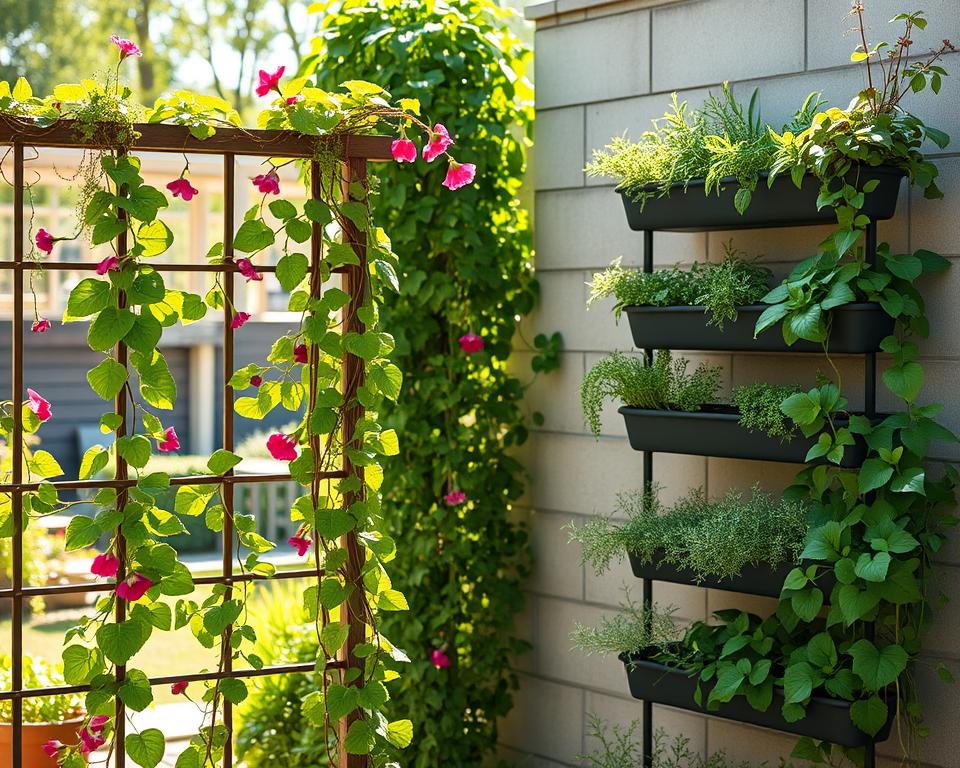
Your garden can become a vibrant vertical paradise with strategic planning and the right climbing plants. Wall planters and trellises offer remarkable opportunities to design living walls that breathe life into previously unused areas.
Installing Wall-Mounted Planters
Wall-mounted planters provide an elegant solution for vertical gardening. Consider these key strategies:
- Select lightweight, durable planters with proper drainage
- Choose plants suited to vertical growing conditions
- Ensure secure mounting on sturdy walls
- Use modular systems for flexible design
Training Climbers for Privacy and Beauty
Climbing plants can transform ordinary boundaries into spectacular green screens. Trellis design plays a crucial role in supporting and guiding these botanical wonders.
| Climbing Plant | Growth Characteristics | Best Trellis Type |
|---|---|---|
| Clematis | Delicate flowers | Wire mesh |
| Jasmine | Fragrant clusters | Wooden lattice |
| Ivy | Dense coverage | Brick wall support |
“A well-designed vertical garden is like a living piece of art that grows and changes with the seasons.” – Garden Design Expert
By embracing vertical gardening techniques, you’ll create dynamic, multi-dimensional landscapes that maximise every inch of your outdoor space. Remember to select climbing plants that complement your garden’s microclimate and aesthetic vision.
Creating Outdoor Living Areas for Entertainment

Transforming your garden into a vibrant outdoor entertaining area requires thoughtful planning and creative design. An exceptional garden living space extends your home’s functionality, creating an inviting alfresco dining environment that seamlessly blends indoor comfort with outdoor charm.
When designing your outdoor room, consider these key elements:
- Create distinct activity zones for dining and relaxation
- Select weather-resistant furniture that combines style and durability
- Integrate flexible lighting solutions for evening gatherings
- Plan convenient access from indoor kitchen spaces
Your outdoor living space should feel like a natural extension of your home. Start by defining areas using different paving materials, subtle level changes, or elegant pergola structures. Comfortable seating arrangements with plush cushions and strategic placement can make your garden feel like an additional living room.
Consider installing practical features that enhance entertainment potential:
- Outdoor cooking stations
- Built-in fire pits
- Ambient sound systems
- Overhead heating elements
By carefully curating your garden living space, you’ll create an irresistible outdoor room that invites relaxation and social interaction throughout the warmer months.
Maintaining Your Garden Décor Throughout the Seasons
Keeping your garden looking spectacular requires thoughtful seasonal garden care and strategic maintenance. Your outdoor space is a living canvas that transforms throughout the year, demanding careful attention to preserve its beauty and functionality.
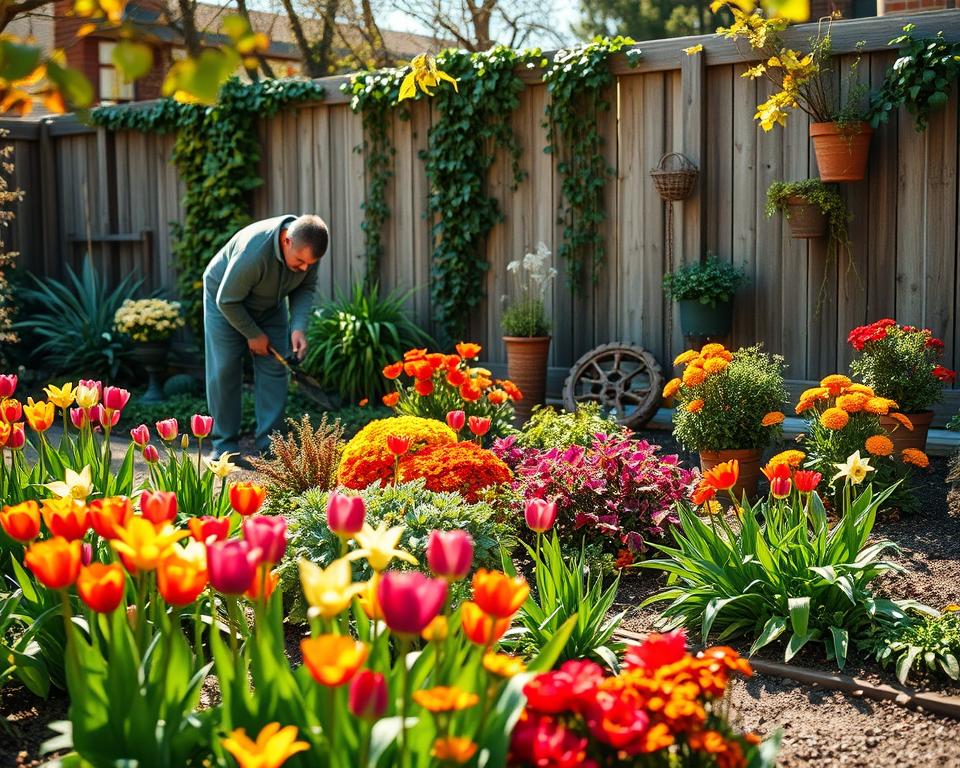
Protecting your garden investments means understanding how different elements respond to changing weather conditions. Garden maintenance becomes crucial in preserving the aesthetic and structural integrity of your outdoor sanctuary.
Protecting Garden Furniture from Seasonal Challenges
Safeguarding your garden furniture requires proactive strategies:
- Clean wooden pieces thoroughly before winter storage
- Use weatherproof covers for outdoor furniture
- Store delicate ornaments in protected areas during harsh weather
- Apply protective sealants to prevent moisture damage
Seasonal Garden Refresh Techniques
Each season offers unique opportunities for a garden refresh. Spring invites deep cleaning and replanting, summer demands regular maintenance, autumn requires protective measures, and winter provides planning time.
Consider creating a seasonal maintenance calendar to track essential tasks. This approach ensures your garden remains vibrant and well-cared for throughout the year, protecting your decorative investments and maintaining a beautiful outdoor space.
A well-maintained garden reflects your commitment to creating a stunning outdoor sanctuary.
Conclusion
Your garden decoration adventure is a personal and transformative process that turns an ordinary outdoor space into a beautiful sanctuary. Each decision you make reflects your unique style and vision, creating a landscape that truly belongs to you. The garden transformation journey is about more than just aesthetics—it’s about crafting a space that resonates with your soul and provides genuine comfort.
Remember that a beautiful outdoor space evolves gradually. You don’t need to achieve perfection immediately. Start with fundamental elements like structural plantings and pathways, then layer in decorative touches that bring character and warmth. Your garden will grow and change with you, offering new possibilities and opportunities for creative expression.
Embrace the dynamic nature of garden decoration. Listen to your space, understand its unique characteristics, and allow your design to develop organically. Select plants, furniture, and ornaments that speak to you and create an environment where you feel truly relaxed. A well-designed garden becomes more than just an exterior space—it’s an extension of your home and a personal retreat that nurtures your wellbeing through every season.
Your garden is a living canvas waiting to be transformed. With patience, creativity, and thoughtful design, you can create an outdoor haven that brings joy, tranquillity, and inspiration to your daily life.
FAQ
How much does garden decoration cost?
Garden decoration costs can vary widely, from budget-friendly £50 projects to sophisticated £5,000+ transformations. Your investment depends on the scale of your space, materials chosen, and whether you’re implementing the design yourself or hiring professionals. Start with a clear budget and prioritise essential elements that will make the most significant visual impact.
What are the best low-maintenance plants for British gardens?
Excellent low-maintenance plants for British gardens include lavender, rosemary, hydrangeas, ornamental grasses, and sedum. These plants are hardy, adaptable to various soil conditions, and require minimal care. They provide year-round interest and can withstand typical British weather fluctuations, making them perfect for gardeners seeking beautiful yet practical landscaping solutions.
How can I decorate a small garden?
Decorating a small garden requires clever design strategies. Utilise vertical gardening techniques, such as wall-mounted planters and trellises, to maximise space. Choose multi-functional furniture, incorporate mirrors to create illusions of depth, and select compact, dwarf plant varieties. Light colours, strategic lighting, and minimalist design can make your compact garden feel spacious and inviting.
What lighting options work best for gardens?
For garden lighting, consider a layered approach using solar-powered pathway lights, string lights, lanterns, and LED spotlights. Solar options are eco-friendly and easy to install, while strategic placement can highlight architectural features, create ambience, and improve safety. Opt for warm-toned lights to create a welcoming atmosphere that extends your garden’s usability into evening hours.
How do I protect garden furniture during winter?
Protect your garden furniture by using weatherproof covers, storing cushions indoors, and choosing materials like teak, powder-coated metal, or all-weather rattan. Clean furniture thoroughly before storing, apply protective treatments to wooden pieces, and consider indoor storage for delicate items. Proper maintenance ensures your furniture remains in excellent condition throughout harsh British winters.
Can I create a garden design on a tight budget?
Absolutely! Budget-friendly garden design involves smart planning and creativity. Start with seeds instead of mature plants, use reclaimed materials for pathways and borders, propagate plants from cuttings, and shop during end-of-season sales. DIY projects, upcycling, and gradual implementation can help you create a stunning garden without breaking the bank.
What are the best water features for small spaces?
For small gardens, consider compact water features like ceramic water bowls, wall-mounted fountains, self-contained rock fountains, and small cascading designs. These options provide soothing sounds and visual interest without consuming significant space. Ensure proper positioning and maintenance to keep your water feature looking fresh and functioning perfectly.
How often should I refresh my garden’s design?
Garden designs naturally evolve, but a comprehensive refresh every 3-5 years keeps your outdoor space looking vibrant. Seasonal updates like changing container plants, repositioning furniture, and adding new decorative elements can maintain interest. Annual tasks like pruning, replanting, and updating lighting can help your garden continuously feel fresh and inspiring.