Essential Tools to Build a Log Cabin – Complete DIY Checklist

Embarking on the construction of a garden log cabin is an exciting project for any homeowner. This endeavour transforms an outdoor space into a practical and attractive retreat. Proper preparation is the cornerstone of a successful build.
This guide serves as a comprehensive resource for assembling a prefabricated log cabin kit. It focuses specifically on garden buildings designed as rooms or studios, not large-scale residential homes. Having the correct equipment from the start prevents common frustrations.
Every item listed plays a vital role in the process, from initial site preparation to the final finishing touches. Understanding the function of each tool ensures the structure comes together smoothly and securely. A methodical approach saves both time and effort.
Readers are advised to review the entire checklist thoroughly before commencing work. This preparation guarantees that all necessary items are on hand, facilitating an efficient and organised build from beginning to end.
Inhaltsverzeichnis
Key Takeaways
- Proper tool preparation is fundamental for a successful self-build project.
- This guide is specifically designed for garden room cabins using prefab kits.
- Each tool on the list has a distinct purpose in the assembly process.
- Reviewing the checklist beforehand helps prevent delays and installation issues.
- The right equipment ensures the structure is built correctly and safely.
- This approach is based on practical, real-world installation experience.
Introduction to the DIY Log Cabin Project
Modern self-build kits revolutionise how homeowners approach garden construction projects. These comprehensive packages contain precisely cut timber components designed for straightforward assembly. The concept makes creating a personalised outdoor space more accessible than ever before.
Overview of the Log Cabin Concept
Garden structures offer versatile solutions for expanding living space. A log cabin provides a charming, natural aesthetic that blends beautifully with outdoor environments. These prefabricated kits arrive with all necessary components for efficient assembly.
The appeal lies in their adaptability. Homeowners can create various functional spaces to suit their needs. From a peaceful garden office to a creative studio, the possibilities are extensive.
Purpose and Benefits of a Self-Build Kit
Choosing a self-assembly cabin kit offers significant advantages. The financial savings compared to professional installation can be substantial. There is also great satisfaction in completing the project personally.
Most log cabin projects require moderate DIY skills and basic tools. With help from family or friends, assembly typically takes a weekend. The flexibility to work at one’s own pace makes it an achievable goal for many.
These structures serve multiple purposes effectively. They provide ideal spaces for remote working, fitness activities, or simply relaxing. The finished result adds both functionality and value to any property.
Planning Your Garden Log Cabin Project
Before a single tool is lifted, a thorough planning phase sets the stage for a smooth installation. This crucial step prevents costly errors and ensures the final structure meets both practical needs and regulatory standards.

Assessing Garden Space and Location
Homeowners must first accurately measure their available garden space. It is vital to leave ample room around the proposed cabin for access and to accommodate existing plant life.
The ideal location harmonises with the garden’s layout. Considerations include sunlight exposure, ground drainage, and proximity to the main house for utilities.
Understanding Planning Permission and Regulations
In the UK, most garden log cabin projects fall under ‘Permitted Development’ rights. This often means formal planning permission is not required.
However, checking with the local council is always a wise precaution. Specific rules apply to larger structures or those in conservation areas.
The foundation, or base, is fundamental to the log cabin‘s longevity. A perfectly level surface is non-negotiable for structural integrity and proper door operation.
Tools to Build a Log Cabin – Complete DIY Checklist
A well-organised toolkit forms the foundation for efficient garden building work. Having the right implements ready prevents work stoppages and frustration during assembly.

Comprehensive List of Essential Tools
The equipment list includes both basic hand implements and power tools. Essential items include Phillips screwdrivers in various sizes, a hammer or mallet, and an 8-10 metre tape measure.
Power tools like a cordless drill with extra batteries significantly speed up the process. Quality drill bits in various sizes are vital for timber work.
Additional helpful items include a silicone gun for sealing and a step ladder for reaching high areas. Safety gear should never be overlooked.
How Each Tool Contributes to a Successful Build
Each implement serves a distinct purpose in the construction process. Measuring tools ensure precise alignment, while cutting implements allow for custom adjustments.
Proper tool preparation is the key to a smooth assembly. As one experienced builder notes, “The right equipment turns a challenging project into an achievable weekend task.”
Understanding the function of each item helps homeowners prioritise their acquisitions. This approach ensures the garden structure comes together securely and professionally.
Measuring and Marking Techniques for Precision
The quality of a finished structure depends heavily on initial measurement precision. Accurate marking ensures all components fit together perfectly during assembly. This attention to detail prevents frustrating adjustments later.
Selecting an appropriate tape measure is crucial. An 8-10 metre length spans large logs without requiring multiple measurements. A wider 25mm blade remains rigid when extended over distances.
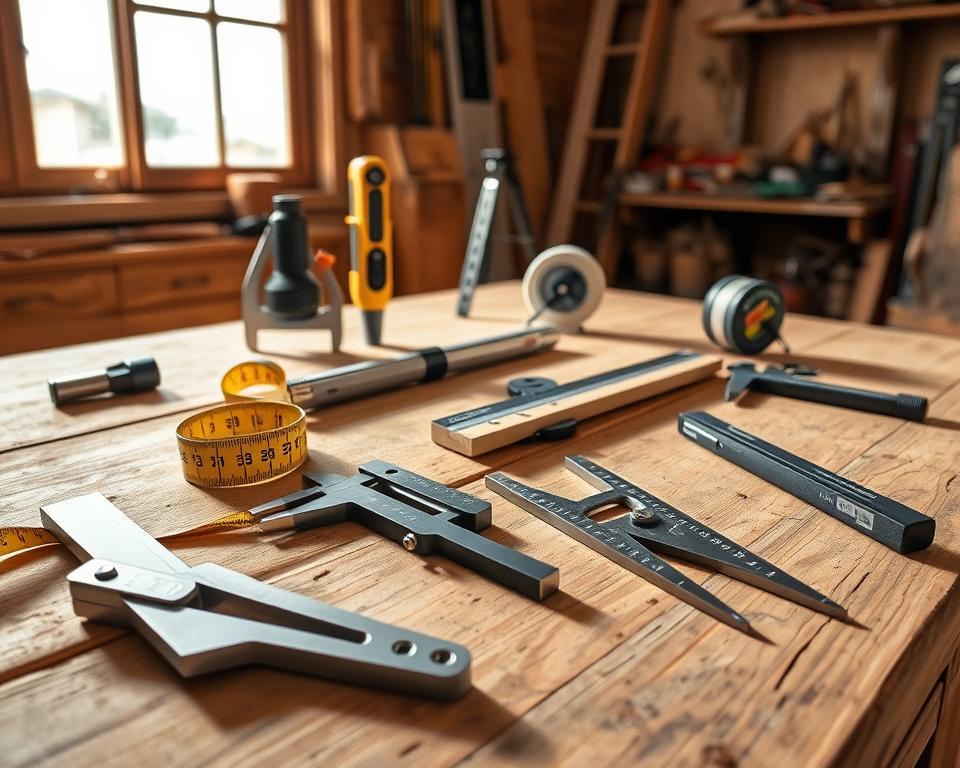
A magnetic hook grips timber edges for solo work. For marking, a flat carpenter pencil with thick lead creates visible lines. Keep spares and a sharpener handy.
A marker pen helps on dark or damp wood where carpenter pencil marks fade. The right tape measure and marking implements form the foundation of precise work.
Choosing the Right Tape Measure and Carpenter’s Pencil
Ancient Egyptian builders used chalk lines for straight references. This method remains effective for roof work or establishing level lines across multiple components in your cabin project.
Using Chalk Lines and Spirit Levels Effectively
A sturdy spirit level with aluminium body resists warping. Choose one at least one metre long to span wider log surfaces accurately. Always verify level before marking.
The spirit level confirms horizontal and vertical alignment. Combined with chalk lines, these instruments ensure every element sits perfectly. This systematic approach guarantees professional results.
Essential Hand Tools for Assembly
The assembly phase of a garden structure relies on fundamental hand implements. Selecting the right ones makes a significant difference to the process. Quality ensures components fit together securely.
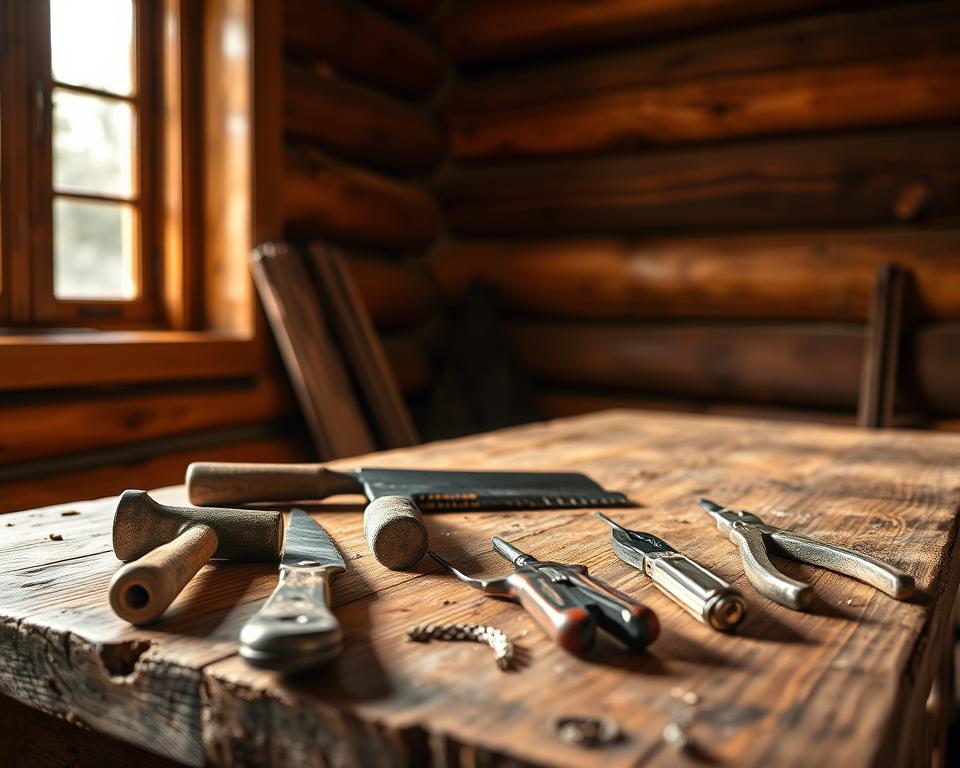
A proper selection of Phillips screwdrivers is crucial. They drive screws straight, creating a strong build. At least two sizes are needed. A smaller No. 1 size handles delicate fittings. A larger No. 2 or 3 size manages bigger fastenings.
Both hammers and mallets serve distinct purposes. A hammer provides the force needed for driving nails into roof boards. A clawhammer design is ideal for easy nail removal.
Selection of Phillips Screwdrivers and Hammers
In contrast, a rubber mallet is perfect for adjusting the position of logs. It nudges timber into place without causing damage. This is vital when interlocking logs during wall construction.
Choosing a hammer with a comfortable grip is wise. It reduces hand fatigue during extended use. Investing in quality pays dividends throughout the project.
From this view, having the correct implements for your cabin is non-negotiable. The right mallet and hammer turn a challenging task into a smooth operation. They are indispensable for any garden buildings project.
Power Tools and Their Applications
Electric-powered equipment revolutionises the speed and accuracy of timber structure assembly. These devices significantly reduce physical effort while improving results.

The right power tools make garden building projects more manageable. They handle repetitive tasks efficiently.
Benefits of Cordless Drills and Extra Batteries
A quality cordless drill offers unmatched mobility around the construction site. It eliminates cable hazards and restrictions.
Professional installers consider this drill essential for modern installation work. It handles screw driving and hole creation with ease.
Having spare batteries prevents frustrating work stoppages. This ensures continuous progress throughout the cabin assembly.
| Voltage Rating | Power Level | Best For | Considerations |
|---|---|---|---|
| 7.2V – 12V | Light duty | Small fittings | Lightweight, affordable |
| 14V – 18V | Medium duty | General construction | Balanced performance |
| 20V – 36V | Heavy duty | Dense timber work | More power, heavier |
Using Drill Bits for Timber and Other Materials
Proper drill bits are crucial for clean holes in wood. High-speed steel or titanium-coated bits maintain sharpness longer.
Dull bits can burn timber and cause binding. Keeping them organised in a case protects their edges.
A complete set accommodates various screw sizes throughout the project. Sharp, appropriate drill bits ensure professional results.
Using Levels and Saws for Accuracy
Professional results in log cabin assembly emerge from mastering both vertical alignment and custom timber adjustments. These two processes ensure walls stand straight and components fit perfectly throughout construction.

Importance of a Spirit Level for Wall Alignment
A sturdy spirit level with aluminium body resists warping better than plastic alternatives. Choosing one at least one metre long spans wider log surfaces accurately.
Even minor deviations in initial courses compound dramatically as walls rise. This can lead to significant structural problems if not corrected early. Smaller pocket levels provide quick checks in confined spaces.
Laser levels project reference lines across entire walls for faster alignment. As one builder notes, “A quality level is your best insurance against crooked walls and sticking doors.”
Hand Saw and Electric Saw Options for Custom Adjustments
Despite precision manufacturing, some timber components require trimming. This particularly applies to floorboards and parts around the roof structure.
A sharp hand saw delivers clean cuts for detailed work. When used with an inexpensive mitre box, it achieves accurate 90 and 45-degree angles efficiently.
For larger adjustments, a portable circular saw rips timber lengthwise with consistent accuracy. Cordless versions offer mobility when working away from power sources.
Saws with rip guides ensure straight cuts without wandering. Using them with a fixed workbench enhances both safety and precision during garden log projects.
Fastening and Component Securing Techniques
Proper fastening techniques transform assembled pieces into a cohesive, weather-resistant whole. This phase ensures the structure withstands seasonal changes and maintains its integrity over time.
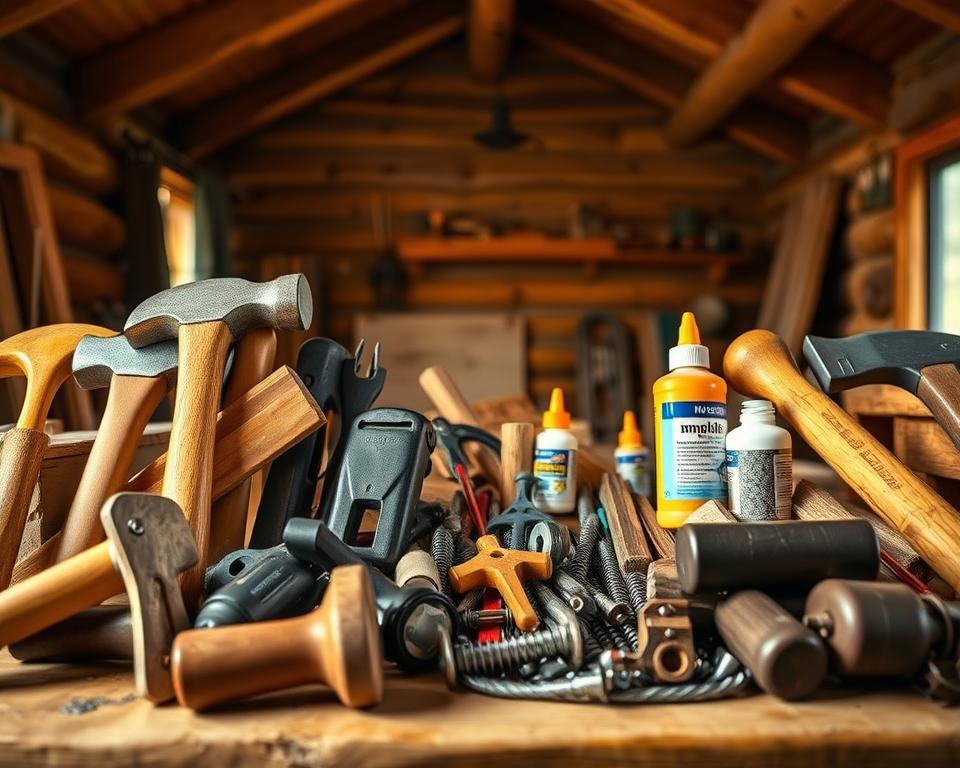
Sealing small gaps prevents moisture ingress and improves energy efficiency. The right implements make this process straightforward and effective.
Utility Knives and Silicone Guns for Sealing
A heavy-duty utility knife with non-flexing handle is essential. Blades approximately 18mm wide provide sufficient cutting power for various materials.
Snap-off blade designs offer fresh edges whenever needed. A locking mechanism prevents dangerous shifting during use.
This versatile knife handles multiple tasks efficiently. It opens packaging, trims flooring, and cuts roof felt with precision.
Specialised hooked blades excel at cutting roofing materials. Their curved shape prevents tearing on felt and shingles.
| Knife Feature | Benefit | Best Application | Safety Consideration |
|---|---|---|---|
| Heavy-duty handle | No flex under pressure | Tough materials | Better control |
| Snap-off blades | Always sharp | Multiple tasks | Fresh edges |
| Blade locking | Prevents movement | Precision cuts | Reduces accidents |
| Hooked blades | Clean roofing cuts | Felt and shingles | Less tearing |
A silicone gun holding standard 300ml cartridges seals gaps effectively. Apply sealant after the initial wood treatment for best results.
Use exterior-rated silicone with strong timber adhesion. Clear or natural colours blend seamlessly with wood tones.
Focus on corner trims, window and door frames, and external gaps. Proper sealing protects the garden log cabin from moisture damage.
This approach ensures the cabin remains comfortable and durable through all seasons. Each log connection benefits from careful attention.
Assembly Techniques and Efficient Installation
Transforming individual components into a sturdy structure hinges on precise techniques. The right approach ensures a smooth installation process and a high-quality finish for any timber building.
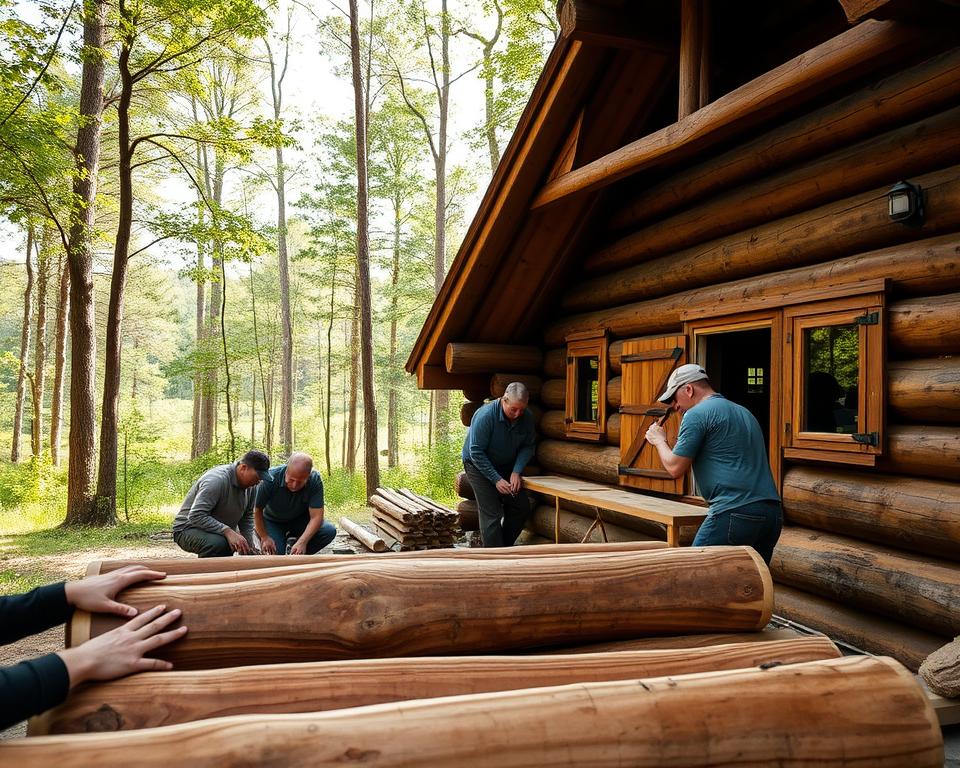
A white rubber mallet is the ideal tool for nudging logs into position. Unlike coloured mallets, the white variety will not transfer pigment onto the wood, preserving its natural appearance.
Proper technique involves using controlled, firm strikes. This method gradually seats the interlocking log profiles without risking damage. Forcing components can lead to splits and alignment issues.
Fastening with Mallets and Fixing Tools
The mallet provides the gentle persuasion needed during assembly. It is perfect for ensuring a tight fit between timber building elements without causing surface marks.
This tool is especially useful when working on the walls of the cabin. It helps align the logs correctly for a secure and stable construction.
Using Ladders and Handling Hard-to-Reach Areas
A sturdy step ladder is non-negotiable for reaching higher sections. Safety is paramount, and a reliable step ladder prevents accidents.
Folding aluminium ladders between 6 and 10 feet tall offer a good balance of stability and portability. They are easy to reposition as work progresses on the cabin.
Always assess the ground surface before positioning the ladder. Using a level board on soft soil provides a stable base. This simple precaution offers a safer view and working platform.
| Ladder Type | Ideal Height | Key Feature | Safety Tip |
|---|---|---|---|
| Folding Aluminium | 6-8 ft | Lightweight | Use on firm, level ground |
| Multiway Step | 8-10 ft | Versatile positioning | Engage all locks before use |
Multiway ladders are excellent for accessing awkward spots during the final stages of installation. Investing in good equipment is an investment in safety.
Essential Safety Gear for a Secure Build
No aspect of timber construction demands more attention than safeguarding the builder’s wellbeing. Proper protective equipment prevents injuries that could halt progress or cause lasting harm. The fundamental principle remains clear: it is far better to have safety gear available than to need it unexpectedly.
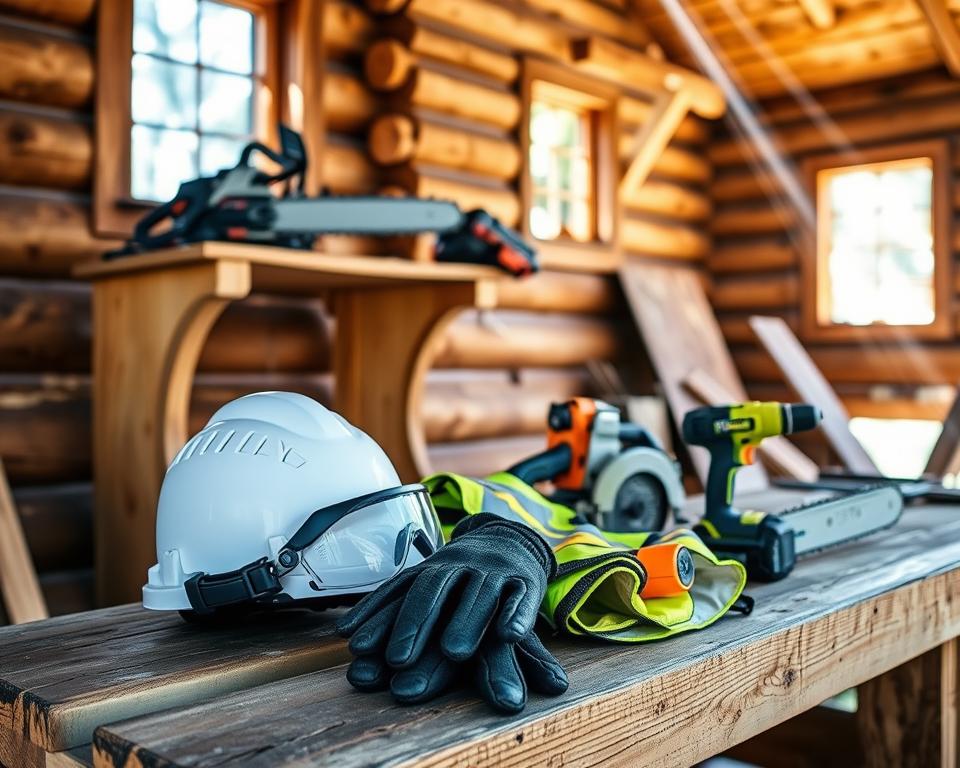
Protective Gloves and Safety Glasses
Working with wood inevitably produces splinters that can penetrate skin. Protective gloves provide essential hand coverage while maintaining sufficient dexterity for tool manipulation. They represent a simple yet effective barrier against common woodworking hazards.
Safety glasses protect against multiple risks during building log cabin projects. Flying wood fragments from sawing or drilling pose significant eye injury risks. Falling objects like nails or small components also present dangers when working below others.
Importance of a White Rubber Mallet for Safe Impact
The white rubber mallet offers controlled impact characteristics that enhance safety throughout assembly. Its softer surface compared to metal hammers reduces the risk of timber splitting unexpectedly. This prevents tools from slipping and causing potential injuries.
Beyond preventing cosmetic damage, the rubber mallet‘s design makes it inherently safer for repetitive striking tasks. This equipment represents a minimal investment compared to the cost of accidents during building log projects. Proper safety measures ensure the cabin construction proceeds without preventable interruptions.
Optimising Workspace and Tool Organisation
Strategic tool placement and workspace layout significantly influence construction workflow. A well-planned work area prevents frustrating delays and maintains project momentum throughout the assembly process.

Setting Up a Functional Work Area
Before construction begins, designate a clear work zone with sufficient space for movement. This area should accommodate both timber components and essential equipment. Proper organisation ensures everything remains within easy reach.
The workspace should offer a clear view of the entire project site. This allows builders to monitor progress while keeping tools accessible. Designating specific stations for different tasks streamlines the workflow considerably.
Tips for Keeping Tools Accessible and Tidy
Organisation systems prevent work stoppages when searching for specific items. Frequently used implements should remain within arm’s reach. Less common equipment can be stored nearby but out of the immediate work zone.
Keeping drill bits in a protective case prevents loss and damage. Loose bits often become lost in grass or mixed up, causing unnecessary delays. A tidy environment also reduces tripping hazards when carrying large components.
Tool belts offer excellent accessibility for constantly needed items. Designated storage areas keep timber off damp ground, protecting materials. End-of-day cleaning ensures equipment remains ready for subsequent work sessions.
Selecting the Ideal Log Cabin Base and Finishing Touches
Choosing the proper support system represents one of the most critical decisions in garden building construction. The foundation directly impacts the structure’s longevity and performance over time.
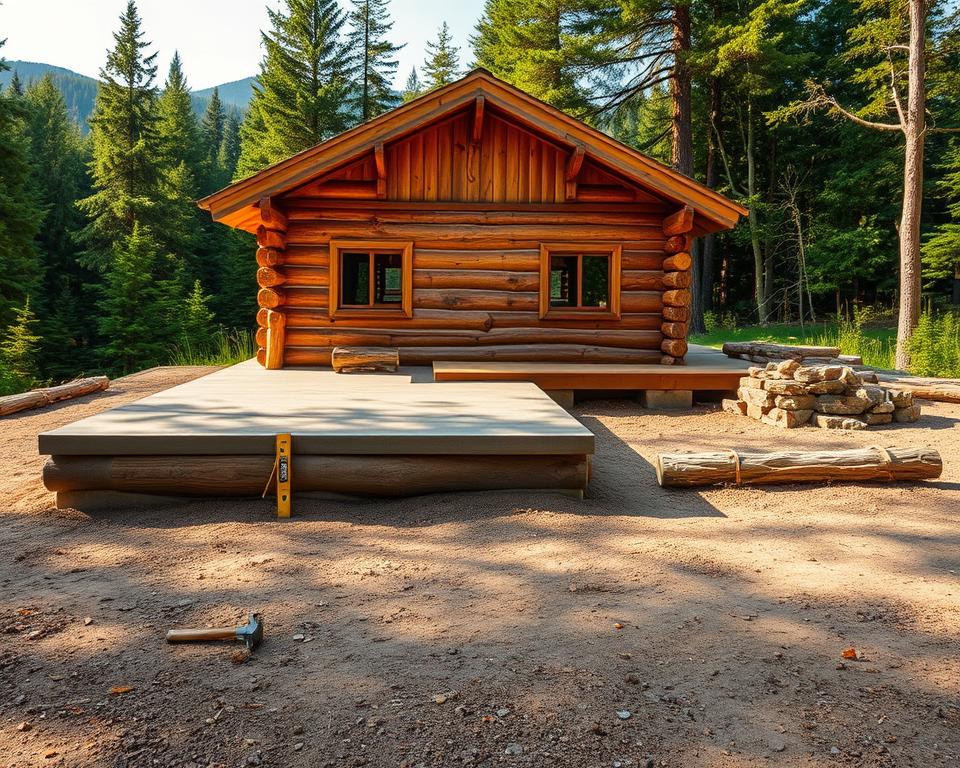
Comparing Concrete, Paving Slab, and Timber Bases
Homeowners have several viable base options for their log cabins. Concrete provides maximum durability for larger cabins, while paving slabs offer cost-effective solutions for smaller structures.
Timber frame bases present eco-friendly alternatives suitable for most garden terrains. Regardless of choice, achieving a perfectly level surface remains absolutely crucial.
Even minor deviations can cause doors to bind and walls to twist. Proper preparation prevents these structural issues from developing.
Final Finishing Techniques for a Professional Look
After assembly, attention turns to creating a polished appearance. Sanding with appropriate grit bits eliminates splinters and prepares surfaces for treatment.
Electric sanders efficiently smooth rough timber, enhancing both safety and aesthetics. This preparation ensures optimal paint adhesion for the finished garden room.
Sealing follows the initial wood treatment application. Focus silicone on corner trims, window frames, and external gaps. This professional approach transforms basic assembly into a refined outdoor space.
Conclusion
Successful construction of a garden retreat relies on meticulous preparation and the correct implements. This guide has detailed the specific role each piece of equipment plays in the assembly of a modern cabin kit.
With moderate DIY skills and a systematic approach, creating a timber building is an achievable project. The process of building log cabin structures offers immense satisfaction.
The finished log cabin becomes a versatile asset. It can serve as a peaceful garden office, a creative room, or a relaxing garden room.
This comprehensive resource provides the confidence needed to create a beautiful outdoor space. Homeowners can embark on their log cabins journey knowing they are well-prepared for a rewarding result.
FAQ
What are the most crucial tools needed for a log cabin project?
A cordless drill, spirit level, and tape measure are fundamental. These items ensure accurate assembly and structural integrity for any timber building project.
Is planning permission required to build a log cabin in a garden?
A> Often, garden log cabins fall under permitted development rights, but checking with the local planning authority is essential. Factors like size and location can affect the need for planning permission.
How important is the base for a garden log cabin?
The base is critical. A level and sturdy foundation, such as one made from concrete or paving slabs, prevents future issues like shifting or damage to the structure.
Can a log cabin kit be used as a garden office?
Absolutely. Many people choose a garden log cabin for use as a garden office or garden room. Proper insulation and electrical installation are key considerations for comfort and functionality.
What safety gear should be used during construction?
Safety glasses and protective gloves are non-negotiable. A white rubber mallet is also recommended for safe, controlled impact when assembling the logs.
Why is a spirit level so important in the build?
A spirit level ensures that walls and the roof are perfectly vertical and horizontal. This precision is vital for the stability and professional finish of the building.
Are cordless drills better than corded models for this project?
Cordless drills offer superior mobility and convenience, especially on a site without immediate power. Having an extra battery ensures continuous work.
What is the best way to handle hard-to-reach areas during installation?
A sturdy ladder is indispensable for safely working on higher sections of the walls and roof. Always ensure the ladder is on stable ground.
How can I ensure a weatherproof seal on my log cabin?
Using a silicone gun to apply sealant between logs and around the door and window openings is highly effective. A utility knife helps trim any excess for a neat finish.
What should be considered when selecting a site for a garden cabin?
Assess the garden space for a level area with good drainage. Consider the view, access to sunlight, and proximity to boundaries or other garden buildings.