Ways to Decorate the Inside of Your Log Cabin
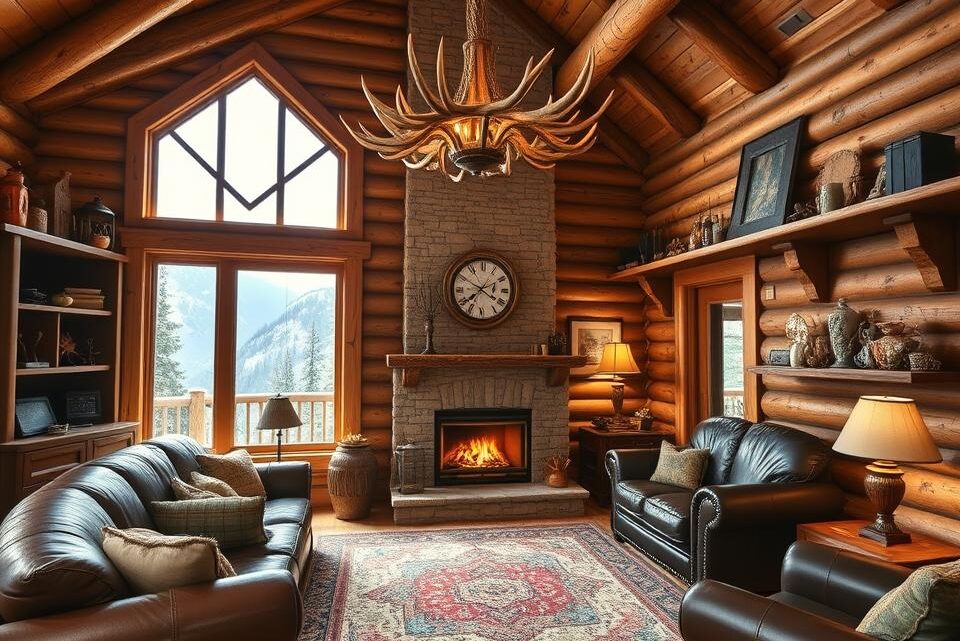
Transforming a log cabin interior into a comfortable and stylish space is an exciting project. It combines the natural charm of timber construction with personal taste. This guide offers inspiration for creating a welcoming retreat.
Whether the cabin is a garden office or a weekend escape, the right decor maximises its potential. The exposed wood and natural textures provide a unique foundation. Homeowners can explore styles from rustic to contemporary.
This article shares expert strategies for enhancing a cabin’s interior. It covers selecting themes, choosing furnishings, and optimising lighting. The goal is to create a functional and beautiful living space.
By following these recommendations, one can develop a personalised sanctuary. The result is a cosy environment that feels connected to its natural surroundings.
Inhaltsverzeichnis
Key Takeaways
- Understand the unique potential of a timber-built space.
- Learn to balance rustic charm with modern comforts.
- Discover how to select a theme that complements the structure.
- Gain insights into choosing functional and stylish furnishings.
- Find out how lighting can enhance the atmosphere.
- Learn to create a cohesive and welcoming environment.
Overview of Log Cabin Interior Design Trends
Today’s timber structures benefit from interior schemes that honour their natural origins while incorporating fresh aesthetics. Current approaches to interior design for timber buildings reflect a diverse range of styles that work harmoniously with the existing architecture.
Embracing Modern Rustic and Scandinavian Minimalist Themes
The modern rustic approach combines clean lines with natural textures. This style features neutral walls, wooden floors, and black metal frames. It pairs timber beams with simple furniture in low-key colours like grey or cream.
Scandinavian minimalist themes emphasise light, space, and simplicity. They use white or pale-toned walls with minimal furniture and abundant natural light. This design philosophy creates uncluttered spaces that feel spacious yet cosy.
Integrating Industrial Chic Elements
Industrial chic offers an edgier alternative for those seeking distinctive interiors. This trend incorporates exposed beams, darker paint shades, and raw-style flooring. Metal elements like mesh shelves and cage lighting create striking visual contrast.
These three dominant trends provide flexible frameworks for personalising any timber cabin. Understanding their characteristics helps in selecting furnishings, colour schemes, and lighting that enhance the natural beauty of the log structure.
Setting the Scene with Natural Materials and Textures
Creating a genuine woodland retreat requires careful consideration of organic building components. The selection of materials directly influences the atmosphere and authenticity of the space.

Rich-toned timber applied to floors, walls, and ceilings establishes an enveloping sense of comfort. This approach enhances thermal insulation while celebrating the structure’s natural origins. Timber featuring distinctive character marks like knots and grain variations adds visual interest.
Maximising Wood, Stone and Reclaimed Materials
Reclaimed wood represents an environmentally conscious choice that introduces historical patina. Available as floorboards, beams, or cladding, it offers versatile design possibilities. Stone elements provide contrasting textures that complement timber’s warmth beautifully.
Layering multiple natural textures creates dimensional complexity that engages the senses. The inherent imperfections in these materials contribute authentic character that mass-produced alternatives cannot replicate.
| Material Type | Primary Applications | Key Benefits | Design Considerations |
|---|---|---|---|
| Reclaimed Wood | Flooring, beams, wall cladding | Sustainable, historical character | Check for structural integrity |
| Natural Stone | Fireplace surrounds, accent walls | Texture contrast, visual weight | Consider weight limitations |
| Character Timber | Ceilings, feature walls | Organic visual interest | Embrace natural imperfections |
| Textured Elements | Layered surfaces, tactile features | Sensory engagement | Balance rough and smooth finishes |
By prioritising natural and reclaimed materials, homeowners establish interiors that feel genuinely connected to their surroundings. This approach supports sustainable design practices while creating spaces of enduring beauty.
Ways to Decorate the Inside of Your Log Cabin
The essence of a welcoming woodland retreat lies in cultivating an environment that appeals to all senses. This approach transforms the structural qualities of timber into a deeply personal sanctuary.
Creating a Cosy Atmosphere
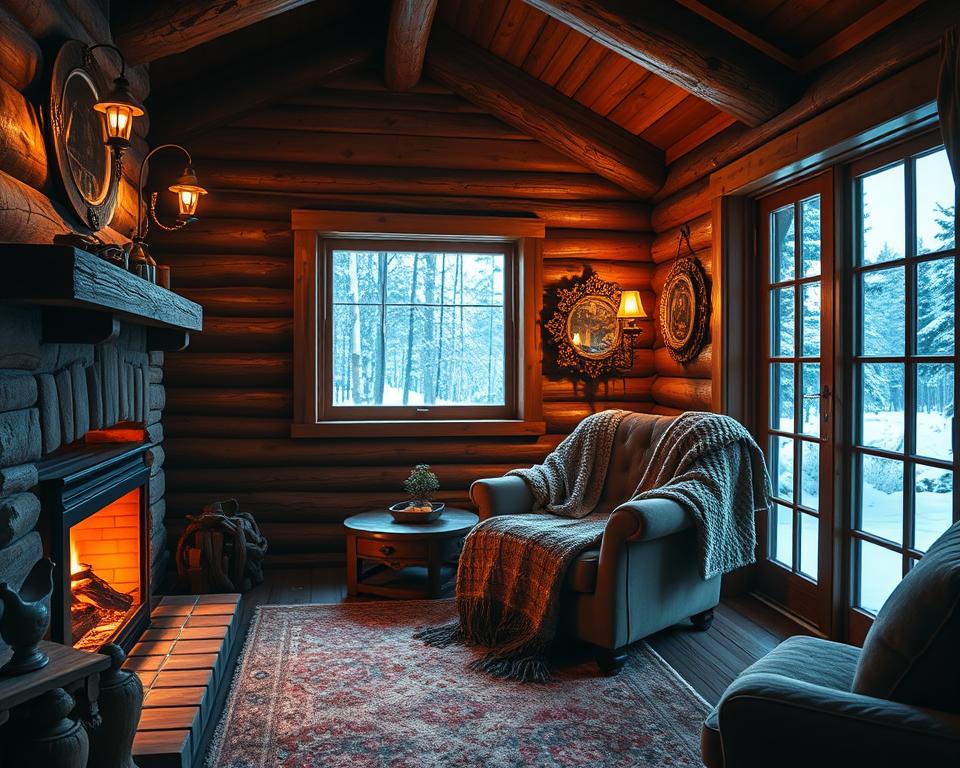
Soft textiles establish immediate comfort within any cabin setting. Plush cushions, chunky knit throws, and substantial rugs create layers of tactile warmth. These elements invite relaxation and physical ease.
Colour selection profoundly influences how a space feels. Warm earthy tones like soft beige, muted greens, and clay shades envelop occupants in comfort. These hues complement the natural wood tones beautifully.
Lighting strategy is crucial for cosy interior design. Multiple soft light sources replace harsh overhead fixtures. Table lamps and wall sconces with warm bulbs create gentle, inviting illumination.
The Scandinavian concept of hygge provides valuable guidance. It emphasises simple pleasures and comfortable surroundings. This philosophy aligns perfectly with the log cabin lifestyle.
Layering remains essential for achieving genuine comfort. Multiple textile layers on seating areas create visual richness. Varied lighting sources at different heights add dimensional interest.
These elements work together to create a restorative environment. The solid construction of a log cabin provides an excellent foundation. Thoughtful decor builds upon this to establish true comfort.
Choosing a Theme: Modern Rustic, Scandinavian Minimalist, or Cosy Cottage
Establishing a cohesive theme is the crucial first step in developing a harmonious log cabin interior. This foundational decision guides all subsequent choices, from furniture to finishes, ensuring a unified aesthetic. The selection should reflect the building’s primary function and the occupant’s personal style.

Exploring Colour Palettes and Textiles
An earthy palette forms an excellent foundation for most cabin schemes. Deep olives, chocolate browns, and rust reds complement the natural wood beautifully. These warm tones create a grounded, secure feeling.
Cooler slate blues and forest greens introduce a calming, contemplative quality. They work particularly well for spaces used during spring and summer months. The key is balancing warmth with freshness.
Textiles add essential softness and pattern. Layering is fundamental. Patchwork quilts, woollen throws, and jute rugs provide tactile variety. They prevent the space from feeling stark or unwelcoming.
Balancing Heritage and Contemporary Design
Successful interiors often blend traditional character with modern comforts. The modern rustic theme achieves this balance expertly. It appreciates natural materials but prefers cleaner lines.
This design approach might preserve original log walls while incorporating minimalist furniture. It respects heritage without being constrained by it. The result is a space that feels both authentic and current.
Ultimately, the chosen theme should enhance daily life within the log cabin. It creates an environment that is both beautiful and perfectly suited to its purpose.
Enhancing Natural Light and Thoughtful Lighting Solutions
Effective illumination transforms how occupants experience a timber structure’s interior. The right approach to lighting can dramatically improve both functionality and atmosphere. It balances practical needs with aesthetic considerations.
Using Windows and Natural Light to Your Advantage
Maximising natural light should be the primary focus in any timber building. Large, unobstructed windows allow sunlight to flood the space. This approach showcases the wood’s natural beauty.
Strategic placement of mirrors and metallic surfaces helps distribute light throughout the interior. These reflective elements bounce illumination into darker corners. They create a brighter, more spacious feel.
Matthew Currington, Technical Director at The Lighting Superstore, advises: “Introduce contrast with light beige, white, or neutral colours to break through darker tones and avoid monotonous spaces.”
Incorporating Warm LED Bulbs and Accent Lighting
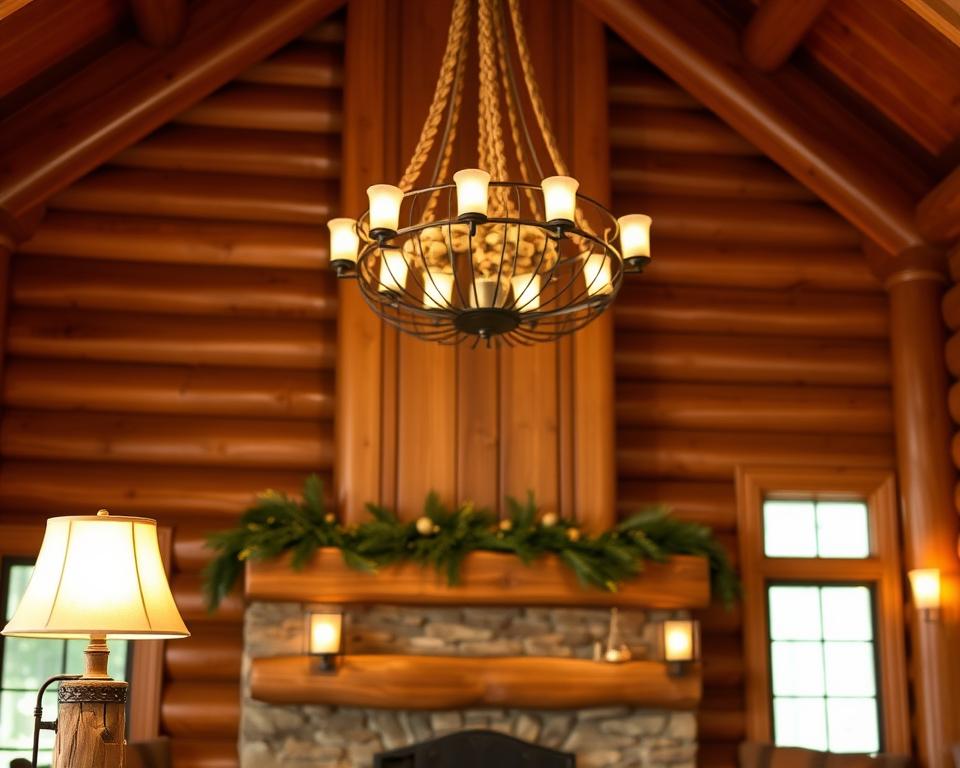
When daylight fades, artificial lighting takes over. Warm LED bulbs create inviting atmospheres without harsh glare. They provide energy-efficient illumination perfect for a cabin setting.
A layered approach combines different lights for versatility. Ceiling fixtures offer general illumination. Table lamps and wall-mounted options add flexibility.
This multi-source strategy allows the space to adapt. It works for various activities from evening relaxation to focused tasks. The result is a well-lit, adaptable interior.
Furnishing with Comfortable, Rustic Furniture
The right furnishings bridge the gap between architectural character and daily living requirements. Selecting appropriate pieces ensures the cabin serves its purpose while maintaining rustic appeal.
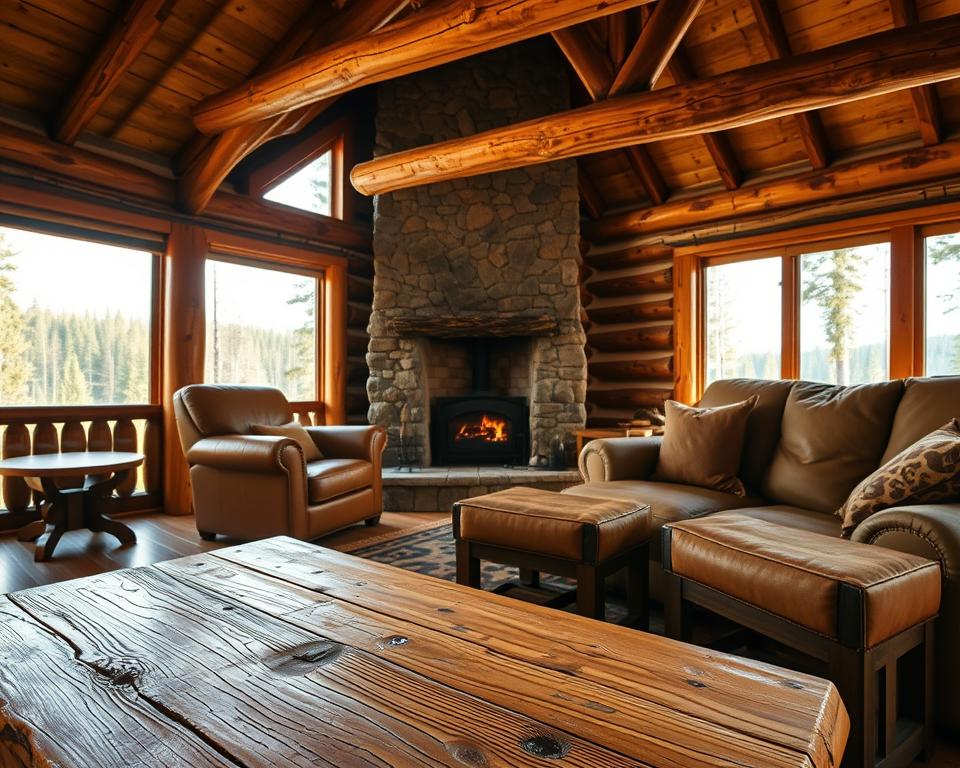
Selecting Pieces for Living, Dining and Office Spaces
Comfortable seating forms the heart of any living room. Generously proportioned sofas and armchairs with deep cushions invite relaxation. They accommodate both solitary downtime and social gatherings.
Dining areas benefit from solid wood tables with substantial visual weight. These pieces create a tactile connection to natural materials. They complement the log construction beautifully.
Office space within a cabin requires purposeful furniture selection. Ergonomic desk chairs and appropriately sized work surfaces maintain productivity. They balance functionality with the retreat-like atmosphere.
According to HomeAdvisor, building costs vary significantly by size. A 500-square-foot structure averages £75,000, while larger 1,500-square-foot cabins can exceed £250,000. This investment underscores the importance of thoughtful furnishing choices.
Scale considerations prove crucial in log cabin interiors. Oversized pieces overwhelm smaller spaces, while undersized furniture appears insubstantial against timber walls. Multi-functional pieces like storage ottomans maximise utility in limited square footage.
Decorative Touches: Textiles, Wall Art and Finishing Touches
Thoughtful finishing touches elevate a functional space into a truly inviting retreat that reflects personal style. These final decor elements add layers of visual interest while enhancing daily comfort.
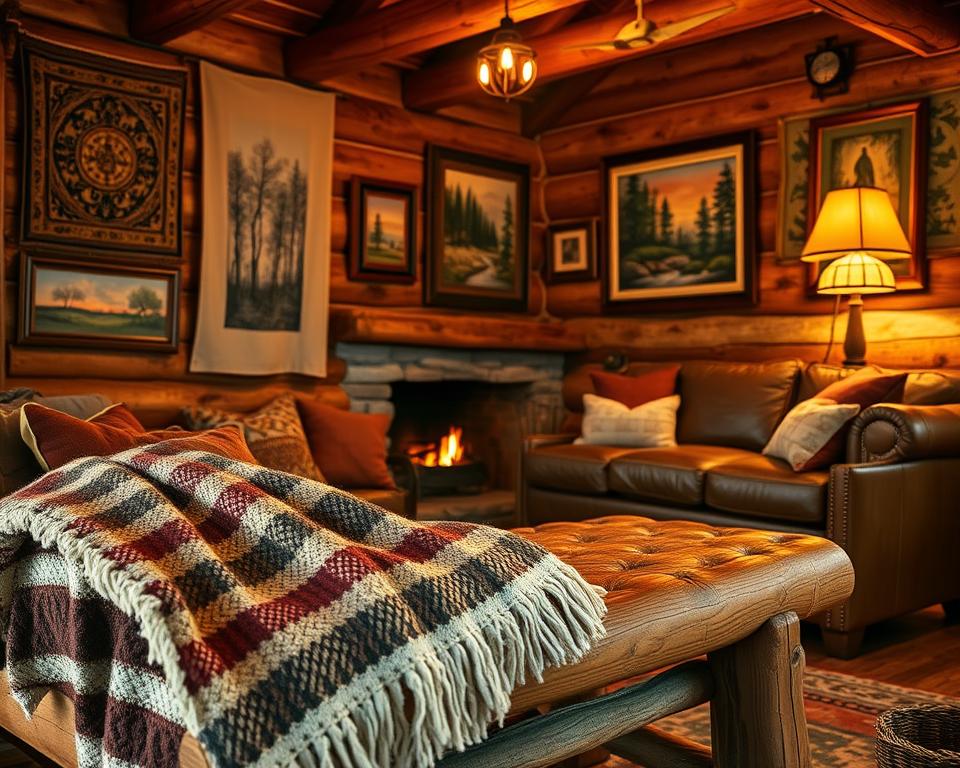
Layering Cushions, Throws and Rugs for Added Comfort
Textile layering creates immediate warmth and visual appeal. Multiple cushions in varying sizes and patterns transform seating areas into inviting spaces. Throws serve both decorative and practical purposes, adding colour contrast while providing extra warmth.
Rug layering introduces dimensional interest underfoot. Placing smaller patterned rugs atop neutral bases improves thermal insulation. This approach proves particularly valuable in structures with hard flooring surfaces.
Wall art selection should complement rather than compete with timber features. Pieces incorporating natural themes or earthy palettes harmonise beautifully with rustic architecture. The wall space offers opportunities for personal expression.
Finishing touches should remain useful and low-effort. Hooks for frequently used items and small shelves for books maintain organisation. Side tables accommodate essentials while decorative boxes store extra textiles neatly.
Heritage textiles connect contemporary interiors to historical traditions. Embracing tartan patterns and quilted fabrics acknowledges the long tradition of layering for warmth in rural dwellings. This approach adds authentic character to any cabin setting.
The key to successful styling lies in careful editing. Selecting pieces that genuinely enhance the space avoids clutter. This maintains the restful qualities that log structures should provide.
Creating Multi-Purpose Spaces in a Log Cabin
Modern lifestyles demand versatile spaces that adapt to changing needs, and log cabins offer exceptional flexibility for creating multi-purpose environments. These structures can serve as dedicated areas for work, leisure, or specialised activities beyond traditional living functions.

A garden office represents one of the most practical uses for remote workers. This space requires proper electrical installation, double glazing, and appropriate lighting for year-round use. The separation from the main house improves focus and work-life boundaries.
Design Ideas for a Garden Office, Cabin Lounge or Man Cave
Cabin lounges provide valuable extensions of living areas for reading or relaxation. Soft seating and ambient lighting create peaceful retreats without leaving the property. These spaces serve as quiet escapes from household activity.
Man caves and hobby room setups allow for personal interests like gaming or sports viewing. They prioritise comfortable seating and entertainment systems. This supports individual wellbeing within domestic settings.
Small businesses benefit from cabin spaces for administrative tasks or product storage. Garden gyms eliminate travel barriers to exercise with private workout areas. Successful multi-purpose design balances specialisation with flexibility.
Incorporating Functional Decor and Smart Storage
Smart storage solutions elevate timber interiors by combining practicality with aesthetic appeal. This approach ensures every element serves a purpose while contributing to the overall design harmony.

Effective storage planning addresses the spatial limitations common in smaller structures. It maintains visual coherence with rustic architectural elements rather than introducing incongruous contemporary systems.
Utilising Shelves, Hooks and Functional Furniture
Wall-mounted shelving maximises vertical capacity without consuming floor space. It provides display areas for books and practical items while adding horizontal lines that balance the vertical emphasis of log construction.
Hooks and pegboard systems offer flexible, accessible storage for frequently used items. They keep necessities organised without requiring cabinet space. This approach supports daily use patterns efficiently.
Furniture with integrated storage provides concealed solutions that maintain uncluttered appearances. Ottomans with internal compartments and beds with drawer bases maximise efficiency in limited square footage.
| Storage Solution | Primary Applications | Space Efficiency | Aesthetic Impact |
|---|---|---|---|
| Wall Shelving | Books, decorative objects | High vertical utilisation | Adds horizontal balance |
| Hook Systems | Coats, bags, tools | Minimal footprint | Rustic functional appeal |
| Multi-purpose Furniture | Seating with storage | Dual functionality | Clean, uncluttered look |
| Open Crates & Baskets | Supplies, textiles | Flexible arrangement | Informal, accessible character |
The principle of editing applies equally to storage and decor. Successful cabin interiors contain only items that serve genuine purposes or provide meaningful value. This maintains the restful qualities essential to woodland retreats.
Infusing the Cabin with Natural Colours and Earthy Tones
The colours chosen for a timber structure’s interior profoundly influence its atmosphere and authenticity. A thoughtfully selected palette can make the space feel deeply connected to its natural surroundings, enhancing the sense of being a true retreat.

Drawing Inspiration from the Outdoors
Earthy tones form the cornerstone of an authentic woodland design. Deep olives, rich chocolate browns, and warm terracottas create a grounded, secure environment. These hues complement the organic character of the log walls beautifully.
Cooler natural tones offer a refreshing alternative. Slate blues and various forest greens introduce a calming quality. They work particularly well in cabin spaces used during the spring and summer months.
Beyond aesthetics, this connection to nature provides documented wellbeing benefits. Environments with natural colours and elements are linked to stress reduction and improved mood.
An easy way to reinforce this bond is through foraging. Bringing in evergreen branches, pinecones, or seasonal botanicals adds organic decorative elements. This practice ensures the interior reflects the evolving landscape outside.
The key to success lies in restraint. The applied colour should enhance, not overwhelm, the inherent beauty of the timber surfaces. This allows the log construction to remain the star of the show.
Mixing Heritage Styles with Modern Finishes
Creating a modern log cabin interior requires thoughtful juxtaposition of rustic materials and contemporary finishes. This approach maintains the building’s authentic character while introducing current aesthetic sensibilities.
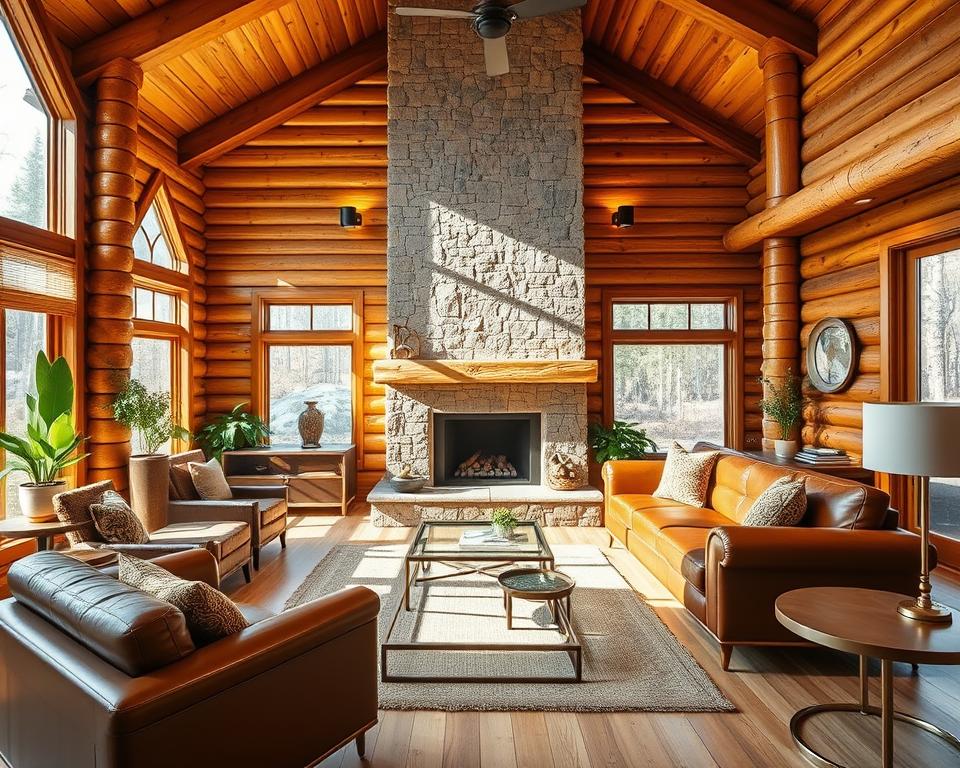
The visual weight of dark wood on exposed log walls benefits from strategic contrast. White furniture and light textiles create breathing room against darker timber surfaces.
Pairing Raw Timber with Contemporary Accents
Metallic elements in brushed steel or matte black introduce sophistication. These finishes serve practical light-reflecting functions in cabin spaces.
Mirror placement amplifies both natural and artificial illumination. This technique proves particularly valuable where dark surfaces absorb light.
Contemporary artwork and colour accents inject personality without structural changes. They ensure the space feels current rather than dated.
| Traditional Element | Modern Counterpart | Visual Effect |
|---|---|---|
| Dark wood beams | White furnishings | Creates balance |
| Rustic textures | Metallic accents | Adds sophistication |
| Natural materials | Contemporary art | Blends eras |
| Heavy timber | Strategic mirrors | Enhances light |
Successful hybrid design maintains thoughtful proportion between heritage and contemporary elements. This creates timeless interiors that remain visually relevant for years.
Highlighting the Charm of Log Cabin Interiors
The enduring appeal of log cabin interior designs lies in their ability to satisfy fundamental human needs for sanctuary and simplicity. These spaces provide respite from contemporary life’s complexities through their connection to natural rhythms and materials.
This rustic charm manifests through honest material expression and visible craftsmanship. The aesthetic prioritises comfort and authenticity over formal sophistication. The resulting environment feel genuinely restorative rather than merely styled for appearance.
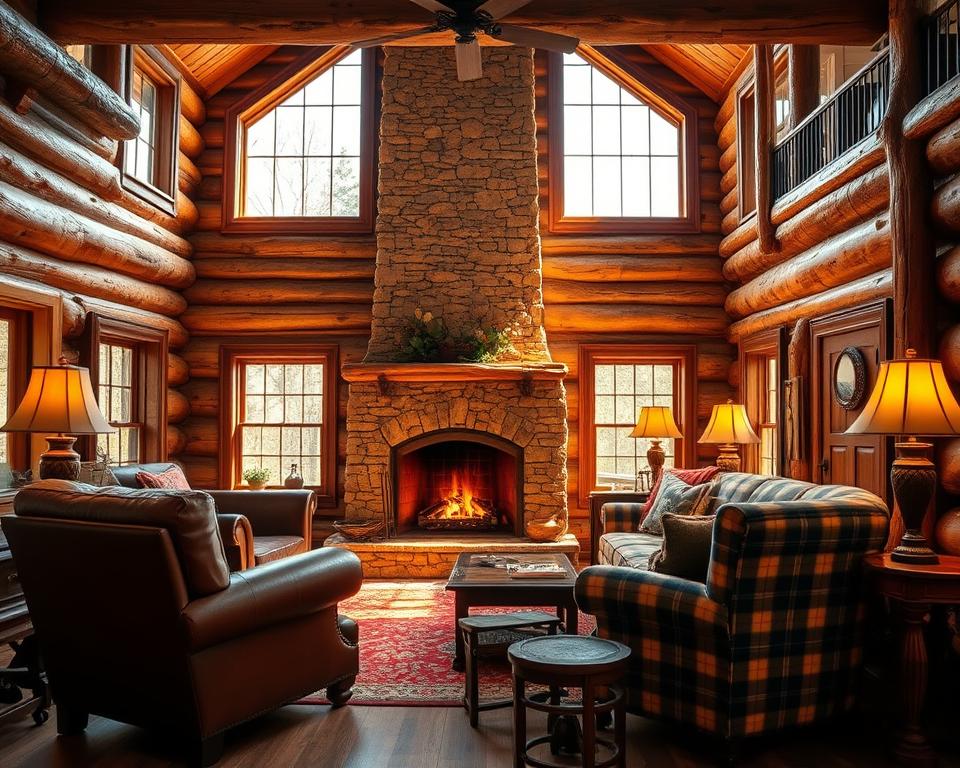
Focal hearths—whether traditional fireplaces or modern stoves—concentrate the essential cabin experience. They provide both literal warmth and symbolic gathering points. This element remains central to the interior‘s psychological appeal.
The textural richness of timber surfaces, stone features and woven textiles engages multiple senses. This layered approach creates depth that uniform contemporary spaces often lack. The combination produces an authentic charm that feels both historic and immediately comforting.
Urban homes can incorporate cabin interior elements without architectural transformation. Strategic use of natural materials and warm colour palettes introduces rustic charm‘s benefits. The timeless popularity of log aesthetics confirms their enduring relevance across generations.
Conclusion
Ultimately, the journey of personalising a log cabin interior is about crafting a sanctuary that reflects individual taste while honouring its rustic foundations. Success lies not in rigid rules but in balancing aesthetics with practical life.
The diverse design ideas explored show that this space can embrace anything from minimalist simplicity to layered cosiness. Meaningful decor improvements often stem from thoughtful rearrangements or textile additions, not large budgets.
A truly successful cabin home mirrors its occupants’ lives. It is an evolving project, changing with seasons and needs. By applying these principles, one creates a personal retreat offering comfort and satisfaction for years.
FAQ
How can I make my log cabin interior feel cosy?
To create a cosy atmosphere, focus on layering soft textiles such as cushions, throws, and rugs. Use warm lighting, including table lamps and wall lights, to cast a gentle glow. Incorporating a palette of earthy tones and natural materials enhances the sense of comfort and rustic charm.
What are some popular log cabin interior design trends?
Current trends include modern rustic, which blends raw wood with contemporary furniture, and Scandinavian minimalist, known for its light colour palette and clean lines. Industrial chic is also popular, featuring metal accents and functional decor that complement the cabin’s natural textures.
How can I maximise natural light in my log cabin?
To enhance natural light, keep window treatments minimal or use sheer fabrics. Position mirrors strategically to reflect light, and choose light-coloured walls and furnishings. These steps help brighten the space, making it feel larger and more inviting.
What furniture works best in a log cabin?
Opt for comfortable, rustic furniture that emphasises durability and comfort. Pieces made from solid wood, leather, or with reclaimed elements are ideal. Select items that suit the room’s purpose, whether for living, dining, or a home office, ensuring they balance heritage style with modern comfort.
How can I incorporate smart storage into my cabin interior?
Utilise functional furniture like ottomans with storage, built-in shelves, and wall hooks. These solutions help maintain a tidy space without compromising on style. Integrating storage that blends with the cabin’s aesthetic keeps the interior organised and visually appealing.
Can I mix modern and traditional styles in a log cabin?
Absolutely. Blending modern finishes with traditional elements creates a balanced interior. For instance, pair raw timber walls with contemporary lighting or sleek furniture. This approach respects the cabin’s heritage while ensuring the space feels current and functional.