Greenhouse Heating: How To Heat Your Greenhouse For Less
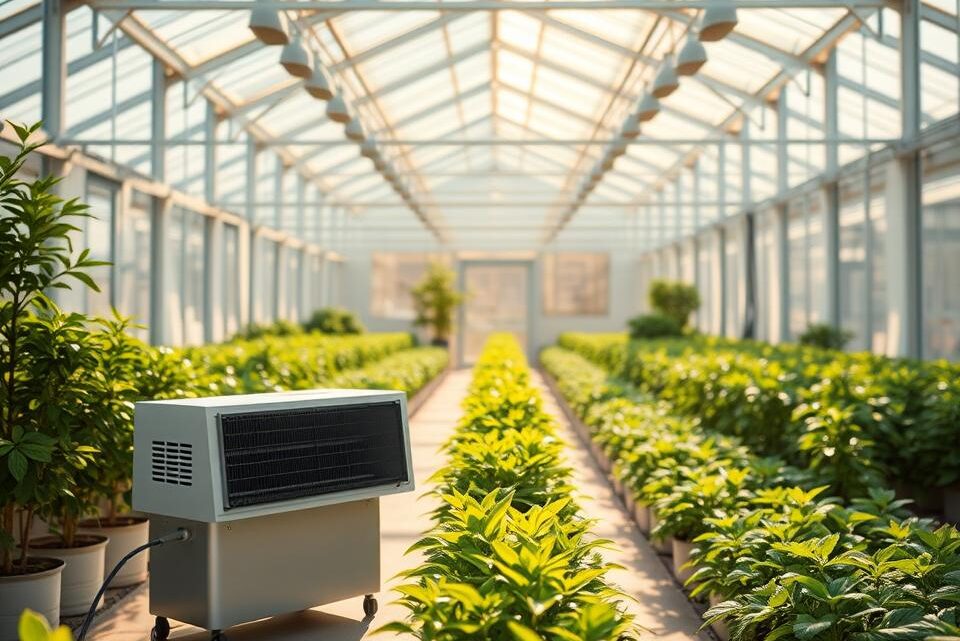
As autumn transitions into winter, gardeners across the United Kingdom face the annual challenge of protecting their prized plants from frost and freezing temperatures. Maintaining an optimal environment becomes crucial for plant survival during these colder months.
The core objective of any budget-conscious heating approach revolves around three fundamental principles. Firstly, it’s essential to prevent cold air from entering the structure. Secondly, retaining generated warmth efficiently is paramount. Finally, strategically increasing the internal temperature when necessary completes the methodology.
Many growers express concerns about rising energy costs while seeking effective alternatives. Fortunately, maintaining a frost-free environment doesn’t require expensive systems alone. A combination of practical methods can achieve excellent results.
This guide explores comprehensive solutions suitable for various experience levels. From simple insulation techniques to more advanced climate management options, readers will discover numerous ways to safeguard their plants economically.
Inhaltsverzeichnis
Key Takeaways
- Effective temperature management relies on keeping cold out and warmth in
- Multiple affordable methods exist for frost protection during winter
- Strategic approaches can significantly reduce energy expenditure
- Plant health preservation remains achievable on a sensible budget
- Preparation for British weather conditions makes a substantial difference
- Solutions range from basic insulation to sophisticated climate controls
Key Principles of Energy Efficiency in Greenhouses
Effective temperature management in a plant-growing structure begins with a core principle: it is far more economical to retain existing warmth than to constantly produce new heat. This concept is fundamental to reducing energy expenditure.
Just as a home loses warmth through draughty windows, these structures experience significant heat loss. Cold air infiltration through gaps creates convection currents, pulling valuable warm air out. Sealing these openings is a critical first step.
Keeping the Cold Out and Heat In
The materials used in construction greatly influence thermal retention. Single-glazed glass, for example, allows heat to escape more readily than modern, insulated alternatives. The framework itself can act as a thermal bridge, conducting warmth away.
Understanding this physics helps gardeners prioritise improvements. Effective strategies can reduce heating costs by up to 50%, making investments in sealing and insulation highly cost-effective.
Understanding Energy Consumption in the UK Climate
The UK’s maritime climate presents unique challenges. Prolonged overcast skies reduce solar gain, while high humidity and temperature fluctuations stress both plants and heating systems.
As external temperatures drop, the energy required to maintain a stable internal environment increases significantly. Recognising this relationship is essential for optimising energy use throughout the winter months.
Insulating Your Greenhouse for Optimal Performance
Strategic insulation implementation can dramatically reduce energy demands while safeguarding delicate vegetation. Selecting the right materials forms the foundation of an effective thermal barrier system.

Horticultural-grade bubble wrap represents one of the most economical ways to insulate a structure. UV-stabilised heatsheets offer superior durability compared to standard packaging materials.
Using Bubble Wrap and Heatsheets Effectively
Proper installation begins with positioning the material bubbles facing outward. This orientation creates a smoother interior surface that resists moisture accumulation.
Specialised clips designed for aluminium frameworks provide secure attachment without permanent modification. Small bubble variants typically offer easier handling with equivalent insulation properties.
Enhancing Insulation without Compromising Light
Many gardeners worry about reduced light transmission when adding protective layers. Modern insulation materials maintain sufficient light levels for plant photosynthesis during winter months.
The trapped air pockets in bubble wrap create excellent thermal barriers while allowing essential light penetration. This makes the material ideal for seasonal use when light intensity naturally decreases.
| Material Type | Installation Ease | Light Reduction | Thermal Efficiency |
|---|---|---|---|
| Horticultural Bubble Wrap | Easy | 10-15% | High |
| UV-Stabilised Heatsheets | Moderate | 8-12% | Very High |
| Polycarbonate Panels | Difficult | 5-8% | Excellent |
| Temporary Film | Very Easy | 15-20% | Moderate |
Overlapping joins and sealing with all-weather tape ensures complete coverage. This approach prevents gaps that could compromise the insulation’s effectiveness against heat loss.
Strategic Repairs and Maintenance for Heated Greenhouses
Addressing structural integrity before winter arrives can significantly reduce energy costs. The first step in preparing any growing space involves thorough inspections. Gardeners should examine all glazing materials for damage that could compromise efficiency.
Repairing Glazed Surfaces with All Weather Tape
All Weather Tape provides a cost-effective solution for minor damage. This waterproof material withstands temperature extremes. It creates reliable seals on glass, polycarbonate, or acrylic surfaces.
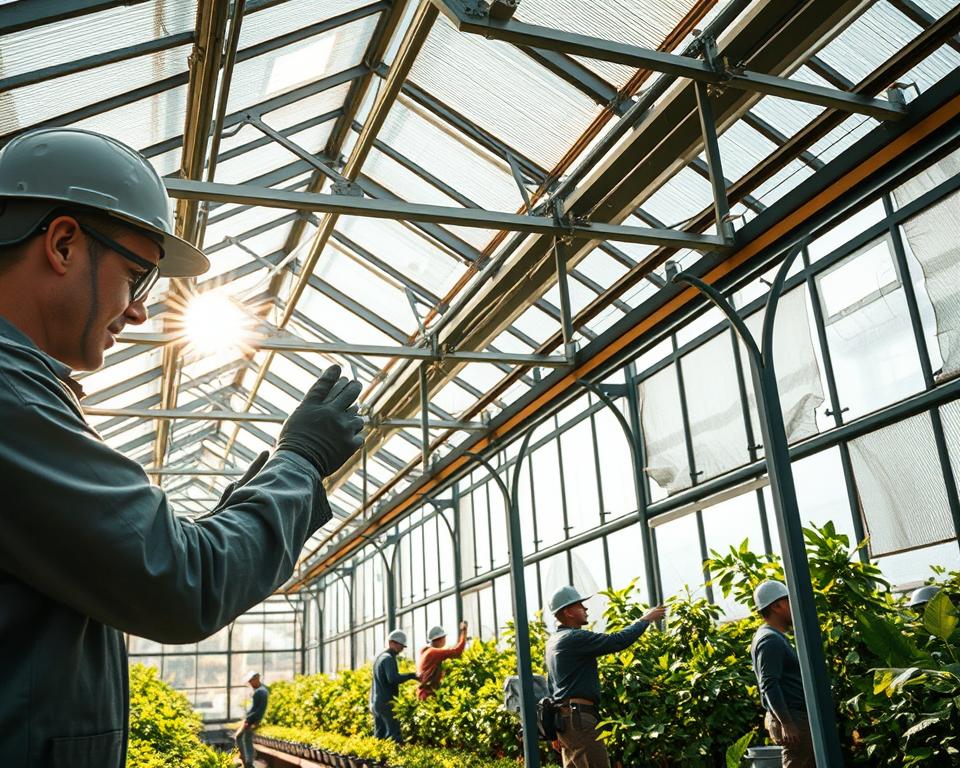
Applying tape to both sides of cracks ensures maximum protection. For polytunnel covers, this approach can prevent complete replacement. Proper application maintains the structure’s integrity against harsh weather.
When to Replace Versus Repair Damaged Materials
Extensive damage often requires replacement rather than repair. Polycarbonate panels offer excellent alternatives to traditional glass. Their shatter-proof properties and insulation benefits make them superior long-term investments.
Timely intervention prevents minor issues from escalating. Gardeners must assess whether repair materials will withstand future conditions. This decision impacts both heating efficiency and overall maintenance costs.
| Damage Type | Recommended Action | Material Options | Longevity |
|---|---|---|---|
| Small cracks under 5cm | All Weather Tape repair | Original material | 1-2 seasons |
| Multiple cracks or large breaks | Panel replacement | Polycarbonate preferred | 5+ years |
| Polytunnel cover tears | Double-sided taping | Specialised repair tape | Seasonal |
| Frame damage | Professional assessment | Aluminium or wood | Varies |
Regular maintenance ensures optimal performance throughout cold periods. Making the right choice at the right time preserves both plants and resources.
Optimising Heat Distribution and Localised Warmth
Gardeners can achieve significant energy savings by concentrating warmth where plants actually need it rather than heating unused areas. This approach transforms how cultivators manage their protected environments during colder periods.
Dividing Greenhouse Spaces for Better Efficiency
Creating temporary partitions dramatically reduces the heated area. Using heatsheets suspended from roof to floor forms effective barriers. These dividers create smaller, manageable zones.
Specialised double-sided tape secures the materials properly. This tape resists sunlight and moisture deterioration. The partition method can cut energy use by 60-70%.

Implementing Localised Heating Options
Targeted solutions deliver warmth precisely where required. Warming pads and heated trays focus on root zones. This approach avoids wasteful air heating.
“The most economical strategy combines space division with targeted heating solutions for maximum efficiency.”
Products like Bio Green Warming Pads operate at remarkably low wattages. Ranging from 15 to 42 watts, they provide gentle bottom heat. Placing them on polystyrene prevents downward heat loss.
| Product Type | Size Range | Power Consumption | Best Application |
|---|---|---|---|
| Bio Green Warming Pads | 10″ x 14″ to 16″ x 25″ | 15-42 watts | Seed germination |
| Root!T Heat Mat Kits | 10″ x 14″ to 15¾” x 47″ | 11-60 watts | Young plant development |
| Aluminium Heated Trays | Various sizes | Varies by model | Slatted staging areas |
Aluminium trays offer built-in insulation and rust resistance. They work well on uneven surfaces like slatted benches. This localised method maintains ideal temperatures efficiently.
Greenhouse Heating: How To Heat Your Greenhouse For Less
Energy-efficient heater selection plays a vital role in maintaining plant health while managing costs. Choosing devices with appropriate wattage ensures effective warmth generation without excessive electricity use.
Selecting Low-Wattage and Economical Heaters
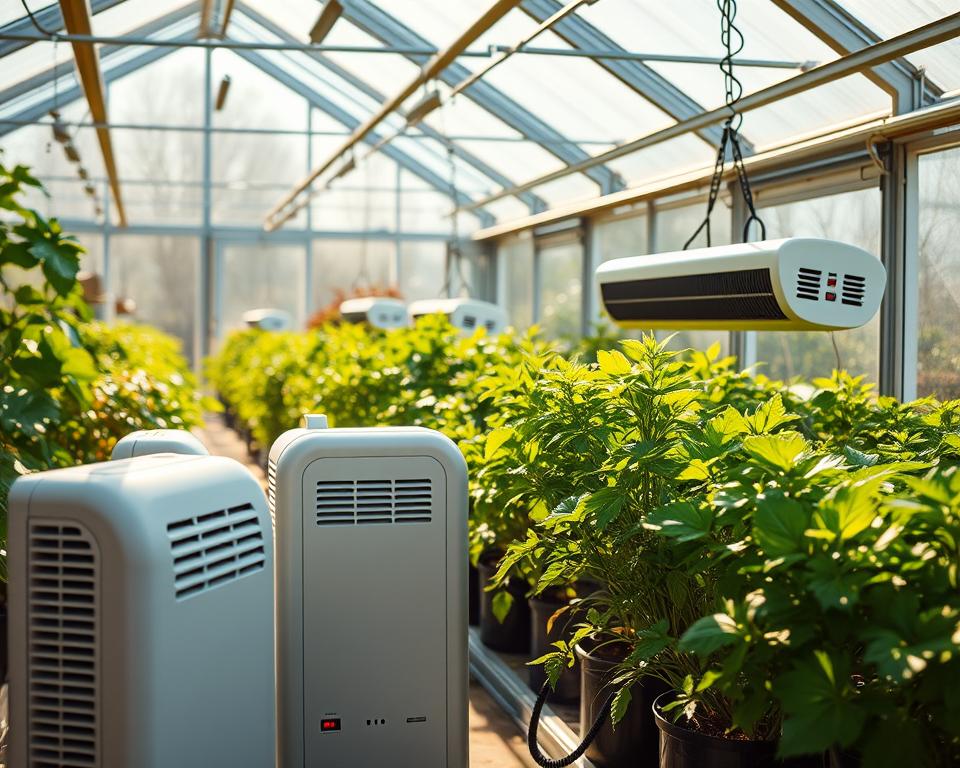
Electric fan heaters typically consume 1-2 kilowatts, equating to significant energy expenditure. In contrast, tubular alternatives operate at remarkably low wattages, some as little as 28 watts per foot. This represents a substantial reduction in running costs.
Matching heater capacity to actual requirements prevents unnecessary cycling. Over-sized units switch on and off frequently, reducing efficiency. Proper sizing ensures consistent performance.
Controlling Ventilation to Retain Warm Air
Strategic ventilation management is crucial for heat retention. Louvre windows enable fresh air circulation without releasing expensive warm air. They offer precise control over air exchange.
Automatic window openers can be temporarily disabled during winter months. For Bayliss XL models, remove the cylinders. Bayliss MK7 units require adjustment pin removal.
Installing louvre kits provides permanent ventilation solutions. These modifications allow fine-tuned air control while minimising heat loss. Proper ventilation maintains ideal growing conditions.
Selecting and Installing Economical Heating Systems
Choosing the right heating system is a crucial decision for any plant protection strategy. It directly impacts both plant health and ongoing expenses. Understanding the different options available helps gardeners make an informed choice.

Tubular heaters stand out as a remarkably economical choice. They operate on a simple principle, radiating warmth directly from their surface. This method consumes significantly less power than alternatives.
Advantages of Tubular and Fan Heaters
Fan heaters work by heating internal coils and using a fan to blow air across them. This forced convection provides quick warmth but uses between 1,000 and 2,000 watts. The operational cost can be substantial over a season.
In contrast, a one-foot tubular heater uses a mere 55 watts. This translates to about 1.4 pence per hour. For continuous use, that’s just 34 pence per day, offering immense savings.
Slimline Eco heaters include a built-in thermostat for precise control. They are available in five lengths, starting from 12 inches. Traditional models, without thermostats, offer 60 watts per foot.
Installation Tips for Maximum Efficiency
Correct installation is key to safety and performance. Always mount tubular heaters horizontally. Ensure a minimum clearance of 25mm from the floor to allow for proper air circulation.
Position the unit in an area with good air movement. Keep it away from flammable materials and water sources. Their high IP ratings, like IP44 or IP55, make them resistant to splashes, ideal for humid environments.
While these heaters produce less heat than fan heaters, they are perfect for well-insulated or divided spaces. This makes them a cost-effective way to maintain safe temperatures for your plants.
Enhancing Greenhouse Performance with Smart Climate Control
Smart climate control represents the next evolution in efficient plant protection. These advanced systems combine precision with significant energy savings throughout the winter months.

Using Thermostats and Timers for Energy Savings
Thermostat-controlled heating devices activate only when temperatures drop below preset levels. This intelligent approach eliminates wasteful continuous operation.
Digital thermostat sensors offer superior precision compared to mechanical alternatives. They ensure optimal temperature maintenance while reducing running costs.
Timer integration allows scheduling heating cycles to align with natural patterns. Increased heating during coldest pre-dawn hours provides effective frost protection.
Utilising Passive Solar Heat and Thermal Mass
Passive solar heating offers an eco-friendly source of warmth. Black-painted water containers absorb solar energy during the day.
These thermal mass heaters release stored warmth overnight. They maintain consistent temperature levels without electricity consumption.
Strategic positioning against north walls maximises solar exposure. This placement prevents shadow casting while ensuring effective heat capture.
The combination of active and passive systems creates a synergistic effect. This approach maintains ideal growing conditions throughout the winter season.
Conclusion
The journey to economical plant cultivation through winter months requires layered thinking. By combining insulation, strategic heating, and intelligent climate control, gardeners create a robust system that protects vegetation efficiently.
UK horticulturists can successfully safeguard their plants during cold months without excessive energy costs. The ways discussed—from basic insulation to advanced thermal solutions—offer practical steps for any gardening enthusiast.
Initial investments in quality materials prove worthwhile over time. Proper preparation before the winter season ensures better results than emergency measures during cold snaps.
Effective temperature management extends growing seasons and maximizes returns. With careful planning, maintaining thriving plants throughout British winters remains an achievable goal for every gardener.
FAQ
What is the most cost-effective way to heat a greenhouse?
The most economical method combines good insulation with an efficient heater. Properly sealing the structure and using materials like horticultural bubble wrap significantly reduces heat loss. Pairing this with a low-wattage tubular heater controlled by a thermostat ensures warmth is only used when necessary, keeping running costs down.
How can I improve insulation without blocking sunlight?
Using clear or translucent insulating materials is key. Specially designed horticultural bubble wrap allows light penetration while creating an insulating air layer. It should be fixed securely to the interior frame, paying particular attention to sealing any gaps around vents and doors to prevent drafts.
Are fan heaters a good choice for a greenhouse environment?
Fan heaters provide rapid, widespread warmth and are excellent for larger spaces. However, they can dry the air quickly and may consume more energy. For most gardeners, a tubular heater offers a gentler, more consistent background heat that is better for plant health and often more economical to run.
What role does a thermostat play in energy efficiency?
A thermostat is crucial for controlling costs. It automatically switches the heating system on and off to maintain a set temperature, preventing energy waste. For overwintering hardy plants, a setting of just 5°C is often sufficient, providing frost protection without excessive fuel consumption.
Can passive methods really contribute to heating?
Absolutely. Utilising thermal mass is a highly effective passive technique. Placing large, dark-coloured water containers inside the structure absorbs heat during the day and releases it slowly at night. This simple, free method can stabilise the internal climate and reduce the workload on active heating systems.
When is it better to repair greenhouse panels rather than replace them?
Minor cracks or small holes in glass or polycarbonate sheets can often be effectively sealed with all-weather repair tape as a temporary measure. However, if a panel is shattered, severely cracked, or the frame is damaged, replacement is usually necessary to restore proper insulation and structural integrity.