What Are Vinyl Plastic Sheds?
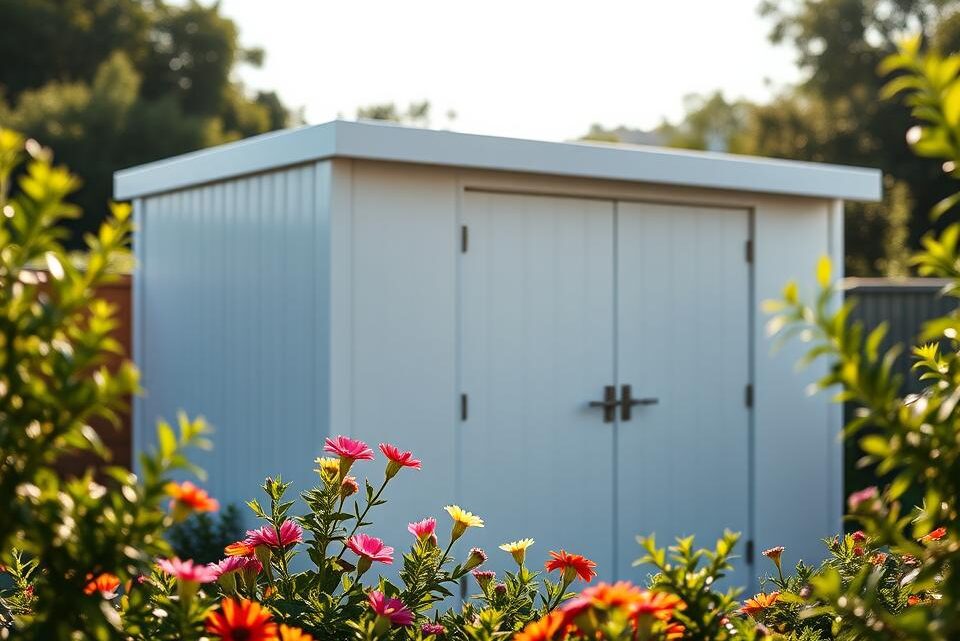
Modern gardens require smart storage solutions. Many homeowners seek an alternative to traditional wooden or metal structures. These new options offer a blend of durability and low maintenance.
Constructed from polyvinyl chloride (PVC), these storage units represent a significant advancement. This high-strength thermoplastic material provides excellent resilience against the elements. They are designed to withstand harsh British weather without succumbing to rust or rot.
The appeal lies in their practical design and long-term value. They serve as a reliable space for tools, garden furniture, and equipment. Their robust nature means they require far less upkeep than their traditional counterparts.
Available in various sizes and styles, they can suit different garden layouts. This versatility makes them a popular choice across the United Kingdom. They provide a secure and organised space for a tidy outdoor area.
Inhaltsverzeichnis
Key Takeaways
- Modern outdoor storage is often made from durable, weather-resistant PVC.
- These structures are a practical alternative to traditional wooden or metal garden buildings.
- They are highly resistant to rust, rot, and general weathering.
- Minimal maintenance is required, saving time and effort.
- They offer a versatile storage solution for tools, furniture, and other items.
- A variety of sizes and styles are available to fit different garden spaces.
Overview of Vinyl Plastic Sheds
For homeowners across the UK, selecting the right outdoor storage involves weighing material benefits carefully. Among the options, structures made from PVC resin have carved a significant niche. This specific type of material offers a distinct alternative to both traditional timber and standard polyethylene constructions.
The manufacturing process for these panels imbues them with notable strength. This results in a product highly resistant to fire, rust, and denting. Such durability contributes directly to a long lifespan, often backed by warranties reaching 15 years.
Their appeal is broad, thanks to a wide array of designs and sizes. From compact boxes for tools to larger buildings for workshops, there is a configuration for most gardens. This versatility, combined with often being a more affordable investment, drives their popularity.
The shift towards low-maintenance garden solutions has made resin-based buildings a preferred choice for many, offering practicality without compromising on aesthetic appeal.
Typical uses are extensive. They provide excellent housing for garden equipment, seasonal items, and even serve as small workshop spaces. The table below highlights key distinctions between common shed materials.
| Material | Primary Advantage | Typical Maintenance Level |
|---|---|---|
| Timber | Natural Aesthetic | High (Regular staining/treatment) |
| Metal | Structural Strength | Medium (Risk of rust) |
| Vinyl Resin | Weather & Rot Resistance | Low (Occasional cleaning) |
This overview establishes why these plastic sheds are a compelling storage solution. Their robust nature and design flexibility make them a smart choice for tidy and organised outdoor areas.
What Are Vinyl Plastic Sheds?
The foundation of any durable garden building lies in its core construction materials. Structures made from polyvinyl chloride (PVC) represent a specialised category with distinct advantages. This thermoplastic polymer offers superior strength characteristics compared to standard polyethylene alternatives.
PVC-based constructions differ significantly from basic plastic options. The molecular structure creates a non-porous surface that resists water absorption. This prevents the rot and decay commonly found in wooden structures. The material maintains integrity across temperature variations typical in British climates.
These premium resin-based materials demonstrate excellent impact resistance and structural stability. The table below illustrates key material differences:
| Material Type | UV Resistance | Structural Strength | Lifespan |
|---|---|---|---|
| Polyethylene | Moderate | Average | 5-10 years |
| Polycarbonate | Good | Good | 8-12 years |
| PVC/Vinyl | Excellent | High | 15+ years |
Manufacturers employ advanced construction techniques with these materials. Interlocking panel systems and reinforced framing enhance stability. Integrated floor systems contribute to overall durability. These features make vinyl-based storage solutions a long-term investment for garden organisation.
The relationship between vinyl, resin, and plastic terminology becomes clear when examining material properties. While technically a plastic subtype, vinyl represents a premium category with enhanced performance characteristics suitable for demanding outdoor conditions.
Durability and Low Maintenance Advantages
British weather demands storage solutions that can withstand everything from summer heat to winter storms. The material composition of garden buildings directly influences their ability to endure seasonal changes.
Weather Resistance and Longevity
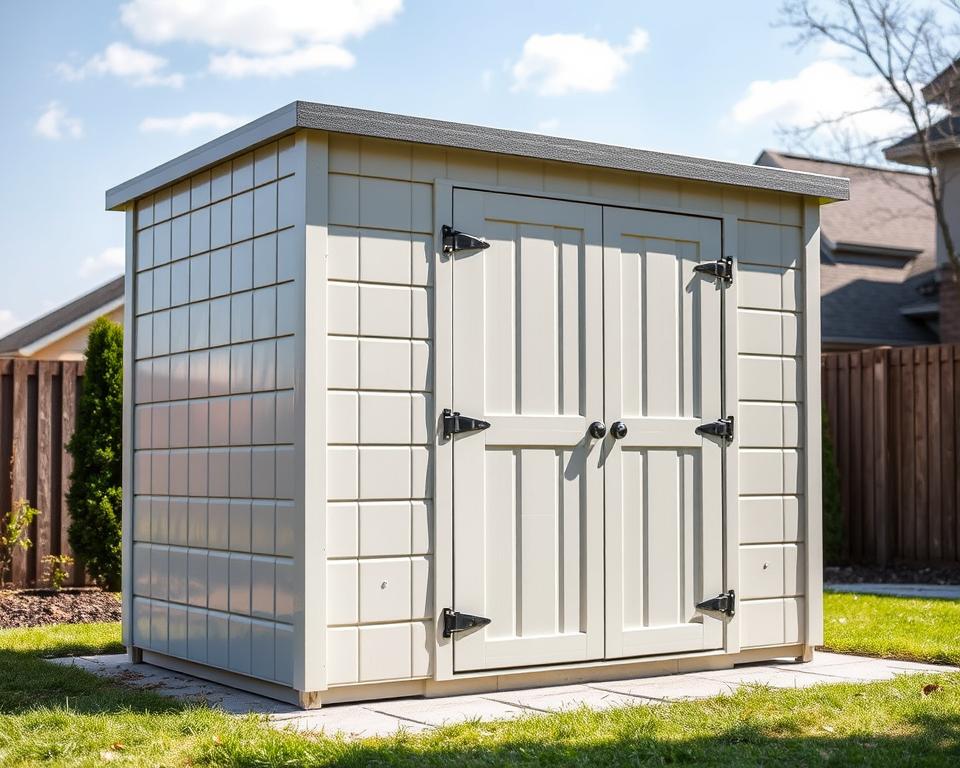
High-quality resin-based structures offer exceptional resistance to environmental elements. They demonstrate remarkable strength against persistent rain, high humidity, and UV exposure.
The non-porous surface prevents moisture absorption, eliminating risks of rot and rust. This construction ensures these units last longer than basic alternatives, often exceeding 15 years.
| Material | Weather Resistance | Expected Lifespan | Maintenance Needs |
|---|---|---|---|
| Standard Plastic | Moderate | 5-7 years | Frequent |
| Timber | Variable | 10-15 years | High |
| Metal | Good | 10-20 years | Medium |
| Premium Resin | Excellent | 15+ years | Low |
Reduced Upkeep Requirements
These storage solutions require minimal maintenance. Occasional cleaning with mild soap and water maintains their appearance.
Unlike wooden structures needing regular staining, or metal buildings requiring rust prevention, resin-based sheds save time and money. Their durability translates to significant long-term savings on treatments and repairs.
The robust nature of vinyl sheds ensures they maintain structural integrity through harsh weather conditions. This extended lifespan makes them a practical investment for UK gardens.
Sustainable and Eco-Friendly Aspects
Environmental consciousness is increasingly influencing garden storage decisions. Many homeowners now consider the ecological impact of their choices. This extends to selecting appropriate outdoor buildings.
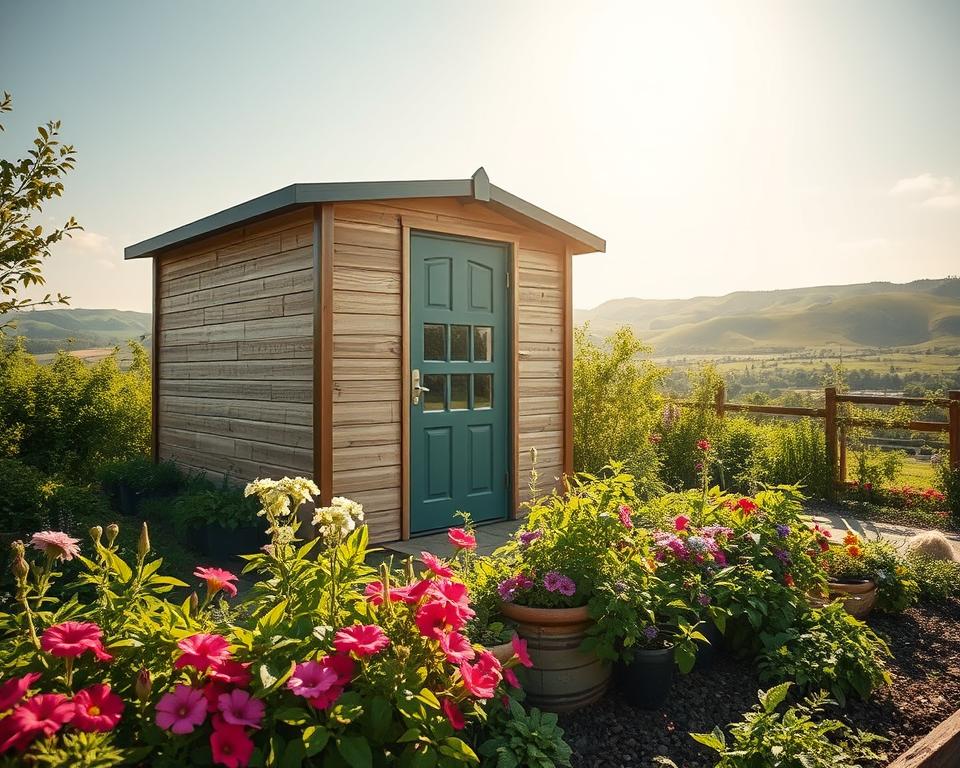
Manufacturers often use recycled plastic in production. This approach supports circular economy principles. It helps divert waste from landfills while creating durable structures.
Production of these resin-based units generates lower CO2 emissions than metal alternatives. The manufacturing process avoids energy-intensive smelting operations. This results in a smaller carbon footprint.
At end-of-life, the materials remain valuable. PVC components can be reprocessed and reused effectively. This recyclability prevents unnecessary landfill accumulation.
The longevity of these storage buildings contributes significantly to sustainability. Their extended lifespan reduces the need for replacement structures. This minimises resource consumption over time.
Quality resin products from reputable manufacturers often incorporate 100% recyclable materials. This offers a genuinely sustainable solution for garden organisation needs.
Comparing Vinyl Sheds with Wooden Sheds
Choosing between material options for garden storage involves balancing practical needs with personal preferences. Both wooden sheds and their modern counterparts offer distinct benefits. Understanding their differences helps homeowners make informed decisions.
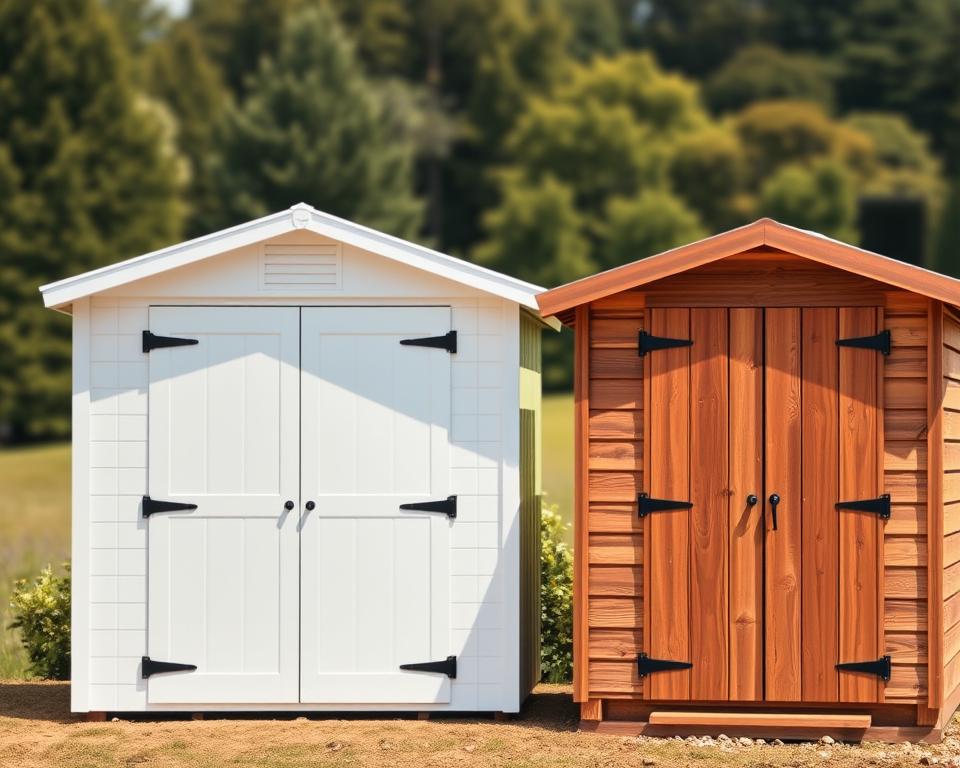
Maintenance and Customisation Differences
Traditional timber structures demand significant upkeep to remain functional. They typically require staining or painting every one to two years. This protects the material from moisture damage and extends its lifespan.
In contrast, units made from premium resin need only occasional cleaning. Their non-porous surface resists water absorption completely. This fundamental difference eliminates concerns about rot and mould development.
The table below highlights the core distinctions in care requirements:
| Feature | Wooden Sheds | Vinyl Sheds |
|---|---|---|
| Annual Maintenance | Staining, sealing, or painting | Basic cleaning with soapy water |
| Moisture Resistance | Absorbs water, prone to rot | Completely waterproof surface |
| Customisation Potential | High (paint, trim, additions) | Limited (pre-designed styles) |
| Expected Lifespan | 10-15 years with care | 15+ years with minimal effort |
When it comes to personalisation, timber offers clear advantages. Homeowners can paint their shed any colour or add decorative features. This flexibility allows the structure to match any garden design perfectly.
The alternative option provides a more consistent, modern appearance. While customisation is restricted, its durability ensures it looks good for many years. This makes it ideal for those prioritising low maintenance over creative freedom.
Comparing Vinyl Sheds with Metal Sheds
Selecting between different materials for garden storage requires careful consideration of performance characteristics. Both options offer distinct advantages that suit various environmental conditions and user needs.
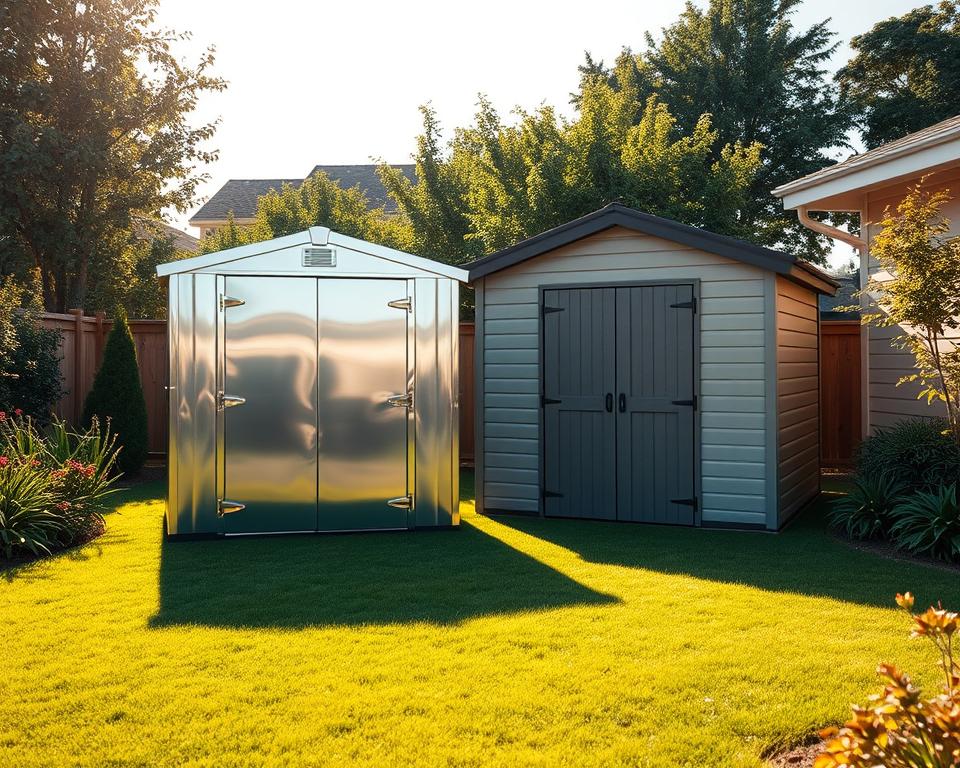
Strengths and Limitations in Various Climates
Metal structures demonstrate excellent durability in dry environments. Their structural integrity remains uncompromised when protected from moisture.
However, Britain’s damp climate presents challenges for these units. Coastal regions with salt air accelerate corrosion processes significantly. This makes rust prevention a continuous concern for owners.
The alternative material excels in moisture-prone conditions. Its non-porous surface completely resists water absorption. This inherent property eliminates corrosion worries entirely.
| Feature | Metal Sheds | Vinyl Sheds |
|---|---|---|
| Climate Suitability | Excellent in dry conditions | Consistent across all environments |
| Rust Resistance | Requires protective treatments | Inherently rust-proof |
| Installation Weight | Heavier, may need assistance | Lighter, easier handling |
| Temperature Regulation | Poor (conducts heat/cold) | Better insulation properties |
Installation differences are another key consideration. The lighter weight of one option simplifies transportation and positioning. This can reduce installation costs and effort considerably.
Temperature regulation presents another contrast. Metal units conduct heat readily, becoming uncomfortably warm in summer. They also transfer cold efficiently during winter months.
For security-conscious applications, metal offers superior resistance to forced entry. This makes it preferable for storing valuable equipment. The alternative provides adequate security for typical garden items.
Maintenance requirements differ substantially. Metal needs periodic rust prevention and occasional repainting. The other material remains largely maintenance-free throughout its lifespan.
Cost considerations balance initial investment against long-term upkeep. Metal typically has lower purchase prices but may incur higher maintenance costs over time.
Customisation Options for Vinyl Sheds
Beyond basic durability, the functional appeal of a garden building often lies in its customisation features. It is important to recognise that these structures typically arrive as pre-designed units. Unlike timber alternatives, they cannot be easily painted or have their core structure altered after purchase.
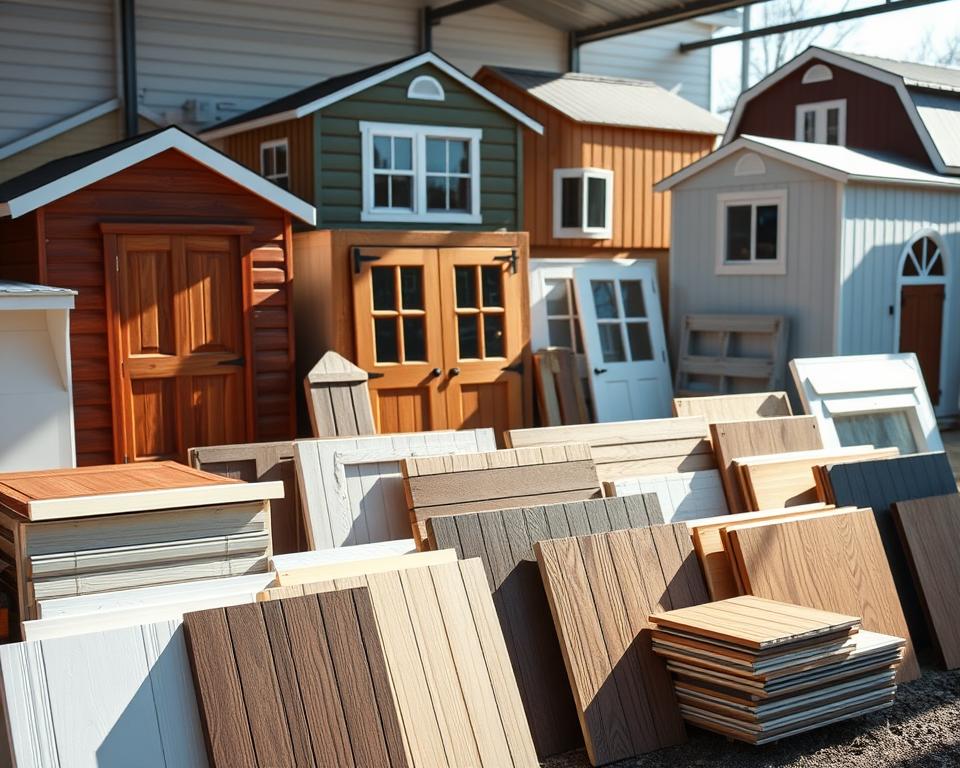
However, manufacturers provide significant choice at the point of selection. Homeowners can choose from various options including:
- Different door configurations, such as single or double doors.
- The placement and style of windows for natural light.
- A range of sizes to fit specific garden spaces.
- External finishes, including woodgrain textures and colour options that complement a property’s aesthetic.
Internally, the potential for organisation is a major strength. Quality resin constructions are engineered to integrate seamlessly with shelving systems, tool racks, and pegboards. This allows for highly efficient use of the available storage space.
Built-in features like reinforced floors and ventilation systems add functionality without needing modifications. Compared to basic plastic sheds, these units offer greater flexibility in layout and accessories. This makes them a practical choice for creating a well-organised outdoor storage area.
Ideal Settings: Gardens and Outdoor Storage
The versatility of modern resin-based storage units makes them suitable for various garden applications across the UK. These structures provide practical solutions for organising outdoor spaces while maintaining aesthetic appeal.
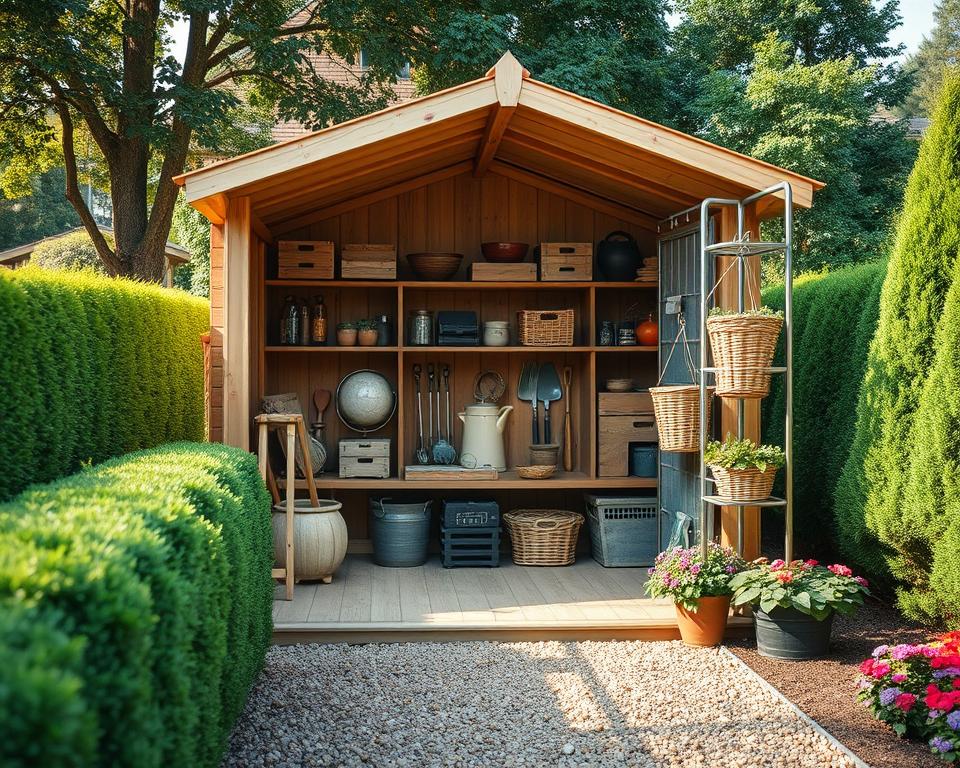
Homeowners frequently use these units to store a wide range of items. Common contents include garden tools, lawnmowers, bicycles, and outdoor furniture. Seasonal decorations and children’s toys also find secure storage in these durable buildings.
Aesthetic Appeal for UK Homeowners
Modern designs successfully overcome earlier concerns about plastic appearance. Manufacturers now offer woodgrain textures and neutral colour palettes. These features allow the structures to complement traditional and contemporary property styles.
For many people, this option provides the ideal balance of function and form. The garden shed becomes an attractive feature rather than merely practical storage. This makes resin buildings particularly suitable for urban and suburban gardens.
Placement considerations include assessing available space and ensuring level ground. Proper positioning enhances both accessibility and visual integration. Thoughtful placement helps these units blend seamlessly into the overall garden design.
Beyond basic storage, these versatile buildings can serve as workshops or hobby spaces. Their adaptable nature makes them valuable additions to any garden. The right garden shed meets diverse needs while enhancing outdoor living spaces.
Buyer’s Guide: Choosing the Right Shed Material
Homeowners seeking optimal garden organisation must weigh material characteristics against their specific circumstances. This decision-making process involves several key considerations that determine long-term satisfaction.
Before selecting any outdoor building, individuals should conduct a thorough assessment of their requirements. This foundational step ensures the chosen solution meets both current and future needs effectively.
Assessing Your Storage Needs
Begin by inventorying items requiring protection from the elements. Consider both immediate requirements and potential future acquisitions. This helps determine the appropriate size and configuration.
Different usage patterns influence material selection. Simple storage needs may suit various options, while workshop applications demand greater durability. Multi-functional spaces require versatile constructions.
| Consideration | Basic Storage | Workshop Use | Multi-purpose |
|---|---|---|---|
| Material Strength | Standard | High | Medium-High |
| Customisation | Low | High | Medium |
| Budget Focus | Initial cost | Long-term value | Balanced approach |
| Lifespan Expectation | 5-10 years | 15+ years | 10-15 years |
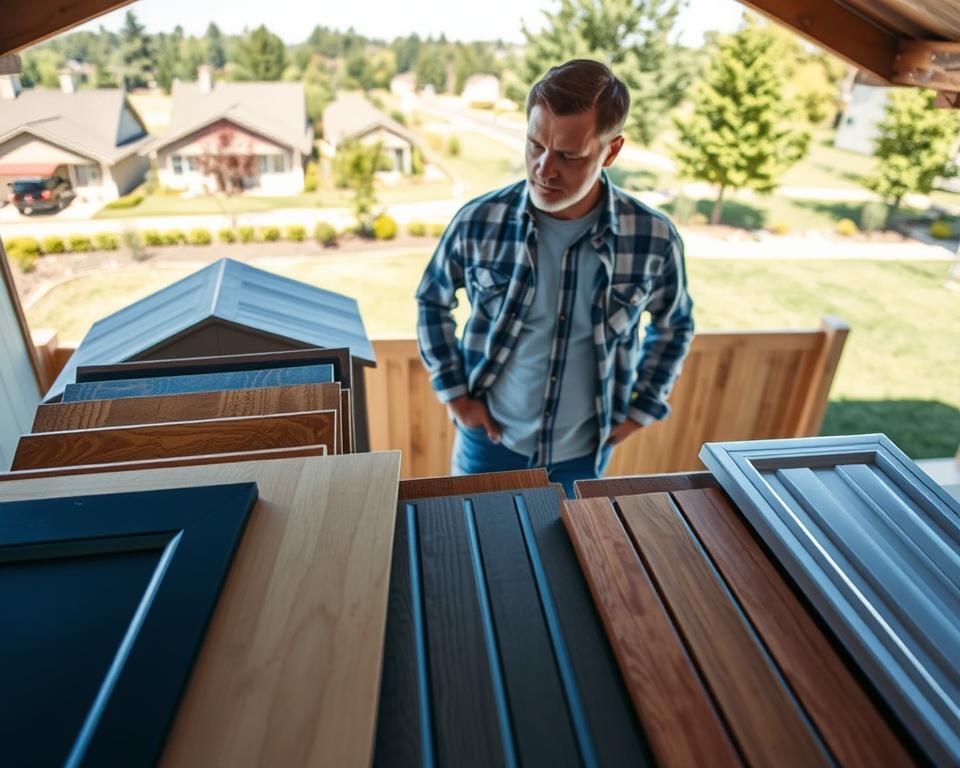
Consideration of Weather and Longevity
Britain’s varied climate demands careful material evaluation. Western regions experience higher rainfall, while eastern areas tend toward drier conditions. Each environment affects durability differently.
When you’re looking for long-term solutions, consider expected service life. Premium constructions typically offer decades of reliable performance. Basic alternatives may require replacement within several years.
Matching homeowner profiles to appropriate materials ensures optimal outcomes. Long-term residents benefit from durable investments, while temporary occupants might prioritise different features.
Cost Comparison and Long-Term Investment Value
Understanding the true cost of a garden building means looking beyond the initial price tag. A smart purchase decision considers the total expenditure over many years.
Initial costs vary significantly between materials. Metal options often present the lowest entry price. Basic resin constructions fall into a mid-range bracket. High-quality vinyl units command a premium.
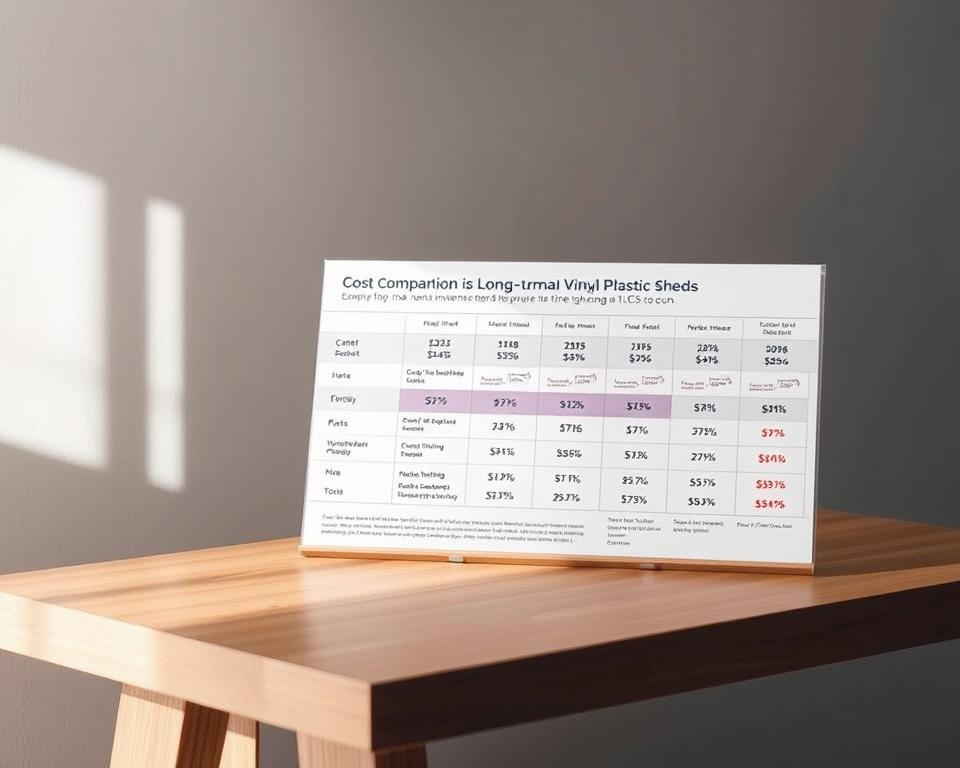
The table below illustrates typical UK price ranges for a standard-sized storage shed.
| Material | Initial Cost Range | Typical Lifespan | Maintenance Cost (10 Years) |
|---|---|---|---|
| Metal | £500 – £2,000 | 10-20 years | £200 – £500 |
| Resin | £800 – £2,500 | 15+ years | £50 – £100 |
| Vinyl | £1,500 – £3,500 | 20+ years | Minimal |
While the upfront cost for a vinyl unit is higher, its minimal upkeep requirements lead to substantial savings. There are no ongoing costs for stains, sealants, or rust treatments.
Wooden structures, while aesthetically pleasing, incur significant recurring expenses. Homeowners must factor in the cost of materials and the value of their time for regular maintenance.
Over a twenty-year period, the total cost of ownership for a premium vinyl shed often proves more economical than cheaper alternatives that require replacement or constant care. This makes it a top choice for long-term value.
Addressing Common Maintenance Questions
Many UK property owners have questions about the upkeep required for their garden storage buildings. Fortunately, structures made from premium resin demand very little attention.
The primary maintenance task is an occasional clean. A simple solution of warm water and mild dish soap works perfectly. Use a soft brush or cloth to remove dirt and grime.
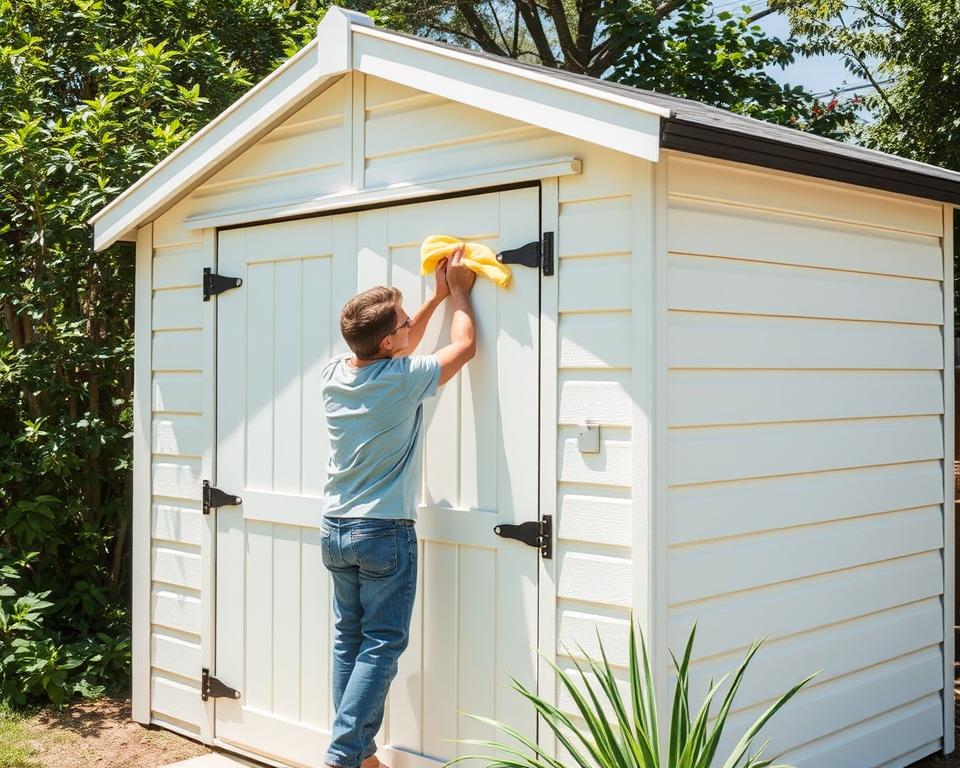
For a deeper clean or to tackle algae, a specialist resin cleaner can be used. Always rinse thoroughly with clean water afterwards. Allow the surface to dry completely before closing the doors.
An optional step is applying a UV-resistant coating. This can enhance the appearance and offer extra protection against sun exposure. It is not essential but can prolong the pristine look.
Critically, this type of shed eliminates many traditional chores. There is no need for painting, staining, or sealing. This saves homeowners a significant amount of time and money over the years.
A quick annual clean is often all that’s needed to keep your resin storage building looking its best for decades.
For UK conditions, it’s wise to check for debris after heavy winds and ensure gutters are clear after autumn. These small actions help maintain optimal performance with minimal effort.
Tips for Optimising Shed Lifespan and Efficiency
Protecting your garden investment begins with proper installation and ongoing care. A stable foundation is the most critical factor for a long service life. This ensures the structure remains square and secure against strong winds.
Several base options work well in UK conditions. Each offers different benefits for stability and drainage.
| Base Type | Stability | Durability | Installation Effort |
|---|---|---|---|
| Concrete Slab | Excellent | Permanent | High |
| Paving Slabs | Very Good | Long-lasting | Medium |
| Timber Frame | Good | Adjustable | Low-Medium |
Anchoring the building to the chosen base is essential. Use appropriate ground anchors or fixings for complete peace of mind. This simple step prevents movement and protects your storage space.
Regular maintenance is straightforward. An annual clean with soapy water keeps the exterior looking new. Applying a UV protectant can further extend the material’s lifespan.
These simple practices help your garden building last years longer. A little effort ensures it remains a top-performing asset for your garden.
Conclusion
The final decision on garden storage material depends on individual priorities and local conditions. For homeowners seeking reliable, long-term organisation, vinyl sheds present a compelling solution.
These structures offer exceptional durability and minimal maintenance requirements. Their weather-resistant nature makes them suitable for varied British climates. This combination delivers superior value over time.
While basic plastic storage options work for temporary needs, premium resin constructions last longer. They avoid the upkeep demands of wooden alternatives while providing enhanced performance.
For most UK gardens, these buildings strike an ideal balance. They offer practical functionality with aesthetic acceptability. When you’re looking for hassle-free ownership, they represent a smart investment in property organisation.
FAQ
How durable are vinyl sheds compared to other materials?
Vinyl sheds offer superior durability as they resist rot, rust, and insect damage. Unlike wood or metal, they do not require painting or sealing to maintain their structural integrity against the elements.
What maintenance is required for a vinyl garden shed?
These storage solutions require minimal upkeep. A simple wash with soapy water is typically all that is needed to keep them looking new, saving significant time and effort over the years.
Can vinyl sheds withstand harsh weather conditions?
Yes, they are designed to endure various climates. High-quality vinyl sheds resist damage from rain, snow, and strong winds, ensuring your belongings remain protected from moisture and decay.
Are there customisation options available for vinyl sheds?
Many manufacturers offer a range of sizes, styles, and optional features like windows, shelves, and different door configurations. This allows homeowners to tailor the shed to their specific storage needs and garden aesthetic.
How does the cost of a vinyl shed compare to a wooden or metal one?
While the initial outlay for a vinyl shed may be higher, its long lifespan and minimal maintenance requirements often make it a more cost-effective investment over time compared to traditional materials.
What makes vinyl an eco-friendly choice for a garden shed?
The longevity of vinyl means it does not need frequent replacement. Many vinyl sheds are also made from recycled materials and are fully recyclable at the end of their long life, reducing waste.
Is a vinyl shed a good option for storing garden tools and equipment?
Absolutely. The material’s inherent resistance to moisture prevents tools from rusting. The secure, dry environment is ideal for protecting lawnmowers, bicycles, and other valuable items.