What is the Best Surface to Put a Garden Playhouse On?
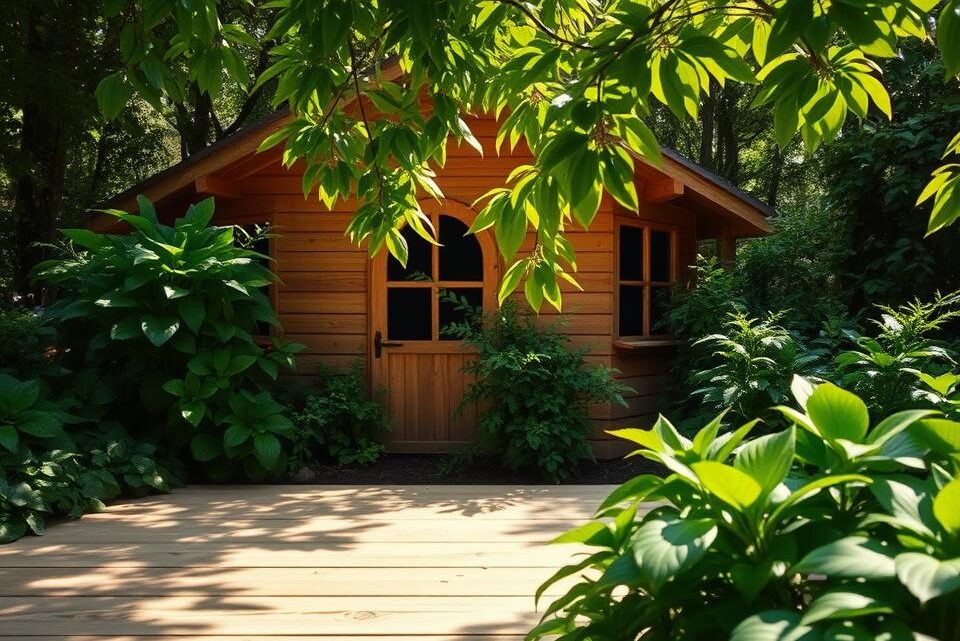
A garden playhouse often becomes the centrepiece of a child’s outdoor adventures. It is a special space where imagination flourishes and countless happy memories are created. The ground upon which it rests, however, is a decision of critical importance.
Selecting the correct foundation directly influences the structure’s long-term stability and safety. A poor choice can lead to issues like wood rot, instability, and poor drainage. These factors affect not only the lifespan of the building but also the security of the children at play.
This guide offers a comprehensive look at the various options available for homeowners. It considers essential elements such as providing a level base, ensuring proper water runoff, and minimising future maintenance. Making an informed choice from the start ensures the play area remains a source of joy for years.
By understanding the practical considerations, families can create a secure and enduring environment for play. The right foundation protects your investment and guarantees peace of mind.
Inhaltsverzeichnis
Key Takeaways
- The surface choice is vital for the playhouse’s structural integrity and safety.
- Proper drainage prevents water damage and prolongs the structure’s life.
- A level foundation is essential to avoid instability and potential hazards.
- Different surfaces offer varying levels of maintenance and durability.
- Considering these factors upfront ensures a better play experience for children.
- This guide provides expert advice on installation and UK-specific considerations.
Understanding the Importance of a Solid Base
Proper base construction forms the cornerstone of safe and durable garden play areas. This foundation determines how well the entire structure withstands weather and active use over time.
Assessing Ground Stability for Safety
Ground stability guarantees a secure environment for children’s activities. The surface must be firm enough to support the weight of the entire structure without shifting.
Uneven terrain poses significant risks. It can lead to tilting, sinking, or structural weaknesses that compromise safety during active play.
Before installation, evaluate soil conditions carefully. Soft ground or slopes may require additional preparation to ensure adequate support.
Evaluating Drainage and Levelness
Effective drainage prevents water accumulation around the playhouse. Poor water runoff leads to moisture damage, rot, and mould growth.
A level surface ensures proper weight distribution. This prevents excessive stress on specific areas and maintains structural integrity.
Level ground also simplifies assembly. It ensures doors and windows function correctly without obstruction.
These three elements—stability, drainage, and levelness—work together. They create a foundation that supports long-term safety and durability.
Factors That Affect Playhouse Safety and Durability
Material properties are paramount when creating a secure and lasting base for outdoor play equipment. The right choice directly influences both the immediate safety of children and the long-term longevity of the structure itself.
This involves a careful balance. The surface must provide protection during active play while also resisting wear and environmental damage over time.
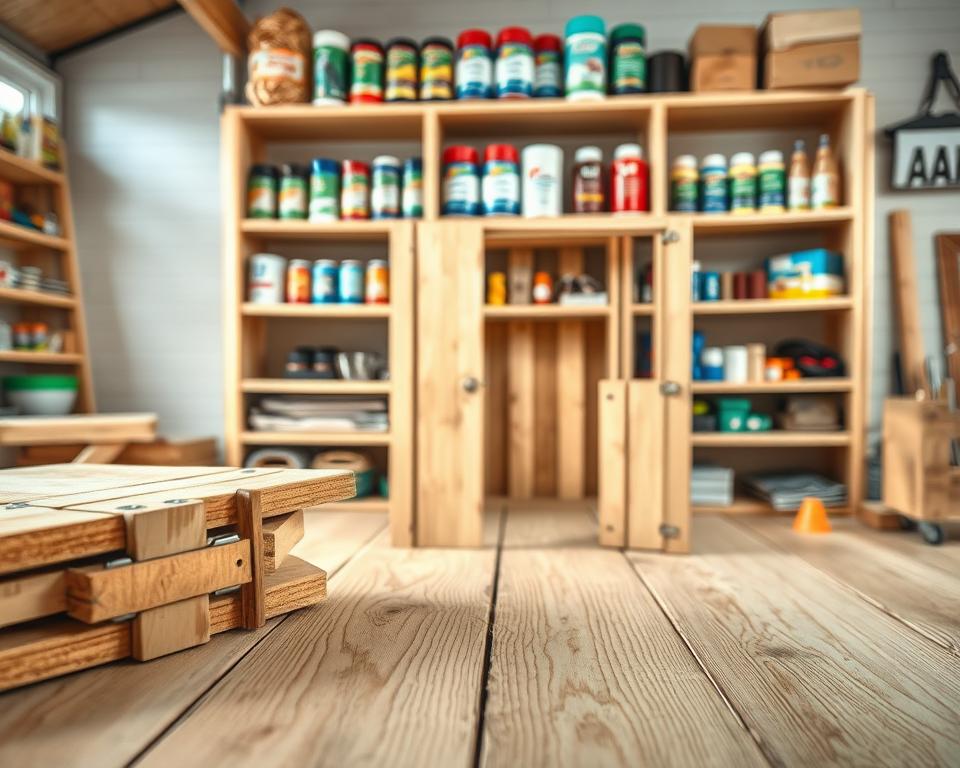
Choosing Materials That Offer Cushioning and Impact Protection
A primary safety consideration is shock absorption. Falls are inevitable, so the surface materials must cushion impact to minimise injury risk.
Several options provide this crucial cushioning:
- Natural choices: Grass and wood chips offer some give.
- Manufactured surfaces: Rubber mulch or safety tiles deliver superior impact protection.
Selecting softer materials helps ensure the playhouse area remains a low-risk zone for play.
Considering Long-Term Maintenance Needs
Durability is closely tied to upkeep. Some surfaces require frequent attention to prevent issues, while others offer a more hands-off approach.
For instance, wooden playhouses on certain bases may need regular checks for rot or damage. A low-maintenance foundation reduces long-term worries and costs.
Investing in quality initially often means less work later, preserving both the structure’s integrity and the play area’s safety.
What is the Best Surface to Put a Garden Playhouse On?
The decision between organic and manufactured materials involves weighing multiple factors for optimal performance. Each choice presents distinct advantages that suit different garden environments.
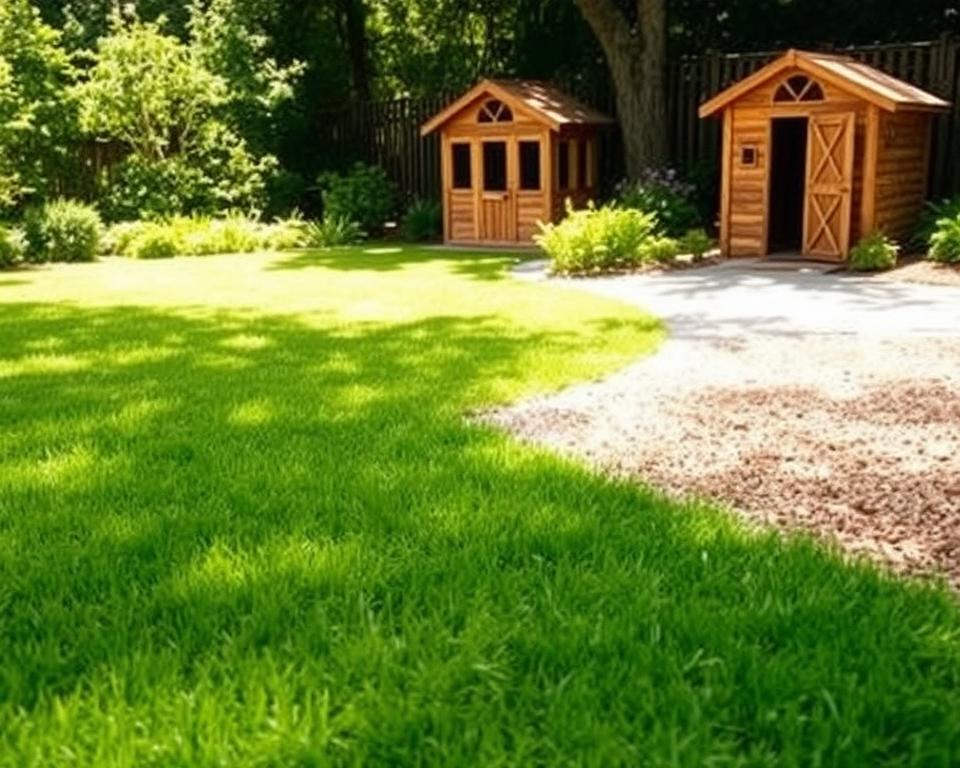
Comparing Natural Versus Man-Made Options
Natural surfaces like grass and wood chips offer environmental benefits and softer landings. They often blend seamlessly with garden surroundings. However, these organic options typically require more frequent maintenance to remain effective.
Manufactured surfaces provide consistent performance and durability. Rubber mulch and safety tiles deliver superior impact protection. These man-made options often withstand weather conditions better than their natural counterparts.
No single surface works perfectly for every situation. The ideal choice depends on specific garden conditions and family priorities.
Tips for Enhancing Structural Support
Proper preparation ensures any surface performs optimally. Begin by creating a level foundation with adequate drainage. This prevents water accumulation and maintains stability.
For wooden structures, consider adding ground anchors. These provide extra security against strong winds. Regular inspections help identify potential issues early.
Creating defined boundaries around the playhouse area improves safety. This separates the play zone from other garden activities. Well-defined spaces also make maintenance more manageable.
Comparing Surface Options for Garden Playhouses
Homeowners face important decisions when choosing the right base for their children’s play area. The selection process involves weighing factors like safety, maintenance, and longevity.

Grass, Wood Chips, and Mulch Options
Natural grass provides a traditional look that blends well with garden surroundings. It offers decent cushioning for falls but requires regular mowing and watering. During wet periods, grass can become muddy and slippery.
Wood chips and mulch offer better impact absorption than plain grass. These organic materials help control weeds and retain soil moisture. However, they need frequent raking and periodic replacement as they decompose.
Rubber Mulch, Playground Tiles, and Concrete Bases
Rubber mulch and playground tiles deliver excellent safety performance. Made from recycled materials, they provide superior shock absorption and slip resistance. These options require minimal maintenance but involve higher initial costs.
Concrete and paving stones offer maximum stability and durability. They create a permanent, level foundation that resists shifting. The hard surface requires additional safety surfacing inside the play area for fall protection.
Composite Decking and Artificial Turf
Composite decking combines wood fibres with plastic for a durable, low-maintenance surface. Artificial turf mimics natural grass appearance without the upkeep. Both options provide clean, level surfaces that resist moisture damage.
These modern alternatives work well with properly treated wooden playhouses. They offer consistent performance across seasons with minimal maintenance requirements.
| Surface Type | Safety Rating | Maintenance Level | Cost | Lifespan |
|---|---|---|---|---|
| Natural Grass | Medium | High | Low | Short |
| Wood Chips | Good | Medium | Low | Medium |
| Rubber Mulch | Excellent | Low | High | Long |
| Concrete | Poor | Low | High | Very Long |
| Composite Decking | Good | Low | High | Long |
Installation and Maintenance Guidelines
Successful installation begins with meticulous planning and careful site selection. Choosing the right location ensures both safety during play and accessibility for future maintenance work.
Preparing and Leveling the Play Area
Start by selecting a spacious area with at least 1.5-2 metres clearance around the entire structure. This safety zone prevents children from bumping into garden objects during active play.
Make sure the ground is completely level before beginning any installation. Uneven surfaces can cause stability issues and prevent doors from opening properly. Use a spirit level to verify the surface.
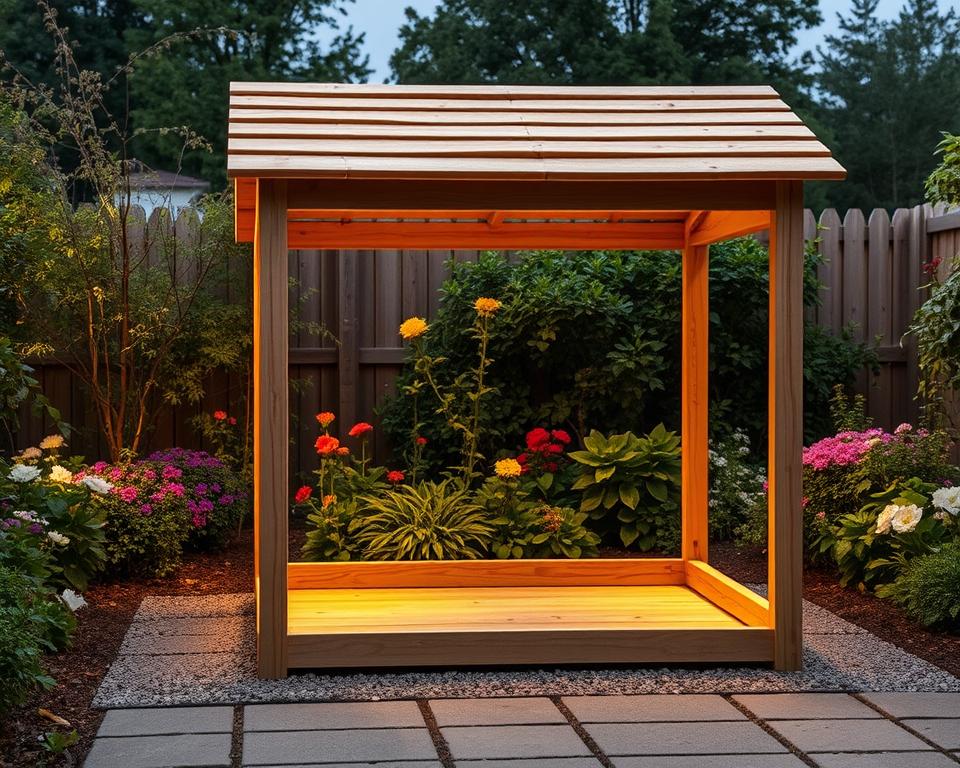
Step-by-Step Installation Tips
For different base types, follow specific preparation methods. With grass surfaces, level the area thoroughly or consider adding play bark for better stability.
When installing decking bases, measure an area slightly larger than the playhouse footprint. Remove turf carefully and lay weed control fabric before adding gravel foundation.
For slab installations, dig approximately 6.5cm depth and create a cement-sand mixture for proper bedding. These installation tips help create a durable foundation that withstands seasonal changes.
Regular maintenance checks ensure the playhouse remains secure over time. Inspect the base periodically for any settling or drainage issues.
Expert Tips and Considerations for the UK Garden
The United Kingdom’s distinctive climate demands careful consideration when preparing surfaces for outdoor play structures. British gardens face unique challenges that require specialised approaches to foundation work.
Adapting to Local Weather and Soil Conditions
Frequent rainfall across the UK means drainage is paramount. Surfaces must handle significant water exposure without compromising stability. The soil composition varies regionally, affecting how moisture is retained.
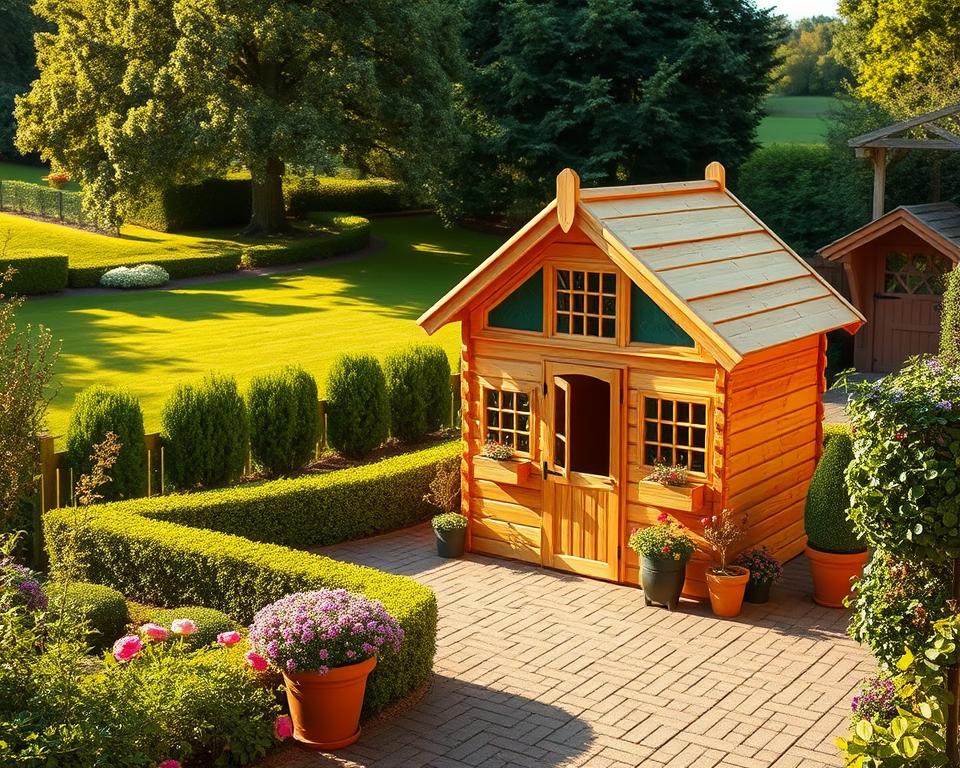
When placing playhouse foundations, consider frost heave risks during winter. Proper preparation helps ensure playhouse longevity despite temperature fluctuations.
Ensuring Adequate Play Space and Safety Zones
Adequate play space around the structure is essential for children play activities. Allow sufficient space for movement and supervision sightlines.
All playhouse bases require proper support and clearance zones. For wooden structures, maintain distance from fences and boundaries. These measures enhance overall safety within the garden environment.
Conclusion
Selecting the ideal foundation for an outdoor playhouse is a crucial step that shapes its safety and longevity. This guide has detailed the various options, from natural materials to manufactured surfaces, empowering you to make an informed choice.
Remember, the perfect foundation balances impact protection, drainage, and maintenance needs. For wooden playhouses, proper installation and regular checks are key to preventing future issues.
Ultimately, your choice should create a secure play space where children can enjoy imaginative play for a long time. By following the tips outlined, you make sure your playhouse remains a cherished part of your garden.
FAQ
Why is a proper foundation so important for a wooden playhouse?
A solid foundation is crucial for ensuring the structure’s stability and longevity. It prevents the playhouse from shifting or sinking, which can cause doors and windows to jam. A well-prepared base also protects the wood from ground moisture, reducing the risk of rot and damage over time.
Can I place a garden playhouse directly onto grass?
Placing a playhouse directly onto grass is not recommended. Lawns can become soft and uneven, especially after rain, leading to instability. Grass also retains moisture against the wooden base, accelerating rot. It is far better to create a dedicated, level area with proper drainage.
What are the best low-maintenance surfaces for a play space?
For minimal upkeep, consider rubber mulch or composite decking. Rubber mulch offers excellent cushioning for safety and does not decompose. Composite decking provides a stable, level surface that resists weathering and requires no painting or sealing, unlike traditional wood.
How do I ensure good drainage under the playhouse?
Good drainage starts with a slightly sloping base or a foundation that allows water to run off, such as gravel. Ensuring the ground is properly levelled before installation is key. For permanent bases like concrete, incorporating a gentle slope away from the structure will help prevent water pooling.
Is a concrete base a good choice for a children’s playhouse?
A concrete base offers superb stability and durability. However, it is a hard surface, so adding a layer of rubber playground tiles on top is advisable for impact protection. This combination provides a permanent, safe, and level foundation for years of play.
What safety considerations are vital when choosing a surface?
The primary safety consideration is impact absorption. Surfaces like wood chips, rubber mulch, or specialised playground tiles provide cushioning for falls. It is also essential to ensure the area is level and free from trip hazards, with adequate space around the structure for safe access.