what is the cheapest way to heat a summerhouse?
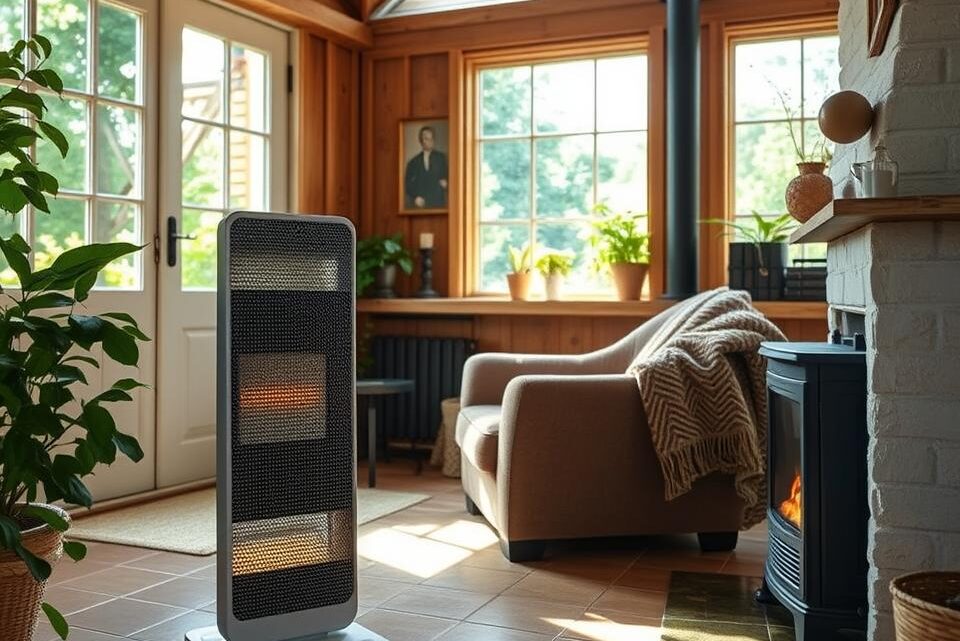
Finding the cheapest way to heat a summerhouse UK starts with the building itself. Most garden rooms are light timber shells. In a cold, damp British winter, heat slips away fast through thin walls, single glazing and leaky gaps. The smart route to low-cost summerhouse heating is to cut losses first, then size the heat source to match real use.
This guide weighs upfront price, running cost under Ofgem’s Energy Price Cap, and total cost of ownership. We prioritise fabric-first work—insulation, draught-proofing and moisture control—to deliver energy-efficient summerhouse solutions that feel warm without waste.
We then compare practical options for budget garden room heating. That includes plug-in electric heaters such as convectors, slimline panels, oil-filled radiators and infrared panels; compact air-to-air heat pumps; and, for rare off-grid days, portable fuels with strict safety rules. For occasional use, solar or hybrid set-ups can trim bills while keeping affordable heating for wooden outbuildings front and centre.
Expect clear, evidence-led comparisons in pence per hour, real usage profiles, and guidance that aligns with UK safety standards and insurance terms. The aim is simple: comfort when you need it, spend under control, and a path to the cheapest way to heat a summerhouse UK that suits your space.
Inhaltsverzeichnis
Key Takeaways
- Start with insulation, draught-proofing and moisture control to cut heat loss before buying heaters.
- Assess costs using Ofgem-capped electricity rates and real kWh needs for your room size and usage.
- Compare plug-in electric options with air-to-air heat pumps for the best lifetime value.
- Use smart controls to avoid waste and keep budget garden room heating predictable.
- Consider solar or hybrid approaches for light, occasional use to keep bills low.
- Follow UK safety, compliance and insurer requirements, especially for portable fuels.
- Choose energy-efficient summerhouse solutions that balance comfort and total cost of ownership.
Understanding summerhouse heating needs in the UK climate
Heating a garden room in Britain is about matching heat source to fabric. UK climate summerhouse heating must cope with chilly, damp winters and mild summers. The aim is steady comfort with low waste, while keeping moisture under control.
Seasonal temperature patterns and insulation implications
The maritime weather pattern brings winter averages near 0–7°C, with colder nights. That drives seasonal heating demand garden rooms feel sharply, especially when walls are thin.
Single-skin timber sheds can show U-values above 2.0–3.0 W/m²K, so heat escapes fast. Add PIR or mineral wool to walls, roof and floor, and upgrade glazing, and you can reach around 0.18–0.30 W/m²K. That cuts kWh needs and makes small heaters feel larger in practice.
Better insulation smooths temperature swings and reduces drafts. It also supports reliable UK climate summerhouse heating by lowering peak power demand on frosty mornings.
Occasional versus year‑round use: how usage affects costs
Intermittent use suits fast, responsive options. Convector units or infrared panels warm occupied zones quickly, so you pay only when you need heat.
Daily work use benefits from efficient, controllable systems. Air‑to‑air heat pumps deliver high output with lower running cost across long hours, matching seasonal heating demand garden rooms face from October to March.
Run time sets lifetime cost. The more hours you heat, the more efficiency matters for UK climate summerhouse heating.
Ventilation, damp control and comfort considerations
Timber thrives when kept dry and well aired. Without ventilation for outbuildings, moisture builds, leading to condensation and mould.
Use trickle vents for background air change and fit an extract fan where needed. A modest base temperature or frost‑protection helps keep relative humidity near 40–60%, aiding damp control in timber buildings and preserving finishes.
Choose breathable build‑ups with a proper vapour control layer. Combine a hygrometer with timed ventilation for outbuildings to balance comfort, air quality and fabric health.
| Factor | Uninsulated Timber | Insulated Build‑up (PIR/Mineral Wool) | Heating Impact |
|---|---|---|---|
| Typical U‑value (W/m²K) | 2.0–3.0 | 0.18–0.30 | Lower U‑value slashes heat loss and peak wattage |
| Warm‑up Time | Fast loss after switch‑off | Holds heat longer | Improves comfort with smaller heaters |
| Best for Usage Pattern | Short, occasional visits | Daily or long sessions | Aligns system choice to run hours |
| Moisture Management | High condensation risk | Stable temperatures aid drying | Supports damp control in timber buildings |
| Air Quality Needs | Essential trickle ventilation | Balanced ventilation for outbuildings | Reduces mould and odours |
Energy efficiency first: insulation and draught‑proofing
Cut demand before you add heat. Tackle summerhouse insulation UK with a fabric‑first plan so you reduce heat loss outbuildings, improve comfort and downsize the heater you’ll need.

Insulating walls, roof and floor for maximum heat retention
Start with the roof and floor, as lightweight shells leak most here. Use PIR boards from Celotex or Kingspan for high R‑value in tight spaces, or mineral wool such as Rockwool where sound and fire performance matter.
Keep insulation continuous. Tape all board joints, and bridge studs and joists with a service batten to limit thermal breaks. Aim for U‑values at or below 0.30 W/m²K to reduce heat loss outbuildings and shrink running costs.
Glazing choices: double glazing, secondary glazing and seals
Upgrade windows to low‑E, argon‑filled units where possible; double glazing for sheds slashes losses and cuts condensation. If you cannot replace units, add magnetic or clip‑in secondary glazing and fit quality compression seals.
Balance airtightness with fresh air. Check for trickle vents that you can control, keeping draughts low while maintaining indoor air quality in draught‑proofing garden rooms.
Draught‑proofing doors, windows and gaps
Fit brush or rubber threshold seals to doors and seal frame gaps with expanding foam or silicone. Add letterbox draught excluders and close service penetrations around cables and pipes.
Pay special attention to floor‑to‑wall junctions. Even small cracks can create cold spots and discomfort, so careful detailing helps summerhouse insulation UK perform as designed.
Moisture control and vapour barriers to protect timber
Place a taped vapour control layer on the warm side of the insulation to guard against interstitial condensation; correct placement is vital for vapour barriers timber buildings. Behind cladding, use a breathable membrane so the structure can dry outwards.
Include cavity battens and a ventilated rainscreen where the design allows. This protects timber, preserves thermal performance, and supports long‑term efforts to reduce heat loss outbuildings.
what is the cheapest way to heat a summerhouse?
Finding value means weighing kit price, energy use, and how often you switch it on. A clear view of total cost of ownership heating helps you avoid false savings. Think about installation, controls, and how insulation trims demand before you pick a heater.
Defining “cheapest”: upfront cost, running cost and total cost of ownership
“Cheap” is not only the sticker price. Add the unit cost, any fitting, a thermostat or smart plug, and expected lifespan. Then include electricity tariff multiplied by kWh used, plus maintenance.
Resistive electric, such as a convector from Dimplex or an oil‑filled radiator from De’Longhi, is low cost to buy and simple to set up. The trade‑off is higher cheapest heating running costs per hour. Air‑to‑air heat pumps from Mitsubishi Electric or Daikin cost more to install, yet they cut running costs per kWh of heat and improve total cost of ownership heating over several winters.
Low‑use, quick‑heat solutions versus steady background heat
If you pop in for a few hours a week, fast warm‑up wins. A basic convector, an oil‑filled radiator, or a compact infrared panel with a timer and thermostat can be ideal. You pay little upfront and only when you use it.
Daily or long sessions need a different plan. A mini‑split heat pump can deliver the same comfort with far lower energy per hour, especially in colder months. That gap in cheapest heating running costs widens as usage grows.
Calculating kWh needs for your space and usage pattern
Start with heat loss. Multiply area by typical U‑values and the temperature gap between indoors and outdoors. This helps you calculate kWh for garden room sessions with confidence and guides sizing heater for summerhouse choices.
As a rule of thumb, an insulated 12 m² space may need around 0.5–1.5 kW to hold temperature on a typical UK winter day. An uninsulated build can require 2–3 kW or more. Multiply the required kW by hours of use to estimate daily kWh, then apply your unit rate in p/kWh to see likely spend.
Pre‑heating on a schedule and using a set‑back temperature can trim peaks. These steps, paired with the right control, sharpen your view of cheapest heating running costs and improve total cost of ownership heating over time.
Low‑cost electric heating options
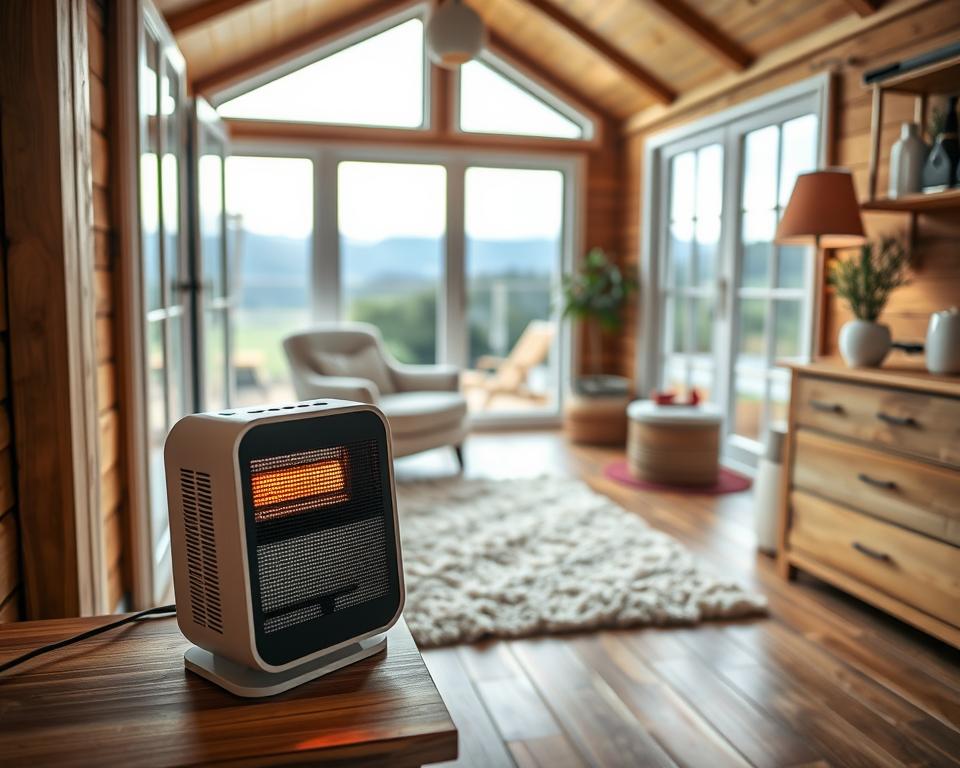
For a compact outbuilding, simple plug‑in heaters can keep costs predictable. Match the heater to how you use the space, then add tight controls to curb waste. Well‑placed units can deliver budget electric heating without fuss.
Convector and panel heaters: pros, cons and best uses
An electric convector heater warms air fast, so a brief session in a small, insulated cabin feels instant. Wall‑mounted panels from brands like Dimplex or De’Longhi save floor space and look tidy.
Each kWh in gives about a kWh of heat out, so running costs depend on your tariff. An electric convector heater garden room setup works well for short tasks and quick warm‑ups.
- Rapid heat, easy DIY install, handy for intermittent use
- Choose accurate thermostats, overheat cut‑outs, and child‑lock
- Best in smaller rooms with decent insulation and sealed draughts
Oil‑filled radiators for safe, steady heat
An oil‑filled radiator UK model gives even warmth with gentle surface temperatures. The thermal oil stores heat, so it stays warm after switch‑off and suits background heating or frost protection.
Look for tip‑over switches, a good thermostat, and a seven‑day timer. Castors help you move it between zones as needs change.
Infrared panels for targeted warmth and low standby losses
An infrared panel heater UK warms people and surfaces directly. Ceiling or high wall mounting keeps space clear and reduces dust movement. Silent operation suits studios and garden offices.
Performance depends on line‑of‑sight, so aim panels at seats or desks. Pair with a precise thermostat to avoid overshoot and trim bills.
Thermostats, timers and smart plugs to control spend
Good controls make or break budget electric heating. Use a plug‑in thermostat or a smart plug heater control such as TP‑Link Kasa to schedule heat only when needed.
Smart metres and energy monitors reveal waste; set a modest overnight set‑back to limit condensation. Ensure RCD protection and follow manufacturer load limits for safety.
| Heater type | Best for | Typical strengths | Key caveats | Control tips |
|---|---|---|---|---|
| Convector/panel | Short, occasional sessions; small insulated rooms | Fast warm‑up, simple install, wall‑mount options | Higher running cost at standard tariffs | Use digital thermostat, 7‑day timer, overheat protection |
| Oil‑filled radiator | Steady background heat; frost protection | Even warmth, safe surfaces, residual heat after switch‑off | Slower to heat from cold; heavier to move | Thermostat plus timer; set‑back mode to prevent damp |
| Infrared panel | Targeted spots; desks, benches, studios | Direct radiant comfort, silent, low standby losses | Needs line‑of‑sight; cooler air may persist | Aim at occupied zones; pair with accurate thermostat |
| Smart plug control | Any plug‑in heater | Schedules, usage data, remote off | Respect load limits; reliable Wi‑Fi needed | Create scenes for pre‑heat; geofence to avoid waste |
Efficient heat pump solutions for garden rooms
For a modern garden workspace or studio, a compact heat pump offers quick, steady warmth without the spike in bills. An air‑to‑air heat pump garden room setup delivers efficient heating in winter and cooling in summer, making it a practical upgrade over basic plug‑in heaters.

Monobloc air‑to‑air heat pumps and mini‑split systems
Monobloc and mini‑split units from Mitsubishi Electric, Daikin, Panasonic and Midea suit small spaces. A wall cassette indoors pairs with a discreet outdoor unit; some monobloc models keep refrigerant sealed to simplify installation.
Typical outputs of 2–3.5 kW match insulated studios well. A mini‑split UK outbuilding gains fast warm‑up, stable temperature and low noise, with filters that help air quality.
Seasonal Coefficient of Performance (SCOP) and UK tariffs
SCOP heat pump efficiency of 3–4 means each 1 kWh of electricity can deliver 3–4 kWh of heat across a season. On a standard variable tariff, that narrows bills, improving the heat pump running cost vs electric heater by a wide margin in mild British winters.
Performance dips in hard frosts, yet the average UK climate still favours an air‑to‑air heat pump garden room for most hours of use.
Installation considerations, planning and noise
Use an F‑Gas certified installer for safe commissioning, correct refrigerant handling and pressure testing. Ensure secure mounting, tidy condensate drainage and a weather‑proof power supply sized for the load.
Check permitted development rules and boundary distances. Outdoor units are typically 45–55 dB(A) at 1 m; place them away from neighbours, add anti‑vibration pads and avoid reflecting corners to keep sound down.
When a heat pump beats resistive electric on cost
With daily use or winter schedules above 10–15 hours a week, the lower per‑kWh heat cost usually pays back the higher upfront price within a few seasons, especially in a well‑sealed studio. A mini‑split UK outbuilding also gains cooling and dehumidification for summer comfort.
For users tracking bills, the heat pump running cost vs electric heater stays favourable when insulation is solid and set‑points are sensible, thanks to strong SCOP heat pump efficiency.
| Option | Typical Output | Seasonal Efficiency (SCOP) | Indicative Noise | Best Fit |
|---|---|---|---|---|
| Monobloc air‑to‑air unit | 2.0–3.0 kW | 3.0–3.5 | 47–55 dB(A) outdoor | Simple installs; compact air‑to‑air heat pump garden room |
| Mini‑split (Mitsubishi Electric/Daikin/Panasonic/Midea) | 2.5–3.5 kW | 3.5–4.1 | 45–52 dB(A) outdoor | Mini‑split UK outbuilding needing higher SCOP heat pump efficiency |
| Panel or convector heater (baseline) | 1.5–2.0 kW | 1.0 (resistive) | Silent | Occasional use; benchmark for heat pump running cost vs electric heater |
Portable and alternative fuels
Choices that burn fuel can feel cheap and fast, but portable heater safety UK guidance puts air quality and moisture first. An LPG heater summerhouse warms quickly, yet unflued combustion adds water vapour and raises carbon monoxide safety outbuildings concerns. Damp build-up invites mould on timber and soft furnishings.

Paraffin units are similar. The upfront price looks low, but paraffin heater risks include fumes, odour and condensation. Even with a cracked window, heat is wasted while moisture stays. A BS EN 50291 CO alarm is essential if any combustion source is present.
Electric fan heaters offer instant heat for brief spells. They suit a small, insulated space under supervision. Running them for hours costs more, though the sealed design avoids carbon monoxide safety outbuildings issues and does not add humidity.
A wood stove in garden room brings charm and steady heat when fuel is seasoned. Installation must follow Building Regulations Approved Document J, with a proper flue, hearth and clearances to combustibles. In smoke control areas, choose a DEFRA‑exempt model from brands like Stovax, Charnwood or Morso, and inform your insurer.
Diesel and kerosene heaters are built for workshops with robust ventilation. Direct-fired types release exhaust into the room; indirect-fired units need a flue. In a small timber outbuilding, the fire and fume profile is hard to manage, which conflicts with portable heater safety UK best practice.
Whichever route you consider, pair ventilation with CO monitoring and think about moisture. For many owners, sealed electric or a compact heat pump reduces paraffin heater risks and simplifies carbon monoxide safety outbuildings compliance compared with an LPG heater summerhouse or a wood stove in garden room.
Solar and off‑grid approaches for occasional use
For a lightly used space, solar can trim bills and reduce cables running across the garden. A well‑insulated solar PV garden room pairs best with modest, well‑timed heat, not all‑day output. Think of the sun as a helper that takes the edge off chill rather than a full replacement for mains power.
Solar PV with battery to offset daytime heating
A small array, around 0.5–2 kWp on a shed or roof, can top up a battery storage outbuilding of 1–5 kWh. In spring and autumn this may cover short heating bursts and background loads. In mid‑winter, yield is low, so aim to use generation when the sun shows and store a little for late afternoon.
Direct electric heaters drain capacity fast. If you can, let the PV support a compact air‑to‑air heat pump from brands like Mitsubishi Electric or Daikin. Each kWh of solar can deliver several kWh of heat, which suits off‑grid summerhouse heating during bright spells.
12V and low‑power strategies for light‑touch warmth
True space heating on 12V is rarely practical because current draw soars. Reserve 12V heating strategies for targeted comfort: a heated seat pad, a small infrared panel in short bursts, or pre‑warming a desk zone. Use 12V for controls, fans, and monitoring to keep energy use tight.
Seal draughts and add insulation first. Cutting losses often beats adding watts. A tight envelope means the little heat you add actually stays put, which is vital for occasional visits.
Hybrid setups: solar assist with mains back‑up
A hybrid solar mains system gives flexibility. Let PV and the battery shave peaks and run background items, then switch to mains when clouds roll in. Smart controls from the likes of Tado or Hive can pre‑heat during sunny windows and hold a low set‑point the rest of the time.
For off‑grid summerhouse heating, size the inverter and cabling for heater surge, fit RCD protection, and follow BS 7671. If you add a thermal store, an immersion diverter can catch surplus, but without one, prioritise timed heating and careful load scheduling to make the most of each sunny hour.
Cost comparison: real‑world running costs in pence per hour
Use your current tariff to pin down the pence per hour heater cost UK. The simplest way is to multiply input power by the electricity unit rate Ofgem shows for your supplier. A quick check with a trusted heater wattage calculator helps you size the load before you buy.
Typical UK electricity unit rates and heater wattage
Many households pay a unit price set near the Ofgem Price Cap, though regional deals vary. To estimate per‑hour spend, pair wattage with your rate.
| Appliance | Input (kW) | How to estimate cost (p/hour) | Example at 28p/kWh | Notes |
|---|---|---|---|---|
| Convector/panel heater (2 kW) | 2.0 | 2.0 × electricity unit rate Ofgem | ≈ 56p/hour | Fast warm‑up; higher peak draw |
| Oil‑filled radiator (700 W) | 0.7 | 0.7 × electricity unit rate Ofgem | ≈ 20p/hour | Steady heat; slow response |
| Infrared panel (600 W) | 0.6 | 0.6 × electricity unit rate Ofgem | ≈ 17p/hour | Targets people and surfaces |
| Air‑to‑air heat pump (COP 3, 2 kW heat) | ≈ 0.67 | 0.67 × electricity unit rate Ofgem | ≈ 19p/hour | Lower running cost for same warmth |
| Dehumidifier assist (200 W) | 0.2 | 0.2 × electricity unit rate Ofgem | ≈ 6p/hour | Cuts damp, reduces heat loss |
If in doubt, confirm your wattage with a heater wattage calculator and check the nameplate rating on the unit from brands like Dimplex, De’Longhi or Mitsubishi Electric.
Estimating monthly costs by usage profile
Turn hours into kWh, then multiply by your tariff. For occasional use, a 2 kW convector running six hours a week burns about 12 kWh weekly. Over a month (×4.3), that is roughly 52 kWh.
- Occasional user: 2 kW convector → ~52 kWh/month → cost = 52 × unit rate
- Regular user: heat pump giving 1.5 kW average heat at COP 3 uses ~0.5 kW → ~10 kWh/week → ~43 kWh/month
- Cold, uninsulated room: demand may be 2–3× higher to maintain comfort
Track real consumption with a smart plug energy meter to align the pence per hour heater cost UK with your routine and set‑back temperature.
Break‑even analysis: insulation versus bigger heater
Adding mineral wool, PIR boards and proper seals can trim heat loss by 30–60%. That reduces the input you need, so a smaller appliance meets the same comfort band. The insulation payback garden room owners see is sharper when used often.
Compare the capital outlay over 3–5 winters. A heat pump’s efficiency multiplies the benefit of good fabric, while a heater wattage calculator will show how drop in watts turns into lower hourly spend at your electricity unit rate Ofgem.
Safety, compliance and insurance considerations
Safe heating in a garden room starts with compliant electrics. Work to BS 7671 and treat Part P electrical outbuildings as notifiable when new circuits are added. Choose a qualified electrician to size the supply, fit RCD protection outdoor circuits, and select IP‑rated sockets and switches suitable for damp or exposed areas. Check the load for panel heaters and heat pumps so the breaker and cable can carry it without nuisance trips.
Good practice reduces fire risk. Keep clear space around heaters, never drape fabrics over appliances, and mount infrared panels or convectors to manufacturer guidance. Where a flame or flue is present, follow CO alarm requirements UK and install devices to BS EN 50291. Do not use unflued liquid fuel heaters without ventilation and a documented risk review.
Compliance goes beyond wiring. Confirm Building Regulations garden rooms status and whether your build sits within permitted development. Flued stoves must follow Approved Document J, and in Smoke Control Areas select DEFRA‑exempt models. Site external heat pump units with care for boundary distances and noise, planning the condensate route and maintenance access.
Tell your insurer about any new kit and alterations. Accurate insurer disclosure heating protects cover for stoves, heat pumps, and upgraded electrics. Keep invoices, commissioning sheets, and servicing records from competent firms such as NICEIC or NAPIT members. Insurers may request photos and capacity details for high‑load appliances.
| Topic | What to Check | Who Can Sign Off | Key Standard or Rule |
|---|---|---|---|
| Electrics and heaters | Circuit load, cable size, RCD protection outdoor circuits, IP ratings, isolation switch | Qualified electrician (NICEIC, NAPIT) | BS 7671; Part P electrical outbuildings |
| Combustion safety | Clearances, ventilation, flue route, CO alarm requirements UK | HETAS or competent installer | BS EN 50291; Approved Document J |
| Planning and siting | Permitted development, boundaries, noise from outdoor units | Local planning authority advice if needed | Building Regulations garden rooms; local policies |
| Insurance | Insurer disclosure heating, evidence of installation, servicing intervals | Policyholder; insurer underwriting | Policy terms and conditions |
Smart controls and zoning for savings
Fine control cuts bills without cutting comfort. Treat the outbuilding as its own zone so the main boiler or electrics do not run for no reason. A smart thermostat garden room setup lets you heat only the space you use, only when you need it.
Smart thermostats, TRVs and geofencing
Pair a dedicated controller with smart plugs or a heat pump so the summerhouse follows a simple plan. Use geofencing heating control in the app to pre‑warm as you arrive and switch down as you leave. Open‑window detection on brands like Tado, Hive and Google Nest trims waste when a sudden temperature drop is sensed.
Keep the garden room separate from your home’s schedule. TRVs on any radiators, or a stand‑alone relay for an electric panel, let you zone with precision. This is the backbone of a smart thermostat garden room strategy that avoids heating empty space.
Frost‑protection settings to prevent damp and damage
Set a frost protection heater setting on oil‑filled radiators or panel heaters at about 5–7°C. This guards finishes, tools and electronics while sipping power. Many mini‑split systems from Daikin, Mitsubishi Electric and Panasonic allow a low set‑back so the fabric stays dry without over‑heating.
In cold snaps, the same low hold temperature reduces cycling and helps stabilise relative humidity. It is a simple safeguard that pays back each winter.
Monitoring humidity and temperature to optimise comfort
Fit a compact sensor so you can see trends, not just snapshots. A humidity monitor summerhouse device from Aqara, Netatmo or Eve tracks RH and alerts you when it creeps above 60%. Use dehumidification mode on a heat pump if readings climb after wet weather.
Logging data over a month reveals drafts, solar gains and night losses. With that, you can sharpen schedules, tweak geofencing heating control rules and refine the smart thermostat garden room profile for leaner running.
| Control Feature | Practical Benefit | Typical Setting | Best for |
|---|---|---|---|
| Geofencing heating control | Pre‑heats on arrival, reduces heat when away | 200–500 m radius, weekday/weekend profiles | Irregular visits and shared use |
| Open‑window detection | Cuts output during rapid temperature drops | Auto pause for 10–30 minutes | Air‑outs and quick ventilation |
| Frost protection heater setting | Prevents freezing and damp damage | 5–7°C set‑back on heater or heat pump | Overnight and holidays |
| Humidity monitor summerhouse | Alerts to mould risk and comfort drift | RH target under 60%, alert at 65% | Timber care and stored kit |
| Smart thermostat garden room zoning | Heats only the occupied zone | Separate schedules from main house | Daily savings and clear control |
Conclusion
The cheapest garden room heating starts with the fabric. Seal gaps, add roof, wall and floor insulation, and choose tight window and door seals. This cuts heat loss and shrinking loads delivers insulate summerhouse cost savings that last. With demand lower, you can pick a smaller appliance and spend less to run it, which is often the best heating for summerhouse UK owners seeking value.
Match the heat source to how you use the space. For occasional, short visits, a simple electric option makes sense: an oil‑filled radiator, a convector, or a slim infrared panel. Pair it with a thermostat, timer or smart plug for precise control and lower standby losses. In this scenario, a heat pump vs electric heater choice leans towards resistive electric because of the low upfront cost and quick warm‑up.
For frequent or year‑round use, an air‑to‑air heat pump typically wins on running cost and comfort, while adding summer cooling. As hours increase and insulation improves, the payback gets faster and the numbers favour the best heating for summerhouse UK scenarios where usage is steady. Always avoid unflued combustion heaters, and prioritise safe electrics, good ventilation and insurer compliance.
Smart controls keep bills in check. Use frost‑protection to prevent damp, and monitor humidity to protect timber and finishes. In simple terms: insulate and draught‑proof first for insulate summerhouse cost savings; then choose a compact electric heater for light use, or a properly sized heat pump for regular use. That balance delivers the cheapest garden room heating and resolves the heat pump vs electric heater decision with confidence.
FAQ
What is the cheapest way to heat a summerhouse in the UK?
Start with insulation and draught‑proofing, then match the heater to how often you use the space. For occasional, short sessions, a basic electric convector, panel heater, oil‑filled radiator, or an infrared panel with a thermostat is usually cheapest overall. For frequent or year‑round use, an air‑to‑air heat pump (mini‑split) typically delivers the lowest running cost under Ofgem‑capped electricity tariffs, especially in a well‑insulated timber garden room.
How much does it cost per hour to run common heaters?
Multiply the heater’s kW by your unit rate (p/kWh). A 2 kW convector costs about 2 × your tariff pence per hour. A 700 W oil‑filled radiator costs 0.7 × your tariff. A heat pump delivering 2 kW of heat at COP 3 uses roughly 0.67 kW, so about 0.67 × your tariff per hour for similar warmth. Check your supplier’s unit rate under the Energy Price Cap for accuracy.
Should I prioritise insulation before buying a heater?
Yes. Fabric‑first upgrades cut heat loss and reduce the size and cost of any heater. Aim for improved U‑values by insulating roof, floor and walls with PIR boards such as Celotex or Kingspan, or mineral wool. Seal gaps and fit quality window and door seals. Better insulation can halve running costs and improve comfort in cold, damp weather.
What insulation levels make a real difference in a timber summerhouse?
Uninsulated timber panels can be 2.0–3.0 W/m²K or higher. Adding PIR or mineral wool with a taped vapour control layer can bring walls and roofs towards 0.18–0.30 W/m²K. This drastically cuts kWh demand. Upgrading glazing and insulating the floor further reduces heat loss and improves responsiveness.
Are infrared panels cheaper to run than other electric heaters?
All resistive electric heaters convert electricity to heat at close to 100%, so the kWh cost is similar. Infrared panels can feel warmer at lower air temperatures by heating people and surfaces directly. They suit intermittent use and spot heating, which can reduce total hours run and save money.
When does a heat pump beat a plug‑in electric heater on cost?
If you use the space daily or more than about 10–15 hours per week in winter, an air‑to‑air heat pump with a seasonal COP of 3–4 usually halves to two‑thirds the running cost compared with resistive electric. Brands such as Mitsubishi Electric, Daikin, Panasonic and Midea offer compact units sized for 12–20 m² garden rooms.
How do I size a heater for my summerhouse?
Estimate heat loss: sum area × U‑value × temperature difference for walls, roof, floor and glazing. As a rule of thumb, an insulated 12 m² space might need 0.5–1.5 kW to hold temperature in typical UK winter conditions. An uninsulated space could need 2–3 kW or more. Multiply by hours of use to estimate daily kWh and cost.
What’s better for occasional use: convector, oil‑filled radiator or infrared?
For short bursts, a convector or panel heater warms air quickly. Oil‑filled radiators give steady, safer surface temperatures and useful residual warmth, ideal for background heat or frost‑protection. Infrared panels deliver instant radiant comfort for desk or seating zones, reducing wasted heating of unused volume.
Are portable gas or paraffin heaters suitable for timber outbuildings?
Not recommended. Unflued combustion adds moisture and carries carbon monoxide risk. If used at all, you must provide robust ventilation and a CO alarm certified to BS EN 50291, and accept increased damp risk. For most homeowners, sealed electric heaters or a heat pump are safer and simpler.
Can I use a wood‑burning stove in a summerhouse?
Yes, but only with a compliant flue, hearth, clearances and adherence to Building Regulations Approved Document J. In Smoke Control Areas, choose a DEFRA‑exempt stove. Installation and insurance declarations add cost. Maintain smoke and CO alarms and follow manufacturer guidance.
Do I need ventilation, or will that waste heat?
You need controlled ventilation to manage moisture in timber structures. Use trickle vents and, if needed, an extract fan. Maintaining 40–60% relative humidity reduces condensation and mould. A modest set‑back temperature or frost‑protection helps keep RH in check without large energy use.
What glazing upgrades help with heat retention?
Fit double‑glazed units, ideally low‑E and argon‑filled. If replacement isn’t feasible, add secondary glazing using magnetic or clip‑in acrylic panels and compression seals. Combine with good draught‑proofing of frames and thresholds to cut infiltration.
How can smart controls reduce my heating bill?
Use plug‑in thermostats, 7‑day timers, or smart plugs such as TP‑Link Kasa to schedule heat only when needed. Geofencing can pre‑heat on arrival. Open‑window detection avoids waste. Smart meters and energy monitors help track consumption under variable tariffs.
What frost‑protection setting should I use?
Many heaters offer a 5–7°C frost mode. This limits energy use while protecting finishes, electronics and stored items. Heat pumps can run at a low set‑back to control humidity and prevent damp without overheating.
Are solar panels viable for heating a garden room?
Solar PV can offset electricity use, especially in spring and autumn. Running a heat pump from PV is more effective than resistive heaters because each kWh yields more heat. In winter, UK solar yield is limited, so consider PV as an assist, with mains back‑up or a hybrid setup with a small battery.
Is 12V heating practical for a summerhouse?
Not for space heating. The current draw is high for meaningful warmth. Use 12V for controls, ventilation, sensors or small warming aids such as heated seat pads. Focus on insulation and air sealing for real energy savings.
What electrical rules apply to heaters in outbuildings?
Wiring must comply with BS 7671 (IET Wiring Regulations). Many works fall under Building Regulations Part P. Use a qualified electrician for new circuits, RCD protection, suitable MCBs, and IP‑rated accessories. Confirm the circuit can handle heater or heat pump loads safely.
Will adding a heat pump or stove affect my insurance?
Often yes. Inform your insurer about heating installations and electrical changes. Keep evidence of professional installation and servicing. Failure to disclose can affect cover, especially for flued appliances or external units.
How noisy are small air‑to‑air heat pumps?
Outdoor units typically measure around 45–55 dB(A) at 1 metre. Placement, anti‑vibration mounts and considerate siting help. Check permitted development and boundary guidance before installation, and discuss positioning if close to neighbours.
How do UK tariffs under the Energy Price Cap influence choices?
With electricity priced in the tens of pence per kWh, resistive electric heating has higher running costs per kWh delivered than a heat pump with SCOP 3–4. As usage increases, the efficiency gain from a heat pump translates into clear savings on variable tariffs.
What are simple draught‑proofing wins?
Fit brush or rubber seals to doors, add compression seals to windows, foam around frames and service penetrations, and seal floor‑to‑wall junctions. Even small gaps can create large heat loss and discomfort in lightweight timber buildings.
How can I monitor and control damp effectively?
Install a combined temperature and humidity sensor from brands like Aqara or Netatmo. Aim for RH under about 60%. Use dehumidification on your heat pump when needed, and consider trickle ventilation to keep air fresh without big heat penalties.
What’s the payback of insulation versus buying a bigger heater?
Insulation and sealing often cut heat demand by 30–60%, reducing heater size and hourly cost from day one. Over 3–5 winters, the saving usually beats the upfront cost of a larger heater, and it enhances comfort and protects the timber frame.