Heating a Summer House Without Electricity: A Guide
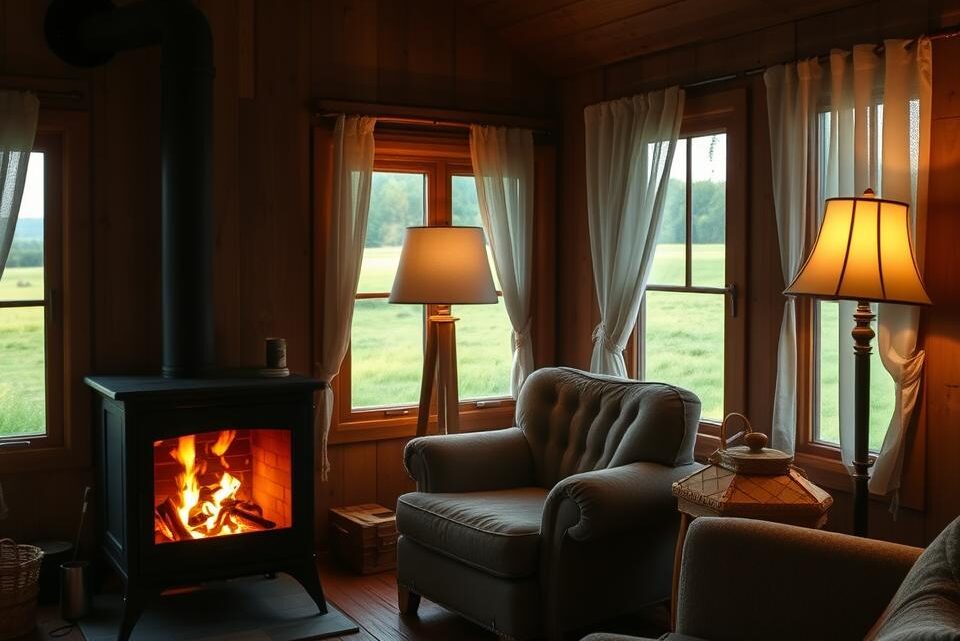
A cosy garden building offers a peaceful escape throughout the year. But when temperatures drop, keeping this space warm without mains power becomes a common challenge. This guide explores effective methods to maintain comfort in your summerhouse.
Many owners seek practical solutions for their sheds and garden rooms. The right approach depends on the building’s size, insulation, and intended use. From traditional wood burners to modern solar options, numerous paths exist.
Proper preparation is essential for any off-grid heating strategy. Good insulation dramatically improves efficiency, trapping warmth inside. This foundational step ensures your chosen method works effectively, creating a welcoming retreat.
This article provides a clear path to a comfortable, usable garden space in every season. Discover how to extend the enjoyment of your summerhouse beyond the warmer months.
Inhaltsverzeichnis
Key Takeaways
- Effective warmth in a garden building is achievable without relying on mains power.
- The suitability of a heating method depends on the summerhouse’s size and insulation.
- Proper preparation, including good insulation, is crucial for efficiency.
- Various non-electric options exist, from wood burners to solar technologies.
- Implementing the right solution extends the usability of your garden room year-round.
Introduction to Off-Grid Heating for a Summer House
The appeal of a garden retreat doesn’t have to diminish when cold weather arrives, thanks to various off-grid heating approaches. Many owners seek practical ways to maintain comfort in their outdoor spaces throughout the year.
Understanding the Challenge
Garden buildings often lack access to mains power, making conventional electric heaters impractical. During winter and colder months, temperatures can drop significantly.
This renders an unheated structure uncomfortable for extended use. The challenge involves balancing effectiveness, safety considerations, and environmental impact when selecting appropriate solutions.
Benefits of Off-Grid Solutions
Non-electric heating options offer numerous advantages. They provide independence from power grid fluctuations and often feature more sustainable environmental footprints.
Implementing these solutions allows owners to keep their shed spaces functional year-round. The building’s utility extends far beyond fair-weather use with the right approach.
These methods range from passive insulation improvements to active systems like wood burners. Choosing the optimal way depends on factors including size, insulation quality, and budget.
Heating a Summer House Without Electricity: Key Methods
Various proven techniques exist for sustaining comfortable temperatures in outdoor buildings throughout seasonal changes. Owners can select from diverse approaches tailored to their specific requirements.
Overview of Non-Electric Heating Options
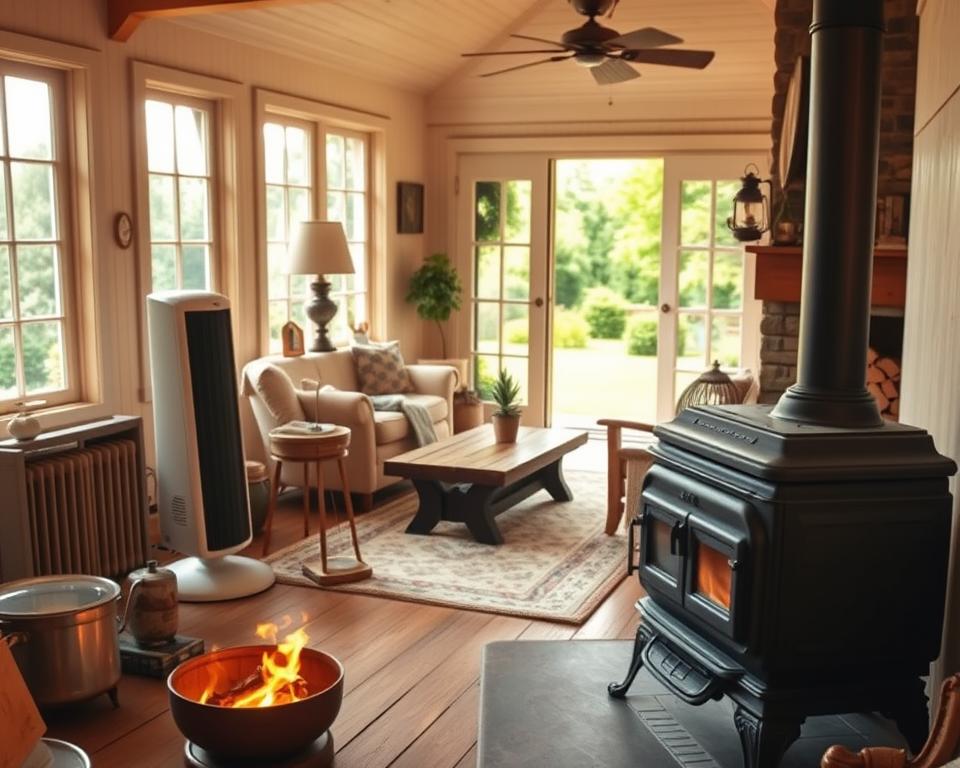
The spectrum of available solutions spans traditional combustion-based systems to innovative modern technologies. Wood-burning stoves remain popular for their robust performance and inviting atmosphere.
Propane heaters offer convenient portability without permanent installation needs. Solar methods harness renewable energy for sustainable warmth.
Comparing Traditional Versus Modern Techniques
Each approach presents distinct advantages depending on the situation. Traditional methods typically deliver proven reliability, while contemporary solutions often prioritise efficiency.
| Method Type | Heat Output | Installation Complexity | Fuel Requirements |
|---|---|---|---|
| Wood Stoves | High | Moderate | Regular wood supply |
| Propane Heaters | Medium-High | Simple | Propane canisters |
| Solar Heating | Variable | Complex | Sunlight dependent |
The optimal choice balances initial investment with long-term operational costs and environmental considerations.
Combining multiple approaches frequently yields the best results for maintaining comfort. Excellent insulation paired with an active system creates an effective solution.
Proper Insulation Techniques for a Cosy Summer House
The key to consistent warmth in outdoor spaces lies in preventing heat escape through proper insulation. This foundation makes any heating system more effective by helping the structure retain heat efficiently.
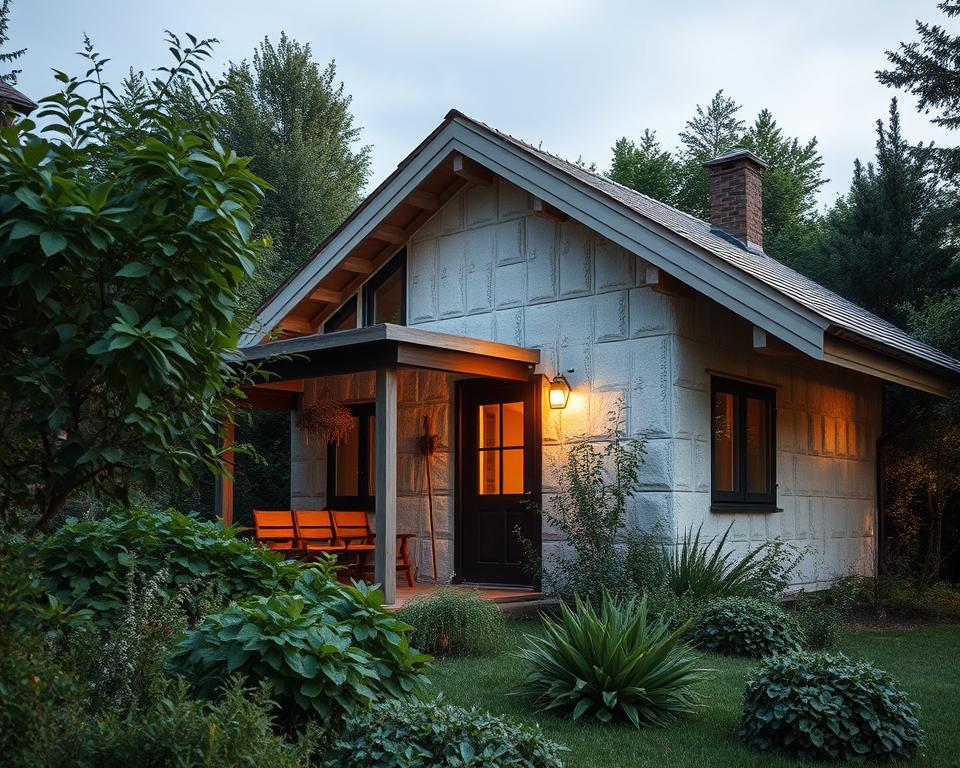
Quality insulation forms the essential foundation for maintaining comfortable temperatures. It dramatically reduces heat loss, allowing any heating method to work more effectively.
Insulating Walls, Floors, and Ceilings
Walls benefit greatly from insulation boards or foam panels fitted between the framework. This creates a thermal barrier that prevents warmth from escaping through the structure.
Floor insulation addresses significant heat loss through ground-level surfaces. Placing foam boards or wool rolls underneath floorboards makes a noticeable difference.
Ceiling and roof insulation uses materials like fibreglass or foil-backed foam. This prevents warm air from rising and escaping through the roof space.
Sealing Doors and Windows Effectively
Doors and windows require careful sealing to eliminate draughts. Weather stripping and rubber seals provide cost-effective solutions for gaps.
Draught excluders can be easily installed to prevent cold air entering. Even small gaps around windows can undermine heating efforts significantly.
Properly sealed openings transform a draughty garden building into an energy-efficient retreat. This approach helps keep shed spaces warm throughout colder periods.
Advantages of Wood-Burning and Rocket Stoves
For many garden building owners, the charm of a real flame provides an unbeatable source of comfort. Wood-burning stoves offer a robust solution, delivering substantial heat output and creating a welcoming atmosphere.
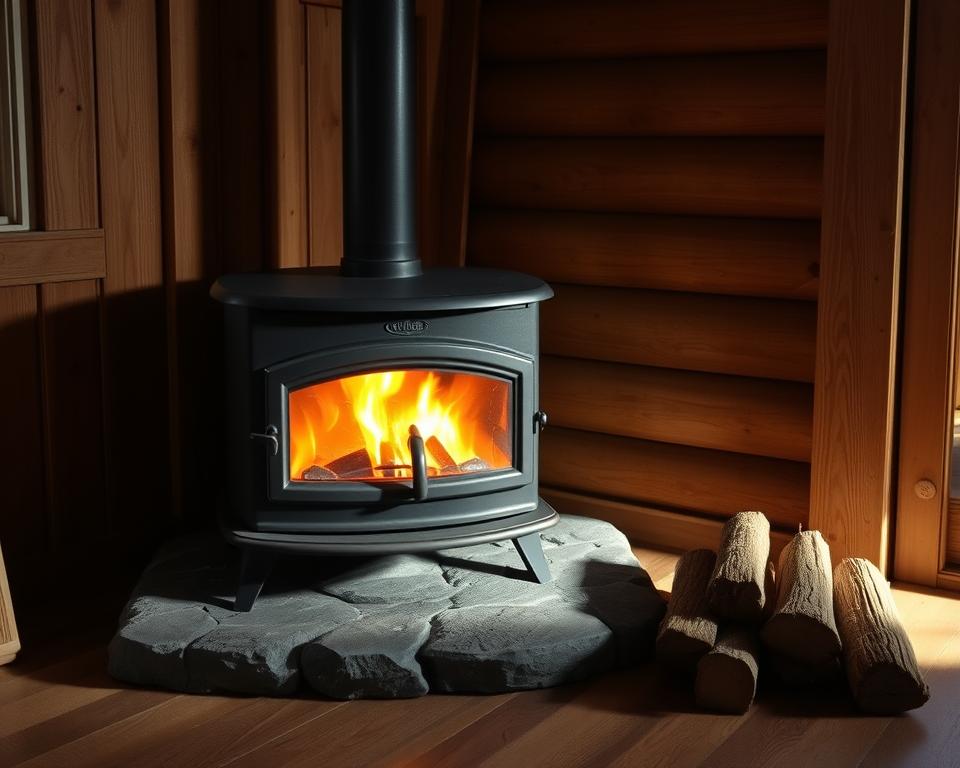
These stoves are highly efficient, converting wooden logs into radiant warmth. Their compact design makes them ideal for a smaller summerhouse or shed.
Setting Up a Wood-Burning Stove Safely
Correct installation is paramount for safety and performance. The wood burner must sit on a dedicated, non-combustible hearth.
Maintain safe distances from any flammable materials within the building. A professionally fitted flue system is essential to vent gases safely outside.
This careful setup ensures the stove operates effectively, providing reliable warmth for the entire structure.
Benefits of Innovative Rocket Stove Designs
Rocket stoves represent a significant leap in efficiency. Their clever design burns small wood pieces completely, generating impressive heat from minimal fuel.
This technology produces very little smoke, making it an eco-friendly choice. For the hands-on individual, many rocket stove kits are available for DIY assembly.
Both traditional and rocket stoves transform sustainable wood into cost-effective, off-grid warmth. They extend the usability of any garden building throughout the colder months.
Harnessing Solar Power for Natural Heating
Harnessing the sun’s natural power offers an environmentally conscious method for heating outdoor spaces. This approach converts abundant renewable energy into comfortable interior temperatures without ongoing fuel costs.

Strategic Placement of Solar Panels
Optimal solar heating begins with careful positioning. South-facing orientation maximises sunlight exposure throughout the day.
Installing panels on the roof captures solar energy efficiently. This strategic placement transforms the structure into an effective heat collector.
Utilising Thermal Mass to Retain Heat
Thermal mass materials like concrete and stone absorb warmth during sunny periods. They gradually release heat as temperatures drop.
Double-glazed windows enhance this effect by minimising heat loss. This combination creates a sustainable heating system for the space.
| Solar Method | Heat Output | Installation Complexity | Best For |
|---|---|---|---|
| Passive Solar Design | Moderate | Low | New constructions |
| Solar Air Collectors | Medium | Medium | Existing buildings |
| Solar Panels with Heater | High | High | Frequent use |
Solar generators provide versatile power storage for extended heating capability. This reliable source ensures comfort beyond daylight hours.
Sustainable Alternatives: Propane and Infrared Heaters
For those seeking immediate, controllable warmth, propane and infrared heaters offer compelling options. These systems provide effective solutions for a summerhouse or shed independent of mains power.
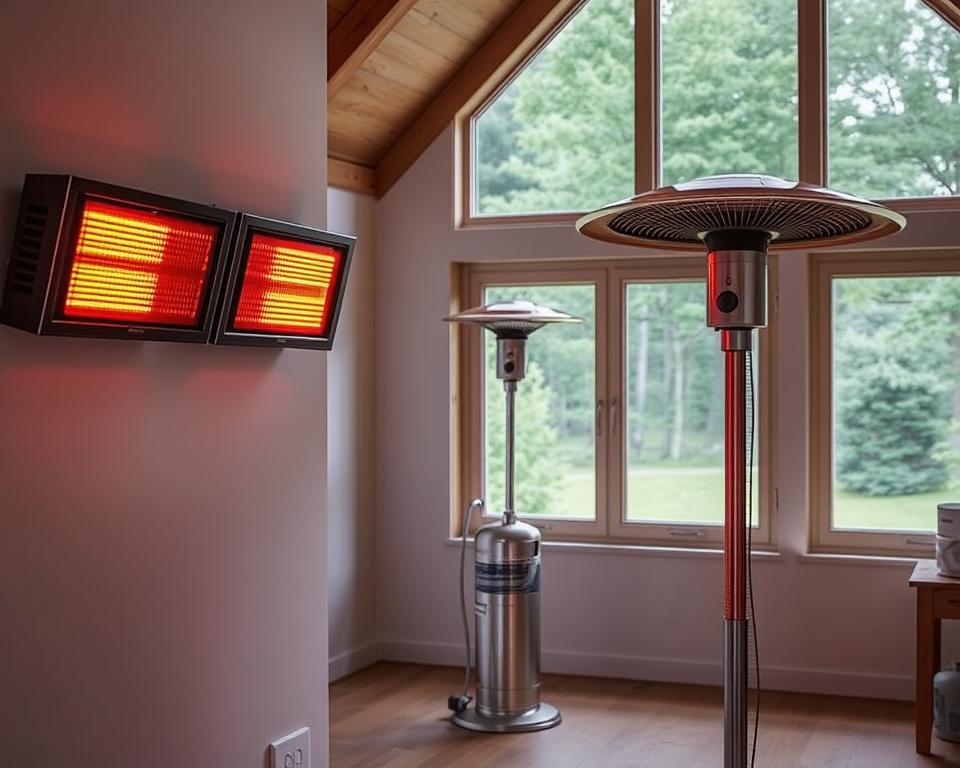
The range of available models ensures a suitable heater exists for virtually any garden building. Selection depends on factors like size, insulation, and desired heat output.
Propane Heater Installation and Safety Tips
Propane heaters are a convenient option, operating on readily available gas cylinders. They deliver impressive heat for their compact size.
Correct installation is crucial for safety. Units must sit on stable, non-flammable surfaces. Adequate clearance from walls and furniture is essential.
Proper ventilation is also vital. Combustion uses oxygen and produces water vapour. Maintaining fresh air flow prevents condensation and ensures healthy air quality.
Infrared Heaters for Spot Heating Efficiency
Infrared heaters work differently from conventional models. They warm objects and people directly through radiant energy.
This way of heating is exceptionally efficient for localised comfort. It is ideal when working in one area of a shed.
These options provide warmth almost instantly. They require minimal maintenance, making them a practical heating solution.
| Heater Type | Primary Heating Method | Best For | Key Consideration |
|---|---|---|---|
| Propane Heater | Convection (warms the air) | Whole-space warming | Ventilation required |
| Infrared Heater | Radiant (warms objects directly) | Spot or zone heating | Direct line-of-sight needed |
Both systems offer a practical way to extend the use of a garden retreat. The choice often comes down to preferring whole-room warmth or targeted heat output.
Enhancing Heat Retention with Simple Additions
Maximising comfort in a garden room does not always require complex installations. Simple, thoughtful additions can significantly improve its ability to retain heat. These cost-effective solutions work alongside existing systems to keep the space welcoming.

Focusing on key areas of warmth loss yields the best results. Floors and windows are common weak points in any structure.
Using Rugs and Thermal Curtains
Thick rugs provide an excellent insulation layer. They prevent warmth from escaping through the floor, especially during winter. Heavy-duty materials like wool are particularly effective.
These rugs also create a more comfortable surface underfoot. Placing them strategically makes a noticeable difference.
Thermal curtains offer another simple upgrade. Their dense weave blocks draughts and reduces heat loss through glass. Combining them with heavy drapes creates a powerful barrier against the cold.
Effective heat retention often comes from addressing the simplest details first.
Door thresholds are another area for improvement. A well-positioned rug or draught excluder stops cold air from entering. This simple step helps maintain a consistent temperature.
| Addition | Primary Benefit | Best Placement | Material Tip |
|---|---|---|---|
| Thick Rug | Floor insulation | Centre of room | Wool or outdoor synthetic |
| Thermal Curtains | Window insulation | South-facing windows | Dense, heavyweight fabric |
| Draught Excluder | Prevents air leaks | Door threshold | Filled with sand or rice |
These methods are accessible to owners with any budget. They enhance any active system, ensuring generated warmth lasts longer. This approach reduces the workload for heaters throughout the colder months.
Implementing these tips extends the usability of a garden building. It becomes a cosy retreat for the entire year.
Ensuring Safety and Adequate Ventilation in Non-Electric Setups
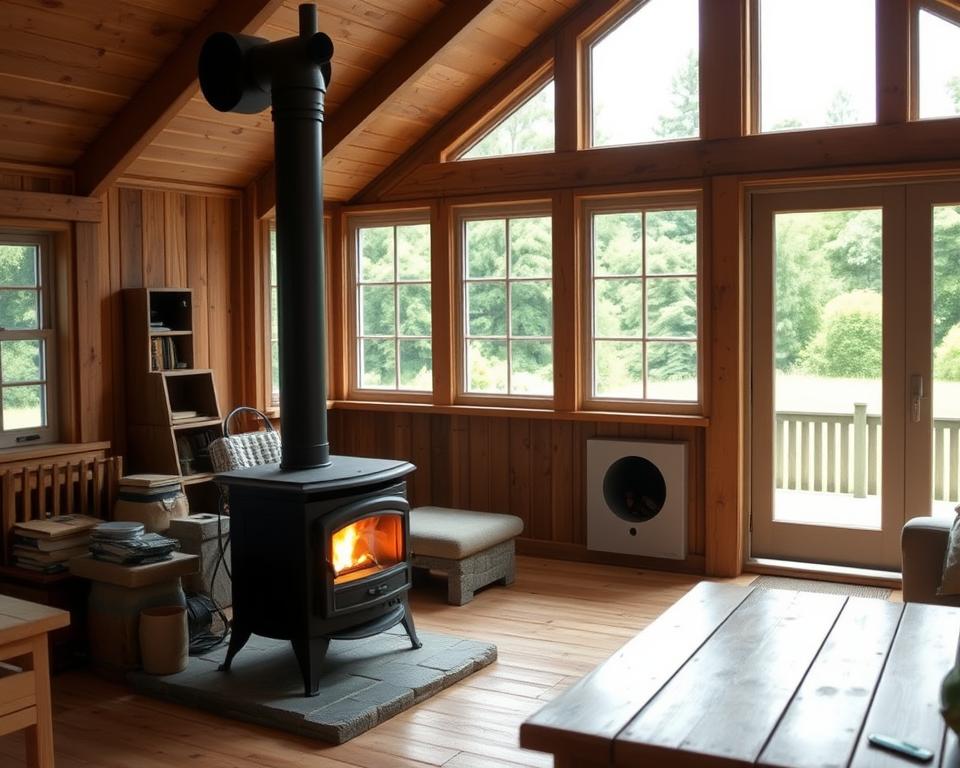
Safety considerations form the foundation of any successful non-electric heating strategy for garden buildings. Proper ventilation becomes particularly crucial when using combustion-based systems.
These heating methods consume oxygen and produce potentially harmful gases. Maintaining safe air quality requires careful planning from the outset.
Minimising Carbon Monoxide Risks
Carbon monoxide poses a serious threat with wood stoves and propane heaters. This odourless gas can accumulate rapidly in enclosed spaces.
Installing carbon monoxide detectors provides essential protection. They alert occupants to dangerous levels before concentrations become harmful.
Regular maintenance of heating equipment significantly reduces risks. Cleaning flues and checking connections prevents incomplete combustion.
Best Practices for Effective Ventilation
Adequate ventilation ensures fresh air supply while allowing combustion products to escape. Permanent vents should create cross-flow circulation.
Low-level vents supply oxygen for combustion processes. High-level vents allow warm, contaminated air to exit naturally.
Never compromise on ventilation requirements, even with indoor-rated appliances. The confined nature of garden buildings accelerates gas concentration.
Balancing heat retention with air quality needs thoughtful design. Controllable vents provide necessary exchange without creating draughts.
Conclusion
The journey to a warm, inviting garden building independent of mains power culminates in selecting the optimal solution. Owners can confidently maintain their summerhouse as a comfortable retreat throughout the entire year.
This guide has demonstrated various effective ways to heat shed spaces. From traditional wood burner installations to modern solar technologies, each option offers distinct benefits. Proper preparation ensures any chosen source performs efficiently.
Safety remains paramount, especially during winter months. Adequate ventilation protects occupants while maximising warmth retention. Combining methods creates the most reliable approach for colder months.
With careful planning, any garden building transforms into a welcoming space. The right strategy keeps your shed warm and functional, extending its enjoyment across seasons.
FAQ
What is the most effective way to keep a summerhouse warm in winter without mains power?
The most effective method combines robust insulation with a reliable heat source. Properly insulating walls, floors, and ceilings is the first critical step to prevent warmth from escaping. Pairing this with a wood-burning stove offers substantial heat output and creates a cosy atmosphere, making it a popular choice for off-grid heating.
Can a shed or garden building be heated safely using a wood burner?
Yes, a wood-burning stove can be installed safely in a garden building, provided certain precautions are taken. It requires a certified installation, including a suitable, insulated flue that extends above the roofline. Adequate clearance from combustible materials and a carbon monoxide alarm are essential for safe operation throughout the colder months.
How can solar power be used for heating a space without electricity?
Solar power can be harnessed passively for heating. Strategic placement of south-facing windows allows sunlight to enter and warm the interior during the day. Incorporating thermal mass, such as a dark stone floor or water barrels, helps absorb this energy and release it slowly, maintaining a comfortable temperature even after the sun sets.
Are propane heaters a good alternative for off-grid heat?
Propane heaters offer a powerful and portable heating option. Models like the Calor Gas heater provide immediate warmth and are ideal for intermittent use. However, they must be used with caution; adequate ventilation is non-negotiable to prevent dangerous carbon monoxide buildup, making them less suitable for prolonged, unattended operation.
What simple additions can help retain heat in a summerhouse?
Simple, cost-effective additions can significantly improve heat retention. Laying thick rugs on the floor and hanging thermal-lined curtains over doors and windows create extra barriers against cold draughts. Sealing any gaps around window frames and doors with draught excluder tape is another highly effective way to keep the warmth inside.
Why is ventilation so important when using non-electric heaters?
Ventilation is critical for safety. Heaters that burn fuel, such as wood or propane, produce carbon monoxide—an odourless, poisonous gas. A constant supply of fresh air ensures complete combustion and disperses any harmful fumes. Always follow the manufacturer’s guidelines for ventilation requirements to ensure a safe environment.