What to Look for in a Good Shed Foundation

A solid foundation is crucial for your shed, ensuring it remains level and secure. It protects the structure from moisture damage, enhancing its stability and longevity.
A good base provides a flat surface, preventing the shed from leaning or warping over time. By lifting the shed off the ground, it reduces the risk of moisture seepage, which can cause rot, mould, or rust, thereby safeguarding your garden building.
Choosing the right foundation depends on the shed size, location, and intended use. A well-constructed base is vital for the stability and protection of your garden structure.
Inhaltsverzeichnis
Key Takeaways
- Understand the importance of a shed base for stability and longevity.
- Learn how a proper foundation prevents structural issues.
- Discover the role of moisture protection in maintaining your shed.
- Find out how ground conditions and shed size affect the choice of foundation.
- Make an informed decision on the best base for your garden building.
The Importance of a Proper Shed Foundation
Ensuring your shed is built on a proper foundation is essential for its structural integrity and lifespan. A well-designed base lifts the shed off the ground, reducing moisture seepage that can cause rot, mould, or rust. It also improves ventilation under the shed, preventing dampness and prolonging its life.
Preventing Structural Issues
A quality foundation creates a crucial barrier between your shed and ground moisture, which is one of the primary causes of wood rot, metal corrosion, and premature deterioration. By elevating your shed, you improve air circulation underneath, reducing humidity levels and preventing the development of mould and mildew.
Protection Against Moisture and Weather Damage
Proper foundations help your shed withstand seasonal weather challenges, from heavy rain and snow to freeze-thaw cycles that can damage improperly supported structures. Foundations with good drainage capabilities extend the life of your shed by keeping the base dry, even during extended periods of wet weather. This protection is vital for maintaining the structural integrity of your shed.
By investing in a proper shed foundation, you can ensure your outdoor storage remains stable, secure, and protected from the elements. A sturdy base is the key to a long-lasting shed that continues to serve your needs effectively.
Key Factors to Consider Before Building Your Foundation
To ensure a stable and durable shed foundation, you must consider several crucial factors from the outset. A well-planned foundation is essential for the longevity and stability of your shed.
Assessing Your Shed’s Size and Weight
The size and weight of your shed are critical factors in determining the type of foundation you need. Larger and heavier sheds require more robust foundations to prevent structural issues. Consider the materials used for the shed’s construction and its intended use to gauge its weight accurately.
Evaluating Ground Conditions and Soil Type
The condition and type of soil on your property significantly impact the foundation’s design. Soil that is prone to shifting or has poor drainage capabilities may require additional preparation or a different type of foundation. Testing your soil can provide valuable insights into its characteristics.

Climate and Drainage Requirements
Climate and drainage are vital considerations for your shed foundation. In areas with heavy rainfall, a foundation that allows water to flow away from the shed is crucial. As noted, “In areas with lots of rain, gravel pads or pier-and-beam setups allow water to flow away from the shed, protecting the floor and contents.” Proper drainage design prevents water accumulation, protecting your shed from moisture damage.
By carefully evaluating these factors, you can choose a foundation that meets your shed’s specific needs, ensuring its stability and longevity.
What to Look for in a Good Shed Foundation
The foundation of your shed plays a pivotal role in its overall durability and resistance to weather conditions. A solid base supports the shed and protects it from moisture, uneven ground, and ground instability. Without a proper foundation, the shed will be unstable and more prone to damage in adverse weather.
Level Surface and Stability
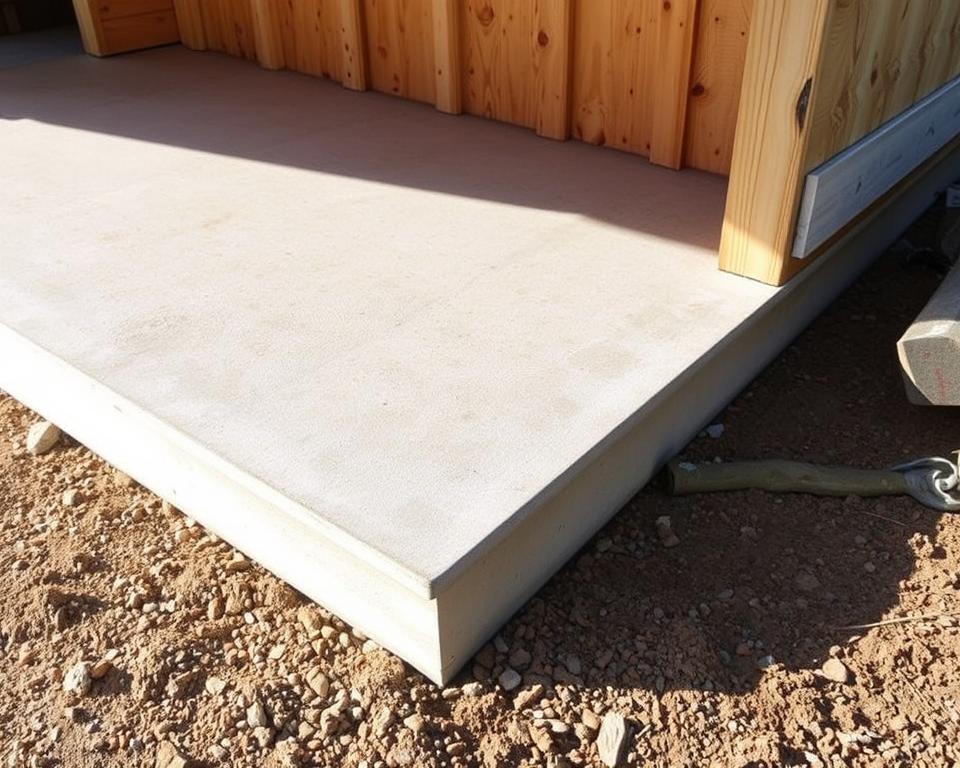
A level surface is crucial for the stability of your shed. An uneven base can lead to structural issues, such as warping or cracking of the shed’s walls and floor. Ensuring the foundation is level and stable will help maintain the shed’s integrity over time.
- A level foundation prevents water from accumulating around the shed, reducing the risk of moisture damage.
- It also ensures that the shed doors open and close properly, maintaining functionality.
Proper Drainage Capabilities
Proper drainage is essential to prevent water accumulation around the shed, which can lead to moisture-related issues. A well-designed foundation should facilitate water runoff, protecting the shed from potential damage.
- Adequate drainage helps prevent erosion around the shed, maintaining the stability of the foundation.
- It reduces the risk of water seeping into the shed, keeping the contents dry.
Durability and Weather Resistance
The durability of the foundation materials is critical in withstanding various weather conditions. Different materials offer varying levels of weather resistance and longevity.
- Concrete foundations are known for their long lifespan and ability to withstand harsh weather.
- The choice of material should be based on your local climate conditions and the shed’s intended use.
Types of Shed Foundations: Pros and Cons
A shed foundation is more than just a base; it’s the backbone that supports the entire structure. When building a shed, selecting the right foundation is crucial for ensuring the longevity and stability of the building.
Concrete Slab Foundations
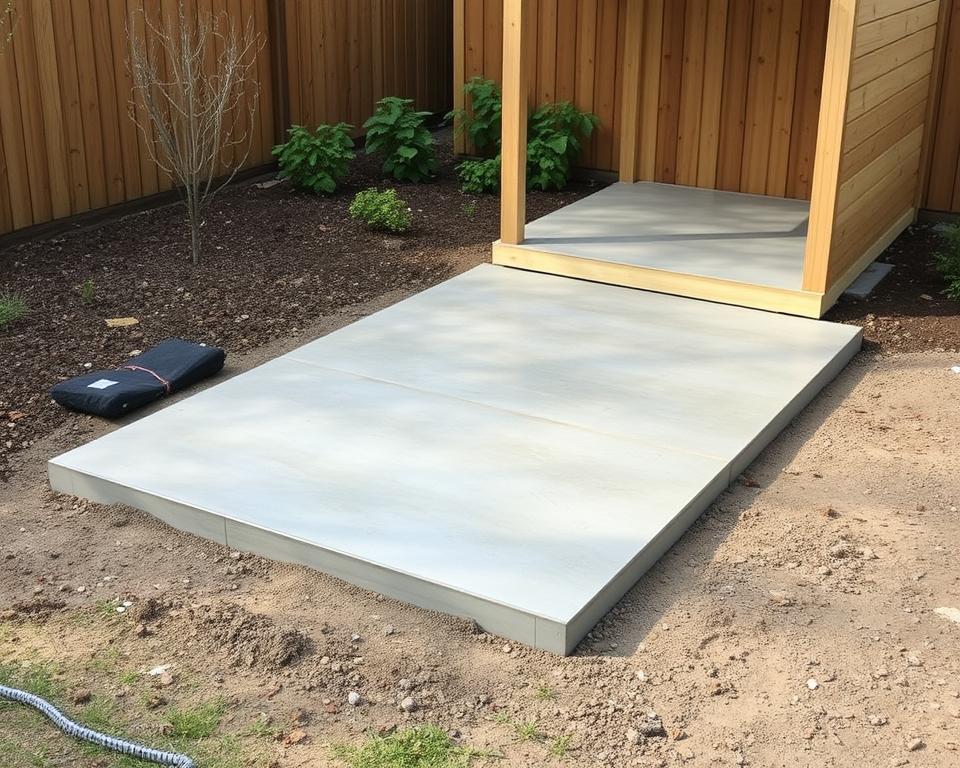
Concrete slab foundations are a popular choice for sheds due to their durability and ability to provide a solid base. The cost of a concrete shed base in the UK can vary depending on factors such as size and thickness.
Gravel and Stone Pad Foundations
Gravel and stone pad foundations offer a cost-effective and relatively easy-to-install option for shed owners. A gravel shed foundation kit can be purchased or created using locally sourced materials.

Plastic Grid Systems
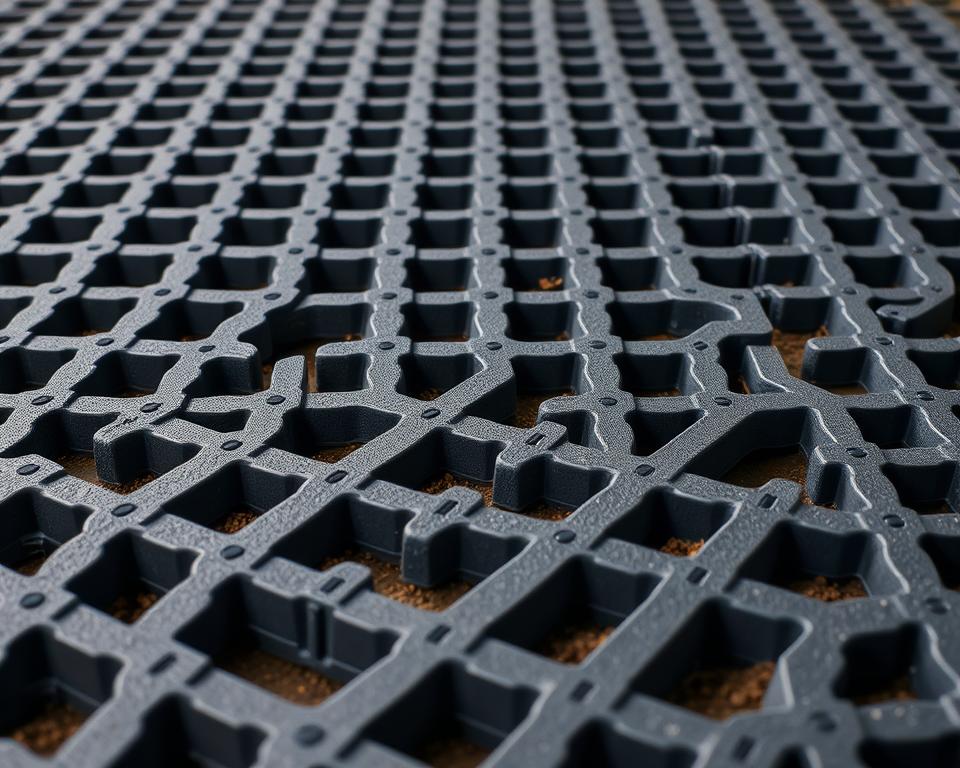
Plastic grid systems are another alternative for shed foundations, providing a durable and weed-suppressing base. When looking for a plastic shed base in the UK, consider the size and type of plastic grid system that suits your needs.
Timber Frame and Bearer Foundations
Timber frame and bearer foundations are a traditional choice for sheds, offering a solid base and flexibility in design. A wooden shed base kit can be used to simplify the installation process.

Paving Slab Foundations
Paving slab foundations provide a durable and level surface for sheds, with the added benefit of being visually appealing. When installing a paving slab shed base, ensure proper ground preparation and leveling to prevent future settling.

In conclusion, the type of shed foundation you choose will depend on your specific needs, budget, and preferences. By considering the pros and cons of each option, you can make an informed decision and ensure a stable and long-lasting shed.
Matching Foundation Types to Shed Sizes
The foundation of your shed should be tailored to its size to ensure durability and structural integrity. Different shed sizes require different foundation approaches to provide the necessary support and stability.
Small Garden Sheds (Under 6×8 ft)
For small garden sheds, a simple and cost-effective foundation can be sufficient. Options include a levelled gravel base or a timber frame foundation. These foundations are easy to install and provide adequate support for smaller sheds.
Medium Sheds (6×8 to 10×12 ft)
Medium-sized sheds require a more robust foundation to ensure stability. A concrete slab or a well-compacted gravel pad can be ideal for these sheds. These foundations offer better load-bearing capacity and can withstand various weather conditions.
Large Structures (Over 10×12 ft)
Large sheds demand substantial foundations that can support significant weight. A poured concrete slab or a reinforced gravel pad is recommended. These foundations provide unmatched load-bearing capacity and resistance to settling, making them ideal for large, permanent sheds.

When building a large shed, it’s essential to consider building code requirements and obtain necessary permits. Reinforcement techniques, such as rebar placement and thickened edges, can enhance the foundation’s strength. Alternative options, like engineered pier systems, can also provide the necessary support.
DIY Foundation Installation Tips
When it comes to installing a shed foundation, there are several key factors to consider to ensure a stable and long-lasting base. A successful installation process involves careful planning, attention to detail, and adherence to manufacturer guidelines.
Site Preparation and Ground Levelling
Proper site preparation is essential for a stable foundation. This involves clearing the area of debris, vegetation, and obstructions. Ground levelling is also crucial to prevent water accumulation and ensure the shed’s floor is level.
Ensuring Proper Drainage
To prevent water damage and erosion, it’s vital to ensure proper drainage around your shed. This can be achieved by installing a drainage system or sloping the ground away from the shed.
Anchoring Your Shed Securely
Anchoring your shed to its foundation is critical to prevent wind damage and ensure long-term stability. Various anchoring methods are available, including concrete anchors and ground anchors, depending on the foundation type.
- Determine the appropriate anchoring system based on your shed size and local wind conditions.
- Follow manufacturer guidelines for anchoring to avoid voiding warranties.
- Regularly inspect anchoring connections to ensure they remain secure over time.

Conclusion
Ultimately, the success of your shed installation hinges on the quality of its foundation. By choosing the right base for your garden shed, you can ensure it remains stable, secure, and functional over time. Various materials and options are available, each with its advantages and disadvantages.
Take the time to assess your needs and select a base that fits your shed’s size, weight, and purpose. Proper maintenance and a well-chosen foundation will protect your investment and prevent costly problems. Whether you DIY or hire professionals, a level, well-drained, and securely anchored shed is key to a long-lasting garden building.
FAQ
What type of shed foundation is best for my garden?
The best foundation for your shed depends on the size and weight of the structure, as well as the ground conditions. Options include concrete slab, gravel and stone pad, plastic grid systems, timber frame and bearer, and paving slab foundations.
How do I ensure my shed foundation is level?
To ensure a level surface, you should assess the ground conditions and use a spirit level to check the foundation’s evenness. You may need to adjust the ground or use shims to achieve a level surface.
What are the benefits of a concrete slab foundation?
A concrete slab foundation provides a solid, durable base that protects your shed from moisture and weather damage. It is also relatively low maintenance and can support heavy sheds.
Can I install a shed foundation on uneven ground?
While it’s possible to install a shed foundation on uneven ground, it’s not recommended. Uneven ground can cause structural issues and water to accumulate around the shed. It’s best to level the ground before installing the foundation.
How do I ensure proper drainage around my shed?
To ensure proper drainage, you should slope the ground away from the shed and install a drainage system if necessary. You should also consider the type of foundation and its ability to drain water.
What are the advantages of using a plastic grid system for my shed foundation?
Plastic grid systems are quick and easy to install, provide excellent drainage, and are suitable for most shed sizes. They are also durable and resistant to weathering.
Can I use paving slabs as a foundation for my shed?
Yes, paving slabs can be used as a foundation for small to medium-sized sheds. They provide a level surface and can be used on well-draining ground.
How do I choose the right size foundation for my shed?
To choose the right size foundation, you should consider the size and weight of your shed. The foundation should be slightly larger than the shed to provide a stable base.