Understanding Why Does My Shed Have Condensation or Mould?

Many garden shed owners face a persistent and damaging problem: unwanted moisture. This issue can silently damage the building’s fabric and ruin valuable items stored inside. Understanding the root causes is the first step towards an effective solution.
Condensation forms when warm, moist air inside the structure meets colder surfaces, like walls or windows. The water vapour then turns into liquid. This process is a natural occurrence but becomes a significant problem when it happens excessively inside a storage building.
Left unchecked, this moisture buildup leads to serious consequences. It can cause stains on walls, deteriorate insulation, and lead to paint peeling. More critically, it creates the perfect environment for mould growth, which poses risks to both the shed’s integrity and human health.
This article serves as an essential guide for anyone looking to protect their investment. It explores the causes, effects, and most importantly, the solutions to these common garden shed issues.
Inhaltsverzeichnis
Key Takeaways
- Condensation is a common moisture issue in garden sheds caused by warm air meeting cold surfaces.
- Excess moisture can lead to structural damage, including rotting wood and peeling paint.
- Mould growth is a serious consequence that can damage stored items and pose health risks.
- Both wooden and metal sheds are susceptible to these problems, though in different ways.
- Addressing condensation is crucial for protecting your shed and its contents throughout the year.
- Understanding the science behind moisture is key to implementing successful prevention strategies.
Understanding Shed Condensation and Mould Formation
Understanding the underlying mechanisms of moisture accumulation is crucial for effective shed maintenance. These processes follow predictable physical and biological principles that explain why certain areas become problematic.
The Science Behind Condensation
Condensation occurs when warm, moisture-laden air encounters cooler surfaces. This temperature difference causes the air to reach its dew point—the specific temperature where it can no longer hold water vapour.
The water vapour then transforms into liquid droplets on cold surfaces. Roof areas typically experience the most severe condensation issues because warm air naturally rises within the structure.
Seasonal weather changes significantly influence this process. During colder months, the contrast between interior and exterior temperatures becomes more pronounced.
How Mould Develops in Damp Environments
Mould growth represents a biological process that follows condensation. Spores naturally present in the air seek damp surfaces with adequate moisture levels.
Once established, mould colonies can develop rapidly. They thrive in consistently moist conditions where organic materials provide nourishment.
This biological growth distinguishes itself from the physical process of condensation. However, the former creates the ideal environment for the latter to flourish.
Early intervention proves essential since mould establishment happens quickly once favourable conditions exist.
Identifying the Causes of Excess Moisture
Locating entry points for water is the first step toward solving dampness issues. This process requires careful inspection of the entire structure to find where moisture penetrates.

Common Entry Points: Roof, Walls, and Base
The roof often becomes the primary area for moisture problems. Damaged roofing materials or improper sealing allow rainwater to seep through. Warm air rising inside makes this the main condensation zone.
Wall vulnerabilities include gaps in cladding and poor sealing around joints. Timber structures are particularly susceptible due to their porous nature. Vegetation touching panels can transfer moisture through vapour release.
The base presents significant risks when constructed directly on the ground. Groundwater absorption leads to rising damp through floor bearers. Different base types affect moisture differently:
- Gravel bases allow rainwater to flow freely
- Timber bases raise the structure completely off the ground
- Concrete and paving slabs must be level for proper water runoff
Effects of Poor Ventilation and Insulation
Poor air circulation creates stagnant humidity that cannot escape. This trapped moisture settles on cold surfaces throughout the building. Ground moisture accumulates when ventilation is inadequate.
Insufficient insulation creates cold surfaces prone to condensation. It also fails to maintain stable interior temperatures. The combination of poor ventilation and insulation creates ideal conditions for moisture accumulation.
Multiple factors typically contribute to moisture problems. A comprehensive assessment is necessary for effective solutions.
Why Does My Shed Have Condensation or Mould?
Daily temperature cycles play a significant role in moisture accumulation within garden structures. These fluctuations create repeated condensation events that can lead to persistent dampness issues.

The relationship between indoor and outdoor conditions determines when condensation forms. Cool nights followed by warmer days create ideal circumstances for moisture buildup.
Temperature Variations and Dew Point Issues
When surface temperatures drop below the dew point of the interior air, condensation becomes inevitable. Metal structures are particularly vulnerable due to their rapid heat conduction.
Winter and spring present the greatest challenges for shed owners. Extended periods of cold, wet weather combine with reduced usage to create perfect conditions for moisture accumulation.
Timber buildings face different challenges than metal ones. Wood’s natural porosity allows it to absorb and release moisture in response to humidity changes.
Infrequent access during colder months allows humid air to remain stagnant. Regular ventilation would normally disperse this moisture, preventing the problem from developing.
Understanding these factors helps identify the specific causes behind each individual moisture issue. The combination of climate, construction materials, and usage patterns creates unique challenges for every garden building.
Effective Insulation and Ventilation Strategies
The most reliable method for controlling interior climate involves strategic material selection and airflow design. These two approaches work together to create a stable environment.
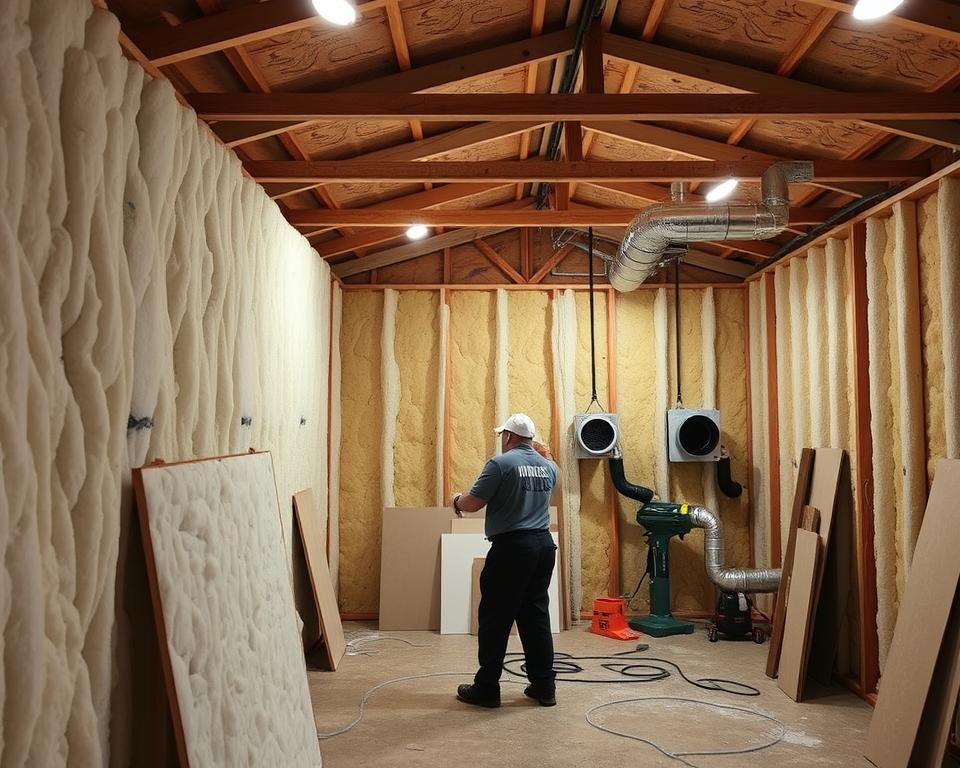
Installing Suitable Insulation Materials
Insulation serves as the primary defence against temperature fluctuations. Quality insulation products raise surface temperatures above the dew point. This prevents moisture from forming on cold surfaces.
Foam board insulation offers excellent thermal performance. It is easy to install and provides a closed-cell structure. Reflective foil insulation acts as a vapour barrier. It reflects heat back into the space while blocking cold penetration.
These materials make the building more energy efficient. They reduce heat loss during colder months. Proper installation is crucial for maximum effectiveness.
Enhancing Air Circulation with Vents and Fans
Ventilation ensures that humid air does not become trapped. Strategically placed vents allow continuous air exchange. Installing vents on opposite walls creates cross-ventilation.
Roof and gable vents enable hot air to escape naturally. Ridge vents work with convection currents. They provide excellent air circulation without mechanical assistance.
For larger spaces, low-wattage fans maintain consistent air movement. Window fans can control humidity levels effectively. Clip-in vents offer affordable solutions for smaller structures.
Combining proper insulation with adequate ventilation provides comprehensive protection. This dual approach addresses both temperature control and moisture removal.
Preventative Measures to Avoid Mould Growth
Regular inspection routines combined with targeted sealing techniques create robust moisture barriers. These proactive approaches address both external water ingress and internal humidity control.

Finding and Sealing Leaks
Thorough inspections should focus on critical areas where water penetration commonly occurs. Roof joints, wall panels, and the building’s foundation require particular attention.
Applying quality caulk around windows, doors, and ventilation points creates waterproof seals. This prevents rainwater from entering and stops moisture from ground level seepage.
Timber structures benefit from additional protection at panel junctions. Regular maintenance checks help identify potential problems before they escalate.
Using Dehumidifiers and Moisture Absorbers
Electric dehumidifiers effectively control atmospheric humidity in powered garden buildings. They work best when temperatures remain above 21 degrees Celsius.
Calcium chloride containers offer passive moisture absorption without electricity. These tools draw surprising amounts of water from the air even in seemingly dry conditions.
Concrete vapour barriers installed beneath floors prevent ground moisture from rising. This solution works well for structures with solid foundations.
Combining these methods provides comprehensive protection against mould establishment. Multiple barriers prove more effective than relying on single solutions.
Practical Tips for Managing Humidity in Your Shed
Simple, regular practices form the foundation of effective moisture control in garden storage spaces. These straightforward approaches require minimal effort but deliver significant results when applied consistently.

Regular Airing and Monitoring of Wet Items
Establishing a daily ventilation routine proves essential for maintaining healthy air quality. Opening doors and windows each morning allows fresh air to circulate throughout the space. Even brief periods of airing make a noticeable difference.
For infrequently used sheds, leaving the door slightly ajar with a secure latch provides continuous airflow. Clip-in vents offer excellent alternatives when leaving openings isn’t practical.
Regular inspection helps identify potential problems early. After wet weather, check items like tools and footwear for moisture before storing them. Wipe down any damp surfaces promptly to prevent humidity buildup.
| Ventilation Method | Best For | Frequency | Effectiveness |
|---|---|---|---|
| Morning airing | Daily use sheds | Daily | High |
| Clip-in vents | All shed types | Continuous | Medium-High |
| Partially open door | Occasional use | As needed | Medium |
Proper Storage and Organisational Techniques
Strategic storage arrangements significantly reduce moisture risks. Keeping items elevated on shelves or hung up prevents ground-level dampness. Allow at least 10cm of space between objects and walls for proper air circulation.
Open shelving systems promote better airflow around equipment and tools. Quality storage containers protect contents while allowing some breathability. Avoid cluttered conditions that restrict air movement.
“Consistent organisation prevents the stagnant air pockets where moisture accumulates most readily.”
Exterior maintenance completes the moisture management strategy. Trim vegetation near the structure to reduce nighttime moisture transfer. These combined approaches create comprehensive protection against humidity-related issues.
Conclusion
Protecting your garden investment from moisture-related damage demands a comprehensive approach to shed maintenance. While condensation and mould may seem challenging, they are manageable with proper understanding and consistent preventative measures.
Neglecting these issues can lead to serious consequences including premature rot, timber warping, and structural damage. A multi-faceted strategy combining insulation, ventilation, and regular maintenance proves most effective.
Seasonal awareness is crucial, particularly during winter and spring months when weather conditions increase moisture risks. Establishing simple habits like regular airing and prompt leak attention makes long-term management straightforward.
View shed care as an ongoing process rather than a one-time fix. With the knowledge from this guide, owners can maintain dry, healthy buildings throughout the year, protecting both their investment and stored contents.
FAQ
What causes condensation inside a garden shed?
Condensation occurs when warm, moist air comes into contact with cold surfaces, such as walls or a roof. This is common in sheds due to temperature changes and a lack of ventilation.
How can I stop moisture from building up in my shed?
Improving air circulation is key. Installing vents or leaving a window slightly ajar allows fresh air to circulate. Placing the structure on a solid base above damp ground also helps prevent moisture problems.
Will insulating my shed help with mould issues?
Yes, proper insulation can reduce condensation by regulating the internal temperature. This makes it harder for mould to develop on timber and other surfaces.
Are certain items more likely to cause damp in a shed?
Storing damp gardening tools, wet sports equipment, or firewood inside can increase humidity levels. It is best to allow these items to dry thoroughly before placing them in storage.
How often should I check my shed for potential problems?
Regular inspections every few months are advisable. Look for signs of water ingress, rot in the wood, or mould growth, especially after periods of bad weather.