Inspiring Winter Garden Ideas for a Cosy Outdoor Retreat
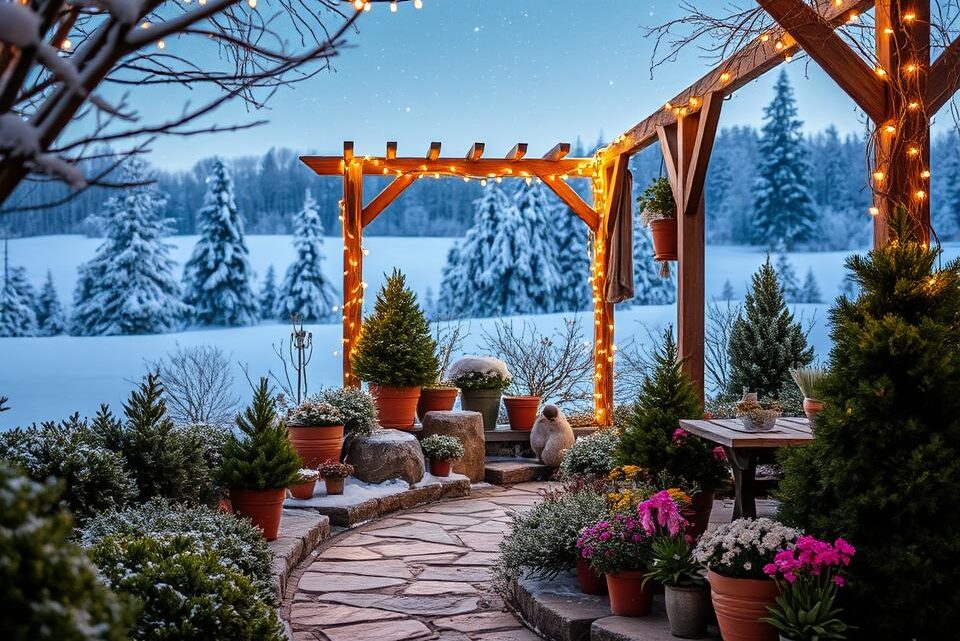
As the colder months settle in, many outdoor spaces are often forgotten. Yet, this period offers a unique opportunity to create a beautiful and functional area. With a little imagination, any plot can become a welcoming sanctuary.
This guide shows how to add significant interest to your outdoor space during this season. It focuses on areas visible from windows and along pathways. The goal is to transform your environment into a cosy retreat.
Many gardeners plan for spring, summer, and autumn, overlooking the potential of this time of year. However, embracing the frosty months can be incredibly rewarding. Strategic planting, clever lighting, and thoughtful features can make a real difference.
The following sections provide comprehensive guidance. They cover evergreen plants, winter-flowering shrubs, and simple DIY projects. These approaches are designed to be accessible for all, regardless of budget or experience.
Inhaltsverzeichnis
Key Takeaways
- Outdoor spaces can remain attractive and functional throughout the colder months.
- Focusing on key areas like views from windows yields the best results.
- Strategic planting with evergreens and winter-flowering shrubs adds vital interest.
- Incorporating lighting and heating extends the usability of the space after dark.
- Many enhancements are cost-effective and require minimal effort to implement.
- Creating a welcoming environment benefits local wildlife during a scarce season.
- Transforming an outdoor area is achievable for gardeners of all skill levels.
Transforming Your Outdoor Space with Cosy Winter Ambience
The arrival of colder weather often leaves exterior spaces feeling neglected and underused. Yet this period offers a special chance to create inviting atmospheres. Strategic planning can transform these areas into welcoming retreats.
Many people return home after dark during these months, missing their exterior spaces entirely. Well-placed lighting can dramatically change this. It brings the view from windows back to life.
Focusing on key zones yields the best results. Prioritise spaces seen daily, like entrance ways and patio areas. Even simple enhancements create significant visual appeal.
Transformation doesn’t require complete redesigns. Thoughtful adjustments to existing features make a real difference. The approach remains practical for most homeowners.
| Transformation Approach | Key Benefits | Estimated Effort |
|---|---|---|
| Strategic lighting placement | Extends evening usability, enhances safety | Low |
| Focus on high-visibility areas | Maximises impact with minimal changes | Low |
| Seasonal decorative elements | Adds immediate visual interest | Medium |
| Functional heating solutions | Enables longer outdoor enjoyment | Medium-High |
Drawing inspiration from regions with harsh climates can provide valuable insights. These places demonstrate how to enjoy exterior spaces year-round. Their solutions often combine practicality with aesthetic appeal.
The seasonal shift brings its own unique beauty. Frost patterns and snow-covered branches create natural artwork. Learning to appreciate these details is part of the transformation process.
Essential Winter Garden Ideas for a Cosy Retreat
Creating interest in your plot throughout the year requires specific approaches tailored to the quieter season. Several fundamental strategies form the foundation of a successful cold-weather landscape. These concepts range from simple, low-effort tweaks to more involved projects, ensuring options for every commitment level and budget.
Understanding your local climate is the first step. In the UK, conditions can vary significantly. Generally, gardens fall into categories like those with frequent frosts but little snow, or areas with milder, wetter conditions.
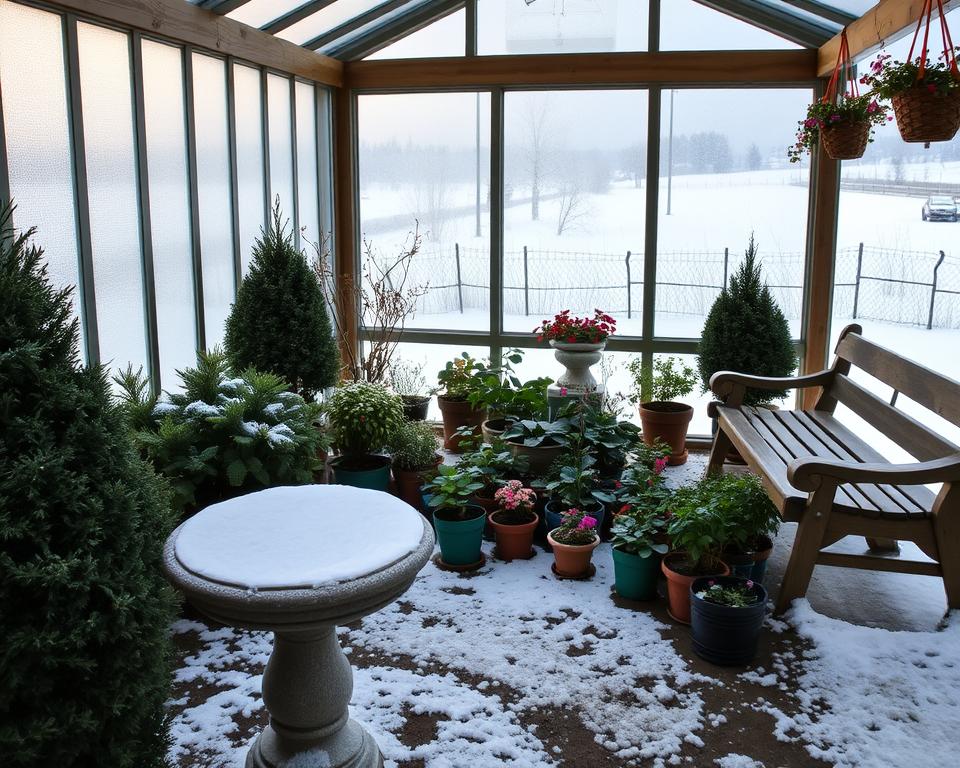
This knowledge helps you adapt recommendations for maximum impact. The goal is to achieve maximum visual appeal with minimal upkeep. Strategic plant placement, seasonal colour, and structural features work together to create a cohesive look.
The colder months are an ideal time for planning. Gardeners can research solutions for problem areas and prepare for spring. This indoor preparation makes implementing changes later much smoother.
A truly inviting space balances beauty with practicality. It should be enjoyable whether viewed from a window or experienced on a crisp, clear day. Thoughtful design ensures your outdoor area remains a cherished retreat.
Incorporating Evergreens, Topiary and Winter Shrubs
Evergreen foliage provides the structural foundation that maintains visual appeal throughout the changing seasons. These plants serve as the reliable backbone of any outdoor space, offering consistent presence when other plants retreat. Their value extends beyond mere greenery, contributing texture, form, and colour diversity.

Choosing Evergreens for Year-Round Interest
Selecting the right evergreens requires careful consideration of their long-term placement. These are significant investments that shape the landscape for years. Professional advice can ensure optimal positioning for maximum visual impact.
Consider foliage characteristics like blue tones, silver hues, and varied textures. These elements create depth and interest even during the quietest months. Properly placed specimens work beautifully as backdrops for seasonal displays.
| Evergreen Type | Best Use | Maintenance Level |
|---|---|---|
| Columnar Trees | Vertical accents | Low |
| Spreading Shrubs | Ground cover | Medium |
| Topiary Specimens | Focal points | High |
Modern Topiary Techniques
Contemporary topiary embraces both formal shapes and organic, cloud-pruned styles. Beyond traditional box and yew, consider alternatives like Ilex crenata or Lonicera nitida. These plants offer excellent clipping properties for creative expression.
Ready-made topiary provides instant impact for those seeking immediate results. Potted evergreens require special attention to hardiness zones for survival. Even a single well-placed topiary piece can transform an area.
Using Pots and Containers to Create Seasonal Colour
Container gardening offers unparalleled flexibility for introducing vibrant seasonal displays precisely where they’re needed most. This approach allows gardeners to add immediate visual impact without committing to permanent plantings. The mobility of these arrangements means displays can be repositioned to maximise enjoyment.
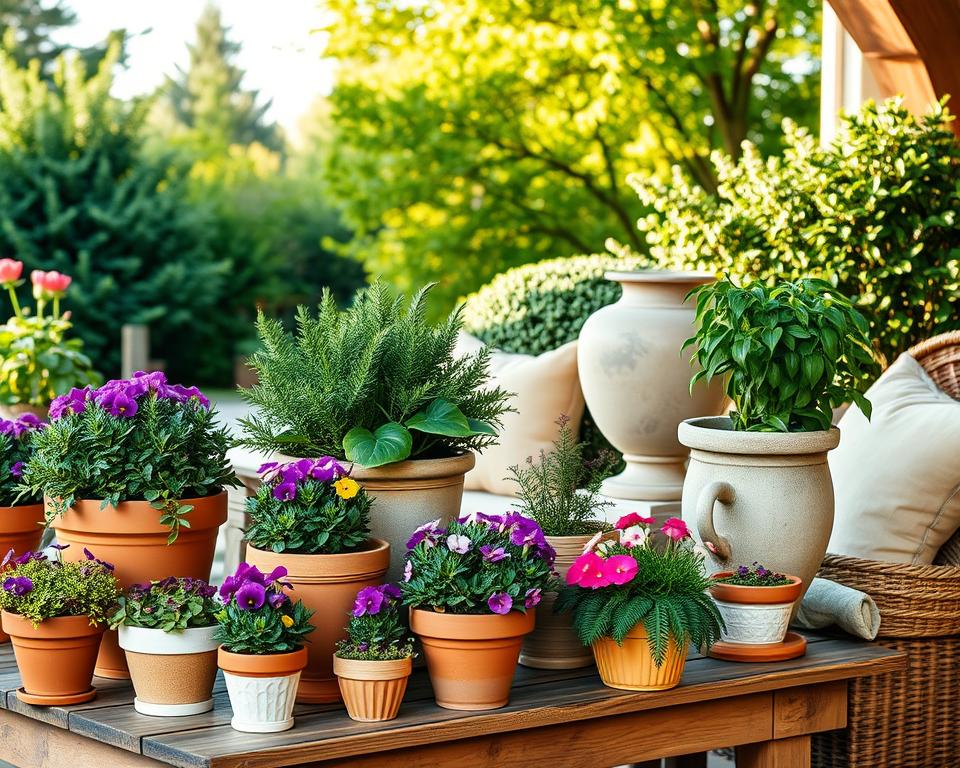
Successful combinations often feature plants like cyclamen, heathers, and hellebores working together harmoniously. Adding structural elements such as rosemary or sarcococca provides valuable backbone to larger arrangements. Variegated ivy introduces contrasting texture while pansies deliver reliable floral interest.
Thoughtful design principles enhance the effectiveness of container displays. Grouping several pots creates bold focal points that command attention. Alternatively, a single statement container can beautifully punctuate a quiet corner of the outdoor area.
| Container Arrangement | Visual Impact | Recommended Plants | Best Location |
|---|---|---|---|
| Cluster Grouping | High – creates focal point | Mixed seasonal flowers with evergreen | Patio or entranceway |
| Single Statement Pot | Medium – punctuates space | Structural shrub with trailing plants | Quiet corners or pathways |
| Tiered Display | High – adds dimension | Varied heights and textures | Against walls or fences |
The true beauty of container gardening lies in its adaptability—displays can be moved to capture the best light or be positioned where they’ll be most appreciated from indoor viewpoints.
Material selection contributes significantly to the overall aesthetic. Terracotta, ceramic, and stone containers add natural warmth that complements seasonal plants beautifully. These materials help the space feel cared for throughout the colder months.
Garden centres stock suitable plants in small pots during this season, making experimentation accessible. This availability allows for refreshing displays as needed. The approach injects personality into outdoor spaces when traditional borders may lack colour.
Innovative Outdoor Lighting and Heating Solutions
Extending the enjoyment of outdoor spaces into the evening hours requires thoughtful integration of both illumination and warmth. The right combination can transform a dark, cold area into a welcoming extension of the home.
Strategic placement is key to achieving the desired atmosphere. It makes the space feel inviting and functional after sunset.

Ambient Outdoor Lighting Ideas
Simple solutions often create the most magical effects. Tea lights in clear jars offer a charming, seasonal twinkle for special occasions.
Solar-powered lights provide several hours of decorative glow with minimal effort. Draping fairy lights through tree branches adds a delicate overhead shimmer.
For a more permanent setup, numerous easy-to-install lighting kits are available. Warm, subtle light completely alters the mood of an area once darkness falls.
Lanterns placed near seating create cosy pockets of light. It is considerate to switch off lights before bed to minimise disruption to local wildlife.
Efficient Heating Solutions for Cold Evenings
To comfortably use a space on chilly evenings, effective heating is essential. Modern options range from traditional fire features to contemporary appliances.
A fire pit serves as an instant focal point, encouraging people to gather. This timeless concept brings a unique warmth and ambience.
For those seeking convenience, sleek patio heaters offer immediate, smoke-free warmth. This allows hosts to spend maximum time with guests.
| Heating Option | Atmosphere | Practicality |
|---|---|---|
| Fire Pit/Brazier | Traditional, social focal point | Requires fuel management |
| Patio Heater | Modern, consistent warmth | Plug-and-play simplicity |
| Fire Bowl | Cosy, contained glow | Portable, various sizes |
These solutions ensure that even during the coldest months, the outdoors remains a viable and enjoyable retreat. They create inviting areas where friends and family can connect.
DIY Projects to Spice Up Your Winter Garden
Creative DIY projects offer an engaging way to personalise your landscape when outdoor maintenance is minimal. These hands-on activities transform quiet months into productive periods for adding unique touches.
Crafting Natural Garden Décor
Flexible twigs like hazel or colourful willow can be woven into eye-catching features. Gardeners can purchase bundles or use coppiced materials from their own plot.
Bending and twisting stems creates interesting shapes. Simple woven balls look great dangling from trees. More ambitious projects might include abstract animal sculptures using galvanised wire.
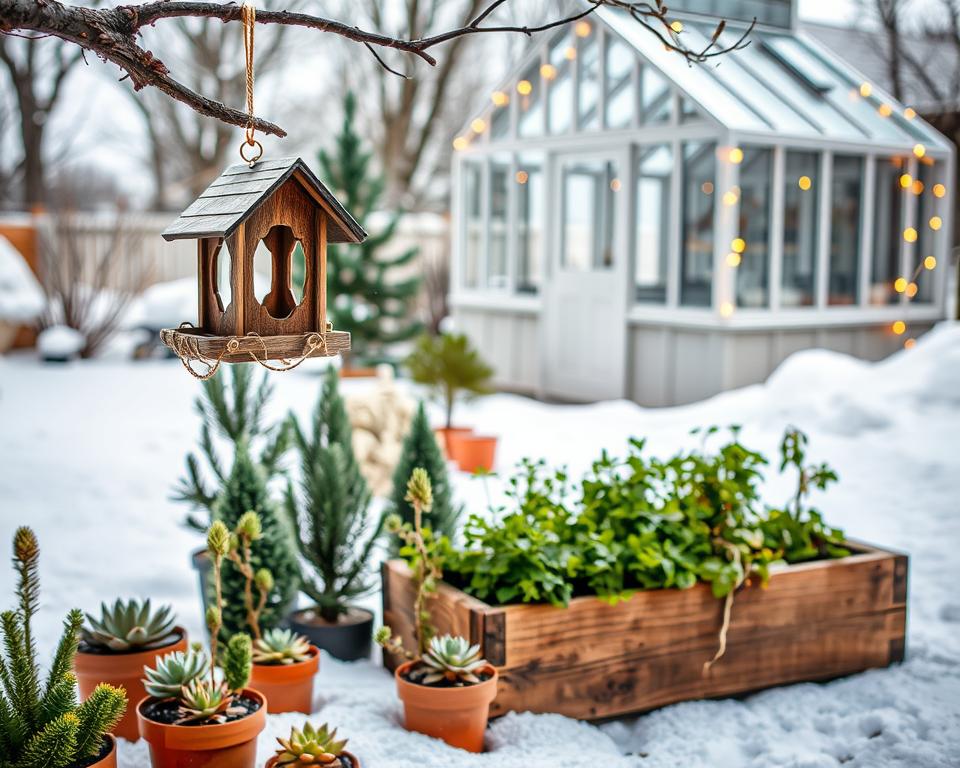
Building a Simple Bug Hotel
These structures enhance aesthetics while supporting wildlife. They provide crucial hibernation spaces for beneficial insects like ladybirds and lacewings.
Cut bamboo canes into short lengths with hollow ends exposed. Bundle them together or set them into an old wooden box. Drilled wood pieces offer additional nesting opportunities.
Placing materials on the ground helps beetle larvae that feed on decaying wood. This approach creates dual-purpose features that benefit both visual appeal and local ecosystems.
Enhancing Wildlife Appeal During Winter Months
A thoughtfully designed outdoor space offers more than just visual pleasure; it can become a vital sanctuary for local fauna. By incorporating specific features, homeowners can support creatures throughout the challenging colder season.
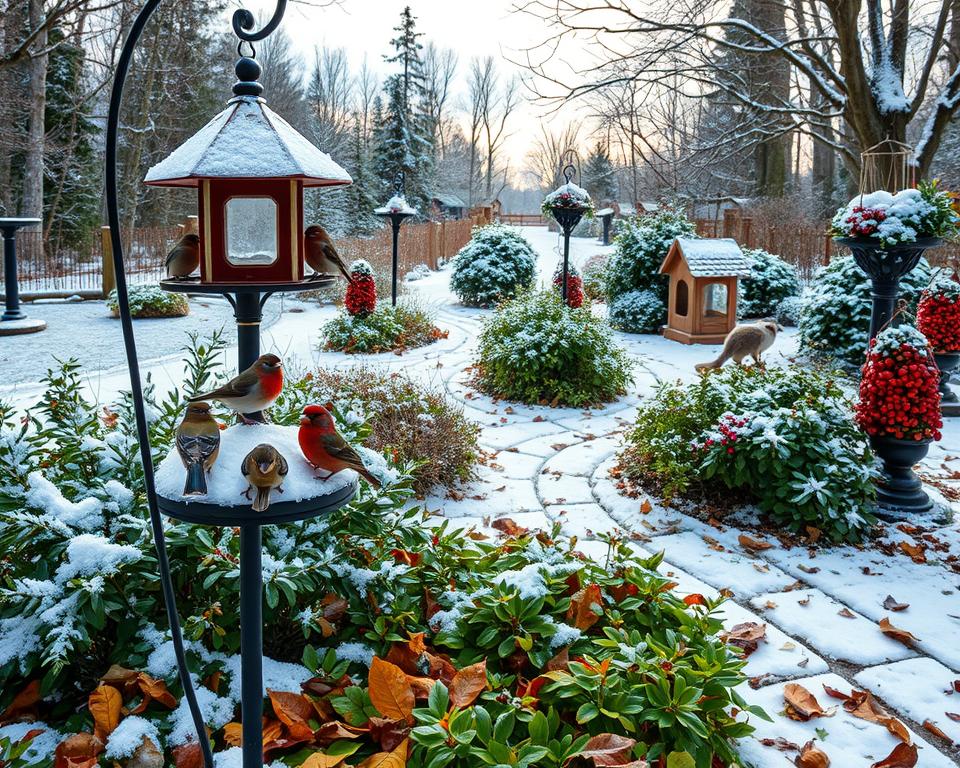
Tips to Attract Local Wildlife in Winter
Planting shrubs that produce berries is a fantastic way to add colour and help wildlife. These plants provide a crucial food source for birds when other options are scarce.
Hollies are a classic choice. For a good berry set, gardeners should plant one male pollinator for every five berry-bearing female plants. Deciduous varieties show off berries beautifully, while evergreen types offer year-round structure.
Other excellent shrubs include viburnum and coral berry. They supply vital nourishment and add significant visual interest to the landscape during the quiet months.
| Wildlife Feature | Benefit to Wildlife | Benefit to Garden |
|---|---|---|
| Berry-Producing Shrubs | Essential food for birds | Colour and structure |
| Bird Feeders & Nesting Boxes | Shelter and sustenance | Lively movement and sound |
| Shallow Water Source | Drinking water for all | Reflective surface interest |
| Winter-Flowering Plants | Nectar for pollinators | Vibrant colour |
Beyond birds, consider hedgehogs and insects. Leaving a small area of the plot undisturbed, with leaf litter and logs, offers them shelter. A shallow dish of fresh water is invaluable to all creatures.
Bees are increasingly active during this season. Including pollinator-friendly winter flowers in beds or pots provides them with much-needed nectar. This support is more critical than ever due to declining pollinator populations.
By welcoming wildlife, a space transforms into a dynamic, living ecosystem. The sight of birds feeding and the buzz of a bee bring a special kind of beauty to the frosty outdoors.
These efforts create a more engaging environment for people too. They turn a static scene into one filled with life and activity. Supporting local fauna is a rewarding aspect of thoughtful landscape care.
Seasonal Planting Guide for UK Winter Gardens
A well-considered planting strategy ensures an outdoor space remains vibrant during the quietest months. This guide focuses on hardy selections that provide structure and colour when many other plants are dormant.

Selecting Hardy Plants for Winter Chill
Choosing plants that tolerate the British climate is crucial. Evergreens offer reliable structure. Hellebores and witch hazel produce beautiful blooms even in colder zones.
Snowdrops are a classic choice for early colour. For silvery foliage, consider Artemisia ‘Powis Castle’. These plants add texture and interest throughout the season.
Incorporating Winter Berries and Colour
Shrubs with berries bring vibrant natural colour. Holly and cotoneaster are excellent options. They also provide vital food for wildlife.
Pansies and violas offer a wide flowering range. Their cheerful faces lift the mood. Ornamental grasses with persistent seed heads add movement and form.
Trees with colourful bark, like Dogwood, become standout features. Their red or orange stems inject warmth. Strategic placement maximises their visual impact from windows and pathways.
Combining plants with different seasonal characteristics creates a cohesive display. This approach ensures continuous interest from autumn through to spring.
Conclusion
With careful planning, even the quietest months can showcase an outdoor space’s full potential. The comprehensive range of approaches discussed demonstrates that creating an inviting retreat is achievable for gardeners of all experience levels.
Implementing just a few key strategies can dramatically transform how one experiences their exterior areas. Whether adding strategic lighting for evening views from the window or selecting hardy shrubs for seasonal interest, each enhancement contributes to a more engaging environment.
This season offers unique opportunities that differ from spring and summer gardening. The approaches balance aesthetic appeal with practical functionality, creating spaces that remain welcoming throughout the year.
Readers should begin with manageable projects that suit their specific conditions. The journey of discovery continues with each season, making outdoor spaces a source of continuous enjoyment.
FAQ
What are the best plants to maintain colour during the colder months?
Opt for species that offer vibrant berries, such as holly and cotoneaster, or those with striking stems, like dogwood. Evergreens provide consistent foliage, while winter-flowering plants like hellebores add delicate blooms.
How can I make my outdoor area more inviting on chilly evenings?
Incorporate outdoor lighting, such as festoon lights or lanterns, to create a warm glow. Adding a fire pit or patio heater extends usability, while comfortable seating with blankets encourages time outside.
Are containers suitable for seasonal displays in the UK?
Absolutely. Pots and containers are ideal for introducing seasonal colour. Fill them with hardy plants like pansies, cyclamen, or ornamental cabbages. Ensure containers have drainage holes to prevent waterlogging.
What steps can I take to support local wildlife at this time of year?
Leave out bird feeders with high-energy seeds, provide fresh water, and avoid excessive tidying of leaves and plant debris, which offer shelter for insects and small mammals.
Which trees and shrubs provide structural interest in the bleakest season?
Deciduous trees with sculptural forms, like silver birch, stand out. Shrubs such as witch hazel offer fragrant flowers, while architectural evergreens like yew add solidity and shape.
Can I still undertake gardening projects when it’s cold?
A> Yes, many simple DIY projects are perfect for this season. Building a bug hotel from natural materials or creating decorative elements for borders can be done on drier days, adding personal touches to the space.
How important is it to plan for the next growing season now?
It’s very beneficial. This is an ideal time to sow certain seeds indoors and plan spring planting. Reflecting on what worked well in previous years helps in making informed choices for the coming months.