
Wooden Garden House as an Office: Your Custom Solution
Inhaltsverzeichnis
Creating Your Ideal Workspace
A custom wooden garden office can be the perfect solution for professionals seeking a quiet and separate workspace from their main residence. With the growing trend of remote working, having a dedicated workspace in your garden can significantly enhance your productivity and work-life balance.
The UK has seen a significant rise in the popularity of garden offices, particularly in the post-pandemic era. This trend is driven by the need for a dedicated office space that is separate from the distractions of home.
Investing in a wooden garden house as an office not only provides a practical solution for remote working but also adds value to your property. A custom-designed garden office can be tailored to your specific requirements, whether you need a simple workspace or a multi-functional professional environment.
By understanding the benefits and possibilities of a custom wooden garden office, you can create a home workspace that is both functional and enjoyable. This involves exploring how a wooden garden house can serve as the perfect custom office solution for your professional needs.
The Rise of Garden Offices in the UK
In recent years, the concept of garden offices has gained substantial traction across the UK, reflecting a shift towards more flexible working arrangements. As professionals increasingly seek dedicated spaces to work from home, garden offices have emerged as a viable solution, offering the perfect blend of functionality and tranquility.
Why More Professionals Are Working from Garden Spaces
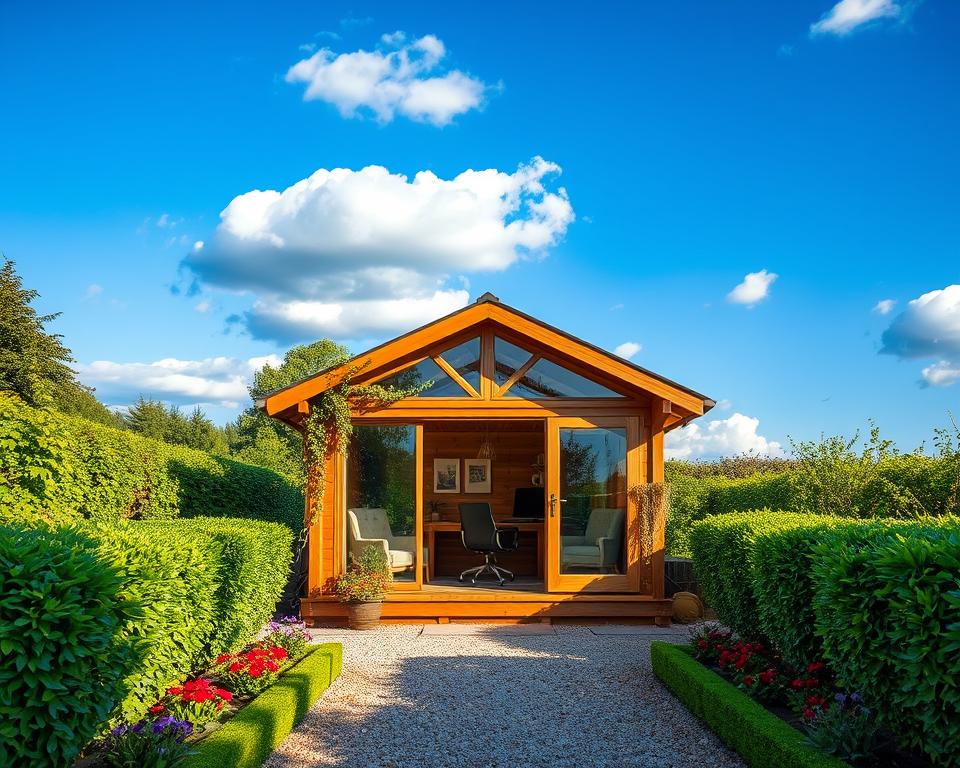
The trend towards working from garden spaces is driven by the need for a better work-life balance. Professionals across various industries are embracing garden offices as they provide a quiet, private environment that is separate from the distractions of home. This separation is crucial for productivity and focus.
As garden offices become more sophisticated, they are being equipped with all the amenities necessary for a productive workday, including high-speed internet and comfortable working conditions. This transformation has made garden offices an attractive option for those who require a dedicated workspace.
The Evolution of Garden Buildings into Professional Workspaces
Garden buildings have undergone a significant evolution, transforming from simple sheds to sophisticated professional workspaces. Modern garden offices are designed with insulation, glazing, and durable materials, making them suitable for year-round use.
“The garden office represents a new era in workspace design, combining the benefits of working from home with the productivity of a dedicated office environment.”
The historical development of garden buildings into professional workspaces is a testament to the adaptability and innovation in construction techniques and materials.
| Feature | Traditional Shed | Modern Garden Office |
|---|---|---|
| Insulation | No | Yes |
| Glazing | Limited | Extensive |
| Durability | Variable | High |
Post-Pandemic Shift to Home Working Solutions
The COVID-19 pandemic has accelerated the adoption of garden offices as a home working solution. With the shift towards remote work, many professionals have found that a dedicated workspace within their home is essential for productivity.
Garden offices have filled this need, providing a solution that allows individuals to work efficiently while maintaining a healthy work-life balance. As the UK continues to adapt to new working patterns, the demand for garden offices is expected to remain strong.
Benefits of a Wooden Garden House as Your Office

Creating a dedicated workspace in your garden can significantly enhance your work-life balance and productivity. By moving your office to a separate garden building, you can better distinguish between your professional and personal life.
Creating Separation Between Work and Home Life
Having a garden office allows you to physically separate your work environment from your living space, creating a clear boundary between your professional and personal life. This separation can have numerous psychological benefits, including reduced stress and improved focus.
By having a dedicated workspace, you can ‘clock off’ and leave your work behind, allowing you to fully engage with your family and personal activities without the distraction of work-related tasks.
Eliminating Commute and Reducing Carbon Footprint
A garden office eliminates the need for a daily commute, saving you time, reducing stress, and significantly decreasing your carbon footprint. By working from your garden, you can avoid the environmental impact of daily travel.
This not only benefits the environment but also improves your overall well-being by reducing the time spent on commuting, allowing for more time to focus on work and personal activities.
Enhancing Productivity in a Dedicated Workspace
A well-designed garden office can dramatically enhance your productivity by providing a distraction-free environment tailored to your professional needs. With a dedicated workspace, you can minimize distractions and maximize your focus on work.
This can lead to improved work quality, increased efficiency, and a better work-life balance, as you can complete your work tasks effectively and then fully disengage from work-related activities.
Adding Value to Your Property
Investing in a wooden garden house can add significant value to your property, making it more attractive to potential buyers if you decide to sell in the future. A well-designed garden office can be a unique selling point, enhancing the overall appeal of your home.
Moreover, a garden office can provide a potential source of income if you choose to rent it out or use it for a home-based business, further increasing its value to your property.
Key Features of Quality Wooden Garden Offices
To ensure your garden office is both functional and comfortable, it’s crucial to focus on superior timber construction, effective insulation solutions, and optimal glazing options. Quality wooden garden offices are distinguished by their robust construction, insulation, and design features, which collectively create a productive and comfortable workspace.
Superior Timber Construction and Cladding Options
The construction of your garden office begins with the choice of timber. High-quality timber ensures durability and resistance to the elements. Our skilled craftspeople manufacture each of our wooden garden rooms using strong tongue and groove cladding, which provides superior strength to withstand the UK’s extreme weather conditions. The interlocking timber used from the base to the cladding and roof ensures that your building is designed to last.
- Sustainable Timber Sources: Opting for sustainably sourced timber not only benefits the environment but also ensures that your garden office is made from high-quality, durable materials.
- Treatment Methods: Proper treatment of timber enhances its durability and resistance to rot, insect damage, and warping.
Insulation Solutions for Year-Round Comfort
A well-insulated garden office remains comfortable throughout all seasons. Comprehensive insulation solutions include wall, floor, and roof insulation, ensuring that your workspace is warm in winter and cool in summer.
- Wall Insulation: High-density insulation materials minimize heat loss and maintain a stable internal temperature.
- Floor and Roof Insulation: Ensuring that the floor and roof are well-insulated prevents heat escape and maintains year-round comfort.
Glazing Options: Windows and Doors
The choice of windows and doors significantly impacts the thermal efficiency and natural light within your garden office. Double and triple glazing options enhance energy efficiency and reduce heat loss.
- Double Glazing: This option reduces heat transfer and minimizes condensation, making your garden office more energy-efficient.
- Triple Glazing: For even greater energy efficiency, triple glazing provides superior insulation, keeping your garden office warm in winter and cool in summer.
Roofing Styles and Materials
The roofing style and materials chosen for your garden office affect both its aesthetic appeal and its durability. From traditional pitched roofs to contemporary flat designs, various options are available to suit your preferences and needs.
- Traditional Pitched Roofs: These classic designs offer excellent water runoff and a timeless look.
- Contemporary Flat Roofs: Ideal for modern designs, flat roofs provide a sleek, minimalist appearance and can be used for additional features like roof gardens.
Designing Your Custom Wooden Garden Office
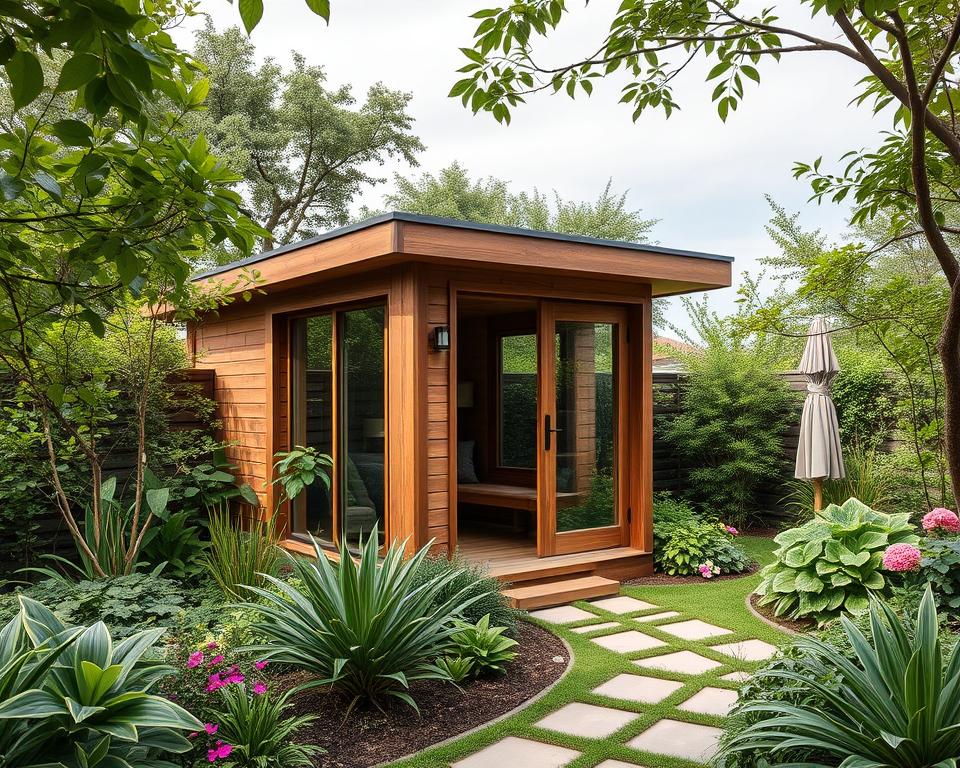
To create an effective custom wooden garden office, it’s essential to balance your professional needs with the available space and your desired architectural style. This balance will ensure that your garden office is not only functional but also complements your home and garden.
Determining the Ideal Size and Layout
When determining the ideal size and layout for your garden office, consider your work requirements, available garden area, and future expansion possibilities. A well-planned layout will enhance productivity and ensure that your office remains comfortable and efficient.
The size of your garden office will depend on the available space in your garden and your specific needs. Measure your garden carefully and consider the placement of your office to maximize natural light and views.
Selecting Architectural Style: Modern vs Traditional
Choosing between a modern or traditional architectural style for your garden office depends on your personal preferences and the style of your home and garden. A modern design can provide a sleek, contemporary look, while a traditional style can blend seamlessly with older homes.
Consider the materials and features that will complement your chosen style. For example, a modern garden office might incorporate large windows and a minimalist aesthetic, while a traditional design might feature more ornate details and classic materials.
Interior Design Considerations for Productivity
The interior design of your garden office plays a crucial role in enhancing productivity. Consider factors such as colour psychology, ergonomics, and spatial arrangement to create a workspace that is both comfortable and efficient.
Select furniture that is ergonomic and comfortable, and consider the layout of your office to ensure a smooth workflow. Incorporating elements of nature, such as plants or a view of the garden, can also boost productivity and well-being.
Incorporating Natural Light and Views
Maximizing natural light and incorporating views of the garden can significantly enhance the ambiance and functionality of your garden office. Consider the placement of windows and doors to optimize natural light and provide pleasant views.
Strategically positioning your garden office to take advantage of natural light can reduce the need for artificial lighting and create a more pleasant work environment.
Planning Permission and Building Regulations
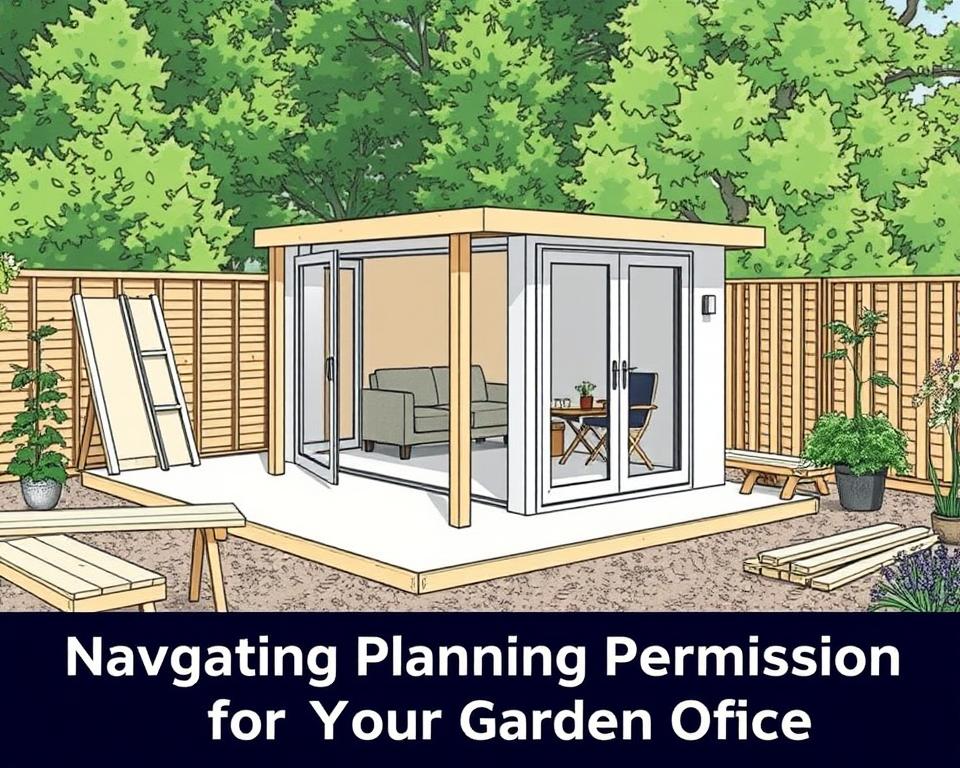
Before constructing your dream garden office, it’s essential to navigate the complex world of planning permission and building regulations in the UK. Typically, you won’t need planning permission for a wooden garden office if it falls within certain guidelines. However, understanding the specifics is crucial to avoid potential legal issues.
When Planning Permission Is Required
Planning permission is required for garden offices under specific circumstances, such as when the building exceeds certain size limitations, is too close to the boundary of your property, or is intended for business use that may impact the local area. It’s vital to check with your local planning authority to determine if your project requires formal approval.
Permitted Development Rights for Garden Buildings
Permitted development rights allow homeowners to build garden offices without formal planning permission, provided they meet specific criteria. These include the size of the building, its height, and its proximity to the property boundary. Understanding these rights can simplify the process of building your garden office.
Building Regulations Compliance
Regardless of planning permission, garden offices must comply with building regulations. This includes ensuring structural integrity, electrical safety, and adequate insulation. Compliance is crucial for the safety and functionality of your garden office.
Conservation Areas and Listed Buildings Considerations
If your property is located in a conservation area or is a listed building, additional restrictions apply. These may limit the type of construction allowed, the materials used, and even the size and design of your garden office. It’s essential to consult with local authorities to understand these restrictions fully.
In conclusion, while many garden offices can be built without planning permission, understanding and complying with building regulations and other legal considerations is essential. By doing so, you can ensure your garden office is both functional and legally sound.
Wooden Garden House as an Office: Your Custom Solution Explained
Your dream garden office is within reach with a custom-designed solution that aligns perfectly with your work style and garden aesthetics. A bespoke garden office can transform your outdoor space into a productive haven tailored to your specific requirements.
What Makes a Custom Solution Different from Off-the-Shelf Options
A custom wooden garden house as an office offers numerous advantages over standard, off-the-shelf garden buildings. The primary difference lies in the ability to tailor every aspect of the structure to your needs, from the size and layout to the materials and finishes.
Unlike pre-fabricated options, a custom solution allows you to incorporate specific features that enhance functionality and comfort. For instance, you can specify the number and size of windows, the type of roofing material, and the insulation standards to suit your climate and work requirements.
Key benefits of a custom garden office include:
- Perfect alignment with your specific work requirements
- Optimal use of your garden space
- Aesthetic harmony with your existing garden and home
- Enhanced functionality through bespoke design features
The Customisation Process: From Concept to Completion
The journey to your ideal garden office begins with a consultation to understand your needs and preferences. Our team of expert designers will then work with you to develop a concept that meets your requirements.
The customisation process involves several stages:
- Initial consultation and concept development
- Design refinement and planning
- Material selection and sourcing
- Construction and installation
- Final inspection and completion
Throughout this process, you will be involved in key decision-making stages to ensure the final product meets your expectations.
“The ability to customise every detail of our garden office has been a game-changer. It now perfectly complements our home and garden while providing a productive workspace.” –
Working with Designers to Create Your Ideal Space
Collaborating with our experienced designers is a crucial part of the customisation process. They will work closely with you to understand your vision and translate it into a practical, beautiful, and functional garden office.
Our designers bring a wealth of knowledge and creativity to the table, ensuring that your garden office is not only aesthetically pleasing but also highly functional.

Case Studies: Successful Custom Garden Office Projects
Our portfolio is filled with successful custom garden office projects that showcase the versatility and potential of bespoke garden buildings.
| Project | Features | Client Feedback |
|---|---|---|
| Project 1: Modern Home Office | Large glazed doors, high-spec insulation, bespoke shelving | “Exceeds our expectations in terms of quality and functionality.” |
| Project 2: Art Studio | Skylights, large work surface, storage for art supplies | “A perfect blend of form and function.” |
| Project 3: Home Gym and Office | Multi-functional space, soundproofing, mirrored walls | “A fantastic space that meets all our needs.” |
These case studies demonstrate the potential of custom garden offices to meet a wide range of needs and preferences.
Types of Wooden Garden Offices Available
The UK market is replete with diverse wooden garden office types, each boasting unique features and benefits. When selecting a wooden garden office, you have a wide range of options to consider, from traditional log cabins to modern structurally insulated panel (SIP) buildings.
Log Cabin Garden Offices
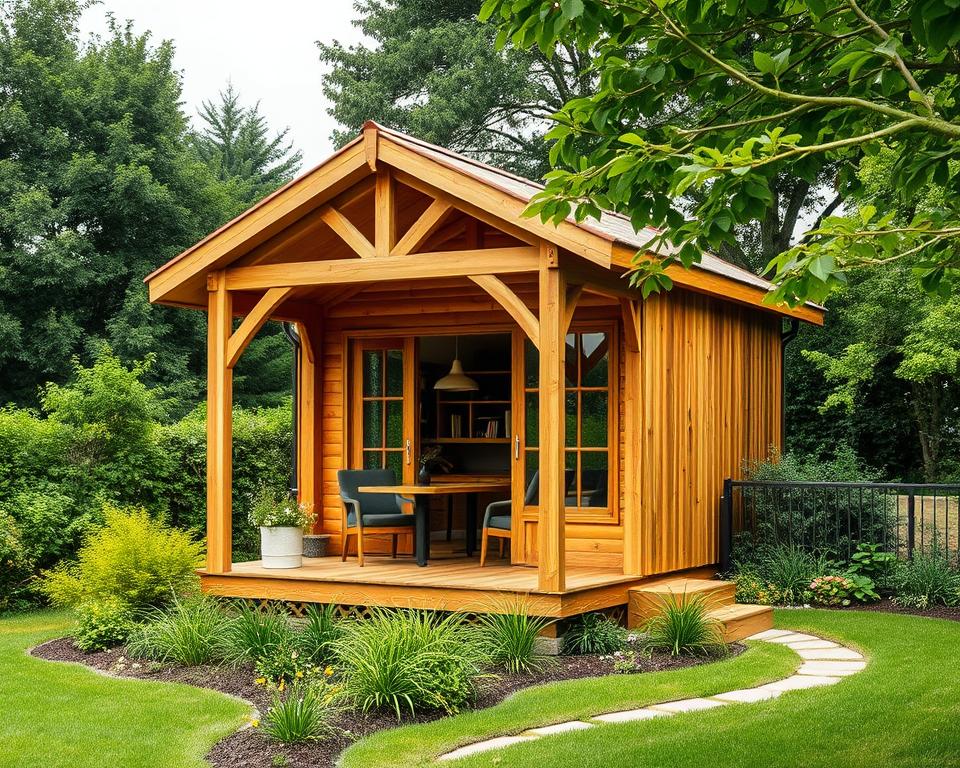
Log cabin garden offices are a popular choice due to their natural aesthetic and rustic charm. These structures are typically constructed using high-quality timber, providing a warm and inviting workspace. The log cabin style is not only visually appealing but also offers good insulation properties when properly treated.
Structurally Insulated Panel (SIP) Garden Rooms
SIP garden rooms represent a more modern approach to garden office construction. These buildings utilize structurally insulated panels, which consist of an insulating layer sandwiched between two structural facings. This technology provides excellent thermal performance, making SIP garden rooms highly energy-efficient and comfortable throughout the year.
Contemporary Flat-Roof Designs
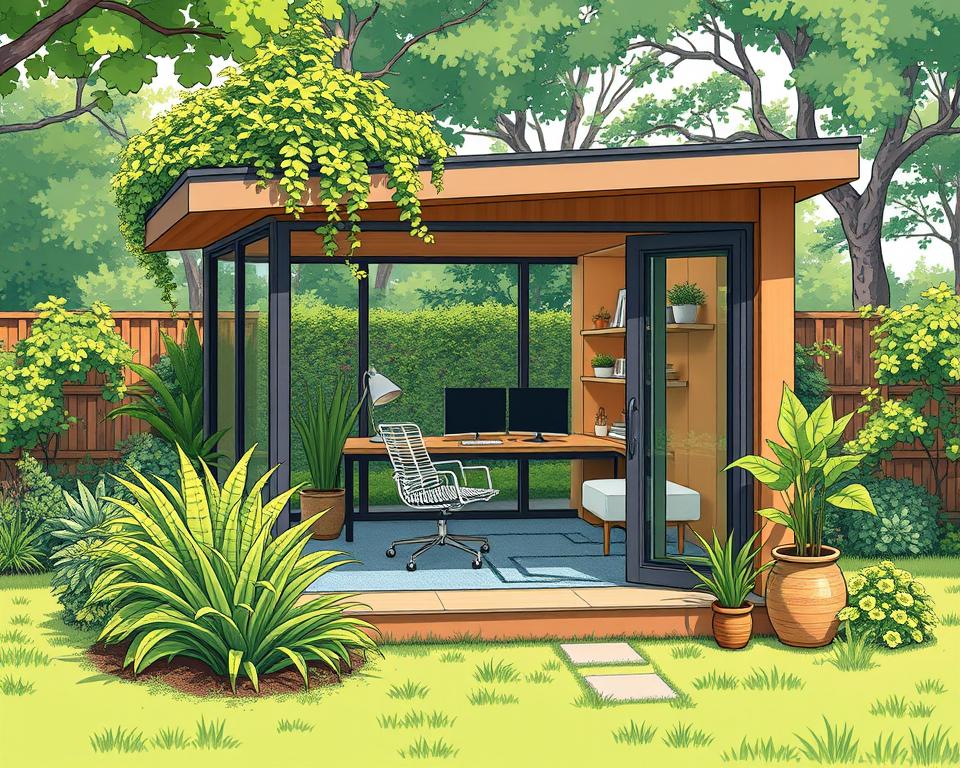
For those who prefer a more contemporary look, flat-roof garden office designs are an excellent option. These modern structures are characterized by their sleek, minimalist appearance and are often associated with urban and modernist architectural styles. Contemporary flat-roof designs can also accommodate green roofs, adding an extra layer of insulation and eco-friendliness.
Traditional Pitched-Roof Styles
Traditional pitched-roof styles remain a timeless choice for garden offices. These classic designs offer a familiar and welcoming appearance, while also providing excellent weather resistance and additional storage space in the roof area. The pitched-roof style is versatile and can be adapted to various architectural themes, from traditional to modern.
In conclusion, the variety of wooden garden offices available in the UK market ensures that there is something to suit every taste and requirement. Whether you opt for a log cabin, SIP garden room, or a contemporary or traditional design, you can create a functional and comfortable workspace that enhances your productivity and complements your garden.
Essential Utilities for Your Garden Office

A garden office is more than just a building; it’s a workspace that requires careful planning, including the installation of essential utilities. To create a fully functional and comfortable space, you’ll need to consider several key elements.
Electrical Requirements and Installation
The electrical requirements for your garden office will depend on the size of the space and the equipment you plan to use. It’s crucial to have a professional installation to ensure safety and compliance with regulations. You’ll need to consider the power capacity needs, safety considerations, and regulatory compliance.
Heating and Cooling Solutions
To maintain a comfortable working environment, you’ll need to consider heating and cooling solutions. Options include underfloor heating, air conditioning units, and energy-efficient alternatives. The choice will depend on your specific needs and the design of your garden office.
Internet Connectivity Options
Reliable internet connectivity is vital for any office. You can choose from hardwired connections, WiFi extenders, mesh networks, or dedicated broadband lines. The best option for you will depend on your specific needs and the layout of your garden and existing infrastructure.
Plumbing Considerations for Added Amenities
If you plan to include amenities such as toilets, sinks, or shower facilities in your garden office, you’ll need to consider plumbing. This may involve connecting to the main sewage system or exploring alternative solutions. Professional advice is essential to ensure that your plumbing meets all necessary regulations and is safe and efficient.
By carefully planning and installing the right utilities, you can create a garden office that is not only functional but also comfortable and productive. Whether you’re working from home or running a business, the right utilities will help you achieve your goals.
Insulation and Climate Control for Year-Round Use
To ensure your garden office remains a pleasant workspace throughout the year, effective insulation and climate control are essential. This involves a comprehensive approach to maintaining a comfortable temperature and air quality, regardless of the external weather conditions.

Wall, Floor, and Roof Insulation Standards
Industry standards for insulation in garden offices dictate the use of high-quality materials that provide optimal thermal performance. Walls, floors, and roofs must be well-insulated to prevent heat loss in winter and heat gain in summer. Residential-grade insulation materials are typically used, with 90mm insulation being a common specification for premium garden offices.
The choice of insulation material and its installation technique significantly impacts the overall energy efficiency of the garden office. Proper insulation ensures that your workspace remains comfortable and reduces the need for additional heating or cooling.
Double Glazing and Thermal Efficiency
Double glazing is a critical component in enhancing the thermal efficiency of your garden office. By using argon-filled double-glazed windows and doors, you can significantly reduce heat transfer and minimize energy loss. This not only makes your garden office more comfortable but also reduces your energy bills.
The frame materials used for double glazing, such as uPVC or timber, also play a role in the overall thermal efficiency. Choosing frames with low thermal conductivity can further enhance the energy efficiency of your garden office.
Heating Options: Underfloor, Panel, and Air Conditioning
Various heating options are available for garden offices, each with its advantages. Underfloor heating provides a comfortable and consistent heat, while panel heaters offer a more straightforward and cost-effective solution. For warmer months, air conditioning units can be installed to maintain a cool and comfortable workspace.
The choice of heating system depends on your specific needs and the design of your garden office. It’s essential to consider factors such as energy efficiency, cost, and the overall aesthetic you wish to achieve.
Ventilation and Air Quality Considerations
Adequate ventilation is crucial in maintaining good air quality within your garden office. This can be achieved through a combination of natural ventilation strategies and mechanical systems. Proper ventilation helps prevent condensation issues and ensures a healthy working environment.
When designing your garden office, it’s essential to consider how you will achieve good ventilation. This might involve incorporating windows that can be opened, installing vents, or using mechanical ventilation systems.
Materials and Construction Quality
To ensure your garden office is both durable and visually appealing, it’s essential to focus on the materials and construction quality. The choice of materials and the method of construction significantly impact the overall performance, longevity, and aesthetic appeal of your garden office.
Timber Types and Their Properties
The type of timber used for your garden office is crucial. Different timbers have varying properties, such as durability, resistance to rot and insects, and aesthetic appeal. Commonly used timbers include Western Red Cedar, known for its natural resistance to decay, and Siberian Larch, which offers high durability. The choice of timber affects not only the appearance but also the maintenance requirements and lifespan of your garden office.
| Timber Type | Durability | Maintenance | Aesthetic Appeal |
|---|---|---|---|
| Western Red Cedar | High | Low | Natural, rustic |
| Siberian Larch | Very High | Low | Robust, durable |
| Oak | High | Moderate | Classic, traditional |
Treatment and Preservation Methods
Proper treatment and preservation of timber are vital to protect your garden office from rot, insect infestation, and weathering. Techniques such as pressure treatment and the application of wood preservatives can significantly extend the lifespan of your garden office. We use environmentally friendly treatment methods to ensure the longevity of our structures while minimizing environmental impact.
Structural Integrity and Longevity
Ensuring the structural integrity of your garden office is paramount. This involves using high-quality materials and adhering to rigorous construction standards. Our garden offices are built to TRADA standards, ensuring they are sturdy and durable. Additionally, our structures come with a 10-year guarantee covering rot, decay, and structural integrity, providing you with peace of mind.
Sustainability and Environmental Considerations
We take our environmental responsibilities seriously. All our timber is FSC certified, sourced from sustainable forest programs. For every building installed, we commit to planting a tree through our charity partner, One Tree Planted. This approach not only reduces our carbon footprint but also contributes to reforestation efforts.

The Installation Process Explained

The journey to creating your ideal garden office begins with understanding the installation process. A successful installation requires careful planning, from preparing the site to adding the finishing touches.
Before the installation can commence, the site must be prepared, and a suitable foundation must be laid. This critical step ensures the stability and longevity of your garden office.
Site Preparation and Foundation Options
Site preparation involves clearing the area and assessing the ground conditions. The choice of foundation depends on the soil type, building design, and personal preference. Common foundation options include concrete bases, ground screws, and pile foundations.
A concrete base is a traditional and robust option, providing a solid foundation for most garden offices. Ground screws offer a quicker and less invasive alternative, suitable for many soil types. Pile foundations are ideal for larger or heavier structures.
Delivery and Assembly Timeline
The delivery and assembly timeline varies depending on the size and complexity of the garden office. Typically, a medium-sized standard garden room (5mx3.5m) takes approximately 2-3 weeks to install.
The assembly process involves skilled labour and specialized tools. The installation team will undertake a site survey before commencing work to determine the best approach.
Professional vs DIY Installation
While DIY installation is possible, it is often more practical to opt for professional installation services. Professionals have the necessary skills, tools, and experience to complete the job efficiently and to a high standard.
Professional installation also ensures compliance with building regulations and maintains the warranty on the garden office.
Post-Installation Finishing Touches
Once the garden office is installed, the final step is to add the finishing touches. This includes exterior treatments, interior decorating, utility connections, and landscaping integration.
These finishing touches not only enhance the appearance of your garden office but also improve its functionality and comfort.
Cost Considerations for Custom Garden Offices
Investing in a custom garden office requires a thorough understanding of the costs involved to ensure you get the best value for your money. The total cost of your garden office will depend on several factors, including size, materials, and features.
Price Ranges Based on Size and Specification
The price of a custom garden office can vary significantly based on its size and specification. For instance, a basic garden office pod can start from less than £2,000, while a luxury garden room can average around £40,000. Understanding your needs and budget will help you navigate the options available.
Additional Costs: Foundations, Utilities, and Furnishings
Beyond the initial cost of the garden office itself, there are additional expenses to consider. These include the cost of foundations, utility connections such as electricity and internet, and interior furnishings. Ensuring your garden office is well-founded and equipped can add to the overall cost but enhances its functionality and longevity.
Financing Options and Payment Plans
To make your custom garden office more accessible, various financing options and payment plans are available. Some providers offer staged payment structures, where you pay a deposit followed by further payments at different stages of the project. Additionally, home improvement loans and business financing options can be explored for professional uses.
Return on Investment Analysis
Investing in a custom garden office can yield significant returns, both in terms of property value increase and potential business tax benefits. Moreover, having a dedicated workspace at home can save on commuting costs and commercial office rental. Evaluating the return on investment can help justify the initial expenditure.
Maintaining Your Wooden Garden Office
Keeping your wooden garden office in top condition involves a combination of regular inspections and seasonal maintenance tasks. To ensure it remains a functional and enjoyable space, you need to be proactive about its upkeep.
Seasonal Tasks for Year-Round Condition
Different seasons bring different challenges for your garden office. In spring, inspect the structure for any damage caused by winter weather. Summer is ideal for applying protective treatments to the timber. Autumn is the time to clear gutters and ensure drainage is not blocked. In winter, check for any signs of moisture damage and ensure your heating system is working efficiently.
Regular seasonal checks will help prevent minor issues from becoming major problems. For instance, ensuring that your garden office is well-insulated and dry during the winter months can significantly extend its lifespan.
Protecting the Timber Exterior
Treating and protecting the timber exterior of your garden office is crucial. You can use various products such as stains, paints, oils, and preservatives. It’s recommended to treat your timber garden room with a wood preserver every 2-3 years to keep it looking its best.

Interior Care and Maintenance
Interior maintenance is just as important as exterior care. Regular cleaning, controlling moisture levels, and periodic inspections of utilities and fixtures are essential. Ensure that any electrical installations are safe and functioning correctly.
Extending the Lifespan
By following the maintenance tips outlined above, you can significantly extend the lifespan of your garden building. Our garden rooms come with a 10-year structural guarantee, and with proper care, they can last up to 30 years or more.
| Maintenance Task | Frequency | Benefit |
|---|---|---|
| Inspect for damage | Spring | Identify and fix issues early |
| Apply protective treatments | Summer | Protect timber from weathering |
| Clear gutters | Autumn | Ensure proper drainage |
| Check for moisture damage | Winter | Prevent structural damage |
Furnishing and Equipping Your Garden Office
The right furnishings and equipment can transform your garden office into a productive workspace that meets your needs. To achieve this, you must carefully consider several key elements.

Ergonomic Office Furniture Essentials
Investing in ergonomic office furniture is crucial for comfort and productivity. Adjustable desks and supportive chairs are essential components, allowing you to work for extended periods without fatigue. Proper lighting solutions, such as desk lamps, can also reduce eye strain and improve overall well-being.
Storage Solutions for Limited Space
Effective storage is vital in maintaining an organized and clutter-free garden office, especially when space is limited. Consider incorporating multi-functional furniture with built-in storage, such as desks with drawers or shelving units that maximise vertical space.
Technology Setup and Connectivity
A well-planned technology setup is critical for a functional garden office. Ensure your computer is positioned for optimal comfort, and invest in a reliable cable management system to keep your workspace tidy. Consider your network equipment and power supply needs to maintain seamless connectivity.
Decorative Elements for a Productive Environment
The aesthetic appeal of your garden office can significantly impact your productivity. Incorporate colour schemes and artwork that inspire creativity, and consider adding plants or natural elements to enhance the ambiance and foster a productive environment.
Transforming Your Garden Office for Multiple Uses
Your garden office can be more than just a workspace; it can be a versatile space that adapts to your needs. By incorporating flexible design elements, you can create a garden office that serves multiple purposes, enhancing its value and usability.

Dual-Purpose Spaces: Office by Day, Entertainment by Night
Designing your garden office to be a dual-purpose space allows you to maximize its utility. By day, it can function as a professional office, and by night, it can transform into an entertainment area for relaxation or socializing. Consider incorporating elements like comfortable seating, ambient lighting, and sound systems to facilitate this transition.
To achieve a seamless transition, you can use modular furniture that serves multiple purposes, such as a desk that converts into a dining table or a sofa bed for guests. This approach not only enhances the functionality of your garden office but also makes it a welcoming space for family and friends.
Accommodating Clients and Meetings
When using your garden office for professional purposes, it’s essential to create a space that is conducive to client meetings. Ensure that your garden office has a professional appearance, with adequate seating and presentation facilities. Consider incorporating technology like video conferencing equipment and smartboards to enhance your meeting capabilities.
A well-designed garden office can also help you make a positive impression on clients. Pay attention to details like interior design, lighting, and comfort to create a welcoming atmosphere that reflects your professional brand.
Creating a Multi-Functional Family Space
A garden office can also serve as a multi-functional family space, accommodating various activities beyond work. You can design the space to include areas for children’s activities, hobby zones, or general family use. This can be achieved by incorporating flexible furniture and storage solutions that cater to different needs.
By creating a multi-functional family space, you can ensure that your garden office remains a valuable and utilized part of your home, even when not in use for work. This approach can also help to justify the investment in your garden office, making it a worthwhile addition to your property.
Future-Proofing Your Investment
To ensure that your garden office remains relevant and useful over time, it’s crucial to consider future-proofing strategies. This can involve incorporating adaptable designs and modular elements that can be easily modified or expanded as your needs evolve.
By future-proofing your garden office, you can protect your investment and ensure that it continues to meet your needs, whether personal or professional. This forward-thinking approach can help you maximize the value of your garden office and enjoy a long-term return on your investment.
Conclusion: Embracing the Garden Office Lifestyle
Embracing the garden office lifestyle is more than just a trend; it’s a revolutionary approach to redefining your work-life balance. As you’ve discovered throughout this article, a wooden garden house can serve as a custom office solution that not only enhances your productivity but also improves your overall quality of life.
A wooden garden office offers a unique opportunity to create a dedicated workspace that is separate from your home, yet still within the comfort of your own property. This separation is key to achieving a better balance between your professional and personal life. By working in a garden office, you can eliminate the daily commute, reduce your carbon footprint, and enjoy a more peaceful work environment.
The benefits of adopting the garden office lifestyle are multifaceted. Not only can it enhance your productivity and add value to your property, but it also allows you to reconnect with nature and improve your overall wellbeing. The garden office represents a fundamental shift in our approach to work, blending professional excellence with environmental connection and personal wellbeing.
As more professionals across the UK embrace this lifestyle, a growing community of garden office users is redefining success through more balanced, sustainable, and fulfilling work practices. By joining this community, you can be part of a movement that prioritizes not just productivity, but also happiness and environmental sustainability.
If you’re considering making the transition to a garden office, now is the time to start planning. Envision your ideal workspace and begin exploring the possibilities. Whether you’re looking to create a simple office or a multi-functional space that accommodates both work and leisure, a custom wooden garden office can be tailored to meet your needs.
In conclusion, the garden office lifestyle offers a compelling solution for those seeking to improve their work-life balance and create a more sustainable, productive work environment. By embracing this approach, you can revolutionize your work routine, enhance your wellbeing, and enjoy a better quality of life.
FAQ
Do I need planning permission to build a garden office?
In most cases, you don’t need planning permission if your garden office meets certain conditions, such as being within the boundary of your property and not exceeding a certain height. However, it’s essential to check with your local authority to determine if your project requires permission.
How long does it take to install a garden office?
The installation time for a garden office varies depending on the size and complexity of the project. Typically, it can take anywhere from a few days to several weeks. Factors such as site preparation, foundation work, and weather conditions can impact the overall timeline.
What type of insulation is used in garden offices?
Garden offices can be insulated with various materials, including foam board, fibreglass, or Structurally Insulated Panels (SIPs). The choice of insulation depends on factors such as climate, budget, and desired level of energy efficiency.
Can I use my garden office year-round?
Yes, you can use your garden office year-round if it’s properly insulated and equipped with heating and cooling solutions. This will ensure a comfortable working environment regardless of the outside weather.
How do I ensure my garden office is secure?
To secure your garden office, consider installing robust locks on doors and windows, investing in a security system, and using durable materials for construction. You should also ensure that your garden office is well-lit and visible from your main house.
What are the benefits of using timber for my garden office?
Timber is a popular choice for garden offices due to its natural aesthetic, durability, and sustainability. It can be sourced from environmentally responsible suppliers, and when properly treated, it can withstand various weather conditions.
Can I customise the design of my garden office?
Yes, you can customise the design of your garden office to suit your specific needs and preferences. This may involve working with a designer or architect to create a bespoke design that incorporates your desired features and layout.
How do I connect my garden office to utilities such as electricity and internet?
You can connect your garden office to utilities by running cables from your main house or by installing separate services. It’s recommended that you consult with professionals to ensure safe and compliant installations.

