
Wooden Sheds FAQs: Your Questions Answered
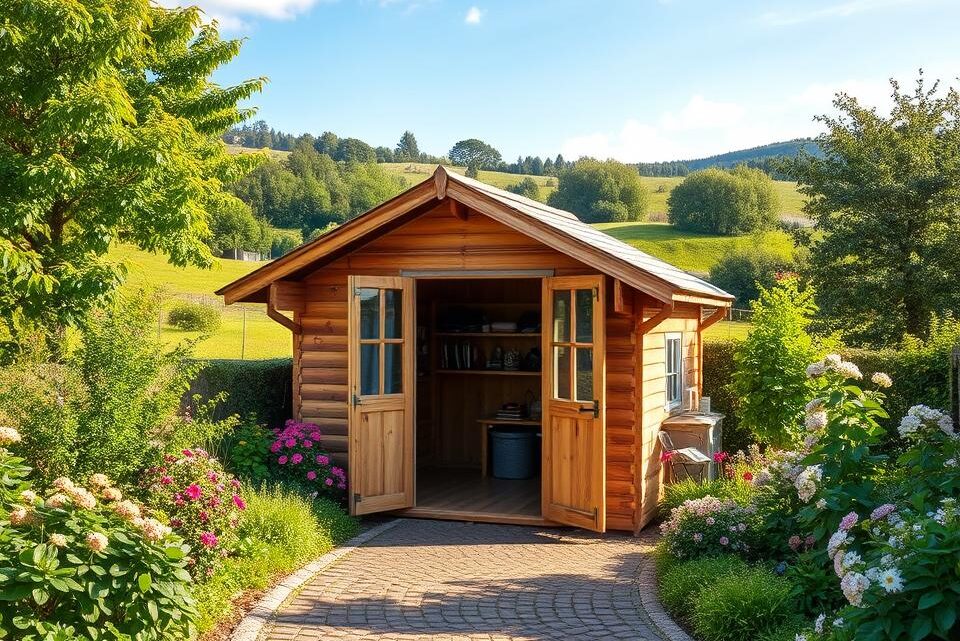
For many homeowners across the United Kingdom, a garden storage building is an essential feature of their outdoor space. This comprehensive guide addresses the most frequently asked questions surrounding these classic structures. It provides expert answers to help you make the most of your investment.
These timeless buildings offer a natural aesthetic that complements any garden. Beyond simple storage, they protect valuable tools from the weather and can be adapted into workshops or hobby rooms. Their importance in creating a tidy and functional outdoor area is significant.
Whether you are planning a first purchase or maintaining an existing one, this resource gathers authoritative information. It covers material choices, construction tips, and essential maintenance schedules. The advice reflects current UK regulations and best practices for security and longevity.
Inhaltsverzeichnis
Key Takeaways
- This guide offers expert answers to common queries about traditional garden storage.
- These structures provide versatile solutions beyond basic equipment storage.
- Proper selection and upkeep are crucial for protecting your investment.
- The information provided aligns with current UK planning and safety regulations.
- Practical advice covers everything from initial purchase to long-term maintenance.
- Understanding your options helps maximise the functionality of your outdoor space.
Overview of Wooden Sheds in the United Kingdom
The landscape of British gardens is often defined by these practical structures. They serve as essential components of outdoor living spaces across the country.
Understanding the Classic Appeal of Wooden Sheds
These traditional buildings offer a natural aesthetic that blends beautifully with garden environments. Their timeless design complements both contemporary and period properties. The material’s versatility allows for customisation through stains and paints.
Many homeowners appreciate how these structures mature gracefully over time. They develop character that synthetic alternatives cannot replicate. This aging process adds to their charm and integration with outdoor spaces.
Benefits of Wooden Sheds for Garden Storage
These garden buildings provide exceptional storage solutions for tools and equipment. They help maintain organised outdoor areas by containing clutter effectively. Proper storage protects valuable items from weather damage.
The available size options cater to various garden dimensions and needs. Compact 6’x4′ models suit smaller spaces beautifully. Larger 8’x6′ versions accommodate more substantial storage requirements.
For those needing workspace, dimensions like 8’x10′ offer generous room. It’s wise to select the largest shed that fits your budget and available space. Experience shows that homeowners consistently utilise all available storage capacity over time.
Wooden Sheds FAQs: Materials, Maintenance and Treatments
Material choices significantly impact the longevity and performance of outdoor buildings. The selection process involves balancing cost, durability, and maintenance requirements.

The Best Types of Wood for Shed Construction
Cedar represents a premium choice for garden structures. This wood type offers natural resistance to rot through inherent oils.
Western Red Cedar provides exceptional durability without artificial preservatives. Its fibres contain natural oils that prevent decay. The timber maintains stability despite temperature changes.
Redwood shares similar characteristics with cedar. Both options deliver attractive appearances but command higher prices.
Pressure-Treated Timber vs Naturally Resistant Options
Pressure treatment involves forcing preservatives deep into the wood. This process creates long-lasting protection against rot and insects.
Pine treated through this method offers an affordable alternative. The treatment penetrates below the surface rather than just coating it.
This approach eliminates the need for further preservative applications. The resulting timber displays a slight green tint from copper content.
Effective Maintenance and Preservative Techniques
Proper maintenance forms the foundation for preserving the integrity of any outdoor storage structure over time. Implementing a systematic approach to care ensures these buildings withstand seasonal challenges effectively. This section outlines essential preservation methods.
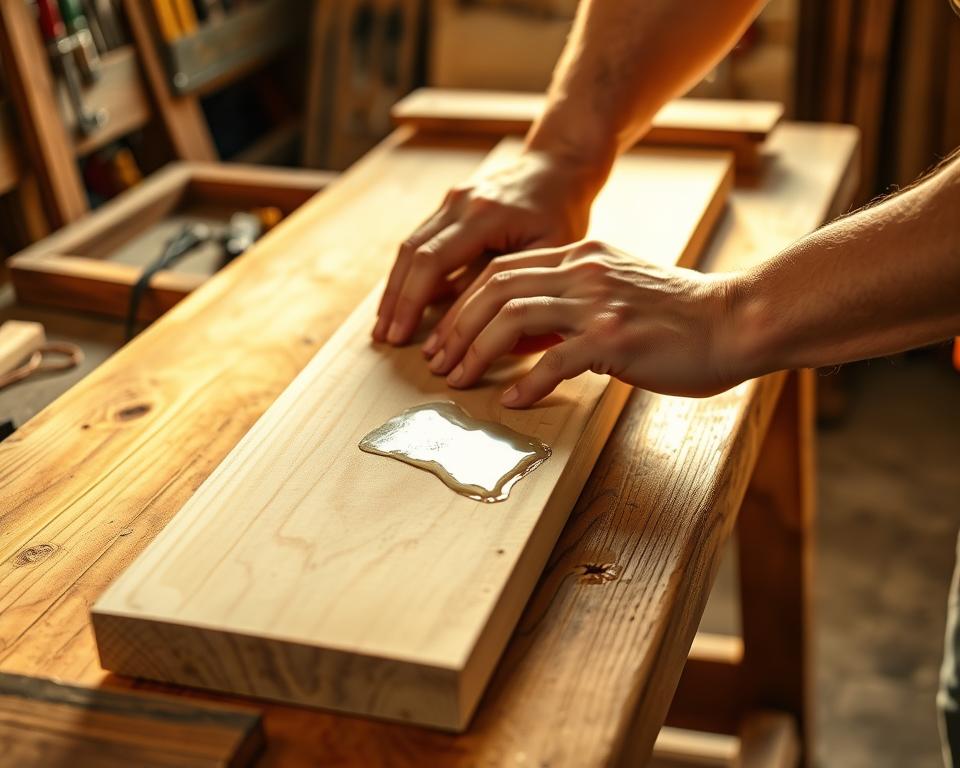
Regular Cleaning and Wood Preservative Applications
Seasonal cleaning is crucial for timber structures. Homeowners should inspect all surfaces every few months. Look for signs of damage or moisture penetration.
Apply a quality wood preservative after cleaning. This treatment protects against mould, algae, and insect attack. For comprehensive protection, use a wax-free preservative followed by an oil-based top coat.
Structures made from cedar or pressure-treated timber require less frequent treatment. However, annual inspection remains important. Untreated timber will gradually develop a silvery patina.
Tips for Preventing Rot, Pests and Decay
Prevention starts with proper ventilation and drainage. Ensure gutters remain clear of debris. Repair damaged roofing materials promptly.
For buildings approximately six months old without treatment, act quickly. Even without visible signs, spores may have established in the timber grain. Clean thoroughly before applying preservative.
Regular maintenance prevents costly repairs. Addressing minor issues early preserves the building’s structural integrity. Consistent care extends the functional lifespan significantly.
Enhancing Lifespan with Painting, Waterproofing and Finishing
Proper finishing techniques serve as the final defence against weathering and decay. These surface treatments significantly extend the functional life of garden structures. They provide essential protection from moisture and sunlight damage.

High-quality exterior paint designed for timber offers excellent protection. It creates a durable barrier against the elements. Always ensure surfaces are clean before application.
Choosing the Right Wood Preservative and Finish
Exterior wood oils provide an attractive alternative to traditional paint. These treatments penetrate deeply into the timber grain. They maintain wood suppleness while offering protection.
The colour selection should complement your garden’s aesthetic. Many products offer UV resistance to prevent fading. Some formulations include mould and algae inhibitors.
Wax-free wood preservers offer maximum compatibility with top coats. They accept water-based paints, stains, and varnishes without issues. This provides flexibility for future maintenance.
Apply at least two coats for optimal coverage and durability. Use quality brushes for even application. Regular re-treatment maintains protection over time.
Planning, Installation and Security Considerations
Before installing a garden storage building, understanding the legal and safety aspects is crucial. This ensures the structure is compliant and secure.
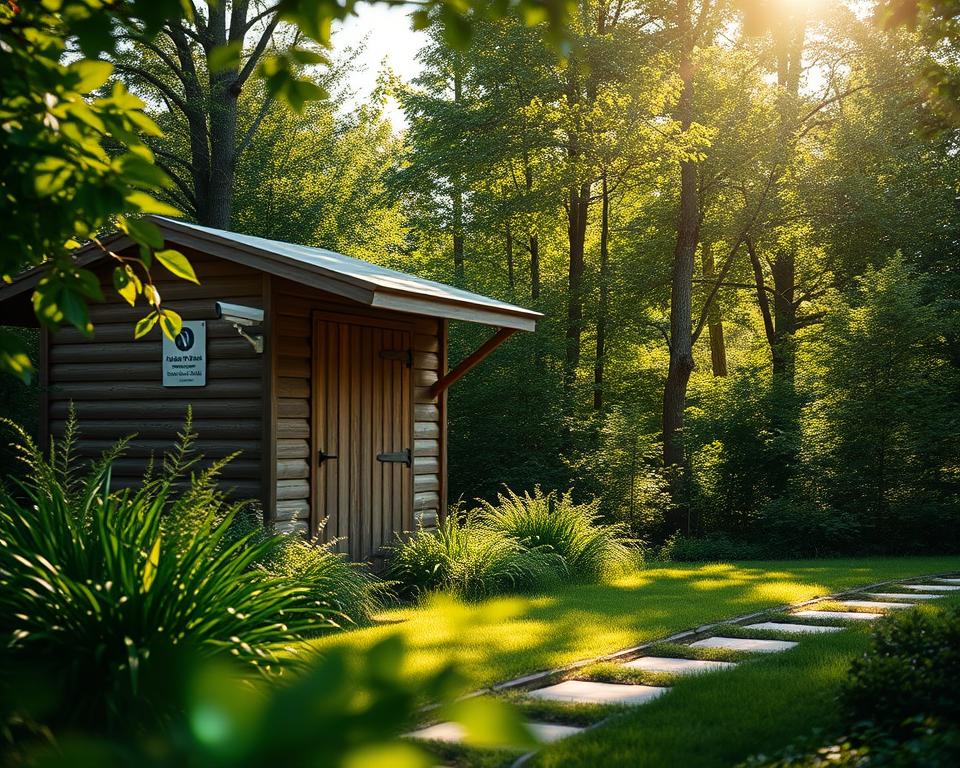
Proper planning prevents future issues with authorities. It also protects your belongings from theft.
Understanding Planning Permission and Building Regulations in the UK
In the UK, many garden structures fall under Permitted Development rights. This means formal planning permission is often not needed. However, specific rules must be followed.
The structure must not cover more than 50% of the garden area. Its height should not exceed 2.5 metres at the highest point. Placement must be more than 2 metres from any boundary.
Planning permission is required for larger projects. This includes any building over 3 metres high with a pent roof, or 4 metres high with an apex roof. Structures nearer to a public highway than the house also need approval.
For a shed with an internal floor area exceeding 30 square metres, building regulations apply. This ensures structural safety. Always seek advice from your local planning department for specific advice.
Securing Your Garden Building: Locks, Hinges and Alarm Systems
Protecting your storage solution is essential. A multi-layered approach to security is most effective.
Start with high-quality physical barriers. Fit a robust lock to the door. Ensure its fittings are bolted through the door and reinforced with a steel plate.
Hinges are a common weak point. Replace standard screws with non-return screws or coach bolts. Strap hinges secured by coach bolts offer superior security.
Windows and vents should be secured with locks or bars. Installing an anchor point inside allows valuable items to be chained securely.
Consider adding deterrents like battery-powered alarms or motion-activated lights. Marking property with your postcode can also aid recovery.
| Aspect | Permitted Development | Requires Planning Permission |
|---|---|---|
| Height | Up to 2.5 metres | Over 2.5 metres (or 3m/4m depending on roof) |
| Garden Coverage | Up to 50% of total area | Over 50% of total garden area |
| Distance from Boundary | More than 2 metres away | Within 2 metres (if over 2.5m high) |
| Location | Rear or back garden | Forward of the original dwelling |
Customisation and Alternative Uses for Wooden Sheds
Custom design features enable homeowners to create unique outdoor spaces matching specific requirements. Manufacturers offer extensive modifications beyond standard configurations.
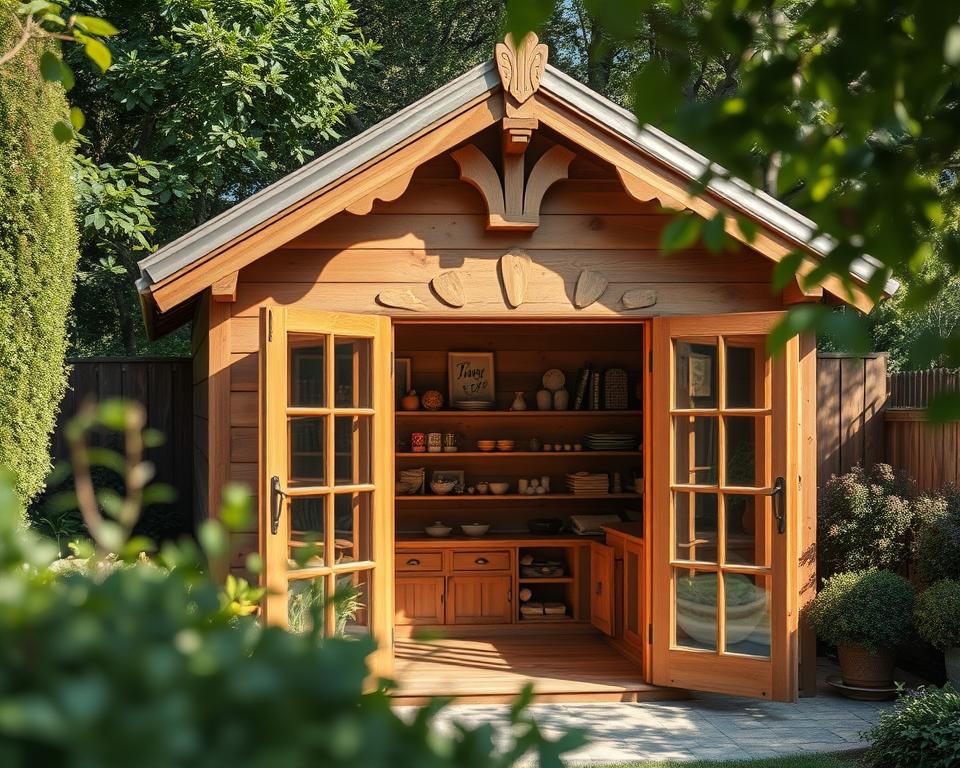
The range of personalisation options includes additional windows, alternative door styles, and internal partitions. These adaptations transform basic structures into tailored solutions.
Custom Design Options and Additions
Cladding profiles significantly influence both appearance and performance. Traditional shiplap features interlocking boards that promote quick water drainage.
Loglap presents a popular alternative with rounded profiles creating cabin-style aesthetics. Both options ensure timber remains dry, extending building lifespan.
| Feature | Shiplap Cladding | Loglap Cladding |
|---|---|---|
| Profile Style | Flat, overlapping boards | Rounded log-effect boards |
| Water Drainage | Excellent rapid drainage | Excellent rapid drainage |
| Visual Appeal | Traditional garden aesthetic | Modern cabin appearance |
Transforming a Shed for Workshops or Home Offices
These structures serve diverse purposes beyond storage. Many homeowners convert them into functional workshops or peaceful home offices.
Successful conversion requires careful space planning and insulation installation. Electrical provisions enable tool operation and comfortable working conditions.
The versatility makes these buildings valuable long-term investments. They adapt alongside changing household needs throughout their lifespan.
Expert Advice on Electricity, Insulation and Installation
Adding modern comforts to a garden building requires careful planning. This involves integrating electrical systems and improving thermal performance. Both tasks demand attention to detail and a strong focus on safety.

Guidelines for Safe Electrical Installations and Insulation
While running power to a garden structure may seem simple, it is a job for professionals. Consulting a qualified electrician is essential. Since 1st January 2005, all electrical work must meet IEE wiring regulations and BS 7671 standards.
Notifiable work must be reported to the local building control or handled by a Part P approved operator. An electrician will assess the building’s specific electrical needs. They ensure the installation is compliant and safe, securing necessary permits.
Insulation transforms a basic storage space into a comfortable, year-round room. Inexpensive materials like polystyrene or fibreglass fit easily between timber framing. Cross battens hold the insulation in place and support interior linings.
Popular lining choices include wood-effect wallboard, plywood, or tongued and grooved cladding. The selection depends on budget and desired aesthetics. This upgrade makes the space ideal for use as a workshop or home office.
For the physical installation, even large structures are manageable with basic tools. Essential items include a hammer, screwdriver, power drill, and spirit level. An adjustable spanner, knife, stepladder, and safety goggles are also needed.
Always wear good quality gloves, especially when handling glass. Never lift heavy sections alone. Spending extra time to prepare a solid, level base saves considerable effort later. This careful preparation ensures a stable and secure installation.
Following this advice ensures the electricity supply is safe and the building is well insulated. Proper safety measures protect both the user and the timber structure. A well-executed project enhances the building’s functionality and value for years to come.
Conclusion
The journey from initial planning to long-term ownership of a garden building involves numerous decisions that collectively determine its success. A well-constructed timber structure can deliver over two decades of reliable service when proper maintenance practices are followed.
Cost considerations vary significantly based on size, materials, and features. Basic models start around £300-£400, while larger sheds or premium options can exceed £1000. Installation time ranges from one weekend for simple structures to longer periods for complex designs.
Proper site preparation is essential, with adequate space around shed perimeters facilitating access. A solid, level base ensures stability, while anchoring systems prevent displacement during strong winds. Environmental options include sustainably sourced materials and eco-friendly treatments.
Investing time in understanding these aspects enables confident decisions. The result is a durable, functional addition that enhances property value and outdoor utility for years to come.
FAQ
Do I need planning permission for a garden shed?
In most cases, you do not need planning permission for a typical garden shed. It is often considered a permitted development. However, there are important restrictions. The structure should not cover more than 50% of the garden area, and if it is situated within 2 metres of a property boundary, the maximum height is 2.5 metres. For larger sheds or those intended for non-domestic purposes, it is always best to consult your local planning department.
What is the best base for a timber shed?
A solid, level base is crucial for the longevity of your shed. Concrete slabs or a poured concrete foundation are excellent choices as they provide stability and prevent moisture from seeping into the timber. Ensuring the base is perfectly level will make installation easier and help the building last for many years.
How often should I treat my wooden shed?
It is recommended to apply a wood preservative or protective stain every one to two years. The exact frequency depends on the type of treatment used and the exposure of the shed to the elements. Regular maintenance, including cleaning the surface before reapplication, will significantly extend the life of the structure.
What is pressure-treated timber?
Pressure treatment is a process where preservative is forced deep into the wood fibres under high pressure. This provides long-lasting protection against rot and insect attack, making it a popular and durable choice for shed construction. It is an effective way to enhance the timber’s natural resistance.
Can I install electricity in my garden shed?
Yes, but for safety and compliance with building regulations, any electrical installation must be carried out by a qualified, certified electrician. They will ensure the wiring is suitable for external use and that all necessary safety measures, such as a separate consumer unit, are correctly installed.
How can I improve the security of my shed?
To deter theft, fit high-quality locks and robust hinges. Consider adding a shed alarm, which is a cost-effective security measure. For additional safety, anchor the building to its base. Keeping valuable items out of sight and ensuring the area around the shed is well-lit also helps.
What type of wood preservative or finish should I use?
The choice depends on the desired look and level of protection. A clear preservative protects the wood while allowing its natural grain to show. Stains and paints add colour and provide a waterproofing layer. For the best results, choose products specifically designed for exterior timber and follow the manufacturer’s application advice.

