How to Insulate a Log Cabin
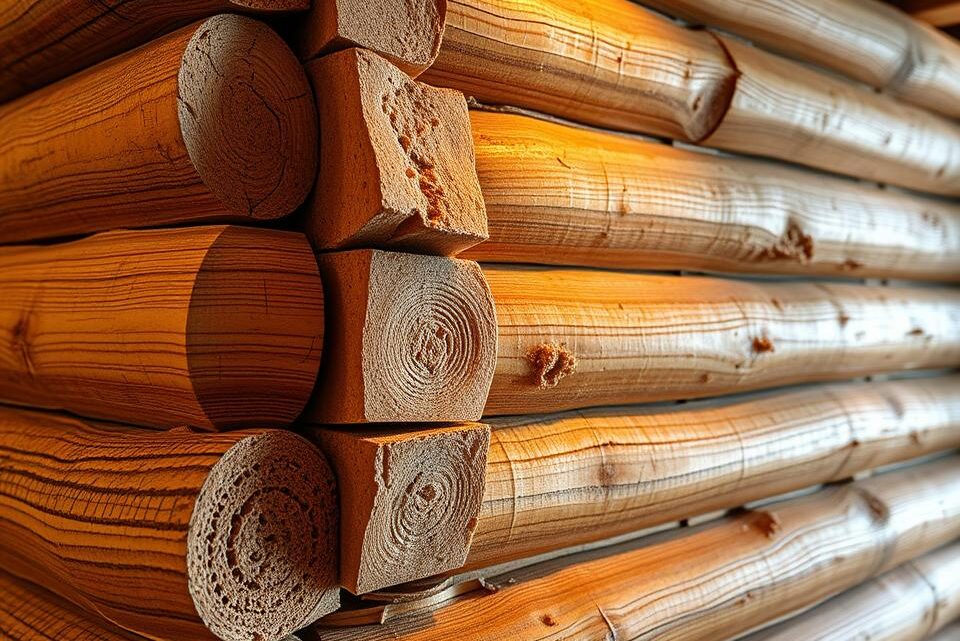
Keeping your timber home warm and cosy throughout Britain’s unpredictable weather requires proper planning and the right approach. Log cabin insulation presents unique challenges that differ significantly from conventional brick homes. Natural wood movement, moisture management, and maintaining the rustic charm whilst achieving excellent thermal performance demands careful consideration.
British winters can be particularly harsh on timber structures. Without adequate insulation, your energy bills will soar whilst comfort levels plummet. The good news is that modern insulation techniques can transform even the draughtiest cabin into an energy-efficient haven.
This comprehensive guide walks you through proven methods that work brilliantly in the UK climate. You’ll discover practical solutions for common problems like thermal bridging, condensation control, and achieving consistent temperatures year-round. No prior experience necessary – we’ll cover everything from material selection through to professional installation tips.
Inhaltsverzeichnis
Key Takeaways
- Proper insulation reduces energy costs by up to 40% in timber homes
- Moisture management is crucial for preventing rot and maintaining structural integrity
- British climate requires specific insulation approaches different from continental methods
- Natural settling of logs creates unique thermal bridging challenges
- Modern materials can preserve rustic aesthetics whilst improving efficiency
- Professional assessment helps identify problem areas before starting work
Understanding Log Cabin Insulation Requirements
The distinctive construction of log cabins creates particular insulation demands that differ significantly from traditional British homes. These timber structures require specialised approaches to maintain comfortable indoor temperatures whilst managing the unique challenges posed by natural wood construction.
Why Log Cabins Need Specialised Insulation
Log walls naturally expand and contract with temperature fluctuations, creating gaps that allow heat to escape. Unlike brick or block construction, timber moves continuously throughout the seasons.
These movements create thermal bridges where cold transfers directly through the wood. Standard insulation methods often fail because they don’t account for this natural movement of timber structures.
UK Climate Considerations and Challenges
Britain’s damp climate presents additional complications for UK log cabins. Persistent moisture can penetrate gaps between logs, leading to structural issues if not properly managed.
The combination of frequent rainfall and temperature variations means your insulation system must handle both thermal performance and moisture control. Winter condensation poses particular risks in poorly insulated log structures.
Energy Efficiency and Cost Benefits
Proper insulation delivers substantial financial returns through reduced heating costs. Many log cabin owners achieve 30-50% reductions in their energy bills after implementing effective insulation strategies.
Beyond immediate savings, improved energy efficiency increases your property’s value whilst reducing environmental impact. The investment typically pays for itself within 3-5 years through lower heating expenses.
| Insulation Benefit | Typical Improvement | Annual Savings | Payback Period |
|---|---|---|---|
| Wall Insulation | 25-35% heat loss reduction | £300-500 | 4-6 years |
| Roof Insulation | 20-30% heat loss reduction | £250-400 | 3-5 years |
| Floor Insulation | 15-25% heat loss reduction | £200-350 | 5-7 years |
| Complete System | 40-60% total improvement | £600-1000 | 4-6 years |
Assessing Your Log Cabin’s Insulation Needs
Understanding where your log cabin loses heat is the crucial first step towards effective insulation improvements. A thorough assessment reveals exactly which areas need attention most urgently. This evaluation process saves both time and money by targeting your efforts where they’ll have the greatest impact.
Start by walking around your cabin on a cold day. Feel for temperature differences and note any obvious problem areas. This initial survey gives you a baseline understanding before moving to more detailed checks.
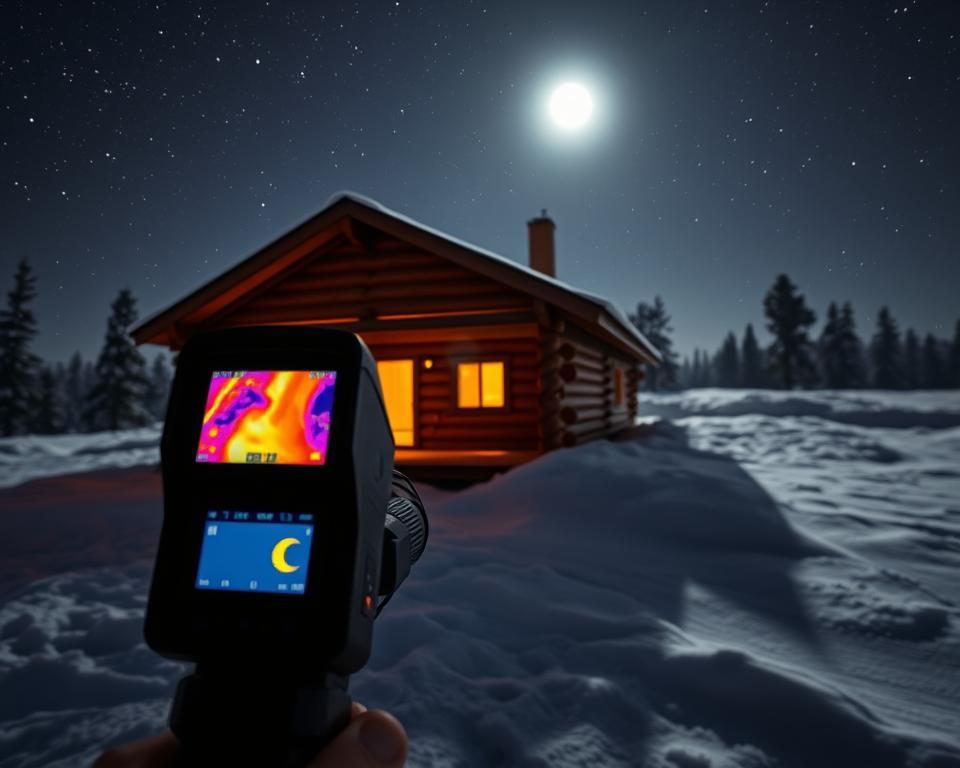
Identifying Heat Loss Problem Areas
Cold spots on interior walls often indicate poor insulation or thermal bridges. Run your hand along wall surfaces to detect temperature variations. Pay special attention to corners where different materials meet.
Condensation patterns reveal where warm air meets cold surfaces. Look for water droplets on windows, walls, or ceilings during winter months. These areas typically need immediate attention.
Professional Thermal Surveys and DIY Checks
Professional thermal surveys use infrared cameras to create detailed heat maps of your cabin. These comprehensive assessments cost between £300-600 but provide precise data about heat loss locations.
For DIY checks, use a digital thermometer to measure surface temperatures. Compare readings from different wall sections. Temperature differences exceeding 3°C suggest insulation problems.
Common Weak Points in British Log Cabins
Window and door frames represent the most frequent problem areas in UK log cabins. The junction between logs and foundations also commonly suffers from thermal bridging.
Roof-wall connections and areas where utilities penetrate walls create additional weak points. These locations require careful sealing and targeted insulation improvements.
Essential Tools and Materials Required
Having the proper tools and materials is fundamental to achieving excellent insulation results in your log cabin. Success depends on careful preparation and sourcing quality products suited to timber construction. This comprehensive guide covers everything you’ll need for your DIY insulation project, from basic hand tools to specialised safety equipment.
Recommended Insulation Materials for Log Construction
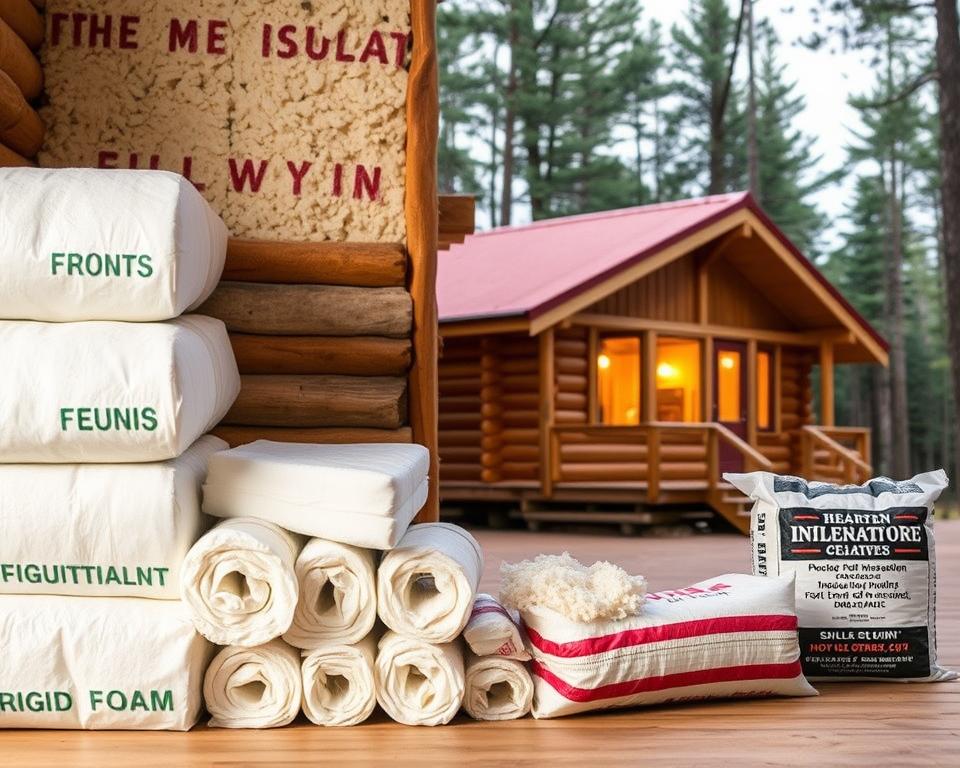
Natural insulation materials work exceptionally well with log cabins due to their breathable properties. Sheep’s wool and wood fibre boards complement timber construction perfectly. These materials allow moisture to move naturally through the wall system.
Synthetic options like rigid foam boards and mineral wool offer excellent thermal performance. Glass wool and rock wool provide reliable insulation values whilst remaining cost-effective for larger projects.
Professional Tools and Basic Equipment
Essential cutting tools include a sharp utility knife, insulation saw, and measuring tape. You’ll need a staple gun for securing vapour barriers and a caulk gun for sealing gaps. Power tools like a circular saw help with rigid board cutting.
Basic equipment includes a spirit level, chalk line, and extension leads. Consider hiring specialist tools like thermal imaging cameras for professional assessment work.
Safety Gear and Protective Equipment
Respiratory protection is absolutely essential when handling any insulation materials. Use FFP2 masks as minimum protection, with FFP3 masks for mineral wool work. Safety glasses prevent eye irritation from fibres.
Wear long-sleeved clothing and disposable overalls to protect your skin. Heavy-duty gloves prevent cuts and reduce skin contact with irritating materials.
Where to Source Materials in the UK
Major retailers like Wickes, B&Q, and Screwfix stock standard insulation materials and basic tools. Specialist suppliers such as Ecological Building Systems offer natural alternatives. Trade counters often provide better prices for bulk purchases.
| Material Type | Best UK Suppliers | Average Cost per m² | Delivery Options |
|---|---|---|---|
| Sheep’s Wool | Ecological Building Systems | £8-12 | Next day available |
| Glass Wool | Wickes, B&Q | £3-5 | Click & collect |
| Wood Fibre Boards | NBT Solutions | £15-25 | Pallet delivery |
| Rigid Foam | Screwfix, Travis Perkins | £6-10 | Store pickup |
Online suppliers often offer competitive pricing and direct delivery. Compare prices across multiple sources before making large purchases for your DIY insulation project.
Selecting Appropriate Insulation Materials
Making informed decisions about insulation materials can dramatically impact your log cabin’s energy efficiency and long-term comfort. The choice between natural and synthetic options affects not only thermal performance but also how well your cabin breathes and manages moisture. Understanding these differences helps you select materials that complement your log construction rather than work against it.
Natural Insulation Options for Log Cabins
Sheep’s wool insulation stands out as an excellent natural choice for log cabins. It naturally regulates moisture whilst providing impressive thermal performance. The fibres can absorb up to 35% of their weight in moisture without losing insulating properties.
Hemp and recycled denim offer similar breathability benefits. These materials work harmoniously with timber’s natural expansion and contraction cycles. Cork boards provide rigid insulation that’s particularly effective for external applications, offering both thermal and acoustic benefits.
Synthetic Insulation Materials and Performance
Mineral wool delivers exceptional fire resistance and thermal performance. It’s available in both rigid boards and flexible batts, making it versatile for different applications. Rigid foam boards provide superior thermal efficiency but require careful installation to prevent thermal bridging.
Multi-foil insulation offers thin profile solutions ideal for space-constrained areas. However, these materials require proper air gaps to function effectively and need careful consideration regarding breathability.
Vapour Barriers and Moisture Management Systems
Understanding when to use vapour barriers is crucial for log cabin success. Traditional plastic sheeting can trap moisture within timber walls, potentially causing rot. Instead, consider breathable membranes that allow moisture vapour to pass through whilst blocking liquid water.
Effective moisture control systems work with your cabin’s natural breathing patterns. Smart vapour barriers change permeability based on humidity levels, providing protection when needed whilst allowing drying when conditions permit.
Cost Analysis for UK Homeowners
Natural materials typically cost £8-15 per square metre, whilst synthetic options range from £5-20 per square metre. Initial investment varies significantly, but payback periods average 3-7 years through reduced heating costs.
Professional installation adds £15-25 per square metre to total costs. However, DIY installation of simpler materials like mineral wool batts can reduce expenses by 40-60%, making insulation upgrades more accessible for budget-conscious homeowners.
Preparing Your Log Cabin for Insulation Work
Effective cabin heating depends entirely on comprehensive pre-insulation preparation. This crucial phase determines whether your insulation investment delivers lasting thermal performance or disappoints with poor results.
Rushing into insulation installation without proper groundwork creates expensive problems later. Your log cabin requires specific attention to detail that differs significantly from conventional building preparation.
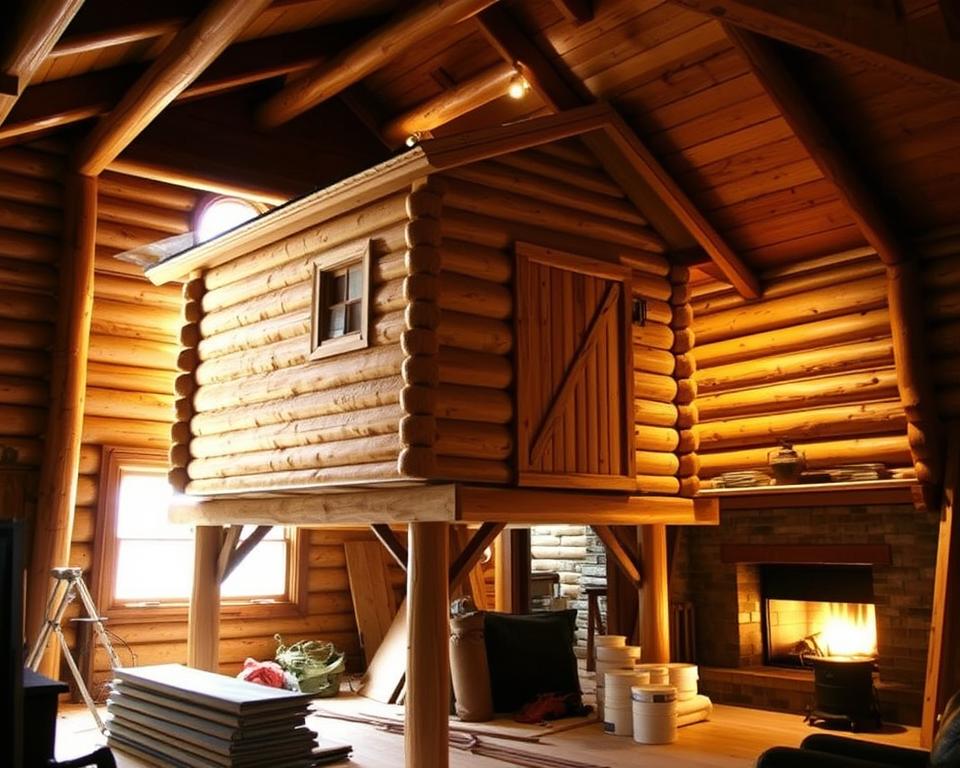
Thorough Cleaning and Surface Preparation
Begin your structural inspection by removing all debris, cobwebs, and accumulated dirt from log surfaces. Use a stiff brush to clean between logs where dust and organic matter collect.
Power washing may seem tempting, but avoid excessive moisture that could penetrate deep into the wood. Instead, use damp cloths followed by thorough drying time.
Sealing Critical Gaps and Chinking
Examine every joint between logs for gaps that compromise thermal efficiency. Small gaps become major heat loss points without proper sealing.
Remove old, deteriorated chinking material completely before applying new sealants. Modern synthetic chinking products offer superior flexibility and longevity compared to traditional clay-based materials.
| Gap Size | Recommended Material | Application Method | Curing Time |
|---|---|---|---|
| Under 6mm | Acrylic caulk | Caulking gun | 2-4 hours |
| 6-25mm | Synthetic chinking | Trowel application | 24-48 hours |
| Over 25mm | Foam backing + chinking | Professional installation | 48-72 hours |
Addressing Structural Issues
Complete your structural inspection by checking for rot, insect damage, or settling cracks. These problems must receive attention before insulation work begins.
Professional assessment becomes necessary when you discover extensive rot or structural movement. Compromised logs cannot support effective insulation systems and require replacement or reinforcement first.
How to Insulate a Log Cabin: Complete Wall Insulation Guide
Proper wall insulation techniques can transform your log cabin’s energy efficiency and comfort levels dramatically. Understanding the various approaches available helps you choose the most suitable method for your specific situation and budget. Each technique offers distinct advantages depending on your cabin’s construction, age, and intended use.
The choice between external, internal, or cavity wall insulation depends on several factors. These include your budget, the cabin’s current condition, and whether you’re renovating or building new. Professional insulation installation ensures optimal performance and longevity of your thermal envelope.
External Wall Insulation Systems
External wall insulation preserves your cabin’s authentic interior log appearance whilst dramatically improving thermal performance. This approach involves fixing insulation boards directly to the external log walls. A protective render or cladding system then covers the insulation.
Ventilated cladding systems offer superior moisture management for log construction. The air gap between insulation and cladding allows moisture to escape naturally. This prevents condensation problems that can damage timber structures over time.
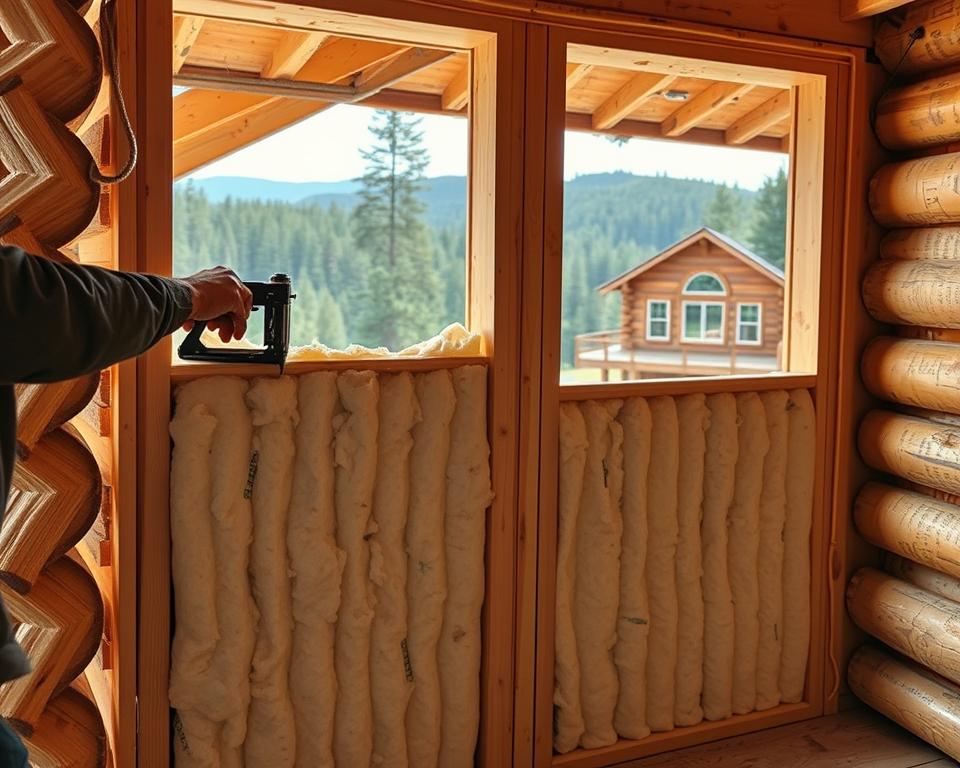
Continuous insulation coverage eliminates thermal bridges effectively with external systems. However, this method requires planning permission in some areas due to changes in external appearance.
Internal Wall Insulation Techniques
Internal wall insulation suits existing cabins where external work isn’t practical or permitted. This method involves constructing a stud wall framework against the internal log surface. Insulation fits between the studs, with vapour barriers preventing moisture problems.
The main disadvantage is reduced internal floor space, typically losing 100-150mm around the perimeter. However, internal insulation installation offers excellent control over the internal environment. You can also integrate electrical and plumbing services within the insulated wall structure.
Double-Wall Cavity Insulation Methods
Double-wall construction represents the premium approach for new log cabin builds. This method creates a structural log inner wall with an insulated cavity and external weatherproof skin. The cavity typically measures 150-200mm wide, filled with high-performance insulation.
“Double-wall cavity systems achieve U-values below 0.15 W/m²K, exceeding current building regulations by significant margins whilst maintaining structural timber aesthetics.”
This approach requires careful vapour barrier placement and adequate ventilation design. The investment pays dividends through exceptional thermal performance and reduced heating costs.
Step-by-Step Installation Instructions
Successful wall insulation requires methodical planning and execution. Begin with accurate measurements and material calculations. Order 10% extra materials to accommodate cutting waste and potential errors.
| Installation Stage | External System | Internal System | Double-Wall |
|---|---|---|---|
| Preparation Time | 2-3 days | 1-2 days | 3-5 days |
| Installation Duration | 5-7 days | 3-4 days | 7-10 days |
| Skill Level Required | Advanced | Intermediate | Professional |
| Cost per m² | £80-120 | £45-70 | £100-150 |
Quality control measures include checking insulation continuity and vapour barrier integrity. Use thermal imaging cameras to identify any gaps or thermal bridges after completion. Professional wall insulation standards require consistent thickness and proper junction sealing throughout the installation.
Roof and Loft Insulation Methods
Effective roof and loft insulation can dramatically reduce your log cabin’s energy consumption whilst addressing the unique challenges of timber construction. Heat naturally rises, making your roof space the most critical area for thermal improvements. British log cabins face particular challenges due to our damp climate and the natural moisture content of timber structures.
The approach you choose depends entirely on your cabin’s roof design and construction type. Traditional pitched roofs with accessible loft spaces offer straightforward insulation opportunities. However, cathedral ceilings and vaulted designs require more sophisticated solutions.
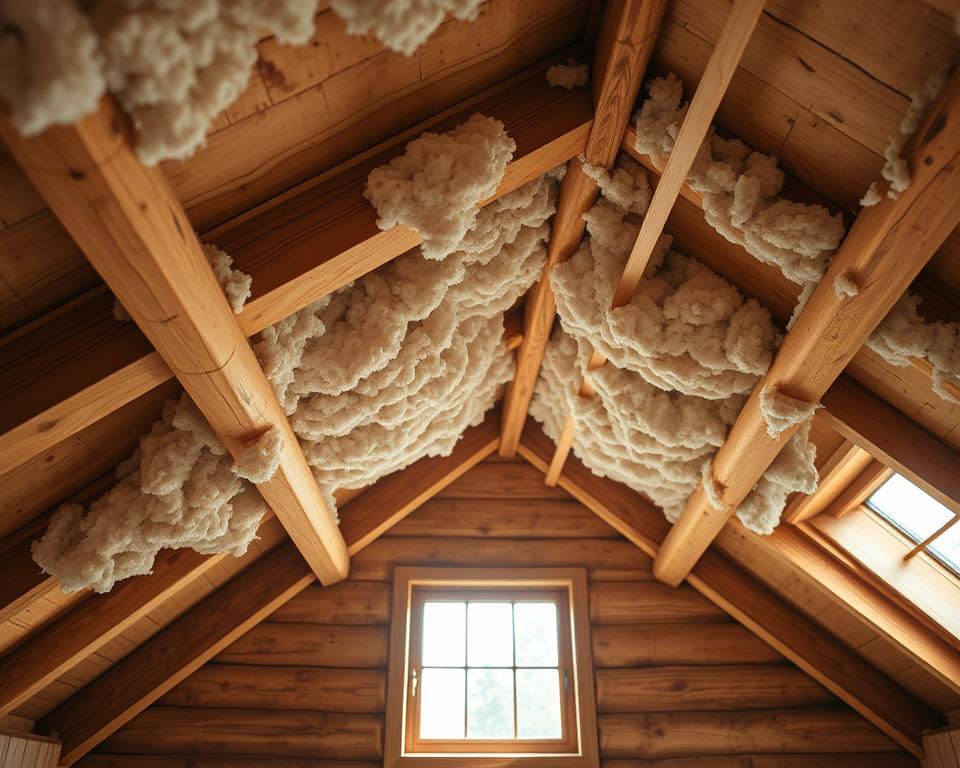
Traditional Loft Insulation for Log Cabins
Standard loft spaces provide the easiest insulation upgrade for most log cabin owners. Begin by laying insulation between the ceiling joists, ensuring you don’t compress the material. Mineral wool or sheep’s wool work exceptionally well in log cabin applications.
Add a second layer perpendicular to the first, covering the joists completely. This eliminates thermal bridging through the timber. Always install a vapour barrier on the warm side to prevent moisture problems in your timber structure.
Cathedral and Vaulted Ceiling Solutions
Sloped ceilings require careful planning to maintain structural integrity whilst achieving thermal performance. Warm roof systems place insulation above the rafters, whilst cold roof approaches insulate between them.
Consider rigid foam boards for limited spaces between rafters. These provide excellent thermal performance in minimal thickness. Always leave ventilation gaps to prevent condensation damage to your timber structure.
Ensuring Adequate Roof Ventilation
Proper roof ventilation prevents condensation problems that can seriously damage log construction. Calculate ventilation requirements based on your roof area – typically 10mm continuous ventilation per metre of roof width.
Install soffit vents at the eaves and ridge vents at the peak. This creates natural airflow that removes moisture whilst maintaining thermal performance. Balance is crucial – too little ventilation causes damp, whilst excessive ventilation reduces insulation effectiveness.
Floor Insulation Strategies
The foundation of effective log cabin insulation begins literally from the ground up with comprehensive floor treatment. Floor insulation can prevent up to 15% of total heat loss whilst significantly improving comfort levels during harsh British winters. Understanding your floor type and choosing the right insulation approach makes all the difference in creating a warm, energy-efficient living space.
Suspended Timber Floor Insulation
Traditional log cabins typically feature suspended timber floors that offer excellent retrofitting opportunities. Access the void beneath your floorboards to install insulation batts between the joists. Mineral wool or natural sheep’s wool works particularly well in these spaces.
Create a vapour barrier using breathable membrane to prevent moisture problems whilst maintaining essential ventilation. Secure the insulation with netting or chicken wire to prevent sagging over time. This method requires working in confined spaces, so plan your approach carefully and ensure adequate lighting.
Concrete Floor Insulation Solutions
Concrete floors present different challenges but offer substantial thermal improvement potential. Above-slab insulation systems can be retrofitted using rigid foam boards topped with screed and your chosen floor finish. Below-slab solutions work best for new construction projects.
Consider the floor height implications when planning your insulation strategy. Rigid polyurethane or phenolic foam boards provide excellent thermal performance in minimal thickness.
Integrating Underfloor Heating Systems
Underfloor heating transforms log cabin comfort whilst providing highly efficient warmth distribution. Electric systems suit smaller cabins perfectly, whilst hydronic systems work brilliantly with renewable heating sources like heat pumps.
Calculate your heat requirements carefully before selecting system types. Ensure compatibility between your chosen heating technology and insulation materials for optimal performance and longevity.
Improving Window and Door Thermal Performance
Poor window and door sealing accounts for up to 25% of heat loss in log cabins. These openings create significant weak points in your thermal envelope. However, targeted improvements can deliver remarkable results without major renovations.
Addressing thermal performance issues requires a systematic approach. Focus on the most cost-effective solutions first. Many improvements can be completed over a weekend with basic tools.
Upgrading Window Seals and Double Glazing
Window seals deteriorate over time, creating gaps that allow heat loss. Check existing seals by running your hand around frames on windy days. Replace damaged rubber seals with high-quality alternatives designed for timber frames.
Double glazing upgrades transform energy efficiency dramatically. Retrofit units fit within existing frames, preserving your cabin’s character. Professional installation ensures proper sealing and optimal performance.
Door Draught Exclusion Techniques
Effective draught proofing starts with identifying problem areas. Install brush strips along door bottoms and compression seals around frames. Adjustable threshold strips accommodate seasonal timber movement in log construction.
Heavy curtains or door snakes provide additional thermal barriers. Position these strategically to create airlocks in frequently used entrances.
Secondary Glazing Installation
Secondary glazing offers excellent value for period log cabins. Magnetic or hinged systems install easily without damaging original windows. These create insulating air gaps that rival double glazing performance.
| Improvement Type | Cost Range | Heat Loss Reduction | Difficulty Level |
|---|---|---|---|
| Window Seal Replacement | £20-50 | 15-20% | Easy |
| Door Draught Strips | £30-80 | 10-15% | Easy |
| Secondary Glazing | £150-400 | 30-40% | Moderate |
| Double Glazing Retrofit | £300-800 | 40-50% | Professional |
Moisture Control and Ventilation Systems
Effective moisture management distinguishes professionally insulated log cabins from those plagued by condensation problems and structural damage. The combination of improved thermal performance and natural timber construction creates unique challenges that require careful planning and execution.
Understanding the relationship between temperature, humidity, and air movement helps prevent costly problems. Poor moisture control can lead to mould growth, timber decay, and uncomfortable living conditions within months of completing insulation work.
Preventing Condensation and Damp Issues
Condensation control begins with understanding dew point calculations and identifying risk areas. Thermal bridges, cold surfaces, and poor air circulation create perfect conditions for moisture problems.
Install vapour barriers correctly and ensure adequate insulation thickness throughout. Monitor temperature differences between indoor and outdoor environments, particularly during seasonal transitions when condensation risks increase significantly.
Installing Mechanical Ventilation Systems
Modern ventilation systems balance air quality with energy efficiency. Heat recovery ventilation units extract stale air whilst recovering up to 90% of thermal energy from outgoing airflow.
Mechanical ventilation with heat recovery (MVHR) systems work particularly well in heavily insulated log cabins. These systems provide consistent fresh air whilst maintaining comfortable temperatures year-round.
Maintaining Optimal Indoor Humidity
Target humidity levels between 40-60% for optimal comfort and timber preservation. Use hygrometers to monitor conditions and adjust ventilation rates seasonally based on external weather patterns.
| Season | Target Humidity (%) | Ventilation Rate | Common Issues |
|---|---|---|---|
| Winter | 35-45 | Reduced | Condensation on windows |
| Spring | 40-55 | Increased | Moisture from ground thaw |
| Summer | 45-60 | Maximum | External humidity ingress |
| Autumn | 40-50 | Moderate | Heating system startup |
Address specific moisture sources like cooking and bathing with targeted extraction fans. Proper ventilation systems prevent problems before they develop, protecting both your investment and indoor air quality.
Common Insulation Mistakes and How to Avoid Them
Many log cabin insulation failures stem from three critical mistakes that are entirely preventable with proper knowledge. Learning from these errors can save you from costly remedial work and structural damage. Understanding these pitfalls ensures your investment delivers lasting thermal performance.
Over-Insulation and Breathability Issues
Adding excessive insulation might seem beneficial, but it can disrupt your log cabin’s natural moisture regulation. Timber construction relies on breathability to prevent trapped moisture and rot. Calculate appropriate R-values for your climate zone rather than simply maximising thickness.
Over-insulation creates sealed environments that prevent natural drying cycles. This leads to condensation problems and potential structural damage. Maintain air gaps and use breathable materials to preserve your cabin’s natural moisture management.
Improper Vapour Barrier Installation
Incorrectly fitted vapour barriers cause the most expensive insulation failures. Poor sealing techniques allow moisture penetration, leading to rot and mould growth. Ensure continuous barriers with proper tape sealing at all joints.
Some log cabin applications don’t require vapour barriers at all. Understanding when to omit them is crucial for preventing moisture trapping. Consult building regulations and consider your specific climate conditions before installation.
Thermal Bridge Problems and Solutions
Thermal bridges occur where insulation continuity breaks, creating cold spots and reducing efficiency. Common locations include structural connections, window frames, and junction points. These issues significantly increase insulation costs through energy losses.
Design continuous insulation systems that eliminate thermal bridges during planning. Use thermal break materials at structural connections and ensure complete coverage around openings. Address existing bridges with additional insulation layers or specialised bridging solutions.
Maintenance and Ongoing Care of Insulation
Effective insulation maintenance forms the cornerstone of long-term energy efficiency and comfort in your log cabin home. Regular care prevents small issues from developing into expensive problems. It also ensures your investment continues delivering optimal thermal performance year after year.
Annual Insulation Inspection Schedule
Creating a systematic inspection routine helps identify potential problems early. Schedule your comprehensive insulation check during spring when weather conditions are favourable for thorough examination.
| Inspection Area | Frequency | Key Checks | Warning Signs |
|---|---|---|---|
| Loft Insulation | Annually | Settlement, gaps, moisture | Compressed material, damp patches |
| Wall Cavities | Every 2 years | Thermal bridging, air leaks | Cold spots, draughts |
| Floor Insulation | Annually | Pest damage, sagging | Uneven surfaces, animal activity |
| Vapour Barriers | Every 3 years | Tears, seal integrity | Condensation, moisture buildup |
Replacing Damaged or Deteriorated Materials
Address damaged insulation promptly to maintain thermal efficiency. Small repairs often prevent larger replacements. Always match replacement materials to existing specifications for consistent performance.
Monitoring Energy Performance and Efficiency
Track your heating bills monthly to spot unusual increases that might indicate insulation problems. Energy performance monitoring reveals declining efficiency before visible damage appears. Consider annual thermal imaging surveys for comprehensive assessment.
Making Your Log Cabin Investment Count
Proper insulation transforms your log cabin into an energy-efficient sanctuary that delivers exceptional comfort throughout Britain’s changing seasons. The investment you make today in quality insulation materials and professional installation techniques will reward you with substantial energy savings for decades to come.
Your efforts to improve log cabin thermal performance extend far beyond simple cost reduction. You’re creating a healthier living environment whilst reducing your carbon footprint and increasing your property’s market value. The unique character of log construction requires specialised approaches, but the results speak for themselves.
Every step covered in this guide builds towards a single goal: maximising your cabin’s efficiency whilst preserving its natural charm. From selecting appropriate materials to maintaining proper ventilation, each decision contributes to your home’s overall performance.
The knowledge you’ve gained empowers you to make informed choices about your insulation project. Whether tackling the work yourself or collaborating with professionals, you now understand what makes log cabin insulation successful. Your newly insulated retreat will provide comfortable living spaces and meaningful energy savings that justify every pound invested in this worthwhile home improvement project.
FAQ
What’s the best insulation material for a log cabin in the UK?
Natural materials like sheep’s wool and wood fibre work exceptionally well with log construction as they allow the timber to breathe naturally whilst providing excellent thermal performance. These materials complement the natural moisture regulation properties of logs and are particularly suited to the UK’s damp climate. Synthetic options like mineral wool can also be effective, but require more careful vapour barrier consideration.
How much can I expect to save on heating bills after insulating my log cabin?
Most log cabin owners see heating bill reductions of 30-50% after implementing comprehensive insulation improvements. The exact savings depend on your current insulation levels, cabin size, and heating system, but even basic improvements like roof insulation and draught sealing typically deliver noticeable reductions within the first heating season.
Do I need planning permission to insulate my log cabin?
Internal insulation work typically doesn’t require planning permission as it’s considered maintenance rather than development. However, external wall insulation systems may need approval, particularly if your cabin is in a conservation area or has specific planning restrictions. It’s always wise to check with your local planning authority before starting external work.
Can I install underfloor heating in my existing log cabin?
Yes, underfloor heating can be retrofitted to most log cabins, particularly those with suspended timber floors. Electric systems are often easier to install in existing cabins, whilst hydronic systems work well with renewable heating sources. The key is ensuring adequate floor insulation is installed alongside the heating system for optimal efficiency.
How do I prevent condensation problems after insulating my log cabin?
Proper ventilation is crucial for preventing condensation in insulated log cabins. Install mechanical ventilation systems, maintain adequate background ventilation, and monitor indoor humidity levels. Heat recovery ventilation systems are particularly effective as they provide fresh air whilst retaining heat. Avoid over-sealing the cabin and ensure vapour barriers are correctly installed where needed.
What’s the most cost-effective insulation improvement I can make?
Roof insulation typically offers the best return on investment as heat naturally rises and roof spaces are usually easier to access than walls. Loft insulation can often be installed as a DIY project and provides immediate, noticeable improvements in comfort whilst reducing heating costs significantly.
Should I insulate my log cabin walls internally or externally?
Internal insulation is often more practical for existing log cabins as it preserves the external log appearance and doesn’t require planning considerations. However, external insulation provides superior thermal performance and eliminates thermal bridging. The choice depends on your priorities regarding aesthetics, performance, and budget.
How thick should insulation be in a log cabin?
Insulation thickness varies by location and application. For loft spaces, 270-300mm is typically recommended in the UK. Wall insulation thickness depends on the method – internal systems often use 100-150mm, whilst external systems can accommodate 200mm or more. Floor insulation usually requires 100-200mm depending on the construction type.
Can I use standard building insulation materials in my log cabin?
Whilst many standard materials can be used, log cabins benefit from insulation that works with timber’s natural properties. Materials that allow moisture vapour transmission, such as sheep’s wool or wood fibre, are often preferable to completely vapour-impermeable options. The key is understanding how different materials interact with log construction.
How long does it take to insulate a log cabin?
Timeframes vary significantly depending on cabin size and insulation method. A DIY loft insulation project might take a weekend, whilst comprehensive wall insulation could take several weeks. Professional installation is typically faster but requires scheduling. Weather conditions can also affect external work timings, particularly during British winters.
What safety equipment do I need for DIY insulation work?
Essential safety gear includes respiratory protection, safety goggles, protective clothing, and sturdy work gloves. When working in loft spaces, ensure adequate lighting and safe access equipment. Some insulation materials require specific protective measures, so always read manufacturer guidelines and consider professional installation for complex work.
Will insulating my log cabin affect its character and appearance?
Internal insulation preserves external log character whilst improving comfort and efficiency. If you choose external insulation, modern systems can be designed to complement log cabin aesthetics. Many owners find that the improved comfort and reduced energy costs more than compensate for any visual changes to their cabin’s appearance.