Are Metal Sheds Safe from Lightning? Explained
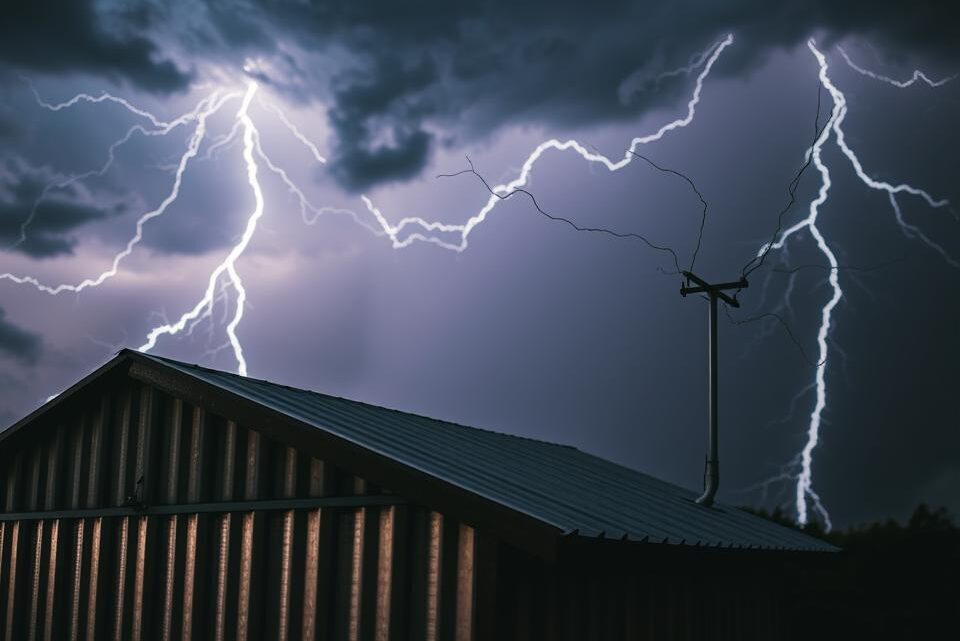
Many property owners across the United Kingdom harbour concerns about their garden structures during a thunderstorm. A common question arises regarding the potential safety risk posed by a particular type of outbuilding.
A widespread misconception suggests that metal structures actively attract lightning more than other materials. This belief often causes unnecessary worry. The reality of how a metal building interacts with an electrical discharge is more nuanced and less about attraction.
In truth, a strike is far more likely to hit the tallest object in an area, such as a tree or a house. A shed only becomes vulnerable if it is the highest point in a clear, exposed location. The real danger lies not in attracting the bolt, but in how the structure handles the immense energy if a strike occurs.
This guide will separate fact from fiction. It explores the science behind strikes and provides evidence-based guidance on protective measures. Proper understanding and preparation are crucial for mitigating any potential hazards.
Inhaltsverzeichnis
Key Takeaways
- Metal structures do not specifically attract lightning strikes.
- The tallest object in an area is the most likely target for a strike.
- The primary risk involves how a structure conducts electricity if hit.
- Understanding this science is key to implementing effective safety measures.
- Proper preparation can significantly reduce potential dangers.
Understanding the Dynamics of Lightning and Metal Sheds
A thunderstorm’s power stems from atmospheric electricity. This immense energy is released as a lightning bolt. The process begins with a difference in electrical charge within storm clouds.
When this charge difference becomes large enough, a discharge occurs. This creates the brilliant flash we see. The bolt seeks the path of least resistance to the ground.
Contrary to popular belief, conductive materials do not attract these events. The key factor is height. Taller objects are more likely to be struck because they offer a shorter path.
This principle applies regardless of construction materials. A tall tree or building is a more probable target than a low garden shed.
How Lightning Works Around Metal Structures
When a bolt connects with a conductive structure, the electrical current flows over the surface. This is called the skin effect. The metal’s conductivity allows the energy to disperse.
This characteristic can be advantageous. It helps prevent the intense heat from causing a fire. Properly designed, these structures can handle the massive electrical charge.
Common Factors Influencing Lightning Strikes
Several atmospheric conditions affect strike probability. High humidity and large temperature differences are significant contributors. The local landscape also plays a crucial role.
A structure’s vulnerability increases if it is isolated and elevated. Surrounding taller objects provide a degree of protection. The table below compares different influencing factors.
| Factor | High Risk | Low Risk |
|---|---|---|
| Structure Height | Tallest in area | Lower than surroundings |
| Location | Open field, hilltop | Among taller trees/buildings |
| Local Climate | Frequent thunderstorms | Rare storm activity |
Are Metal Sheds Safe from Lightning? Separating Fact from Fiction
Popular understanding often misattributes the factors that determine where a lightning bolt will make contact. The most persistent myth suggests that conductive construction materials inherently draw electrical discharges. This misconception leads to unnecessary concerns about garden buildings.

Scientific evidence clearly shows that lightning strike probability depends on height, location, and exposure. A tall wooden structure in an open field faces greater risk than a short steel shed surrounded by taller objects. The material composition plays no role in attracting atmospheric electricity.
Dispelling Widespread Misconceptions
Many people carry over these beliefs to personal safety during storms. Some remove jewellery or avoid metal belt buckles, fearing they might attract lightning. These precautions stem from misunderstanding how electrical discharges work.
When properly installed with adequate protection systems, metal buildings offer distinct advantages. Their conductivity becomes an asset rather than a liability. The metal safely channels electrical energy when properly grounded.
The real risk involves how electricity conducts through the building if a strike occurs. Modern steel structures are designed to handle this impact. They are actually less likely to catch fire than wooden counterparts.
Property owners can make informed decisions with this knowledge. Properly grounded metal buildings provide excellent protection against storm damage. Understanding these facts eliminates unnecessary anxiety about garden structures.
Effective Grounding and Lightning Protection Methods
A robust protection system is essential for managing electrical energy during a storm. Proper grounding does not prevent a strike. Instead, it provides a controlled path for the immense current to follow, directing it harmlessly into the earth.
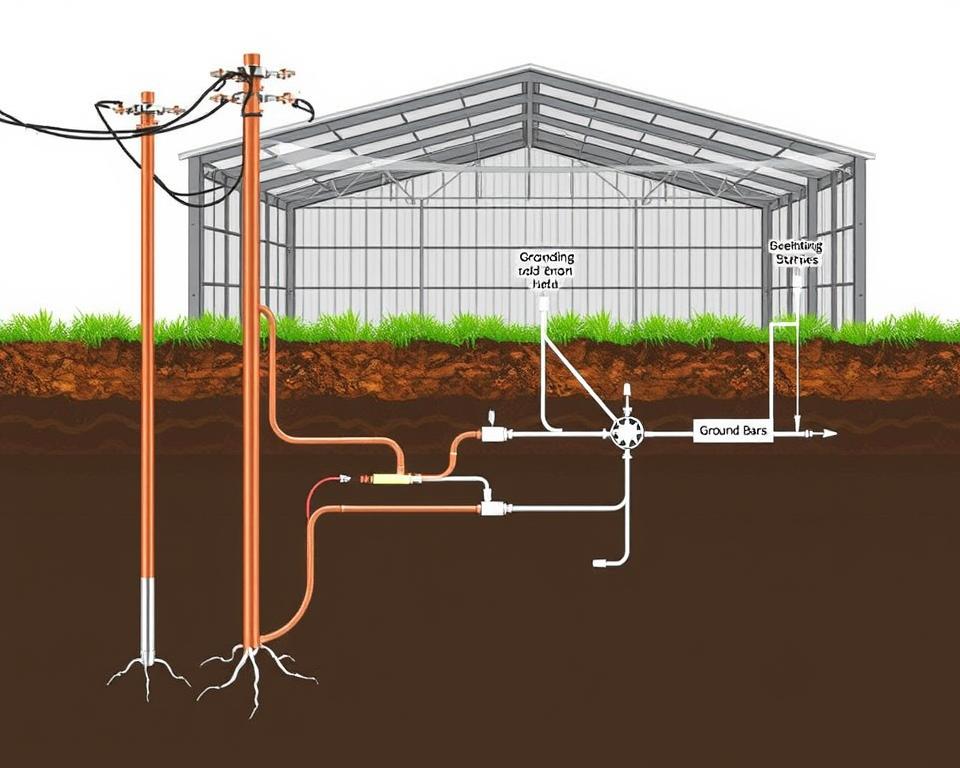
This approach is fundamental to safeguarding any structure. It ensures that if a strike occurs, the electrical charge is dissipated safely.
Selecting the Right Grounding Materials
Choosing appropriate materials is the first step. A copper grounding rod, at least six to eight feet long, is highly recommended. This is due to copper’s excellent conductivity and resistance to corrosion.
Heavy-duty grounding wire and specialised electrical clamps are also necessary. These components must be designed to handle a massive electrical surge. Using the correct materials ensures the system’s reliability.
Step-by-Step Guide to Installing a Grounding System
Installing a basic grounding system involves several key steps. First, position the copper rod next to the building. Drive it deep into the ground, as a deeper placement improves conductivity.
Next, securely attach the heavy-duty wire from the rod to a solid part of the building’s frame. The connection must be tight and corrosion-resistant. For comprehensive protection, a second rod can be installed.
Wires should run from a lightning rod down into the ground, connecting to this rod. This creates a continuous path for electricity. This complete circuit safely channels energy away.
For compliance with UK building regulations or specific insurance policies, hiring a certified professional is strongly advised. They ensure the installation meets all safety standards.
Safety Measures and Risks During Thunderstorms
Thunderstorms present specific risks that require careful consideration and preparation for shed owners. Understanding these dangers helps people make informed decisions about their safety.

Personal Safety Considerations
The most critical safety rule is clear: never seek shelter in a metal shed during a thunderstorm. Even if it seems like the nearest cover from rain, this choice poses serious risk. If a lightning strike occurs, the electrical charge can travel through the entire structure.
Touching any part of the frame, walls, or doors during a strike could result in severe electrical shock. People should instead head to a substantial building like a house or garage. Staying indoors during severe weather is the safest option.
Protecting Items Stored Within the Shed
Secondary hazards come from stored items that can increase danger. Power tools, extension cords, and flammable materials like petrol cans present additional fire and electrical risks. Electricity from a strike can jump to these objects.
Before stormy weather arrives, consider relocating valuable or hazardous items to a more secure location. Unplug electrical devices and store flammable materials properly. These precautions help minimise potential damage to property.
After the storm passes, wait at least 30 minutes after the last thunder before approaching the shed. This waiting period ensures the storm has moved away completely. Monitoring weather forecasts helps people take preventive action early.
Maintenance and Long-Term Considerations for Metal Sheds
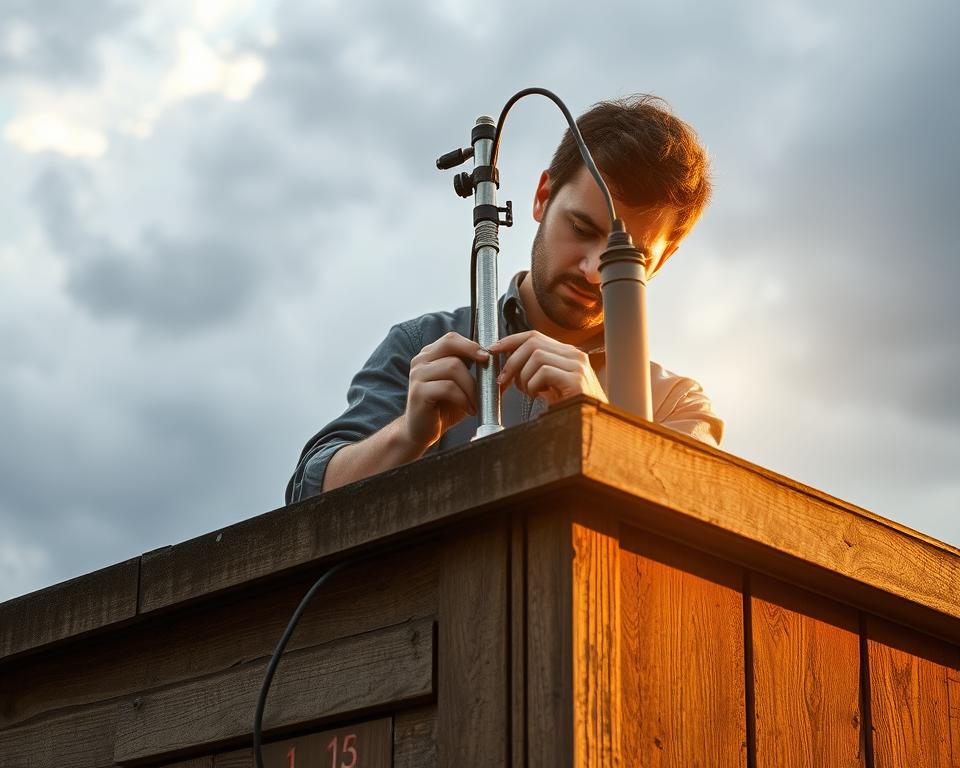
To maintain optimal protection against electrical hazards, periodic inspections are essential. A consistent maintenance schedule ensures that protective measures remain effective throughout the structure’s lifespan.
Regular Safety Checks and Inspections
Property owners should conduct thorough inspections at least twice yearly. This routine maintenance helps identify potential issues before they compromise the protection system.
Focus inspections on grounding components like copper wires, connection clamps, and rod installations. These elements can deteriorate due to exposure to harsh weather conditions.
Common maintenance issues include corrosion of metal parts and loosening of electrical connections. Regular checks prevent system failure when protection is needed most.
Steel construction offers exceptional long-term durability. With proper maintenance, these buildings provide decades of reliable protection against various weather events.
Preventive maintenance represents excellent value compared to repair costs after damage occurs. Documenting inspections creates valuable records for insurance purposes.
Conclusion
Understanding the science behind electrical discharges reveals important truths about structural safety. The key finding remains clear: construction material does not increase lightning strike probability. Height and location determine risk far more than whether a building uses steel or timber.
Proper grounding systems are essential for all outdoor buildings. While the material itself poses no inherent danger, appropriate safety measures protect both property and people. During active storms, staying out of these structures remains the most crucial personal protection protocol.
Well-maintained steel buildings offer excellent durability and fire resistance. They can withstand various extreme weather conditions throughout their lifespan. Implementing the practices detailed in this guide represents a straightforward investment in long-term security.
With proper understanding and regular maintenance, these garden buildings serve as safe, reliable structures for decades. Homeowners across the UK can feel confident about their outdoor storage solutions when equipped with the right knowledge and protection systems.
FAQ
Does a metal shed attract lightning?
A metal shed does not inherently attract lightning. Lightning seeks the path of least resistance to the ground, which is often the tallest object in an area. While a metal structure provides a conductive path, its height and isolation are more significant factors than its material composition.
What is the primary risk to a metal shed during a lightning storm?
The main risk is not the shed itself, but the potential for a lightning strike to travel through the structure. If the shed is not properly grounded, the immense electrical current can cause significant damage, including fire or structural harm, and pose a serious safety threat.
How can I protect my metal shed from lightning?
The most effective protection is a professionally installed lightning protection system. This typically involves air terminals (lightning rods), down conductors, and a grounding electrode system. These components work together to safely direct the electrical charge into the ground, bypassing the structure.
Is it safe to be inside a metal shed during a thunderstorm?
It is generally safer than being outside in the open, but caution is still advised. Avoid touching metal walls or doors during the storm. For optimal personal safety, it is best to seek shelter in a fully enclosed, grounded building.
What maintenance is required for a lightning protection system?
Regular inspections are crucial. A qualified professional should check the system annually for corrosion, loose connections, and damage. It is also important to ensure that the grounding rods remain effective and that the earth around them maintains good conductivity.
Can a metal shed be grounded after construction?
Yes, a grounding system can be installed on an existing metal shed. This process involves connecting the shed’s frame to grounding rods driven deep into the soil. It is strongly recommended that this work is carried out by a qualified electrician to ensure it meets safety standards.