Can a Playhouse Overlook a Neighbour’s Garden? UK Laws
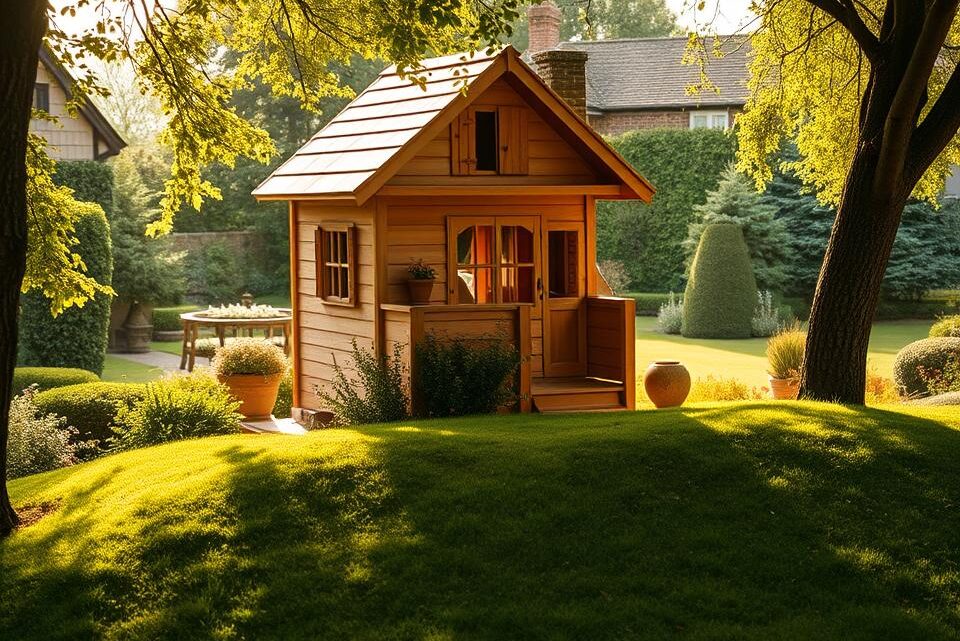
Many homeowners considering adding a children’s play structure to their outdoor space wonder about the legal implications. The question of whether such a construction can legally provide views into adjacent properties is a common concern. Understanding UK planning regulations helps property owners make informed decisions while maintaining good relations with those living nearby.
In the United Kingdom, playhouses fall under the category of outbuildings. They share the same planning classification as sheds and garden offices. This means they are typically governed by permitted development rights rather than requiring automatic planning permission.
The regulations focus on maintaining proportionality and preventing structures from becoming overbearing. Specific restrictions address height measurements and distance from boundaries. These rules aim to balance individual property rights with neighbourly considerations, particularly regarding privacy concerns.
Inhaltsverzeichnis
Key Takeaways
- Playhouses are classified as outbuildings under UK planning regulations
- There is no specific law prohibiting overlooking of neighbouring gardens
- Permitted development rights govern most garden structure placements
- Height restrictions and boundary proximity are critical factors
- Regulations aim to prevent overshadowing and maintain privacy
- Compliance depends on adhering to specific measurement thresholds
- UK planning framework provides structured guidance for homeowners
Introduction to UK Playhouse Regulations
Understanding regulatory frameworks helps homeowners navigate garden structure installations effectively. The UK planning system provides specific guidance for outdoor recreational buildings.
Overview of Planning Rules and Exemptions
Most garden structures benefit from permitted development rights. These rights allow certain constructions without formal planning permission. Homeowners can install various outdoor buildings under these exemptions.
The system balances individual property rights with community considerations. Specific limits apply to height, position, and overall impact.
Understanding Outbuildings and Permitted Development
Recreational garden buildings fall under the outbuildings category. This classification includes sheds, summerhouses, and similar structures. Permitted development rights simplify the process for compliant installations.
| Development Type | Permission Required | Maximum Height | Boundary Distance |
|---|---|---|---|
| Permitted Development | No | 2.5 metres | 2 metres |
| Planning Permission | Yes | Over 2.5 metres | Less than 2 metres |
| Listed Buildings | Always | Any height | Any distance |
Compliance with these regulations ensures smooth installation processes. Homeowners should verify specific requirements with local authorities before beginning any garden project.
Legal Framework for Garden Structures
Property owners must navigate specific regulatory requirements when installing outdoor buildings. The UK’s planning system establishes clear parameters for garden constructions. These rules help maintain neighbourhood character while allowing reasonable development.
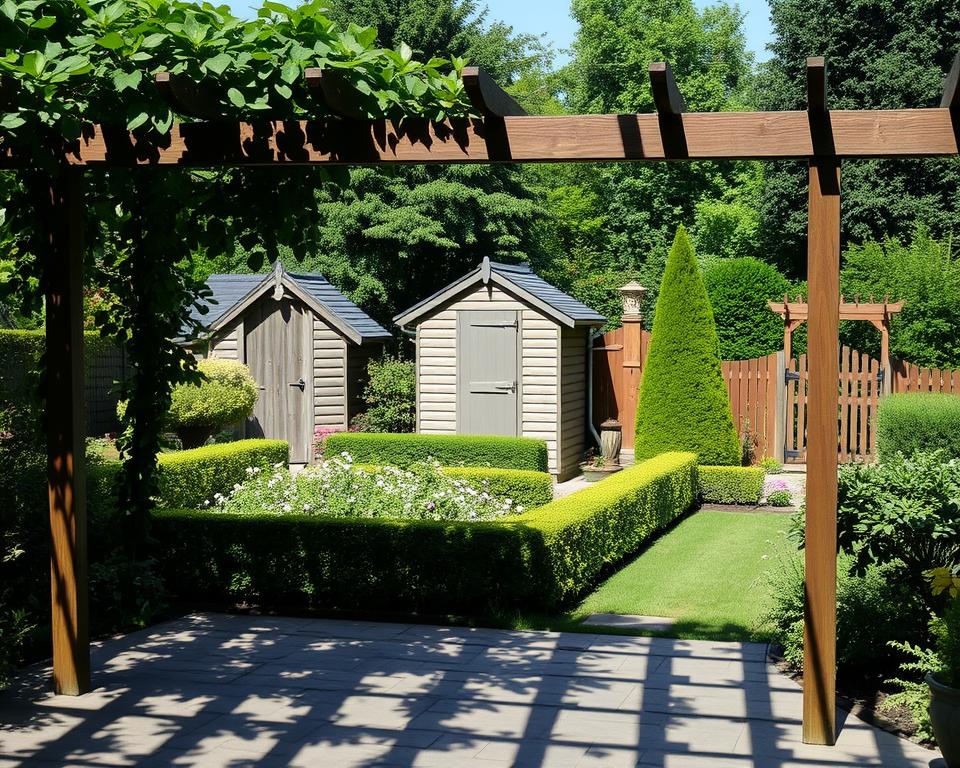
UK Planning Permission and Development Constraints
Permitted development rights offer flexibility for many garden projects. However, these rights come with important limitations. The structure must be single-storey and meet specific size restrictions.
Permanently fixed buildings typically require formal planning permission. Temporary structures placed on existing ground often fall under permitted development. This distinction is crucial for homeowners to understand.
Significant alterations to the land trigger permission requirements. If removing the building would cause major ground damage, formal approval is likely needed. This protects the property’s value and character.
Development constraints focus on proportionality and impact. Regulations consider how structures affect neighbouring properties and local aesthetics. Compliance ensures smooth project progression and prevents enforcement actions.
Homeowners should assess their proposed building’s footprint and permanence. Structures requiring substantial groundwork or integration with the main house need careful consideration. Proper planning protects both property interests and community relations.
Can a Playhouse Overlook a Neighbour’s Garden?
Visual connections between gardens represent a common consideration in outdoor development. The regulations focus on structural compliance rather than prohibiting specific sightlines.
Implications for Privacy and Neighbour Relations
While overlooking itself isn’t legally forbidden, it raises important privacy concerns. Property owners should consider how their structure affects adjacent outdoor spaces.
Good neighbour relations often depend on thoughtful placement. Structures that feel intrusive can create tension, even when technically compliant.
Height and Position Limits Explained
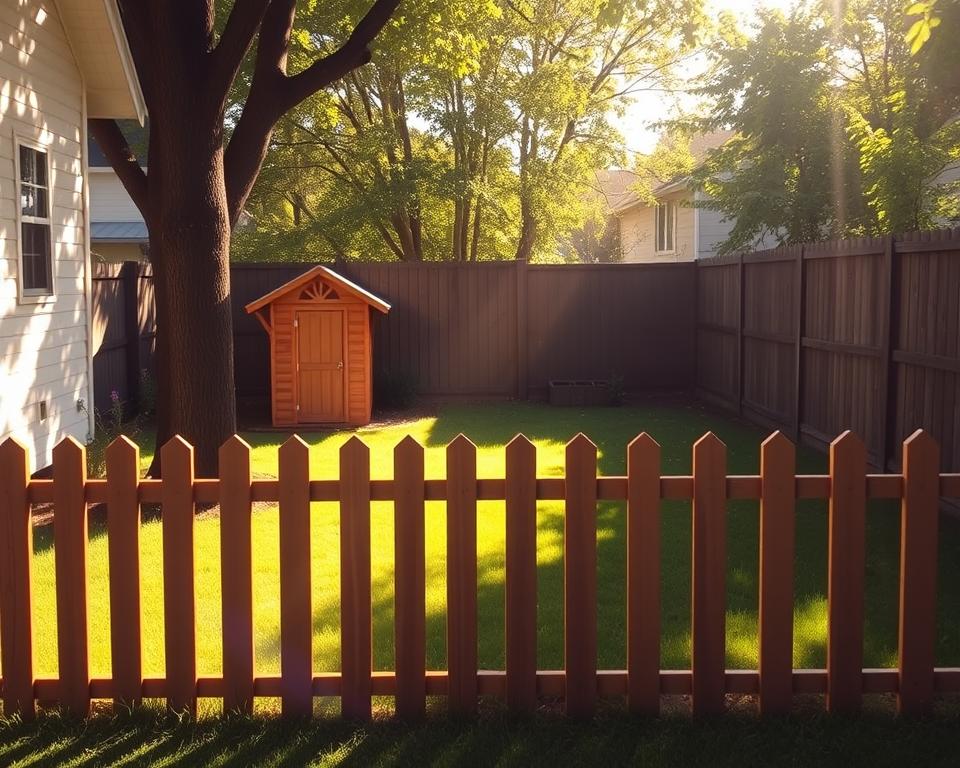
Specific measurements govern placement near boundaries. Within two metres of a fence, the maximum height is 2.5 metres. Beyond this distance, different rules apply.
Eaves must not exceed 2.5 metres in any case. Raised platforms over 30 centimetres require planning permission due to increased visibility issues.
These limits prevent structures from becoming overbearing. They balance property enjoyment with neighbour amenity protection.
Planning Permission for Raised and Two-Storey Playhouses
Multi-level garden buildings often necessitate formal approval from local authorities. The planning permission process becomes essential when structures exceed standard permitted development criteria.
Guidelines for Elevated Structures and Platforms
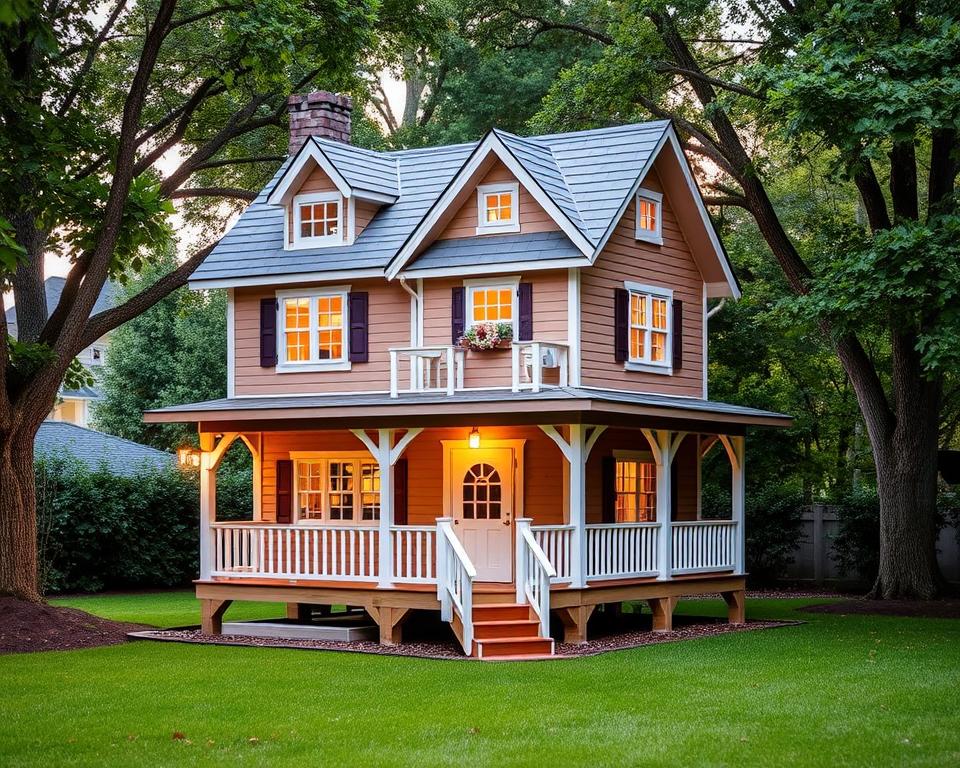
Tower designs with platforms raised more than 30 centimetres above ground level require special consideration. This height threshold triggers the need for planning permission due to privacy implications.
Even when classified as children’s toys, elevated structures face scrutiny. Homeowners should verify requirements rather than assume exemptions exist.
When Local Authority Scrutiny is Required
Two-storey designs automatically fall outside permitted development rights. The rules clearly state that outbuildings must be single-storey to qualify.
Local authority assessment will examine the building’s height, overall size, and visual impact. Neighbouring properties’ privacy remains a key consideration.
Consulting your local planning department before construction prevents enforcement actions. Proper approval ensures the development complies with all regulations.
Party Wall and Boundary Considerations
Navigating the legal landscape of garden structures involves understanding boundary-related legislation. The Party Wall Act is a key piece of legislation that can impact certain installations.
Understanding the Party Wall Act
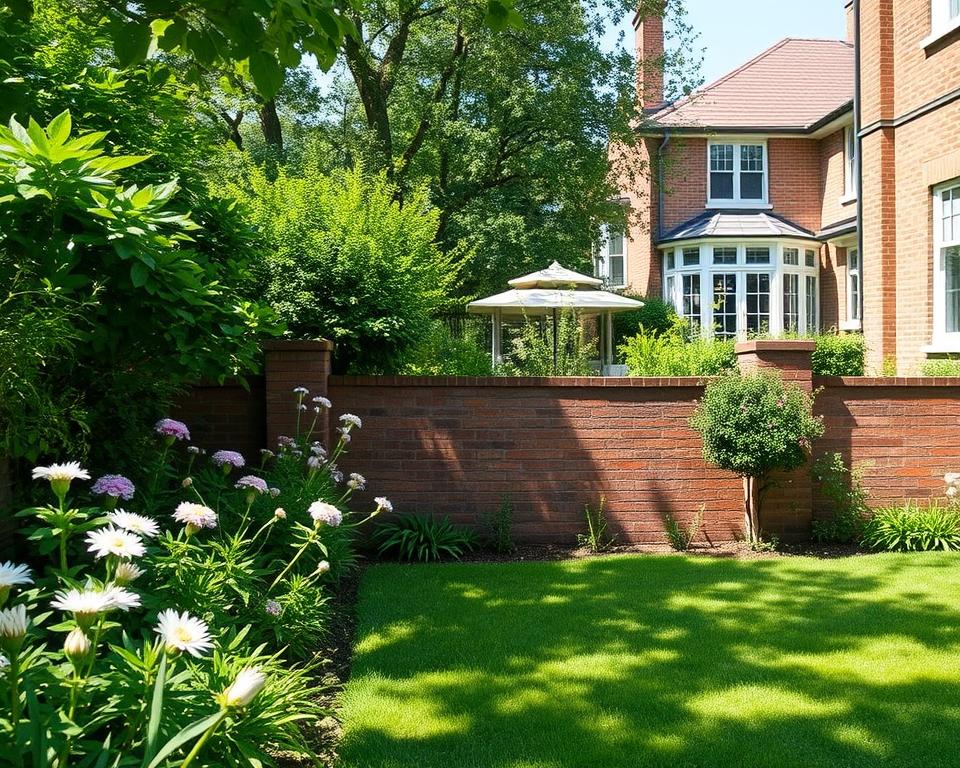
This Act applies specifically when construction work affects a shared wall that sits on the boundary line between properties. For example, a brick boundary wall is covered. If a garden building will touch or be built against such a wall, the Act is triggered.
It is crucial to note that the Party Wall Act does not apply to wooden fences or hedges. These are the most common boundary treatments, meaning the Act is often not a concern for standard garden projects.
Notifying Your Neighbour Effectively
When the Act applies, the property owner must serve formal written notice on the neighbour. This notice must be given a specified period before work begins. The receiving neighbour then has the right to request a Party Wall Agreement.
Even when not legally required, early communication with neighbours is strongly advised. A simple conversation can prevent misunderstandings and foster goodwill. Documenting these discussions provides a clear record.
Informal talks do not replace formal procedures, but they ensure no one is surprised. This proactive approach helps the work proceed smoothly and maintains positive relations.
Practical Tips for Ensuring Compliance
Strategic positioning and thoughtful design choices form the foundation of compliant installations. Homeowners should begin with meticulous measurements to ensure their structure stays within legal parameters.

The distance from boundaries significantly impacts height allowances. Moving the structure further away provides greater flexibility. A dual-pitched roof design offers an excellent solution when more than two metres from boundaries, potentially allowing up to four metres in height.
Adjusting Playhouse Design for Local Regulations
Raised platforms over thirty centimetres present a particular compliance risk. These features often require formal planning permission, especially near property lines. Even when technically legal, considering the visual impact on adjacent spaces demonstrates good neighbourly practice.
Screening solutions like hedges or trellises can effectively address privacy concerns. These features help integrate the structure into the garden space while respecting surrounding properties.
“Proper documentation provides protection against future disputes. Maintain records of all measurements, plans, and correspondence.”
Keeping detailed records of the entire process ensures homeowners can demonstrate compliance if questions arise. This proactive approach combines legal adherence with community consideration.
Expert Advice and Best Practices
Engaging qualified experts early in the planning phase offers substantial benefits for homeowners considering outdoor installations. Professional guidance helps navigate complex regulatory requirements effectively.

Consulting Chartered Surveyors and Legal Experts
Chartered surveyors provide essential technical expertise for garden projects. Members of the Royal Institution of Chartered Surveyors (RICS) understand local authority requirements thoroughly. Their professional advice proves invaluable for complex situations.
Expert consultation is particularly important for raised platforms or boundary proximity issues. When neighbours express concerns, professional input helps resolve matters constructively. Early engagement prevents expensive mistakes and enforcement actions.
The expense of professional guidance is typically modest compared to rectification costs. Disputes over non-compliant structures can continue for years, creating significant financial exposure. Investing in proper advice protects property value and ensures lawful development.
Homeowners should verify credentials through recognised professional bodies. This ensures they receive qualified advice tailored to their specific circumstances. Expert input provides peace of mind throughout the project lifecycle.
- RICS members offer specialised knowledge of planning regulations
- Early consultation prevents costly modifications later
- Professional advice addresses complex boundary and elevation issues
- Qualified experts help maintain positive neighbour relations
Conclusion
Homeowners seeking to enhance their property with recreational structures must prioritise regulatory awareness. The installation can proceed legally when adhering to specific height and boundary rules.
Permitted development rights allow most single-storey structures without formal planning permission. However, raised platforms exceeding thirty centimetres or multi-level designs typically require approval. This ensures privacy considerations are properly addressed.
Effective communication with neighbours remains crucial for maintaining positive relations. While most standard installations near boundary fences don’t trigger the Party Wall Act, proactive discussion prevents potential disputes.
Careful measurement and professional consultation when uncertain protect the property owner from enforcement action. With proper planning, a compliant playhouse becomes a valuable addition to any family home and garden.
FAQ
What are the key rules for building a playhouse under permitted development rights?
Under permitted development rights, a garden playhouse must not exceed 2.5 metres in height if it is within two metres of a property boundary. The structure should not cover more than 50% of the garden area and must be for domestic use only. These rules help determine if planning permission is required.
How can a playhouse affect a neighbour’s privacy?
A playhouse positioned to overlook a neighbour’s garden can raise significant privacy concerns. Windows or elevated platforms that provide a direct view into adjacent private spaces may lead to disputes. It is considered best practice to design the structure to minimise any impact on neighbouring gardens.
When is planning permission definitely required for a garden playhouse?
Planning permission is typically required if the playhouse exceeds height limits, is intended for commercial use, or if the property has already used its permitted development allowance. It is also necessary if the building is forward of the principal elevation of the original house. Consulting the local authority is essential in these cases.
What should I do if my playhouse design is near a boundary wall?
If construction work is planned near a shared boundary or party wall, the Party Wall etc. Act 1996 may apply. Homeowners have a legal duty to notify adjoining neighbours in writing. Failure to do so can result in legal action, so seeking early advice is crucial to avoid neighbour disputes.
Are there specific rules for playhouses with verandas or balconies?
Yes, any playhouse featuring a veranda, balcony, or raised platform is more likely to require planning permission. These elements are often viewed as increasing the risk to privacy and are subject to greater scrutiny by the local planning authority. Their inclusion can change the classification of the development.
Where can I get reliable advice on playhouse regulations?
For accurate and site-specific advice, homeowners should contact their local authority’s planning department. For complex matters involving boundaries or potential disputes, consulting a chartered surveyor or a legal expert specialising in property law is highly recommended.