How to Maximise Space in a Small Greenhouse Effectively
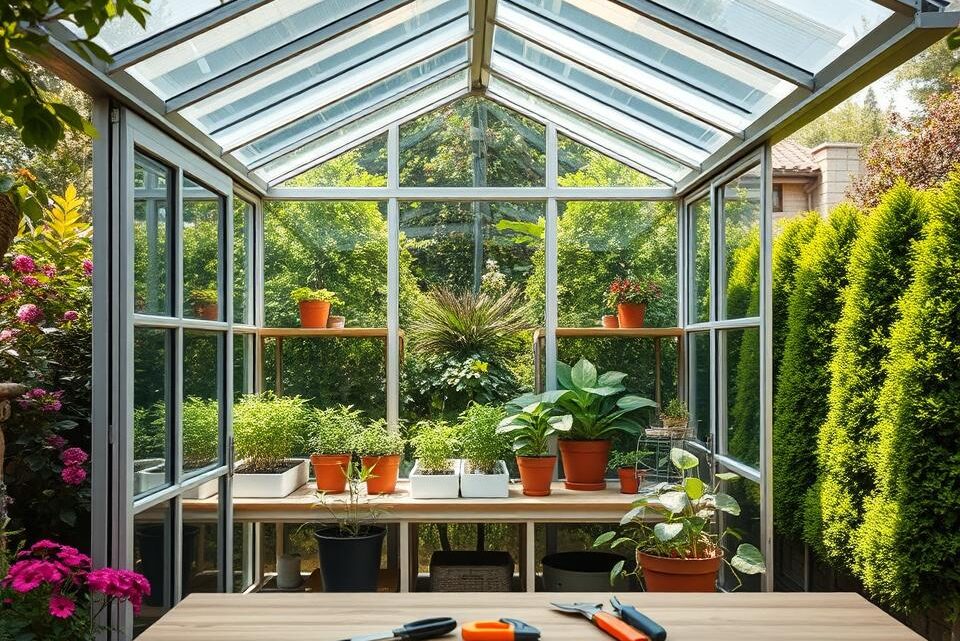
Gardening enthusiasts often face a common challenge: making the most of a compact growing area. This comprehensive guide is designed for those working with limited dimensions. It demonstrates that a highly productive environment is achievable with the right approach.
Every square metre within a confined structure counts towards successful cultivation. This resource offers practical strategies to transform a cramped situation into an organised and efficient system. The focus is on intelligent management and clever design principles.
Proper planning and strategic organisation are fundamental. They can dramatically increase the number of plants one cultivates. This process involves more than just fitting more pots inside. It requires a deeper understanding of environmental factors and specific plant requirements.
This guide serves both novice and experienced gardeners seeking to optimise their yields. The following sections provide actionable techniques. These cover vertical solutions, plant grouping strategies, and customisation options.
Inhaltsverzeichnis
Key Takeaways
- Effective planning is crucial for transforming a limited growing area.
- Intelligent organisation can significantly increase plant capacity.
- Understanding plant needs and environmental control is essential.
- Vertical solutions and strategic grouping are key techniques.
- Optimisation leads to higher yields and year-round productivity.
Understanding Your Small Greenhouse Environment
Small greenhouse structures possess thermal properties that directly influence plant cultivation success. The confined space creates a unique microclimate where sunlight generates warmth efficiently. This environment proves ideal for tropical species and citrus varieties.
Seasonal and Climatic Considerations
Each season brings distinct challenges and opportunities. During winter, the greenhouse provides vital protection from frost. Gardeners can extend the growing season significantly with proper management.
Summer requires careful attention to ventilation. Heat builds rapidly in these compact spaces. Understanding local weather patterns helps anticipate temperature fluctuations.
| Season | Temperature Range | Light Exposure | Recommended Plants |
|---|---|---|---|
| Spring | 15-25°C | Increasing | Seedlings, leafy greens |
| Summer | 20-35°C | Maximum | Tomatoes, peppers, tropicals |
| Autumn | 10-20°C | Decreasing | Root vegetables, herbs |
| Winter | 5-15°C | Minimum | Overwintering plants, citrus |
The Impact of Natural Light and Temperature
Light distribution varies throughout the day and across seasons. South-facing areas receive the most intense illumination. North-facing spots offer cooler conditions for shade-tolerant species.
Temperature management is crucial for plant health. Warm air rises, creating vertical temperature gradients. This allows gardeners to create distinct microclimates within the same structure.
Monitoring devices help track environmental conditions. Regular observation reveals how light and temperature interact. This knowledge enables precise placement of different plant varieties.
Assessing Space and Design Constraints
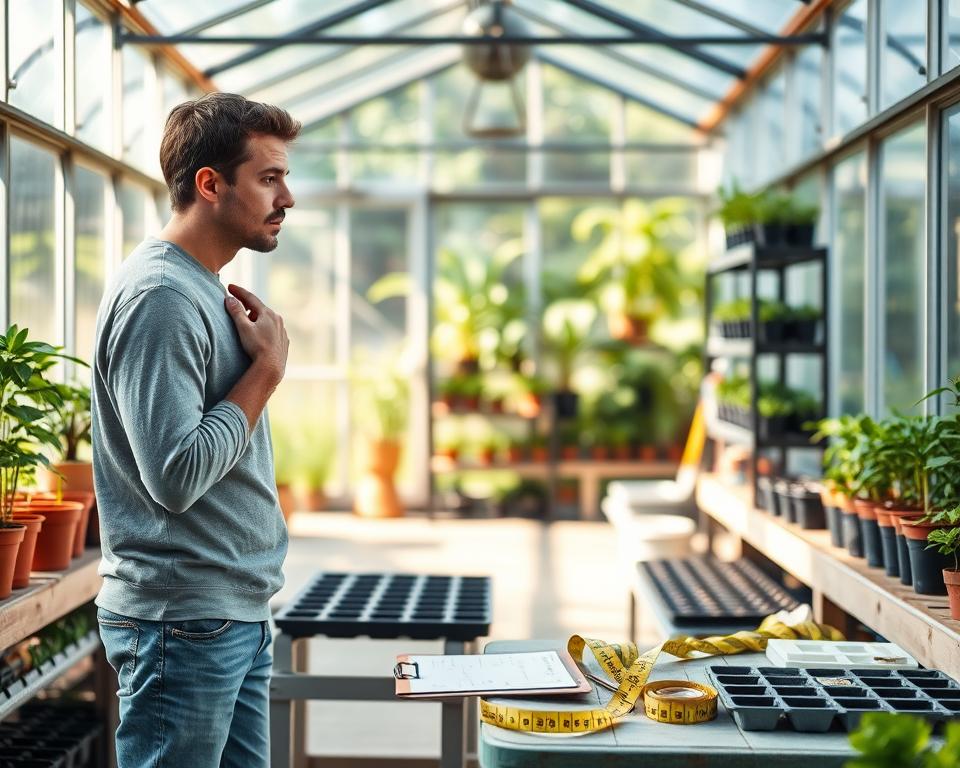
The initial step towards an organised and productive greenhouse involves a detailed analysis of its spatial limitations. Gardeners must measure the available floor area precisely. They should note fixed features like doors and vents.
This careful assessment prevents future layout problems. It ensures every decision is based on accurate information.
Evaluating Available Floor Space
After measuring, the realistic amount of free space becomes clear. One must account for essential walkways for maintenance. This leaves the actual growing area for plants and storage.
Strategic bench placement is a key solution. A bench along one wall creates a dedicated zone for seedlings. This frees the opposite side for larger pots containing citrus trees.
An L-shaped bench design makes excellent use of corner areas. It efficiently fills one end of the structure. This layout leaves the remaining area flexible for taller plants or even a small seat.
Identifying Growth Zones and Storage Areas
Dividing the greenhouse into specific zones boosts efficiency. Designate areas for seedlings, mature plants, and tall crops. Light exposure should guide this process.
Sunny spots are premium real estate for light-loving varieties. Shadier areas suit shade-tolerant plants or storage. A place for tools, soil bags, and spare pots must be planned.
Keeping equipment accessible but out of the way is crucial. This forward-thinking approach allows for changes in future growing seasons.
How to Maximise Space in a Small Greenhouse
A well-defined plan is the foundation of any successful cultivation project. Before adding a single plant, gardeners should establish clear objectives for their compact growing environment. This initial planning stage determines the entire approach.
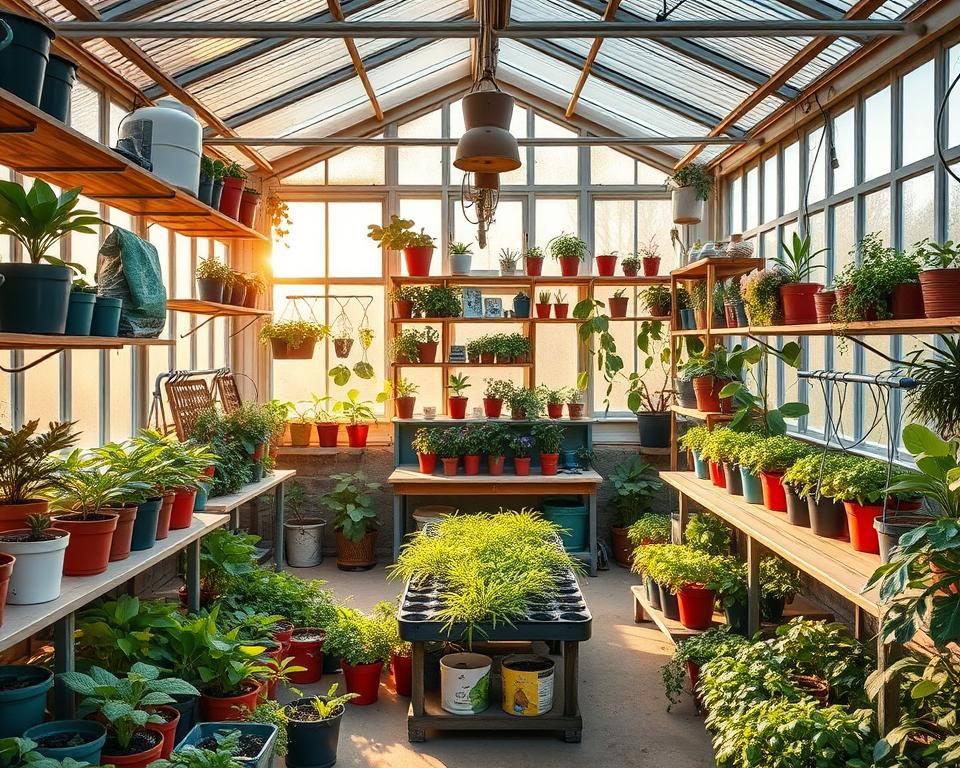
Goals can vary significantly. Some may wish to grow a wide variety of herbs and salads. Others might focus on achieving a high yield of tomatoes or nurturing delicate orchids. The chosen path influences every subsequent decision.
Defining Your Space Optimisation Goals
Clarifying the primary purpose of the structure is essential. Is it for starting seeds, overwintering tender plants, or producing crops year-round? Each goal demands a different layout and set of resources. Realistic expectations prevent overcrowding.
A common mistake is attempting to grow too many different things at once. This can lead to competition for light and poor air circulation. A focused approach often yields better results.
It is not about filling every centimetre. Intelligent use of the available area supports healthy plant growth and simplifies maintenance. Strategic planning allows for a functional and productive space that meets specific gardening aspirations.
By setting clear goals, gardeners can identify which techniques will be most beneficial. This foresight ensures that the chosen methods align with their long-term vision for their horticultural pursuits.
Utilising Vertical Space and Shelving Solutions
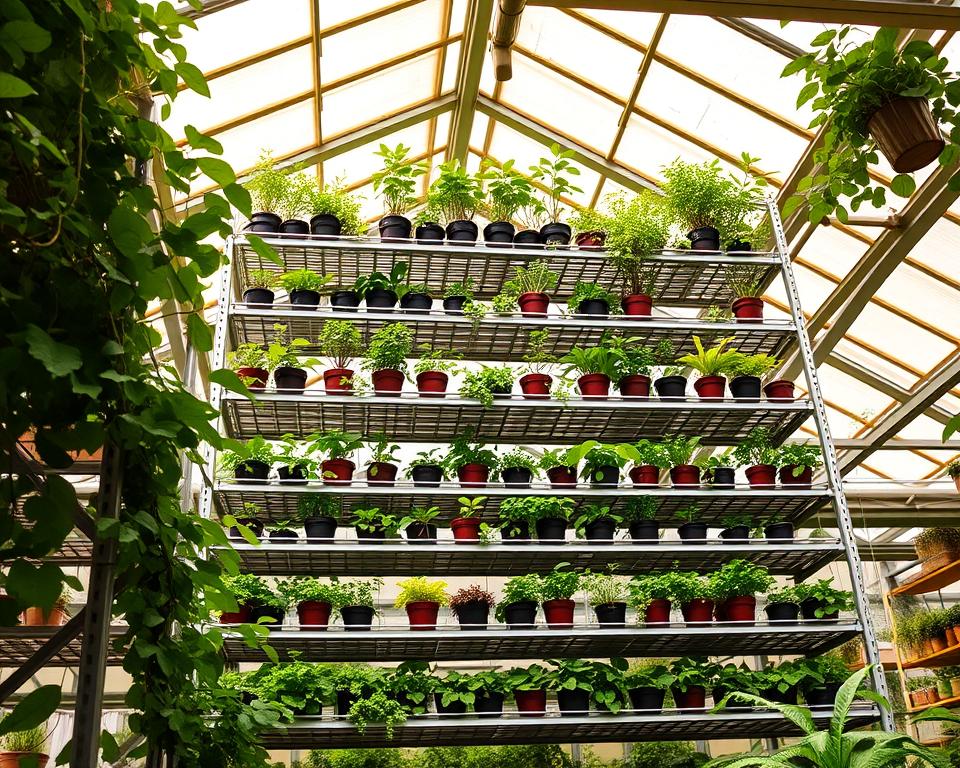
The walls and overhead areas of cultivation spaces represent valuable real estate for plant placement. When floor space becomes limited, looking upward provides the most effective way to expand growing capacity. This approach multiplies the available area without requiring additional footprint.
Installing Wall Shelves and Hanging Baskets
Sturdy wall shelves with robust brackets create multiple growing levels. Heavy pots should occupy lower positions for stability. Higher shelves suit lighter items like seed trays and small containers.
Hanging baskets make excellent use of overhead space. They work well for trailing plants and herbs. This method keeps valuable floor area clear for larger specimens.
Employing Tiered Plant Stands and Stackable Racks
Tiered stands offer flexible vertical solutions. They accommodate plants at different height levels. Proper spacing between tiers prevents shading of lower levels.
Stackable shelving systems provide customisable arrangements. Gardeners can adjust them as plants grow. This adaptability makes them ideal for changing seasonal needs.
The key is balancing light distribution. Lower levels must receive adequate illumination. Without sufficient light, plants become leggy and weak.
Strategic Plant Grouping and Crop Rotation
Thoughtful placement of specimens based on their specific requirements yields significant benefits. Random positioning often leads to poor growth and maintenance challenges. A systematic approach ensures each plant receives appropriate conditions.
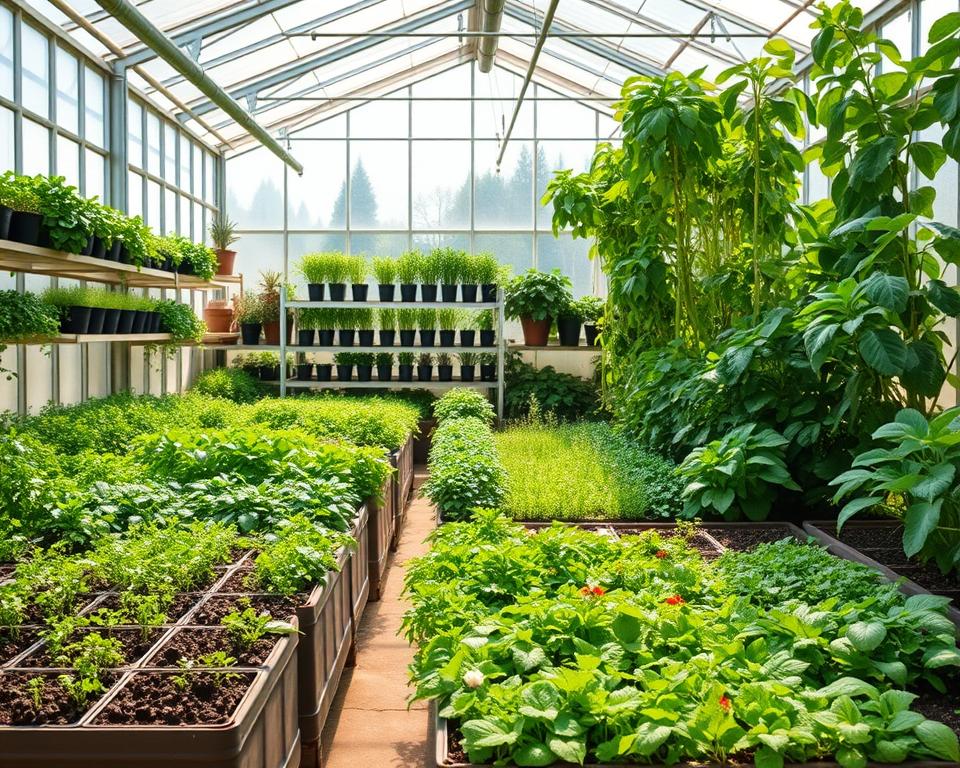
This method transforms maintenance routines. Gardeners can water and monitor plants by group rather than individually. It saves considerable time and effort throughout the growing season.
Grouping Plants by Light and Water Needs
Sun-loving plants should occupy the brightest positions. Shade-tolerant varieties thrive in areas with filtered light. Grouping by water needs creates efficient irrigation zones.
Hardy herbs and slow-growing plants suit harder-to-reach spots. They tolerate less frequent attention. This planting strategy prevents over or under-watering.
| Plant Type | Light Requirement | Watering Frequency | Ideal Position |
|---|---|---|---|
| Tomatoes, Peppers | Full sun | Regular | South-facing area |
| Lettuce, Herbs | Partial shade | Moderate | East or West side |
| Root Vegetables | Medium light | Infrequent | North side or lower shelves |
Implementing Seasonal Crop Rotation
Seasonal rotation maintains continuous productivity. Once a crop finishes, clear the space promptly. Prepare for the next planting immediately.
Companion planting maximises yield in limited areas. Beans and corn work well together, for example. Regular rotation prevents pest buildup and improves soil health.
Planning ahead ensures the greenhouse remains productive year-round. Each season offers opportunities for different crops. This approach optimises space usage effectively.
Incorporating Technology and Efficient Watering
Integrating modern technology offers a significant advantage for gardeners seeking to enhance productivity within a compact structure. These innovations streamline tasks and optimise resource use.
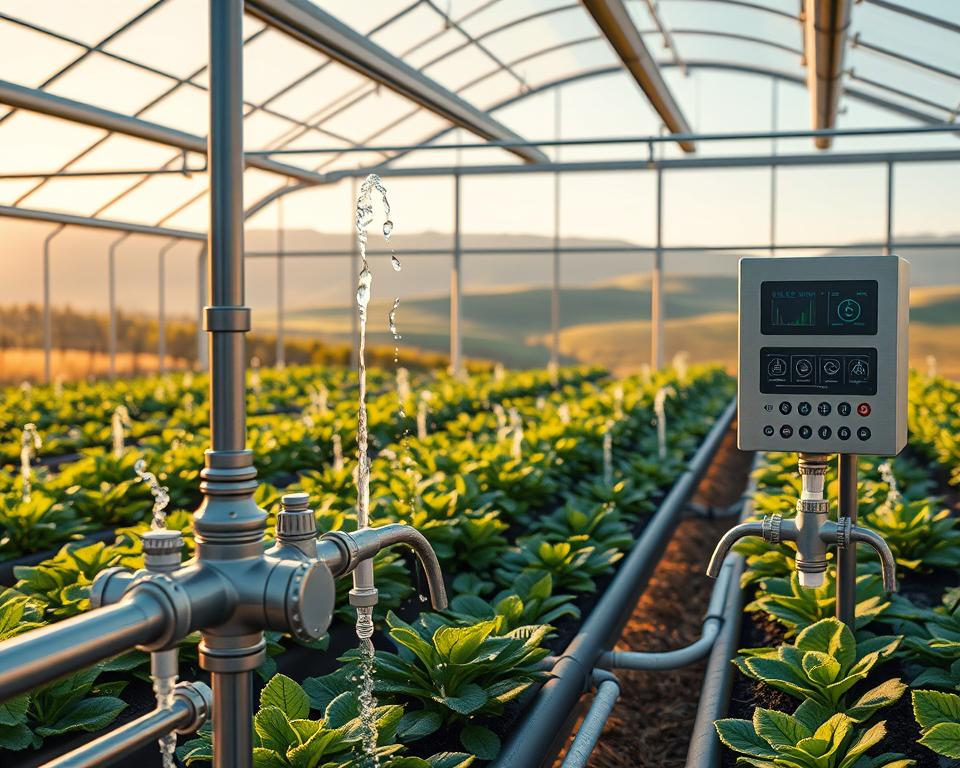
Efficient irrigation is fundamental to a successful cultivation system. It ensures plants receive the right amount of water without waste.
Hydroponic Systems for Compact Set-ups
Hydroponics presents a revolutionary way to grow plants without traditional soil. This system uses nutrient-rich water, freeing up valuable space typically occupied by pots.
These setups are ideal for a small greenhouse. They can be arranged vertically on shelving, multiplying the growing area. This method often leads to faster growth and higher yields.
Drip Irrigation Techniques to Conserve Resources
Drip irrigation is a highly efficient system. It delivers water directly to plant roots through a network of tubes. This approach minimises evaporation and runoff.
For a simpler way to save water and time, consider the layout of your shelving. Position pots and seed trays so that excess water from higher levels drips down to irrigate those below.
Starting seeds indoors is another smart strategy. It reserves the protected greenhouse space for more mature plants, boosting overall productivity.
| Technology | Primary Benefit | Space Efficiency | Water Savings |
|---|---|---|---|
| Hydroponic System | Soil-free growth | High (vertical) | Significant |
| Drip Irrigation | Targeted watering | Neutral | High |
| Vertical Shelving Drip | Passive efficiency | High | Moderate |
Customising Your Greenhouse Setup for Maximum Yield
Customising the functional aspects of a gardening enclosure creates opportunities for improved organisation. Thoughtful modifications can transform a basic structure into a highly efficient growing environment. These adjustments make daily maintenance easier and more enjoyable.
Benching, Storage, and Multipurpose Design
Raised beds with integrated storage compartments offer excellent solutions. Gardeners can tuck essential tools and watering cans underneath, keeping the main area clear. This approach prevents clutter in corners and maximises usable space.
Bench-style planters serve multiple purposes effectively. They function as seating areas, work surfaces, and growing spaces. DIY enthusiasts might consider adding lift-up lids or slide-out trays for enhanced accessibility.
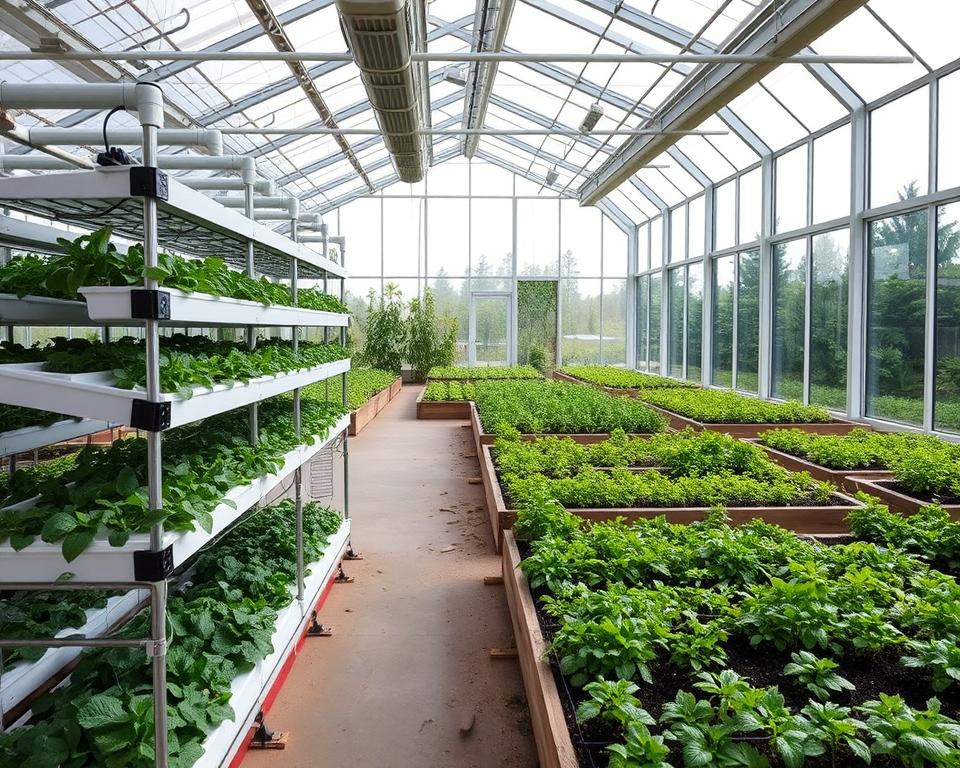
Stacking beds arranged like bunk beds work well for shallow-rooted crops. Lettuce, herbs, and radishes thrive in these layered systems. Each level requires sufficient headroom and light exposure to prevent poor growth.
| Customisation Type | Primary Benefit | Best For | Space Efficiency |
|---|---|---|---|
| Raised Beds with Storage | Clutter reduction | Tool organisation | High |
| Bench Planters | Multi-functional | Small gardens | Medium |
| Stacking Beds | Vertical expansion | Shallow-root plants | Very High |
| L-Shaped Benches | Corner utilisation | Larger pots | High |
Utilising Colourful Accents and Bespoke Fittings
A compact greenhouse presents chances to enhance the overall garden aesthetic. Bold colour choices can make the structure a distinctive feature. The modest size ensures it complements rather than dominates the landscape.
Portable potting shoes provide practical benefits for gardeners. They contain soil during plant transfers and can be stored efficiently. These simple additions demonstrate how small changes yield significant improvements.
The amount of personalisation possible allows continuous refinement. Gardeners discover which arrangements work best for their specific needs over time. This ongoing process makes gardening more rewarding and productive.
Conclusion
The journey towards optimal productivity in compact growing environments culminates in disciplined implementation. This comprehensive guide has outlined multiple complementary approaches that work together seamlessly.
Vertical solutions, strategic plant grouping, and efficient watering systems combine to create remarkable results. Even the most modest small greenhouse can rival larger structures when these techniques are applied consistently.
Maintaining discipline about what remains inside the structure is crucial. Gardeners should compost dead plants promptly and store empty pots efficiently. This prevents clutter from diminishing valuable growing areas.
Wooden structures offer particular advantages for customisation, allowing bespoke arrangements that maximise every centimetre. By implementing these strategies thoughtfully, any garden enthusiast can transform their limited space into a highly productive environment that continues to grow successfully year after year.
FAQ
What is the most effective way to increase growing space in a small greenhouse?
Utilising vertical space is the most effective method. Gardeners can install wall-mounted shelves, hanging baskets, and tiered plant stands. This approach dramatically increases the available area for plants without expanding the greenhouse’s footprint.
How can I manage temperature and light in a compact greenhouse?
Strategic plant grouping is key. Place heat-loving plants in sunnier spots and shade-tolerant varieties in cooler areas. Using shade cloths during summer and horticultural fleece in winter helps regulate conditions effectively.
Are there specific plants better suited for small greenhouses?
Yes, compact or dwarf varieties of vegetables, herbs, and flowers are ideal. Plants like chillies, lettuces, and dwarf tomatoes thrive. Choosing plants with similar light and water needs allows for efficient grouping.
What shelving solutions work best for maximising space?
Adjustable, tiered shelving systems are excellent. They allow gardeners to customise the height between shelves. Staggering shelves ensures lower plants still receive adequate light, making the most of the greenhouse’s height.
Can hydroponic systems be used in a small greenhouse?
A> Absolutely. Compact hydroponic or aeroponic systems are perfect for small greenhouses. They save space by eliminating the need for large amounts of soil. These systems can be stacked vertically, further enhancing space efficiency.
How important is crop rotation in a small greenhouse?
Extremely important. Rotating crops seasonally prevents soil depletion and reduces pest build-up. It ensures continuous production, making the limited space work harder throughout the growing season.