Log Cabin Sizes – What is the Best Size? Explained
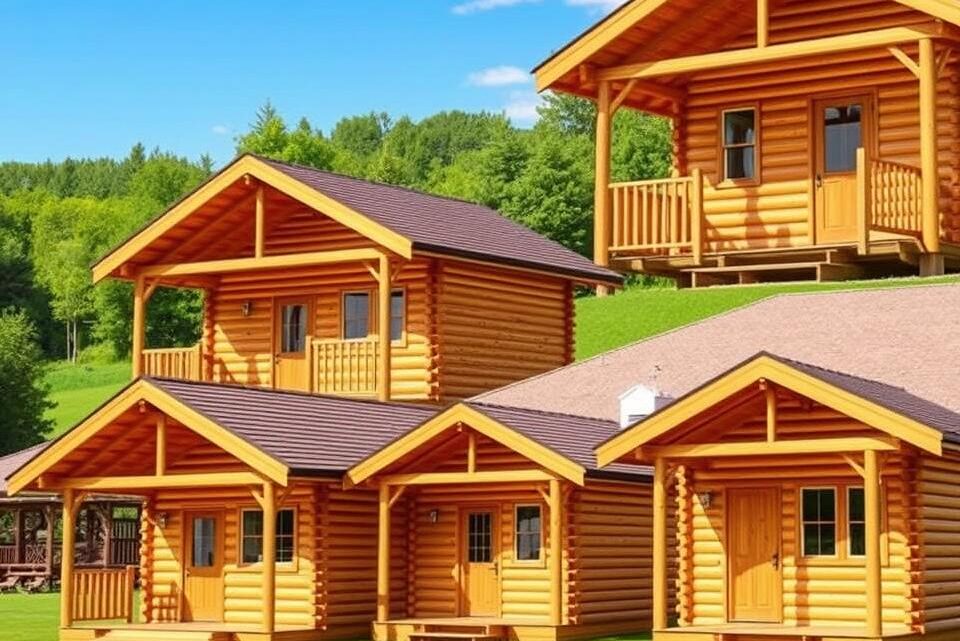
Selecting the perfect structure for a garden requires careful thought. This comprehensive buyer’s guide aims to simplify that process. It explores the essential factors involved in choosing a garden building that truly fits one’s needs and available space.
A successful choice balances many elements. These include the intended use, the existing garden layout, and any local planning regulations. Long-term considerations are just as important as immediate requirements.
Options range from compact designs, around 8×6 ft, ideal for smaller plots, to more spacious models that can serve multiple functions. The best fit is not solely about physical measurements. It is about how the building will enhance outdoor living and integrate seamlessly into the garden.
This resource provides a detailed breakdown of different size categories. It also covers crucial topics like planning permission, design influences, and material specifications. Readers will find practical examples and recommendations to aid their decision-making.
Inhaltsverzeichnis
Key Takeaways
- Choosing a garden building involves balancing available space with intended use.
- Consider local planning regulations before making a final decision.
- Think about long-term needs, not just immediate requirements.
- The structure should complement the existing garden design.
- Larger models offer versatility for various activities.
- Material choice impacts both durability and maintenance.
Introduction to Log Cabin Concepts
Today’s versatile garden buildings offer sophisticated solutions that extend living areas into the outdoors. These structures have evolved from basic storage sheds to multi-purpose rooms serving diverse functions.
Overview of Log Cabin Sizes and Uses
Garden buildings are categorised by dimensions that suit specific activities. Compact options work well for solo pursuits like reading or crafting. Mid-range models accommodate home offices or hobby spaces for two people.
Larger structures transform into entertainment areas, guest accommodation, or personal gyms. The external measurements determine the footprint and internal space available.
| Size Category | Typical Dimensions | Primary Functions | Log Thickness |
|---|---|---|---|
| Compact | 8×6 ft – 8×8 ft | Studio, storage, solo workspace | 40-45mm |
| Mid-Range | 10×8 ft – 12×10 ft | Home office, hobby room, small gatherings | 58mm |
| Spacious | 14×8 ft – 16×14 ft | Entertainment space, guest room, gym | 70mm |
Purpose of This Buyer’s Guide
This comprehensive resource helps match personal requirements with appropriate garden structures. It addresses planning regulations, design considerations, and material specifications.
The guide bridges aspirational visions with practical, achievable outdoor spaces. It prevents common mistakes like choosing unsuitable dimensions or non-compliant designs.
Planning Permissions and Legal Requirements
Before any construction begins, understanding the legal framework is a critical first step for any garden building project. In the UK, many structures can be erected under ‘Permitted Development’ rights, bypassing the need for full planning permission. However, specific rules must be followed meticulously.
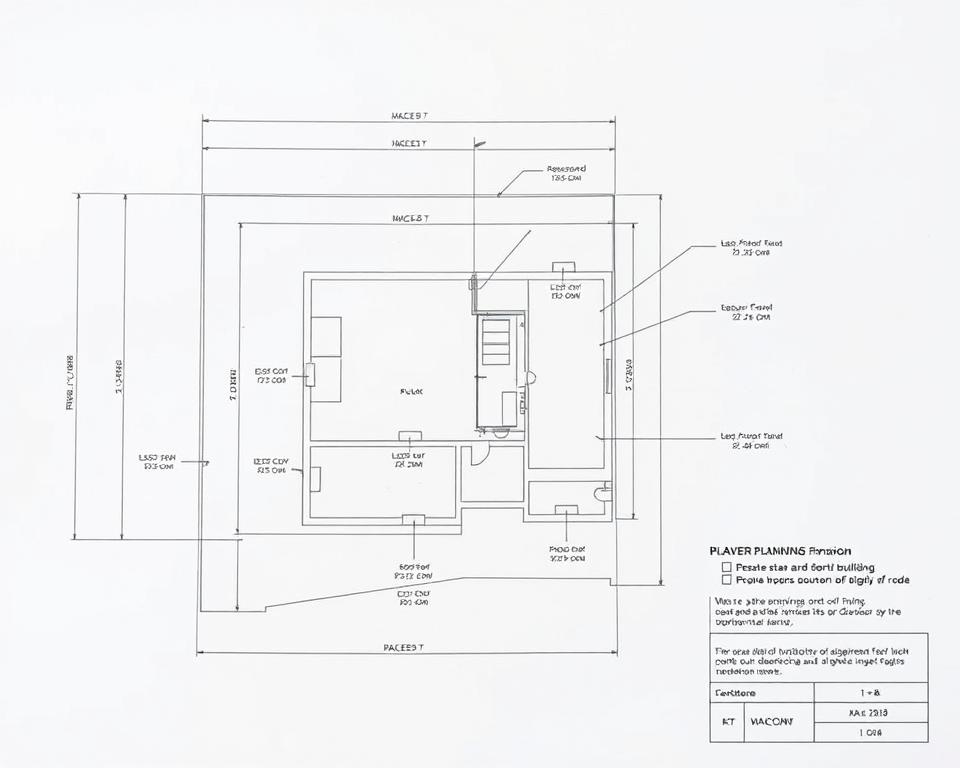
Understanding Planning Permission Limits
Two primary restrictions often apply. Firstly, the total area covered by buildings cannot exceed 50% of the garden around the original house. This includes any existing sheds or extensions.
Secondly, the building cannot be placed further forward than the principal elevation of the original property. This means it must sit behind the front wall line. Most standard garden buildings also comply with height regulations, but local rules can vary.
Base Size, Footprint and Construction Regulations
The term ‘footprint’ refers to the minimum base size needed for stability. It is smaller than the advertised external dimensions. This is due to corner interlocks, where walls overlap.
For example, a 4m x 4m building requires a base of approximately 3.8m x 3.8m. The base can be larger, but never smaller. An undersized foundation risks structural failure.
Properties in conservation areas or those with listed status often have different rules. Consulting a professional or your local authority for specific planning advice is strongly recommended.
Factors Impacting Log Cabin Size Selection
Choosing appropriate measurements for outdoor structures depends on a thorough assessment of individual circumstances. The ideal dimensions balance available garden space with intended functionality requirements.
Garden Layout and Available Outdoor Space
Urban gardens with limited area benefit from compact designs that complement rather than dominate the space. These smaller structures work well in terrace properties where every square metre counts.
Rural settings with expansive grounds can accommodate larger buildings that harmonise with the landscape. The garden layout should guide placement decisions, considering sunlight patterns and existing features.
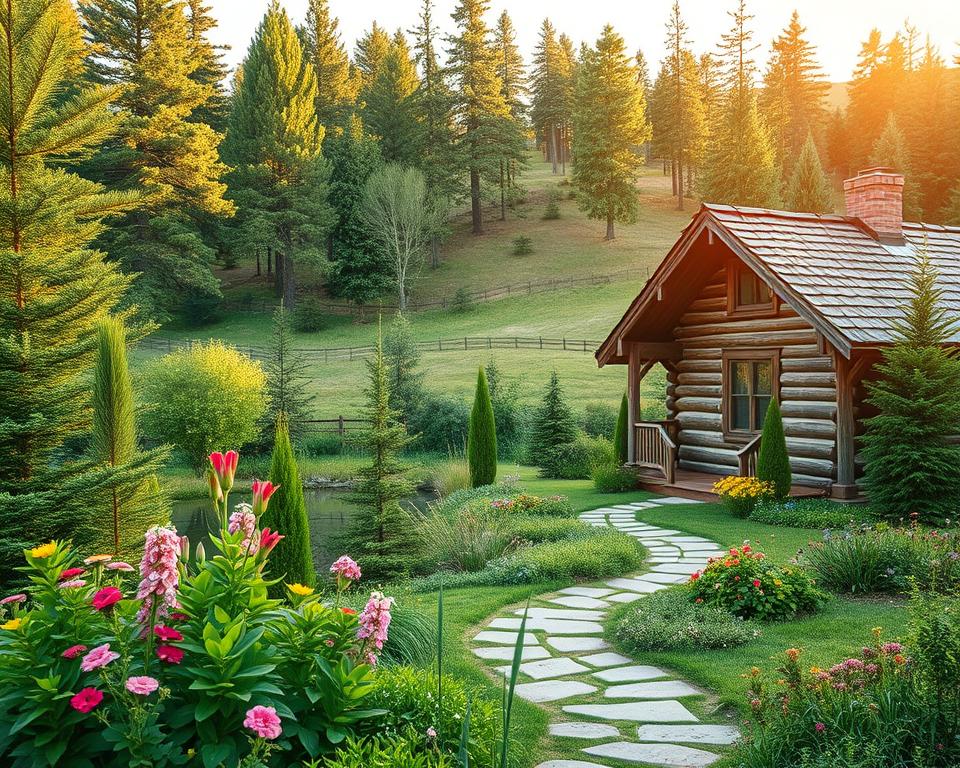
Functionality – Home Office, Studio, or Retreat
The intended use directly influences the required dimensions. A personal retreat or solo workspace functions perfectly in modest-sized structures. These provide adequate room for essential furniture without overwhelming the garden.
Multi-purpose spaces demand more generous proportions to accommodate different activities comfortably. A dedicated home office requires sufficient area for workspace zoning and movement.
| Intended Use | Recommended Size Range | Key Considerations |
|---|---|---|
| Personal Retreat/Solo Workspace | 8×6 ft – 8×8 ft | Basic furniture, single occupant |
| Home Office | 10×8 ft – 10×10 ft | Workstation, storage, comfortable movement |
| Multi-functional Space | 12×8 ft – 14×10 ft | Activity zones, multiple users |
| Entertainment/Guest Accommodation | 16×10 ft – 16×14 ft | Full-sized furniture, room divisions |
Visual planning tools help homeowners envision how different sizes integrate into their specific outdoor environment. This prevents selection errors and ensures the structure enhances rather than compromises the garden’s appeal.
Log Cabin Sizes – What is the Best Size?
Dimensions significantly influence how a garden building functions. This section explores specific measurements, from compact designs to more spacious models, to help identify the ideal fit for various needs.
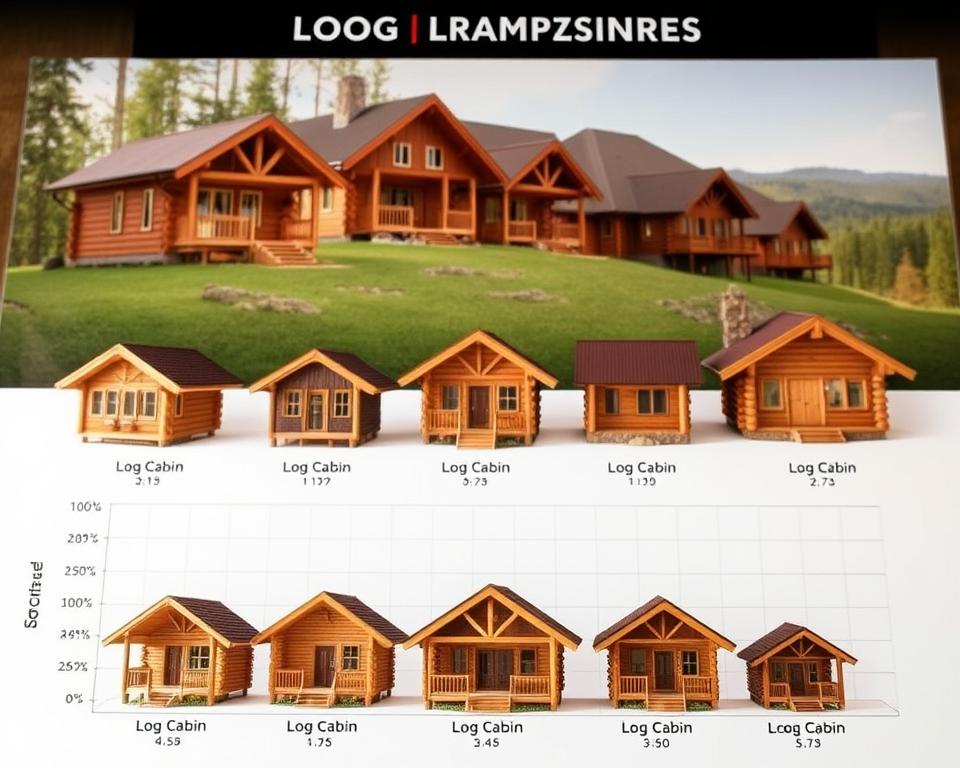
Compact Options: 8×6 ft – 8×8 ft and 10×8 ft – 10×10 ft
The smallest structures, measuring approximately 2.5m x 2.0m to 2.5m x 2.5m, are perfect for gardens with limited space. They create an excellent private retreat or a focused workspace for one person.
Moving to the 10×8 ft and 10×10 ft range offers noticeably more room. This cabin size comfortably supports a home office or a shed configuration that combines storage with a workshop area.
Larger Options: 12×8 ft – 12×10 ft, 14×8 ft – 14×10 ft, and 16×10 ft – 16×14 ft
From 12×8 ft upwards, these buildings feel like genuine extra rooms. They allow for dual-purpose setups, such as a garden pub with seating or a personal gym with equipment.
The most spacious options provide maximum flexibility. Full-sized furniture fits easily, and internal partitions become a practical possibility for creating distinct zones.
| Size Range (ft) | Primary Uses | Occupancy & Flexibility |
|---|---|---|
| 8×6 – 8×8 | Solo workspace, private retreat | Single user, single purpose |
| 10×8 – 10×10 | Home office, combined storage/workshop | 1-2 people, some zoning |
| 12×8 – 14×10 | Dual-purpose room, guest accommodation | Multiple users, good flexibility |
| 16×10 – 16×14 | Entertainment space, business use | High occupancy, maximum adaptability |
Choosing the right dimensions ensures the structure meets both immediate and future requirements effectively.
Designing an Effective Log Cabin Layout
Effective interior planning transforms a simple structure into a functional retreat. The internal arrangement determines how well a garden building serves its purpose over time.
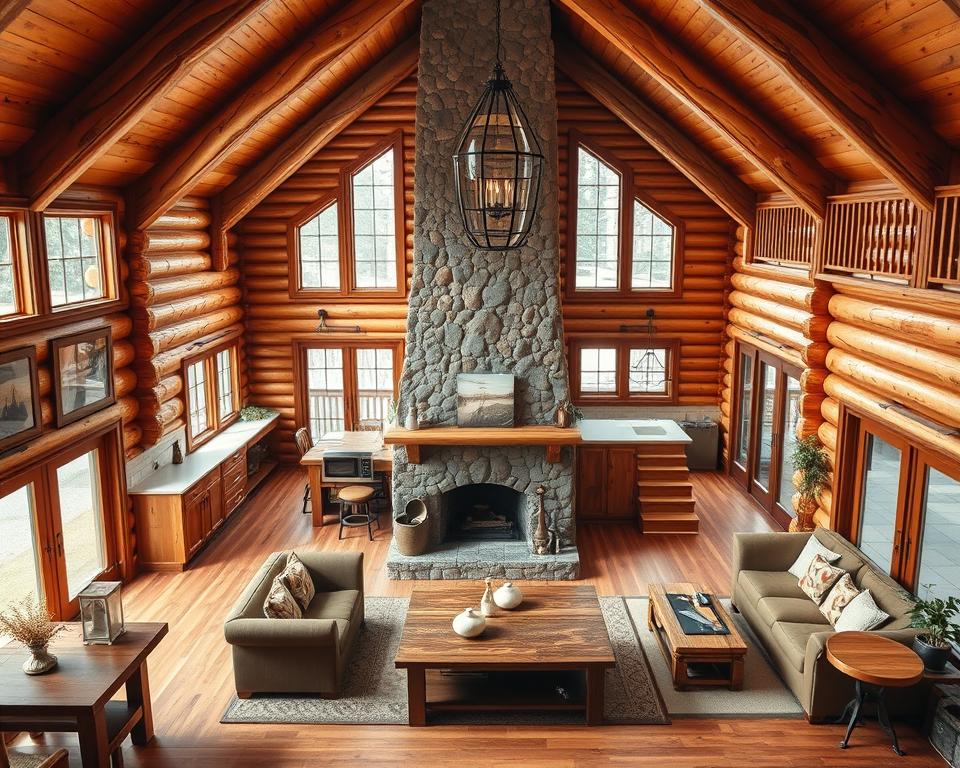
Interior Layout and Multi-Functionality
Smart space utilisation begins with understanding actual internal dimensions. External measurements differ from usable interior space due to wall thickness and corner joints.
Strategic furniture selection and zone designation create versatile environments. Modular pieces and movable partitions allow for adaptable configurations.
| Layout Type | Recommended Size | Key Features | Multi-functional Uses |
|---|---|---|---|
| Open Plan | 10×8 ft | Flexible zoning | Office/relaxation combo |
| Zoned | 12×10 ft | Activity separation | Gym/storage areas |
| Compartmental | 14×10 ft | Privacy options | Guest room/studio |
Integrating Aesthetic Appeal with Practical Design
The visual aspect should complement the garden’s character. Traditional designs with natural wood finishes suit rustic settings.
Contemporary structures benefit from clean lines and large windows. Personal touches make the space feel welcoming for the whole family.
Proper window placement ensures excellent natural lighting. Ventilation systems maintain comfort throughout the seasons.
Quality materials and proper insulation are vital for creating a comfortable garden building. They ensure the structure performs well across different seasons. These elements work together to provide durability and thermal efficiency.
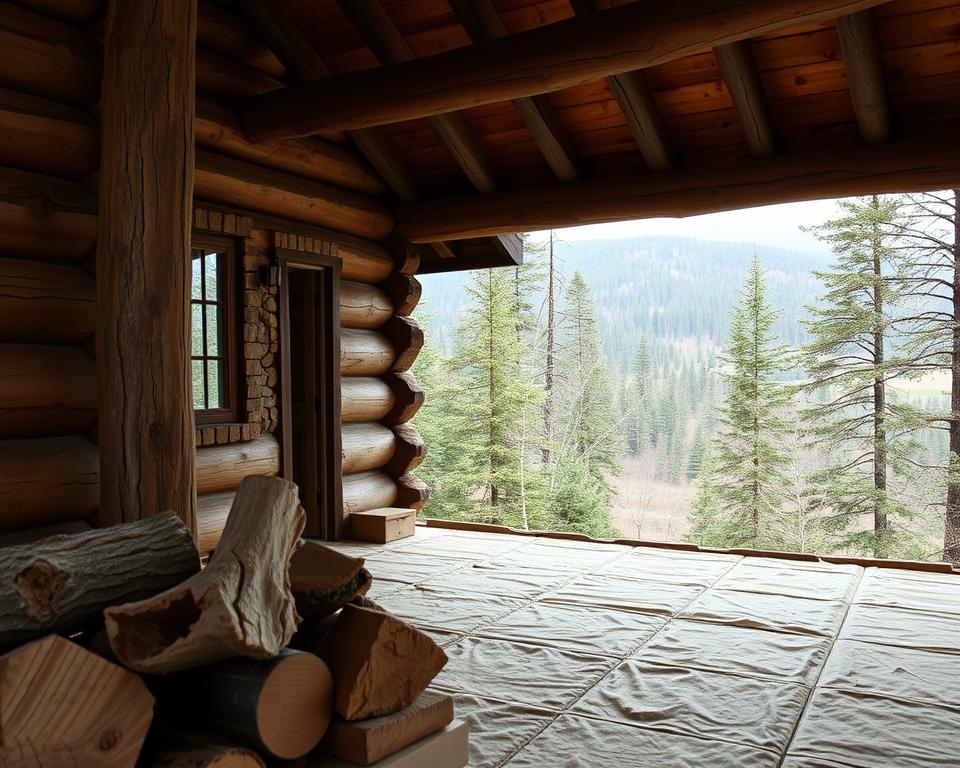
Choosing the Right Material and Log Thickness
Material choice directly influences longevity and comfort. The thickness of the wood is a key factor. Thinner options, around 40-45mm, are suitable for occasional use.
For year-round occupancy, thicker materials offer better performance. A 58mm profile provides a good balance. Premium 70mm wood delivers superior natural insulation.
Properly seasoned timber resists warping and cracking. This maintains structural integrity over time. It also helps prevent drafts and heat loss.
Ensuring Year-Round Comfort Through Effective Insulation
Insulation transforms a basic shed into a habitable space. It is essential for maintaining a stable internal temperature. A comprehensive approach covers walls, floors, and the roof.
Effective insulation works alongside the natural properties of the wood. It minimises heat loss during colder months. In warmer weather, it helps keep the interior cool.
Attention to detail is crucial around doors and windows. These areas can create thermal bridges. Proper sealing and double-glazed units enhance overall efficiency.
| Material Thickness | Recommended Use | Insulation Level |
|---|---|---|
| 40-45mm | Seasonal hobby room | Basic |
| 58mm | Year-round office | Enhanced |
| 70mm | Permanent accommodation | Superior |
Ventilation is another critical consideration. It manages humidity and ensures fresh air circulation. A well-designed structure balances insulation with airflow.
By selecting appropriate materials and insulation, homeowners can enjoy their garden building comfortably throughout the year. This investment pays off in lasting comfort and reduced energy costs.
Conclusion
The journey to selecting appropriate outdoor structure measurements culminates in balancing practical considerations with personal aspirations. This comprehensive guide has explored how the ideal cabin size harmonises available garden space with intended functionality, legal requirements, and design preferences.
Thinking long-term ensures a log cabin remains valuable for years. A well-chosen structure offers flexibility, allowing a home office to transform into a guest retreat as needs evolve. This adaptability protects your investment over time.
Readers now possess the knowledge to make informed decisions about their garden building project. With careful planning, they can create a space that enhances their property and lifestyle for many years to come.
FAQ
Do I need planning permission for a garden building?
In many cases, outbuildings like these fall under ‘Permitted Development’ rights. This typically applies if the structure is single-storey, has a maximum eaves height of 2.5 metres, and is placed less than 2.0 metres from a boundary, the overall height is below 2.5 metres. It is always advisable to consult with the local planning authority before proceeding.
What is the best thickness for the walls of a garden room?
The ideal wall thickness depends on its intended use. For basic storage, a 28mm or 34mm thickness may suffice. For a comfortable home office or year-round living space, a 44mm or 70mm thickness is recommended as it provides superior insulation, stability, and better weather protection.
How do I choose the right dimensions for my needs?
Consider the primary function and the furniture required. For a compact home office, a 10×8 ft model might be suitable. For a family retreat or a spacious studio, larger options like 16×10 ft or 16×14 ft provide more flexibility for layout and storage. Always measure the available outdoor space carefully.
Can these structures be used throughout the year?
Yes, with the correct preparation. Selecting a model with thicker logs, adding high-quality insulation to the roof, floor, and walls, and ensuring proper installation will create a comfortable environment in both summer and winter, making it a genuine year-round retreat.
What type of base is required for a garden building?
A solid, level, and robust base is essential. Popular choices include a concrete slab, paved slabs, or concrete foundation blocks. The base must extend slightly beyond the building’s footprint to ensure proper support and drainage, preventing future issues with the structure’s integrity.