Create a Gravel Garden: Paths and Planting Beds

Transforming your outdoor space into a beautiful gravel garden can be a rewarding experience. By incorporating well-designed paths and planting beds, you can create a stunning landscape that is both functional and visually appealing.
A well-planned gravel garden can enhance your outdoor living area, providing a low-maintenance and drought-tolerant alternative to traditional gardening methods. As you embark on this project, you will learn how to effectively design and implement paths and planting beds that complement your garden’s unique features.
Inhaltsverzeichnis
Key Takeaways
- Understand the benefits of incorporating gravel gardens into your outdoor space.
- Learn how to design and implement effective paths and planting beds.
- Discover low-maintenance and drought-tolerant alternatives to traditional gardening methods.
- Enhance your outdoor living area with a well-planned garden design.
- Explore the role of landscaping in creating a beautiful gravel garden.
The Appeal of Gravel Gardens in British Landscapes
Gravel gardens have become increasingly popular in British landscapes due to their unique blend of style and practicality. These gardens offer a versatile and attractive solution for homeowners looking to create a beautiful outdoor space that is both eco-friendly and low-maintenance.
Mediterranean-Inspired Design for UK Climate
The Mediterranean-inspired design of gravel gardens is particularly appealing in the UK climate. By incorporating drought-tolerant plants and gravel pathways, these gardens evoke the sun-kissed landscapes of the Mediterranean region. This style is not only aesthetically pleasing but also well-suited to the UK’s temperate climate.
Low-Maintenance Benefits for Modern Gardeners
One of the key advantages of gravel gardens is their low-maintenance requirements. With fewer demands for watering, mowing, and pruning, these gardens are ideal for modern gardeners with busy lifestyles. The use of gravel and drought-tolerant plants reduces the need for frequent watering, making them a practical choice for those seeking to minimize their environmental impact.
Eco-Friendly Aspects of Gravel Landscaping
Gravel landscaping is also recognized for its eco-friendly aspects. By using natural materials like gravel and incorporating native or drought-tolerant plants, gravel gardens promote biodiversity and reduce water consumption. This approach to gardening is not only sustainable but also contributes to a more environmentally conscious lifestyle.
By embracing the appeal of gravel gardens, you can create a beautiful, low-maintenance, and eco-friendly outdoor space that enhances your home’s aesthetic and reduces your environmental footprint.
Understanding the Fundamentals of Gravel Gardens
When designing a gravel garden, several fundamental principles must be considered to achieve a harmonious and low-maintenance outdoor space. A gravel garden is not just about laying down gravel and planting a few hardy plants; it’s about creating a balanced ecosystem that thrives with minimal intervention.
Key Elements and Design Principles
The key to a successful gravel garden lies in its design. Good drainage is crucial, as gravel gardens are often designed to be dry and well-drained. The choice of gravel is also important, with different sizes and colours available to suit various design styles. Plant selection is another critical element, with plants chosen for their ability to thrive in dry conditions.

Different Styles: Coastal, Mediterranean and Contemporary
Gravel gardens can be designed in various styles to suit different tastes and environments. A coastal style might incorporate shells and driftwood, while a Mediterranean style could feature olive trees and terracotta pots. Contemporary designs often use clean lines and minimalist planting schemes.
Suitable Plants for Gravel Environments
Choosing the right plants is vital for a gravel garden’s success. Plants such as sedum, lavender, and yucca are well-suited to dry conditions and require minimal watering. Native plants can also be a good choice, as they are adapted to the local climate and soil conditions.
By understanding these fundamentals, you can create a beautiful and low-maintenance gravel garden that enhances your outdoor space.
Planning Your Gravel Garden Layout
A well-designed gravel garden begins with a thorough plan, taking into account the space available and the conditions it presents. To achieve a harmonious balance between form and function, you need to assess your garden’s unique characteristics.
Assessing Your Space and Conditions
Start by evaluating the size and shape of your garden, noting any existing features such as slopes, trees, or buildings. Consider the amount of sunlight your garden receives and the soil type, as these factors will influence your plant choices and drainage solutions.
Creating a Functional Design Plan
With your garden’s conditions in mind, create a design plan that incorporates your needs and preferences. Think about how you intend to use your garden and what features are essential to you, such as seating areas or pathways.

Balancing Paths and Planting Areas
A key aspect of your gravel garden design is striking a balance between paths and planting areas. Paths should be wide enough for comfortable passage, while planting areas should be proportionate to the size of your garden and the plants you’ve chosen.
| Design Element | Considerations |
|---|---|
| Paths | Width, material, drainage |
| Planting Areas | Size, plant selection, soil preparation |
| Seating | Location, type, comfort |
Incorporating Seating and Focal Points
To enhance the usability and visual appeal of your gravel garden, incorporate seating areas and focal points. These could be statues, planters, or other decorative elements that draw the eye and create interest.
Essential Tools and Materials for Your Project
Before you begin constructing your gravel garden, it’s essential to gather the necessary tools and materials. Having everything on hand will make the process smoother and more efficient.
Garden Preparation Tools
To prepare your garden, you’ll need a few basic tools. These include a shovel for digging, a rake for levelling, and a wheelbarrow for transporting materials. Ensure your tools are in good condition to avoid delays during your project.
Types of Gravel and Aggregates
The type of gravel or aggregate you choose can significantly impact the appearance and functionality of your garden. Popular options include pea gravel, crushed stone, and decomposed granite. Consider factors like colour, texture, and drainage when making your selection.

Additional Materials and Supplies
In addition to gravel, you may need edging materials, weed barriers, and landscape fabric. These help define your garden’s boundaries and reduce maintenance.
Budget Considerations
When planning your gravel garden, it’s crucial to consider your budget. Create a detailed list of materials and tools needed, and research suppliers to find the best prices. Consider cost-saving measures like buying materials in bulk or repurposing existing garden features.
| Material | Average Cost |
|---|---|
| Gravel | £50-£100 per tonne |
| Edging | £20-£50 per metre |
| Weed Barrier | £1-£3 per square metre |
Site Preparation Techniques
To ensure your gravel garden thrives, start with thorough site preparation. This crucial step lays the foundation for a beautiful and low-maintenance outdoor space.
Clearing and Levelling Your Garden Area
Begin by clearing your garden of debris, weeds, and existing plants. Use a garden fork to loosen the soil and remove any unwanted vegetation. Once cleared, assess the ground level. If necessary, use a spirit level and rake to create a smooth, even surface. This step is essential for proper drainage and an aesthetically pleasing finish.

Soil Assessment and Amendments
Assess your soil type and condition. For gravel gardens, good drainage is crucial. If your soil is heavy clay or prone to waterlogging, consider adding organic matter like compost to improve its structure. Sandy soils may require additional amendments to retain moisture and nutrients.
Dealing with Drainage Issues
Ensure your garden has proper drainage to prevent water from pooling on the surface or waterlogging the soil. If necessary, install a French drain or adjust the gradient of your garden to direct water away from the area.
Weed Suppression Methods
To minimize future weed growth, apply a landscape fabric or a thick layer of mulch. Alternatively, use a chemical weed suppressant, following the manufacturer’s instructions carefully. Consider the following weed suppression methods:
- Physical barriers
- Organic mulches
- Chemical weed control
By following these site preparation techniques, you’ll create a solid foundation for your gravel garden, ensuring it remains beautiful and low-maintenance for years to come.
Creating a Gravel Garden – Paths and Planting Beds
The success of your gravel garden hinges on how effectively you design and implement its paths and planting beds. A well-planned gravel garden not only enhances the aesthetic appeal of your outdoor space but also ensures ease of maintenance.
Defining Boundaries
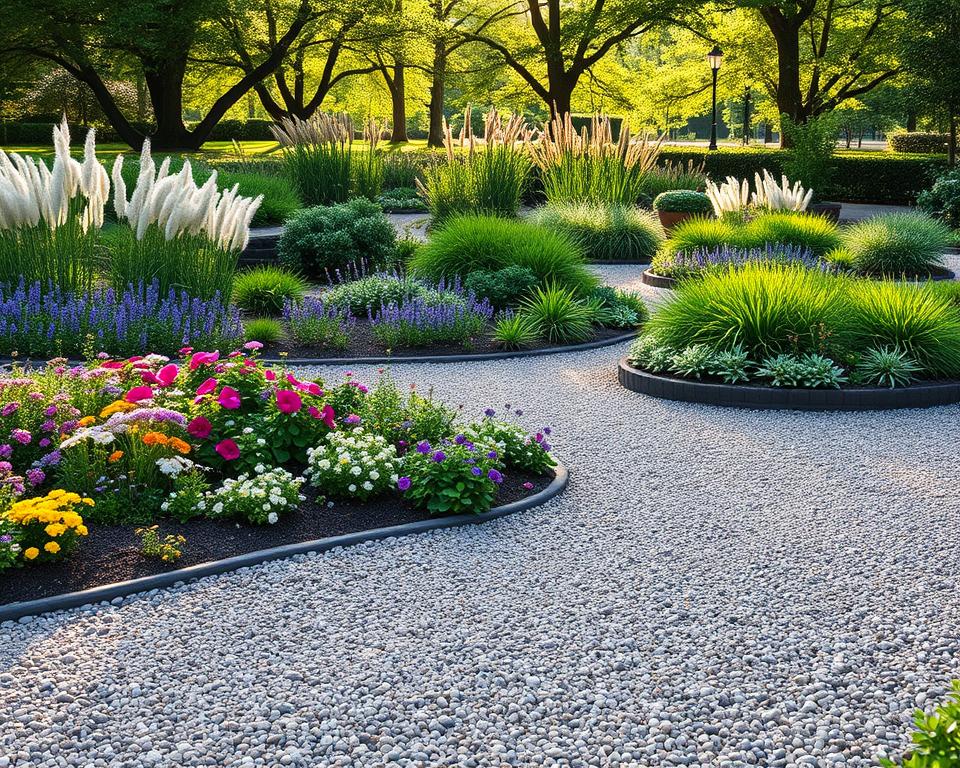
Defining the boundaries between paths and planting beds is crucial for a cohesive look. You can use edging materials like metal, stone, or timber to separate these areas effectively. The choice of edging material should complement the overall design of your garden.
Edging Options:
- Metal edging for a modern look
- Stone edging for a natural appearance
- Timber edging for a rustic feel
Installation Sequence
The installation sequence is vital for achieving the best results. Begin by preparing the site, which includes clearing and levelling the ground. Then, lay down a weed-suppressing membrane to prevent unwanted growth.
| Installation Step | Description |
|---|---|
| 1. Site Preparation | Clear and level the ground |
| 2. Lay Weed Membrane | Prevent weed growth |
| 3. Lay Gravel | Spread gravel evenly |
Sustainable Approaches
Adopting sustainable practices in your gravel garden construction not only benefits the environment but also enhances the garden’s longevity. Consider using recycled materials for edging and paths.
Sustainable Tips:
- Use recycled aggregates for paths
- Choose drought-tolerant plants
- Implement rainwater harvesting
By following these guidelines, you can create a beautiful and sustainable gravel garden that meets your needs and complements your outdoor space.
Designing and Installing Effective Garden Paths
Effective garden paths are not just about aesthetics; they also improve accessibility and navigation within your garden. When designing your gravel garden, it’s essential to consider how you want people to move through the space.
Path Width and Accessibility Considerations
The width of your garden paths is crucial for accessibility. A path that is too narrow can be difficult to navigate, especially for those with mobility issues. Typically, a width of 900mm to 1.2 meters is recommended to allow for comfortable passage. Additionally, consider the surface material and ensure it’s stable and even.
- Ensure paths are wide enough for wheelchairs or mobility scooters if necessary.
- Use gentle gradients rather than steep slopes for better accessibility.
- Incorporate rest areas or widened sections for comfort.
Creating Curved vs. Straight Pathways
The choice between curved and straight pathways depends on the overall design of your garden and the effect you wish to achieve. Curved paths can create a sense of journey and discovery, while straight paths offer a clear, direct route.
Consider the following when deciding:
- Curved paths can make a garden feel larger and more interesting.
- Straight paths are more suitable for formal or contemporary designs.
- Mixing both styles can create visual interest and variety.

Step-by-Step Path Installation Guide
Installing garden paths involves several key steps:
- Mark out the path area using a garden hose or rope.
- Clear the area of any debris and vegetation.
- Lay a weed-suppressing membrane to prevent unwanted growth.
- Add a layer of compacted gravel or aggregate for stability.
- Finish with a layer of your chosen surface material.
Integrating Steps and Level Changes
When your garden has level changes, incorporating steps or ramps is essential. Ensure that steps are well-designed with consistent riser heights and deep enough treads for safe footing. Ramps should be gently sloping and well-supported.
By carefully designing and installing your garden paths, you can enhance both the functionality and beauty of your gravel garden.
Edging Options to Separate Paths from Planting Areas
Edging is a vital element in distinguishing paths from planting areas in your gravel garden. Effective edging not only enhances the visual appeal of your garden but also helps to maintain its structure and prevent gravel from spilling into planting beds.
Metal, Stone, and Timber Edging Comparisons
When choosing edging materials, you have several options, each with its unique characteristics. Metal edging is durable and can be used to create sleek, modern designs. Stone edging blends seamlessly with gravel gardens, offering a natural look. Timber edging provides a warm, rustic appearance and can be more budget-friendly.
| Material | Durability | Aesthetic Appeal | Cost |
|---|---|---|---|
| Metal | High | Modern | Medium to High |
| Stone | High | Natural | Medium to High |
| Timber | Medium | Rustic | Low to Medium |
Installation Techniques for Different Edging Materials
The installation method varies depending on the edging material chosen. For instance, metal edging is typically installed by driving it into the ground, while stone edging may require a concrete base for stability. Timber edging is usually secured with wooden stakes.

Natural and Recycled Edging Alternatives
For those looking for sustainable edging options, natural and recycled materials can be an attractive choice. Using reclaimed wood, bamboo, or even living plants as edging can add a unique touch to your garden while reducing environmental impact.
By considering these edging options and their installation techniques, you can effectively separate paths from planting areas in your gravel garden, enhancing both its functionality and aesthetic appeal.
Selecting and Laying the Perfect Gravel
Gravel selection is a critical step in designing a beautiful and low-maintenance garden. The right gravel can enhance the aesthetic appeal of your garden while providing a durable and weed-suppressing ground cover.
Gravel Sizes and Types for Different Garden Areas
Different areas of your garden may require different sizes and types of gravel. For pathways, a smaller gravel size (around 6-10 mm) is often preferred for comfort underfoot, while larger sizes (10-20 mm) can be used for decorative areas or to suppress weeds more effectively.

Colour Choices and Aesthetic Considerations
The colour of the gravel can significantly impact the overall appearance of your garden. You can choose from a variety of colours, from neutral tones like beige and grey to more vibrant hues. Consider the colour of your plants, garden furniture, and other decorative elements when making your selection.
Proper Depth and Application Methods
To ensure the gravel layer is effective, it should be laid to a depth of at least 50 mm. First, lay a weed-suppressing membrane to prevent weeds from growing up through the gravel. Then, spread the gravel evenly, using a rake to achieve a uniform depth.
Stabilisation Options for High-Traffic Areas
For areas that experience heavy foot traffic, consider using a gravel stabilisation system. These systems involve a grid or mat that holds the gravel in place, preventing it from being displaced. This can help maintain the appearance of your garden and reduce maintenance needs.
By carefully selecting and laying your gravel, you can create a beautiful, functional, and low-maintenance garden that will be enjoyable for years to come.
Preparing Planting Beds in Your Gravel Garden
A well-prepared planting bed is the foundation of a beautiful and thriving gravel garden. To create an optimal environment for your plants, you need to consider several key factors, including soil requirements, planting pocket creation, mulching techniques, and how to work with challenging soil types.
Soil Requirements for Gravel Garden Plants
The soil in your gravel garden should be well-draining and have the right pH for the plants you’ve chosen. Most gravel garden plants prefer a slightly acidic to neutral soil pH, ranging from 6.0 to 7.0. To achieve this, you may need to amend your soil with organic matter like compost or well-rotted manure.
Creating Planting Pockets in Gravel Areas
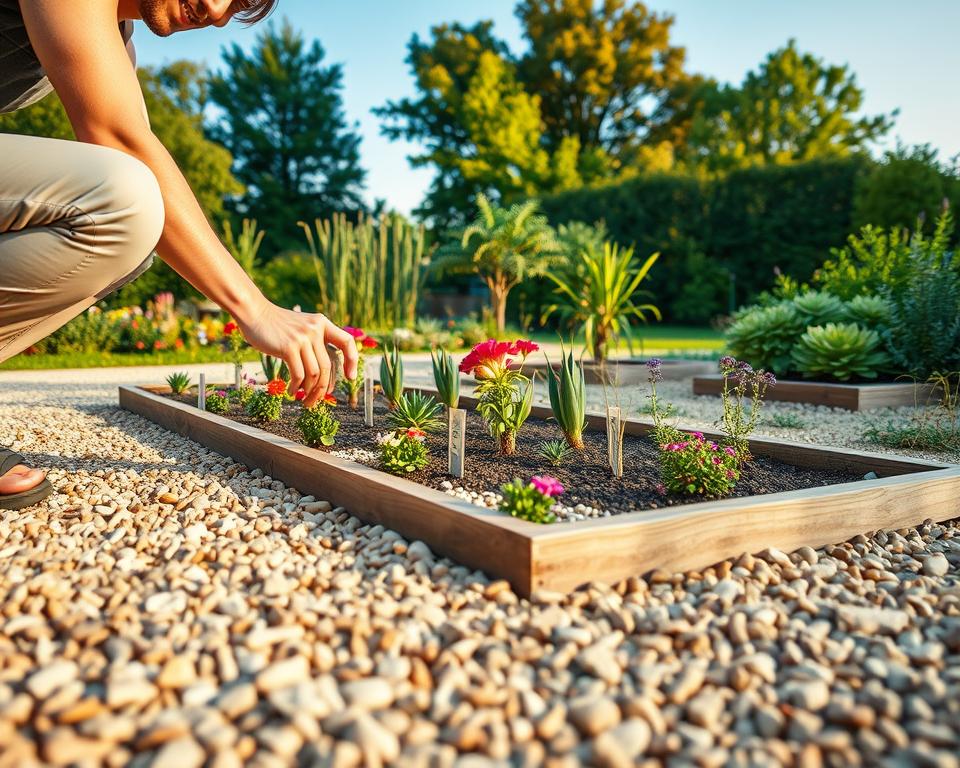
Planting pockets are essential in a gravel garden, providing a space for plants to grow without being overwhelmed by the gravel. To create a planting pocket, simply remove the gravel and weed barrier, dig a hole that’s twice as wide and just as deep as the plant’s root ball, and then replace the soil and firm it gently around the roots.
Mulching Techniques for Gravel Gardens
Mulching is a vital technique in gravel gardens, helping to retain moisture, suppress weeds, and regulate soil temperature. Organic mulches like wood chips or bark are suitable, but be sure to keep the mulch layer thin to prevent waterlogging.
Working with Challenging Soil Types
If your garden has challenging soil, such as heavy clay or sandy soil, there are ways to improve its structure. For clay soils, add organic matter and grit to improve drainage. For sandy soils, add compost to increase water retention. The following table summarizes some common soil issues and their solutions:
| Soil Type | Issue | Solution |
|---|---|---|
| Clay | Poor drainage | Add organic matter and grit |
| Sandy | Low water retention | Add compost |
By following these guidelines, you can create thriving planting beds in your gravel garden, ensuring your plants have the best chance to flourish.
Plant Selection for British Gravel Gardens
When it comes to creating a thriving gravel garden in the UK, selecting the right plants is crucial. The right plants can not only survive but thrive in the challenging conditions presented by gravel gardens.
Drought-Tolerant Mediterranean Plants
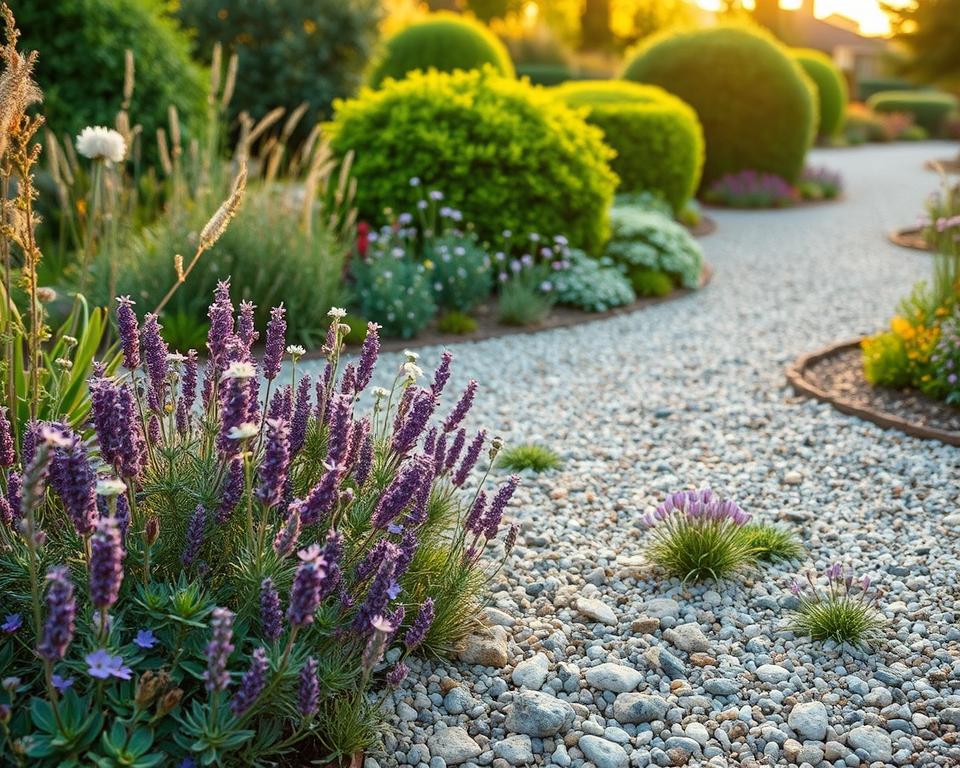
Mediterranean plants are ideal for gravel gardens due to their drought tolerance. Plants such as Rosemary and Lavender are not only hardy but also fragrant and attractive. They are well-suited to the dry conditions often found in gravel gardens.
Native British Plants Suitable for Gravel
Native British plants are another excellent choice for gravel gardens. They are naturally adapted to the local climate and soil conditions. Plants like Thyme and Sedum are perfect examples, offering low maintenance and resilience.
Structural Plants for Year-Round Interest
Incorporating structural plants can provide year-round interest in your gravel garden. Plants such as Yucca and Phormium offer striking foliage and can act as focal points in your garden design.
Combining Plants for Succession of Bloom
To ensure your gravel garden remains vibrant throughout the year, it’s essential to combine plants that offer a succession of bloom. By selecting plants that flower at different times, you can enjoy a dynamic and changing display. For example, early spring bulbs like Crocus can be followed by summer-flowering plants like Salvia and then autumnal plants like Aster.
| Plant Type | Example Plants | Season of Interest |
|---|---|---|
| Drought-Tolerant | Lavender, Rosemary | Summer |
| Native British | Thyme, Sedum | Spring-Summer |
| Structural | Yucca, Phormium | Year-Round |
| Succession of Bloom | Crocus, Salvia, Aster | Spring-Autumn |
Planting Techniques for Gravel Garden Success
Effective planting techniques are the backbone of a successful gravel garden, promoting healthy plant growth. To create a thriving gravel garden, you need to consider several key factors, including proper spacing, planting methods, and initial care for your plants.
Proper Spacing and Arrangement
Adequate spacing is crucial to prevent overcrowding and ensure air circulation. Plant spacing depends on the mature size of the plants you choose. Research the specific needs of your plants to determine the optimal spacing.
- Consider the mature size of the plants when deciding on spacing.
- Leave enough room for growth to prevent overcrowding.
- Arrange plants according to their growing conditions and sunlight requirements.
Planting Methods to Encourage Establishment
The way you plant can significantly impact the establishment of your gravel garden plants. Dig a proper hole, gently remove the plant from its container, and water thoroughly after planting.
- Dig a hole that is twice as wide and just as deep as the plant’s root ball.
- Gently place the plant in the hole, making sure the soil level is the same as it was in the pot.
- Backfill with a mix of soil and organic matter to improve drainage and fertility.

Initial Care for New Plants
After planting, water your plants regularly, especially during their first growing season. Mulching around the plants can help retain moisture and suppress weeds.
Creating Plant Communities That Thrive Together
Selecting plants that complement each other in terms of growth habits, textures, and flowering times can create a dynamic and resilient gravel garden. Consider combining plants with different heights, foliage colours, and flowering periods to achieve a visually appealing and diverse garden ecosystem.
Water-Wise Irrigation Solutions
Implementing water-wise irrigation solutions is crucial for maintaining a thriving gravel garden. Gravel gardens, known for their low-maintenance requirements, still need careful watering to flourish. You can achieve a beautiful and sustainable garden by adopting efficient irrigation practices.
Efficient Watering Systems for Gravel Gardens
To water your gravel garden effectively, consider using drip irrigation or soaker hoses. These systems deliver water directly to the roots of plants, reducing evaporation and runoff. This targeted watering approach ensures that your plants receive the right amount of moisture without wasting water.

Rainwater Harvesting Options
Rainwater harvesting is an excellent way to supplement your irrigation needs. By collecting and storing rainwater, you can reduce your reliance on mains water and lower your water bills. Installing a rainwater harvesting system can be as simple as using a water butt or as complex as implementing a large storage tank.
Drought Management Strategies
Even with efficient irrigation, droughts can still impact your gravel garden. To mitigate this, choose drought-tolerant plants and use mulch to retain soil moisture. You can also implement a watering schedule that adjusts to weather conditions, ensuring your garden receives the right amount of water.
Balancing Water Conservation with Plant Needs
While conserving water is essential, it’s equally important to meet the needs of your plants. Monitor your garden’s condition and adjust your irrigation system accordingly. By striking a balance between water conservation and plant care, you can enjoy a thriving and sustainable gravel garden.
Common Mistakes to Avoid in Gravel Garden Creation
To ensure your gravel garden thrives, it’s essential to avoid common mistakes that can lead to drainage issues, poor plant growth, and increased maintenance.
Improper Drainage Solutions
One of the most critical aspects of a gravel garden is drainage. Poor drainage can lead to waterlogged soil, root rot, and other problems. To avoid this, ensure that your garden has a proper slope and consider installing a French drain if necessary.
- Assess your garden’s natural slope and drainage patterns.
- Install a drainage system if you live in an area with heavy rainfall.
- Use permeable materials for paths and other hard landscaping.
Plant Selection Errors
Choosing the right plants for your gravel garden is crucial. Drought-tolerant plants are often the best choice, but it’s also important to consider factors like soil type and sunlight exposure. Avoid plants that require a lot of watering or have invasive tendencies.
Maintenance Misconceptions
While gravel gardens are often low-maintenance, they still require regular upkeep. Weed control is essential, as weeds can quickly overtake your garden. Regularly inspect your garden and remove weeds as needed.

Design and Layout Pitfalls
A well-designed gravel garden should balance aesthetics with functionality. Avoid overcrowding plants and ensure that paths are wide enough for comfortable navigation. Consider the mature size of plants when planning your garden.
- Plan your garden layout carefully, considering mature plant sizes.
- Avoid overcrowding to prevent competition for resources.
- Ensure paths are accessible and well-defined.
Conclusion: Enjoying Your Low-Maintenance Gravel Garden
With proper planning and care, your gravel garden can be a beautiful and sustainable addition to your outdoor space, providing a serene atmosphere for relaxation and entertainment. By incorporating the right plants, paths, and design elements, you can create a low-maintenance gardening oasis that brings you joy and satisfaction.
As you’ve learned throughout this guide, a well-designed gravel garden offers numerous benefits, including reduced water consumption and minimized weed growth. By selecting the right gravel and plants for your climate and soil type, you can enjoy a thriving garden with minimal upkeep.
To maximize your gravel garden enjoyment, consider incorporating seating areas, decorative features, and other elements that reflect your personal style. With a little creativity, your gravel garden can become a haven for relaxation and a beautiful extension of your home.
In conclusion, a well-designed gravel garden is a valuable investment for any homeowner seeking to enhance their outdoor space while minimizing maintenance requirements. By following the principles outlined in this guide, you can create a stunning and sustainable garden that provides years of enjoyment and satisfaction, marking a perfect garden conclusion to your outdoor renovation project.
FAQ
What are the benefits of creating a gravel garden?
Gravel gardens offer several benefits, including low-maintenance requirements, eco-friendly aspects, and a Mediterranean-inspired design that can thrive in the UK climate.
How do I choose the right type of gravel for my garden?
The type of gravel to use depends on the desired appearance and the specific needs of your garden. Consider factors such as colour, size, and texture when selecting gravel. Popular options include pea gravel, shingle, and decomposed granite.
What plants are suitable for a gravel garden?
Drought-tolerant Mediterranean plants, native British plants, and structural plants for year-round interest are all suitable options for a gravel garden. Examples include lavender, rosemary, and sedum.
How do I prepare the soil for a gravel garden?
To prepare the soil, assess its condition and amend it if necessary. Remove weeds, and add organic matter such as compost to improve drainage and fertility.
How do I prevent weeds from growing in my gravel garden?
To prevent weeds, use a weed-suppressing membrane or landscape fabric under the gravel. Regularly inspect the garden and remove any weeds that appear.
Can I use rainwater harvesting in my gravel garden?
Yes, rainwater harvesting is a great way to conserve water and reduce your environmental impact. Consider installing a rainwater tank or butt to collect and store rainwater for irrigation.
How often should I water my gravel garden?
Gravel gardens are generally low-maintenance and drought-tolerant. Watering frequency will depend on the specific plants and weather conditions. As a general rule, water plants during prolonged dry spells, but avoid overwatering.
What are some common mistakes to avoid when creating a gravel garden?
Common mistakes include improper drainage solutions, plant selection errors, maintenance misconceptions, and design and layout pitfalls. Research and plan carefully to avoid these issues.
How do I maintain my gravel garden?
Regular maintenance tasks include inspecting the garden for weeds, replenishing gravel as needed, and pruning plants to maintain shape and promote healthy growth.