Should I Get My Shed Pressure Treated? UK Guide
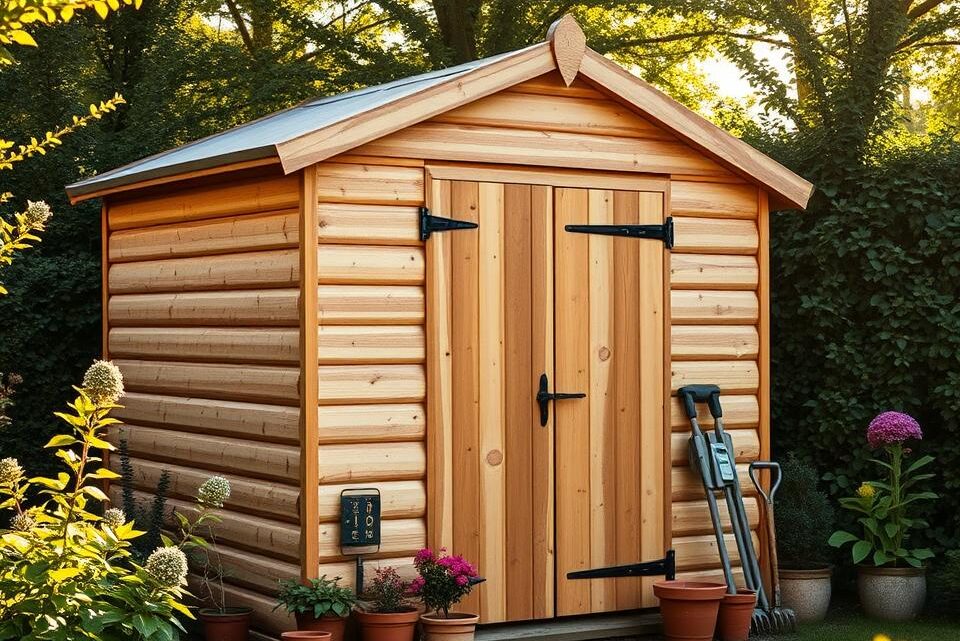
Choosing the right garden building is a significant decision for any homeowner. The type of timber used can dramatically affect its longevity and performance. This guide explores a crucial consideration for UK buyers.
Many wonder if the process of pressure treatment is a necessary investment. For garden storage and log stores, this decision holds considerable weight. The British climate, with its rain and damp conditions, poses a real threat to untreated wood.
Industry experts consistently highlight that the benefits of this protective process far outweigh the manageable downsides. It represents a significant upgrade for any wooden structure. This analysis provides clear, factual information to help homeowners make an informed choice.
Understanding the advantages and practicalities allows for a decision that suits specific circumstances and budget. The goal is to clarify whether the initial cost justifies the long-term benefits for your garden building.
Inhaltsverzeichnis
Key Takeaways
- Pressure treatment offers enhanced protection against the UK’s challenging weather.
- This process significantly extends the lifespan of a garden shed.
- It reduces long-term maintenance needs for the structure.
- The initial investment is often justified by future savings.
- Understanding your specific needs helps determine if it is the right choice.
The Case for Pressure-Treated Sheds
Transforming standard wood into a robust material capable of enduring harsh conditions is the goal of a specific industrial process. This method fundamentally alters the timber’s properties, offering a significant enhancement in durability for garden buildings.
Understanding Pressure Treatment
This advanced treatment process involves infusing wood with special chemical preservatives. The timber is soaked in a liquid solution and then placed inside a high-pressure chamber. Intense pressure forces the preservative deep into the wood fibres.
Unlike simple surface coatings, this technique provides protection from the inside out. The chemicals used, such as Tanalith E, are formulated to combat fungal decay and insect infestation.
Long-Term Durability and Weather Resistance
The result is treated timber with exceptional resilience. It becomes highly resistant to moisture penetration and rot, which is vital for the damp UK climate. This comprehensive defence drastically extends the material’s potential lifespan.
| Feature | Standard Timber | Pressure-Treated Timber |
|---|---|---|
| Protection Level | Surface only | Deep, throughout |
| Rot Resistance | Low | High |
| Expected Lifespan | Several years | Several decades |
Benefits of Pressure-Treated Wood
The decision to invest in a garden building extends beyond the initial purchase, focusing heavily on its performance over many years. Timber that has undergone this specialised process delivers substantial practical advantages. These benefits make it a compelling choice for homeowners seeking a durable and hassle-free solution.
Longevity and Low Maintenance
One of the most significant benefits is exceptional longevity. A well-maintained structure can serve reliably for 15 to 40 years. This contrasts sharply with untreated alternatives, which may need replacement in just 5 to 10 years.
The enhanced durability also translates into remarkably low maintenance. Instead of annual treatments, a retreatmen is typically needed only every 5 to 7 years. This offers considerable time savings, allowing owners to enjoy their garden space rather than constantly tending to upkeep.
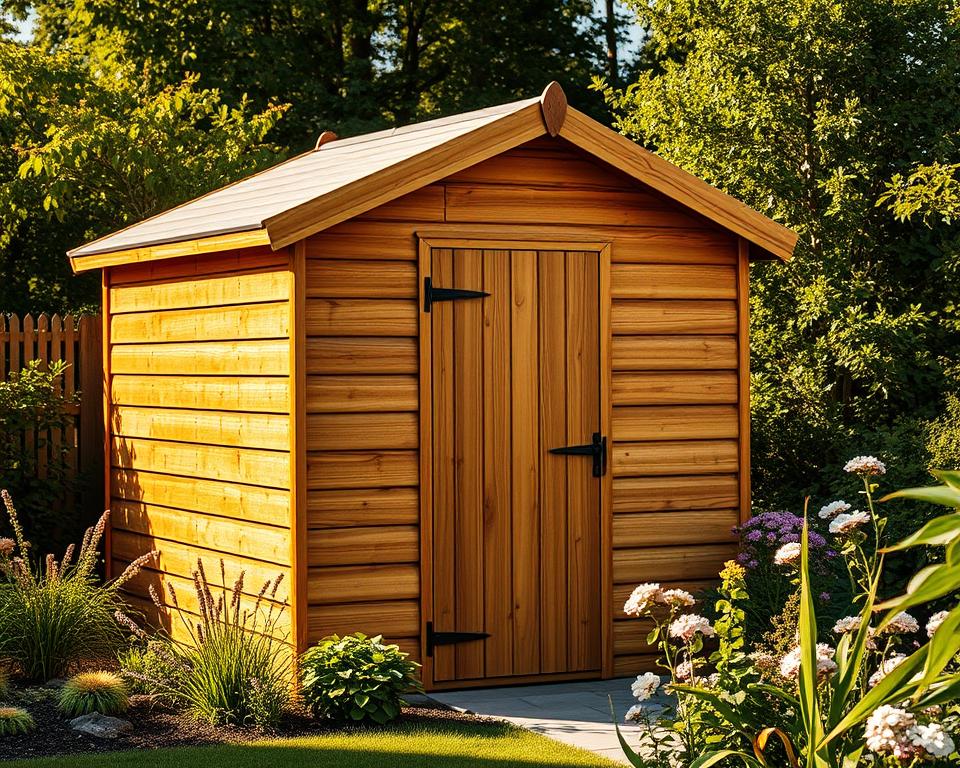
Manufacturers like BillyOh reinforce this confidence with guarantees of up to 15 years against rot and pests. This provides homeowners with long-term peace of mind regarding their structure’s integrity.
Cost-Effectiveness and Return on Investment
While the upfront cost is higher, the long-term financial picture is favourable. The investment proves its worth over the long run by eliminating frequent repair bills and the expense of premature replacement.
Savings accumulate from reduced spending on preservatives and the labour involved in regular applications. When these avoided costs are factored in, the return on investment calculation strongly supports choosing treated timber. It is a classic case of spending more initially to save money over many years.
| Consideration | Standard Timber | Pressure-Treated Timber |
|---|---|---|
| Typical Lifespan | 5-10 years | 15-40 years |
| Retreatment Frequency | Annually | Every 5-7 years |
| Long-Term Value | Lower | Higher |
Exploring the Drawbacks
While pressure-treated timber offers substantial benefits, it also presents several practical considerations that warrant careful evaluation. Understanding these limitations helps homeowners make fully informed decisions about their garden buildings.
Higher Initial Costs
The primary concern for many buyers is the increased upfront cost. Pressure-treated sheds typically command higher prices than untreated alternatives.
This additional money reflects the sophisticated manufacturing process. Specialised equipment and chemical preservatives add to the expense. Retailers often charge £100-300 extra for this upgrade option.
Periodical Treatment Requirements
Despite initial protection, these structures require ongoing attention. The preservative treatment gradually diminishes over time.
Homeowners must wait 3-6 months before applying paint. This seasoning period allows moisture levels to drop sufficiently. Winter installations can extend this waiting time significantly.
The characteristic greenish colour from copper-based preservatives may not suit all aesthetic preferences. While this colour fades somewhat, it remains initially noticeable.
| Consideration | Impact | Timeline |
|---|---|---|
| Initial Investment | Significantly higher cost | At purchase |
| Painting Preparation | 3-6 month waiting period | After installation |
| Retreatment Needs | Required every 5-7 years | Long-term maintenance |
Should I Get My Shed Pressure Treated?
Evaluating timber preservation methods requires understanding environmental exposure factors. The choice ultimately balances upfront investment against long-term performance benefits.
Weighing the Protection Against Weather Elements
Weather protection stands as the compelling argument favouring specialised timber treatment. In the UK’s notoriously damp climate, enhanced resistance to moisture and rot becomes invaluable.
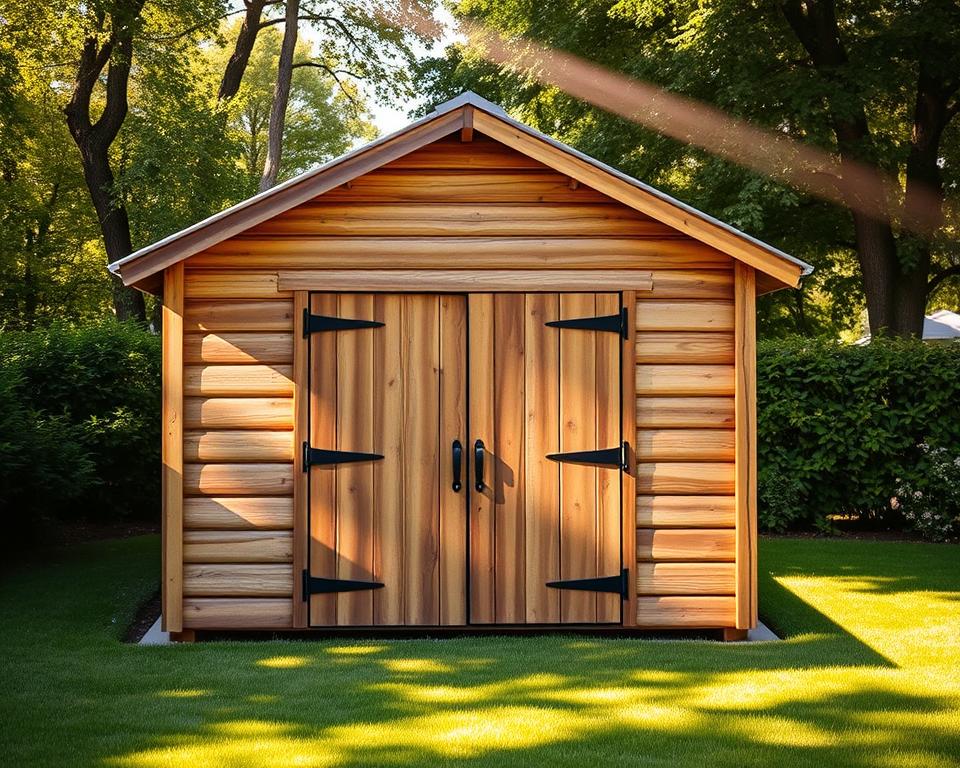
Structures positioned directly on ground contact benefit enormously from this superior moisture resistance. The treatment makes timber tougher against rot, damp, and pests. It withstands British weather extremes from heavy rain to winter snow.
Property owners storing valuable equipment gain significant advantages. The investment proves worthwhile for those seeking long-term storage without ongoing maintenance concerns. Budget-conscious buyers must weigh immediate affordability against potential replacement costs.
Environmental factors including local rainfall and ground drainage quality influence the decision. Wetter regions benefit more substantially from enhanced protection. The choice becomes clearer when considering the building’s intended use and exposure.
The Pressure Treatment Process Explained
Modern wood preservation relies on advanced techniques that deeply embed protective agents within the cellular structure of timber. This sophisticated treatment process ensures comprehensive defence against decay.
The Chemical Preservative and Application Methods
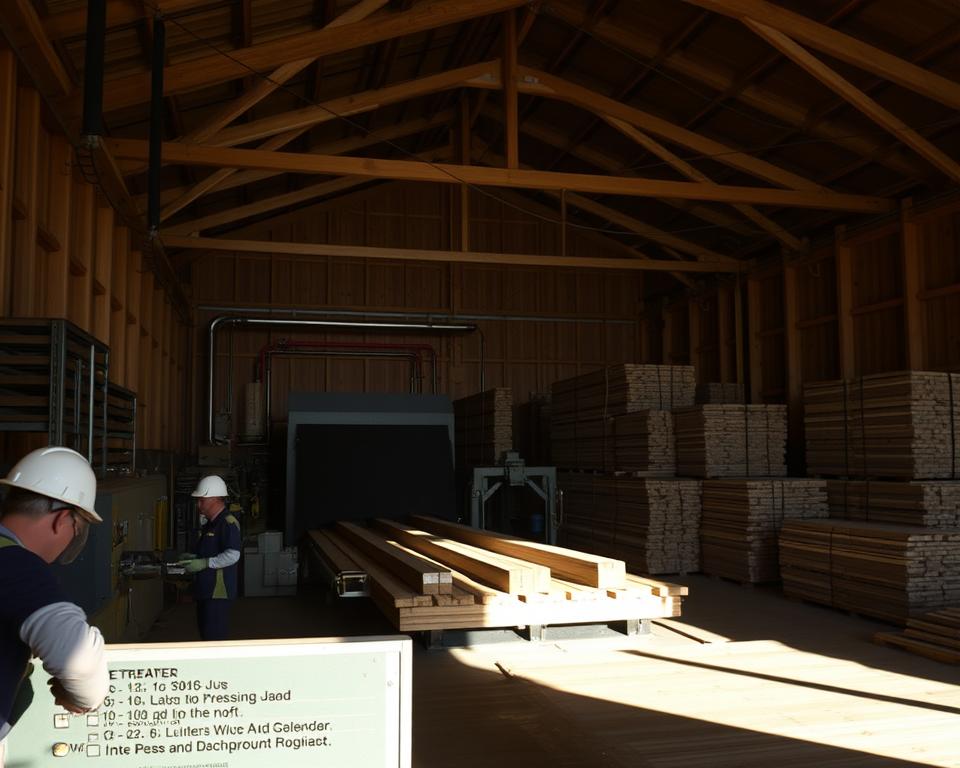
The process begins with timber being cut to precise specifications. Workers ensure surfaces are clean and dry to maximise absorption.
Next, the wood enters a chemical bath containing copper-based preservative solutions. These chemicals are engineered to combat fungal decay and insect infestation.
The critical stage occurs in a sealed chamber where intense pressure forces the preservative deep into the timber‘s fibres. Some systems use vacuum technology to draw the solution into the core.
Curing and Seasoning: Wait Time Before Painting
After treatment, the material undergoes a curing phase. This essential time allows the chemicals to bond permanently with the wood fibres.
The seasoning period typically lasts several days. It ensures the protective base is fully established before any surface finishes are applied.
This extended process explains why these products command higher prices than dip-treated alternatives. The investment translates to superior long-term performance.
| Stage | Duration | Purpose |
|---|---|---|
| Preparation | Variable | Clean, dry surfaces |
| Chemical Bath | Hours | Initial absorption |
| Pressure/Vacuum | Several hours | Deep penetration |
| Curing | Days | Chemical bonding |
Maintenance Tips for Pressure-Treated Sheds>
Proper care ensures a pressure-treated garden building delivers maximum longevity and performance. A consistent maintenance routine is straightforward and highly effective.
Following installation, the timber requires a seasoning period. This allows it to dry out completely, which can take several weeks. Applying any finish before this can trap moisture.
Cleaning and Preservative Application
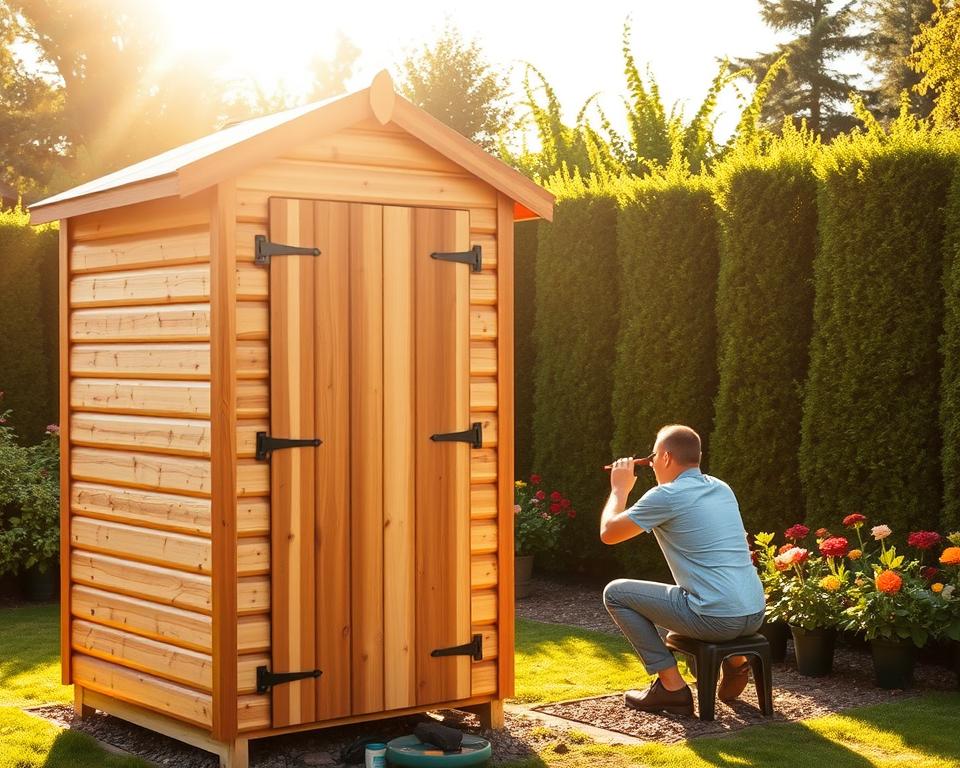
Regular cleaning removes dirt and mildew. Use a wood cleaner or mild soap mixed with water. For stubborn stains, a diluted bleach solution works well.
Rinse thoroughly and let the surface dry. Apply a water-repellent preservative every year or two. This acts like a protective raincoat for the wood.
Finishing options include clear sealers, wood stains, or paint. Each offers protection while letting homeowners choose their preferred aesthetic.
Inspection and Upkeep Routines
A regular inspection is crucial for early problem detection. Look for signs of rot, cracks, or insect activity. Catching issues early makes repairs simpler.
Keep the ground around the shed dry and ensure good drainage. Trim back plants to prevent them from trapping moisture against the timber.
This proactive approach to maintenance significantly extends the life of the shed. A simple schedule keeps the structure in top condition for decades.
| Maintenance Task | Frequency | Key Benefit |
|---|---|---|
| Thorough Inspection | Twice a year | Early problem identification |
| General Cleaning | Annually | Prevents dirt and mildew buildup |
| Preservative Application | Every 1-2 years | Enhances moisture resistance |
Comparing Pressure-Treated Sheds with Dip-Treated Alternatives
Understanding the distinction between dip-treated and pressure-treated timber is crucial for making an informed purchase. These methods offer different levels of protection and long-term value.
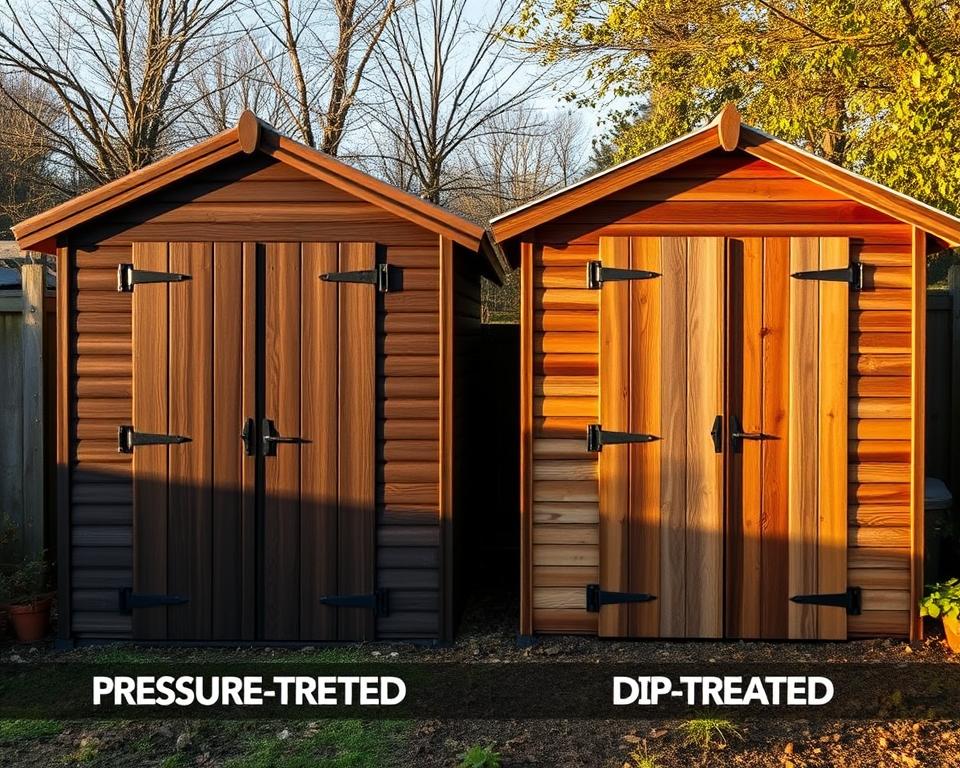
Process Differences and Results
Dip treatment involves briefly immersing wood in a preservative solution. This creates a superficial protective coating. The process is quick and cost-effective.
In contrast, pressure treatment forces preservatives deep into the wood’s fibres using a high-pressure chamber. This ensures thorough, internal protection. The result is superior durability.
Advantages and Disadvantages of Each Method
Dip-treated treated wood has a lower initial cost. It suits budget-conscious buyers or temporary structures. However, it requires retreating every 12 months.
Pressure-treated alternatives offer significant benefits. They provide long-term protection for many years with minimal upkeep. The higher initial investment is offset by reduced maintenance.
| Feature | Dip-Treated Sheds | Pressure-Treated Sheds |
|---|---|---|
| Protection Depth | Surface only | Deep, internal |
| Retreatment Frequency | Annually | Every 5-7 years |
| Expected Lifespan | 5-10 years | 15-20+ years |
| Ideal For | Budget, short-term use | Long-term investment |
Customer Considerations in the UK Market
Selecting a garden building in Britain involves careful thought about the local environment. The nation’s distinctive climate directly influences the performance and durability of these structures.
Environmental Factors and Local Climate
The United Kingdom’s weather is characterised by high rainfall and humidity. These conditions create a challenging environment for any outdoor building.
Pressure-treated timber offers a robust defence against persistent moisture. It is particularly effective in regions with heavy precipitation. Western coastal areas, for example, benefit greatly from this enhanced protection.
Placement within a garden also matters. Locations with poor drainage or constant shade demand superior material resilience. Structures in direct ground contact are especially vulnerable to damp.
In Scotland and Wales, cooler temperatures and extended wet seasons pose additional challenges. These climates slow the natural drying process for wood. A durable treatment becomes not just an advantage but a necessity for longevity.
| UK Region | Climate Challenge | Protection Benefit |
|---|---|---|
| South East England | Variable weather | General durability |
| West Coast & Wales | High rainfall | Superior rot resistance |
| Scotland & North England | Cool, damp conditions | Enhanced fungal protection |
Local soil conditions, such as heavy clay, can retain water. This increases the risk of decay at the base of a garden building. Proper site preparation and material choice work together for optimal results.
Consumer trends show a preference for long-lasting solutions that minimise maintenance. This aligns with the strong performance of well-protected timber in the British climate.
Conclusion
For homeowners seeking lasting value from their outdoor structures, the advantages of specialised wood treatment are undeniable. The evidence consistently demonstrates superior performance in Britain’s challenging climate.
Pressure-treated timber delivers exceptional durability and protection against moisture damage. This approach significantly extends a building’s longevity, often reaching 15-40 years of reliable service.
The initial investment proves worthwhile when considering long-term savings. Reduced maintenance needs and avoided repairs make this choice economically sound in the long run.
While all garden sheds require some upkeep, treated options offer substantial benefits. They provide comprehensive defence against rot and weathering.
This analysis supports the decision for enhanced protection. It represents a smart choice for permanent garden storage solutions.
FAQ
What is pressure treatment for timber?
Pressure treatment is a specialised process where timber is placed inside a large cylinder. A vacuum removes air, and then preservative chemicals are forced deep into the wood’s cells under high pressure. This provides robust, long-lasting protection against rot and insect attack.
How does a pressure-treated shed improve longevity?
The deep penetration of preservatives shields the wood from moisture, the primary cause of rot. This significantly enhances the shed’s durability, allowing it to withstand the UK’s damp weather for many years with minimal maintenance, making it a sound investment.
Are there any downsides to choosing a pressure-treated garden building?
The main consideration is the higher initial purchase price compared to dip-treated alternatives. Additionally, while the protection lasts for years, the timber may eventually require a fresh coat of preservative to maintain its defences against the elements.
How long should one wait before painting a new pressure-treated shed?
It is crucial to allow the timber to fully cure and season after treatment. This can take several months, depending on the weather. Painting too soon can trap moisture inside the wood, leading to potential issues. The shed should feel completely dry to the touch before any paint or stain is applied.
What maintenance does a pressure-treated shed need?
Maintenance is relatively low. An annual inspection for damage is wise. Cleaning the wood with a specialist cleaner can help maintain its appearance. After several years, applying a new top-up preservative will extend the shed’s life and keep it looking its best.
How does pressure treatment differ from dip treatment?
Dip treatment involves briefly immersing timber in preservative, which only coats the surface. Pressure treatment forces preservative deep into the core. While dip-treated sheds are cheaper, the protection is superficial and wears off more quickly, especially on cut ends and exposed areas.
Why is a good base important for a pressure-treated shed?
Even the best-treated timber needs protection from ground moisture. A solid, level base, such as concrete or paving slabs, raises the shed off the damp ground. This prevents water from wicking up into the floor timbers, which is vital for preventing premature rot.