Explore Year Round Summer House Options in the UK
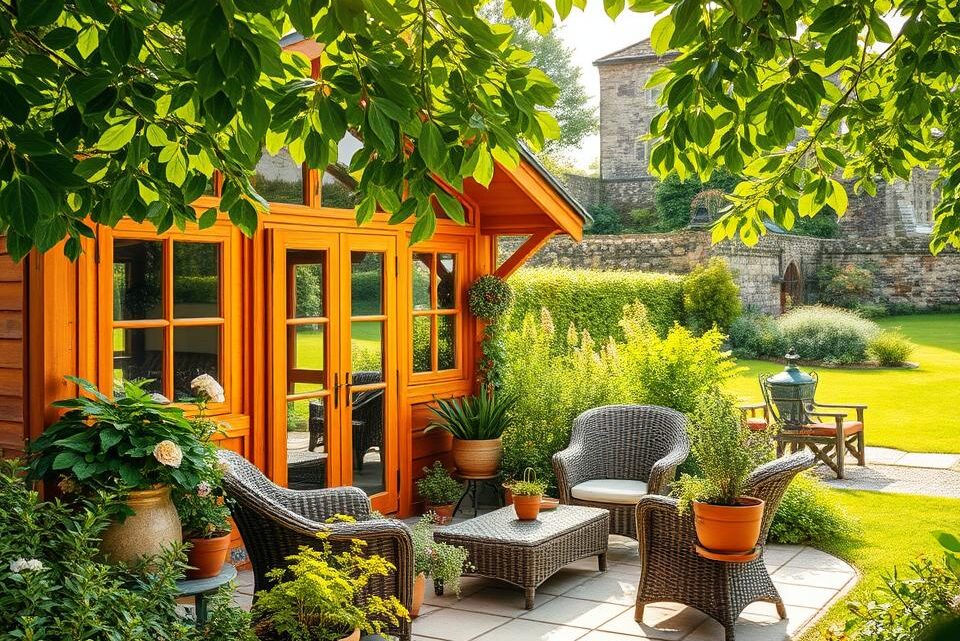
Many homeowners across the United Kingdom are discovering the potential of their outdoor spaces. The desire for a functional garden retreat that serves beyond the warmer months is growing significantly. This guide addresses a fundamental question: can a traditional summer house truly be comfortable throughout all seasons?
Traditional wooden structures, often made with tongue and groove panels, are typically designed for seasonal use. Their thinner walls, single-glazed windows, and lack of insulation make them challenging to heat during colder periods. For consistent comfort, a different approach is necessary.
Homeowners essentially have two paths. They can modify an existing house by adding insulation and heating solutions. Alternatively, they can invest in purpose-built alternatives designed for year round use from the start.
This comprehensive guide will explore the critical factors that enable a garden building to be a genuine year round asset. We will cover construction techniques, material choices like thicker log cabin walls, and essential features such as double glazing.
Inhaltsverzeichnis
Key Takeaways
- There is increasing interest in using garden buildings throughout all twelve months.
- Traditional summer house designs are often unsuitable for winter without modifications.
- Key factors for all-season use include wall thickness, glazing, and insulation quality.
- Homeowners can either upgrade an existing structure or choose a purpose-built model.
- This guide provides a detailed overview to help make an informed investment decision.
Benefits of Year Round Summer House Options for Your Garden
The decision to invest in a thermally efficient garden retreat pays dividends in both practicality and long-term value. These structures move beyond basic shelter to become genuine extensions of your living space.
Enhanced Durability and Thermal Performance
Structures built for all-season use possess enhanced durability. They are engineered to withstand the full force of British weather, from winter gales to summer sun.
Superior thermal performance is their defining feature. Thicker walls, often found in log cabin designs, and integrated insulation in floors, walls, and roofs maintain a comfortable temperature. This high-quality insulation works with double-glazed windows to prevent heat loss.
All-Season Comfort and Versatility
This consistent internal climate creates unparalleled versatility. Your garden building can serve as a home office, gym, or creative studio every month.
There is no need to abandon the space when temperatures drop. This all-season functionality maximises your investment, ensuring the summerhouse is never idle. The improved experience eliminates concerns about damp or mould.
It truly becomes a versatile room away from the main home, comfortable regardless of the season.
Design Features and Construction Techniques
Construction techniques form the foundation of any durable outdoor structure, directly influencing thermal performance and longevity. The choice between traditional methods and modern insulated approaches significantly impacts how a garden building functions throughout changing seasons.
Tongue and Groove Cladding Methods
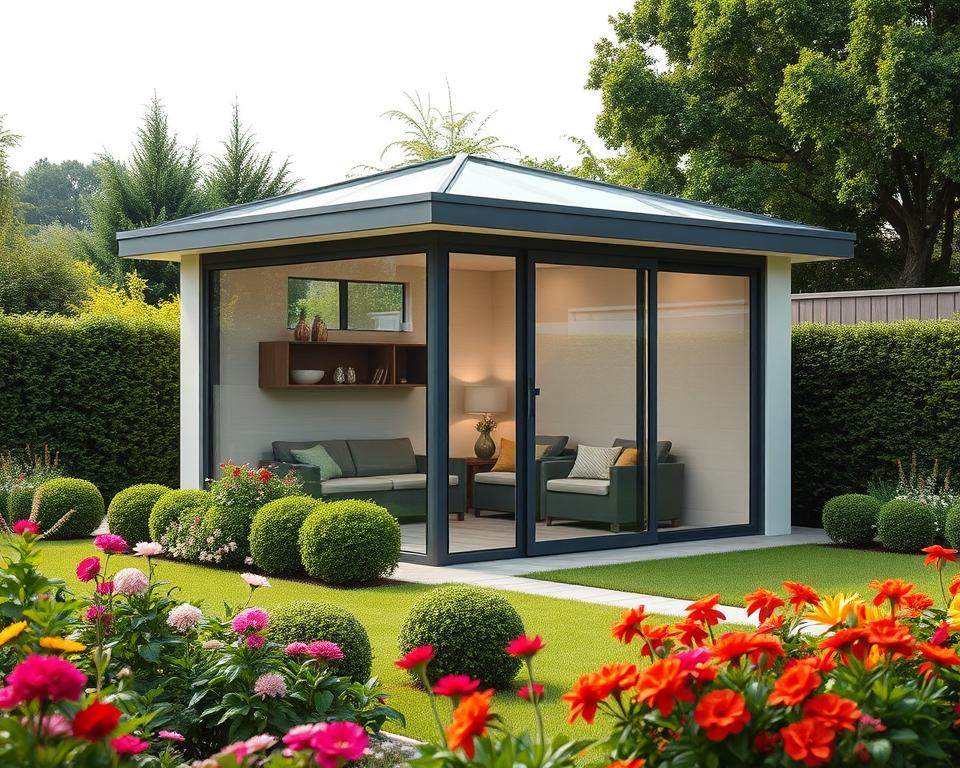
Tongue and groove represents the fundamental construction method for quality summer houses. Individual timber boards feature a protruding “tongue” that fits precisely into a recessed “groove” on adjacent panels.
This interlocking system creates vertical joints that effectively prevent rainwater penetration. Standard 11mm thick panels provide adequate weather resistance for seasonal use but offer limited thermal insulation.
Log Cabin Versus Insulated Garden Rooms
Log cabin construction elevates the concept with thicker, individually stacked interlocking log boards. Standard 28mm thickness provides noticeably improved insulation, while premium 44mm options deliver near-residential quality.
The fundamental difference lies in insulation strategy. Log cabins rely primarily on timber mass, while insulated garden rooms incorporate purpose-designed materials like EPS foam between cladding layers.
Advanced insulated garden buildings employ sophisticated multi-layer construction. This includes external cladding, dedicated insulation cores, internal cladding, and structural framing elements.
Roof design significantly impacts functionality. Comprehensive systems incorporate ceiling boards, multiple insulation layers, and weatherproof membranes like EPDM rubber to prevent heat loss.
Materials and Quality Craftsmanship
Beyond design and construction, the fundamental quality of a garden building is determined by its core materials. Superior timber selection and expert craftsmanship are what transform a simple structure into a lasting retreat.

Premium Timber and Sustainable Sourcing
The foundation of any excellent summer house is premium, sustainably sourced wood. Reputable manufacturers use timber from responsibly managed forests. This ensures both environmental responsibility and structural integrity.
UK-based production offers a significant advantage. These buildings are specifically engineered for British weather conditions. Decades of skilled craftsmanship result in precise joinery and robust quality.
This commitment to excellence is backed by substantial guarantees. A standard 10-year guarantee against rot reflects confidence in the materials. An optional pressure treatment can extend this protection to 15 years.
This treatment process, while adding a few weeks to delivery, infuses the wood with protective agents. It dramatically enhances durability and minimises future maintenance for your garden summerhouse.
Finally, reliable delivery services ensure these high-quality summerhouses arrive safely. Free shipping to most GB postcodes makes acquiring a durable house for the garden straightforward.
Customisation and Personalisation Options
Creating a truly personalised garden retreat involves more than just choosing a structure; it’s about tailoring every detail to fit your lifestyle. Modern manufacturers understand that one size does not fit all when it comes to outdoor buildings.
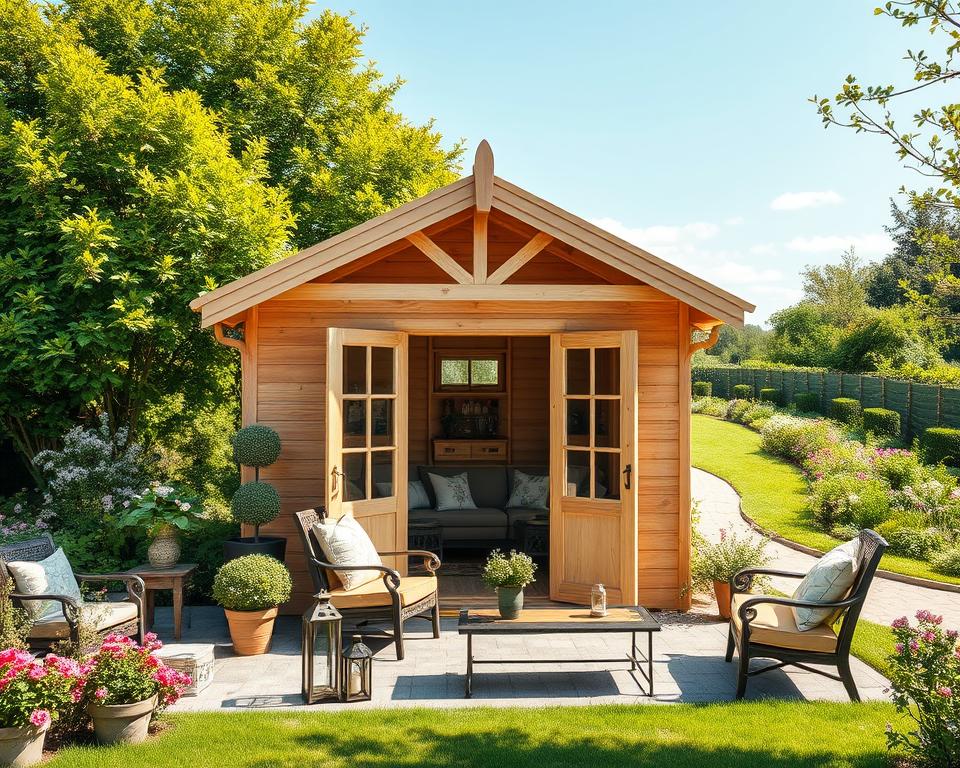
The extensive range of available sizes ensures there’s a perfect fit for every garden. From compact 6x6ft models for urban spaces to expansive 20x10ft structures, the options accommodate various property dimensions.
Colour, Finishes and Adaptable Designs
Exterior finishes play a crucial role in integration. Homeowners can select from sophisticated shades like Stone grey or Soft mocha. These finishes help the building blend seamlessly with its surroundings.
Interior walls often come pre-primed for immediate personalisation. This allows for painting or wallpapering according to individual taste. The flexibility extends to reversible door and window placements.
Some models feature switchable component positions. This adaptable design approach maximises sunlight exposure and privacy. It ensures the structure works with your specific garden layout.
Layout Flexibility for Multiple Uses
Corner summer house designs offer clever space-saving solutions. Their diagonal-facing entrances make excellent use of underutilised areas. This design maximises available floor space efficiently.
Integrated storage compartments provide practical dual functionality. They combine leisure areas with dedicated storage space. This eliminates the need for separate garden sheds.
Larger models can feature multi-room layouts with internal divisions. This creates distinct zones for different activities simultaneously. The versatility supports changing household needs throughout the seasons.
Installation and Planning Considerations
Proper installation planning is essential for ensuring your garden building project proceeds smoothly from delivery to completion. Understanding the assembly process and regulatory requirements helps avoid costly mistakes.

DIY Assembly and Preparation of a Solid Base
Most garden structures arrive as DIY kits with pre-cut components. Homeowners can confidently assemble them using basic tools. The process begins with preparing a solid, level base.
A proper foundation is crucial for stability. Suitable options include concrete pads, paving slabs, or decking. Good drainage prevents water accumulation that could damage the timber over time.
Modular panel construction simplifies the assembly process. Large pre-built wall sections connect easily. This design allows flexibility in positioning doors and windows to suit specific garden layouts.
Planning Permission and Regulatory Requirements
Understanding planning permission rules is vital before starting any project. Most garden buildings fall under “permitted development” rights. This means formal planning permission is usually not required.
Key regulations include maintaining distance from the main home. Structures should not be placed in front gardens. Height restrictions also apply, especially near boundaries.
Reputable manufacturers design their products to comply with standard planning rules. However, homeowners should verify local requirements. Professional assistance is available if needed.
In-Depth Buyer’s Guide and Comparison Insights
Navigating the diverse market of garden structures requires careful evaluation of key performance characteristics. This comprehensive guide helps buyers compare the extensive range of available options.
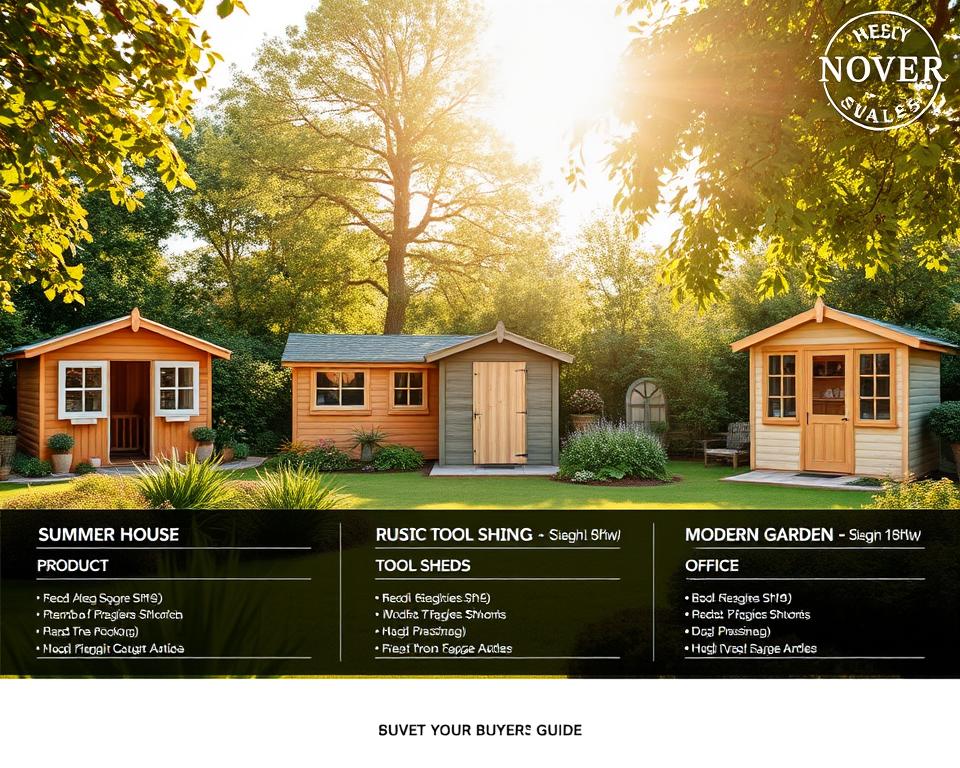
Evaluating Features and Insulation Options
Wall thickness significantly impacts thermal performance. Traditional 11mm summer houses suit seasonal use, while 28mm log cabin construction provides enhanced warmth.
Premium 44mm log walls approach residential standards. Advanced garden buildings with dedicated insulation materials offer superior efficiency.
Glazing specifications dramatically affect usability. Double-glazed windows reduce heat loss and eliminate condensation issues. UPVC upgrades provide exceptional sealing and minimal maintenance.
| Building Type | Wall Thickness | Insulation Method | Best For |
|---|---|---|---|
| Traditional Summer House | 11mm | Basic timber | Seasonal use (6-9 months) |
| Standard Log Cabin | 28mm | Enhanced mass | Improved all-season comfort |
| Premium Log Cabin | 44mm | Premium timber mass | Near-residential performance |
| Insulated Garden Building | Composite | Dedicated materials | Optimal year-round use |
The choice between log cabin summer structures and insulated houses involves balancing aesthetic appeal against thermal efficiency. Budget considerations should account for long-term value alongside initial cost.
Customer Experiences, Guarantees and Aftercare
The long-term value of a garden building extends beyond its initial construction to encompass ongoing support and protection. A comprehensive aftercare package provides significant peace of mind for homeowners.
Reputable manufacturers back their products with substantial guarantees. These demonstrate confidence in construction quality and material durability.

Warranty, Maintenance and Pressure Treatment Benefits
A standard 10-year guarantee against issues like rot is common. This covers structural integrity and timber quality.
Opting for pressure treatment extends this protection to 15 years. This process deeply protects the wood, reducing future maintenance needs. The extra manufacturing time is a worthwhile investment.
Customer experience shows proper ventilation prevents damp. Regular airing or using a dehumidifier maintains air quality.
Good insulation keeps these structures comfortable in all seasons. It prevents excessive heat in warm weather, making the building usable throughout the summer.
Established companies offer decades of manufacturing experience. Flexible finance options and reliable delivery complete a positive customer journey.
Conclusion
Modern garden buildings have progressed beyond simple seasonal shelters to become genuine extensions of the home environment. These versatile spaces now serve homeowners throughout all twelve months, accommodating diverse needs from remote work to leisure activities.
The choice between traditional structures, log cabin designs, and insulated garden rooms depends on individual requirements and budget considerations. Each option offers distinct advantages for different usage patterns and garden sizes.
Investment in quality construction with proper insulation and double glazing delivers long-term value through enhanced comfort and reduced maintenance. Comprehensive customisation ensures every aesthetic preference and spatial requirement can be met.
Proper planning and site preparation establish the foundation for successful installation and lasting satisfaction. As flexible living spaces grow in importance, these garden buildings represent practical investments that adapt to changing household needs.
FAQ
What makes a summerhouse suitable for use throughout the year?
A structure designed for all-season use typically features superior insulation, double-glazed windows, and robust construction. These elements work together to maintain a comfortable interior temperature, providing warmth in winter and coolness in summer.
How does tongue and groove cladding improve a garden building?
Tongue and groove cladding creates a tight, interlocking seal between panels. This method enhances structural integrity and improves weatherproofing, making the building more durable and energy efficient.
Is planning permission required for a garden summerhouse?
In many cases, these buildings fall under permitted development rights, meaning planning permission is not needed. However, specific rules regarding size, location, and intended use apply. It is always advisable to check with the local planning authority.
What are the main differences between a log cabin and an insulated garden room?
A log cabin often features interlocking timber logs for a traditional aesthetic, while an insulated garden room is specifically engineered with integrated insulation for optimal thermal performance. The choice depends on the desired look and the primary use for the space.
Can these buildings be used for purposes other than a leisure space?
A> Absolutely. With their adaptable designs, these structures are perfect for a home office, art studio, gym, or additional storage. The interior layout can often be customised to suit various functional needs.
What kind of base is needed for installation?
A solid, level base is crucial. A concrete slab or properly prepared paved area is recommended to ensure stability and longevity. This foundation prevents shifting and protects the building from ground moisture.
How important is the quality of timber used?
A> The quality of timber is paramount. Premium, sustainably sourced wood, often treated with preservatives, ensures the building’s durability and resistance to decay. This contributes to a longer lifespan and reduces maintenance demands.
What guarantees are typically offered?
Reputable suppliers usually provide a structural guarantee. This warranty covers the building’s main components for a specified period, offering peace of mind regarding the investment’s quality and durability.