Repair Guide for Cracks in a Plastic Shed: Step-by-Step Instructions
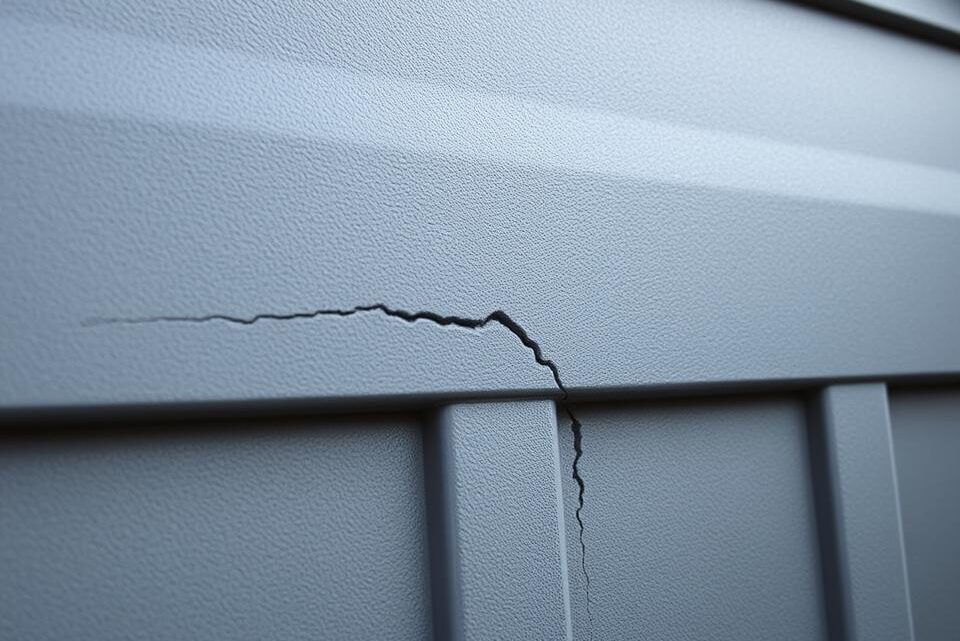
Many homeowners rely on plastic garden structures for convenient outdoor storage. These durable units offer excellent protection from the elements. However, even the most robust plastic shed can develop issues over time.
Cracks often appear due to natural expansion and contraction caused by seasonal temperature fluctuations. Materials like vinyl, polyethylene, and polypropylene are particularly susceptible. Without prompt attention, these imperfections can worsen significantly.
Weather exposure plays a crucial role in crack progression. Rain, wind, and extreme temperatures cause existing fractures to expand. This gradual weakening compromises the structure’s integrity. High humidity and poor ventilation create ideal conditions for mould formation.
This comprehensive resource provides practical solutions for addressing these common problems. It covers understanding the root causes and gathering necessary materials. The guide demonstrates proven techniques for effective restoration.
Proper maintenance extends the lifespan of your garden storage solution. It also protects valuable items from moisture damage and pest intrusion. Both novice and experienced DIY enthusiasts will find these methods accessible.
Inhaltsverzeichnis
Key Takeaways
- Plastic garden structures are vulnerable to cracking from temperature changes
- Untreated damage worsens with continued weather exposure
- Timely intervention prevents structural weakness and mould growth
- Various plastic materials require specific repair approaches
- Effective restoration protects stored items from environmental damage
- Proven techniques suit both beginners and experienced homeowners
- Proper maintenance significantly extends shed lifespan
Understanding the Causes of Cracks in Plastic Sheds
Outdoor storage buildings made from thermoplastic materials often exhibit splitting after prolonged exposure. This section examines the primary factors contributing to this deterioration, empowering owners with knowledge for preventative care.
Natural Expansion and Contraction due to Temperature Changes
Thermoplastic polymers respond significantly to thermal fluctuations. During warmer months, the material expands, while colder conditions cause contraction. This continuous cycle creates stress concentrations at specific points.
Repeated temperature variations gradually compromise molecular integrity. Joints, corners, and sun-exposed areas experience the most significant stress. Over time, these stress points manifest as visible fractures in the shed’s panels.
Impact of Weather, Age and Structural Wear
Environmental exposure accelerates the degradation process. UV radiation breaks down polymer chains, while moisture penetration weakens material strength. Freeze-thaw cycles further exacerbate existing imperfections.
Age-related wear becomes apparent after several years of service. Door frames, roof sections, and base connections show the earliest signs of structural fatigue. Regular inspection helps identify whether damage results from normal wear or indicates more serious issues requiring attention.
Essential Tools, Materials and Safety Precautions
Successful restoration of outdoor storage structures depends heavily on having appropriate tools and safety measures in place. Proper preparation significantly increases the likelihood of durable results.
Required Tools and Equipment
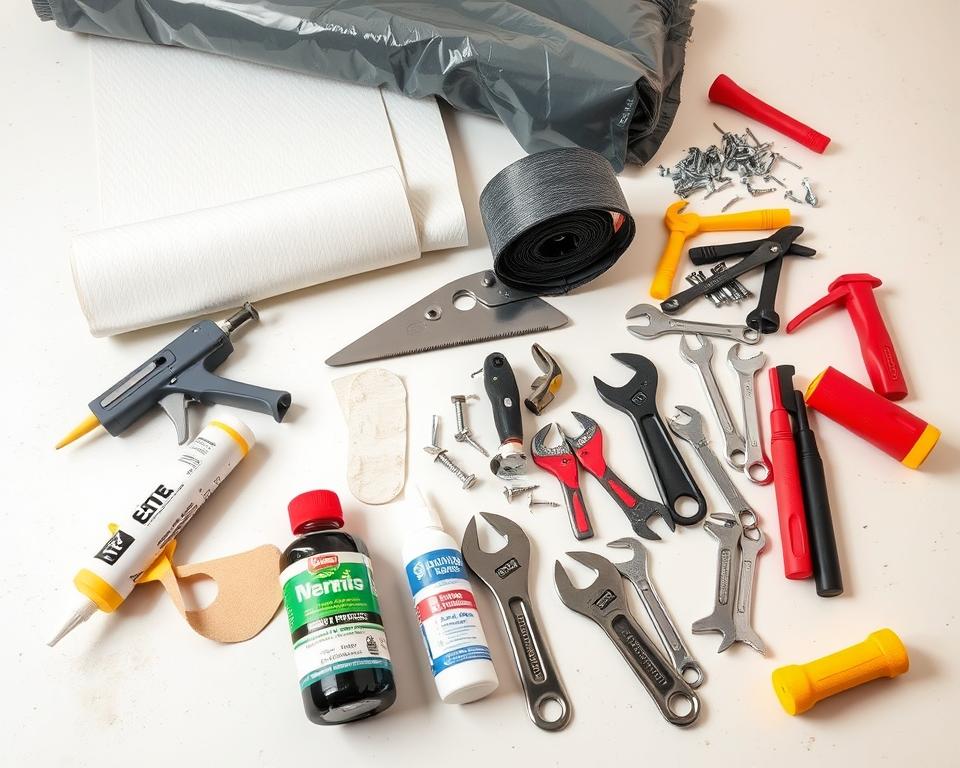
The primary tool for this task is a soldering iron with adjustable temperature control, ideally set to 350°C. This equipment melts and fuses thermoplastic materials to create permanent seals.
Essential materials include matching plastic fillers identical to the shed’s construction. Vinyl, polyethylene, or polypropylene options ensure optimal bonding strength.
Surface preparation requires sandpaper in various grits from coarse 80-120 for initial work to fine 200 for finishing touches. Additional reinforcement items may include metal brackets and anchoring systems.
Safety Measures and Preparation Steps
Always wear protective gloves when handling hot tools or sharp edges. Work in well-ventilated areas to avoid inhaling fumes from heated materials.
Before starting, clear the work area and organise all items within easy reach. Make sure the storage unit is empty of contents to allow unrestricted access.
Proper preparation involves checking that all tools are in working order. These steps help create safe conditions for effective restoration work.
Repair Guide for Cracks in a Plastic Shed
Effective restoration of garden storage begins with careful material selection. The initial preparation phase determines the success of the entire process. Proper planning ensures lasting results.
Gathering the Matching Plastic Fillers
Selecting appropriate filler material is crucial for structural integrity. Using identical polymer types creates the strongest bond. This prevents future weakness at the mended site.
Homeowners should first identify their storage unit’s material composition. Common types include vinyl, polyethylene, and polypropylene. Manufacturer documentation often specifies this information.
Local hardware stores stock various plastic pieces suitable for this purpose. Staff can assist in matching the exact material type. Always verify compatibility before purchase.

Preparing the Soldering Iron and Cleaning the Surface
Proper tool preparation is essential for safe operation. Begin by plugging the soldering iron into a suitable power socket. Adjust the temperature dial to 350°C if available.
Allow the device to heat for 5-10 minutes. The iron is ready when the tip glows and emits detectable heat. Always handle with protective equipment.
Clean the tip thoroughly before use. Residual solder can contaminate the repair area. A damp sponge effectively removes any buildup.
| Plastic Type | Identification Features | Common Uses | Filler Compatibility |
|---|---|---|---|
| Vinyl | Flexible, often coloured | Wall panels, roofing | Excellent |
| Polyethylene | Opaque, waxy surface | Base components | Good |
| Polypropylene | Rigid, glossy finish | Structural parts | Very good |
Surface preparation involves removing debris from the affected area. This ensures proper adhesion of the filler material. Clean surfaces yield superior bonding results.
Step-by-Step Instructions to Fix Cracks
Executing the restoration process requires a methodical approach. Each phase builds upon the previous one to ensure a durable outcome.
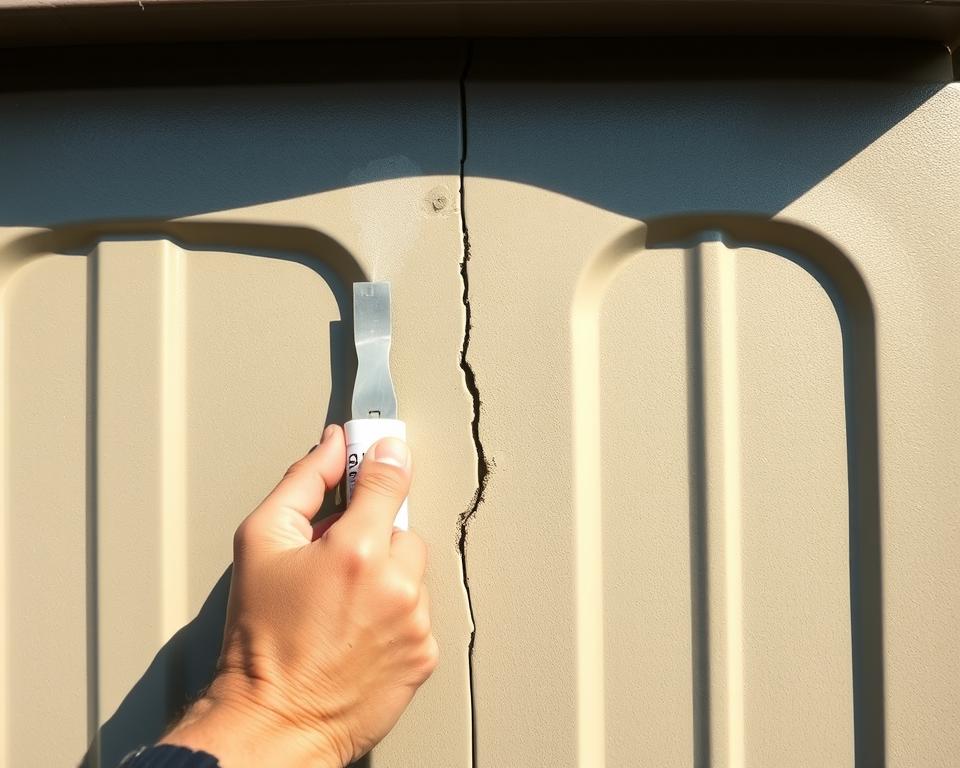
Proper sequencing of tasks is critical for success. Rushing any step can compromise the entire effort.
Sanding the Damaged Area and Removing Debris
Begin with coarse 80-120 grit sandpaper. This initial abrasion smooths rough edges and removes loose fragments. The goal is to create a clean, slightly rough surface.
Thoroughly eliminate all dirt and debris from the crack. Any remaining particles will prevent a strong bond. A small brush works well for this task.
Switch to finer 200 grit sandpaper for a superior finish. This finer grade prepares the plastic for optimal adhesion. The entire sanding process should only take a few minutes.
Applying Filler and Soldering Technique
Hold the soldering iron tip just above the crack. Move it slowly along the damaged area to melt the plastic edges. The material will become soft and pliable.
Introduce filler pieces as the edges melt. This action fuses the new material with the existing structure. The combination creates a homogeneous bond that seals the hole effectively.
Continue this technique along the entire length of the imperfection. A steady hand ensures an even application. The filler acts like an epoxy, creating a permanent seal.
Finishing Touches and Cooling Process
Gently run the iron over the repaired area to smooth the surface. This eliminates irregularities and blends the repair seamlessly. Avoid applying excessive pressure.
Allow the mended section to cool completely. This cooling period is essential for the plastic to harden properly. Do not expose the area to water during this time.
Inspect the finished work for any rough patches. A final light sanding may be necessary for a perfect finish. This attention to detail ensures a professional result.
| Process Step | Key Action | Tool/Material | Time Estimate |
|---|---|---|---|
| Surface Preparation | Sanding and cleaning | Coarse & fine sandpaper | 5-10 minutes |
| Material Fusion | Melting and filling | Soldering iron, filler | Varies by crack size |
| Final Finishing | Smoothing and cooling | Iron, sandpaper | 15-30 minutes cooling |
Reinforcing Your Plastic Shed for Longevity
Structural reinforcement represents the next logical step after addressing surface imperfections in garden storage units. This approach ensures the entire assembly withstands environmental pressures for extended periods.
Comprehensive strengthening targets vulnerable areas where stress typically concentrates. Proper implementation adds years of reliable service to the plastic structure.
Reinforcing the Base, Walls, and Roof
A solid, level foundation prevents future issues with the storage building. When placed on grass or soil, upgrade to compacted gravel, pressure-treated timber, or concrete.
Inside the shed, lay plywood over floor panels to distribute weight evenly. This prevents sagging when storing heavy garden equipment.
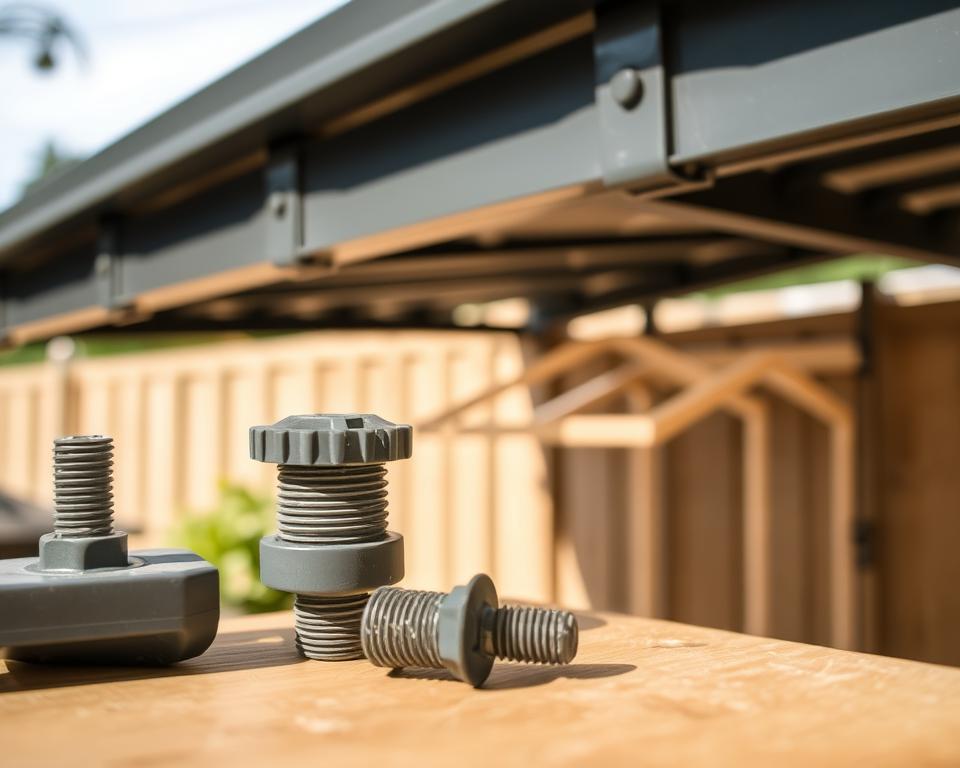
Wall panels benefit from metal L-brackets at corners and junctions. Aluminium cross supports or vertical wooden studs create internal framing.
Roof areas require special attention for snow load management. Install metal brackets, tension rods, or crossbeams beneath the roofline.
Securing the Shed with Anchors and Supports
Anchoring is critical for stability during high winds. Many plastic sheds feature pre-drilled anchor points in the floor panel.
Select appropriate hardware based on the base type. Ground anchors, concrete bolts, or screw anchors provide secure fastening.
For pitched roofs, additional centre ridge bracing prevents sagging over time. These measures protect the entire structure from seasonal stresses.
| Reinforcement Area | Recommended Method | Key Benefit | Installation Difficulty |
|---|---|---|---|
| Base Foundation | Compacted gravel pad | Prevents shifting | Medium |
| Wall Support | Metal L-brackets | Reduces flexing | Easy |
| Roof Strengthening | Crossbeams installation | Manages snow load | Medium |
| Anchoring System | Ground anchors | Wind resistance | Easy |
These comprehensive approaches transform a basic storage solution into a durable outdoor asset. Strategic reinforcement protects your investment for many years.
Maintenance Tips for Long-Lasting Repairs
Proper upkeep ensures that restoration efforts provide lasting protection for outdoor storage solutions. Consistent maintenance routines transform temporary fixes into permanent enhancements for garden structures.
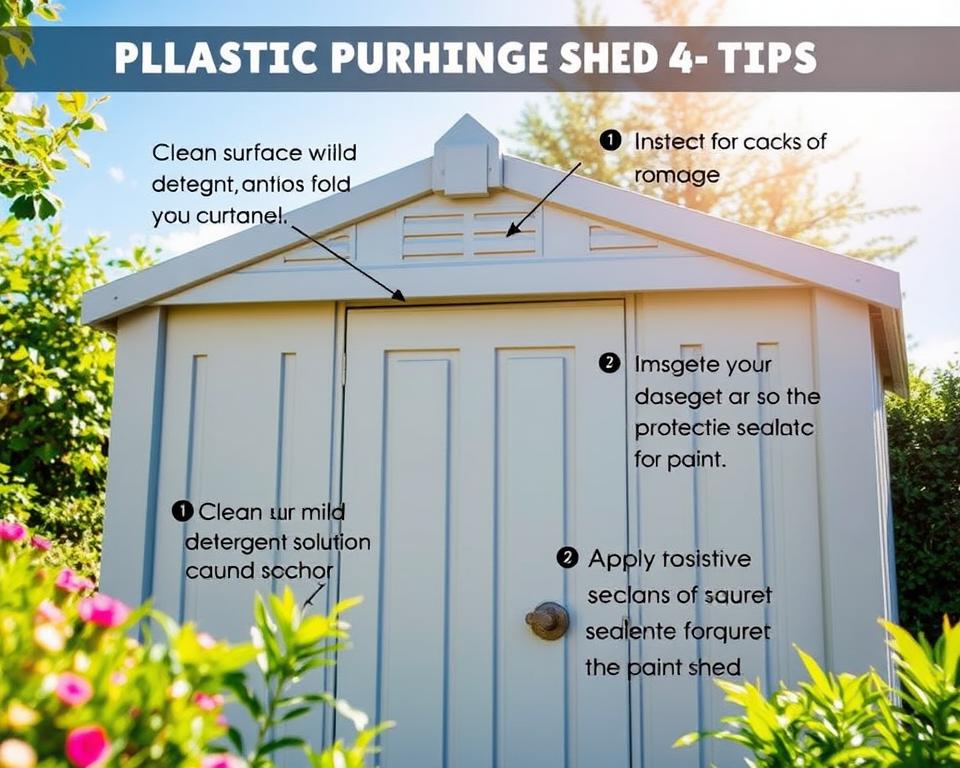
Regular Inspection and Cleaning of the Shed
Establishing a six-month inspection schedule helps identify issues before they escalate. Check for loose fasteners, worn seals, and any signs of stress around previously mended areas. Additional inspections after severe weather events are particularly valuable.
Regular cleaning with mild soap and water prevents dirt buildup that accelerates UV degradation. Clear debris from around the base to avoid moisture accumulation. This simple practice maintains the structure’s appearance and integrity.
Ensure proper ventilation inside the storage space to prevent condensation. Moisture control protects both the shed and its contents from damage. These routine checks form the foundation of effective long-term care.
Weatherproofing and Routine Sealant Reapplication
Weatherproofing measures are essential for maintaining watertight integrity. Inspect sealant around doors, windows, and panel joints periodically. Reapplication becomes necessary when seals show signs of wear or cracking.
Monitor epoxy repairs and filler materials for any changes over time. These materials may require occasional attention to maintain their effectiveness. Proper maintenance ensures they continue to perform as intended.
Avoid overloading shelves and hanging brackets to prevent stress on repaired sections. Balanced storage distribution contributes to the structure’s overall stability. These practices help maintain the shed in top condition for years to come.
FAQ
What are the main reasons plastic sheds develop cracks?
Cracks often appear due to natural expansion and contraction from temperature changes, which stress the material over time. Other common causes include impact damage, structural wear, and prolonged exposure to harsh weather conditions.
What tools and materials are needed to fix a crack in a plastic shed?
Essential items include a soldering iron, matching plastic fillers or epoxy, sandpaper, and a clean cloth. For safety, one should also have protective gloves and ensure the work area is well-ventilated.
How can one prevent cracks from forming in the future?
Reinforcing the base, walls, and roof with additional supports can significantly improve durability. Regular maintenance, including inspections and reapplying weatherproof sealant, also helps protect the structure.
Is it possible to repair a plastic shed without professional help?
Yes, many repairs are manageable as a DIY project. By carefully following step-by-step instructions and using the correct materials, one can effectively fix cracks and restore the shed’s integrity.
How often should a plastic shed be inspected for damage?
A thorough inspection should be conducted at least twice a year, ideally during spring and autumn. This helps identify any minor issues before they develop into significant problems.
Can weather conditions affect the repair process?
Absolutely. It is best to perform repairs in dry, calm conditions. Moisture or wind can interfere with adhesives and sealants, compromising the quality and longevity of the fix.