how long will a keter shed last?
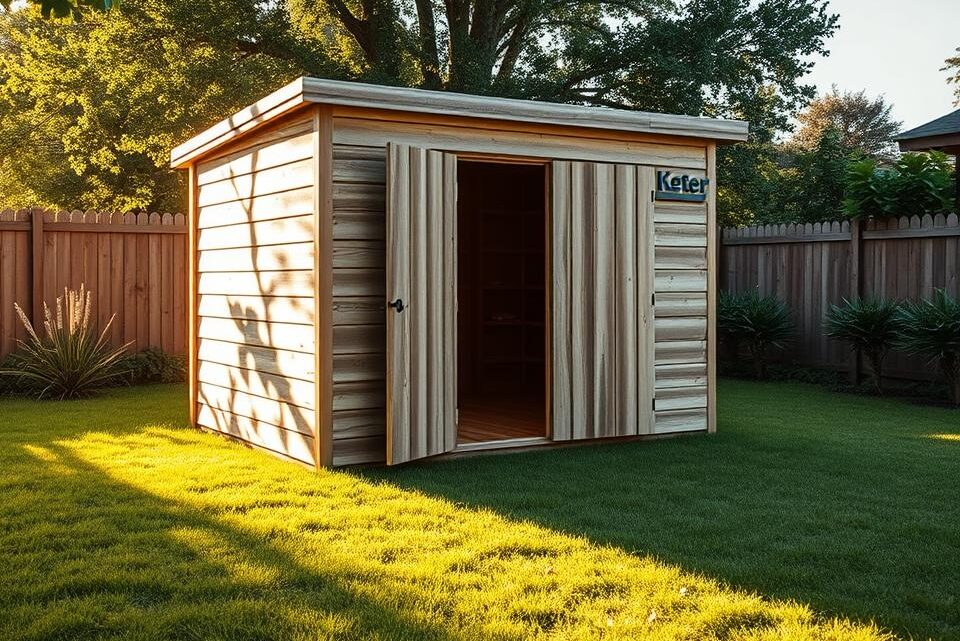
Thinking about a new garden store and wondering how long do plastic sheds last? In the UK, the Keter shed lifespan is shaped by materials, build, weather, and care. Keter uses polypropylene resin with UV stabilisers, plus double‑wall panels and steel support in ranges like Darwin, Manor, Factor, Artisan, Oakland, and Newton. This design aims for resin shed longevity without the rot or rust seen in timber and metal.
With good siting and upkeep, many owners see a plastic shed life expectancy of around 10–20 years. Premium models often reach the upper end, while entry lines sit lower. The Keter warranty UK varies by model and covers defects, not wear, so it is not the same as total life. Site prep, drainage, anchoring, and light cleaning all lift garden storage durability in real‑world British conditions.
This guide explains the durability of Keter sheds UK in practical terms. You will learn how materials and construction affect service life, how weather across the country plays a part, and which simple choices at install help a shed last longer.
Inhaltsverzeichnis
Key Takeaways
- Keter sheds use UV‑stabilised polypropylene and steel reinforcement to support resin shed longevity in UK gardens.
- Expect a plastic shed life expectancy of 10–20 years with proper installation and care, with premium models lasting longer.
- Keter warranty UK terms cover manufacturing defects, not wear, so warranty length is not the same as total lifespan.
- Drainage, a solid base, and anchoring are vital for garden storage durability in wind, rain, and frost.
- Sun exposure, loading limits, and ventilation choices influence the durability of Keter sheds UK over time.
- Regular cleaning and quick fixes to seals and fittings help maintain the Keter shed lifespan.
Understanding Keter shed materials and build quality
Keter construction quality rests on advanced plastics engineering designed for British weather. The brand’s polypropylene resin sheds balance low upkeep with robust structural design, pairing impact‑resistant panels with smart reinforcements to keep walls, doors, and roofs stable over time.
What polypropylene resin means for longevity
Polypropylene is a thermoplastic that shrugs off rot, rust, and moisture. In damp or coastal air, it outlasts timber and avoids corrosion that can plague metal. Polypropylene resin sheds also resist water absorption, so panels stay lighter and less prone to swelling.
Like any polymer, PP needs proper support under loads. Where weight is constant, well‑placed ribs and frames limit creep and keep doors true. That thoughtful structure is a hallmark of Keter construction quality.
UV stabilisation and resistance to fading and brittleness
Sunlight can bleach colour and embrittle plastics. UV‑stabilised plastic sheds use inhibitors blended through the resin to slow photodegradation and surface chalking. This matters most on roofs and south‑facing walls, where exposure is highest.
With colour‑fast compounds, panels hold their tone for longer. Regular rinsing removes grime that traps heat, helping those impact‑resistant panels keep their finish and flexibility.
Panel thickness, double‑wall construction, and steel reinforcement
Many models rely on double‑wall shed panels: two PP skins with a ribbed core for stiffness. This sandwich form cuts flex, improves thermal stability, and boosts dent resistance. Thicker skins and deeper ribs translate to fewer squeaks, tighter fits, and better door alignment.
Where loads rise, a steel‑reinforced resin shed comes into its own. Galvanised profiles in roof spans and door frames control deflection in wind and snow, complementing the toughness of impact‑resistant panels.
How premium vs entry models differ in durability
Premium lines such as Keter Oakland, Artisan, and Newton use heavier‑gauge double‑wall shed panels, stronger floors, and more steel. Entry options like Manor and Factor keep weight and cost down with thinner skins and simpler frames. Both share core Keter construction quality, but premium kits cope better with heavy storage, gusty sites, and long, bright summers.
| Range | Panel build | Reinforcement | UV package | Typical use case |
|---|---|---|---|---|
| Oakland / Artisan / Newton | Thicker double‑wall shed panels; high rib density | Extensive galvanised steel in roof and doors | Enhanced UV‑stabilised plastic sheds with colour‑fast resin | High loads, exposed plots, frequent access |
| Manor / Factor | Lighter double‑wall shed panels | Selective steel‑reinforced resin shed elements | Standard UV‑stabilised plastic sheds | Light‑duty storage, sheltered gardens |
| General features | Impact‑resistant panels for everyday knocks | Steel profiles targeted at stress points | Integrated inhibitors to reduce fade and chalking | Low‑maintenance, weather‑tolerant ownership |
Typical lifespan expectations in the UK climate
Owners look for clarity on UK shed lifespan, day‑to‑day upkeep, and how British weather shed durability shapes real outcomes. In practice, careful siting and routine checks make a clear difference to resin shed life UK across varied regions.
Average years you can expect from a well‑maintained Keter shed
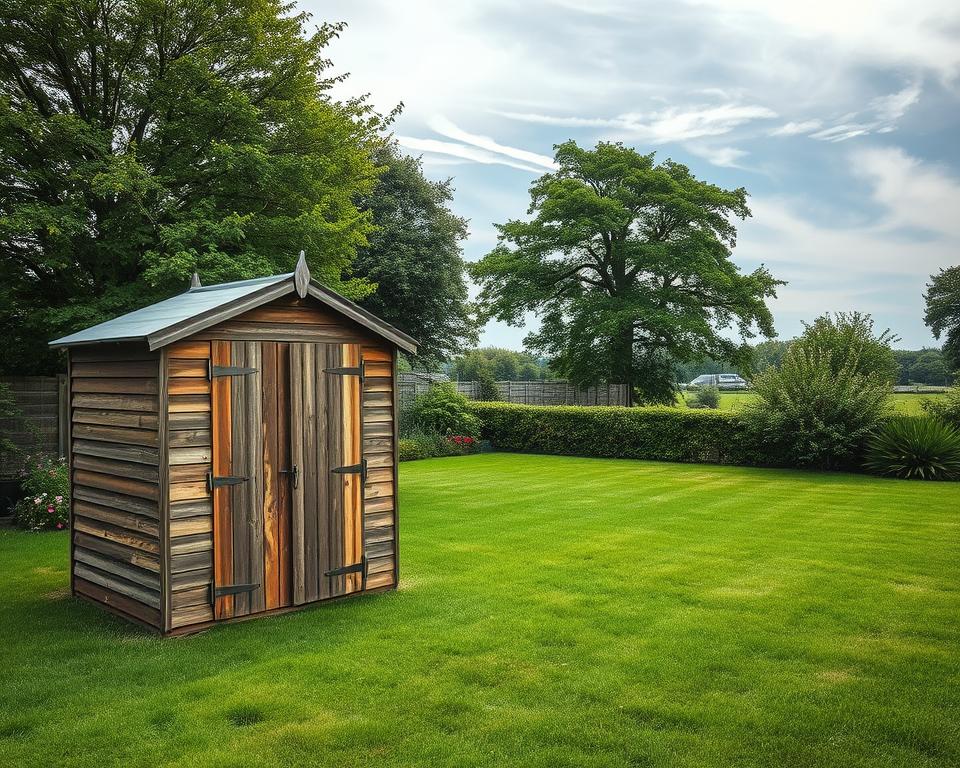
With a sound, drained base and regular cleaning, entry models often reach 10–15 years. Mid to premium lines, reinforced and UV‑stabilised, commonly run 15–20+ years. Doors and roof panels usually set end‑of‑life, yet timely replacements can push resin shed life UK further.
These figures align with typical British weather shed durability when anchors are secure and seals are inspected. The result is a predictable UK shed lifespan that rewards steady care rather than heavy intervention.
Impact of coastal, damp, and high‑sun regions across the UK
By the sea, such as around Cornwall or Kent, salt air can attack hinges and screws. Choosing stainless or galvanised parts helps, echoing the logic behind coastal corrosion resistance sheds. The resin shells resist salt well, but higher winds mean anchoring is vital.
In wetter zones like western Scotland, the Lake District, or Wales, sustained moisture raises condensation risk. Good airflow and raised bases reduce damp on contents and preserve British weather shed durability.
Where summers run brighter, notably in South East England, elevated UV can hasten fade and surface heat. Shaded siting and premium UV packages extend UK shed lifespan and help the shell keep its shape and colour.
How warranty terms relate to real‑world service life
Keter offers product‑specific cover, often 5–15 years, focused on defects rather than wear, storms beyond ratings, or poor installation. That scope frames Keter warranty vs lifespan: many units outlast the paperwork when owners follow load, fixing, and anchoring guidance.
Keep proof of purchase, register the shed, and inspect early so any defect is logged within the term. Managed this way, British weather shed durability can surpass the baseline, supporting a reliable resin shed life UK over time.
how long will a keter shed last?
In everyday British weather, a well-sited and maintained unit typically delivers 10–20 years. For buyers asking how long will a Keter shed last UK, premium models with thicker panels and steel bracing often sit at the upper end, with many owners reporting Keter shed years of use beyond the first decade.
The real driver is installation and exposure. A firm, drained base limits movement and water pooling. Sensible positioning reduces UV stress and high wind loading, which directly influences the lifespan of plastic shed in coastal or open plots. When used within load ratings, these units provide durable garden storage UK without sagging or hinge strain.
Watch for signs that time is catching up. If doors drift out of alignment despite careful adjustment, if panels turn brittle or show spreading cracks, or if the roof deforms and water no longer sheds cleanly, the shed may be nearing the end of its practical life. Repeated leaks that resist fresh seals and new fixings are another strong indicator.
Longevity can be pushed further with targeted replacements. Swap tired latches and hinges, re-anchor or upgrade fixings after strong winds, and add gutters to manage run-off. Where available, replace individual wall or roof panels through Keter or authorised retailers to preserve the lifespan of plastic shed and maintain durable garden storage UK throughout changing seasons.
Key factors that affect longevity
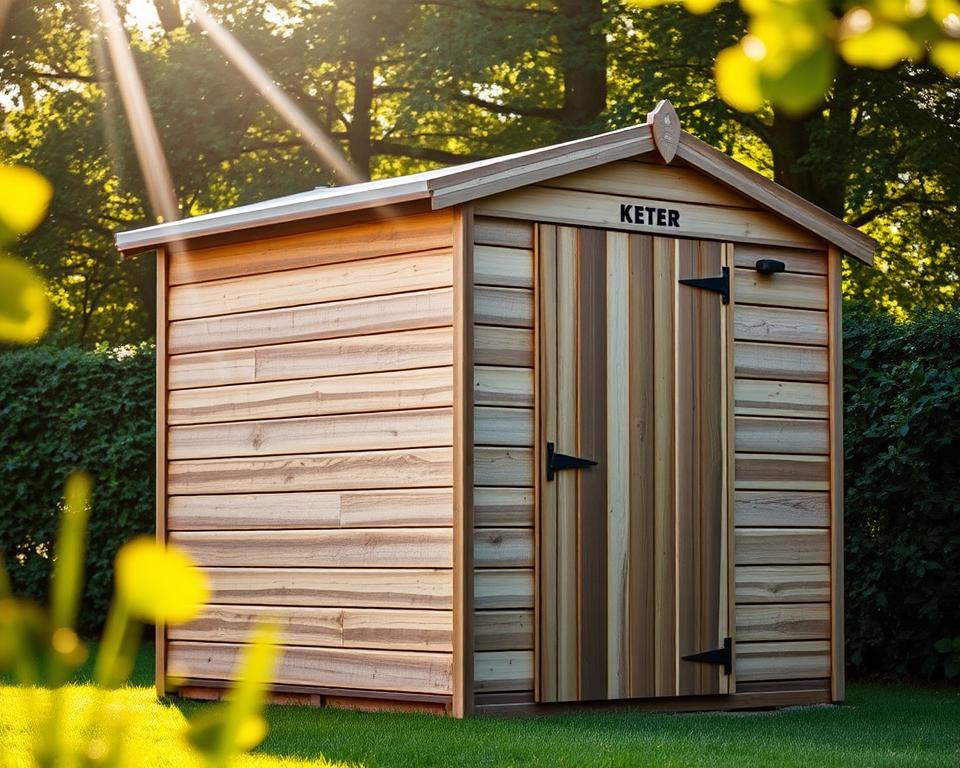
Durability starts with where and how you place the shed. A well‑chosen spot, the right base, and balanced loads reduce stress over time. Good airflow and smart exposure choices also matter in the UK’s changeable weather.
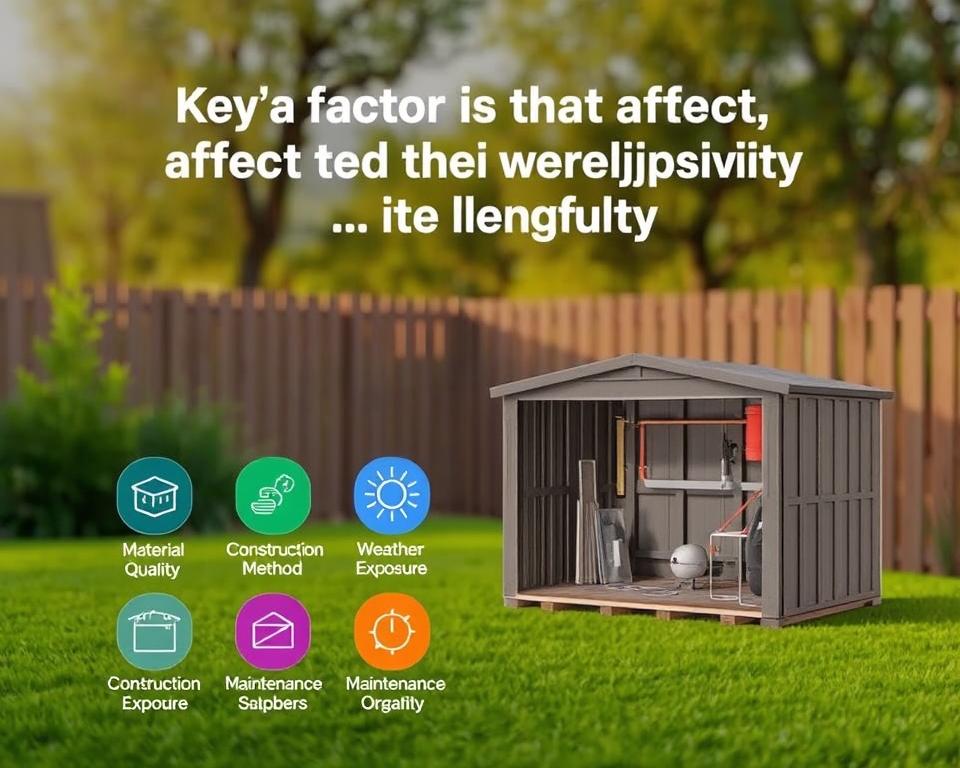
Site preparation, base type, and drainage
A stable shed base UK is essential. Opt for a concrete slab, paving on compacted Type 1 MOT, or a resin shed foundation grid filled with gravel to keep the floor level and doors true. This approach curbs racking and protects fixings.
Plan effective shed drainage. A gentle fall away from the perimeter, a gravel skirt, and gutters prevent standing water that chills the floor and drives condensation. Avoid bare soil or weak decking without proper support, as both can shift and strain panels.
Exposure: sun, wind loads, overhanging trees, and debris
Match the site to typical wind loads UK. Use sheltered aspects or robust fencing as a break, and anchor through the floor into concrete or approved ground anchors. Keep clear of overhanging trees to reduce sap, abrasion, and falling debris.
Sun matters too. South‑facing placements increase UV, so partial shade can help the resin keep its colour and strength. Balanced exposure reduces surface fatigue and keeps seals performing.
Ventilation and condensation control inside the shed
Consistent shed ventilation stops damp from lingering. Keep integrated vents unblocked and allow air to pass behind stored items. If moisture persists, a small battery or solar fan can enhance airflow and lower the risk of mould.
Dry tools, cushions, and mowers before storage. In shoulder seasons, moisture absorbers can trim peaks in humidity and cut drip‑back under the roof.
Load management: shelving, snow load, and roof stress
Respect shed shelving limits and use Keter‑approved shelves that transfer weight to the frame. Spread heavy items across multiple supports and avoid hanging from unsupported wall panels.
In rare heavy winters, watch the snow load UK on the roof. Clear wet snow promptly to reduce creep and joint stress. Even, moderate loading preserves fasteners and maintains panel alignment over years.
Maintenance tips to extend service life
Consistent care keeps panels tight, doors smooth, and the roof secure. Thoughtful plastic shed care helps manage damp and sun in the UK. Follow these shed upkeep tips to extend shed lifespan without extra fuss.
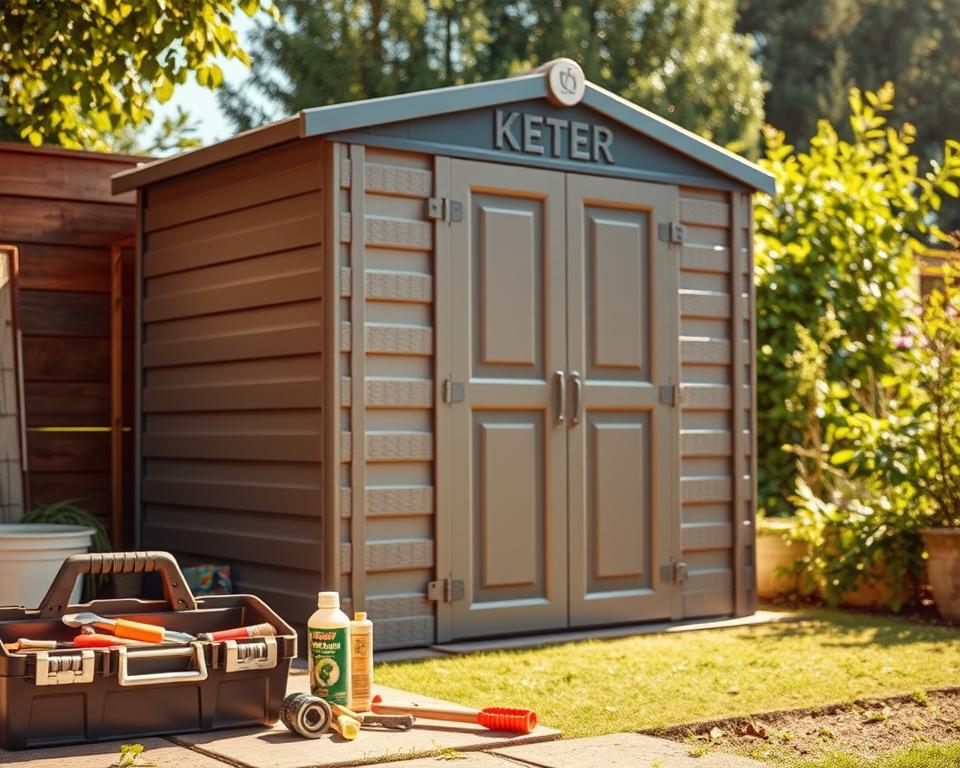
Start with gentle Keter cleaning. Wash the exterior twice a year using mild detergent and a soft brush, then rinse with clean water. Avoid solvents or abrasive cleaners that can scuff UV‑stabilised walls. In coastal zones, rinse hinges and locks to clear salt and grit.
Schedule quarterly inspections as part of resin shed maintenance UK. Check roof panels, ridge caps, and junctions for gaps. Tighten fixings to the manufacturer’s guidance and confirm anchors remain firm after storms or high winds.
Look closely at seals around doors and windows. Replace items that are compressed or cracked with model‑specific parts. This small step in plastic shed care stops draughts and water creep, helping to extend shed lifespan.
Keep hardware moving with silicone spray on hinges, locks, and sliders. Avoid petroleum greases that collect dust. After application, wipe away any overspray so surfaces stay clean.
Manage airflow to curb condensation. Keep vents clear, prop doors open in dry spells, and rotate stored items so air reaches cold corners. These simple shed upkeep tips reduce musty odours and protect tools.
Protect panels from abrasion by trimming nearby shrubs and branches. Fit gutters to control run‑off and reduce splashback against the base. In high‑UV spots, a light‑coloured model or a well‑placed shade sail can temper midday sun without blocking ventilation.
Good records make maintenance easier. Keep the assembly manual, part codes, proof of purchase, and warranty to hand. Photograph serial labels so ordering replacement panels or hardware for Keter cleaning and repairs is quick and accurate.
Treat this routine as a simple checklist for resin shed maintenance UK. Small, regular actions add up, preserving appearance and function as you extend shed lifespan year after year.
Weather performance: rain, wind, frost, and UV
British weather tests every joint, seam, and fastener. A well‑assembled waterproof resin shed handles downpours, gales, cold snaps, and summer glare when design and siting work together. Choose roof pitch sheds suited to your plot, and pair them with solid bases and reliable fixings to keep performance consistent across the seasons.
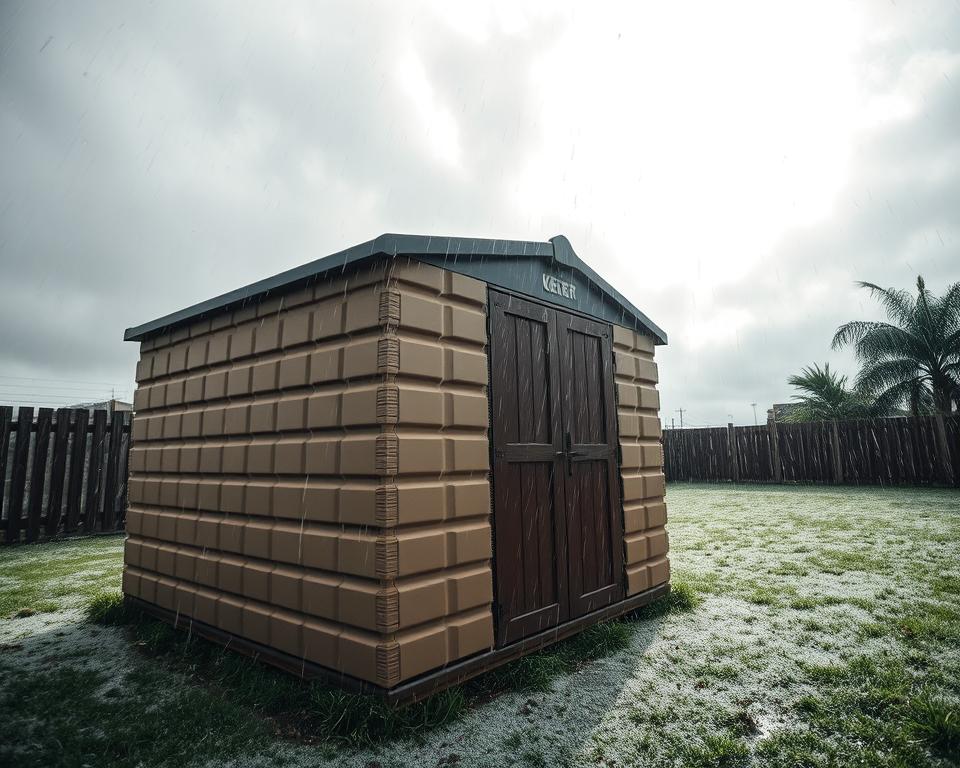
Water ingress prevention and roof design considerations
Pitched or gabled roofs with interlocking panels and ridge caps shed water fast, limiting capillary creep. On a waterproof resin shed, correct gasket placement and even screw torque help the joints seal under load. Add drip edges or gutters to move run‑off clear of walls and keep thresholds free of debris to stop puddles forming at doors and windows.
Inspect seals each year, especially around skylights and vents used by brands like Keter. Where storms are frequent, roof pitch sheds with deeper overlaps offer extra margin, and prompt replacement of perished caps prevents seepage before it spreads.
Wind resistance, anchoring, and fixings
To achieve a windproof shed UK owners can trust, match the base and fixings to exposure. On concrete slabs, use expansion bolts; on pavers, choose heavy‑duty anchors designed for shed anchoring UK. Confirm wall‑to‑roof joints are fully engaged and add manufacturer‑approved fixings in exposed zones.
After named storms, check panels, hinges, and corner posts for movement. Tight, corrosion‑resistant screws and braced corners keep a windproof shed UK stable when gusts rise along coasts and open moorland.
Cold snaps, freeze–thaw cycles, and material behaviour
Polypropylene does not absorb water, so a frost resistant shed avoids spalling seen in masonry. Yet very low temperatures can raise brittleness, so avoid heavy impact on panels in a hard freeze. Keep drainage pathways clear so standing water cannot freeze, lift floors, or stress thresholds.
Where snow is possible, balanced loads and clean run‑off paths support the roof structure. Combined with a firm base, these habits let a frost resistant shed ride out repeated freeze–thaw cycles without hairline damage.
UV exposure and periodic inspections
Even a UV resistant shed will mellow over years in strong sun. Six‑monthly checks for chalking, tiny cracks near screw bosses, and warped edges catch issues early. Replace sun‑baked caps or panels before gaps appear and clean dirt films that amplify heat.
Positioning near light shade, while preserving airflow, slows fading. Consistent care keeps a UV resistant shed looking smart and watertight, with shed anchoring UK and roof pitch sheds working together to resist both glare and gusts.
Common wear issues and how to address them
Routine checks keep a plastic shed dependable through British weather. Small tweaks prevent costly fixes, and using Keter spare parts UK ensures components fit as designed. The steps below focus on practical care to maintain function and appearance.
Hinge and latch alignment over time
Minor movement in the base can nudge doors out of true. You may notice stiff latches or scuffing at the jamb. A quick shed door alignment, plus a light lubricant on hinges and latch tongues, restores smooth action.
Check that the frame sits square and that fixings remain snug. If hardware is worn, match replacements from Keter spare parts UK to maintain the factory fit and close lines.
Panel warping, hairline cracks, and replacements
Resin panels can bow where heat builds or loads press unevenly. Keep airflow around the walls and avoid over‑tightening screws near corners. For small flaws, a compatible epoxy can stabilise edges while you arrange a resin panel replacement.
When ordering, use the model code and part numbers to get an exact match. Correct profile and colour help the shed look uniform after the swap.
Seal maintenance around doors, windows, and roof joints
Compression seals and gaskets flatten with age, which can let in wind‑driven rain. A timely shed seal repair will fix plastic shed leaks before they spread into flooring or stored tools.
Inspect the interlocking tongues and grooves at eaves and roof joints. Once components are seated and fixings re‑torqued, new gaskets from Keter spare parts UK keep the weather out and the interior dry.
| Issue | Likely cause | What to check | Best remedy |
|---|---|---|---|
| Doors rubbing or sticking | Base settlement or racking | Square of frame, hinge position, latch strike | Shed door alignment, lubricate hardware, replace worn plates via Keter spare parts UK |
| Panel bowing on sunny side | Local heat build‑up, uneven loading | Vent gaps, shelf loads, screw torque | Improve airflow, ease fasteners, arrange resin panel replacement if distortion persists |
| Hairline cracks at fasteners | Over‑tightening, thermal cycling | Crack length, edge stability | Short‑term epoxy stabilisation; order OEM panel for long‑term fit and colour match |
| Water ingress at roof joint | Flattened gasket or mis‑seated joint | Tongue‑and‑groove seating, gasket condition | Shed seal repair with new gasket to fix plastic shed leaks and restore compression |
| Drips at window surround | Ageing sealant or loose fixings | Perimeter seal, screw tension | Renew seals and re‑torque fixings; source parts through Keter spare parts UK |
Comparing Keter sheds with timber and metal alternatives
Keter’s polypropylene resin sits at the centre of any shed material comparison. In a straight plastic vs wooden shed debate, resin panels will not rot, swell, or invite wood‑boring insects. Timber, by contrast, rewards patient owners with custom joinery, repainting, and re‑roofing that can look superb. Yet damp corners, soft ground, and unsealed end grains can shorten life unless care is regular and thorough.
Set the lens to resin vs metal shed UK and a different picture appears. Galvanised steel offers thin but tough walls and strong fire resistance. However, coastal air will find scratches fast, and uninsulated roofs often sweat. Resin bodies with integrated floors are quieter in rain and resist corrosion; strength comes from internal ribs and any steel reinforcement rather than sheet thickness alone.
The everyday user often wants low‑maintenance sheds UK that stand up to drizzle, blown leaves, and winter frost. In that bracket, Keter vs timber vs steel becomes a choice about routine effort. Entry resin can outlast neglected boards or low‑grade metal in a damp garden. Premium, well‑treated timber can match or exceed resin life, but only with scheduled coats and vigilant base care.
Practical tip: judge not only the shell but also the base, drainage, and anchoring. Those details decide whether doors stay true and roofs stay tight.
| Aspect | Keter Resin (PP) | Timber (Softwood/Hardwood) | Metal (Galvanised Steel) |
|---|---|---|---|
| Upkeep | Wash and inspect; no painting | Preservatives, repainting, re‑felting | Check for scratches, treat rust, add insulation to cut drip |
| Moisture & Rot/Rust | Will not rot or corrode | Vulnerable to damp without regular treatment | Coating resists rust; edges and coastal air are risk points |
| Noise & Condensation | Quiet in rain; low condensation | Moderate noise; breathes if vented | Loud in rain; condensation common without liner |
| Aesthetics & Customising | Clean, moulded panels; limited alterations | High character; easy to adapt and paint | Slim profile; limited custom work |
| Structure | Double‑wall resin with selective steel reinforcement | Framed boards; strength varies by species and build | Thin steel sheets with bracing and fixings |
| Typical Use Case | General garden storage; low‑maintenance sheds UK | Feature outbuildings; workshops; stained or painted finishes | Robust, fire‑resistant storage; minimal footprint |
| Cost vs Longevity | Stable lifespan with modest care | Can last decades with diligent upkeep | Good value; lifespan depends on coating integrity |
| SEO Lens | Strong in resin vs metal shed UK and Keter vs timber vs steel queries | Key in plastic vs wooden shed searches | Relevant within shed material comparison research |
Buying considerations to maximise durability
Durability starts with smart choices before the shed arrives. Match the product to your plot, your weather, and your workload. Many buyers chasing the best Keter shed UK forget the basics: the base, the roof, and the load all shape long-term performance.
Choosing the right size, model, and roof style for your site
First, choose shed size UK garden needs with space to walk around for cleaning and gutters. Check door width for a mower or bikes, and think about window placement for light without overexposing stored items to sun.
Match the model to the job. Heavier tools and bikes suit steel-reinforced lines such as Keter Artisan, Oakland, or Newton. In wet regions, a shed roof style gable pent decision matters: gable pitches shed rain and leaves faster, while pent suits tight spots and walls if drainage is managed.
If you are weighing value claims like the best Keter shed UK, assess panel strength, locking hardware, and anchoring points rather than looks alone.
Essential accessories: bases, anchors, gutters, and shelving
A stable, level base protects structure and doors. A slab, heavy pavers, or a purpose-made shed base kit resists subsidence and improves drainage. Approved anchors keep the frame steady in gusts.
Fit gutters to limit splashback and puddles at the threshold. In leaf-heavy plots, add guards to keep runs clear. Use manufacturer-rated shelving and tool hangers fixed into reinforced sections; overloading cheap brackets risks panel damage.
For coastal locations, choose stainless fixings for any aftermarket parts. A planned set of shed accessories UK, installed correctly, reduces stress points and keeps the shell tight.
Reading warranties and understanding exclusions
Check the period and scope by model, then file the paperwork. Keep receipts, register the product, and photograph the install and anchors; this helps if you claim.
Common Keter warranty exclusions include improper assembly, poor anchoring, overloading, storm events beyond design limits, modifications, and normal colour fade. Warranty length is not a promise of total lifespan; installation quality and regular checks still decide outcomes.
| Decision Area | What to Check | Why It Matters | Quick Tip |
|---|---|---|---|
| Size & Access | Footprint, door width, maintenance gap | Prevents scuffs, improves airflow, eases use | Choose shed size UK garden plus 300–500 mm clearance |
| Model Strength | Steel reinforcement, panel rigidity | Handles loads and daily wear | Shortlist Artisan, Oakland, Newton for heavier duty |
| Roof Style | shed roof style gable pent selection | Controls drainage and debris build-up | Pick gable for heavy rain; pent for tight wall-side installs |
| Base & Anchors | Slab/pavers or shed base kit; rated fixings | Stops racking, keeps doors aligned | Anchor to concrete where possible |
| Water Management | Gutters, downpipes, leaf guards | Reduces splashback and pooling | Route outlets away from thresholds |
| Interior Loads | Manufacturer-rated shelves and hangers | Prevents panel pull-out and warping | Fix only into reinforced zones |
| Hardware Choice | Coatings and metal grade | Resists corrosion, especially near coasts | Use stainless for aftermarket parts |
| Warranty Fit | Keter warranty exclusions and term | Sets claim expectations | Document assembly with photos and receipts |
| Overall Value | Features vs price across shed accessories UK | Supports long-term reliability | Budget for gutters and anchors from day one |
Conclusion
This Keter shed longevity summary shows what matters most in real‑world use. In UK conditions, a well‑sited, anchored, and maintained unit typically delivers 10–20 years of dependable service, with premium lines often pushing beyond that. The blend of UV‑stabilised polypropylene, double‑wall panels, and selective steel reinforcement underpins a durable resin shed that stands up to rain, frost, and summer sun.
Performance depends on the basics done right. A rigid, drained base and accurate assembly help keep joints watertight and doors true. Ventilation reduces condensation, while secure fixings resist gusts. Small, periodic checks—seals, hinges, and the odd replacement panel—extend shed life and prevent minor issues becoming costly jobs, supporting a long‑lasting garden shed UK owners can trust.
Compared with timber and metal, resin sheds demand less upkeep in damp or coastal settings. Treated timber can rival lifespan with steady care, and steel offers strong fire resistance, yet both can face moisture‑led problems such as rot or corrosion. This durable resin shed approach balances low maintenance with stability, especially where weather is changeable.
Choose the model to suit exposure, loads, and use, and read the warranty so coverage aligns with expectations. Add anchors, gutters, and sensible shelving to manage stress and runoff. Follow these steps and you meaningfully extend shed life, turning a smart purchase into long‑term value for gardens across the UK.
FAQ
How long will a Keter shed last in the UK?
In typical British conditions, a properly installed and maintained Keter shed usually lasts 10–20 years. Premium ranges such as Artisan, Oakland, and Newton often reach the upper end, and sometimes beyond, with good siting, anchoring, and care.
What affects the lifespan of a Keter shed?
Longevity depends on base quality and drainage, exposure to sun and wind, adherence to load ratings, and routine maintenance. A level concrete slab or well‑laid paving, secure anchors, clear gutters, and regular cleaning all help extend service life.
What is Keter’s shed material and why does it matter?
Keter uses polypropylene (PP) resin with UV stabilisers. It resists rot, rust, and water absorption, and performs well in damp, coastal air. It can expand with heat and may creep under constant heavy loads if unsupported, so correct reinforcement and load management are important.
How does UV stabilisation help Keter sheds?
UV inhibitors and colour‑fast compounds slow fading, chalking, and brittleness. This is vital for roof panels and south‑facing walls. Gentle, twice‑yearly washing removes grime that can increase surface heating and speeds degradation.
Do double‑wall panels and steel reinforcement make a difference?
Yes. Double‑wall construction and galvanised steel bracing improve stiffness, impact resistance, and wind and snow load capacity. Thicker panels and stronger frames in models like Newton and Artisan typically deliver longer service life and better door alignment.
How do premium Keter sheds compare with entry‑level models?
Premium lines such as Oakland, Artisan, and Newton use heavier‑gauge panels, better UV packages, stronger floors, and upgraded hardware. Entry‑level ranges like Manor and Factor are lighter and easier to assemble but have lower tolerance for heavy loads and high‑wind or high‑UV exposure.
What lifespan can I expect in coastal, damp, or high‑sun parts of the UK?
Coastal sites benefit from resin’s salt resistance, but hinges and locks need stainless or galvanised care and regular rinsing. Damp regions need good ventilation and raised, drained bases to reduce condensation. High‑sun areas in the South East may see faster fade; partial shade and premium UV packages help.
Is the Keter warranty the same as lifespan?
No. Warranties commonly range from 5–15 years for manufacturing defects and exclude wear and tear, poor installation, or storm damage beyond design limits. With sound installation and maintenance, real‑world life can exceed the warranty period.
What are signs my Keter shed is nearing end‑of‑life?
Look for persistent door misalignment, widespread panel embrittlement or cracking, roof deformation that impairs run‑off, and recurring leaks that seal and hardware replacements cannot fix. At that stage, targeted panel or roof replacements may still add years.
How should I prepare the base for a Keter shed?
Use a level, rigid base such as a concrete slab or paving on compacted Type 1 MOT. Ensure drainage with a slight fall, gravel skirt, and gutters where possible. Avoid soil alone or unsupported decking, which can cause settlement and racking.
What anchoring do Keter sheds need for wind resistance?
Anchor through the floor into concrete with expansion bolts or use heavy‑duty ground anchors with pavers, following the model’s kit. In exposed gardens, add fixings where permitted and check wall‑to‑roof joints are fully engaged. Inspect after named storms.
How do I manage condensation and ventilation?
Keep integrated vents clear and avoid blocking them with stored items. Air the shed in dry weather, dry damp tools or cushions before storage, and use moisture absorbers in shoulder seasons. A small solar vent fan can help if condensation persists.
What load limits should I follow for shelves and roofs?
Respect Keter’s shelf and roof ratings, distribute weight evenly, and use approved shelving that transfers loads to reinforced sections. Avoid hanging heavy items from unsupported wall panels, and clear wet snow promptly during rare heavy falls.
What cleaning and care routine do you recommend?
Wash panels twice a year with mild detergent and a soft brush; avoid solvents and abrasives. Rinse hinges and locks, especially in coastal areas. Lubricate moving parts with silicone spray and trim vegetation to prevent abrasion.
How should I inspect and maintain seals?
Check roof joints, ridge caps, and door and window seals quarterly. Tighten fixings to spec, replace flattened or split gaskets, and ensure interlocking tongues and grooves are fully seated. Re‑torque after large temperature swings.
Can panels be repaired or replaced if cracked?
Hairline cracks near fasteners can be stabilised short‑term with compatible plastic repair epoxy, but the durable fix is OEM panel replacement. Use your model and part numbers when ordering from Keter or authorised retailers.
How do Keter sheds compare with timber and metal sheds?
Resin sheds avoid rot, repainting, and corrosion, and are quieter in rain than steel. Timber offers customisation and long life with diligent preservative treatment but needs regular upkeep. Steel excels in strength and fire resistance yet can suffer from condensation and, in coastal air, corrosion if coatings are damaged.
Which Keter model should I choose for tools, bikes, and mowers?
For heavier kit, choose reinforced ranges such as Artisan, Oakland, or Newton with robust floors and hardware. Ensure the door width suits your mower or bike, and pick a roof pitch that sheds rain well in your region.
What accessories help maximise durability?
Fit a solid base and approved anchors, add gutters to reduce splashback, and use Keter‑rated shelving and tool hangers fixed into reinforced points. In leaf‑heavy gardens, add leaf guards, and in coastal areas choose stainless fixings for any aftermarket hardware.
What should I know about exclusions in Keter warranties?
Exclusions typically cover improper assembly, inadequate anchoring, overloading, modifications, normal colour fade, and storm damage beyond design limits. Register your product, keep receipts, and document installation to support any claim.