Are Metal Sheds Noisy When It Rains? Facts Revealed
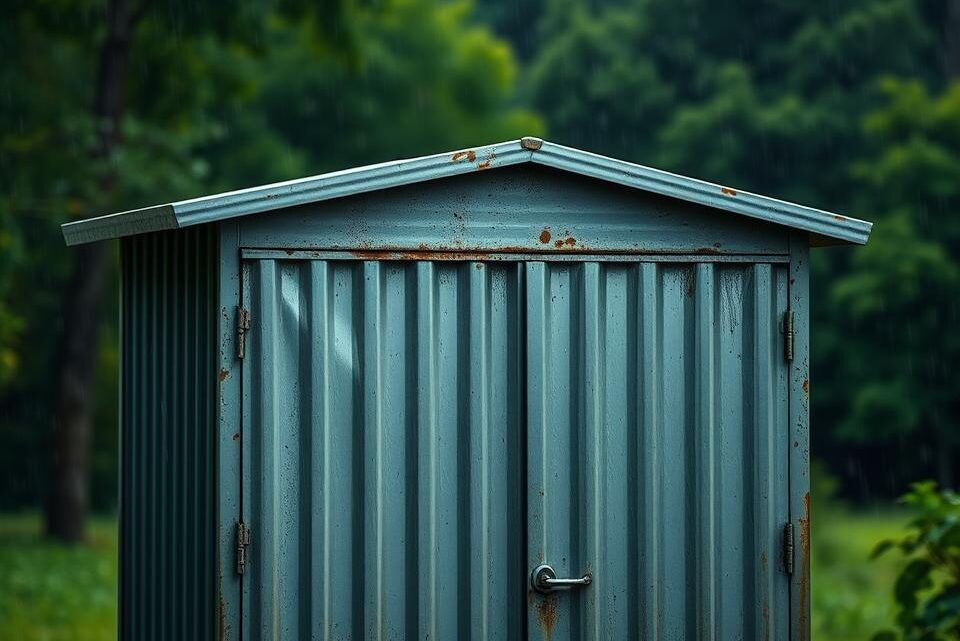
Many homeowners considering outdoor storage solutions wonder about the acoustic performance of steel garden buildings during wet weather. The sound of precipitation on a galvanised structure can indeed seem more pronounced than on other materials.
This guide examines the facts behind this common concern. It explores why certain constructions create more audible effects and how modern design addresses these issues effectively.
Understanding the properties of these durable storage solutions helps in making informed decisions. With proper installation and maintenance, a practical balance between durability and comfort can be achieved.
Inhaltsverzeichnis
Key Takeaways
- Steel garden buildings can produce more audible effects during wet conditions
- Modern designs incorporate features to minimise acoustic transmission
- Proper installation significantly reduces sound transmission
- Insulation options exist to enhance acoustic comfort
- Regular maintenance helps maintain optimal performance
- Choosing quality materials makes a substantial difference
Understanding the Impact of Rain on Metal Sheds
Steel outdoor storage units respond to rainfall in ways that affect both their sound profile and long-term resilience. The interaction between precipitation and these structures involves complex physical properties that determine acoustic behaviour and material longevity.
How Rain Affects Metal and Acoustic Performance
Raindrops striking hard surfaces create distinctive sound patterns. The non-absorbent nature of steel fails to dampen vibrations naturally. This results in sharp, echoing noises during heavy downpours.
Sound travels efficiently through the framework. This amplification makes the noise more noticeable inside the storage space. Flat, untreated sheets exhibit significant reverberation, similar to drum surfaces.
Influence on Durability and Corrosion
Moisture exposure presents durability challenges for untreated steel. Protective coatings on modern roofing materials prevent rust formation effectively. These treatments maintain consistent performance under various weather conditions.
Understanding both acoustic and corrosion impacts helps property owners make informed decisions. Quality construction with appropriate protective measures ensures optimal longevity and comfort.
Are Metal Sheds Noisy When It Rains?
Several critical elements determine how loud a galvanised storage unit will sound in wet weather. The actual noise levels experienced are not fixed but depend heavily on the building’s specifications.
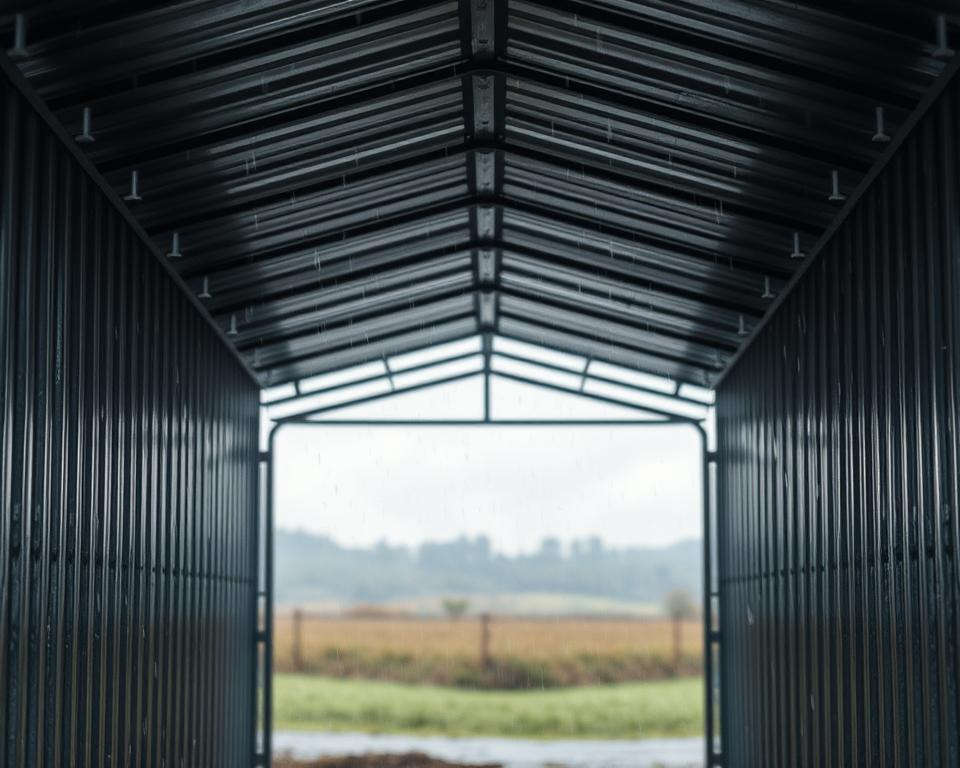
Factors Influencing Noise Levels
Material thickness is a primary factor. Thinner gauge steel tends to vibrate more freely, amplifying the sound of each raindrop. This creates a sharper, more pronounced acoustic effect.
The presence and quality of insulation are equally important. Structures without any sound-absorbing material will be significantly louder. Proper insulation acts as a barrier, dampening the sound waves before they enter the space.
Even the roof’s shape plays a role. Steeper pitches can alter how rain strikes the surface, potentially reducing the direct impact and subsequent noise.
Design Elements that Amplify or Dampen Sound
Modern construction techniques directly address acoustic concerns. Design choices can transform a potentially noisy unit into a much quieter one.
High-quality roofing panels often feature embossed patterns or thicker profiles that disrupt sound vibration. The integration of acoustic underlayments beneath the metal roof is another effective strategy to reduce noise.
| Design Feature | Amplifies Sound | Dampens Sound |
|---|---|---|
| Panel Thickness | Thin, lightweight sheets | Thick, heavy-gauge panels |
| Insulation | No insulation present | Built-in foam or fibreglass |
| Roof Profile | Large, flat surfaces | Steeper, textured pitches |
Therefore, concerns about sound should not deter buyers. Informed selection focusing on these design and material aspects ensures a comfortable acoustic environment.
Soundproofing and Insulation Techniques
Homeowners can implement various strategies to control sound transmission in their outdoor storage units. Proper soundproofing creates an effective barrier against precipitation-related disturbances.
DIY Soundproofing Ideas for Homeowners
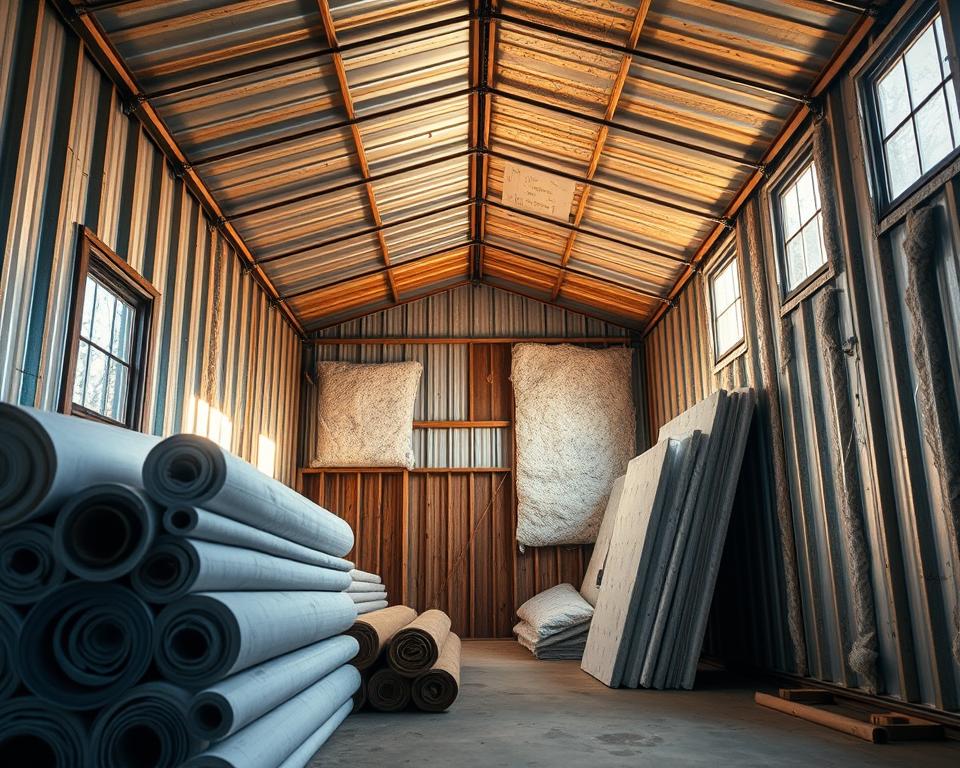
Simple do-it-yourself approaches offer accessible noise reduction. Foam panels attached to interior surfaces effectively absorb sound waves. These materials disrupt reverberation patterns.
Basic additions like rugs or mats on the floor contribute to overall acoustic improvement. They help dampen various sounds within the space. This approach provides immediate noise control benefits.
Benefits of Adding Roof and Wall Insulation
Comprehensive insulation delivers multiple advantages beyond sound management. Proper installation in the roof and walls significantly reduces rain impact sounds.
This treatment also regulates temperature throughout the year. The space stays cooler in summer and warmer during colder months. Quality roofing materials with integrated insulation provide the best results.
Regular maintenance ensures continued effectiveness of all soundproofing measures. Homeowners should check for any loose or sagging insulation periodically.
Selecting Quality Metal Roofing Materials
The choice of roofing materials is a fundamental decision that shapes the acoustic comfort and longevity of an outdoor storage building. Opting for high-quality components ensures the structure stands up to the elements quietly and effectively.

This selection process directly influences how the building will perform during a downpour. Investing wisely at this stage pays dividends in both peace and durability.
Advantages of Thicker Metal Panels
One of the most effective strategies for noise control involves selecting thicker gauge panels. Thicker metal sheets absorb more sound energy from impacting raindrops.
This reduces the sharp, ringing noise associated with thinner alternatives. Galvanised roof sheets, in particular, offer excellent sound dampening properties.
While the initial cost may be higher, the long-term benefits are substantial. A sturdier roof provides superior acoustic performance and enhanced structural integrity.
Modern Metal Roofing Options and Protective Coatings
Contemporary metal roofing products have evolved significantly. They are a world away from the basic, uncoated sheets used on agricultural buildings.
Stone-coated metal roofs are a premium example. Their intricate textures and embedded stone granules create a peaceful experience during rainfall.
These specialised coatings serve a dual purpose. They prevent rust and corrosion while simultaneously improving the acoustic performance of the roof.
An irregular surface texture is more effective at disrupting sound waves. The thicker the protective layer, the greater the noise reduction.
Homeowners should therefore prioritise modern metal roofing materials with robust coatings. This approach guarantees a quieter, longer-lasting solution for any garden building.
Design Considerations for Reducing Rain Noise
Beyond material selection, structural design emerges as a critical factor in managing rainfall acoustics. Thoughtful architectural planning dramatically influences how precipitation interacts with the building’s surfaces.
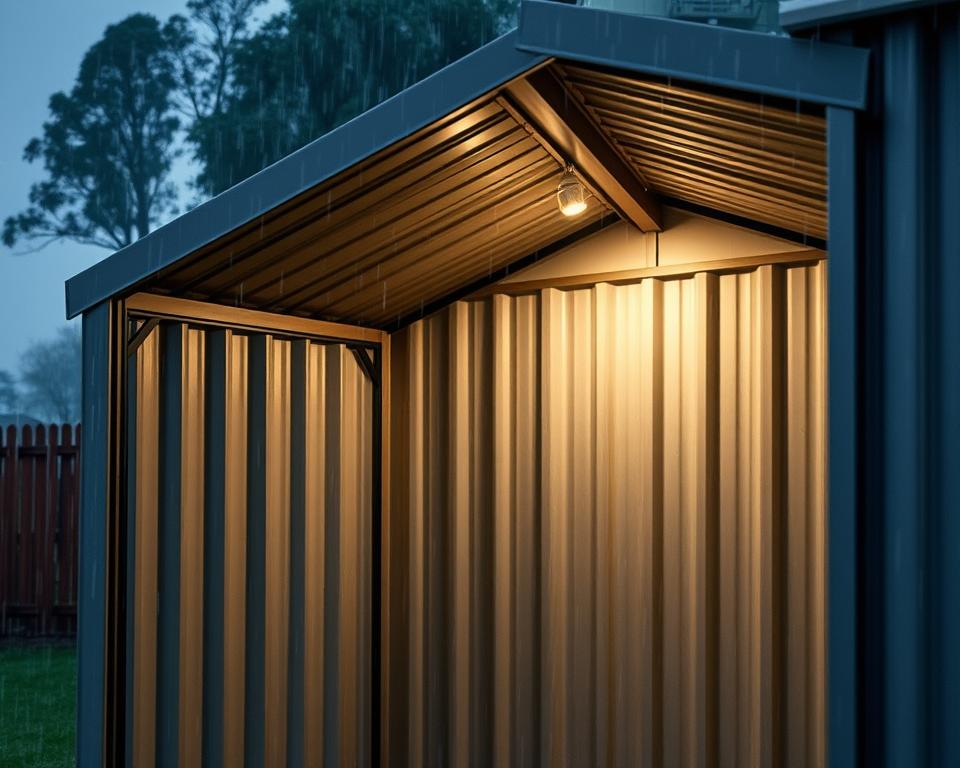
The physical configuration determines sound transmission patterns during wet conditions. Proper design choices can transform acoustic performance significantly.
Structural Features That Absorb Sound
Specific architectural elements effectively interrupt sound wave transmission. Preventing direct impact on hard, flat surfaces represents a key principle for noise reduction.
The roof profile plays a crucial role in dispersing raindrops gradually. Steeper pitches and textured surfaces create quieter impact patterns than flat metal roofs.
Well-designed structures incorporate sound-absorbing features within their framework. These elements prevent rain noise from resonating throughout the interior space.
Higher construction standards include complete roof assemblies with proper underlayment. This approach creates multiple barriers that dissipate sound energy effectively.
Investing in proper structural design from the outset proves more effective than retrofitting measures later. The initial planning phase determines long-term acoustic comfort.
Installation Tips for Optimised Noise Control
Proper installation techniques form the cornerstone of effective acoustic management in garden storage buildings. Even premium components fail to deliver expected performance if incorrectly fitted. The implementation process proves equally important as material selection.
Best Practices in Roof Assembly and Underlayment
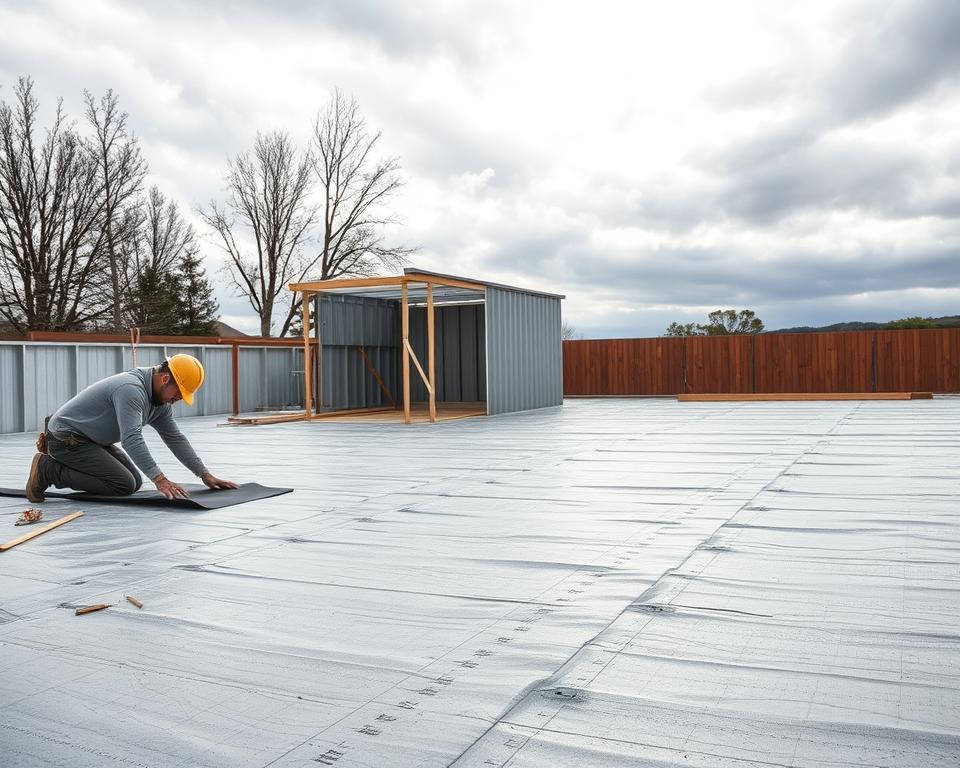
A complete roof assembly represents the foundation of effective noise control. The proper layering sequence—roof deck, insulation, and underlayment—considerably dampens rainfall sounds. Correct installation requires attention to continuity and coverage.
Rubber underlayment proves particularly effective for sound absorption beneath the roofing surface. Eliminating gaps ensures maximum acoustic benefit. Even small openings can compromise the entire noise reduction system.
Utilising Acoustic Panels and Soundproofing Curtains
Supplementary measures enhance overall noise control significantly. Positioning acoustic panels on interior walls and ceilings absorbs sound waves effectively. These panels work where primary barriers may have limitations.
Soundproofing curtains block external noise while dampening interior reflection. They serve multiple acoustic functions simultaneously. Additional measures like weather-stripping seal gaps around openings.
Strategic installation of foam panels and false ceilings creates extra barriers. Dense insulation boards provide additional soundproofing benefits. Each element contributes to a comprehensive acoustic solution.
| Technique | Primary Function | Noise Reduction Level |
|---|---|---|
| Rubber Underlayment | Sound absorption beneath roof | High |
| Acoustic Panels | Interior sound wave absorption | Medium-High |
| Soundproofing Curtains | External noise blocking | Medium |
| Weather-stripping | Gap sealing around openings | Medium |
Maintenance and Upkeep for a Quieter Shed
The long-term acoustic performance of outdoor steel buildings depends heavily on systematic maintenance practices. Regular upkeep ensures both structural integrity and acoustic comfort are preserved over time. Proper maintenance prevents deterioration that could otherwise increase sound transmission.
Routine Inspections for Rust and Wear
Homeowners should conduct periodic inspections for corrosion and loose components. Early detection of rust spots or weakened fasteners prevents structural issues and additional noise. Loose parts can rattle during rainfall, creating unwanted sounds.
Applying protective coatings and lubricating moving parts are essential maintenance tasks. Rust-resistant paint preserves the metal surface while reducing potential noise sources. Regular lubrication of hinges and locks ensures smooth, quiet operation.
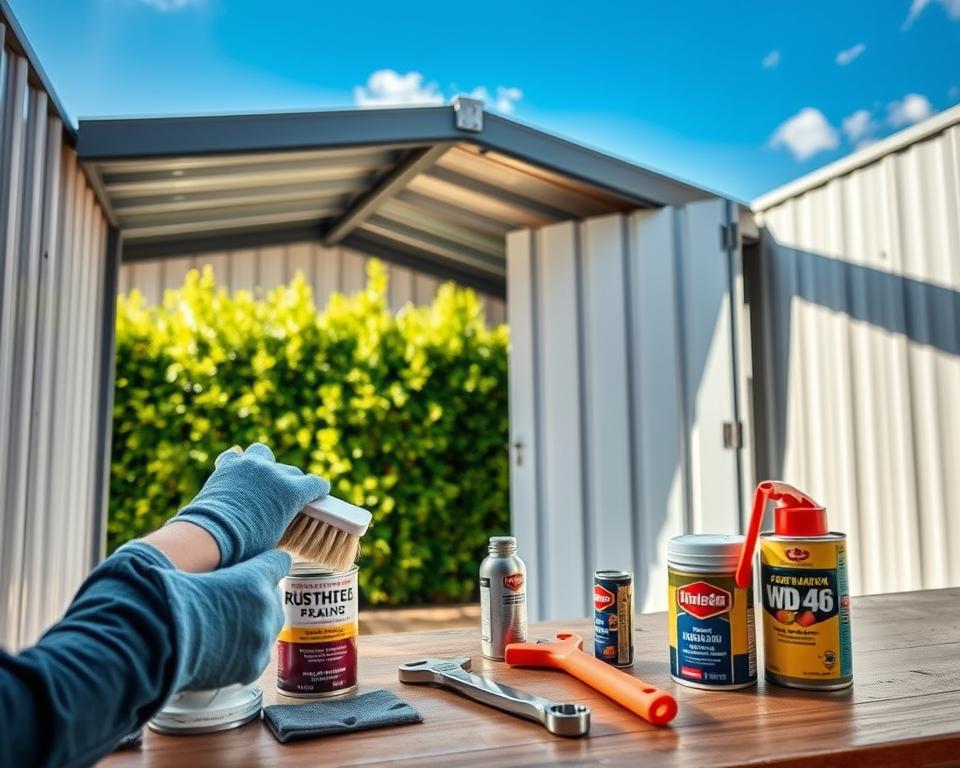
Cleaning the exterior with mild detergent maintains the protective surface. Clearing gutters and drainage systems prevents water accumulation that could cause noise. Ensuring the structure remains firmly anchored minimises vibrations during adverse weather.
Ensuring Insulation and Soundproofing Remain Effective
Regular checks on insulation materials are crucial for sustained noise reduction. Loose or sagging soundproofing panels lose their acoustic absorption capabilities. Homeowners should inspect all installed soundproofing components periodically.
Prompt replacement of worn insulation maintains optimal performance. Tightening loose fittings and addressing gaps preserves the building’s acoustic properties. This maintenance routine ensures long-term durability and consistent sound control.
Comparing Metal Sheds with Alternative Roofing Options
Research-based evidence offers clarity on the acoustic properties of different roofing materials during rainfall. Understanding factual data helps homeowners make informed decisions about their outdoor storage solutions.
Decibel Levels: Metal Roofs Versus Asphalt Shingles
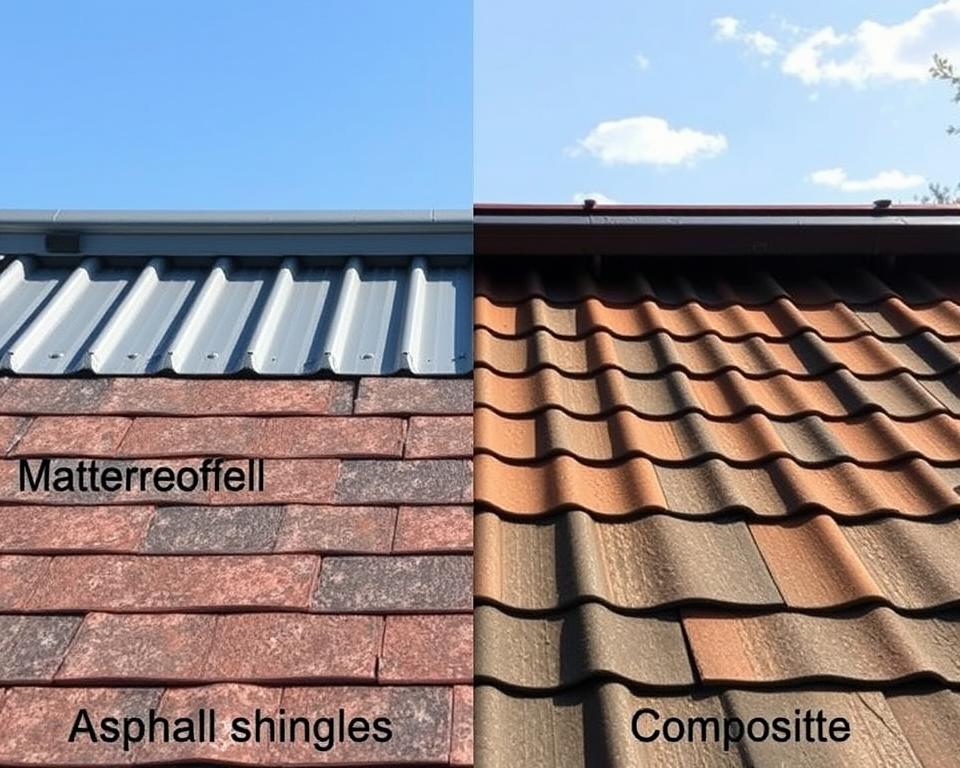
Studies from the Acoustic Group at the University of Lulea, Sweden, provide scientific insight. Their research shows rain on asphalt shingles measures approximately 46 dBA. A complete metal roof assembly registers about 52 dBA.
The 6-decibel difference falls below human detection thresholds. Most people cannot perceive sounds less than 8 decibels apart. This makes the acoustic difference essentially undetectable.
Basic installations show greater variation. Open framing can reach 61 dBA, demonstrating how proper construction matters.
The Stone-Coated Advantage for Noise Reduction
Stone-coated metal roofing represents a premium solution with multiple benefits. Multiple layers of natural stone granules create an effective sound barrier. This design significantly improves noise reduction during precipitation.
Beyond acoustic performance, these roofs offer exceptional durability. They meet high-velocity hurricane zone requirements and achieve Class 4 hail impact ratings. Fire safety reaches Class A standards.
The long-term value proposition is compelling. Metal roofs typically last 2-3 times longer than traditional materials. Energy efficiency improvements can reduce cooling costs by up to 25%.
Property value increases up to 6% represent another significant advantage. These combined benefits deliver excellent return on investment for homeowners.
| Feature | Asphalt Shingles | Standard Metal Roof | Stone-Coated Metal |
|---|---|---|---|
| Rain Noise (dBA) | 46 | 52 | Quiet |
| Lifespan | 15-30 years | 40-70 years | 50-70 years |
| Energy Efficiency | Standard | Good | Excellent |
| Home Value Impact | Moderate | Good | High (up to 6%) |
Conclusion
In summary, the acoustic performance of a steel garden building during wet weather is not a fixed attribute. It is a direct result of thoughtful design and specification. The potential for sound is manageable through informed choices.
Key factors like material thickness, integrated insulation, and quality roofing materials make a significant difference. Modern construction techniques have greatly improved the comfort of these structures. Homeowners can confidently enjoy the benefits of durable outdoor storage.
With proper selection and maintenance, a quiet and resilient solution is achievable. The initial investment pays off in long-term energy efficiency and peace of mind. A well-chosen unit serves its purpose effectively for many years.
FAQ
What factors influence noise levels in a metal shed during rainfall?
Several elements affect the sound. These include the thickness of the roofing panels, the quality of insulation and underlayment, and the roof’s slope. Proper installation and additional soundproofing layers can significantly reduce noise levels.
How can I soundproof my metal shed to minimise rain noise?
Homeowners can add insulation batts or foam panels to the walls and roof. Installing a robust underlayment beneath the metal panels also acts as a sound barrier. For further reduction, acoustic panels or specialised soundproofing curtains are effective.
Do thicker metal panels make a difference in noise reduction?
A>Yes, thicker gauge metal panels tend to be less noisy. They are more rigid and vibrate less upon impact from raindrops, which helps dampen the sound compared to thinner, more flexible materials.
How does metal roofing compare to asphalt shingles in terms of noise?
A>When installed correctly with adequate insulation, modern metal roofs can be as quiet as asphalt shingles. The key difference often lies in the assembly; without proper underlayment, metal can seem louder, but with it, the noise levels are comparable.
What maintenance checks help maintain a quieter shed?
Regularly inspect for rust, ensure all fastenings are secure, and check that insulation remains intact. Addressing wear promptly prevents issues that could amplify sound or reduce the structure’s acoustic performance over time.
Are there specific design features that help absorb sound?
Incorporating a steep roof slope can reduce the direct impact of rain. Additionally, using stone-coated metal roofing panels provides a textured surface that breaks up raindrop impact, contributing to noise reduction.
What are the benefits of adding roof insulation beyond noise control?
Besides acoustic benefits, insulation improves energy efficiency by regulating internal temperature. It also provides a moisture barrier, enhancing the shed’s durability and protecting stored items from damp conditions.