How to Build a Green Roof on a Shed
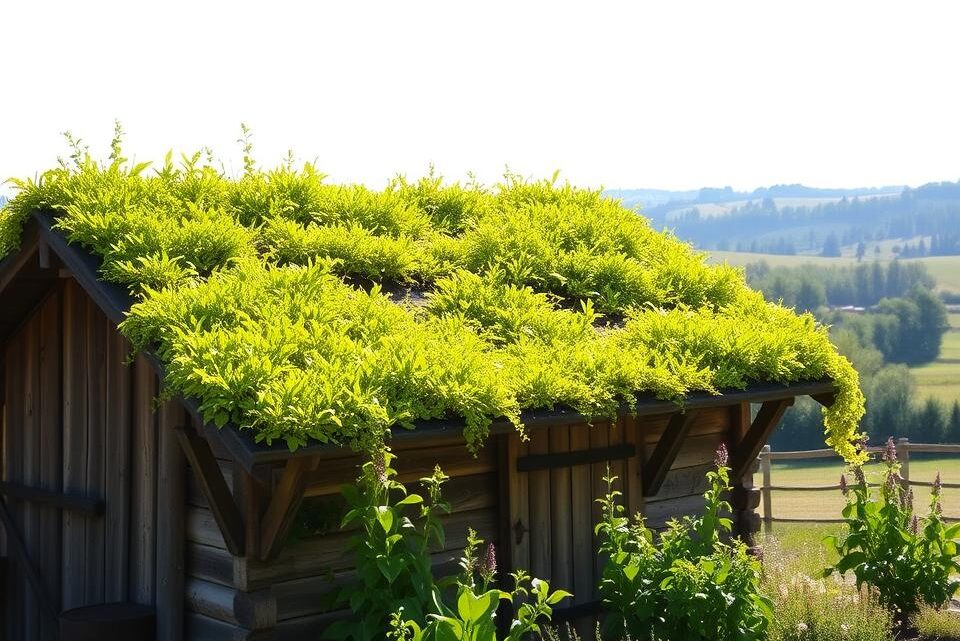
Transforming a standard garden shed into an eco-friendly asset is an achievable project for many homeowners. This comprehensive guide offers a clear path to creating a living roof, a feature that brings numerous benefits to any outdoor space.
The process involves careful planning and understanding fundamental principles. From assessing structural needs to selecting suitable materials, each step is explained in detail. This empowers individuals with basic DIY skills to approach the task with confidence.
Beyond the practical satisfaction, a green roof installation enhances biodiversity and manages rainwater effectively. It creates an attractive, sustainable feature that contributes positively to the local environment. This guide draws on expert knowledge to ensure a successful outcome for your home and garden.
Inhaltsverzeichnis
Key Takeaways
- This guide provides a structured approach for creating an eco-friendly roof on a garden building.
- Understanding the basic principles is essential for a successful and safe installation.
- The project offers significant environmental advantages, including supporting local wildlife.
- Careful planning regarding the shed’s structure and material selection is crucial.
- The process is designed to be accessible to those with fundamental DIY experience.
- A finished green roof adds aesthetic value and improves rainwater management.
Introduction: A Vision for Sustainable Sheds
Small garden buildings present unique opportunities for enhancing biodiversity through innovative roofing solutions. This approach transforms functional structures into valuable ecological assets that support local wildlife.
Various outdoor constructions can benefit from this sustainable vision. Bin stores, bike shelters, and even rabbit hutches become platforms for thriving plant communities. These living surfaces absorb rainfall effectively while boosting local biodiversity.
In urban environments where space is limited, these roofing solutions maximise growing area without sacrificing ground-level garden territory. They address environmental challenges common in towns and cities.
The vision extends beyond aesthetic appeal to encompass practical benefits for both nature and homeowners. Even modest structures contribute meaningfully to creating greener residential areas.
How to Build a Green Roof on a Shed
A logical, step-by-step methodology transforms the ambition of a living roof into a tangible weekend project. This structured guide breaks down the entire process into manageable stages, making it accessible for competent DIY enthusiasts.
Step-by-Step Methodology
The construction design follows a clear sequence. It addresses common uncertainties about layer placement and material selection. This systematic way of working ensures structural integrity from the start.
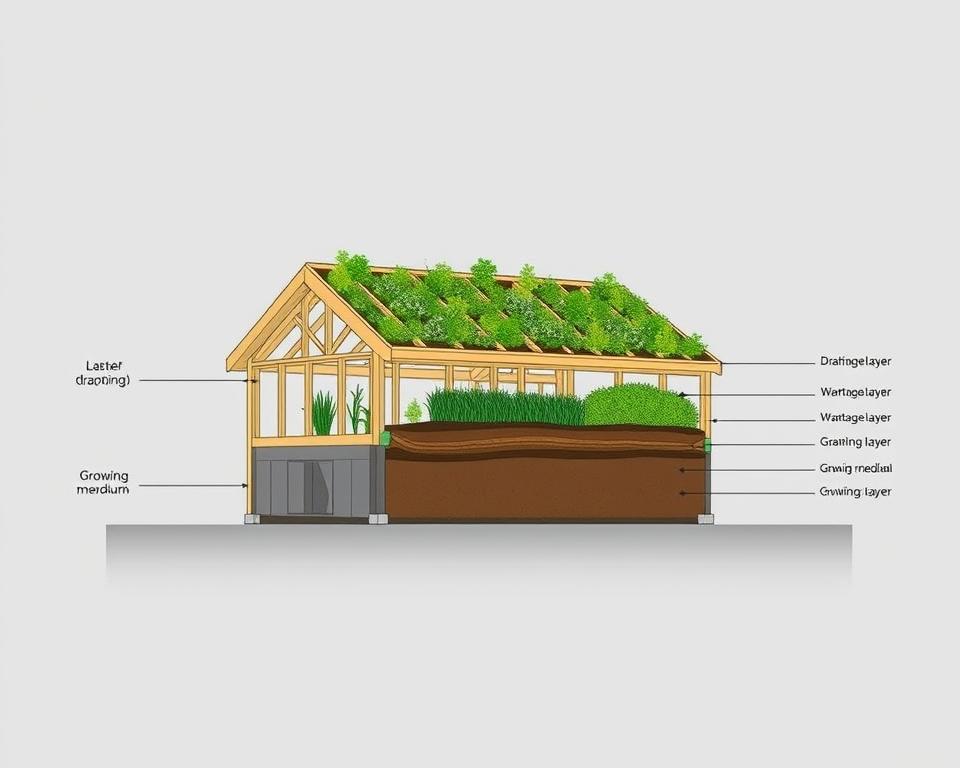
By adhering to this planned approach, individuals can complete the installation within a reasonable timeframe. Proper planning and accurate measurements are emphasised for a successful outcome.
DIY Insights from Industry Experts
Experts like Dusty Gedge and John Little contribute decades of experience. Their insights help builders avoid common pitfalls and find practical solutions. They identify building confidence as a key factor for success.
This overview prepares readers for the detailed instructions that follow. It establishes realistic expectations about the skill level and commitment required for transforming a garden shed.
Design and Planning: Creating the Ideal Roof Layout
A meticulously planned layout is the cornerstone of any successful garden building project. This initial phase determines the final outcome, influencing both function and form. Careful consideration of the available space and the building’s intended use is paramount.
For instance, a bin store requires sufficient area for easy access, with measurements accommodating different bin sizes. Accuracy at this stage prevents costly errors later.

Time spent in reconnaissance is seldom wasted.
This principle applies perfectly to planning a livingroof.
Assessing the Shed Structure and Space
Before any work begins, a critical assessment of the existing shed structure is essential. It must possess the strength to support the significant added weight of saturated substrate and plants.
This evaluation ensures the long-term stability and safety of the entire installation.
Measurements, Aspect and Drainage Considerations
Precise measurements form the foundation of the design. They dictate material quantities and prevent waste. The roof requires a gentle slope, typically between 1:40 and 1:10, to facilitate proper drainage.
Understanding the aspect—the direction the roof faces—is crucial for plant selection. The table below outlines the key differences:
| Aspect | Sunlight | Temperature | Ideal Plant Types |
|---|---|---|---|
| South / West | Warm, sunny | Warmer | Drought-tolerant sedums |
| North / East | Cool, shady | Cooler | Shade-tolerant mosses |
Finally, consider practical access to meters or drain covers, as the building’s position is often permanent.
Selecting the Best Materials: Timber, Metal, and Reclaimed Options
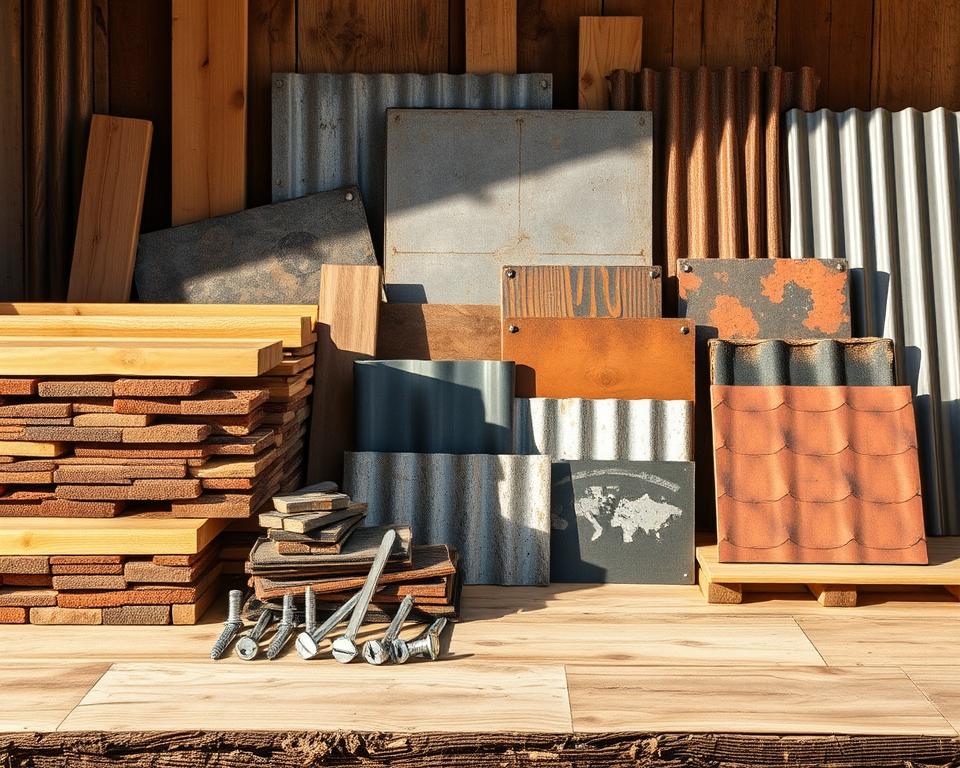
The selection of appropriate materials forms a crucial foundation for any successful garden building project. This decision directly impacts the structure’s longevity, appearance, and functionality. Builders must consider several factors when choosing their materials.
Durability and Weight Considerations
Material choices significantly affect how well a structure supports additional weight. A green roof system can add substantial load when saturated with water. The framework must handle this extra pressure without compromising stability.
Different materials offer varying benefits for roofing applications. Pressure-treated wood provides excellent resistance to moisture and decay. This extends the lifespan of the structure significantly.
| Material Type | Durability | Weight Capacity | Cost Consideration |
|---|---|---|---|
| Heavy Timber | High | Excellent | Higher initial cost |
| Metal Framing | Very High | Superior | Moderate to high |
| Reclaimed Wood | Variable | Good to excellent | Cost-effective |
| Standard Studwork | Moderate | Good | Budget-friendly |
The right material choice saves time and resources in the long run.
Reclaimed materials offer environmental benefits and unique character. They allow builders to create distinctive structures while reducing waste. This approach supports sustainable building practices.
Wildlife-friendly features can be integrated during construction. Drilled holes for solitary bees or textured surfaces provide habitat opportunities. These additions enhance the ecological value of the finished project.
Constructing the Shed’s Structural Framework
The structural integrity of a garden building begins with its framework. This frame must be robust enough to handle the substantial extra weight from a living roof system. Careful construction at this stage prevents future issues.

The core of the frame consists of four corner posts. Using pressure-treated wood is highly recommended for durability. Two posts are shorter to create the essential roof slope for water runoff.
Accurate vertical alignment, or plumb, is critical for each post. Builders must check this before and after securing them. Any deviation can cause significant problems when attaching walls and siding.
Setting Up Posts and Supporting Beams
When standing the posts, place each one on a brick with a plastic spacer. This simple barrier drastically prolongs the wood‘s life by preventing ground moisture absorption.
Horizontal beams, typically 69x44mm, then connect the posts at the top. This creates a rigid structure that evenly distributes the roof load. These beams provide the secure base for the joists.
Ensuring Structural Integrity for Added Weight
The entire frame must support loads of approximately 100kg per square metre. This accounts for saturated substrate, plants, and potential snow. Proper bracing and secure fixings are essential.
This careful approach ensures the shed structure remains stable under the weight. It will not twist or settle unevenly over time.
| Component | Typical Size | Key Function |
|---|---|---|
| Corner Post | 68mm square | Primary vertical support |
| Supporting Beam | 69x44mm | Connects posts, distributes load |
| Base Spacer | N/A | Creates water barrier, prevents rot |
Installing the Roof Panel and Waterproof Membrane
The construction process now reaches a pivotal phase where structural support meets weather protection. This stage establishes the foundation for the entire living roof system.

Proper execution here prevents water damage and ensures long-term durability. The roof must handle significant loads from saturated materials and potential snowfall.
Attaching Roof Joists and Panels Correctly
Substantial joists are essential for supporting the weight. Three beams measuring 144x44mm provide the necessary strength. These are cut with precision birdmouth joints to fit the 8-degree roof angle.
An OSB panel is then secured on top of the beams. This creates a solid base layer for subsequent roofing materials. The panel is lifted into position, screwed down firmly, and trimmed to size.
Effective Waterproofing Techniques
A waterproof membrane is the most critical component. Thick LDPE plastic or purpose-made roofing material creates a reliable barrier. This layer must be installed with generous overlaps onto the shed walls.
Corrugated steel can add extra strength as an optional enhancement. All fixings must be properly sealed to prevent water ingress. Careful handling avoids punctures that could compromise the entire system.
Laying the Green Layers: Protection Fabric, Planting System, and Soil
This phase brings the installation to life. It involves placing the essential components that create a thriving ecosystem above the waterproof membrane.

Convenient kits are available that contain all necessary materials in pre-cut blocks or mats. These often include pre-sown plants, simplifying the process.
Installing the Protective and Filter Fabric Layers
The first layer is a protective root barrier fabric. This material prevents roots from penetrating and damaging the membrane below.
A filter fabric is then installed. This crucial layer stops substrate particles from washing away and clogging drainage systems. It still allows water to flow freely.
These two fabric layers work together to protect the structure.
Plant Selection and Layering Techniques
The soil or substrate is added next. This represents the majority of the weight. For a small roof, approximately four bags are typical.
Plant selection is guided by the “right plant, right place” principle. Consider sun exposure, wind, and maintenance capacity. Alpine varieties are excellent for their hardiness.
Pre-grown sedum rolls offer a simple planting solution. They should be unrolled immediately upon delivery to let the plants breathe.
Unroll plant mats promptly to prevent stress and ensure a healthy start.
These plants can be trimmed to fit the space using a sharp knife. A top dressing of shingle helps suppress weeds and retain moisture.
This planting system, when layered correctly, creates a resilient and attractive green roof.
| Layer | Material | Primary Function |
|---|---|---|
| Protection | Root Barrier Fabric | Prevents root damage to membrane |
| Filtration | Filter Fabric | Retains substrate, allows water flow |
| Growing Medium | Lightweight Substrate | Provides anchor and nutrients for plants |
| Surface | Plant Mat / Gravel | Vegetation cover and weed suppression |
Tips for Customisation and Enhancing the Garden Aesthetic
Achieving a harmonious garden aesthetic requires thoughtful integration of new structures with existing features. This approach transforms a functional storage shed into a cohesive element of the outdoor design.
Integrating the Shed Design with Garden Fencing
The most effective customisation strategy involves aligning the shed siding with existing garden fencing. Matching board patterns creates visual continuity where the structure blends seamlessly into boundary treatments.
Maintaining consistent spacing between boards is crucial. A 5mm gap provides adequate ventilation while preventing moisture buildup inside the frame. This detail protects the structure while maintaining aesthetic appeal.
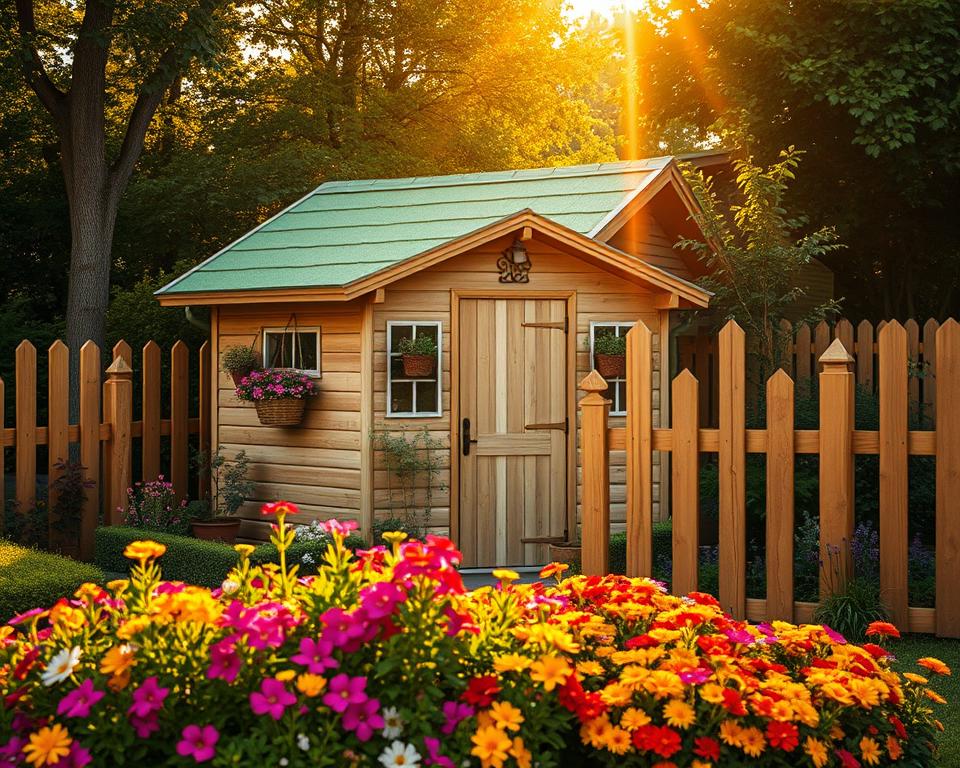
Careful placement ensures the horizontal lines flow uninterrupted from fence to shed. This technique is particularly valuable in smaller gardens where visual space matters as much as physical storage area.
Fascia boards provide the finishing touch to any green roof shed. They create a neat border around the planting area while directing rainwater away from walls. The door design should echo the same spacing and orientation for complete unity.
These customisation techniques ensure the garden shed enhances rather than dominates the outdoor space. The result is a professional-looking installation that appears intentionally planned.
Conclusion
Successfully implementing a vegetated covering demonstrates how functional spaces can serve dual environmental purposes. This guide has outlined a systematic process for creating a sustainable roofing solution that benefits both home and nature.
The project requires careful attention to structural integrity and proper drainage systems. Appropriate plant selection ensures the green roof thrives with minimal maintenance. These living roofs create valuable habitats for local wildlife.
Homeowners can confidently approach this rewarding undertaking. The knowledge gained provides a solid foundation for future ecological projects. Each completed installation contributes positively to urban sustainability.
FAQ
What is the primary purpose of a green roof on a garden shed?
The main purpose is to create a sustainable, living space that offers significant environmental benefits. These roofs support local wildlife, improve air quality, and help manage rainwater runoff. They also provide excellent insulation for the shed itself.
Can any shed support the weight of a green roof system?
Not every shed is suitable. The existing structure must be robust enough to handle the substantial added load, especially when the substrate and plants are saturated with water. It is crucial to assess the shed’s frame and roofing material before beginning the project.
What are the essential layers in a green roof build-up?
A standard build-up consists of several key layers. These include a waterproof membrane, a drainage layer, a filter fabric, a lightweight growing substrate (soil), and finally, the planting layer. Each layer has a specific function in protecting the structure and sustaining plant life.
How much maintenance does a green roof shed require?
Maintenance is generally low, particularly with a sedum mat system or hardy, drought-tolerant plants. Tasks typically involve occasional weeding and checking that drainage outlets remain clear. An annual feed may be beneficial for optimal plant health.
What type of plants are best suited for a shed’s green roof?
The best choices are hardy, shallow-rooting plants that can tolerate sun, wind, and dry conditions. Sedums, sempervivums, and certain wildflowers are excellent options. These species require minimal soil depth and are well-adapted to the challenging roof environment.
Is professional installation necessary, or is it a feasible DIY project?
For a small garden shed, it is a achievable DIY project for someone with good practical skills. However, consulting guidance from industry experts is highly recommended. For larger sheds or complex designs, seeking professional advice ensures structural safety and long-term performance.
How does the aspect of the shed impact the green roof design?
The aspect, meaning the direction the roof faces, directly influences sun exposure and wind patterns. A south-facing roof will be hotter and drier, requiring sun-loving plants. A north-facing roof will be shadier and cooler, necessitating a different plant selection for the space.