
Summer House Ideas: Types, Design and Uses
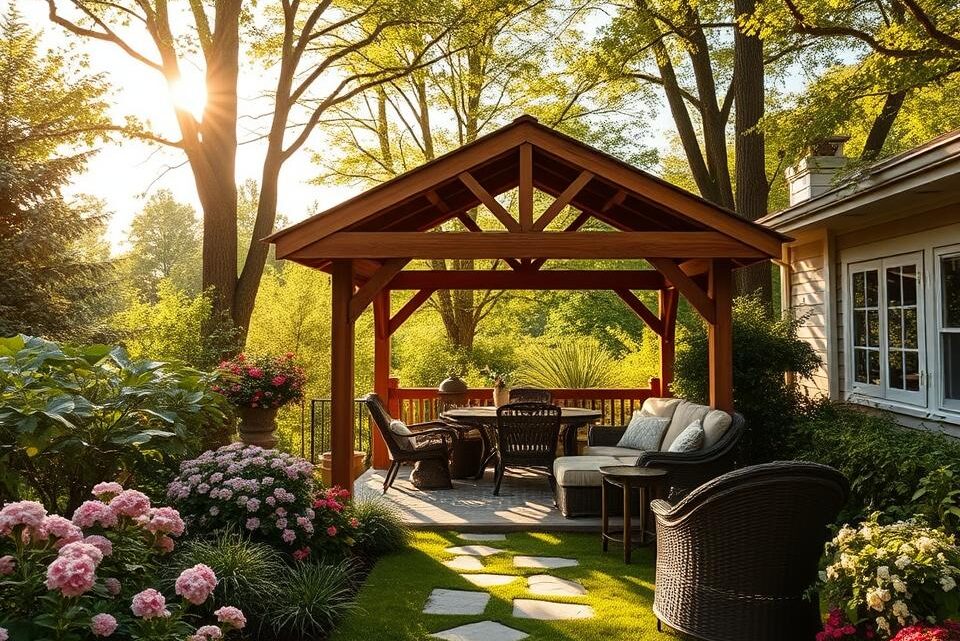
A garden retreat offers homeowners a versatile extension to their living space. These structures have transformed from basic shelters into sophisticated outdoor rooms. They provide year-round functionality regardless of Britain’s unpredictable weather patterns.
Modern garden buildings serve multiple purposes. They can function as peaceful reading nooks, productive home offices, or vibrant entertainment areas. Creative studios and hobby spaces also benefit from this additional room.
This comprehensive guide explores the diverse world of outdoor structures. It addresses crucial planning considerations like location selection and ground preparation. Regulatory requirements, including planning permission, receive detailed coverage.
Readers will discover various structural options available. Traditional wooden constructions sit alongside contemporary glass designs. Customisable features allow tailoring to specific garden dimensions and personal style preferences.
The integration of these buildings with existing landscaping adds significant property value. Practical insights cover interior concepts, sustainable materials, and weather-resistant finishes. Real-world examples from UK homeowners demonstrate successful implementations.
Inhaltsverzeichnis
Key Takeaways
- Garden structures have evolved into sophisticated multi-purpose spaces
- They offer year-round functionality regardless of British weather conditions
- Proper planning includes location selection and ground preparation
- Various structural types cater to different aesthetic preferences
- Customisation options ensure seamless integration with existing gardens
- These additions can significantly increase property value
- Practical considerations include materials, finishes, and space planning
Introduction
Rather than embarking on disruptive home extensions, many Britons are discovering a smarter solution lies at the bottom of their garden. The appeal of a dedicated summer house has surged, offering a private retreat without the high costs and mess of major building work.
Current trends show a move towards structures built for year-round enjoyment. Homeowners now prioritise insulation, heating, and durable materials. This ensures the space remains comfortable during chilly months as well as sunny days.
Overview of Summer House Trends in the UK
The UK has witnessed a significant shift in how outdoor areas are used. People crave a distinct space for quiet reflection, focused work, or simple relaxation. This change often starts with adding a garden building, transforming underutilised land into a valuable asset.
Understanding the Ultimate Guide Approach
This comprehensive guide provides a complete roadmap for your project. It covers every stage, from initial concept to final decoration.
- Practical planning advice on location and regulations.
- Inspirational design ideas tailored to different needs.
- Real-world case studies from successful UK installations.
Understanding these elements helps create a summer house that is both contemporary and timeless. It becomes a perfect addition to any British home and garden.
Planning Your Ideal Summer House
The initial placement decision can make or break the entire summer house experience. Proper planning ensures your garden building becomes a cherished retreat rather than an awkward addition.

Selecting the Perfect Location in Your Garden
Homeowners should walk their outdoor space at different times of day. This reveals sunlight patterns and natural gathering spots. A sunny corner suits morning coffee, while a secluded area offers afternoon tranquillity.
Consider proximity to the main house for convenience. Also maintain distance from boundaries for planning compliance. The ideal spot balances accessibility with privacy.
Preparing the Ground and Garden Layout
A level foundation prevents structural issues like misaligned doors. Soft soil or slopes require extra groundwork. The right base depends on your garden’s conditions and permanence needs.
| Base Type | Best For | Installation Effort | Longevity |
|---|---|---|---|
| Paving Slabs | Lighter structures | Moderate | Semi-permanent |
| Timber Frame | Wooden buildings | Intermediate | Good drainage |
| Concrete Base | Heavy constructions | Significant | Permanent |
Ensure adequate space around the summerhouse for maintenance. The layout should complement existing garden features. This creates harmonious outdoor zones that enhance usability.
Summer House Ideas: Types, Design and Uses
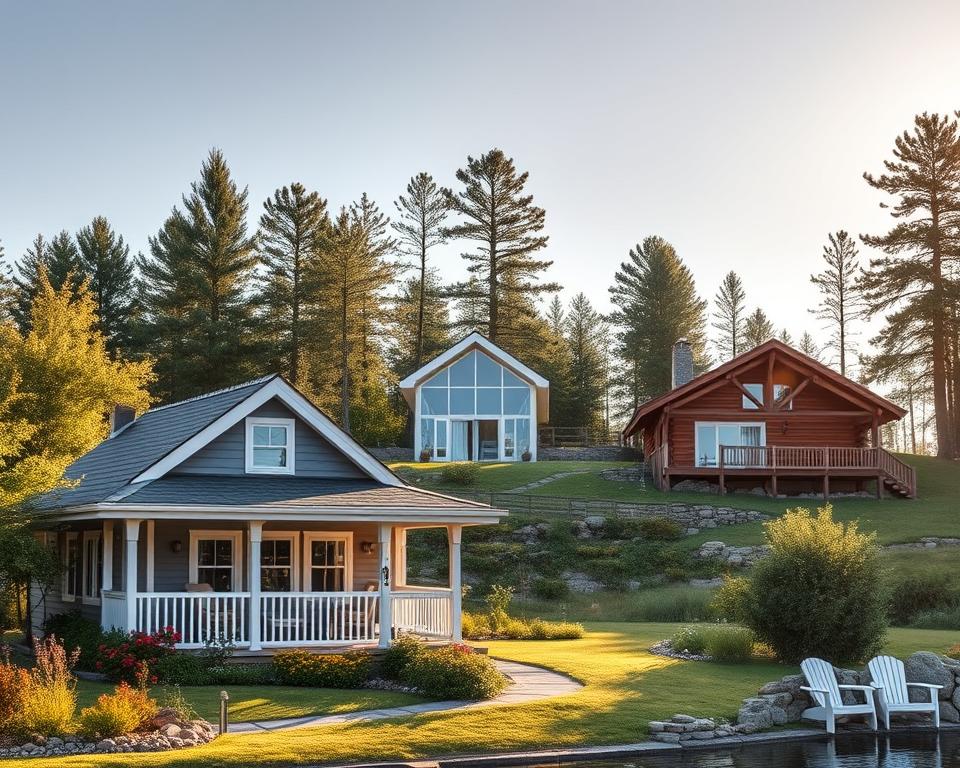
The market presents multiple styles of outdoor retreats, from contemporary designs to traditional classics. Each option serves different purposes and complements various garden layouts.
Contemporary structures feature clean lines and minimalist profiles. They often incorporate large glass panels to maximise natural light. These modern creations suit sleek landscaping schemes perfectly.
Traditional versions evoke classic British charm through pitched roofs and decorative details. Built primarily from quality timber, they offer nostalgic appeal with practical weather resistance.
Corner models solve space limitations in compact gardens. Their triangular footprints maximise interior area while minimising outdoor impact. They create ideal spots for reading nooks or compact offices.
Log cabin styles provide robust construction through interlocking timber. They deliver superior insulation for year-round comfort. This approach adds substantial presence and property value.
Hybrid buildings combine relaxation space with practical storage. Some feature partitioned interiors or side stores for equipment. This dual functionality makes them incredibly versatile for British gardens.
Choosing the right structure depends on individual requirements and available space. Each type offers distinct advantages for different applications and personal preferences.
Traditional versus Modern Designs
Selecting between traditional and contemporary styles represents a fundamental choice in garden building projects. This decision impacts the structure’s aesthetic relationship with its surroundings and interior atmosphere.

Traditional Wooden Summer Houses
Traditional wooden constructions exude classic British charm through quality timber materials. These structures often feature pitched roofs and decorative details that complement mature gardens.
The natural warmth of wood creates inviting spaces with timeless appeal. Homeowners can choose from various finishes to match their garden’s character.
Modern Glass and Contemporary Structures
Modern glass designs offer sleek, transparent alternatives with clean lines. These structures maximise natural light and create seamless indoor-outdoor connections.
Contemporary buildings often feature innovative materials and minimalist profiles. They provide bright, airy spaces perfect for various activities.
Both approaches offer distinct advantages for different preferences and garden settings. The choice ultimately depends on individual style and functional requirements.
Customisable Options for Your Summer House
The ability to customise allows homeowners to create an outdoor space that truly reflects their vision. Personalisation transforms a standard building into a bespoke retreat. These options ensure the final structure meets both practical needs and aesthetic preferences.
Tailoring Size and Shape to Your Garden
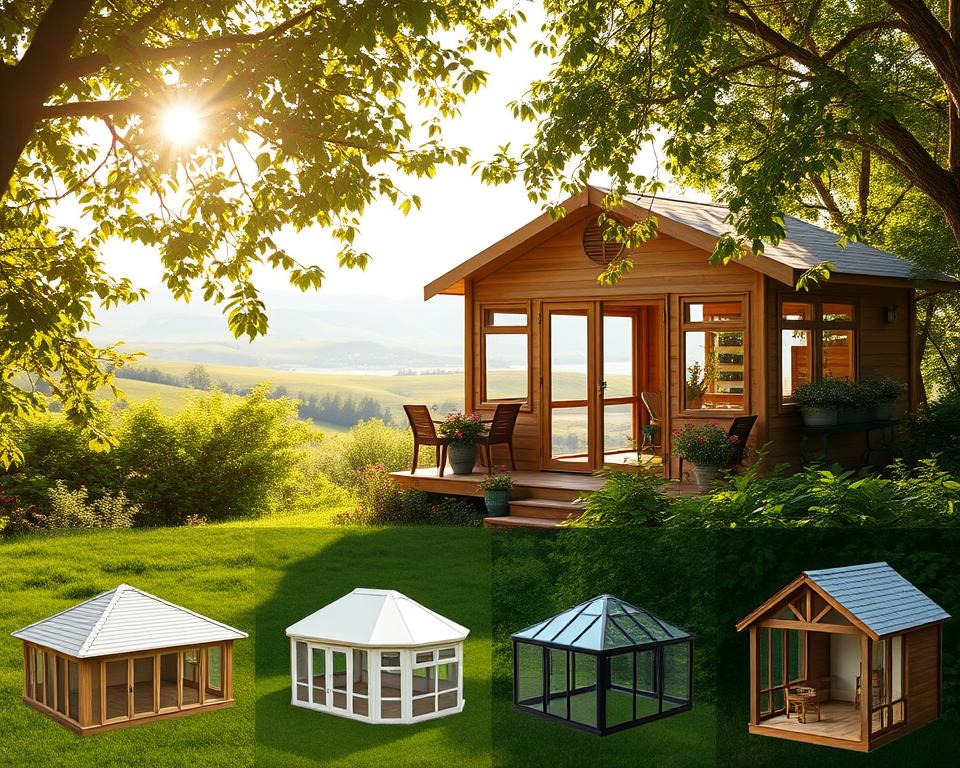
Getting the proportions right is essential for any garden building. The size should complement available space without overwhelming smaller areas. Custom dimensions ensure perfect integration with existing landscape features.
Shape variations extend beyond standard rectangular footprints. Corner designs work well for compact gardens with limited space. Hexagonal or octagonal plans add distinctive character to outdoor areas.
Choosing Roof Styles, Colours, and Finishes
Roof selection impacts both appearance and functionality. Apex roofs offer traditional aesthetics with excellent water drainage. Pent roofs provide contemporary styling at a more affordable price point.
Colour choices help harmonise the structure with garden surroundings. Natural wood stains maintain organic appeal while protecting against weather. Bold contemporary colours can create striking focal points.
Finish options range from transparent treatments to opaque paints. Maintenance-free composite materials offer durability without regular upkeep. The right finish enhances both protection and visual appeal.
Creative Uses and Multifunctional Spaces
The true value of these structures emerges when homeowners explore their multifunctional potential. A single garden building can serve multiple purposes throughout different times of day or seasons.
Transforming the Space for Afternoon Tea and Socialising
Many people create charming tea rooms within their garden retreats. This dedicated area provides an elegant setting for social occasions.
The space transforms ordinary moments into special experiences. Comfortable seating and decorative touches enhance the atmosphere for relaxed conversation.
| Social Function | Key Features | Seasonal Adaptability |
|---|---|---|
| Afternoon Tea | Comfortable seating, table settings | Heating for cooler days |
| Evening Entertainment | Patio heaters, lighting | Open design for summer |
| Family Gatherings | Weather-resistant furniture | Year-round usability |
Home Office, Studio, and Leisure Retreats
Remote working benefits greatly from a separate garden office. This dedicated room eliminates household distractions while maintaining productivity.
Creative studios offer ideal environments for artistic pursuits. Natural light and garden views inspire concentration in this peaceful retreat.
Leisure activities flourish in these versatile spaces. Reading nooks and meditation areas create sanctuaries for mental wellbeing.
Integrating Interior Design Concepts
Thoughtful interior design elevates a simple garden structure into a cherished personal sanctuary. It fundamentally shapes how occupants experience the space, encouraging regular use and enjoyment. A well-considered scheme makes the area more practical and inviting.
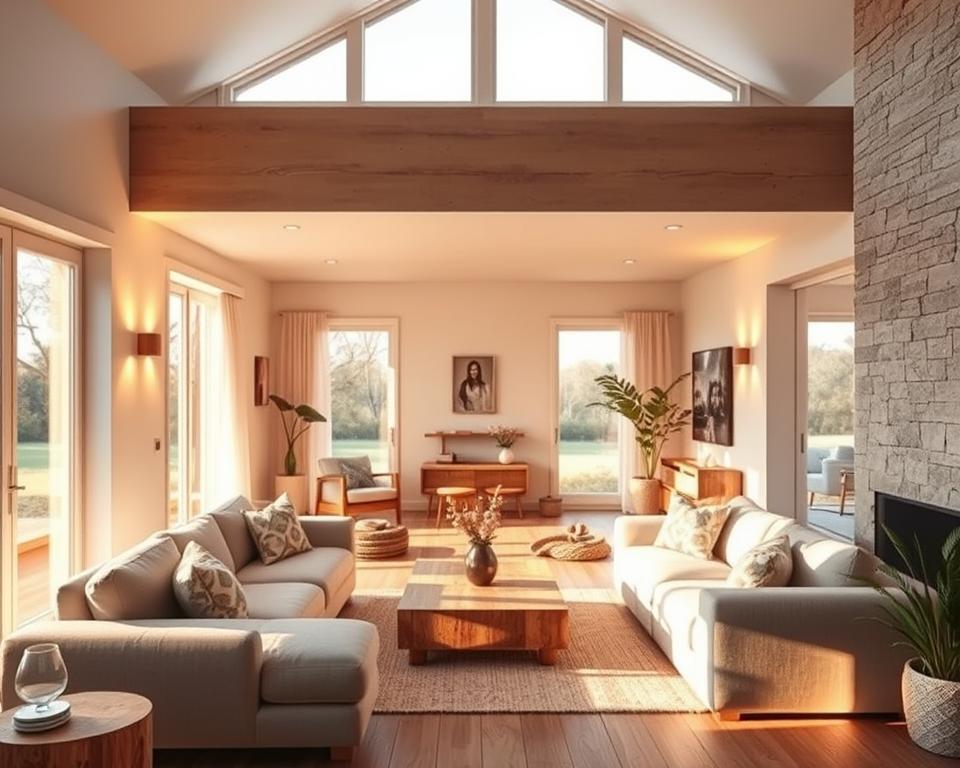
Maximising Natural Light with Windows and Skylights
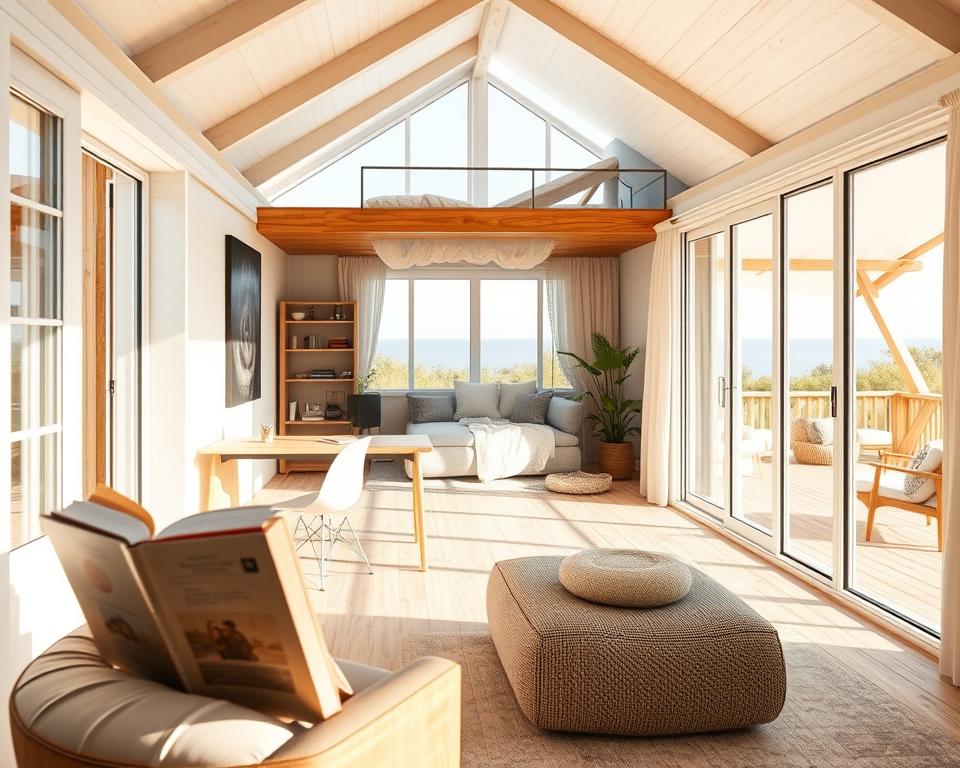
Abundant natural light is a cornerstone of successful summer house interiors. It creates an airy, spacious feel and reduces the need for artificial lighting during the day. Large windows and glazed doors are essential for this effect.
Skylights or roof windows provide excellent illumination without using valuable wall space. This is particularly beneficial in smaller buildings. Positioning mirrors opposite windows can effectively double the amount of daylight entering the room.
Choosing pale colours for walls and window frames helps reflect light. Lightweight window treatments like sheer blinds maintain privacy without blocking sunlight. These techniques ensure the interior feels bright and connected to the outdoors.
Establishing a Cosy, Year-Round Ambience
Creating a comfortable atmosphere allows for year-round use of the garden house. Proper insulation in walls, floors, and the roof is crucial for temperature control. It keeps the space warm in winter and cool in summer.
Soft furnishings add warmth and texture. Rugs, cushions, and throws make the area feel more like a living room. Effective heating options, such as electric panel heaters, ensure comfort during colder months.
Layered lighting schemes with lamps and string lights create a warm glow for evenings. Selecting the right furniture is key—pieces should be comfortable, scaled to fit the area, and suit the intended style. This combination makes the summerhouse a welcoming retreat in any season.
| Design Element | Primary Benefit | Key Consideration |
|---|---|---|
| Large Windows & Skylights | Maximises natural light | Orientation for sun path |
| Insulation | Comfort for all seasons | Material thickness and quality |
| Layered Lighting | Adaptable atmosphere | Mix of task and ambient lights |
| Soft Furnishings | Adds warmth and texture | Durable, weather-resistant fabrics |
Enhancing Functionality and Aesthetic Appeal
The marriage of practicality and style defines successful garden room interiors. This approach ensures the space remains both beautiful and genuinely useful.

Smart storage solutions prevent clutter in any summer house. Built-in seating with hidden compartments provides discreet storage for various items. Shelving keeps floors clear while offering display space.
Furniture choices should serve multiple purposes. Ottoman seats with internal compartments offer clever storage. Fold-down tables create workspace when needed.
Wall treatments provide excellent opportunities for personal expression. They can completely change the look and feel of a room. Feature wall treatments add character without overwhelming the space.
The integration of practical elements ensures smooth operation. Electrical outlets should align with furniture layouts. Lighting circuits should accommodate different activities.
This integrated way of thinking combines visual design with functional elements. The result is a summer house that works beautifully in every way.
Sustainable Materials and Weather-Resistant Finishes
Material selection plays a crucial role in determining the longevity of any outdoor structure. The right components ensure a garden building can withstand Britain’s variable climate conditions.

Investing in Durability and Eco-Friendly Options
Choosing sustainable materials benefits both the environment and the building’s performance. FSC-certified timber from responsibly managed forests offers excellent durability. Recycled wood products reduce environmental impact while maintaining structural integrity.
Natural insulation materials like sheep’s wool provide effective thermal regulation. Low-VOC paints and finishes improve indoor air quality. These eco-friendly choices create a healthier space.
Quality Materials for the British Climate
The British climate demands materials that handle moisture and temperature changes. Premium timber resists warping and splitting under humid conditions. High-specification glazing provides better insulation against cold weather.
Weather-resistant finishes protect against UV degradation and rainfall. Proper coatings prevent moisture penetration into the building fabric. These features ensure year-round comfort.
| Material Type | Climate Suitability | Maintenance Needs | Lifespan |
|---|---|---|---|
| FSC-Certified Timber | Excellent for humidity | Annual treatment | 20+ years |
| Recycled Composite | All-weather resistant | Minimal upkeep | 15+ years |
| Metal with Coating | Good for rainy conditions | Occasional cleaning | 25+ years |
| Natural Stone | Excellent durability | Very low maintenance | 30+ years |
Investing in quality construction pays off through reduced maintenance costs. Better materials maintain their appearance with minimal intervention. They also contribute more to overall property value over time.
Inspiration from Real UK Garden Projects
Real customer experiences from across Britain demonstrate the remarkable adaptability of garden buildings in everyday life. These authentic examples showcase how different households utilise their outdoor spaces.

Case Studies and Customer Experiences
One homeowner shared their BillyOh Tessa summerhouse retreat on social media. Emma transformed her BillyOh Bella model into a personal potting and DIY studio. This creative approach maximises the structure’s functionality.
Another customer created a coastal-inspired retreat with soft blue tones and nautical touches. Wicker furniture and natural textures completed the relaxing atmosphere. This demonstrates how themed implementations can create distinctive spaces.
Instagram user @ihinteriors showcased a reading nook in their BillyOh Renna Corner summerhouse. The compact design proved ideal for creating a cosy sanctuary. Every corner was optimised for comfort and enjoyment.
Plant enthusiasts have turned their garden buildings into vibrant, green-filled paradises. Deep blue cabinetry and floral patterns create stunning visual appeal. These examples highlight the property value enhancement potential.
Customer testimonials reveal practical considerations often overlooked during planning. Seasonal usage patterns inform heating and insulation decisions. Maintenance realities of different materials become clear through lived experience.
Conclusion
Investing in a well-planned summer house offers a lasting return in both property value and personal enjoyment. This garden building transforms underused outdoor space into a highly functional and beautiful retreat.
The wide array of options available means there is a perfect fit for every garden, style, and budget. Success hinges on thorough preparation, from choosing the ideal location to understanding planning permission rules for larger structures.
A key advantage is the design flexibility. Homeowners can create a space that truly reflects their needs, ensuring year-round use as an office, studio, or peaceful sanctuary.
By selecting durable materials and thoughtful ideas for the interior, a summerhouse becomes a cherished part of the property that enhances life for a long time.
FAQ
Do I need planning permission to build a garden summer house?
In many cases, planning permission is not required if the structure adheres to certain conditions. These often include limits on height, location, and the proportion of the garden it occupies. However, it is always advisable to check with the local planning authority, especially if the property is listed or in a designated area.
What are the key considerations for positioning a garden building?
The ideal location depends on intended use and sunlight patterns. For a bright workspace, a south-facing position is beneficial. Consider proximity to the main property for utilities, ensure good drainage for the base, and think about privacy from neighbours. The ground should be level and stable.
How can a small summer house be made to feel spacious?
Utilising light colours, large windows, and clever storage solutions can maximise the sense of space. Mirrors strategically placed can reflect light and create an illusion of depth. Choosing multi-functional furniture also helps to keep the area uncluttered and functional.
What maintenance is required for a wooden structure?
Wooden garden buildings typically require treatment with a protective stain or paint every one to two years to guard against moisture and UV damage. Regular checks for signs of wear, especially after winter, will help maintain its appearance and longevity.
Can these buildings be used throughout the year?
Yes, with proper insulation and perhaps a small heater, a garden room can be comfortable year-round. Double-glazed windows and a well-insulated roof and floor are essential for retaining heat during colder months, making it a versatile retreat.
What are the benefits of investing in a quality summer house?
A well-built garden room not only provides valuable extra living space but can also enhance the overall value of a property. It offers a dedicated area for relaxation, work, or hobbies, effectively increasing the usable square footage of the home.
How does one choose between a traditional and a modern design?
The choice often depends on personal style and the existing aesthetic of the garden and home. Traditional designs, often in wood, offer a classic charm, while modern styles with clean lines and large glass panels provide a contemporary feel and maximise light.

