How To Waterproof Your Shed
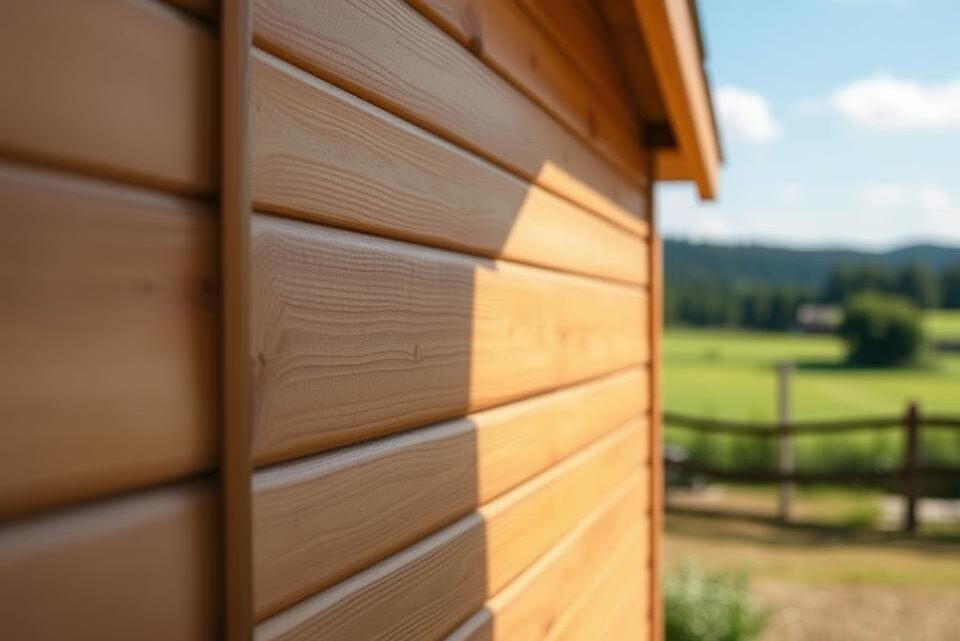
A wooden garden building offers fantastic storage or workspace, but it needs robust protection from the British weather. Moisture is the primary enemy of timber structures, leading to rot, mould, and damage to contents. This comprehensive guide delivers professional advice for creating a dry, durable space.
The techniques for timber structures differ significantly from those for metal or plastic sheds. This resource focuses exclusively on wood, addressing issues like leaking walls and damp interiors. Whether the building is new or existing, the right approach prevents costly repairs.
Effective waterproofing safeguards both the structure and the items stored inside, from tools to furniture. It ensures the shed remains functional as a workshop, office, or storage area year-round. This article provides a systematic plan, from foundation to roof, for long-term defence against the elements.
Inhaltsverzeichnis
Key Takeaways
- This guide focuses on specific waterproofing methods for timber garden buildings.
- Proper protection prevents moisture damage, rot, and mould, preserving the structure and its contents.
- The advice applies to both new constructions and existing sheds experiencing dampness.
- Learn a systematic approach covering all parts of the wooden building for complete defence.
- Implementing these measures ensures a dry, functional space regardless of the shed’s use.
- The strategies offered are practical and actionable for shed owners to carry out themselves.
Understanding the Importance of Shed Waterproofing
Without adequate protection, even the sturdiest wooden shed can succumb to weather-related deterioration. The reasons for prioritising proper shed waterproofing extend far beyond simple maintenance. This proactive approach safeguards both the structure and everything stored inside.
Preventing Wood Rot and Decay
Excess moisture represents the primary enemy of timber structures. When wood absorbs water consistently, it creates ideal conditions for fungal growth. This process leads to rot, which weakens the material’s structural integrity.
The deterioration begins subtly but accelerates over time. Untreated timber becomes soft and eventually crumbles. Regular maintenance prevents this costly damage.
| Shed Component | Moisture Effect | Prevention Method |
|---|---|---|
| Wooden Walls | Rot and mould growth | Quality preservative treatment |
| Metal Tools | Rust formation | Dry interior environment |
| Structural Joints | Weakening connections | Proper sealing techniques |
| Flooring | Warping and decay | Elevated base with membrane |
Avoiding Moisture-Induced Damage
Beyond structural concerns, damp conditions threaten the contents within the building. Metal equipment rusts, while organic materials develop mould. These issues affect both functionality and safety.
Health considerations also factor into the equation. Mould spores can irritate respiratory systems. Protecting the shed from moisture ensures a healthier environment for users.
Selecting the Right Shed for the Task
Selecting a well-constructed timber building significantly reduces the need for extensive waterproofing measures later. The initial investment in quality materials pays dividends through reduced maintenance and longer lifespan.

Structures with significant damage often require replacement rather than repair. Distorted window frames and roof holes indicate fundamental weaknesses that compromise weather resistance.
Benefits of Shiplap and Tongue and Groove Construction
Shiplap represents the superior choice for timber sheds. This upgraded cladding system features overlapping edges that channel rainwater away from the interior.
The interlocking mechanism of tongue groove boards creates exceptionally tight joints. These minimise gaps where moisture might penetrate the structure.
Properly constructed sheds using these techniques provide inherent weather protection. The wood remains dry and stable even during prolonged wet periods.
Investing in quality cladding proves more cost-effective than repeated repairs. The initial expense is offset by decades of reliable service from the garden building.
Preparing a Solid Shed Base
The foundation of any durable garden structure begins with a properly prepared base, which acts as the primary defence against ground moisture. Placing a building directly on the ground invites dampness, accelerating timber rot. A solid foundation elevates the structure, preventing water seepage and allowing essential air circulation.
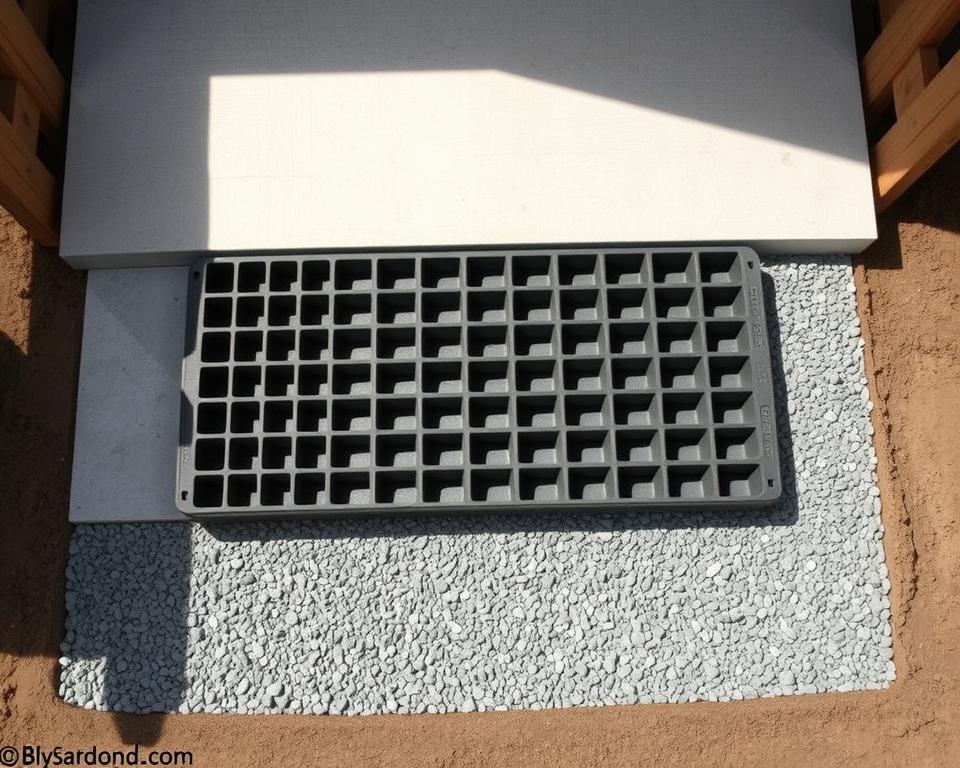
Comparing Concrete and Plastic Bases
Two popular choices exist for creating this essential shed base. A concrete slab offers a permanent, watertight foundation that effectively blocks groundwater. Alternatively, interlocking plastic base kits present an eco-friendly solution with innovative designs.
The table below highlights the key differences between these base types.
| Feature | Concrete Base | Plastic Base |
|---|---|---|
| Installation | Labour-intensive, requires mixing and curing | Quick, modular assembly with no drying time |
| Drainage | Solid surface; relies on perimeter grading | Honeycomb structure promotes natural drainage |
| Environmental Impact | Higher; non-porous surface | Lower; often made from recycled materials |
| Longevity | Extremely durable and long-lasting | Durable but can be susceptible to UV degradation over time |
Using a Waterproof Membrane for Extra Protection
For maximum protection, adding a waterproof membrane beneath the base is highly recommended. This layer acts as a formidable barrier, stopping moisture migration from the soil.
It is a simple yet highly effective step. The membrane ensures the shed remains dry from the ground up, significantly enhancing the building’s defence against water damage.
Treating Wood with Preservatives and Waterproof Shed Paint
Applying protective treatments to timber structures represents a crucial maintenance step for long-term durability. Regular treatment forms the first line of defence against moisture penetration.

Choosing the Correct Wood Preserver
Selecting appropriate wood preservatives depends on the building’s construction. Pressure-treated timber requires less frequent treatment due to deep penetration during manufacturing.
For other structures, high-quality water-based stains offer practical benefits. They dry quickly and contain fewer volatile organic compounds. Tiger Wood Preserver provides colour options like Red Cedar and Dark Oak.
Application and Maintenance Tips
Proper application ensures maximum protection. Treat all surfaces, including hidden areas like cladding backs and door edges. This comprehensive approach prevents moisture entry points.
The maintenance schedule should consider exposure levels. Structures in damp locations may need more frequent treatment. Annual applications maintain effective protection against the elements.
Waterproof shed paint enhances appearance while providing a moisture barrier. Apply preservative immediately after assembly for optimal results. This seals the wood before weather exposure.
Regular maintenance preserves the structure’s integrity over time. Even buildings with long guarantees require ongoing care. Quality paint and preservatives extend the life of any garden building.
Securing Doors and Windows for Effective Waterproofing
Effective sealing around apertures prevents costly damage from water infiltration over extended periods. These openings represent vulnerable points where moisture can penetrate timber structures. Regular maintenance ensures long-term protection.
Inspecting Frames and Sills for Gaps
Wood naturally shrinks over time, creating gaps between frames and cladding. These areas require regular inspection for signs of deterioration. Check for soft spots indicating rot, particularly in lower sections where water collects.
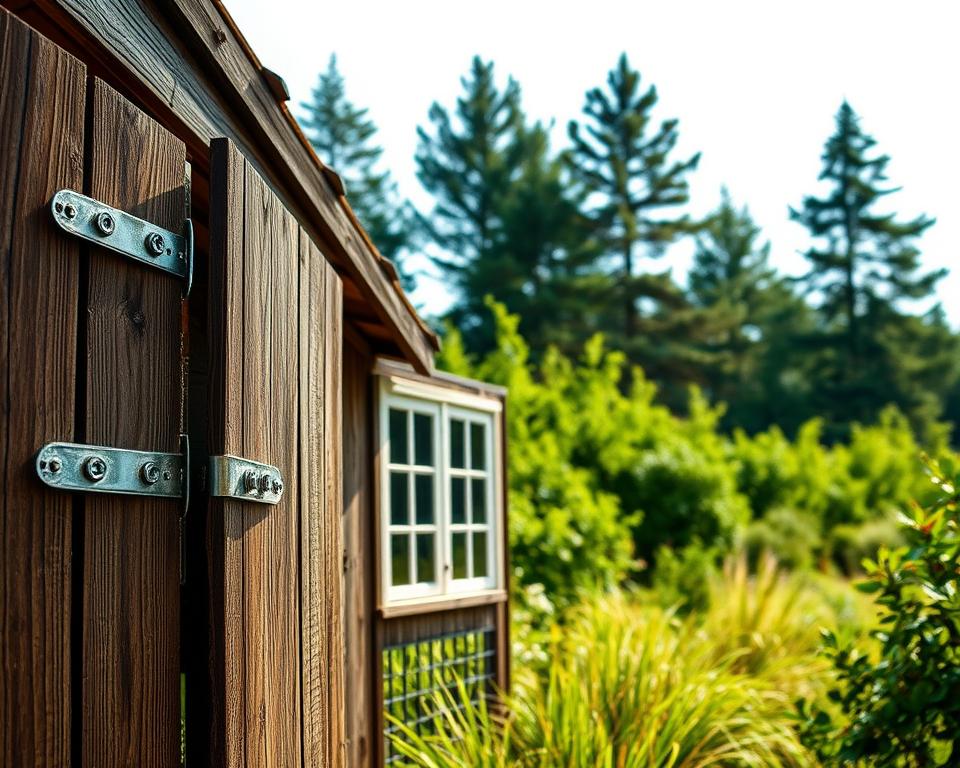
Sealing with Damp-Proof Sealant and Caulk
Prompt gap filling prevents water from causing interior leaks. Use appropriate materials based on gap size and location. For rotten patches, remove damaged wood completely before filling.
| Gap Size | Recommended Material | Application Notes |
|---|---|---|
| Small (under 3mm) | Builders’ caulk | Ideal for fine cracks around window frames |
| Medium (3-10mm) | Expanding foam | Expands to fill larger voids near walls |
| Large (over 10mm) | Wood filler | For structural repairs after rot removal |
Door thresholds and draught excluder tape provide additional protection against wind-driven rain. These measures ensure a dry interior space regardless of weather conditions.
How To Waterproof Your Shed
The inside of a timber structure reveals the true effectiveness of external weatherproofing measures. Damp patches on internal walls signal points where water is penetrating the building’s shell. A systematic inspection is the first step towards a dry shed.
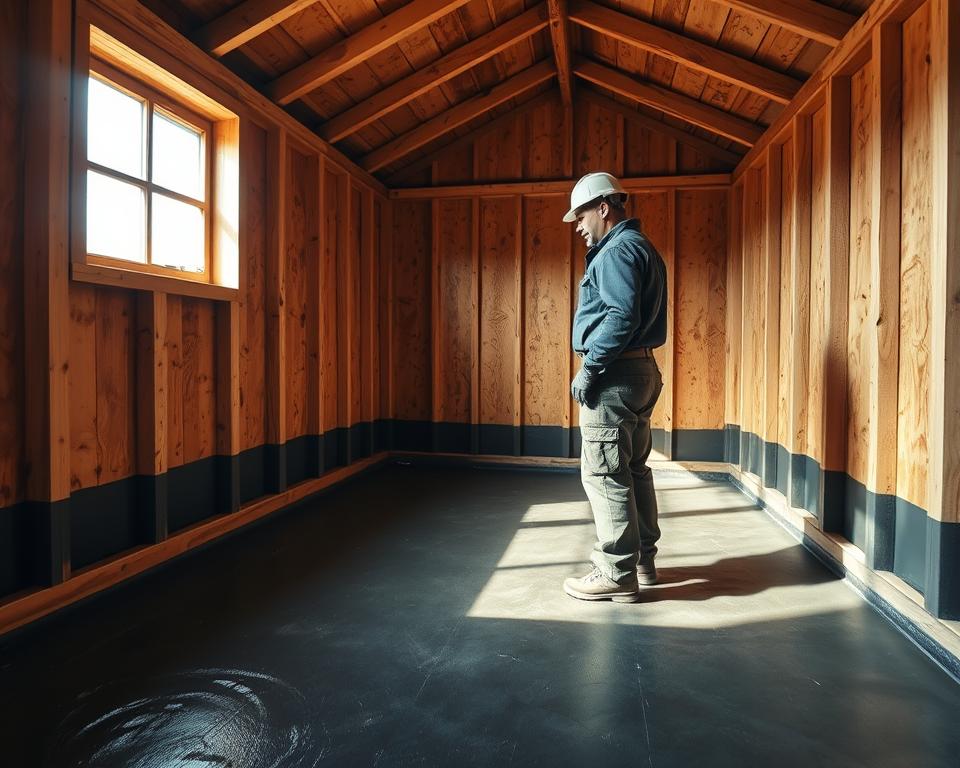
After rainfall, check for signs of moisture or visible daylight through gaps. Timber buildings naturally allow air movement, so internal dampness usually indicates external leaks. Focus on joints between panels and around fixtures.
Waterproofing the Interior Surfaces
Creating a waterproof shed interior involves sealing gaps from the inside. This approach complements external treatments. It provides a secondary barrier against driving rain.
High-quality waterproof sealant is the key material. It bonds well to wood and remains flexible. This flexibility accommodates natural timber movement with seasonal changes.
Addressing Leaks and Filling Gaps
Small openings between cladding boards are common entry points for water. Filling these gaps stops moisture from reaching the interior. It is a straightforward yet highly effective repair.
The table below guides the selection of materials for different gap sizes encountered during waterproofing shed interiors.
| Gap Size | Recommended Sealant | Best Use Case |
|---|---|---|
| Under 3mm | Flexible acrylic sealant | Fine cracks around window frames |
| 3mm to 10mm | Pourable sealant or backing rod with sealant | Larger gaps between wall boards |
| Over 10mm | Epoxy-based wood filler | Structural holes requiring a rigid fix |
Regular monitoring of these sealed areas ensures long-term protection. This proactive approach maintains the integrity of the shed and its contents.
Ensuring a Waterproof Shed Roof
A well-maintained roof system provides the primary barrier against water infiltration in garden buildings. This component bears the brunt of weather exposure, making proper installation and maintenance essential for long-term protection.
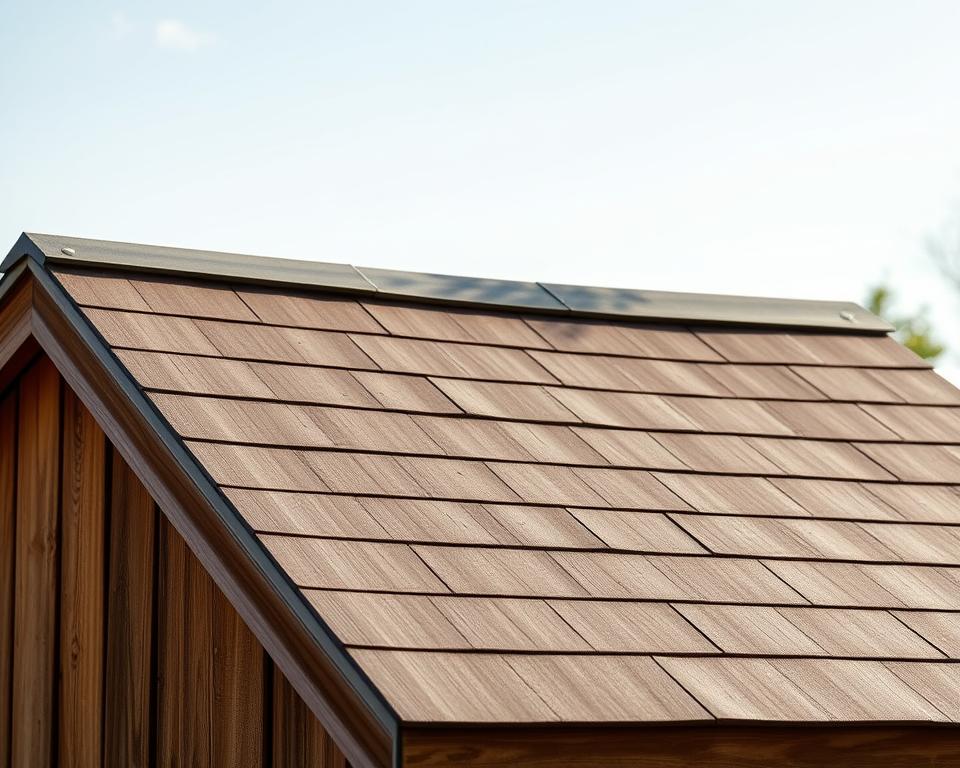
Timely attention to roof covering prevents moisture-related issues before they compromise the structure’s integrity. The approach to achieving a durable protective layer involves strategic material selection and proper installation techniques.
Installing Green Mineral Roofing Felt
Green mineral roofing felt offers an economical yet highly effective solution for creating a watertight barrier. This material features a specialised coating that prevents mineral separation, enhancing its longevity against weather elements.
Installation should occur immediately after building assembly for optimal results. The felt creates a continuous protective layer across the entire surface when properly overlapped at seams and securely fixed. Polyester-backed varieties provide superior durability, specifically engineered to withstand harsh conditions.
Repairing Damaged Shingles and Felt
Regular inspections identify potential issues before they escalate into significant problems. Focus attention on edges, ridge lines, and nailed areas during annual checks, as these experience the highest stress.
Repairing damaged sections is straightforward with prompt intervention. For torn shingles, apply waterproof sealant beneath the affected area before pressing firmly together. Larger damaged sections may require patching with new felt secured using appropriate adhesive.
This maintenance approach extends the life of the roof covering without requiring complete replacement. Addressing minor damage promptly maintains the structure’s defence against rain and moisture penetration.
Keeping Gutters and Drainage Systems Clear
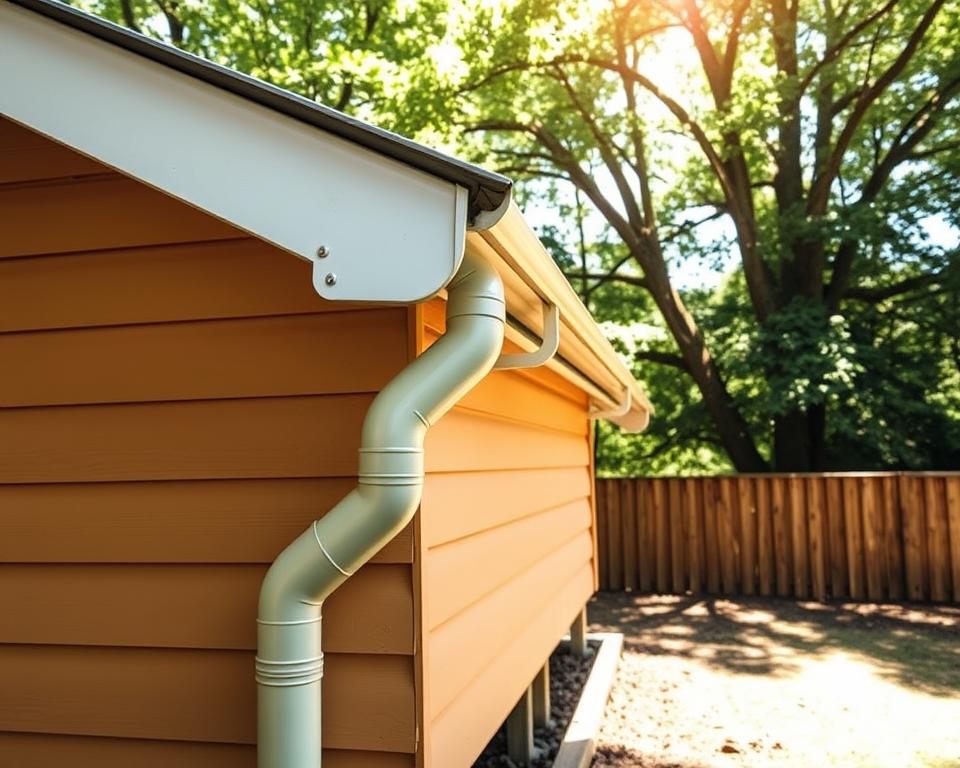
Managing the flow of rainwater away from a garden building is a critical aspect of its long-term preservation. Effective perimeter drainage prevents water from accumulating and saturating the ground, which can lead to moisture seeping into the structure. A clear system is fundamental to keeping the interior space dry and protected.
Regular Gutter Cleaning Practices
Gutters play a vital role in directing water from the roof away from the shed‘s base. When blocked by leaves and debris, they overflow. This causes water to cascade down the walls and pool on the ground below.
Regular inspection and cleaning are essential. This simple maintenance task ensures water flows freely. It helps keep the foundation area and lower wooden sections shed dry.
Enhancing Drainage Around the Shed
If puddles form consistently, improving the surrounding drainage is necessary. A French drain is an effective solution for persistent issues. It involves digging a trench along the lowest-lying side of the structure.
The trench should be angled away from the building. Filling it with hardcore or gravel creates a channel for surface water to drain away rapidly. This prevents saturation of the soil immediately around the perimeter.
| Method | Best For | Key Benefit |
|---|---|---|
| Gutter Installation & Cleaning | Managing roof runoff | Prevents water overflow onto walls and ground |
| Gravel Trench | Improving surface drainage | Accelerates water dispersal from the base |
| French Drain | Persistent ground water issues | Captures and redirects water subsurface |
Optimising Shed Insulation and Ventilation
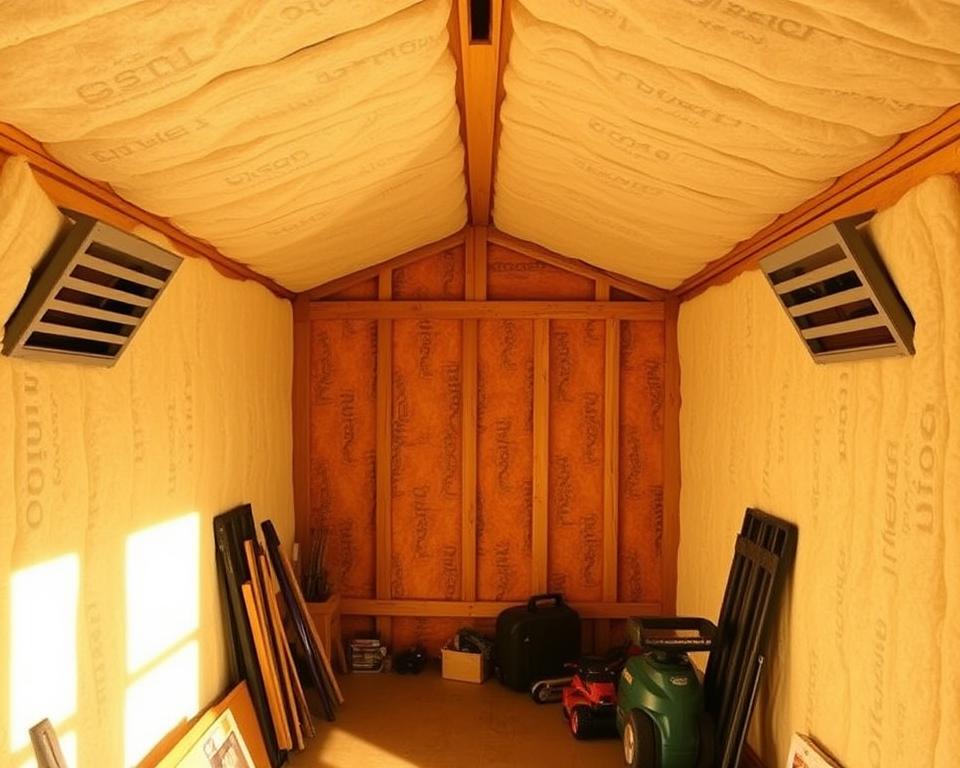
Temperature control and ventilation form a crucial partnership in preserving timber structures. These elements work together to maintain ideal internal conditions by regulating heat and facilitating air exchange.
Preventing Condensation with Proper Insulation
Proper insulation prevents interior temperatures from falling below dew point. This critical threshold is when atmospheric moisture condenses on cold surfaces.
Effective materials include:
- Celotex PIR boards for excellent performance with minimal thickness
- Foil-backed bubble wrap as a cost-effective reflective solution
- Rockwool for superior thermal and acoustic properties
These materials help retain heat within the space. This reduces condensation risk on wooden walls and stored items.
Installing Adequate Vents for Airflow
A ventilated shed remains a shed dry environment. Continuous airflow carries moisture-laden air outside before condensation occurs.
Install static vents with bug-proof mesh on opposite walls. This creates cross-ventilation that naturally draws air through the building.
Balancing insulation with ventilation prevents trapped moisture. It ensures the condition of both structure and contents remains optimal.
Additional Protective Measures for a Dry Shed
Beyond structural treatments, environmental control around the shed perimeter offers substantial protective benefits. These supplementary strategies complement the primary waterproofing measures already implemented.
Isolating the Shed from Excess Vegetation
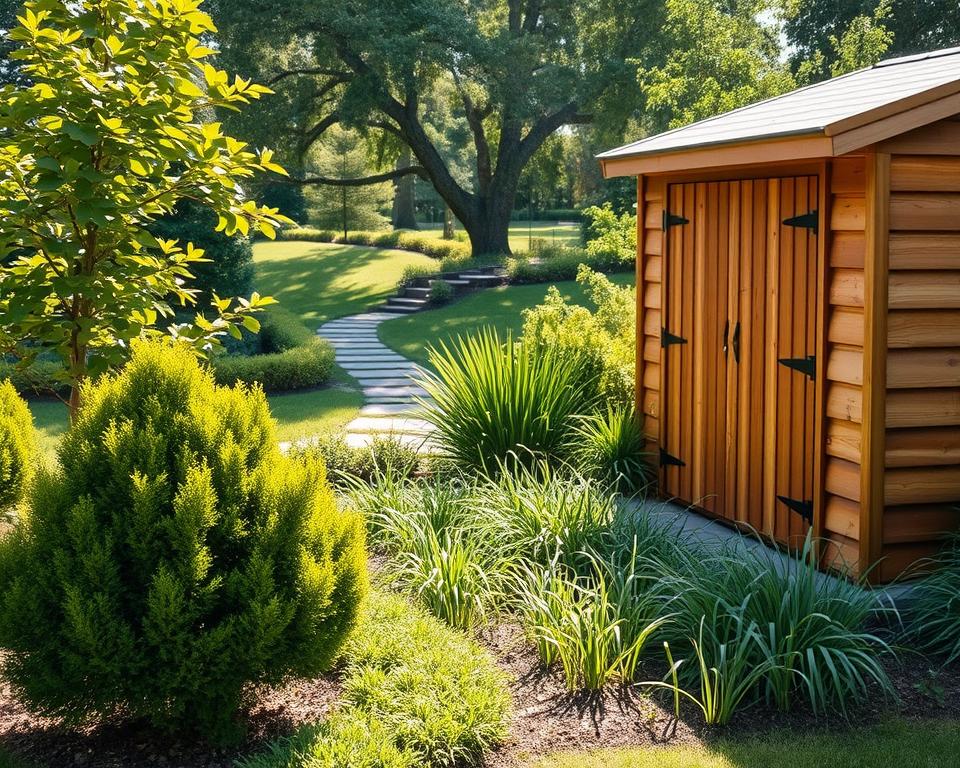
Creating a clear zone around the garden building prevents moisture accumulation. Plants naturally draw water toward their roots and release humidity into the air.
Maintain at least one metre of plant-free space around all sides. This separation allows surfaces to dry quickly after rainfall. It also provides essential access for maintenance activities.
Routine Maintenance and Inspection
Regular checks identify early signs of deterioration before they become major issues. Schedule comprehensive inspections twice annually.
Look for soft spots in wood, discolouration, and gaps in cladding. These signs indicate where protection measures need reinforcement.
Annual treatment represents the minimum requirement for keeping the shed in good condition. This proactive approach saves time and money over the long term.
Proper upkeep ensures the building remains functional throughout its lifespan. Consistent maintenance protects your investment in the garden building.
Conclusion
A comprehensive approach to waterproofing ensures a garden building remains a durable and functional asset. This guide has outlined the best way to protect the structure from moisture and water damage.
Success lies in combining multiple strategies. A solid base, robust roof, and regular treatment of wooden surfaces work together. Proper ventilation and drainage are equally vital for keeping the interior dry.
Ultimately, consistent maintenance is the best way to safeguard the timber and its contents. A well-maintained shed provides lasting value and protection for years to come.
FAQ
Why is it crucial to waterproof a garden building?
Waterproofing is essential to prevent wood rot, decay, and moisture damage. It protects the structure and its contents, ensuring longevity and maintaining the shed’s condition over time.
What type of shed construction offers better protection?
Shiplap and tongue and groove constructions provide superior protection. Their interlocking design creates a tighter seal against water ingress compared to overlap cladding.
How does the foundation contribute to a dry shed?
A solid, level base is vital for proper drainage. Using a concrete foundation or plastic base system, along with a waterproof membrane, prevents ground moisture from seeping into the shed’s floor timbers.
What is the best treatment for timber protection?
Applying a quality wood preserver followed by a dedicated waterproof shed paint or stain offers excellent protection. These treatments penetrate the wood, creating a barrier against moisture while allowing the timber to breathe.
How can doors and windows be sealed effectively?
Inspect frames and sills for gaps and seal them with a flexible, waterproof sealant or caulk. Proper sealing around these openings is critical to prevent leaks and drafts.
What steps are involved in waterproofing the interior?
Begin by addressing any leaks from the roof or walls. Fill gaps with appropriate filler, and consider applying a vapour barrier or interior-grade paint to manage condensation and keep the space dry.
What is a reliable method for roof waterproofing?
Installing a durable roofing material like green mineral roofing felt provides a long-lasting, waterproof barrier. Regularly inspect and repair damaged shingles or felt to maintain integrity.
How important are gutters and drainage?
Keeping gutters clear of debris is essential for directing water away from the shed. Improving drainage around the base prevents water accumulation, which can lead to dampness and structural issues.
Can insulation help with moisture control?
Proper insulation helps prevent condensation by reducing temperature differences. Combined with adequate ventilation from installed vents, it manages airflow and minimises moisture buildup inside.
What routine maintenance prevents water damage?
Regularly inspect the shed for signs of wear, clear overhanging vegetation, and reapply protective treatments as needed. Prompt attention to minor issues prevents them from becoming major problems.