Practical Tips For Organising A Greenhouse
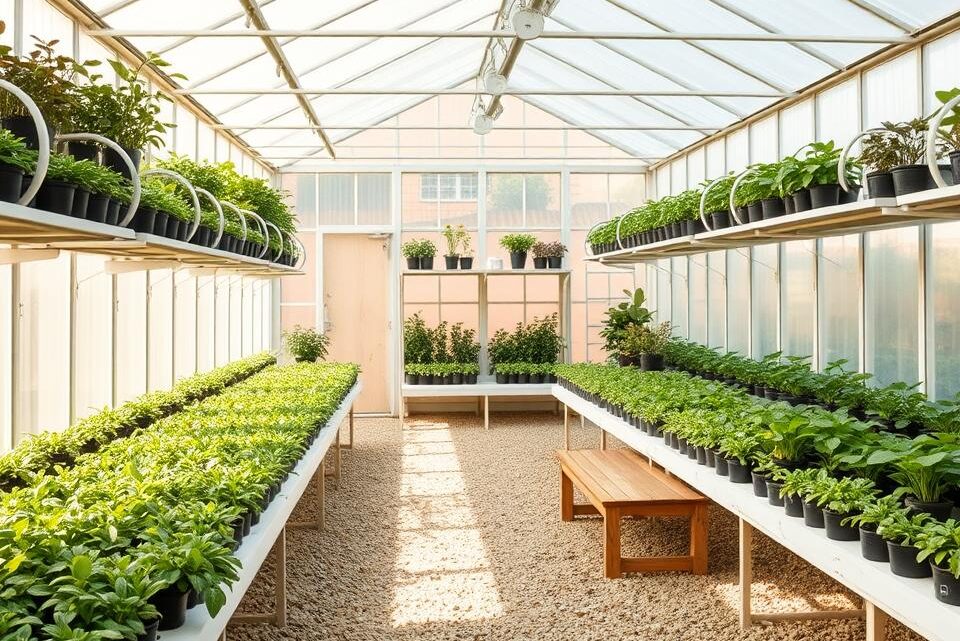
A well-organised greenhouse represents the heart of productive gardening. It transforms chaotic growing spaces into functional environments where plants flourish. Proper organisation directly influences plant health and gardening success.
Making the most of available space leads to significant benefits. Gardeners discover that strategic planning saves valuable time and reduces frustration. An orderly layout means less time searching for tools and more time nurturing plants.
This systematic approach to greenhouse management creates a pleasant working environment. It allows both hobbyists and enthusiasts to maximise productivity throughout the year. Clever storage solutions and thoughtful design form the foundation of success.
Regardless of structure size or experience level, implementing organisational systems brings rewards. These methods protect plants from pests and disease while enhancing overall gardening satisfaction. The transformation from clutter to clarity revolutionises the growing experience.
Inhaltsverzeichnis
Key Takeaways
- Proper organisation maximises productivity and plant health
- Strategic use of space saves time and reduces frustration
- Systematic approaches create functional, purpose-driven environments
- Clever storage solutions form the foundation of successful gardening
- Organisational systems protect plants from pests and disease
- An orderly layout enhances overall gardening satisfaction
- Effective management benefits gardeners of all experience levels
Understanding Your Greenhouse Potential
A greenhouse offers more than just shelter; it provides a controlled environment for year-round cultivation. These structures capture the sun’s energy, creating warmer conditions than the outdoor climate. This protection proves vital for tender plants during colder months.
Benefits of Organised Greenhouse Spaces
Proper organisation transforms a greenhouse into a highly efficient growing space. It maximises available area and improves air circulation around plants. Reduced clutter eliminates hiding spots for pests and diseases.
Well-designed greenhouses extend the growing season significantly. They allow cultivation of exotic varieties that wouldn’t survive outdoors. Effective ventilation becomes possible when unnecessary items are removed.
| Benefit | Impact on Plants | Seasonal Advantage |
|---|---|---|
| Extended growing | Protects tender specimens | Year-round cultivation |
| Pest reduction | Healthier plant development | Consistent protection |
| Better air flow | Reduced disease risk | Optimal conditions |
“A well-utilised greenhouse is a gardener’s greatest asset, offering protection and extended possibilities throughout the seasons.”
Setting Realistic Organisational Goals
Assessing the specific type and size of available structure is crucial. Different greenhouses serve various purposes across seasons. Realistic planning prevents overcrowding and maintains optimal growing conditions.
Gardeners should consider their primary goals. Will the space house seedlings in spring or heat-loving plants during summer? Understanding these needs helps establish achievable objectives.
Eliminating clutter emerges as a foundational principle. Excessive items restrict valuable growing space and compromise ventilation. A clear structure supports healthy plant development and efficient workflow.
Designing an Efficient Greenhouse Layout
The foundation of successful greenhouse management lies in thoughtful spatial planning and intelligent zone allocation. A well-designed section greenhouse transforms chaotic growing spaces into purpose-driven environments that support plant health and gardener workflow.
Creating Functional Zones
Dividing the available space into distinct functional areas dramatically improves efficiency. Gardeners typically establish dedicated zones for potting, storage, and different plant types. This systematic approach ensures tools and supplies remain in consistent locations.
Strategic plant arrangement goes beyond traditional neat rows. Grouping specimens by type, harvest timing, or watering requirements optimises care routines. Light-demanding seedlings thrive in areas receiving maximum sunlight, while shadier spots suit storage or shade-tolerant plants.

Planning Pathways and Access
Careful consideration of movement patterns ensures comfortable navigation throughout the growing area. Adequate pathway space prevents congestion while maximising usable growing surfaces. For example, a central aisle allows access even when shelves are fully stocked.
The greenhouse floor layout significantly impacts functionality. Some gardeners incorporate stepping stones through pea gravel surfaces. Others maintain clear, unobstructed areas near entrances to accommodate door swing radius.
| Layout Factor | Small Greenhouses | Large Greenhouses | Seasonal Considerations |
|---|---|---|---|
| Pathway width | Minimum 30cm | 45-60cm recommended | Wider for winter access |
| Zone flexibility | Limited by size | Multiple specialised areas | Adaptable for crop rotation |
| Light management | Single light section | Multiple light zones | Adjustable shading needed |
Different greenhouse sizes and materials, such as wood-framed structures, influence layout decisions. Planning for seasonal sun angle changes ensures consistent light distribution across all zones throughout the year.
Tips For Organising A Greenhouse
Effective greenhouse management begins with strategic spatial planning. This approach transforms chaotic growing environments into streamlined, productive spaces. Gardeners discover that every decision impacts overall efficiency.
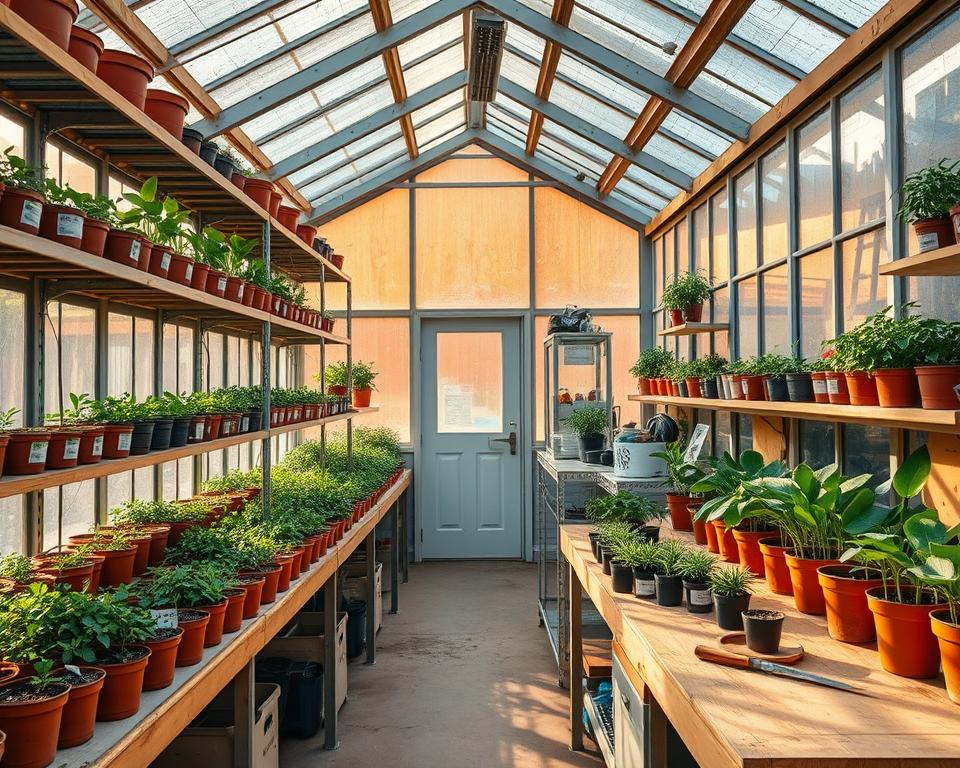
Clever storage solutions form the foundation of successful cultivation. They ensure tools and supplies remain accessible yet organised.
Key Strategies to Maximise Space
Vertical utilisation dramatically increases available growing area. Wall-mounted shelves and hanging systems unlock unused air space. This method proves particularly valuable in smaller structures.
Stackable containers offer flexible storage options for supplies. They allow gardeners to adapt to changing seasonal needs. Every square inch should serve a purposeful function.
Designated zones for different activities improve workflow efficiency. Separate areas for potting, storage, and plant cultivation prevent cross-contamination. This systematic approach saves valuable time.
Prioritising Clutter Reduction
Ruthless decluttering directly benefits plant health. Excessive items restrict air circulation and create pest habitats. Good ventilation becomes impossible when pathways are blocked.
Gardeners should regularly assess stored items. Remove anything not actively used for current gardening tasks. This discipline maintains clear surfaces and accessible pathways.
Organised systems reduce time wasted searching for things. Clearly labelled containers and strategic placement of frequently used items create a more enjoyable working environment. The structure primarily serves its intended purpose of nurturing plants.
Maximising Storage and Shelving Options
Strategic shelving installation transforms vertical space into valuable growing and storage area. This approach proves particularly beneficial in narrow structures where floor space remains limited.
Choosing the Right Shelving Solutions
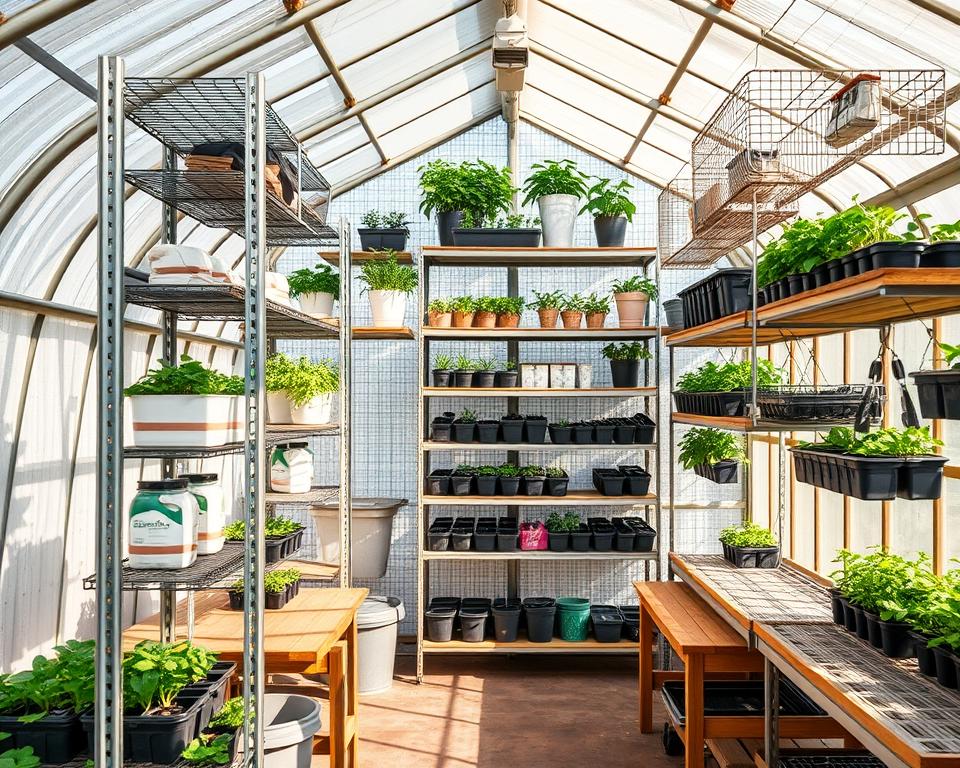
Selecting appropriate shelving requires evaluating material durability and functionality. Slatted designs represent the most practical choice for several reasons.
These configurations allow light to permeate lower levels while enabling air circulation. Excess water drains freely rather than pooling around plant containers.
Wooden shelves constructed from naturally rot-resistant species like cedar offer aesthetic appeal. Metal units provide rust-resistant durability with adjustable configurations.
DIY Versus Commercial Storage Ideas
Gardeners face the choice between custom-built solutions and ready-made staging. DIY projects allow perfect fitting to specific dimensions and requirements.
Commercial options deliver convenience and professional engineering. Freestanding units with height-adjustable shelves offer maximum flexibility for seasonal changes.
Clear plastic boxes on shelves keep supplies dry and visible. This method maintains organisation while protecting contents from moisture.
Proper shelving arrangement directly impacts plant health. Adequate spacing ensures all levels receive sufficient illumination and ventilation for robust development.
Establishing a Functional Potting Area
A dedicated potting area serves as the command centre for efficient greenhouse operations. This specialised zone centralises transplanting, seeding, and propagation activities. Having everything in one place dramatically improves workflow efficiency.
Gardeners find that a well-designed potting station reduces time spent searching for supplies. It creates a logical sequence for gardening tasks. The entire process becomes more enjoyable and productive.
Setting Up a Potting Bench
Choosing the right location for a potting bench requires careful consideration. The area should offer comfortable standing room with adequate natural light. Position it where shadows won’t fall on nearby plants.
The work surface needs to withstand moisture and frequent use. Many gardeners prefer treated wood or composite materials for durability. A sturdy top provides stability for delicate seedling work.
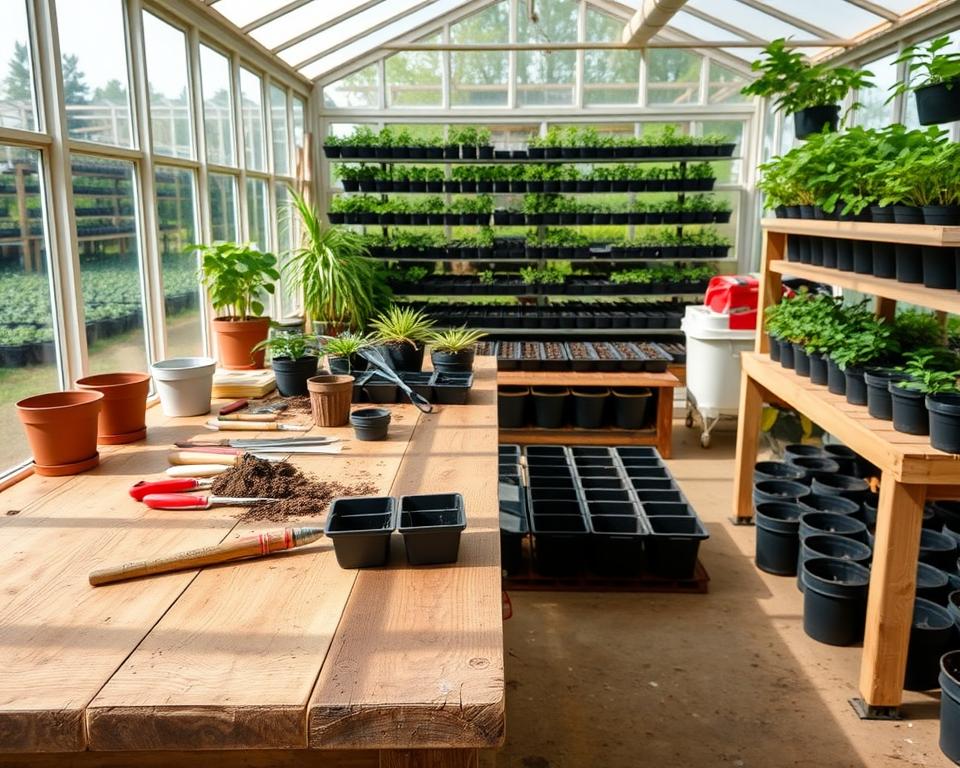
Proper height ensures gardeners can work without straining their backs. Most benches stand between hip and waist level. This ergonomic design supports longer potting sessions.
Tool and Equipment Organisation
Strategic organisation keeps essential tools within easy reach. Hooks along the bench back hold dibbers, scissors, and pruning shears. Small buckets can contain labels, twine, and plant ties.
Shelves underneath the main surface store pots and compost bags. This arrangement maximises vertical storage space. Frequently used items remain accessible yet organised.
“A properly organised potting bench transforms tedious tasks into smooth, efficient operations that gardeners actually enjoy.”
DIY options offer cost-effective alternatives to commercial benches. Old wooden dressers treated with weatherproof paint work beautifully. Reclaimed pallets provide another economical solution.
| Bench Material | Durability | Maintenance | Cost |
|---|---|---|---|
| Treated Wood | Good resistance | Annual sealing | Medium |
| Composite | Excellent longevity | Minimal upkeep | Higher |
| Upcycled Furniture | Variable | Regular inspection | Low |
The way tools are arranged directly impacts daily efficiency. Logical placement reduces physical strain during repetitive tasks. Everything you’ll need for seedling care should be immediately accessible.
Managing Greenhouse Climate and Ventilation
Climate regulation represents a fundamental aspect of successful plant cultivation under glass. Without proper controls, these enclosed spaces can quickly become hostile environments for vegetation.
Temperature Control Techniques
Managing heat levels requires strategic approaches throughout different seasons. During summer months, excessive sun exposure can raise temperatures dangerously high.
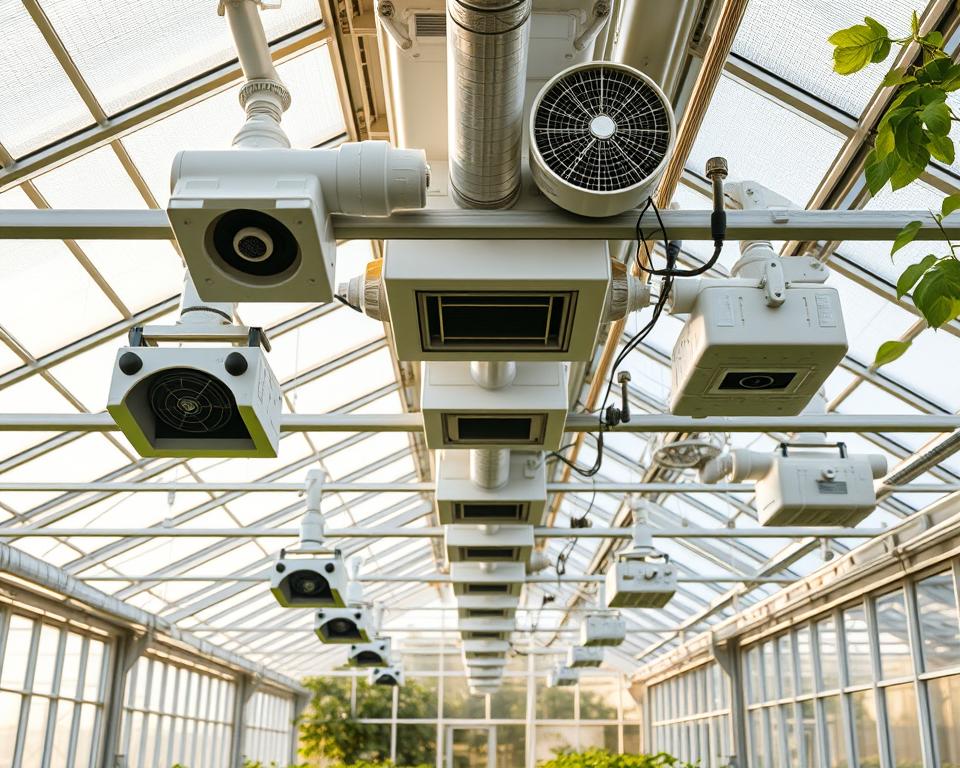
Automatic roof vents activate when heat reaches specific thresholds, allowing warm air to escape naturally. Shade cloths in varying densities help moderate sunlight intensity effectively.
Thermal mass solutions like black water barrels absorb warmth during daylight hours. They gradually release stored heat overnight, stabilising temperature fluctuations.
Improving Airflow and Humidity Control
Proper ventilation serves multiple crucial functions beyond temperature management. It prevents stagnant conditions that encourage fungal diseases and pest infestations.
Strategic fan placement ensures consistent air movement across all planting areas. This circulation distributes carbon dioxide evenly while reducing humidity hotspots.
Regular monitoring with wireless thermometers allows gardeners to maintain optimal conditions remotely. Seasonal adjustments ensure plants receive appropriate atmospheric support year-round.
Systematic Planting and Seed Organisation
Orderly seed and seedling management brings clarity to the often hectic propagation season. It ensures each variety receives the specific care it requires from germination to transplanting. This systematic approach prevents confusion and maximises the success rate of young plants.

Methods for Tracking Seedlings
Effective tracking combines physical systems with simple record-keeping. Dedicated seed trays are the cornerstone of this process. They group related seedlings together, making care routines more efficient.
Wooden trays constructed from scrap materials offer superior durability compared to plastic. They withstand frequent handling and movement without cracking. This sturdiness is vital when moving trays to harden off seedlings or to capture optimal sunlight.
Utilising Seed Trays and Labels
Every pot or cell deserves a clear label immediately after sowing. Even experienced gardeners can forget what they have planted without them. This simple step safeguards against wasted effort and misidentified plants.
Practical labelling involves waterproof markers on reusable tags. Some gardeners create DIY markers from materials like wooden sticks or metal spoons. The goal is legibility that lasts the entire growing cycle.
An innovative tracking method involves a visual planting calendar. Gardeners can string ribbon across the space and attach seed packets with clips. This serves as a monthly reminder and keeps packets conveniently accessible.
Proper tray arrangement optimises light distribution and watering. Grouping plants with similar needs together simplifies care. It ensures each seedling gets the right amount of water and light it needs to thrive.
DIY and Repurposed Greenhouse Solutions
Everyday objects found around the home can be cleverly adapted to serve practical functions in greenhouse organisation. This approach demonstrates that effective storage need not require expensive commercial products.
Creative thinking reveals the hidden potential in common household items. Gardeners can transform ordinary things into functional systems that rival purpose-built alternatives.

Innovative Storage Ideas from Everyday Items
Wall-mounted toilet roll holders provide perfect tangle-free storage for gardening twine. Wicker bicycle baskets mounted to benches create charming catch-all containers for frequently used items.
Kitchen organisers transition beautifully into greenhouse applications. Cutlery drawer dividers offer compartmentalised small tool storage. Various drawer organisers keep seed packets and plant labels systematically arranged.
Larger items also find new purposes in the greenhouse space. Old umbrella stands become impromptu tool holders when wall space is limited. Vintage wooden dressers can be converted into potting benches with weatherproof paint treatment.
Practical soil storage involves keeping all potting mix in large totes positioned conveniently within the structure. These closed containers prevent moisture loss and exclude pests. The lids provide sturdy surfaces for stacking other things when not in use.
Strategic thinking about light distribution guides organisation decisions. The floor area and space beneath shelves receives minimal sunlight. These darker sections work well for storing supplies rather than attempting to grow light-demanding plants.
Door-mounted systems maximise often-overlooked vertical space. The back of greenhouse doors provides excellent mounting surfaces for multi-pocket organisers. This approach capitalises on otherwise wasted area without impeding operation.
Creative Ideas for Small Greenhouses
Small-scale structures demand creative thinking to unlock their full productive potential. Despite their compact size, these spaces offer remarkable functionality across multiple seasons.
Maximising Vertical and Hidden Spaces
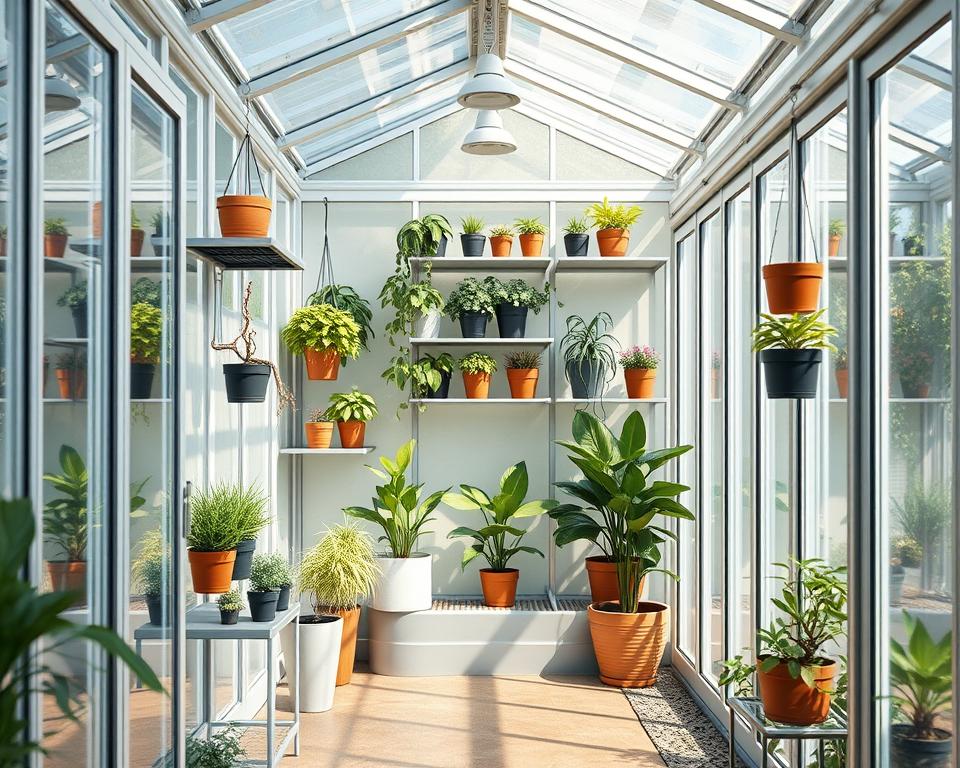
Vertical cultivation transforms limited floor area into abundant growing space. Vining plants like cucumbers and beans thrive when trained upwards on simple trellises.
This approach makes excellent use of air space that would otherwise remain empty. Gardeners can install support systems along walls or from the roof structure.
Hanging baskets and tiered shelving further maximise the available light. They create multiple growing levels within the same footprint.
Adapting Organisational Techniques for Limited Areas
Seasonal planning ensures the small greenhouse space serves changing needs efficiently. In spring, focus on seed starting with compact tray systems.
Summer brings heat-loving specimens that benefit from the controlled environment. Autumn extends the harvest well beyond typical growing seasons.
Strategic plant placement considers sunlight patterns and growth habits. Smaller plants occupy front positions while taller varieties stay towards the rear.
This careful arrangement prevents light blockage and supports healthy development. Every decision prioritises active cultivation over general storage.
Maintaining Order and Efficiency
The true test of greenhouse organisation lies in maintaining efficiency through consistent routines and waste management. Converting initial setup efforts into sustainable daily practices prevents the gradual return to chaotic conditions that can compromise plant health.
Daily Routines for a Tidy Greenhouse
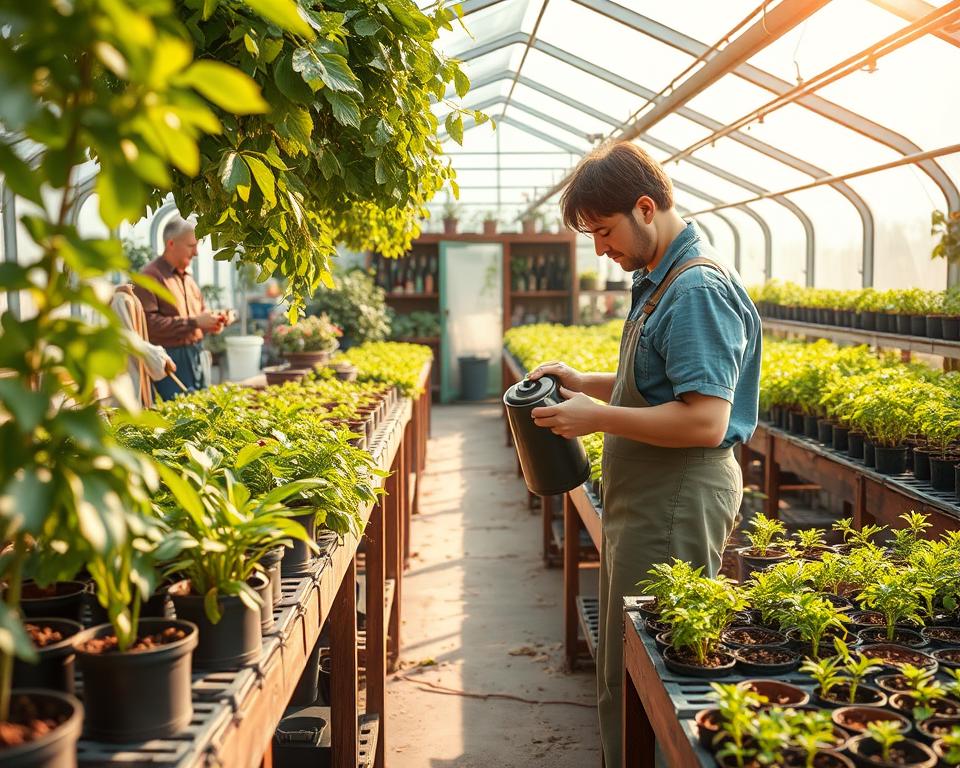
Dedicating just five minutes at the conclusion of each gardening session transforms maintenance from a chore into an automatic habit. Returning tools and supplies to their designated storage locations prevents incremental clutter buildup.
This simple practice creates a positive feedback loop. Working in a tidy environment becomes genuinely pleasurable, encouraging more frequent visits and attentive plant care. The plants themselves benefit from improved growing conditions.
Effective Garden Rubbish Management
Implementing a two-bin system streamlines waste handling during gardening activities. One bin collects compostable organic material like spent plants and prunings. The second contains general waste such as plastic pots and packaging.
For larger structures, mobile bins on wheels follow gardeners during work. This approach allows immediate waste disposal rather than leaving debris scattered around. Effective rubbish management directly supports pest control by eliminating breeding grounds.
Compost and soil storage benefits from stackable plastic tubs. These containers prevent spillage, reduce moisture loss, and exclude pests while keeping materials accessible. Adding wheels facilitates easy movement around the garden.
| Waste Type | Small Greenhouse Solution | Large Greenhouse Solution | Pest Control Benefit |
|---|---|---|---|
| Organic waste | Wall-mounted compost bin | Mobile wheeled container | Eliminates slug habitats |
| General rubbish | Compact stationary bin | Pull-behind bucket system | Reduces insect breeding |
| Compost storage | Stackable plastic tubs | Wheeled storage units | Prevents pest access |
Conclusion
The journey towards a perfectly organised greenhouse culminates in a space that serves both plants and gardener with remarkable efficiency. It combines strategic planning with practical systems to create a highly productive environment.
Gardeners should view their structure as an evolving asset that adapts to changing needs across the seasons. Implementing even a few organisational strategies yields noticeable improvements in plant health and space functionality.
While initial setup requires some time and effort, the long-term benefits are substantial. Reduced stress, extended growing seasons, and increased gardening enjoyment far outweigh the initial investment.
Starting with manageable improvements prevents overwhelm and fosters lasting change. A well-ordered greenhouse maximises limited time and protects valuable specimens, transforming it into a treasured part of any garden.
Ultimately, this is an ongoing process of refinement. As skills and plant collections evolve, so too will organisational needs, ensuring the space remains a joy to use year after year.
FAQ
What is the most important first step in organising a greenhouse?
The most critical first step is to assess the available space and define its primary use. This involves considering the types of plants to be grown, the required sunlight, and the gardener’s workflow. Establishing clear zones for different activities, such as potting, propagation, and mature plant storage, creates a logical foundation for an efficient layout.
How can I make the most of a small greenhouse?
Maximising vertical space is key in a small greenhouse. Utilising tall, sturdy shelving units, hanging baskets from the frame, and installing wall-mounted organisers for tools and seeds can dramatically increase usable area. Prioritising compact plant varieties and using tiered seed trays also helps to optimise every available inch.
What type of shelving is best for a greenhouse environment?
Slatted or wire shelving is often recommended because it allows for maximum light penetration and air circulation around plants. Materials like powder-coated steel, aluminium, or rot-resistant wood, such as cedar, are ideal as they can withstand the constant humidity and temperature fluctuations without deteriorating.
Why is ventilation so important in a greenhouse?
Proper ventilation is crucial for regulating temperature and humidity levels. It prevents the buildup of excessive heat that can scorch plants and reduces humidity that encourages fungal diseases and pests. Good airflow, achieved through roof vents, louvres, or fans, ensures a healthier growing environment.
How should I organise my seeds and seedlings?
A systematic approach using labelled seed trays and a tracking system works well. Grouping seeds by sowing date or plant type simplifies management. Using clear, airtight containers for seed packet storage protects them from moisture. A simple logbook or digital spreadsheet can track germination rates and planting times.
What are some effective ways to manage greenhouse rubbish?
Implementing a daily tidy-up routine prevents waste accumulation. Designate specific bins for different types of waste: one for recyclable pots and trays, another for plant debris that can be composted, and a third for general rubbish. Keeping these bins in an accessible but discreet area maintains order and hygiene.
Can I use repurposed items for greenhouse storage?
Absolutely. Many everyday items can be repurposed creatively. Old wooden pallets can become vertical planters or shelving units. Mason jars are excellent for organising small seeds. An old kitchen trolley can serve as a mobile potting bench, providing storage and a work surface that can be moved as needed.