How To Prepare Your Plants To Survive Winter

As autumn arrives across the United Kingdom, gardeners face the important task of safeguarding their plants through the challenging winter months. This transitional time of year demands careful planning and timely action to ensure garden specimens emerge healthy in spring.
According to horticultural experts, autumn represents the ideal period to begin winter preparations. The specific timing varies significantly by region, but many gardeners start their protective measures in October when night temperatures begin their descent. An old agricultural adage suggests that a pleasantly warm autumn often precedes a harsh winter, making early preparation particularly crucial.
Successful winter plant care requires recognising that different specimens have unique needs. Native species often require minimal intervention, while tender perennials and container plants demand specific protective strategies. Understanding each plant’s hardiness and origin forms the foundation of effective winter protection.
This comprehensive guide explores the essential practices for shielding plants from cold weather, frost, and reduced daylight. Proper preparation not only ensures survival but also establishes the basis for vigorous spring growth, ultimately saving garden enthusiasts both time and resources.
Inhaltsverzeichnis
Key Takeaways
- Autumn represents the critical preparation window for winter plant survival
- Different plants require tailored approaches based on their hardiness and growing conditions
- Monitoring temperature changes, especially night-time lows, guides protection timing
- Proper winter care reduces plant losses and promotes vigorous spring growth
- Understanding your garden’s microclimate enhances winter preparation effectiveness
- Container plants and tender perennials often need more extensive protection measures
- Early preparation is particularly important when autumn conditions are unusually warm
Understanding Your Garden’s Winter Challenges
Evaluating a garden’s vulnerability begins with understanding its specific winter conditions. Different plants have varying tolerance levels to cold weather. This assessment forms the foundation for effective seasonal care.
Assessing Plant Hardiness
Plant hardiness refers to a plant‘s ability to withstand freezing temperatures. Native species like silver birch and holly typically need no extra attention. They have evolved to cope with wet, cold winter conditions.
Tender perennials and exotic plants require more protection. The Royal Horticultural Society provides valuable guidance for determining hardiness levels. Researching each species’ cold tolerance is essential.
| Plant Type | Winter Hardiness | Protection Needs | Examples |
|---|---|---|---|
| Native Species | High | Minimal to none | Silver birch, holly, hawthorn |
| Hardy Perennials | Moderate to high | Light protection | Various grasses, climbing plants |
| Tender Perennials | Low | Substantial shelter | Mediterranean herbs, tropical plants |
| Annuals | Complete lifecycle | Not applicable | Sunflowers, nasturtiums |
Recognising Weather Impacts
Winter weather involves more than just freezing temperatures. The combination of cold, wind, and rain creates challenging conditions. Each element affects plants in different ways.
Heavy rains can cause root rot through over-saturation. Wind increases cold damage through wind-chill effects. It also causes dehydration by stripping moisture from leaves.
Gardeners should identify their garden’s microclimate. Sheltered spots near walls offer protection. Low-lying areas may become frost pockets where cold air settles. Understanding these factors helps position plants appropriately for the winter months.
How To Prepare Your Plants To Survive Winter
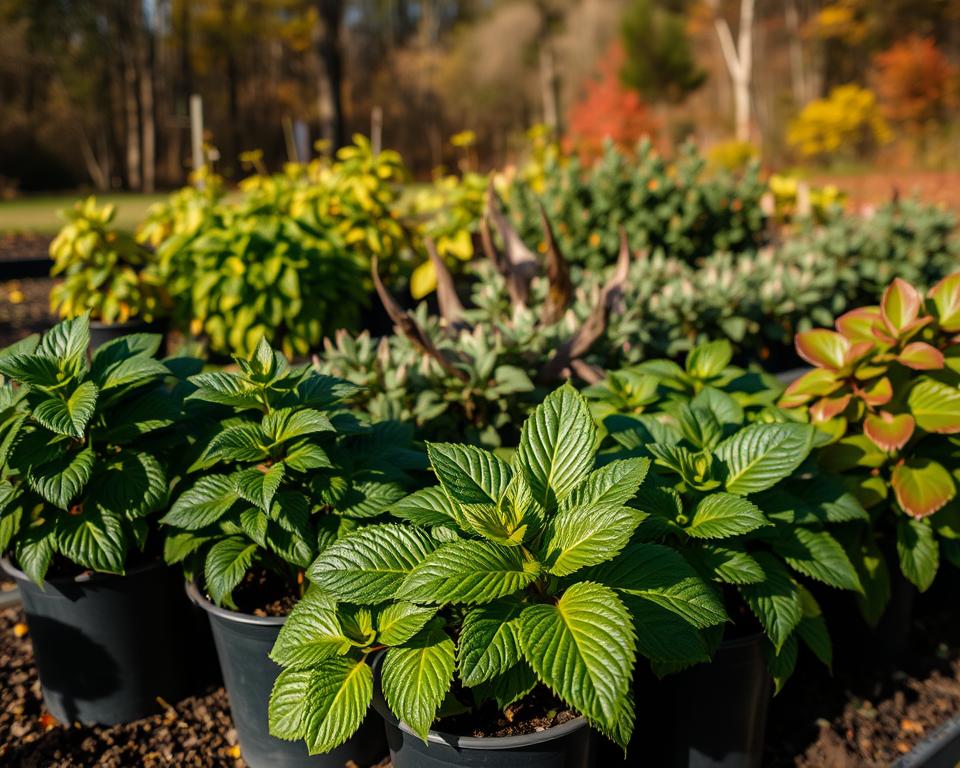
A methodical inventory of all garden specimens forms the essential first step in effective winter preparation. This process involves assessing every plant, from those in borders to those in containers. Gardeners should note each specimen’s type, age, and current location.
Identifying Vulnerable Plants
Categorising plants into groups simplifies the planning process. Some species can remain outside with no protection. Others need minimal cover where they are planted.
More sensitive varieties require moving to a sheltered spot. The most tender plants must be brought indoors to a frost-free environment. Key candidates for special attention include tender perennials and recent plantings.
Container-grown specimens are particularly vulnerable. Their roots are more exposed to freezing temperatures. Plants in windy or exposed positions also face greater risks.
It is also important to understand a plant’s specific hardiness. Some, like dahlias, are root hardy but not shoot hardy. Their above-ground growth dies back in frost, but the tubers survive if protected or stored correctly.
Tailoring Protective Strategies
Effective winter care requires matching the method to the plant’s specific needs. A blanket approach will not work for a diverse garden. The three primary strategies are relocation, insulation, and care modification.
Relocation involves moving plants to a greenhouse, shed, or more sheltered part of the garden. Adding protection includes using horticultural fleece, mulch, or cloches. Modifying care routines means reducing watering and stopping fertiliser as growth slows.
The best way to decide is to consider the plant’s hardiness, local winter severity, and available space. This tailored step ensures each plant receives the right level of attention for the cold season.
Protecting Plants from Frost, Wind and Snow
As temperatures drop, strategic interventions can safeguard vulnerable plants from winter’s harshest effects. These methods create protective barriers against freezing conditions while maintaining essential air circulation.
Using Mulch, Fleece and Covers
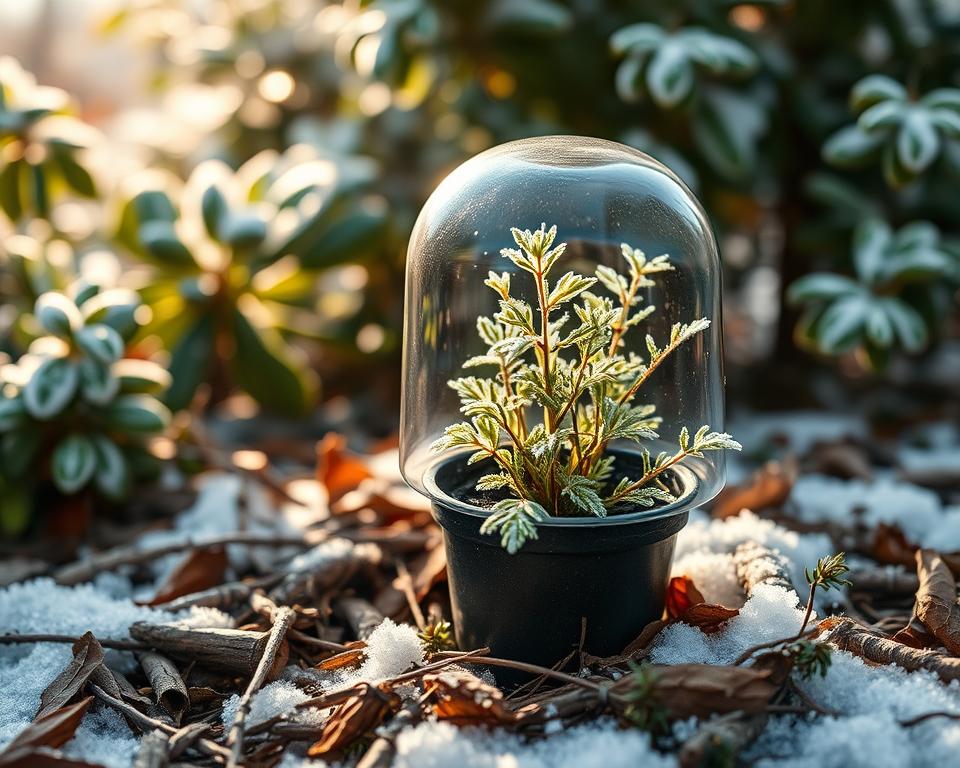
Organic mulches like garden compost or wood chippings provide excellent root insulation. Apply a thick layer around plant bases, keeping it away from stems to prevent rot. This protects tender plants from ground frost while enriching the soil.
Horticultural fleece offers temporary protection during cold snaps. It allows moisture exchange while shielding plants from frost damage. For containers, bubble wrap creates effective insulation against freezing temperatures.
Relocating Potted and Balcony Plants
Moving pots to sheltered positions significantly improves their winter survival. Position them against warm walls or under roof overhangs. This simple step reduces exposure to harsh elements.
Raise containers off the ground using wooden boards or polystyrene sheets. This prevents waterlogging and protects pots from freezing damage. For extra security, add stakes to stabilise plants against strong winds.
Indoor Plant Winter Care
Houseplants require specific adjustments to their environment to navigate the colder months successfully. The challenges of reduced daylight and dry air from heating systems demand a proactive approach to plant care.
Maximising Light and Adjusting Humidity
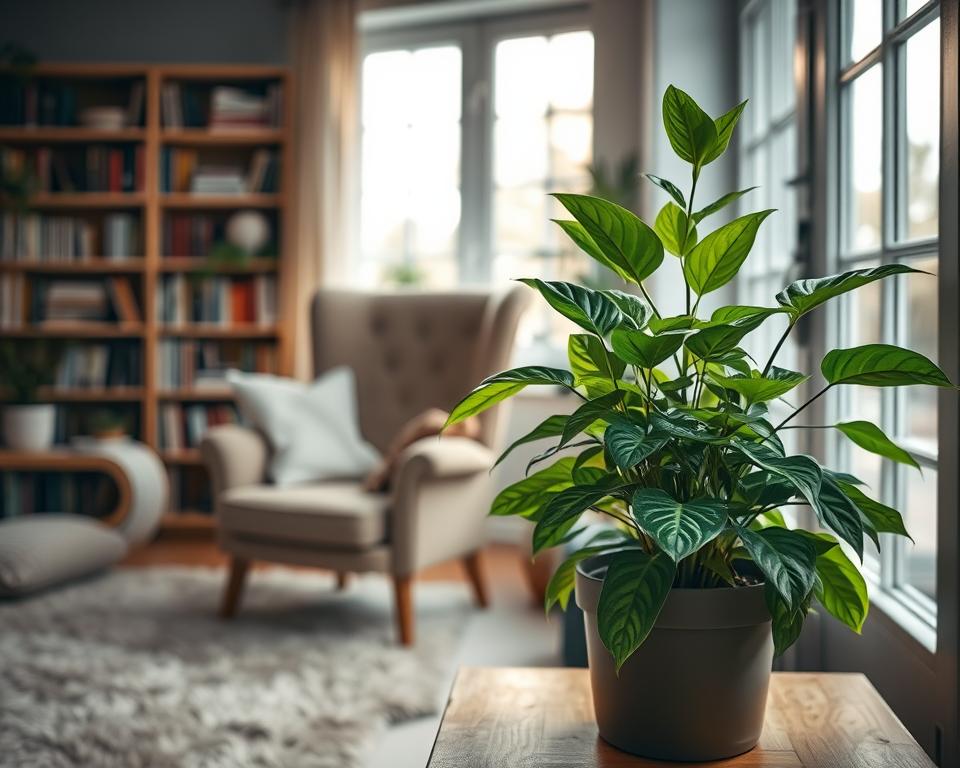
Winter sun is much weaker than its summer counterpart. This allows many indoor specimens to tolerate direct light without risk of scorching. Repositioning them closer to south-facing windows maximises their exposure during shorter days.
Central heating significantly reduces air moisture. A portable humidifier placed near your collection is the most effective solution. It creates a localised humid environment that benefits most species.
| Plant Type | Winter Light Needs | Humidity Preference | Key Action |
|---|---|---|---|
| Ficus elastica ‘Ruby’ | Direct winter sun for colour | Moderate | Move to brightest spot |
| String-of-Pearls | Hours of direct sun daily | Low to Moderate | Place on windowsill |
| Syngonium | Bright, indirect light | High | Group with humidifier |
| General Houseplants | Increased light exposure | Boosted levels | Clean leaves regularly |
Cleaning Leaves for Optimal Photosynthesis
Dust on leaves blocks precious light, hindering photosynthesis when it is most needed. A simple wipe with a damp cloth makes a significant difference to a plant’s health.
This routine maintenance ensures each leaf can breathe and function efficiently. It supports strong growth despite the seasonal limitations.
Practical Tips for Garden and Balcony Maintenance
Practical maintenance routines form an essential part of seasonal garden care during the colder months. These activities help create resilient outdoor spaces that can withstand winter challenges.

Winter Pruning and Debris Removal
Removing old leaves and spent flowers is a crucial autumn task. Using sharp secateurs makes this process efficient and reduces damage risk. This approach helps plants conserve energy for the coming spring growth.
Gardeners should avoid over-pruning before the cold season begins. Leaving some seed heads and berries provides vital food sources for wildlife. Ivy, for example, offers late nectar and winter fruit for birds.
A balanced approach to garden tidying protects plant health while supporting local ecology. Removing diseased material prevents pests from overwintering in the garden.
Insulating Pots and Preparing Ground
Container plants need extra protection from freezing temperatures. Wrapping pots with bubble wrap or hessian provides effective insulation. Elevating containers improves drainage and prevents frost damage.
Grouping pots together creates mutual protection against harsh weather. Moving them to sheltered spots near walls offers additional security. These simple tips help container plants survive the winter months successfully.
Ground preparation includes applying mulch to beds before the ground freezes. This creates a protective barrier against frost penetration. Ensuring good drainage prevents waterlogging around plant roots.
Enhancing Soil, Watering and Fertiliser Practices
The relationship between soil, water, and nutrients undergoes significant changes as plants enter winter dormancy. Reduced evaporation and slower growth create unique challenges that require tailored approaches.

Choosing the Right Soil Mix and Drainage
Soil composition becomes critically important during colder months. Well-draining mixes prevent waterlogging around delicate roots.
Many summer mixes retain excessive moisture in winter. Consider repotting sensitive plants into lighter, airier substrates before the cold season begins.
| Soil Type | Winter Performance | Suitable For |
|---|---|---|
| Peat-based Mix | High water retention – risky | Moisture-loving plants only |
| Soil-based Compost | Moderate retention – needs care | Established outdoor plants |
| Free-draining Mix | Excellent aeration – ideal | Containers and tender plants |
| Grit-amended Soil | Superior drainage – recommended | Mediterranean species and succulents |
Preventing Root Rot and Overwatering
Root rot represents the most common winter plant killer. Overwatering causes far more damage than underwatering during this period.
Surface soil can appear dry while deeper layers remain saturated. Use moisture meters or wooden skewers to check root-level conditions before watering.
Ensure complete drainage after each watering. Never let plants sit in water during the colder months.
Feeding Strategies for Dormant Plants
Nutrient requirements decrease dramatically in winter. Many gardeners adopt the ‘weakly weekly’ approach with diluted fertiliser.
Growth boosters should generally be discontinued during dormancy. Base fertilisers provide essential nutrients without stimulating excessive growth.
Completely dormant plants need no feeding until spring. This rest period helps prevent nutrient deficiencies that cause yellow leaves.
Conclusion
The true art of winter gardening lies in understanding that each plant requires its own unique protection strategy. There is no universal solution for winter care, as different species have varying light, water, and temperature needs throughout the colder months.
This guide offers comprehensive strategies, but gardeners must adapt them to their specific garden conditions. The effort invested in proper winter preparation yields significant rewards, including healthier spring growth and reduced plant losses. Winter also presents an ideal time for planning next year’s garden additions.
Consider incorporating more hardy native species like foxgloves and wild marjoram to reduce future winter workload. Keeping records of what protection methods prove effective creates valuable reference material for coming years.
While winter plant care demands attention, the knowledge gained through this process enriches the gardening experience. It helps create more resilient, beautiful gardens that thrive across all seasons.
FAQ
How can I tell if my plants are hardy enough for winter?
Check the plant’s hardiness rating, often found on its label or in gardening guides. This rating indicates the lowest temperatures a plant can withstand. Tender plants will need extra protection or moving indoors.
What is the best way to protect plants from frost damage?
Applying a thick layer of mulch around the base of plants helps insulate the roots. For sensitive plants, use horticultural fleece or protective covers during cold nights to shield them from frost.
Should I water my plants during the winter months?
Yes, but much less frequently. Water only when the soil is dry to the touch. Overwatering in cold, damp conditions is a common cause of root rot.
Do indoor plants need different care in winter?
Absolutely. Indoor plants often need more light, so place them near a bright window. Reduce watering and stop fertilising, as their growth slows down during this season.
When is the right time to bring potted plants indoors?
It’s best to move potted plants indoors before the first frost, typically in late autumn. This protects them from sudden temperature drops that can cause damage.
How can I improve light for my houseplants in winter?
Clean the leaves regularly to maximise light absorption. Also, consider placing plants on a windowsill or using a grow light to supplement natural light during shorter days.
Is winter a good time for pruning?
A> Yes, for many plants. Winter pruning of dormant plants can promote healthy growth in spring. However, always research specific pruning needs, as some plants prefer pruning at other times.
What should I do about garden pests over winter?
Clear away fallen leaves and debris where pests can hide. A thorough autumn clean-up helps reduce pest populations and prevents disease from spreading in your garden.
Should I fertilise my plants in winter?
Generally, no. Most plants enter a dormant period and do not need fertiliser. Feeding them can encourage weak, new growth that is vulnerable to cold damage.
How do I protect the roots of plants in pots?
Insulate pots by wrapping them in bubble wrap or hessian. For extra protection, move pots to a sheltered spot, like against a south-facing wall, away from cold winds.