How to Install Shelving in Your Garden Shed
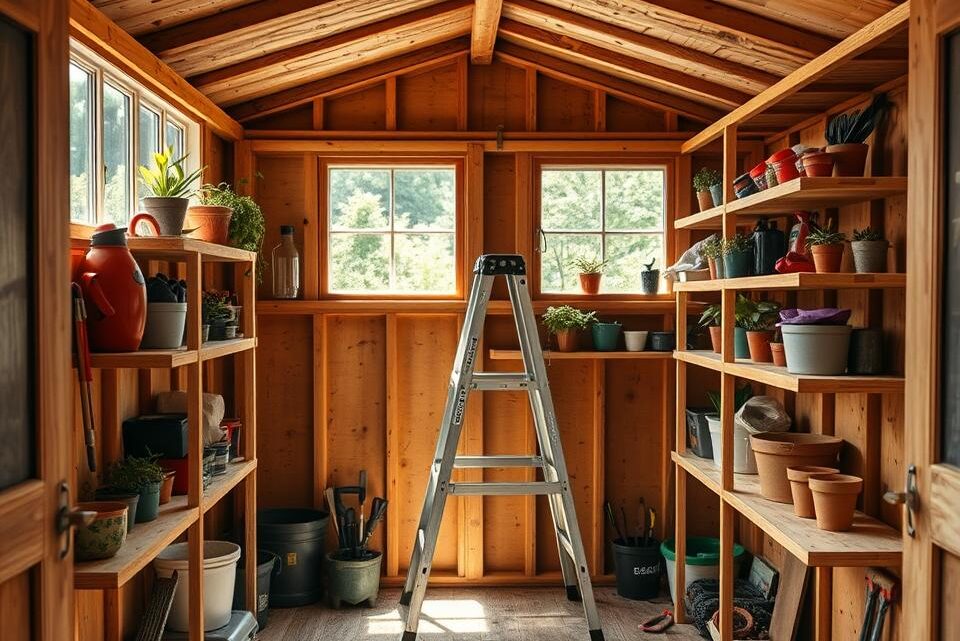
Many garden shed owners face a common challenge: limited organisation for their tools and equipment. A cluttered storage area makes finding items difficult and wastes valuable time. This frustration often stems from poor space utilisation within the structure.
Proper shelving systems offer an effective solution to transform chaotic storage spaces. They maximise vertical areas that are typically underused. This creates designated zones for different categories of items.
This comprehensive guide explores various approaches to creating organised storage. From simple bracket-mounted options to custom DIY solutions, there are methods suitable for different skill levels. Readers will learn to assess their specific requirements and select appropriate materials.
The process ensures shelves remain secure, level, and capable of supporting necessary weight loads. By following these principles, shed owners can dramatically improve their garden storage capabilities. The result is a functional, accessible space that serves its purpose efficiently.
Inhaltsverzeichnis
Key Takeaways
- Transforming cluttered sheds into organised spaces improves accessibility
- Vertical space utilisation is crucial for maximising storage capacity
- Various shelving options suit different skill levels and budgets
- Proper assessment of storage needs ensures optimal results
- Secure installation guarantees safety and longevity of the system
- Customised solutions address specific shed structures and requirements
Introduction to Garden Shed Shelving
An organised garden shed is more than just storage; it’s a functional extension of your gardening practice. The core purpose of adding shelves is to convert unused vertical space into practical areas for holding a variety of items. This systematic approach prevents the common issue of a shed becoming a disorganised dumping ground.
Purpose and Benefits
The fundamental goal is to create designated zones for everything from small hand tools to bulkier gardening supplies. This brings significant benefits, starting with vastly improved organisation.
Frequently used items become easy to locate, saving valuable time. Tools are also protected from ground moisture and potential damage, which can extend their lifespan considerably.
The primary advantage is reclaiming floor area for larger equipment, making the entire shed more efficient.
Overview of the Installation Process
The process for fitting shelves is adaptable. It depends on the shed’s construction—be it wood, metal, or plastic—and the weight of objects to be stored.
Understanding this overview helps owners plan effectively. Projects range from simple bracket systems for beginners to custom-built solutions offering greater flexibility. The key benefits of a well-executed installation are a tidy, accessible storage environment.
Planning Your Shelving Project
The success of any storage project hinges on meticulous initial planning. This phase focuses on two key areas: the items to be stored and the available space.

Assessing Your Storage Needs
Begin by cataloguing all the things intended for the shed. Consider their dimensions, quantities, and weight. This assessment determines the appropriate shelving configuration.
Typical items include gardening tools, plant pots, and bags of compost. Heavier things like paint tins require robust supports. Lighter items can use simpler designs.
This process clarifies the specific needs for the project. It ensures the final solution is both practical and capable.
Measuring and Mapping Your Shed
Understanding the internal space is essential. Different sheds and their sizes accommodate varying solutions.
Accurately record wall dimensions, ceiling height, and corner space. Identify structural elements like studs for bracket support. Note potential obstructions like windows or doors.
Creating a simple sketch helps visualise placement. It ensures clear pathways and convenient access. This careful mapping prevents costly mid-project changes and meets future needs.
How to Install Shelving in Your Garden Shed
Successful organisation of garden tools and equipment depends on proper mounting techniques. The installation approach varies significantly based on the construction material of the storage structure.
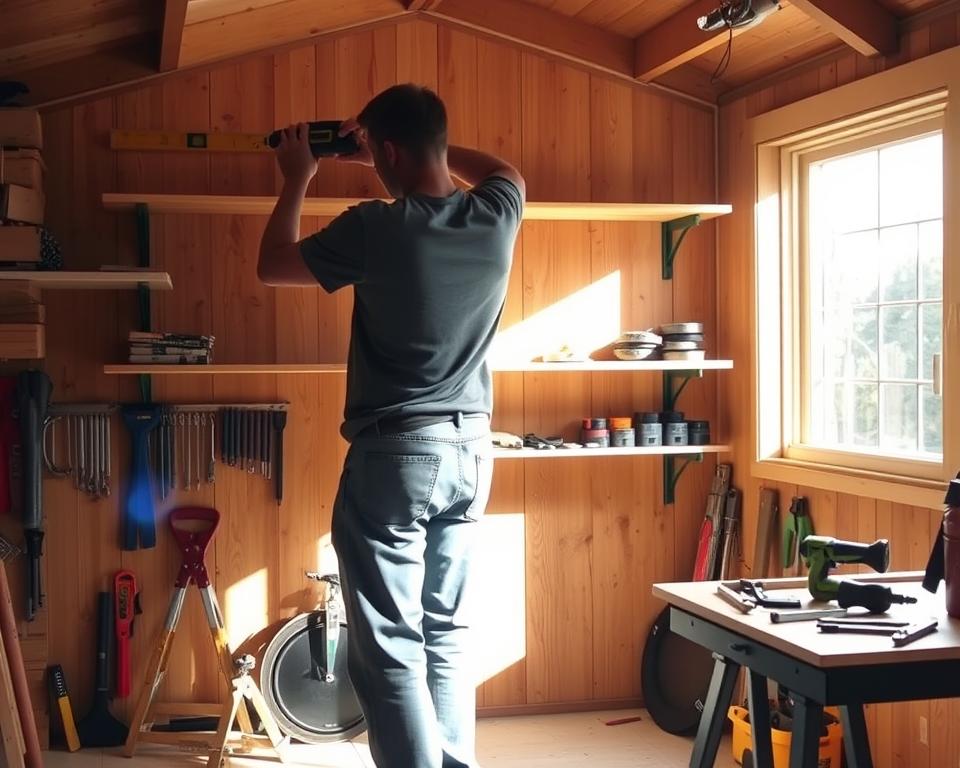
Wooden structures require different methods than metal or plastic alternatives. Some prefabricated units feature pre-drilled mounting holes for convenience.
Understanding core principles ensures successful outcomes regardless of the specific method chosen. Proper load distribution prevents sagging over time. Secure mounting guarantees stability under weight.
The process involves several key stages from preparation to final adjustments. Material selection comes after careful measuring. Bracket placement precedes shelf mounting.
Different methods suit various skill levels and available tools. Simple bracket systems work well for beginners. Custom-built solutions offer greater flexibility for experienced DIY enthusiasts.
Following systematic procedures minimises common errors. Uneven surfaces and inadequate support can lead to failure. Proper techniques ensure long-term reliability.
Each step in the way contributes to creating durable storage solutions. The final result transforms cluttered spaces into organised areas.
Materials and Tools for a Professional Installation
The quality of your shelving system depends heavily on selecting suitable components from the start. Using the right tools and materials ensures a sturdy, long-lasting result. This preparation phase saves time and prevents frustration during the construction process.
Essential Tools Checklist
Basic bracket installation requires fundamental tools for accuracy and safety. A combi drill with appropriate bits creates pilot holes for secure fastening. A 1-metre spirit level guarantees straight, even placement of supports.
Additional tools include a hand saw for trimming, tape measure, pencil, and suitable screws. For advanced diy bracket construction, consider a miter saw and table saw. A pocket-hole jig creates strong joints in custom frameworks.

Choosing Suitable Materials
Selecting appropriate materials is crucial for durability in garden environments. Nine-millimetre thick OSB 3 chipboard offers excellent performance. This wood product is light, sturdy, and resistant to humid conditions.
Alternative materials include laminate flooring strips or recycled wardrobe doors. Exterior-grade plywood provides another durable option. Avoid MDF as it absorbs moisture and sags under pressure.
Various types of brackets are available, including London-style options. For custom projects, use 2×4 timber and plywood sheets. Pre-cut materials from suppliers save time and ensure accuracy.
Step-by-Step Installation Process
Precise measurement and marking form the foundation of any successful storage installation. This systematic approach ensures structural integrity and proper weight distribution.
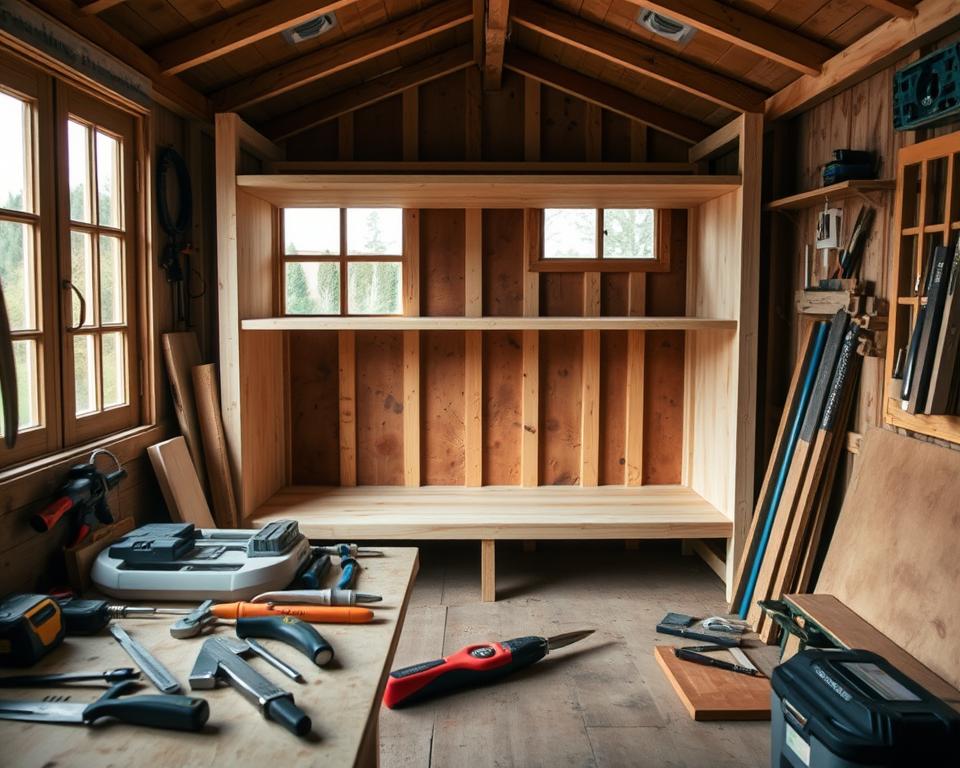
Marking Studs and Setting a Level Line
The first step involves locating the vertical supports within the wall structure. Using a stud finder identifies these crucial support points.
Position a 1-metre spirit level at the desired height for the storage surface. Ensure the bubble is centred for perfect horizontal alignment.
Draw a continuous pencil line across all stud locations. This reference line guides accurate bracket placement.
Mounting Brackets and Securing Shelves
Align the brackets with the marked level line on each stud. Pre-drilling holes prevents wood splitting during this step.
Using magnetic drill bits simplifies the fastening process. They keep screws firmly attached during installation.
Position the wooden shelves on top of mounted brackets. Secure from underneath using appropriate screws.
This way ensures flush placement without excessive overhang. The finished shelves provide stable storage for various items.
Metal and plastic structures often feature pre-drilled holes. This simplifies the entire process considerably.
DIY Shelf Bracket Construction
Building custom bracket supports provides a tailored solution for unique storage needs. This diy approach allows for precise sizing and robust construction using standard timber.
The process involves three main components: the horizontal arm, vertical mounting piece, and diagonal brace. Each part requires specific cutting and joining techniques for maximum strength.

Cutting and Drilling Techniques
Begin by cutting 2×4 wood into 24-inch sections. A hand saw, circular saw, or miter saw works well for this initial step.
For the horizontal arm, chamfer one edge to 45 degrees. This creates a professional finish. Drill pilot holes for the screws as indicated in plans.
The vertical piece and diagonal brace also require specific holes. A pocket-hole jig is excellent for creating strong, concealed joints on the brace.
Assembly and Final Fixings
Assemble the bracket by first attaching the horizontal arm to the vertical piece. Use wood glue and 3-inch screws.
Ensure the horizontal piece bears directly on top of the vertical piece. This transfers load efficiently to the wall stud.
Add the diagonal brace with 1.5-inch screws to complete the rigid triangular structure. Secure the entire assembly to a stud using multiple 3-inch screws.
| Component | Primary Function | Key Fastener | Strength Feature |
|---|---|---|---|
| Horizontal Arm | Supports shelf surface | 3-inch wood screws | Bears load directly on vertical piece |
| Vertical Mounting Piece | Attaches bracket to wall stud | 3-inch wood screws | Vertical screws are in shear |
| Diagonal Brace | Prevents sagging, adds rigidity | 1.5-inch wood screws | Creates triangular support structure |
Finally, attach the plywood shelf surface from below. A ¾-inch overhang is standard. For extra support against sagging, add a reinforcement strip to the front edge.
Alternative Shelf Designs and Ideas
Alternative approaches to storage organisation provide customised options for varying requirements. Different types of shelving solutions exist to meet specific needs.

These ideas range from simple fixed systems to versatile adjustable configurations. Each design offers unique benefits for organising tools and supplies.
Fixed vs Adjustable Shelving Options
Fixed shelving systems like London brackets offer excellent stability. They work well for heavy items that remain in one location.
Adjustable shelving provides flexibility for changing storage needs. Twin slot systems allow easy height modifications without complete disassembly.
Some prefer CLS timber between studs, but this limits future adjustments. Consider how often storage requirements might change before choosing.
Creative Materials and Finishes
Plastic units suit plastic sheds with their moisture resistance. They’re lightweight and often freestanding.
Metal shelving complements steel structures with industrial strength. Powder-coated finishes prevent rust and add durability.
Reclaimed materials like scaffold boards add character. Hybrid designs combine metal brackets with wooden surfaces for balanced performance.
Corner units maximise often-wasted space efficiently. Specialised ideas include bike racks and tool organisers for specific needs.
Optimising Storage and Organising Your Shed
A well-organised shed transforms a simple storage area into a highly efficient workspace. The real value of shed shelving is realised through thoughtful arrangement. This process turns chaotic piles into an ordered system.

Effective Organisational Tips
The first step is to group similar items together. Create dedicated zones for specific categories. For example, keep all plant pots on one shelf and cleaning supplies on another.
This approach makes it easy to find what you need quickly. Frequently used gardening tools should be placed at a convenient height. Heavier equipment belongs on lower shelves for stability.
Maximise vertical space by using the walls. Hooks and pegboards are perfect for hanging long-handled tools. Brooms, rakes, and hoses can be stored neatly off the floor.
Smaller items benefit from containerisation. Use clear plastic bins or labelled boxes for seeds and fixings. Stackable containers save valuable storage space on your shelves.
Consider a seasonal rotation system. Move out-of-season gear to less accessible spots. This keeps relevant supplies within easy reach on the top surfaces.
Labelling is a simple yet powerful hack. It ensures everyone knows where things belong. A quick visual check confirms everything is in its place.
Regular decluttering maintains order. Periodically review your storage to remove unused items. This prevents your shed shelving from becoming overwhelmed.
Finally, keep often-used tools on the top of your priority list for placement. A well-organised shed saves time and makes every task more enjoyable.
Safety and Troubleshooting Tips
A systematic approach to safety considerations ensures the storage solution remains secure over time. Proper precautions protect both the installation process and the final result.
Avoiding Common Installation Mistakes
Pre-drilling pilot holes before inserting screws is strongly recommended for beginners. This technique prevents wood splitting, especially near edges where material thickness is limited. Using a magnetic bit can prevent frustration during this process.

Proper load distribution is critical for shelf longevity. Weight should concentrate near supporting brackets rather than at unsupported front edges. Centring items between the brace support and the back wall prevents excessive leverage on the structure.
Screwing at an angle helps prevent fasteners from protruding dangerously. Careful attention to bracket placement on structural studs provides essential support for heavy items. Over-tightening should be avoided to prevent damage.
Maintenance and Safety Precautions
Regular inspections every few months identify potential issues early. Look for loosening fixings, developing cracks, or moisture damage. Addressing these promptly maintains structural integrity over time.
Personal protective equipment is essential during installation. Safety glasses protect eyes from debris when drilling. Gloves prevent injuries from rough timber edges. Adequate lighting in the workspace reduces accident risk.
For ongoing safety, sand sharp edges on cut materials. Use appropriately sized screws that don’t protrude. Maintain clear floor space to prevent tripping hazards. Secure unstable items that could fall from height.
Conclusion
Well-planned shelving installations deliver lasting value through improved accessibility and protection. The transformation from cluttered space to organised storage area brings significant practical benefits for garden shed owners.
This comprehensive guide demonstrates that various approaches suit different skill levels and shed types. From simple bracket systems to custom timber constructions, each method offers distinct advantages. Material selection proves crucial for durability in outdoor environments.
Proper planning ensures shelving meets specific storage needs while maximising available space. The investment of time in careful measurement and installation pays dividends through long-term functionality. Regular maintenance keeps the system secure and effective.
By following these principles, shed owners create storage solutions that protect valuable gardening tools and equipment. The result is a highly functional workspace that enhances gardening activities throughout the seasons.
FAQ
What are the main benefits of installing shelving in a garden shed?
Shelving creates vertical storage, freeing up valuable floor space for larger items. It protects tools and equipment from damp and damage, while making everything easier to find. This organisation saves time and reduces frustration.
Which materials are best suited for garden shed shelving?
Pressure-treated wood, robust plastics, and powder-coated metal are excellent choices. These materials resist moisture and the wear and tear of a garden environment, ensuring the shelving remains durable over many seasons.
How can one locate a wall stud for secure bracket installation?
Use a stud finder for the most reliable result. Alternatively, one can gently tap the wall; a solid, less hollow sound often indicates a stud. Studs are typically spaced 16 or 24 inches apart from centre to centre.
What is a critical safety check before loading shelves with heavy items?
Always ensure the brackets are firmly fixed into wall studs, not just the shed’s cladding. It is vital to test the stability of the shelving with a little weight first, checking that all screws are tight and the structure is sound.
Can shelving be installed on a shed’s interior walls if they are uneven?
A> Yes, but it requires care. One can pack out uneven spots with wooden shims behind the brackets to create a level surface. This step prevents shelves from rocking and ensures items sit securely.
What is the advantage of adjustable shelving over fixed shelving?
Adjustable shelving offers flexibility. As storage needs change with different seasons or projects, the shelves can be easily repositioned to accommodate items of various heights, making it a versatile long-term solution.
Are there specific tools required for a basic shelving installation?
A typical toolkit includes a spirit level, a power drill, screwdrivers, a tape measure, and a pencil. Having the correct drill bits for pilot holes and the specific wall material is also essential for a smooth installation.
How can one prevent tools and boxes from falling off open shelving?
Installing a small lip or rail along the front edge of the shelves is an effective method. For added security, particularly with loose items, consider using containers with lids that can be stacked safely.