How To Prevent Your Shed From Rotting

A garden shed is a valuable asset to any home, providing essential storage and extra space. Even the highest quality wooden shed is vulnerable over time. Without proper care, the structure can suffer from significant damage.
In the UK, weather conditions play a major role in this deterioration. Persistent dampness and rainfall create the perfect environment for rot to take hold. This decay weakens the wood, threatening the building’s longevity.
The consequences of neglect extend beyond simple rot. Mould and mildew growth can pose health risks and damage stored items. Pests are also attracted to compromised wood, causing further nuisance.
Fortunately, a proactive approach offers a solution. Implementing a robust protection strategy is the key to preserving the shed. This guide provides the necessary steps to ensure your garden building remains strong and functional for many years.
Inhaltsverzeichnis
Key Takeaways
- Even high-quality wooden sheds require protection from the elements to avoid damage.
- UK weather conditions, particularly dampness, significantly accelerate the risk of rot.
- Neglecting maintenance can lead to structural weakness and health hazards from mould.
- Pests are more likely to infest a shed that is not properly sealed and maintained.
- A proactive protection plan is essential for the longevity of the structure.
Choosing Durable Materials and Flooring Options
The foundation of a long-lasting garden building begins with the materials chosen for its construction. Selecting the right components is crucial for resisting the damp conditions often experienced in the UK.
An excellent shed floor is the first line of defence against structural issues. It must withstand moisture and weight over many years.
Identifying the Best Shed Flooring Materials
Three primary materials are commonly used for shed flooring. Each offers a different balance of cost, durability, and resistance to decay.
OSB (oriented strand board) is an economical choice. However, its exposed end grain readily absorbs water. Even waterproof versions require careful edge sealing to be effective against moisture.
Concrete provides exceptional strength and is completely resistant to rot. As a premium option, it is highly durable. Yet, it can cause water to pool around wooden joists, potentially increasing the risk of decay in those areas.
Pressure-Treated Timber vs. OSB and Concrete
Pressure-treated timber often presents the best value. This wood undergoes a chemical preservation process. It becomes highly resistant to moisture, fungi, and wood-boring insects.
The sealed surfaces prevent water seepage that leads to rot. This treatment offers robust protection against pests. While more expensive than OSB, it is far more cost-effective than concrete over the long term.
Its versatility extends beyond flooring to bases, framing, and cladding. This makes it an excellent choice for comprehensive building protection and longevity.
Building a Robust Shed Base and Foundation
Proper groundwork forms the essential first step in protecting garden buildings from moisture damage. A well-constructed foundation creates a stable barrier between the wooden structure and damp ground conditions.
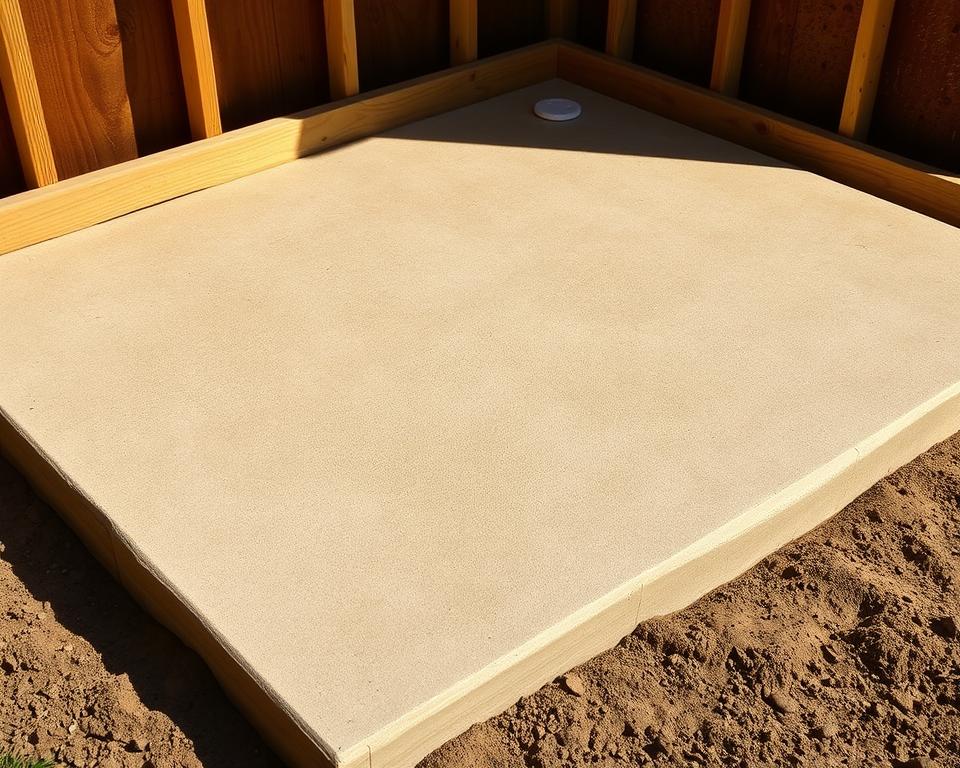
This approach significantly reduces the risk of moisture-related issues. It ensures the building remains level and secure for years.
Installing Damp Proof Membrane (DPM) and Gravel Foundations
A damp-proof membrane provides excellent protection against rising damp. This thick plastic sheet creates an impermeable barrier when placed under the shed frame.
Secure the membrane with strong adhesive tape to prevent shifting. For additional protection, a layer of soil can be added before placing the foundation on top.
Gravel foundations offer exceptional drainage capabilities. Spread 5cm to 8cm depth around the perimeter of the structure.
This method prevents water accumulation and reduces contact with moisture. It’s an economical solution that works well in various garden settings.
Utilising Metal, Plastic, and Skirting Boards
Modern base systems provide superior moisture resistance. Metal bases use galvanised or powder-coated steel for durability.
Plastic options employ high-density polyethylene (HDPE) for long-lasting performance. Both create an effective barrier from ground moisture.
Skirting boards seal the gap between shed floor and ground level. They prevent pest infiltration and protect against water splashback.
Attach these boards tightly against walls using appropriate fixings. This addition improves insulation and adds structural stability.
Elevating the structure by a few inches allows air circulation beneath. This simple measure helps prevent water pooling during wet weather.
Ensuring Adequate Ventilation and Protective Sealants
Strategic ventilation and sealing work together to combat moisture accumulation. These methods form a powerful defence system against structural decay.
Improving Airflow with Vents and Windows
Proper air circulation is essential for managing humidity levels. Stagnant, damp air creates ideal conditions for mould and fungi growth.
Installing vents in the roof or walls allows moist air to escape naturally. Windows facilitate cross-ventilation when opened periodically. For extreme moisture situations, a dehumidifier quickly removes excess humidity.
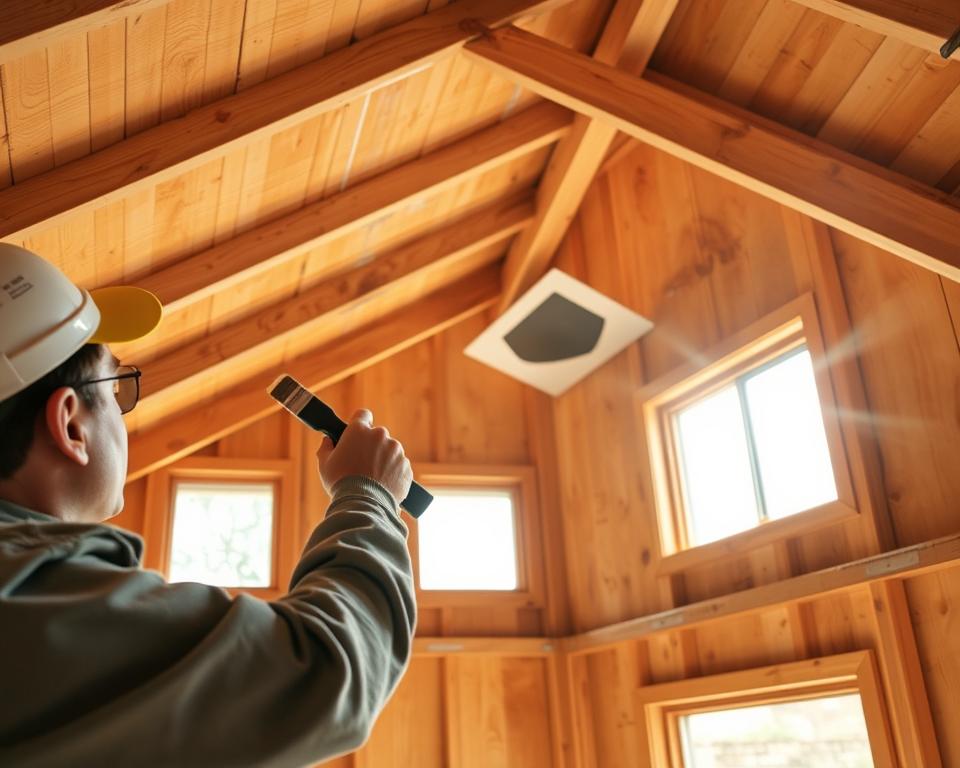
Fans positioned near openings enhance airflow significantly. This reduces the risk of moisture buildup around stored items.
Applying Silicone-Based Sealant for Damp Protection
Silicone-based sealant provides excellent moisture resistance. It creates a flexible barrier that moves with temperature changes.
Apply the sealant using a caulking gun for precision. Target gaps around doors, windows, and wall joints thoroughly. The material withstands extreme weather conditions effectively.
Even when storing wet garden tools or bicycles inside, proper ventilation prevents condensation. High-positioned vents allow humid air to escape through convection.
| Ventilation Method | Best Placement | Effectiveness |
|---|---|---|
| Roof Vents | High positions | Excellent for heat escape |
| Wall Vents | Opposite walls | Good for cross-ventilation |
| Windows | Multiple sides | Versatile airflow control |
Store belongings on shelves or palettes to improve air circulation. This prevents moisture from soaking into wooden surfaces over time.
How To Prevent Your Shed From Rotting
Regular maintenance forms the cornerstone of effective protection for wooden garden buildings against environmental threats. Consistent attention ensures the structure withstands seasonal changes and remains resilient against moisture-related issues.
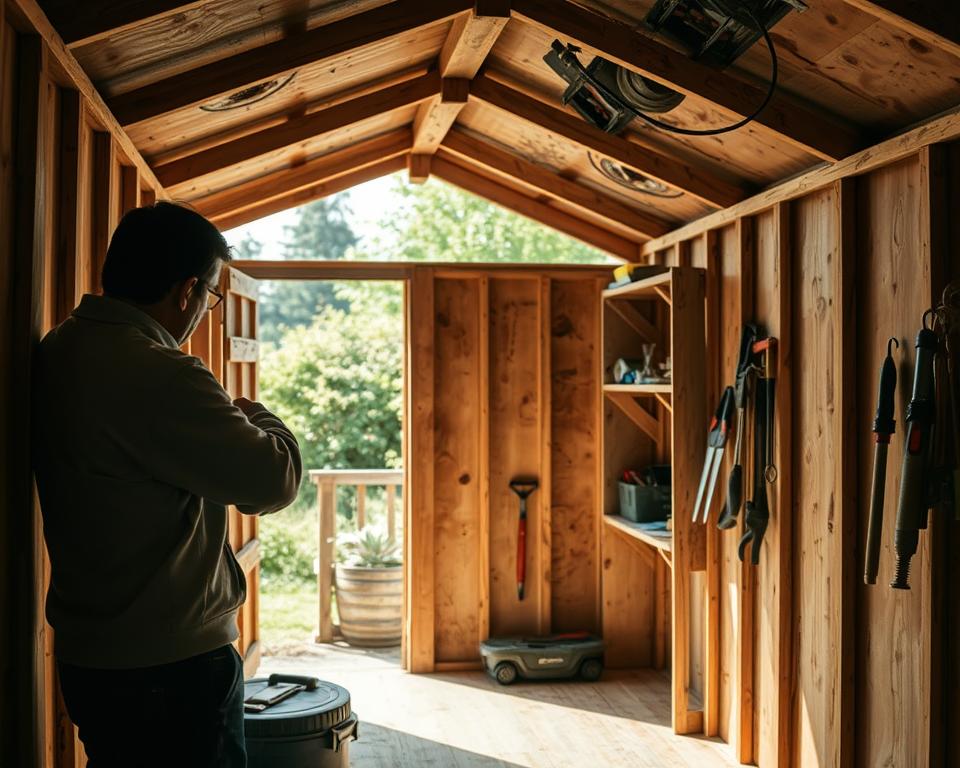
Regular Maintenance and Re-Waterproofing
Even previously treated structures require annual re-waterproofing. Protective coatings break down over time due to weather conditions and UV exposure. This process allows water to penetrate the wood, creating ideal breeding grounds for rot, mould, and fungi.
Apply high-quality wood preservative yearly. Choose between powerful solvent-based options or eco-friendly water-based alternatives. Both provide excellent protection against decay.
Inspect the roof regularly for holes and tears. Replace worn sections promptly to maintain waterproof integrity. Clear leaves and moss from gutters to prevent water overflow.
Monitoring Moisture, Mould, and Pest Infestations
Regular inspections help identify early warning signs of trouble. Look for discolouration, soft spots, or musty odours. These indicate moisture problems that need immediate attention.
Store items on shelves rather than directly on the shed floor. Move belongings occasionally to prevent condensation buildup. Hang tools on hooks to avoid water accumulation.
Keep the interior clean by sweeping regularly. Apply moisture-resistant sealant to the floor surface. Avoid activities that produce excess moisture inside the structure.
Monitor for pest activity and fungal growth. Early detection makes interventions more effective. A well-maintained wooden shed will provide reliable storage for many years.
Conclusion
Successful long-term preservation of outdoor storage structures relies on integrating multiple protective measures. This comprehensive guide has outlined essential steps and practical ways to maintain structural integrity.
The combination of durable materials, proper foundations, effective ventilation, and regular maintenance creates a robust defence system. Each element contributes significantly to preventing moisture-related damage in the garden area.
Gravel foundations stand out as particularly valuable solutions for their excellent drainage and affordability. They provide reliable protection during harsh winter conditions prevalent across the UK.
By implementing these strategies, homeowners ensure their shed remains dry and secure for years. Proactive care proves far more effective than reactive repairs once deterioration begins.
For specific concerns about your storage building, consult with professionals for personalised advice. This approach guarantees optimal results for all types of garden sheds.
FAQ
What is the most important factor in preventing shed rot?
Moisture control is paramount. A combination of a robust base that elevates the structure off the ground, durable materials like pressure-treated wood, and adequate ventilation to allow air circulation are the most critical factors in preventing decay.
Can a wooden shed be placed directly on soil or grass?
Placing a shed directly on the ground is not advisable. Contact with soil and grass traps moisture, significantly increasing the risk of rot. A proper foundation, such as a concrete slab or gravel base with a damp-proof membrane, creates a necessary barrier.
How often should a garden shed be treated with a protective sealant?
For optimal protection, a wooden shed should be treated with a high-quality sealant or preservative every one to two years. This maintenance schedule helps maintain the wood’s defence against rain, snow, and sun damage.
What role does ventilation play in shed longevity?
Good ventilation is essential. It allows moist air to escape, preventing condensation from building up inside the structure. Installing vents or ensuring windows can be opened helps reduce internal humidity, which discourages mould growth and wood decay.
Are there signs of rot that homeowners should look for during inspections?
Yes, regular checks are crucial. Early signs include a musty smell, soft or spongy wood, visible fungal growth, discolouration, and the presence of wood-boring insects. Catching these signs early allows for simpler repairs.
Is concrete the best material for a shed base?
A concrete base offers excellent stability and durability, creating a solid, long-lasting barrier against ground moisture. However, plastic or metal foundation grids filled with gravel are also effective options and can be easier for DIY installation.