Buying, planting, caring for, pruning & fertilizing pampas grass
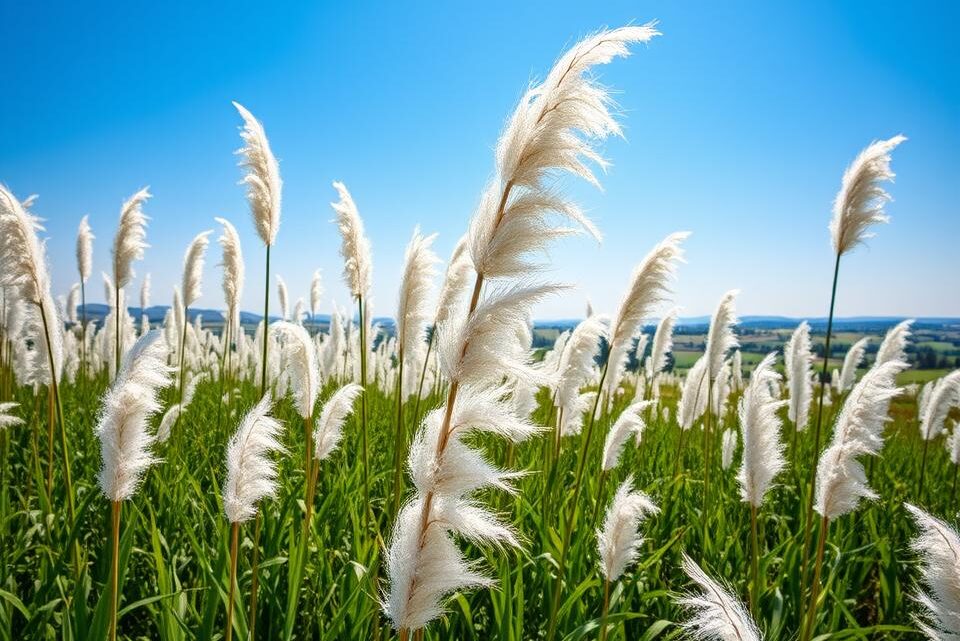
Pampas grass is a stunning ornamental grass that can add drama and elegance to your garden. With its impressive height and feathery white plumes, it’s a popular choice among UK gardeners. To achieve stunning results, it’s essential to understand how to care for this perennial plant.
This comprehensive guide will walk you through the process of buying, planting, and caring for pampas grass. You’ll learn about the optimal conditions for growing these beautiful grasses, including soil requirements and sunlight needs. By following our advice, you’ll be able to enjoy the beauty of grass in your outdoor space.
Inhaltsverzeichnis
Key Takeaways
- Understand the optimal conditions for growing pampas grass.
- Learn how to care for and maintain your ornamental grasses.
- Discover the best practices for pruning and fertilizing pampas grass.
- Explore the different varieties of grasses available to UK gardeners.
- Find out how to incorporate pampas grass into your landscape design.
Understanding Pampas Grass: Characteristics and Varieties
Pampas grass, known for its impressive flower plumes, is a versatile and attractive addition to gardens. As you consider adding this ornamental grass to your outdoor space, it’s essential to understand its characteristics and the various types available.
What is Pampas Grass?
Pampas grass is a type of ornamental grass known for its tall, statuesque growth and showy flower plumes. It is native to South America but has become a popular garden feature worldwide. Pampas grass is often used as a focal point in garden designs due to its dramatic appearance.
Popular Varieties of Pampas Grass
The UK market offers several stunning varieties of pampas grass, each with distinctive characteristics. Some popular options include:
- ‘Pumila’ (dwarf pampas grass), a compact variety growing up to five feet tall with pale yellow to ivory plumes, great for containers.
- ‘Sunningdale Silver’ with silver plumes, growing up to 10 feet tall.
- ‘Rendatleri’, a “pink feather” cultivator with vibrant pink plumes growing up to eight feet tall.
When selecting a variety, consider the mature size, plume colour, and growth habit to ensure it complements your existing garden design and available space.

Buying Pampas Grass: What to Look For
When buying pampas grass, it’s crucial to consider several factors to ensure you make the right choice for your garden. Pampas grass can be a stunning addition, but it requires careful selection to thrive.
Choosing Between Seeds, Plugs, and Potted Plants
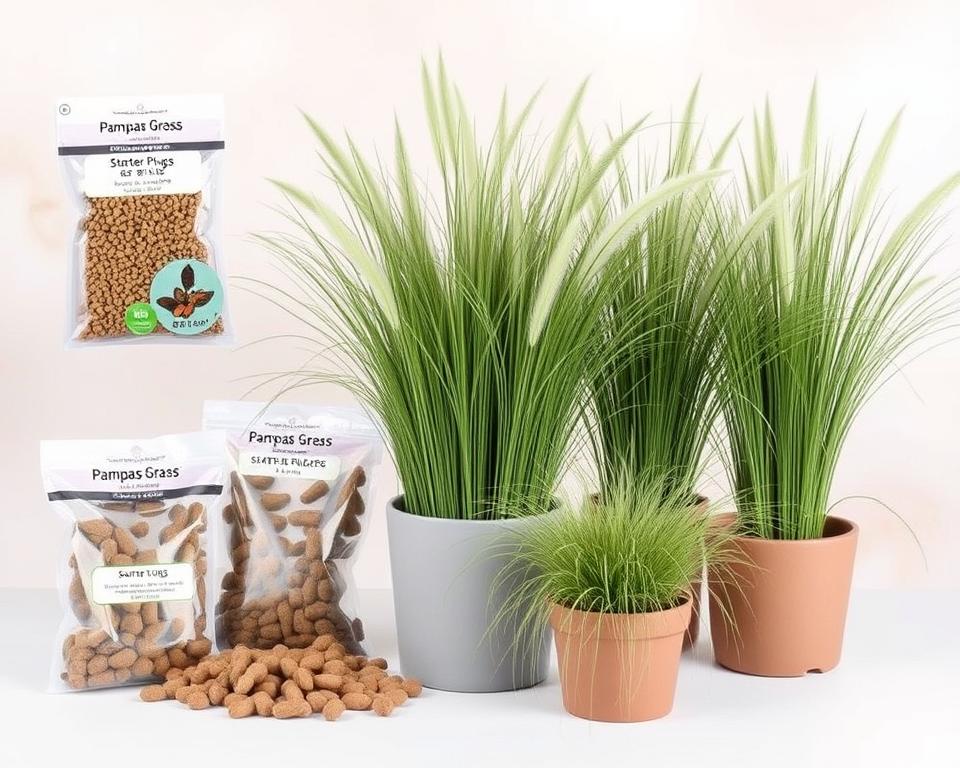
You can buy pampas grass in various forms, including seeds, plugs, and potted plants. If you’re looking for a cost-effective option and don’t mind waiting for the grass to mature, seeds might be the way to go. On the other hand, if you prefer a head start, consider purchasing plugs or potted plants, which can give you a more immediate result.
Important Considerations Before Purchase
Before purchasing pampas grass, it’s essential to research local regulations, as this plant can be considered invasive in some regions. Consider the mature size of the variety you’re selecting and ensure your garden has enough space. Also, be aware of the plant’s flammability and position it accordingly.
- Research local regulations regarding invasive plants.
- Consider the mature size and height of the pampas grass variety.
- Assess your garden’s conditions, including sunlight and potential fire hazards.
When and Where to Plant Pampas Grass
When it comes to planting pampas grass, timing and location are crucial. To ensure your pampas grass thrives, you must consider both factors carefully.
Optimal Planting Time in the UK
In the UK, the optimal time to plant pampas grass is during the spring or early autumn. These periods offer mild temperatures and adequate moisture, which are ideal for establishment. Avoid planting in the harsh winter months or during the peak summer heat.
Selecting the Ideal Location
Choosing the right location for your pampas grass is vital for its growth and development. Pampas grass prefers a sunny spot, though it can tolerate dappled shade. However, for optimal growth and plume development, ensure it receives at least 6 hours of direct sunlight daily.
When selecting a location, consider the soil and space requirements. Pampas grass thrives in well-draining, moist soil and needs plenty of space around it. If you’re planting as a hedge or for garden privacy, leave at least six feet between each plant.
| Location Factor | Ideal Condition |
|---|---|
| Sunlight | Full sun (at least 6 hours daily) |
| Soil | Well-draining, moist soil |
| Space | At least 6 feet between plants for hedges |
Pampas grass is also tolerant of winds and salty conditions, making it an excellent choice for coastal gardens. By considering these factors, you can select the ideal location for your pampas grass and enjoy its beautiful plumes.
Planting Pampas Grass: Step-by-Step Guide
Pampas grass is a beautiful addition to any garden, and with the right planting technique, it can thrive. Whether you’re planting in garden beds or containers, there are key considerations to ensure your pampas grass grows well.
Planting in Garden Beds
When planting pampas grass in garden beds, choose a location with full sun and well-draining soil. Pampas grass prefers soil that is not too rich, as this can lead to weak growth. Ensure the area is clear of debris and weeds before planting. Space the plants about 1-2 metres apart to allow for proper growth and air circulation.
Growing Pampas Grass in Containers
Growing pampas grass in containers is an excellent option for managing its spreading habit or for those with limited garden space. To do this successfully, select a large, sturdy container that is at least 50-60cm in diameter with multiple drainage holes. Use a high-quality, well-draining potting mix enriched with slow-release fertiliser. Position the container in a sunny location that receives at least 6 hours of direct sunlight daily.
To keep your container-grown pampas grass healthy, be prepared to divide the plant or transfer it to a larger container every 2-3 years as it grows. This will prevent the plant from becoming root-bound, which can restrict growth and reduce its ornamental value.
Buying, Planting, Caring for, Pruning & Fertilizing Pampas Grass: Essential Care Guide
To keep your pampas grass thriving, understanding its care requirements is crucial. Proper care ensures that your pampas grass remains healthy and continues to be a beautiful addition to your garden.
Watering Requirements
Pampas grass is relatively drought-tolerant once established, but it requires adequate watering during its initial growth phase. Water your pampas regularly during the first growing season to establish a strong root system. However, avoid overwatering, which can lead to root rot.
Sunlight and Soil Needs
Grass like pampas grass thrives in full sun and well-draining soil. Ensure your pampas grass receives at least 6 hours of direct sunlight daily. The soil should be fertile and drain well to prevent waterlogged soil conditions.
Winter Care for Pampas Grass
During winter, pampas grass requires minimal care. Established plants are cold-hardy and can withstand temperatures down to -10°C in sheltered locations. Leave the dried foliage intact to protect the crown from frost damage. In harsh winter conditions, consider adding a thick layer of mulch around the base to insulate the roots. For container-grown pampas grass, move pots to a sheltered location to protect from excessive wet and cold.
Pruning Pampas Grass Correctly
To keep your pampas grass healthy and thriving, it’s essential to prune it correctly. Pruning is a vital maintenance task that helps promote healthy growth and prevents damage.
When to Prune Pampas Grass
You should prune your pampas grass in late winter or early spring, after the last frost. This timing allows you to remove dead foliage and make way for new growth. It’s crucial to prune before new shoots emerge to avoid damaging the plant.
How to Safely Prune Pampas Grass
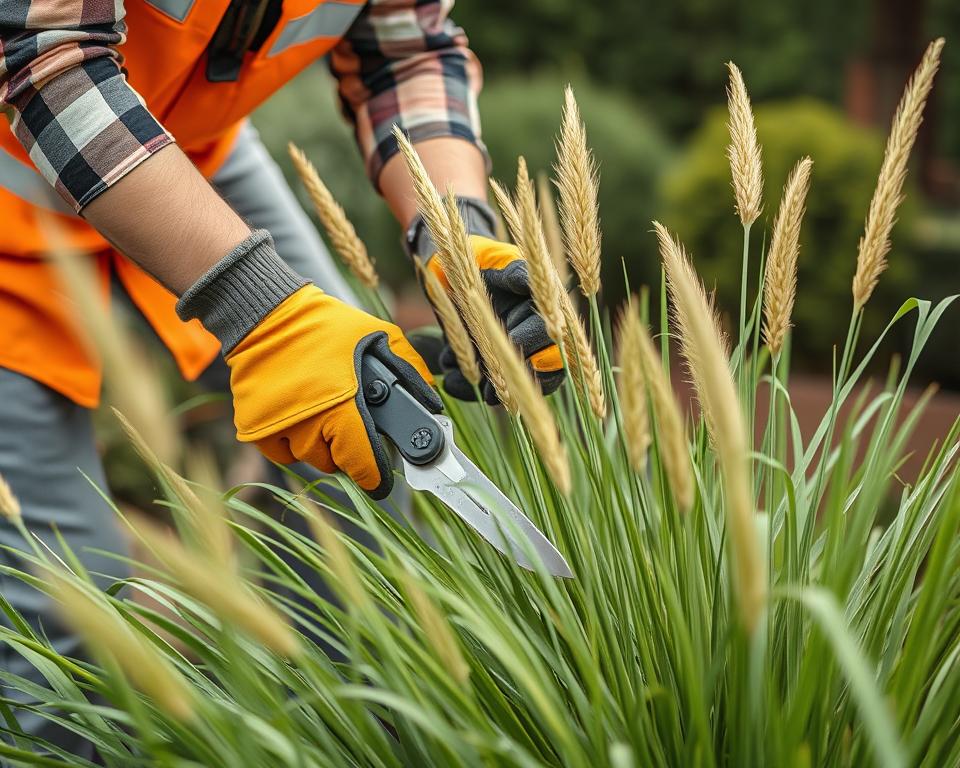
Before you start pruning, gather the necessary safety equipment, including thick, cut-resistant gloves, long sleeves, long trousers, and eye protection. The sharp edges of pampas grass leaves can cause serious cuts, so it’s vital to be prepared.
- Begin by tying the foliage together with garden twine about 1 metre from the ground to make the plant more manageable.
- Use sharp, powerful tools like secateurs, loppers, or a hedge trimmer, depending on the size of your pampas grass.
- Cut the entire plant down to approximately 15-20cm from ground level, being careful not to damage the crown or new shoots.
- Clear away all cut material promptly to prevent fire hazards and consider adding a balanced fertiliser to support new growth.
Fertilising and Maintaining Healthy Growth
To keep your pampas grass thriving, it’s essential to understand the importance of fertilisation and maintenance. Proper care will ensure your pampas grass remains healthy and continues to grow vigorously.
Fertiliser Types and Application
For optimal growth, use a balanced fertiliser during the growing season. A slow-release fertiliser is ideal as it provides nutrients to the pampas grass over an extended period. Apply the fertiliser in early spring when new growth begins to emerge.
Propagating Pampas Grass Through Division
Propagating pampas grass is easily done by division. Divide your grass every few years for the best results. Wear protective gloves and clothing when dividing pampas grass to avoid injuries from the sharp leaves. Divide in early spring when you see new growth, using a sharp shovel to cut through the dense root system.
Conclusion: Enjoying Your Pampas Grass Year-Round
By following the care and maintenance tips outlined in this article, you can enjoy your pampas grass for years to come. This ornamental grass provides changing visual interest throughout the seasons, with its dramatic plumes emerging in late summer and providing spectacular autumn and winter interest.
The fluffy plumes of pampas grass can be harvested in autumn for use in dried flower arrangements, adding a decorative element to your home. As your pampas matures, it will produce more dramatic flower heads each season, making it a stunning, low-maintenance addition to your garden.
With proper care, pampas grass can become a magnificent focal point in your outdoor space, offering beauty and elegance throughout the year.
FAQ
What is the ideal time to prune ornamental grasses like pampas grass in the UK?
In the UK, it’s best to prune ornamental grasses like pampas grass in late winter or early spring, before new growth begins. This allows you to remove dead foliage and promote healthy growth.
How often should I water my pampas grass during the summer months?
Pampas grass is relatively drought-tolerant, but it will still benefit from regular watering during prolonged dry spells. Water your pampas grass deeply once or twice a week, depending on soil conditions.
Can I grow pampas grass in a container, and what are the key considerations?
Yes, you can grow pampas grass in a container. Ensure the container is large enough to accommodate the plant’s root system, and use a well-draining potting mix to prevent waterlogged soil.
What type of fertiliser is best for promoting healthy growth in pampas grass?
A balanced, slow-release fertiliser applied in the spring will promote healthy growth in pampas grass. You can also consider using a fertiliser specifically formulated for ornamental grasses.
How do I protect my pampas grass from frost damage during the winter?
To protect your pampas grass from frost damage, apply a layer of mulch or straw around the base of the plant, and consider covering the foliage with a breathable cloth or fleece during periods of prolonged frost.
Can I propagate pampas grass through division, and if so, how?
Yes, you can propagate pampas grass through division. Divide established clumps in the spring, using a sharp spade or garden fork to separate the roots. Replant the separated sections immediately, and water well.