How to Get Rid of Moles – Tips & Home Remedies for Effective Control

Moles can be a significant nuisance for homeowners and gardeners across the UK, causing considerable damage to carefully maintained outdoor spaces. These underground creatures create tunnels and molehills, leaving unsightly ridges and holes in their wake.
Moles are small, furry mammals that burrow underground, and while they can be beneficial in some ways, their tunneling activity often outweighs these benefits. The visible signs of mole activity, such as raised tunnels and molehills, indicate an infestation requiring attention.
Understanding mole behavior is key to implementing effective control measures. In this comprehensive guide, we will provide you with multiple options to address your mole problems using both commercial and home remedies.
Inhaltsverzeichnis
Key Takeaways
- Identify the signs of mole activity in your garden or yard.
- Understand the behavior of moles to implement effective control.
- Explore various control methods, including natural deterrents and home remedies.
- Learn about commercial solutions available for mole control.
- Discover tips for preventing future mole infestations.
Understanding Moles and Their Behaviour
To effectively manage moles in your garden, it’s crucial to understand their behaviour and habits. Moles are small, furry mammals that live underground, creating complex networks of tunnels and burrows. Their behaviour is influenced by their diet, breeding patterns, and environmental factors.
What Are Moles?
Moles are typically solitary creatures, with adults occupying their own territories. They are well-adapted to their underground lifestyle, with powerful front legs and long claws for digging. Moles are found throughout the UK and can be a significant problem for gardeners due to the damage they cause to lawns and plants.
Mole Habits and Diet
Moles are primarily insectivores, feeding on earthworms, insects, and other invertebrates found in the soil. Their diet is rich in protein, which is necessary for their high metabolism. Moles are active throughout the year, but their activity levels can vary depending on the season and soil conditions.
Breeding Patterns
Moles have a distinct breeding season, which typically occurs between February and May. During this time, male moles will travel into foreign areas, producing high-pitched squeaks to attract females. The gestation period lasts approximately 42 days, resulting in a litter of 3-5 young moles. These young moles will leave their mother’s tunnels after 30-45 days, establishing their own territories.
| Breeding Season | Gestation Period | Litter Size | Young Moles Leave Tunnels |
|---|---|---|---|
| February to May | Approximately 42 days | 3-5 | 30-45 days |
Understanding the breeding patterns of moles is essential for effective control. By knowing when and how moles breed, you can time your control efforts more effectively, preventing new infestations and reducing the overall mole population in your area.
Identifying Mole Activity in Your Garden
To effectively manage mole activity, it’s crucial to first identify the signs of their presence in your garden. Moles can cause significant disruption to your lawn, creating tunnels and mounds that can be unsightly and potentially damaging to plants.
Signs of Mole Infestation
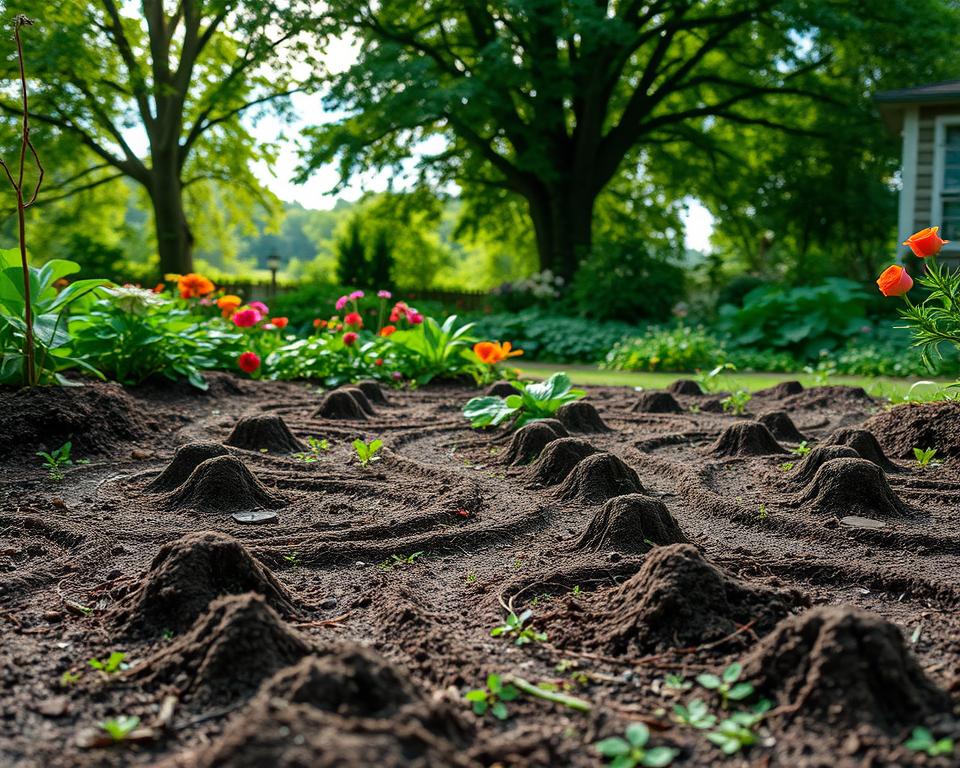
The presence of moles is often indicated by raised ridges or tunnels across your lawn, accompanied by molehills – small, volcano-shaped mounds of soil. These signs are characteristic of mole activity and distinguish it from damage caused by other garden pests. It’s essential to inspect your garden regularly for these signs, especially after rainfall, as moles are more active in moist soil conditions.
“Moles are solitary animals and primarily active during the day, though they can be active at any time,” notes a gardening expert. This highlights the importance of vigilance in monitoring your garden for signs of mole activity.
Mole Tunnels vs. Other Pest Damage
Distinguishing between mole tunnels and damage caused by other pests is crucial for effective control. Unlike voles and gophers, which feed on plant roots and bulbs, moles primarily cause structural damage to your lawn through their tunnelling activity. The tunnels created by moles are typically raised and can be seen as ridges in your lawn, whereas vole activity often results in surface runways without soil mounds. Understanding these differences is key to selecting the appropriate control method.
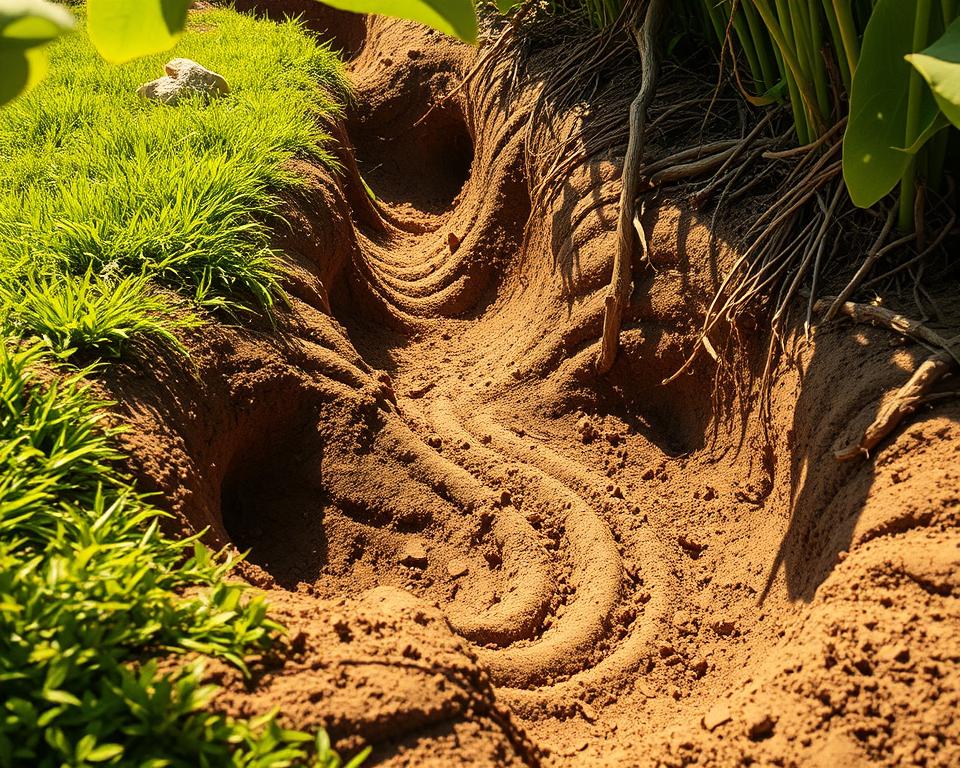
By accurately identifying the type of pest activity in your garden, you can choose the most effective method for control, ensuring the health and appearance of your lawns and gardens.
How Moles Affect Your Garden and Lawn
While often viewed as pests, moles can have both positive and negative effects on your garden ecosystem. Their activities can directly and indirectly impact your garden and lawn, making it essential to understand these effects to manage your garden effectively.
Direct and Indirect Damage
Moles can cause significant damage to your garden and lawn through their tunnelling activities. The tunnels they create can lead to uneven ground, potentially damaging lawn mowers and other gardening equipment. Moreover, their digging can disrupt plant roots, causing damage to your plants. Moles also consume soil-dwelling creatures, but in doing so, they can indirectly affect the soil’s ecosystem.
Their tunnelling can also lead to the creation of molehills, which are unsightly and can be challenging to remove. These molehills are formed from the soil excavated during tunnelling, and while they can be a nuisance, the soil itself can be repurposed as fine topsoil for garden beds.
Potential Benefits of Moles
Despite the damage they can cause, moles also provide some benefits to your garden. They consume large quantities of grubs and other pests that can harm your plants, potentially reducing the need for chemical pesticides. Their tunnelling activities can also aerate the soil, improving its structure and drainage. This natural aeration can be particularly beneficial in compacted soils, allowing air and water to penetrate more easily.
Furthermore, the presence of moles can indicate a healthy soil ecosystem with abundant soil life, which is generally positive for garden health. By understanding these benefits, you can make informed decisions about whether control measures are necessary, especially in less formal garden areas where some mole activity might be tolerable.
Natural Mole Repellents for Effective Control
You can effectively control moles using natural repellents that deter without harming. These methods are not only safer for your garden but also for other wildlife and pets.

Castor Oil Solutions
Castor oil is a popular natural repellent for moles. To use it, mix castor oil with water and dish soap, then spray it along the mole tunnels and surrounding areas. The smell and taste of castor oil are unpleasant for moles, encouraging them to leave your garden alone. This solution is safe for your garden and does not harm the moles.
To enhance the effectiveness, you can also add other natural deterrents like garlic or onion juice to the castor oil mixture. This concoction can be particularly potent in deterring moles.
Plant-Based Deterrents
Certain plants are known to repel moles due to their strong scents or roots that moles find unpleasant. Planting garlic, onion, or daffodils around the perimeter of your garden can help deter moles. These plants are not only effective but also add beauty to your garden.
Other plants like castor bean plants or mole plants (Euphorbia lathyris) are also known to repel moles. Incorporating these into your garden design can be a long-term solution to mole problems.
Scent and Sound Deterrents
Moles have a sensitive sense of smell and hearing, which can be exploited using various scent and sound deterrents. Ultrasonic devices that emit high-pitched noises can be effective, but be cautious if you have pets, as they can also hear these sounds.
Using wind chimes or spinning pinwheels can create vibrations that deter moles without the need for electronic devices. These methods can be used in combination with scent deterrents for maximum effectiveness.
Home Remedies to Get Rid of Moles
If you’re struggling with mole infestations, consider trying some of these home remedies to protect your garden. Moles can be a significant nuisance, causing damage to your lawn and garden beds. While they might not be directly harmful to plants, their tunnelling can disrupt root systems and create pathways for other pests.
Coffee Grounds and Pet Waste Method
One unconventional method to deter moles is by using coffee grounds or pet waste. Sprinkling these around the affected areas can help repel moles. The strong scent of coffee or the presence of pet waste makes the environment less appealing to them. However, it’s essential to note that this method might not be as effective for large infestations.
Garlic and Spicy Mixtures
Garlic and spicy mixtures can also serve as a deterrent. Mixing crushed garlic with hot peppers or using commercial repellents containing capsaicin can be effective. These mixtures are believed to irritate moles, encouraging them to leave the area. Apply these mixtures around the tunnels and burrows for the best results.
Vibration and Noise Techniques
Moles are sensitive to vibrations and noise. Using devices that create vibrations or noise, such as ultrasonic repellent devices or even simple DIY methods like inserting stakes with noise-making objects, can deter moles. These methods work by making the environment uncomfortable for the moles, prompting them to seek quieter areas.
Reducing Soil Moisture
Adjusting your watering practices can make your garden less hospitable to moles. Overwatering can attract earthworms and other insects, which are a food source for moles. By reducing the frequency of watering and increasing the depth, you can create drier surface soil conditions that discourage mole activity.
| Method | Description | Effectiveness |
|---|---|---|
| Coffee Grounds/Pet Waste | Repels moles with strong scent | Moderate |
| Garlic/Spicy Mixtures | Irritates moles, encouraging them to leave | High |
| Vibration/Noise | Makes environment uncomfortable | High |
| Reducing Soil Moisture | Decreases food source for moles | High |

By implementing these home remedies, you can effectively manage mole infestations in your garden. It’s crucial to be patient and persistent, as some methods may take time to show results. Combining multiple approaches may yield the best outcome in getting rid of moles.
Trapping Methods for Mole Control
Effective mole control often involves trapping, a method that requires careful consideration. Trapping is a direct approach to managing mole populations in your garden or yard.

Types of Mole Traps
There are primarily two types of mole traps: lethal and live-capture (humane) traps. Lethal traps kill the mole instantly, while live-capture traps hold the mole alive, allowing for relocation.
Live-capture traps are considered a more humane option, as they allow for the mole to be released unharmed. However, they require frequent checking to prevent unnecessary stress to the captured animal.
How to Set Traps Effectively
To set traps effectively, identify active mole tunnels by looking for freshly dug soil. Place the trap in the tunnel, ensuring it is triggered by the mole’s movement. It’s crucial to follow the manufacturer’s instructions for the specific trap you are using.
Humane Trapping Considerations
When using live-capture traps, it’s essential to check them frequently and humanely relocate the captured mole to a suitable location, far enough from your property to prevent re-infestation. In the UK, there are legal considerations regarding wildlife relocation that must be taken into account.
You should also consider minimizing the risk to non-target animals when setting traps, regardless of the type. This involves careful placement and possibly using guards or other protective measures.
Chemical and Commercial Solutions
Mole control often involves exploring various methods, including chemical and commercial solutions. While these can be effective, it’s crucial to consider their potential impact on pets, children, and the environment.
Commercial Repellents
Commercial mole repellents are available in various forms, including granules, sprays, and electronic devices. When using these products, it’s essential to follow the manufacturer’s instructions carefully to ensure effectiveness and minimize risks. For example, Mole-Out is a popular product that can be used to repel moles. To find the best product for your needs, you can search for “mole repellent products UK” online.
Safety Considerations for Pets and Children
When using chemical or commercial mole control products, safety should be your top priority, especially if you have pets or children who access the treated areas. Many of these products contain hazardous substances that can be harmful if ingested or if they come into contact with skin. Always read the product label carefully, and look for hazard symbols that indicate the level of risk. Store any chemical control products in a secure location out of reach of children and pets to prevent accidental ingestion.
For households with pets and children, it’s often safer to opt for physical barriers or natural deterrents instead of chemical repellents. If you do choose to use traps, consider using covered traps or restricting access to the treated areas to minimize risks.
Conclusion: Creating a Long-Term Mole Management Plan
A successful mole control strategy involves a combination of techniques, persistence, and an understanding of mole biology and behaviour. To effectively manage moles, it’s essential to employ a range of methods tailored to your garden or yard‘s specific needs.
Effective mole management often requires a seasonal approach, aligning with mole breeding cycles and activity patterns. By understanding these patterns, you can develop a customized plan based on your garden size, severity of infestation, and personal preferences regarding humane control.
Persistence and consistency are key in mole control efforts. It’s crucial to monitor for signs of renewed mole activity and respond quickly to prevent re-establishment of mole colonies. Incorporating preventative measures into your routine garden maintenance can reduce the likelihood of future mole problems.
While complete elimination of moles may not always be possible or necessary, effective management can minimize damage, allowing your garden and yard to thrive. Keeping mole behaviour and biology in mind will improve the effectiveness of your management approach, helping you to get rid of moles and maintain a healthy outdoor space.
FAQ
What attracts moles to my garden or lawn?
Moles are attracted to areas with an abundance of food, such as grubs, worms, and other invertebrates. They also prefer moist soil, which makes it easier for them to dig.
Are moles harmful to my pets or children?
Moles are generally not a threat to pets or children. However, their tunnels can be a tripping hazard, and their presence may attract other animals that could be a threat.
Can I use castor oil to repel moles from my garden?
Yes, castor oil is a natural repellent that can be used to deter moles. It can be applied to the affected areas or mixed with water to create a solution that can be sprayed around the perimeter.
How effective are traps in controlling mole populations?
Traps can be an effective way to control mole populations, but they require careful placement and setting. It’s essential to follow the manufacturer’s instructions and take necessary precautions to avoid harming other animals.
Will reducing soil moisture help deter moles?
Yes, reducing soil moisture can make your garden or lawn less appealing to moles. This can be achieved by improving drainage, avoiding overwatering, and using drought-tolerant plants.
Are there any commercial repellents available for mole control?
Yes, there are various commercial repellents available, including granules, sprays, and electronic devices. These products can be effective, but it’s crucial to follow the manufacturer’s instructions and take necessary safety precautions.
Can I use coffee grounds to repel moles?
Coffee grounds are sometimes used as a home remedy to repel moles, as they are believed to be unappealing to these animals. However, their effectiveness is largely anecdotal and may vary depending on the situation.