Should You Get Your Wooden Garden Building Dip Treated or Pressure Treated?
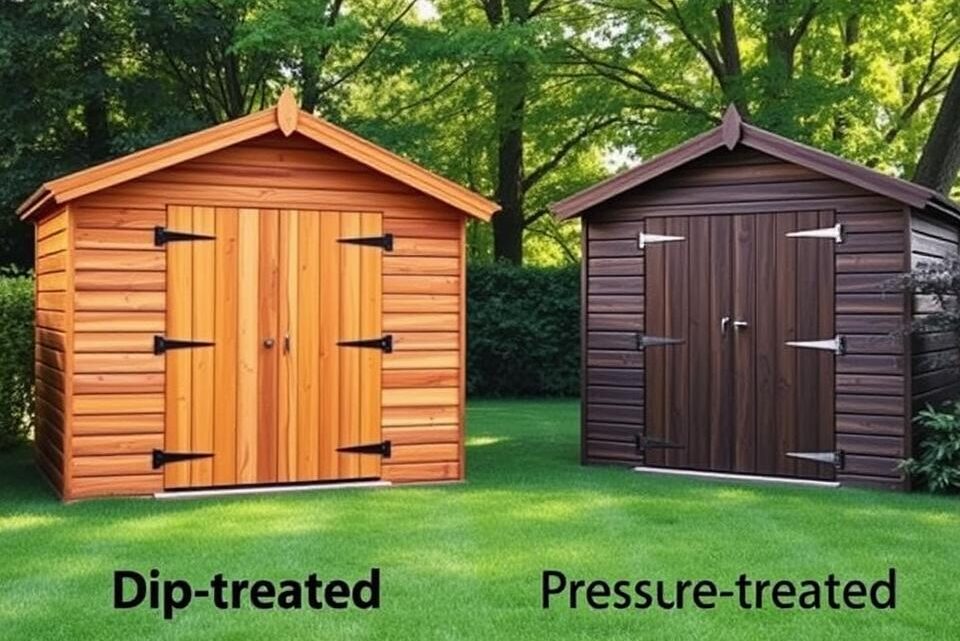
Selecting a new garden structure involves a crucial decision for many homeowners. This choice centres on the type of wood preservation method used. The two main options available are dip treatment and pressure treatment.
Understanding these methods is essential before making a purchase. The initial cost is affected, but so is the long-term value and durability of the structure. This decision directly influences future maintenance needs and how well the timber stands up to the elements.
In the UK, with its often damp and variable climate, this choice carries significant weight. Both treatment types are widely available, yet they cater to different requirements and budgets. Making an informed selection requires a clear grasp of the fundamental differences.
This article provides a comprehensive comparison. It will explore the processes, costs, durability, and practical aspects of each treatment. The goal is to equip readers with the knowledge needed to choose the best option for their garden project.
Inhaltsverzeichnis
Key Takeaways
- The treatment method significantly impacts a shed’s longevity and appearance.
- Initial investment is influenced by the choice of wood preservation.
- Long-term maintenance requirements vary between the two treatment types.
- Weather resistance is a key factor, especially in British climates.
- Understanding the core differences ensures a wise investment.
- Both options serve distinct needs and financial considerations.
Introduction to Wood Treatment Methods
The longevity of outdoor timber constructions hinges significantly on the protective methods employed. Without adequate preservation, natural deterioration occurs rapidly when exposed to British weather conditions.
Overview of Wood Treatment Methods
Timber becomes vulnerable to decay and insect damage over time. Two primary treatment types exist to combat these threats. Each method offers distinct levels of protection.
Rot caused by moisture and fungal growth represents one major concern. Wood-boring insects present another significant risk. Proper treatment addresses both challenges effectively.
The Importance of Proper Treatment
This preservation process extends far beyond cosmetic benefits. Structural integrity and long-term durability depend heavily on appropriate wood protection. The UK’s damp climate makes this consideration particularly vital.
Modern treatment options balance cost considerations with effectiveness. Understanding these differences helps homeowners make informed decisions. Proper selection aligns with both budget constraints and maintenance preferences.
Effective timber treatment represents a fundamental investment in any outdoor structure’s lifespan. It directly influences future upkeep requirements and overall value retention.
What is Dip Treated Wood?
The dip treatment method represents a straightforward approach to wood preservation. This technique provides basic protection for outdoor structures through a simple immersion process.
Process of Dip Treatment
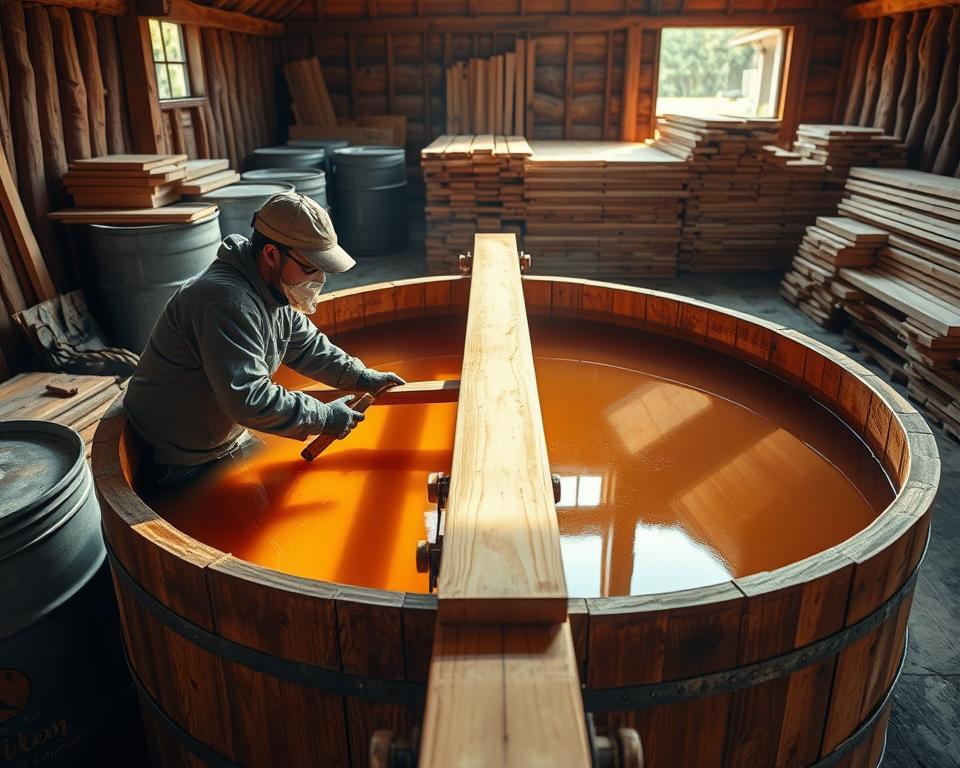
This preservation technique involves completely submerging timber panels into a chemical bath. The panels remain immersed for a specific duration, allowing the preservative to coat all external surfaces.
After thorough saturation, workers remove the panels from the treatment bath. They then leave the timber to dry naturally before assembly. This efficient process ensures complete surface coverage.
Cost Implications and Longevity
The speed of this method directly influences the final price. Dip treated products typically cost less than alternatives due to reduced labour requirements.
However, the protection remains primarily surface-level. The preservative does not penetrate deeply into the wood’s core. This limitation affects long-term performance.
Manufacturers often recommend annual re-treatment to maintain warranty coverage. The initial coating thins and fades relatively quickly when exposed to British weather conditions. Regular maintenance becomes essential for sustained protection.
What is Pressure Treated Wood?
Unlike surface-level treatments, pressure treatment ensures comprehensive protection throughout the wood’s structure. This industrial process, officially termed vacuum pressure impregnation, represents a significant advancement in timber preservation technology.

Process of Pressure Treatment
The multi-stage process begins with thorough drying using airflow or kiln methods. This crucial step removes natural moisture content, preparing the timber for optimal treatment absorption.
Workers then place dried wood into specialised pressure treatment tanks. A vacuum extracts air from the timber’s cellular structure, creating negative pressure. The tank floods with wood preservative liquid, forcing it deep into the grain through pressure differentials.
After complete saturation, another vacuum extracts excess fluid. This leaves the timber thoroughly impregnated with protective chemicals. The entire process pressure ensures deep penetration for maximum durability.
Long-term Durability Benefits
Pressure treated products offer exceptional resistance to moisture and decay. The preservative deep within the wood fibres provides comprehensive protection that lasts for many years.
New pressure treated wood displays a distinctive green tinge from the chemicals used. This naturally fades to an attractive honey brown colour over time. Most manufacturers provide extended guarantees of up to 15 years, reflecting the method’s proven longevity.
Should You Get Your Wooden Garden Building Dip Treated or Pressure Treated?
The decision between two primary timber preservation methods often comes down to a fundamental question of priorities. Homeowners must weigh immediate financial outlay against long-term performance and upkeep.

Initial cost is a significant factor. One option presents a lower upfront price, making it attractive for tight budgets. The alternative involves a higher initial investment but offers greater durability.
Typical UK weather, with its heavy rain and humidity, tests any outdoor structure. Pressure treated sheds demonstrate superior resistance to these conditions. The protective chemicals penetrate deep into the wood fibres.
Maintenance requirements differ considerably. One approach needs annual re-treatment to maintain its protective layer. This task consumes time that many find scarce.
Pressure treated timber provides comprehensive defence, including the vulnerable end grains. This results in a shed built to last for many years with minimal intervention. The total cost of ownership over time can be more favourable for this robust option.
Ultimately, the choice reflects personal circumstances. Budget constraints and willingness to perform regular upkeep guide the selection. Both methods have their place, serving different needs effectively.
Advantages and Disadvantages of Dip Treated Sheds
Dip treated sheds present a budget-friendly entry point into garden storage solutions. They offer distinct benefits alongside specific considerations that influence long-term performance.
Understanding these factors helps homeowners align their choice with practical needs and maintenance willingness.
Pros of Dip Treatment
The most significant advantage is the significantly lower purchase price. This makes a treated shed accessible for those with limited budgets or temporary requirements.
Many models are readily available in various configurations. For example, the Hartwood 4′ x 6′ overlap apex sheds offer an affordable option in a compact size.
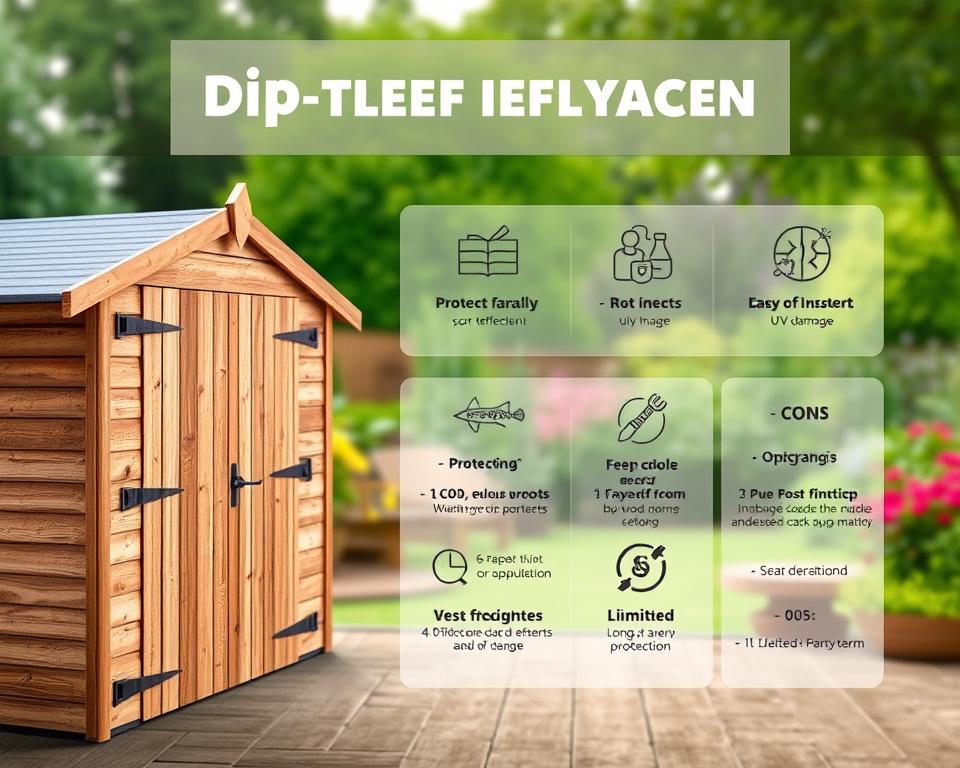
Another benefit is the flexibility for customisation. After installation, owners can apply a wood preservative in a chosen colour. This allows the product to blend seamlessly with garden aesthetics.
Cons and Maintenance Tips
The primary drawback is limited durability. This type of shed is more vulnerable to rot and decay compared to alternatives.
Substantial upkeep is essential. Manufacturers typically recommend re-treatment every year to maintain protective properties. Neglecting this maintenance accelerates wear.
A potential issue involves staining. If the initial treatment is not fully dry, it can mark surrounding surfaces. Proper installation is also critical.
The structure must be elevated on a solid base. This prevents ground moisture and water from compromising the timber’s base, which severely weakens the entire shed.
Benefits and Considerations of Pressure Treated Sheds
Investing in a pressure treated shed represents a commitment to long-term garden structure quality. These products offer distinct advantages that justify their position in the market.

Key Benefits
The exceptional durability of pressure treated timber provides comprehensive protection against British weather conditions. Deep preservative penetration creates resistance to rot and decay throughout the wood’s structure.
Maintenance requirements remain minimal for years after installation. The preservative driven deep into the timber eliminates immediate concerns about additional treatment. This approach suits all weather exposures throughout the UK.
Aesthetic flexibility represents another advantage. Pressure treated timber accepts paint and coloured stains readily. Homeowners can easily match these sheds to existing garden designs.
Installation Considerations
Practical examples like the Hartwood 3′ by 6′ windowless overlap pressure-treated pent wall shed demonstrate available configurations. These products suit spaces against property walls perfectly.
While the initial investment exceeds dip treated alternatives, the long-term value proposition remains compelling. Some manufacturers exclusively use pressure treated timber due to superior appearance and reduced maintenance frequency.
Additional treatment every two to three years can provide ultimate protection for those seeking maximum longevity. This optional step enhances an already robust defence system against the elements.
Impact of Treatment on Maintenance and Longevity
Maintenance schedules and long-term performance vary dramatically based on the initial wood treatment selection. The commitment to future upkeep becomes a defining factor in the overall ownership experience.
Annual Maintenance Requirements
Timber with surface-level preservation demands yearly re-application of protective coatings. This regular maintenance involves significant time investment and product costs. The process requires thorough application to maintain warranty compliance.
In contrast, timber with deep impregnation needs minimal intervention for many years. The preservative penetration ensures core protection remains intact despite surface weathering. This approach saves considerable effort over time.
Expected Lifespan and Weather Resistance
Surface-treated structures typically endure 5-10 years with diligent care. Regular re-treatment every 1-2 years is essential for optimal rot protection. UK weather conditions quickly degrade the thin protective layer.
Deeply impregnated timber can last 20 years or more with proper installation. The comprehensive protection resists water damage and fungal growth effectively. Extended guarantees of up to 15 years reflect this proven durability.
Both types require elevation on solid bases to prevent ground moisture ingress. Any cut ends on pressure-treated products need immediate sealing to maintain complete protection.
Factors to Consider When Choosing Timber Treatment
The selection process for timber treatments involves balancing financial constraints against long-term performance expectations. Several practical elements guide this important decision for outdoor structures.
Budget Considerations
Financial planning represents a primary concern for most homeowners. The initial price difference between various treated sheds can be substantial. Pressure treated timber typically commands a higher upfront cost than alternative methods.
However, calculating the total cost of ownership provides a more accurate picture. This includes maintenance products and time investment over the structure’s lifespan. Shopping around often reveals competitive pricing for quality products.
Weather and Environmental Factors
UK climate conditions significantly influence treatment selection. Regions with high rainfall or coastal exposure demand robust protection. Pressure treated sheds offer superior resistance to these challenging environments.
The intended purpose and expected lifespan also guide the decision. Temporary storage solutions may justify more economical options. Permanent garden buildings benefit from comprehensive timber protection.
| Consideration Factor | Dip Treatment | Pressure Treatment |
|---|---|---|
| Initial Cost | Lower investment | Higher premium |
| Maintenance Frequency | Annual applications needed | Minimal for many years |
| Weather Resistance | Basic protection level | Comprehensive defence |
| Expected Lifespan | 5-10 years with care | 15+ years durability |
| Suitable Applications | Temporary structures | Permanent installations |
Both treatment types serve valid purposes depending on individual circumstances. Realistic assessment of maintenance commitment ensures the right choice. Garden aesthetics and integration requirements may also influence the final decision.
Conclusion
Choosing between timber preservation methods ultimately balances initial cost against long-term performance. The key distinction is clear: one option offers affordability with higher maintenance demands, while the other provides superior longevity with minimal upkeep.
For homeowners seeking lasting value and resilience, pressure treated timber represents the optimal choice. These products withstand challenging weather conditions with exceptional resistance to decay. This robust performance significantly reduces the maintenance burden over many years.
Budget-conscious buyers may find value in alternative methods for temporary needs. Yet, the total cost of ownership often favours pressure treated sheds when factoring in upkeep time and materials.
Careful assessment of priorities—budget, maintenance willingness, and longevity expectations—guides the final decision. For a robust, low-maintenance garden building, pressure treated sheds offer a superior solution.
FAQ
What is the fundamental difference between dip treated and pressure treated timber?
The core distinction lies in the depth of preservative penetration. Dip treatment involves briefly immersing timber in a preservative bath, resulting in a surface-level coating. Pressure treatment forces the wood preservative deep into the timber’s cellular structure using a vacuum-pressure chamber, offering far more robust protection against rot and insect attack.
How does the price of a dip treated shed compare to a pressure treated one?
Dip treated sheds are generally more affordable upfront. The simpler process makes them a budget-friendly option. Pressure treated sheds command a higher initial price due to the complex equipment and longer treatment time involved, but this cost is often offset by their superior longevity and reduced maintenance needs.
Which type of treatment offers better protection against decay and weathering?
Pressure treated timber provides significantly better protection. The preservative is embedded deep within the wood, creating a long-lasting barrier against moisture, fungal decay, and wood-boring insects. Dip treatment offers only superficial protection that can diminish over time, especially on cut ends or areas of high wear.
Are there different types of wood preservative used in these processes?
Yes, various preservative products are available for both methods. Pressure treatment often uses more potent, long-lasting formulations that are designed to bond with the wood fibres. The specific product used can influence the final colour of the timber and its level of environmental friendliness.
Does the size or design of a garden building influence the choice of treatment?
Absolutely. For smaller structures like compact apex sheds with less ground contact, a dip treated option might suffice with diligent maintenance. Larger buildings, or those in damp, shaded areas, benefit greatly from the enhanced durability of pressure treated timber, which better handles the increased stress and moisture exposure.
What are the annual maintenance implications for each treatment type?
Dip treated sheds require more frequent upkeep. Reapplying a wood preservative or stain every year or two is typically necessary to maintain protection. Pressure treated sheds need far less intervention; a simple clean and inspection annually is often enough, with re-treatment only recommended after many years.