
Build a Birdhouse/Nesting Box Yourself – Simple DIY Instructions
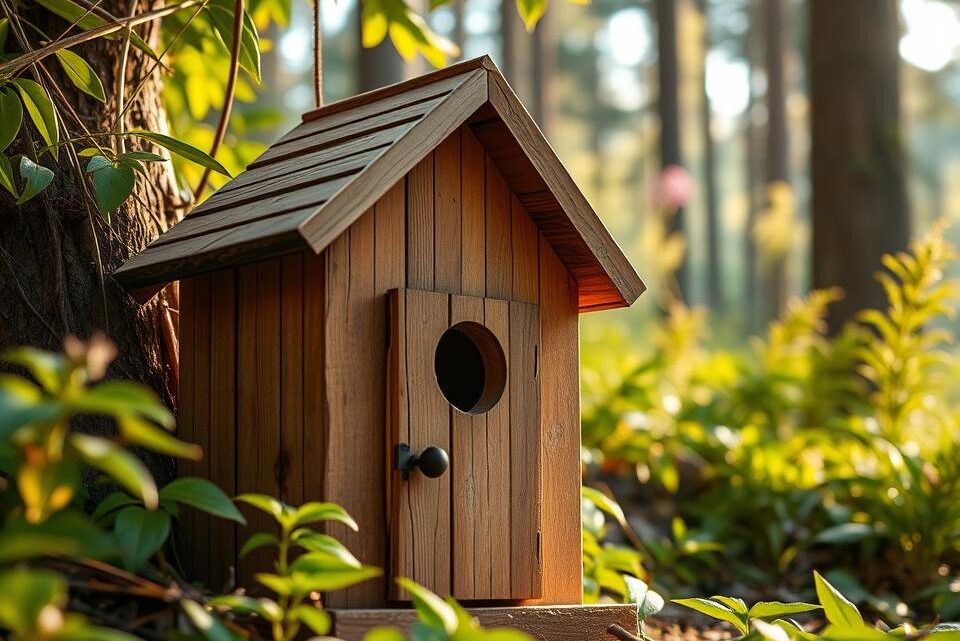
Creating a haven for birds in your garden can be a rewarding experience, especially in urban areas where natural habitats are limited. By building a birdhouse or nesting box, you can provide birds with a safe place to nest and lay eggs.
This comprehensive guide will walk you through the process, highlighting the benefits for local wildlife and the difference it can make to bird populations. You’ll learn about selecting the right materials and understanding the design requirements for various bird species.
Inhaltsverzeichnis
Key Takeaways
- Creating a birdhouse or nesting box is a simple DIY project that requires minimal specialist equipment.
- This project can be completed in 1-2 hours and is suitable for beginners with basic DIY skills.
- By building your own birdhouse, you can create a safe and durable home for birds in your garden.
- This project is not only rewarding but also cost-effective compared to purchasing pre-made options.
- Attracting birds to your garden can enhance your outdoor space and support local wildlife.
Why Building Your Own Birdhouse Benefits Garden Wildlife
Making a birdhouse is a simple yet effective way to support garden wildlife, especially in urban areas where natural habitats are scarce. In many urban areas, the lack of natural nesting sites poses a significant challenge for birds looking to breed undisturbed.
The Importance of Nesting Boxes in Urban Areas
Nesting boxes play a crucial role in urban environments where development has reduced natural habitats. Urban development has significantly reduced natural nesting sites for many bird species, making artificial nesting boxes increasingly important for their survival.
How Birdhouses Support Local Bird Populations
Birdhouses provide a safe haven for birds to raise their young, directly contributing to local biodiversity conservation efforts. By installing a nesting box in your garden, you create a vital stepping stone between larger green spaces, helping to maintain connected bird populations across fragmented habitats.
| Benefits of Birdhouses | Description |
|---|---|
| Supports Local Biodiversity | By providing a safe place for birds to breed, you’re enhancing local biodiversity. |
| Compensates for Lost Habitats | Artificial nesting boxes make up for the natural habitats lost due to urban development. |
| Attracts Various Species | Different bird species have specific nesting requirements, and appropriate boxes can attract particular species. |
By building and installing a birdhouse, you’re not only supporting local bird populations but also creating an opportunity to observe and connect with nature. Birds that successfully breed in your garden are likely to return year after year, creating a lasting positive impact on local wildlife.
Essential Materials and Tools for Your DIY Birdhouse
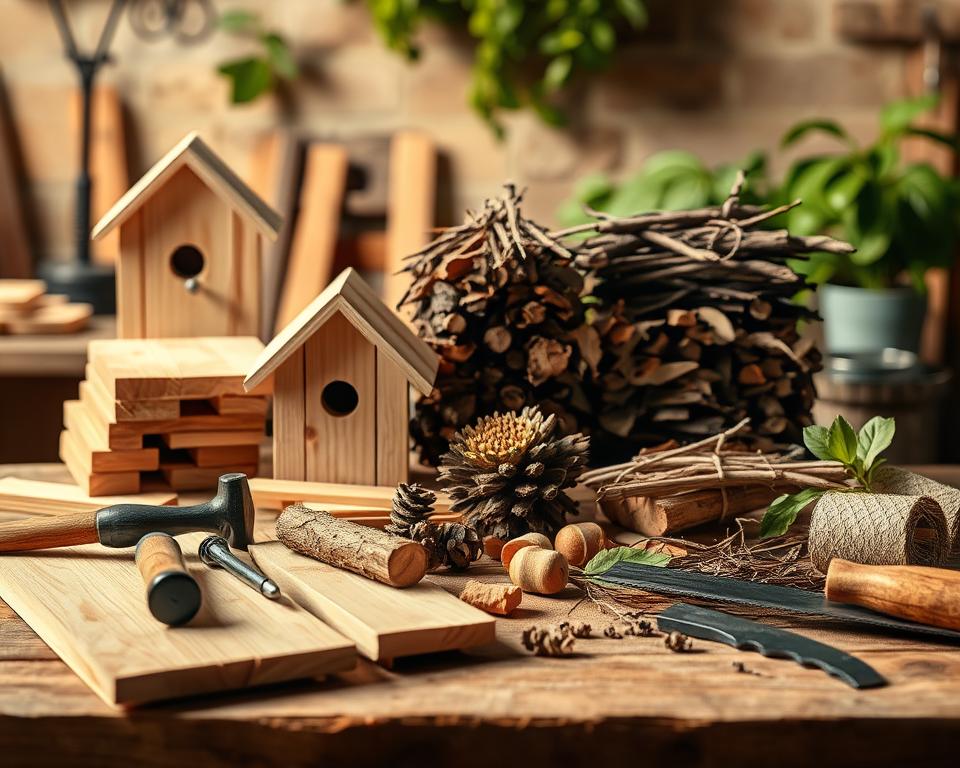
The success of your DIY birdhouse project depends on choosing the right materials and tools. The type of wood you select is crucial for the durability and safety of the birdhouse.
Choosing the Right Wood for Bird Safety
For a birdhouse, it’s best to use untreated softwood that’s at least 15mm thick. Softwoods like pine and cedar are ideal due to their natural resistance to weather and ease of cutting. Hardwoods like oak are also durable but may warp with moisture changes.
Basic Tools You’ll Need
You’ll require basic tools such as a saw, hammer, drill with appropriate bits, measuring tape, and sandpaper. A piece of timber around 1 metre long, 150mm wide, and 12mm thick will be sufficient for the project.
Optional Supplies for Enhanced Durability
To enhance the durability of your birdhouse, consider using waterproof glue, linseed oil for exterior treatment, and metal plates to protect against predators. These optional supplies can significantly extend the life of your bird box.
| Material/Tool | Description | Importance |
|---|---|---|
| Untreated Softwood | At least 15mm thick for insulation and durability | High |
| Saw | For cutting wood to required dimensions | Essential |
| Drill | For making entrance holes and mounting holes | Essential |
| Waterproof Glue | For assembling and sealing the birdhouse | High |
| Linseed Oil | For exterior treatment to enhance durability | Optional |
Understanding Different Birdhouse Designs
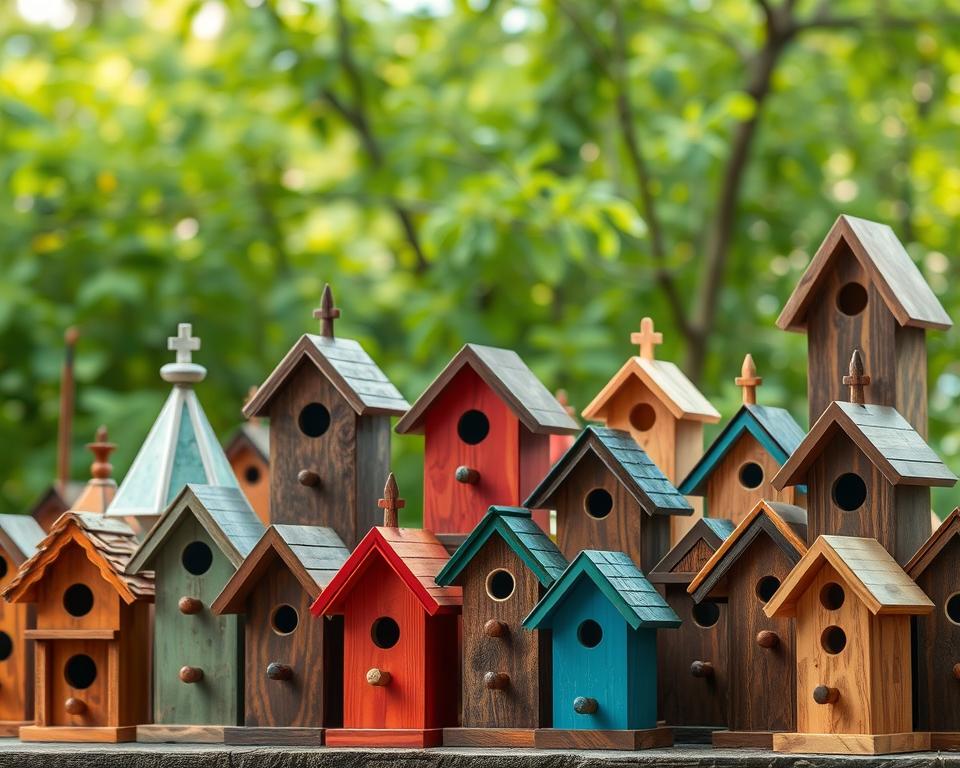
Birdhouse designs vary significantly, catering to different bird species and their unique nesting preferences. The right design can make a substantial difference in attracting the birds you wish to support.
Hole-Fronted Boxes for Tits and Sparrows
Hole-fronted boxes are ideal for tits and sparrows. The size of the entrance hole is crucial, as it determines which species can use the box. For instance, a hole diameter of 25mm is suitable for blue tits and coal tits.
Open-Fronted Designs for Robins and Flycatchers
Open-fronted designs, on the other hand, are preferred by robins and flycatchers. These boxes typically have a reduced front wall, creating a shallow shelf that suits the nesting preferences of these birds.
Entrance Hole Sizes for Different Bird Species
The diameter of the entrance hole is key to attracting specific species. Here is a summary table:
| Bird Species | Entrance Hole Diameter (mm) |
|---|---|
| Blue Tit, Coal Tit, Marsh Tit | 25 |
| Great Tit, Tree Sparrow | 28 |
| House Sparrow, Nuthatch | 32 |
By choosing the correct entrance hole size, you can attract the desired bird species to your garden, supporting local biodiversity.
Build a Birdhouse/Nesting Box Yourself – Step-by-Step Instructions
By following these step-by-step instructions, you can create a birdhouse or nesting box that will provide a safe haven for birds in your garden. This DIY project requires some basic carpentry skills and materials, but the end result is well worth the effort.
Measuring and Cutting the Wood
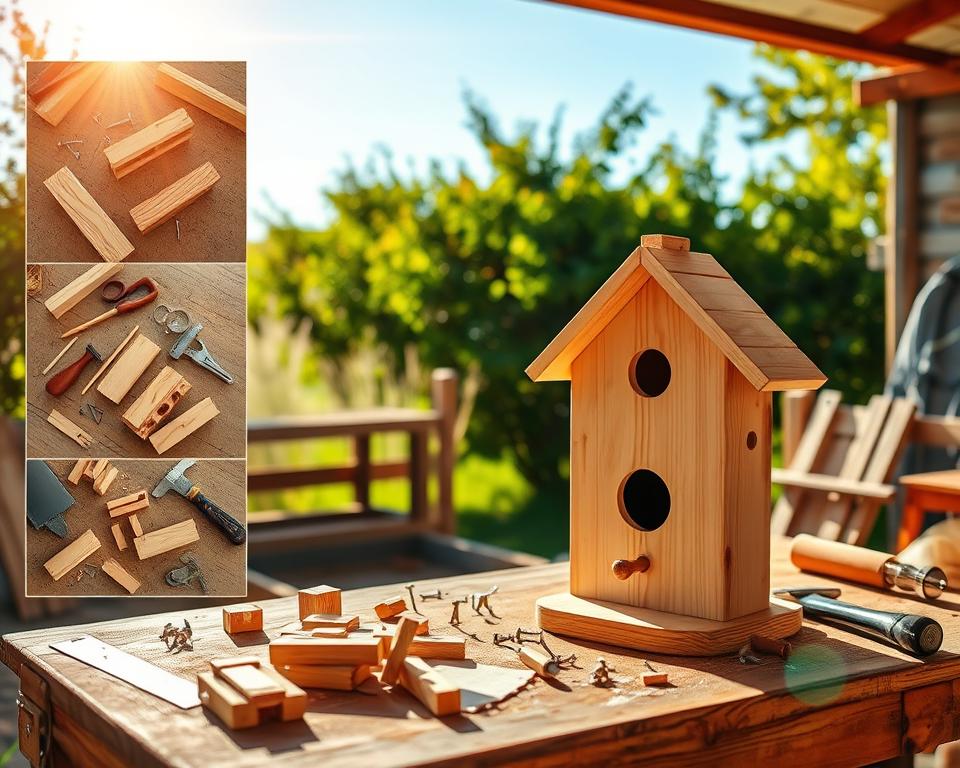
Begin by measuring and marking your timber pieces according to the standard dimensions. You will need a back panel of 25cm height x 15cm width, two side panels at 25cm height x 15cm depth (with one edge angled for the roof slope), a front panel of 20cm height x 15cm width, a base of 12cm x 12cm, and a roof piece slightly larger than the box footprint. When cutting the wood, ensure one clean angled cut on the top of both side pieces to create a slope for the roof, allowing rainwater to run off effectively.
Assembling the Basic Box Structure
For the assembly step, first attach one side panel to the back piece using wood glue and nails or screws, ensuring the angled top edge is positioned correctly for the roof slope. Next, attach the base to the back and side, followed by the front panel (with pre-drilled entrance hole if using a hole-fronted design), and finally the second side panel. Throughout the assembly process, check that corners are square and use wood glue at all joints before securing with nails for maximum durability.
Creating and Fitting the Roof
Create a slight overhang when fitting the roof to protect the entrance from rain; secure it with hinges at the back for easy cleaning access or simply nail it in place if preferred. Sand any rough edges that might injure birds or cause splinters during handling and maintenance. By following these steps, you will have a sturdy bird box ready to be installed in your garden.
Adding Essential Features to Your Birdhouse
When building a birdhouse, it’s crucial to include features that enhance bird safety and comfort. These features not only make the birdhouse more attractive to birds but also ensure their well-being.
Creating the Perfect Entrance Hole
The entrance hole should be drilled using an appropriately sized bit (25-32mm depending on the target species) and positioned at least 125mm above the base. This prevents predators from reaching in and nestlings from falling out. Ensure the entrance hole has smooth edges by sanding thoroughly to prevent damage to birds’ feathers.
Installing Drainage and Ventilation
To prevent water accumulation, install small drainage holes in the base by drilling 5-6mm holes in each corner. Create subtle ventilation by adding small gaps (no more than 5mm) between the roof and the top of the back panel, allowing air circulation without creating drafts.
Making Your Birdhouse Accessible for Cleaning
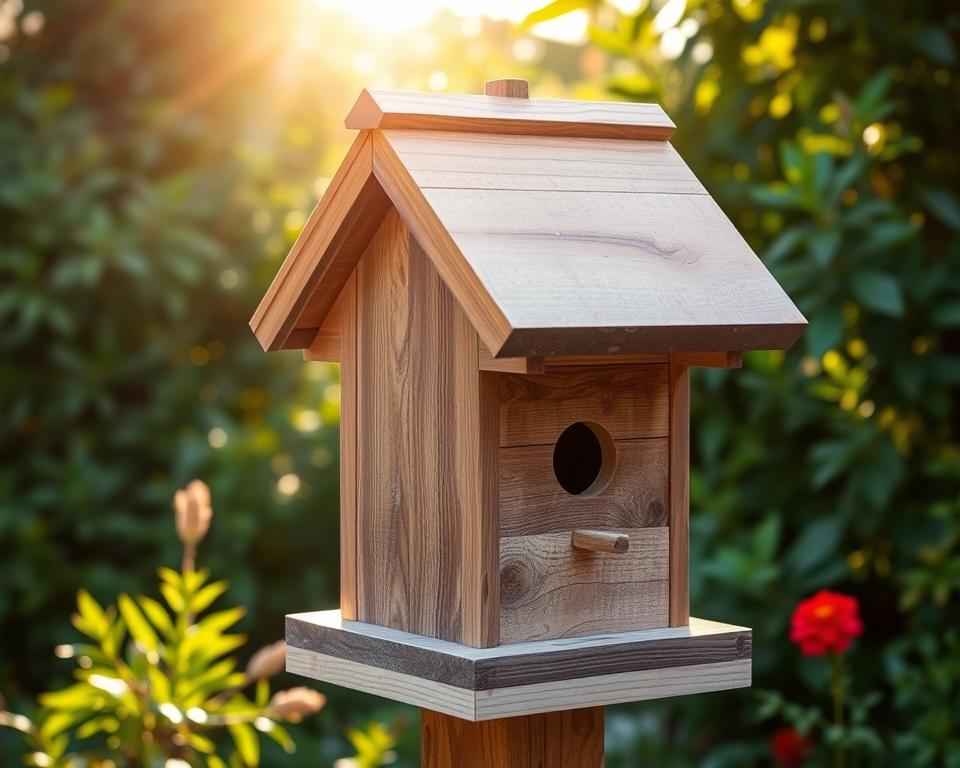 make sure the roof is hinged or fixed in such a way that it can be opened fully. Attach a waterproof hinge to the roof of the box, so it can be lifted easily but won’t fall off.
Avoid adding perches beneath the entrance hole as these provide footholds for predators. Consider adding a metal plate around the entrance hole if squirrels or woodpeckers are common in your area.
Finishing and Weatherproofing Your Birdhouse
A well-finished and weatherproofed birdhouse is vital for providing a safe haven for birds. To achieve this, you need to focus on protecting the bird box from the elements while ensuring the interior remains safe for its occupants.
Safe Treatments for Exterior Protection
When it comes to weatherproofing the exterior of your bird box, you must use treatments that are safe for the birds. Linseed oil is an excellent natural choice for treating the exterior wood, providing water resistance while remaining completely safe for birds. Apply it only to the outside surfaces and allow it to dry completely before installation. You can also use wildlife-safe wood preservatives available in the market.

Why You Should Never Treat the Interior
It’s crucial to never treat the interior of the box with any preservatives or paints, as birds are extremely sensitive to chemicals and fumes that could harm eggs and nestlings. Make sure all joints are well-sealed against rain by applying additional wood glue to cracks and seams, particularly where the roof meets the back panel. This will help keep the nest dry and safe over time.
By following these guidelines, you can create a durable and safe bird box that will provide a welcoming home for birds.
Optimal Placement of Your Birdhouse
Where you place your birdhouse can significantly impact its usage. The right location will attract birds and provide them with a safe nesting environment.
Height and Location Considerations
Position your birdhouse at a height of at least 2-3 metres above the ground to protect it from predators like cats and foxes. Choose a location that faces between north and east to avoid direct sunlight and prevailing winds.
Protection from Predators and Weather
Ensure there’s a clear flight path to the entrance hole without obstructing branches. Different species have specific preferences; for example, tits prefer woodland edges or garden trees, while house sparrows favour building eaves.
Creating an Attractive Habitat Around Your Birdhouse
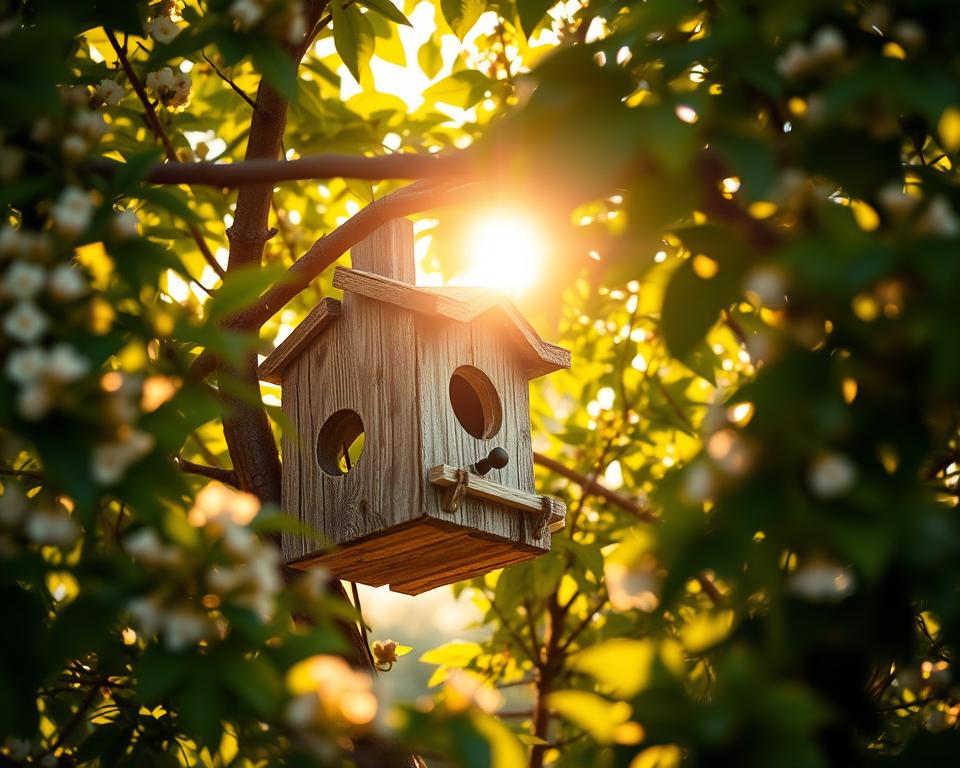 trees that provide natural food sources. Avoid placing bird boxes near bird feeders or bird baths to maintain privacy for nesting birds.
Seasonal Maintenance for Long-lasting Birdhouses
Maintaining your birdhouse seasonally is key to its longevity and the well-being of its occupants. As the seasons change, so do the needs of your birdhouse.
When and How to Clean Your Birdhouse
Clean your birdhouse annually after the breeding season has ended, typically in late autumn (September-October). Always wear gloves when cleaning to protect yourself from parasites like mites and fleas that may be present in old nesting material.
- Remove the roof or access panel and carefully extract all old nesting material.
- Dispose of old nests in sealed bags with household waste or burn them to prevent parasite spread.
- Clean the interior by brushing thoroughly with a stiff brush, then rinse with boiling water.
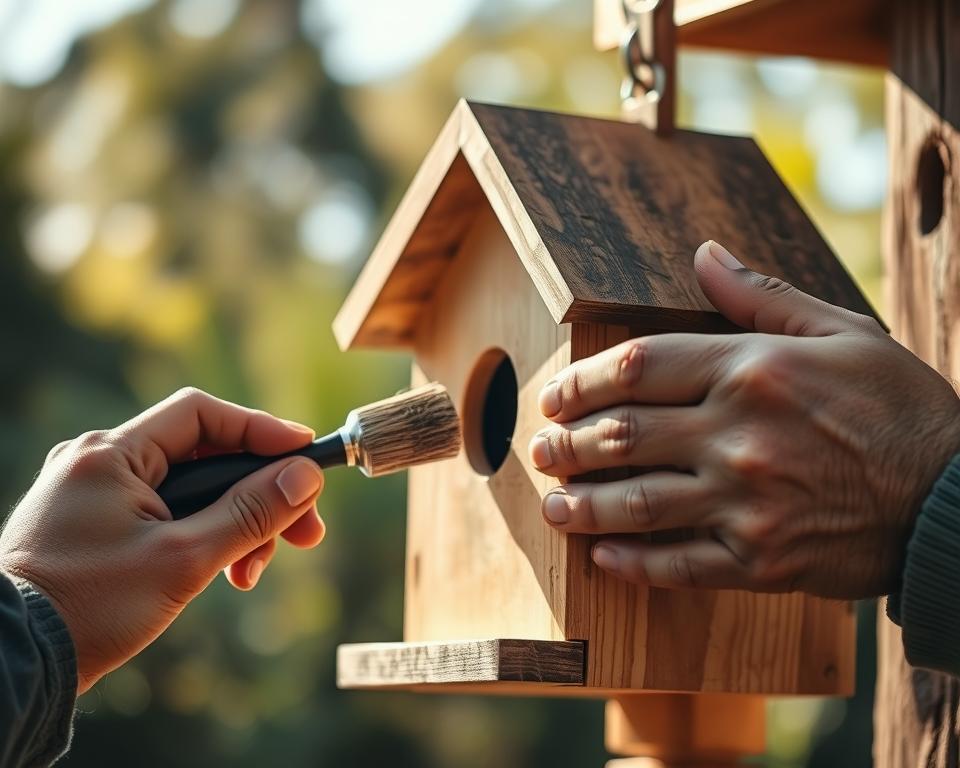
Checking for Damage and Making Repairs
While cleaning, inspect the bird box for signs of damage such as cracks, loose joints, or water ingress. Make necessary repairs before the next breeding season.
| Inspection Item | Action Required |
|---|---|
| Drainage holes | Clear blockages |
| Entrance hole | Repair or replace if enlarged |
| Fixings on trees | Loosen and readjust annually |
By following these steps, you can ensure your bird box remains safe and secure for birds to nest.
Conclusion: Enjoying the Rewards of Your Handmade Birdhouse
As you complete your birdhouse, you’re not just finishing a DIY project, you’re creating a haven for local birds. Your handmade bird box will soon become a nesting site for various species, enhancing your garden‘s ecosystem. Once occupied, you’ll observe fascinating breeding behaviours. Keep a record of the birds that use your box each year. You’ve made a difference in bird conservation, and that’s something to be proud of over time.
What type of wood is best for making a birdhouse?
You should choose untreated timber, such as cedar or pine, as it is durable and safe for the birds. Avoid using pressure-treated wood or wood with knots that may harbour insects.
How do I protect my birdhouse from predators?
To safeguard your birdhouse, ensure the entrance hole is the correct size for the desired species, and consider adding a predator guard or recessed entrance to deter larger birds and animals.
What is the ideal height for installing a birdhouse?
The height at which you install your birdhouse depends on the species you’re trying to attract. Generally, it’s recommended to place birdhouses between 1.5 to 3 metres above the ground to protect them from predators and ensure easy access.
How often should I clean my birdhouse?
You should clean your birdhouse at the end of each breeding season to remove any debris and parasites that may have accumulated. This will help maintain a healthy environment for the birds.
Can I use nails to assemble my birdhouse?
Yes, you can use nails to assemble your birdhouse, but make sure they are rust-resistant to withstand the elements. Using screws can also be a good alternative as they provide extra durability.
What size should the entrance hole be for blue tits?
For blue tits, the entrance hole should be approximately 25-30mm in diameter. This size allows them to enter comfortably while keeping larger birds and predators out.
How can I ensure my birdhouse is well-ventilated?
To ensure good ventilation, you can drill a few small holes in the floor or sides of the birdhouse. This helps regulate the internal temperature and prevents moisture buildup.
Can I paint or stain my birdhouse?
You can use a water-based paint or stain to protect your birdhouse from the elements, but avoid using chemical-based treatments or bright colours that may attract predators or deter birds.

