Evergreen shrubs – hardy and non-toxic

When it comes to creating a beautiful and resilient garden, evergreen shrubs are a must-have. These plants keep their leaves all year round, providing a welcome splash of colour and texture, even in the dead of winter. Their fresh green foliage and distinctive shapes stop the garden looking bare, making them an essential element in any British garden.
Selecting non-toxic varieties is particularly important for family gardens, especially for households with children and pets. These hardy plants not only bring structure and visual interest to your garden throughout the year, but they also act as a foil to more showy plants, such as summer-flowering perennials or shrubs that have lovely autumn colour.
Inhaltsverzeichnis
Key Takeaways
- Choose non-toxic evergreen shrubs to ensure a safe garden environment for children and pets.
- Evergreen shrubs provide year-round structure and visual interest in your garden.
- They act as a beautiful backdrop to more seasonal flowering plants.
- Hardy evergreen shrubs are resilient to challenging UK weather conditions.
- These versatile plants can be used in various garden settings, from formal hedging to informal mixed borders.
The Year-Round Appeal of Evergreen Shrubs
Evergreen shrubs are a vital component of any garden, providing structure and visual interest throughout the year. These shrubs maintain their foliage year-round, offering a constant presence in the garden landscape. This characteristic makes them invaluable for creating a cohesive garden design that remains appealing even during the winter months.
Why Evergreens Are Essential for Garden Structure
Evergreen shrubs play a crucial role in maintaining garden structure, particularly during winter when deciduous plants are dormant. They provide a framework that holds the garden together through all seasons. By incorporating evergreens into your garden, you can create a sense of continuity and cohesion. The diverse range of foliage colours and textures available beyond traditional green, including variegated, gold, blue, and silver options, adds depth and visual interest to the garden.
| Foliage Colour | Texture | Garden Use |
|---|---|---|
| Variegated | Glossy | Accent Plant |
| Gold | Soft | Border Plant |
| Silver | Fine | Background Plant |
The Benefits of Non-Toxic Options for Family Gardens
When selecting evergreen shrubs for family gardens, it’s essential to choose non-toxic varieties to ensure safety for children and pets. Many evergreen shrubs are safe and can be used in gardens where families spend time together. Opting for non-toxic evergreen shrubs allows you to create a beautiful and safe outdoor space. Some popular non-toxic evergreen shrubs include Japanese Holly (Ilex crenata) and Fatsia Japonica, which are both safe choices for family gardens.
Choosing the Right Evergreen Shrubs for Your Garden
The key to a beautiful and thriving garden lies in selecting the right evergreen shrubs that suit your garden’s unique conditions. To make an informed decision, you need to assess your garden’s conditions carefully.
Assessing Your Garden Conditions
Understanding your garden’s microclimate is vital, especially in the variable British climate. You should consider factors such as soil type, pH levels, sun exposure, and moisture levels to choose the most suitable evergreen shrubs.
Considering Size and Growth Habits
It’s essential to consider the mature size and growth habits of different shrubs to ensure they remain in proportion to your garden space over time. Both vertical and horizontal spread should be taken into account when planning garden layouts.
Planting Seasons and Techniques
In the UK, spring or autumn is the best time to plant evergreen shrubs. Proper planting techniques, such as preparing the soil with appropriate amendments and ensuring adequate watering, will encourage strong root development and healthy growth.
| Planting Season | Soil Preparation | Watering Needs |
|---|---|---|
| Spring/Autumn | High-nitrogen feed for poor soil | Plenty of water in spring/summer |

Evergreen Shrubs – Hardy and Non-Toxic Varieties for UK Gardens
When selecting evergreen shrubs for your UK garden, it’s crucial to choose varieties that are both hardy and non-toxic. The British climate can be quite challenging, with cold winters and wet summers, making it essential to pick shrubs that can withstand these conditions.
What Makes a Shrub “Hardy” in British Climate
A hardy shrub in the British climate refers to its ability to withstand the local weather conditions, including cold temperatures, wind, and wet soils. The UK is divided into hardiness zones, which help gardeners determine which plants are likely to thrive in their area. Evergreen shrubs that are considered hardy in the UK are those that can survive temperatures below freezing and continue to grow healthily.

Identifying Pet and Child-Safe Options
To ensure your garden is safe for both children and pets, it’s vital to select non-toxic evergreen shrubs. Some plants can be harmful if ingested, so it’s crucial to research the toxicity of any plant before introducing it to your garden. You can use reliable sources and databases specific to the UK to check the toxicity of various plants. By choosing non-toxic varieties, you can enjoy a beautiful garden while keeping your family and pets safe.
Some key considerations when selecting evergreen shrubs include their ability to withstand wet winters, resistance to wind, and overall resilience to changing climate conditions. By balancing hardiness with ornamental value, you can create a stunning and safe garden for years to come.
Box (Buxus sempervirens) – The Classic Choice

For centuries, Box (Buxus sempervirens) has been a staple in British garden design, cherished for its versatility and timeless appeal. Its dense, evergreen foliage makes it an ideal choice for topiary and hedging.
Growing Requirements and Maintenance
To thrive, Box requires well-drained soil and partial shade to full sun. Regular pruning is essential to maintain its shape and promote healthy growth. It’s also crucial to monitor for signs of box blight and box tree caterpillar, which can significantly damage the plant.
Alternatives to Traditional Box
For those concerned about the challenges associated with Box, alternatives like Lonicera or Yew offer similar aesthetic qualities without the susceptibility to pests and diseases. These shrubs can provide a comparable level of formality and structure to the garden.
Box is non-toxic and safe for gardens where children and pets are present. Its evergreen shrub nature ensures year-round interest, and it can be incorporated into various garden styles, from formal to cottage gardens. Moreover, Box provides valuable shelter for wildlife, contributing to the garden’s ecosystem.
Japanese Holly (Ilex crenata) – A Versatile Evergreen

If you’re looking for a hardy, non-toxic evergreen shrub, consider Japanese Holly (Ilex crenata) for your garden. This versatile shrub is an excellent alternative to traditional Box and is well-suited to British gardens.
Cultivation Tips for British Gardens
To cultivate Japanese Holly successfully, ensure it is planted in well-draining soil and partial shade to full sun. Water regularly during its first year, but avoid overwatering, which can lead to root rot. Japanese Holly is relatively low maintenance and can thrive in a variety of conditions, making it an ideal choice for many gardeners.
Decorative Uses in the Landscape
Japanese Holly can be used in various landscape designs, from formal gardens to more naturalistic settings. Its attractive conical shape and blue-green berries add visual interest, while its shiny dark green foliage provides a soft texture to beds and borders. Use it as screening, to divide garden rooms, or as a focal point in a mixed border.
Fatsia Japonica – Bold Texture for Shady Spots
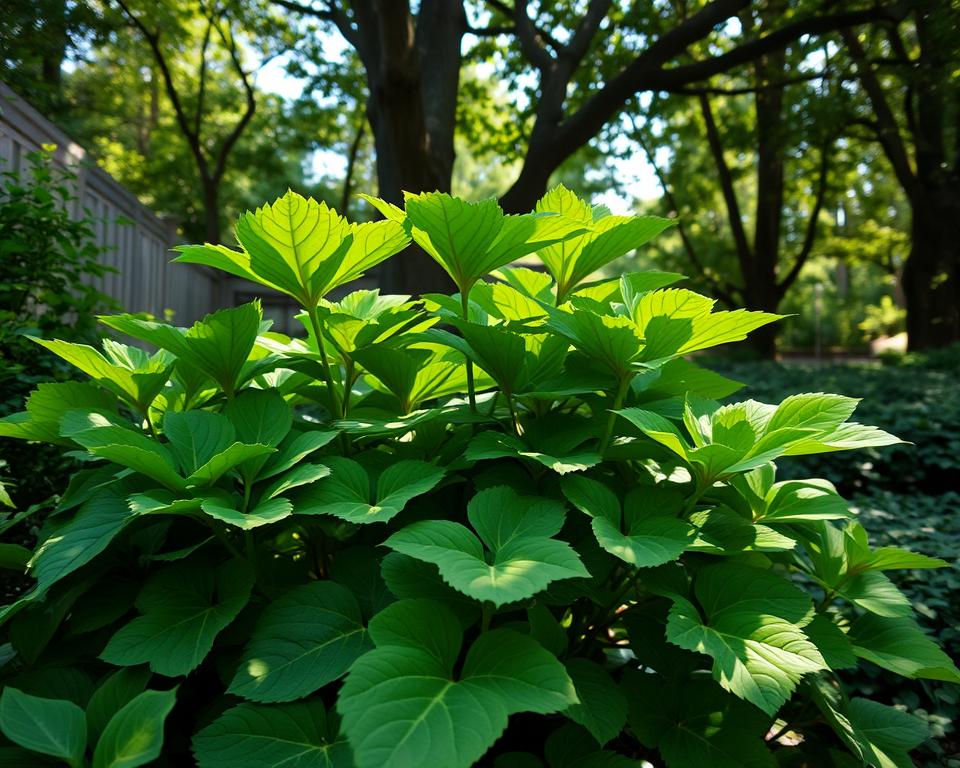
If you’re looking to add some architectural flair to your garden’s shady spots, Fatsia japonica is an excellent choice. This evergreen shrub is renowned for its large, dark green leaves that add a dramatic touch to any shaded area.
Growing Conditions and Care
Fatsia japonica thrives in shaded conditions, making it ideal for areas that receive little direct sunlight. To ensure optimal growth, protect it from cold, drying winds, and maintain a consistent watering regime. Feed your Fatsia japonica during the growing season with a balanced fertilizer to promote healthy foliage.
Pruning is also essential to maintain the plant’s shape and encourage new growth. Remove any dead or damaged leaves to keep your Fatsia japonica looking its best.
Companion Planting Suggestions
When choosing companion plants for Fatsia japonica, consider those that thrive in similar shaded conditions. Plants like Hellebores and Ajuga complement Fatsia’s bold foliage, while Hostas and Ferns add texture and depth to the planting area.
By selecting the right companions, you can create a lush, vibrant garden that remains interesting throughout the seasons.
Pittosporum – Elegant and Low-Maintenance

With its attractive and varied foliage, Pittosporum is an excellent choice for gardeners seeking low-maintenance options. Pittosporum shrubs are known for their neat, attractive foliage, which ranges from dark green to apple green, grey-green, or even purple-black, depending on the variety. They produce flowers in May and June, which, while often inconspicuous, are highly scented in some varieties.
Pittosporum is a versatile evergreen shrub that thrives in sunny spots in mild areas or seaside gardens. Its ability to be lightly clipped into a pleasing shape makes it a popular choice for topiary and hedging.
Popular Varieties for British Gardens
Several Pittosporum varieties perform well in UK conditions. Pittosporum tenuifolium is a popular choice, known for its dark green leaves and tolerance to coastal conditions. Pittosporum ‘Tom Thumb’ is a compact variety, ideal for smaller gardens. Other varieties offer different foliage colours and growth habits, allowing gardeners to choose the one that best suits their garden design.
Using Pittosporum in Garden Design
Pittosporum can be incorporated into various garden design styles, from contemporary to coastal schemes. Its evergreen foliage provides year-round structure, while its versatility allows it to be used in mixed borders, as hedging, or as specimen plants. Gardeners can also exploit its low-maintenance nature by using it in areas where upkeep is challenging.
When using Pittosporum in garden design, consider its growing requirements, including soil preferences and light conditions, to ensure optimal performance. By doing so, you can enjoy the elegance and versatility that Pittosporum brings to your garden.
Choisya (Mexican Orange Blossom) – Fragrant and Resilient
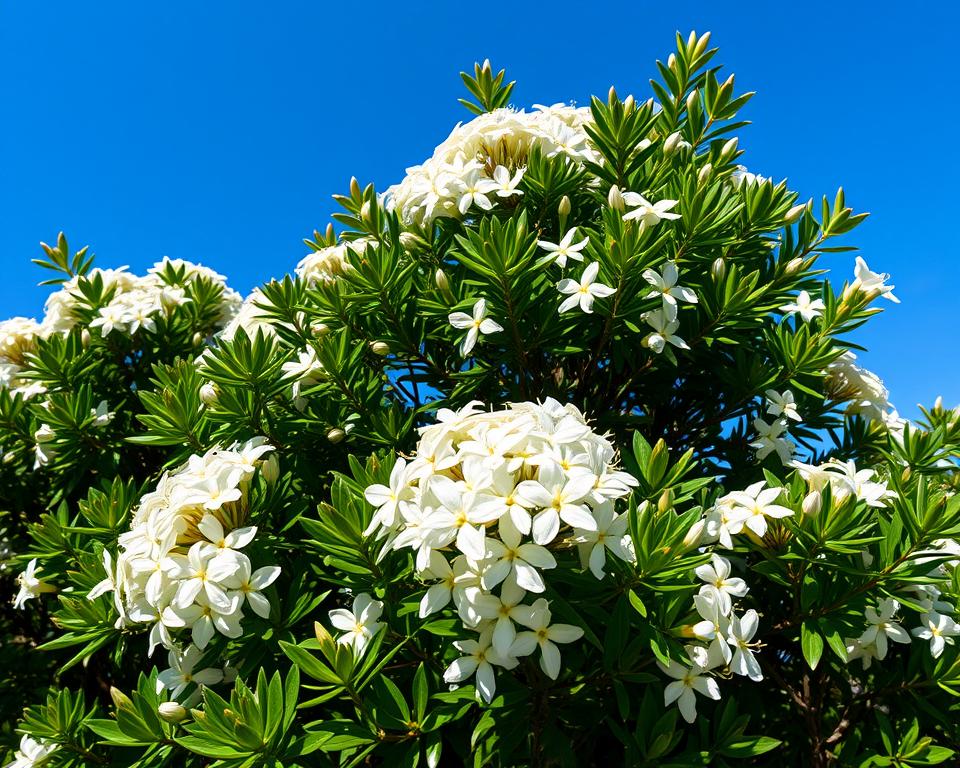
If you’re looking for a low-maintenance yet elegant shrub for your UK garden, consider Choisya, with its glossy leaves and fragrant blooms. Choisya, or Mexican Orange Blossom, is an attractive, evergreen shrub that combines beautiful foliage with highly scented flowers, making it a delightful addition to any garden.
Choisya is known for its fragrant flowers that bloom in late spring and early summer, filling the air with the sweet scent of orange blossom. Its glossy green leaves remain attractive throughout the year, providing a beautiful backdrop for other plants in your garden.
Growing Requirements and Pruning Tips
To thrive, Choisya requires well-drained soil and a position that offers full sun to partial shade. It’s relatively low maintenance but benefits from regular pruning to maintain its shape and encourage healthy growth. Prune your Choisya in the spring, after it has finished flowering, to ensure it retains its elegant appearance.
Seasonal Interest and Flowering Periods
Choisya offers seasonal interest throughout the year, with its peak flowering period occurring in late spring and early summer. The white, star-shaped flowers are not only fragrant but also visually appealing, creating a stunning display. In addition to its flowering periods, Choisya’s evergreen foliage provides year-round interest, making it a valuable addition to any garden.
By incorporating Choisya into your garden design, you can enjoy its beauty and fragrance for months to come. Whether you’re creating a Mediterranean-inspired garden or a mixed shrub border, Choisya is a versatile and resilient choice that will enhance your outdoor space.
Griselinia – Perfect for Coastal Gardens
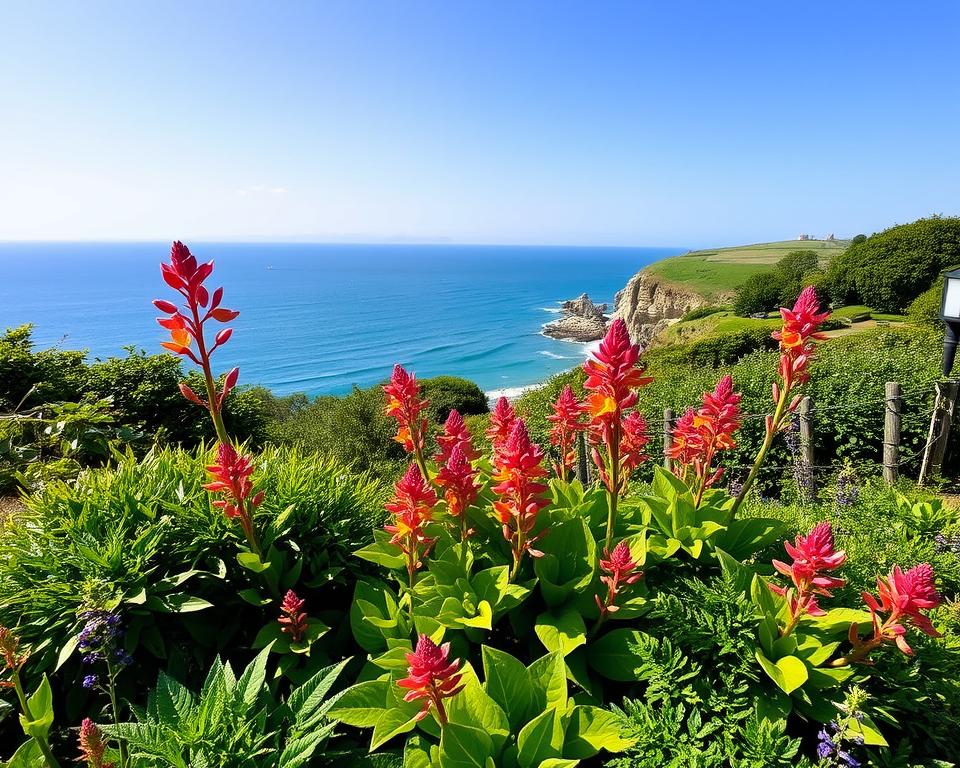
Griselinia is a highly sought-after evergreen shrub for UK coastal gardens due to its robust nature and attractive apple-green foliage. You can utilise it effectively in various garden settings, from standalone specimens to comprehensive hedging solutions.
Salt Tolerance and Hardiness Features
Griselinia’s salt tolerance makes it particularly suitable for seaside locations. Its hardiness is a significant advantage, although it may not thrive in very cold or exposed inland areas. You should consider these factors when selecting Griselinia for your garden.
Hedging and Screening Applications
Griselinia is an excellent choice for hedging and screening in coastal gardens. It can be planted at regular intervals to form a dense hedge, providing effective coverage and division within your garden. Regular maintenance will ensure optimal density and appearance.
Maintaining Your Evergreen Shrubs Through the Seasons
As the backbone of your garden, evergreen shrubs require regular care to thrive across the seasons. To ensure they continue to provide year-round structure and interest, it’s essential to follow a comprehensive maintenance guide.
Watering is critical, especially during establishment periods and drought conditions. You should also implement appropriate feeding regimes, using fertilisers that promote healthy growth. Pruning is another vital task, as it maintains shape and encourages new growth, but timing varies depending on the shrub type.
For less hardy evergreen plants, winter protection strategies such as mulching and wrapping can be crucial. Regular monitoring helps identify common problems early, from pests and diseases to environmental stresses. Rejuvenating older specimens by pruning back leggy growth can also revitalise your shrubs.
By adopting sustainable maintenance practices, you not only care for your evergreen shrubs but also benefit the wider garden ecosystem. With consistent care, your shrubs will remain a vibrant part of your garden’s landscape, providing beauty and structure throughout the year.
FAQ
What are the best low-maintenance evergreen shrubs for a UK garden?
For a UK garden, some of the best low-maintenance evergreen plants include Yew, Holly, and Griselinia, which are all tolerant of various conditions and require minimal upkeep.
How do I choose the right evergreen shrubs for my garden’s specific conditions?
To choose the right evergreen shrubs, assess your garden’s sun exposure, soil type, and drainage. Consider factors like drought tolerance and shade tolerance to ensure the plants thrive in your garden.
Can I use evergreen shrubs as a ground cover or for privacy screening?
Yes, many evergreen shrubs can be used as a ground cover or for privacy screening. Pittosporum and Fatsia Japonica are popular choices for ground cover, while Griselinia and Yew are often used for hedges and screening.
How often should I prune my evergreen shrubs?
The frequency of pruning depends on the specific evergreen shrub. Some, like Box, require regular pruning to maintain shape, while others, like Holly, may only need occasional trimming.
Are there any evergreen shrubs that are particularly suitable for coastal gardens?
Yes, Griselinia is a popular choice for coastal gardens due to its salt tolerance and hardiness. Other options include Pittosporum and Japanese Holly, which can also thrive in coastal conditions.
Can I grow evergreen shrubs in shade or do they require full sun?
While some evergreen shrubs prefer full sun, others can tolerate shade. Fatsia Japonica and Japanese Holly are good options for shady areas, while Griselinia and Pittosporum can thrive in a range of light conditions.