Creating a seating area in the garden – ideas and tips
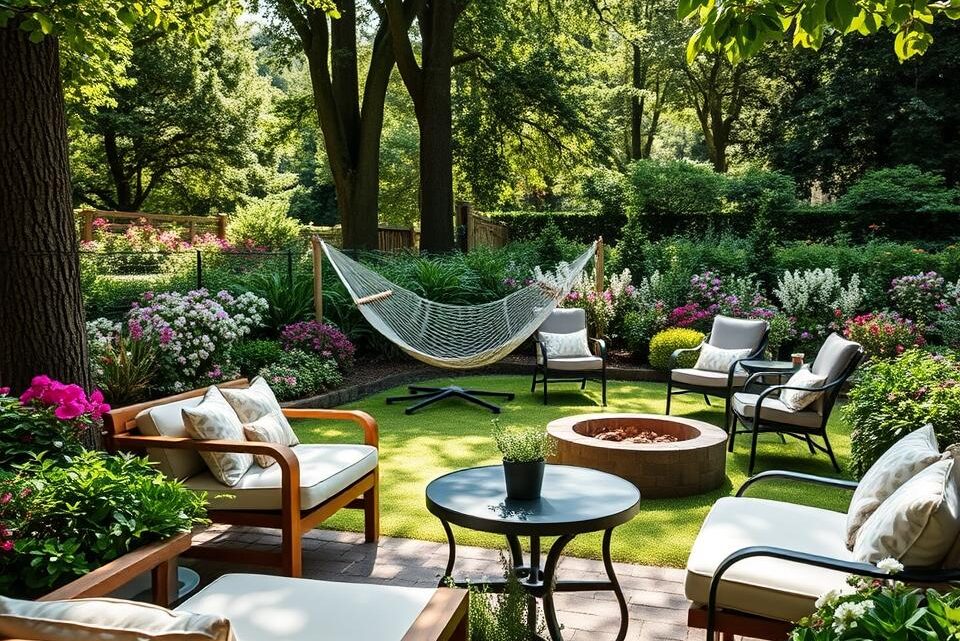
Transforming your outdoor space into a haven of relaxation and entertainment is a great way to enhance your home’s appeal. Garden seating ideas can play a crucial role in this transformation, providing you with a tranquil retreat to unwind and enjoy the beauty of nature.
When designing your outdoor seating areas, it’s essential to consider the overall garden design to ensure a harmonious blend of functionality and aesthetics. By incorporating comfortable seating and decorative elements, you can create an inviting atmosphere that reflects your personal style.
Inhaltsverzeichnis
Key Takeaways
- Choose a seating style that complements your garden’s design
- Consider the purpose of your seating area, whether it’s for relaxation or entertainment
- Incorporate decorative elements to enhance the ambiance
- Select materials that are durable and weather-resistant
- Ensure a harmonious blend of seating and garden design
The Importance of Outdoor Living Spaces
As we spend more time at home, the importance of outdoor living areas cannot be overstated. Outdoor living spaces have become an integral part of our homes, providing a seamless transition between indoors and outdoors. These areas not only enhance the aesthetic appeal of our homes but also offer numerous benefits for our well-being and lifestyle.
Benefits of Garden Seating Areas
Garden seating areas are more than just a place to sit; they are an extension of our living spaces. They provide an opportunity to connect with nature, relax, and rejuvenate. Some of the key benefits include:
- Enhanced mental health through exposure to natural surroundings
- Increased social interaction through outdoor entertaining
- Improved physical health through outdoor activities
How Outdoor Spaces Enhance Your Lifestyle
Outdoor spaces can significantly enhance your lifestyle by providing areas for relaxation, entertainment, and recreation. They offer a change of scenery and a break from the confines of indoor living.
Mental Health Benefits
Spending time outdoors has been shown to have a positive impact on mental health. Being in nature can reduce stress levels, improve mood, and even alleviate symptoms of depression. A well-designed garden seating area can be a sanctuary for mental well-being.
Social Gathering Potential
Outdoor living spaces are ideal for social gatherings, whether it’s a casual barbecue with friends or a family dinner. They provide an expansive area for entertaining, making it easier to host events and create lasting memories.
By incorporating a garden seating area into your outdoor space, you can enhance your lifestyle, improve your mental health, and create opportunities for social gatherings.
Assessing Your Garden Space
To make the most of your garden, you need to understand its layout, sunlight patterns, and privacy requirements. Assessing your garden space is a critical step in creating a functional and enjoyable seating area.
Measuring and Mapping Your Available Area
Begin by measuring your garden’s dimensions and mapping out the available space. Use a tape measure to record the length and width of your garden, and note any obstacles such as trees, slopes, or existing features. Creating a simple sketch or using a garden design app can help you visualize your space and plan your seating area effectively.
Considering Sun Patterns and Shade
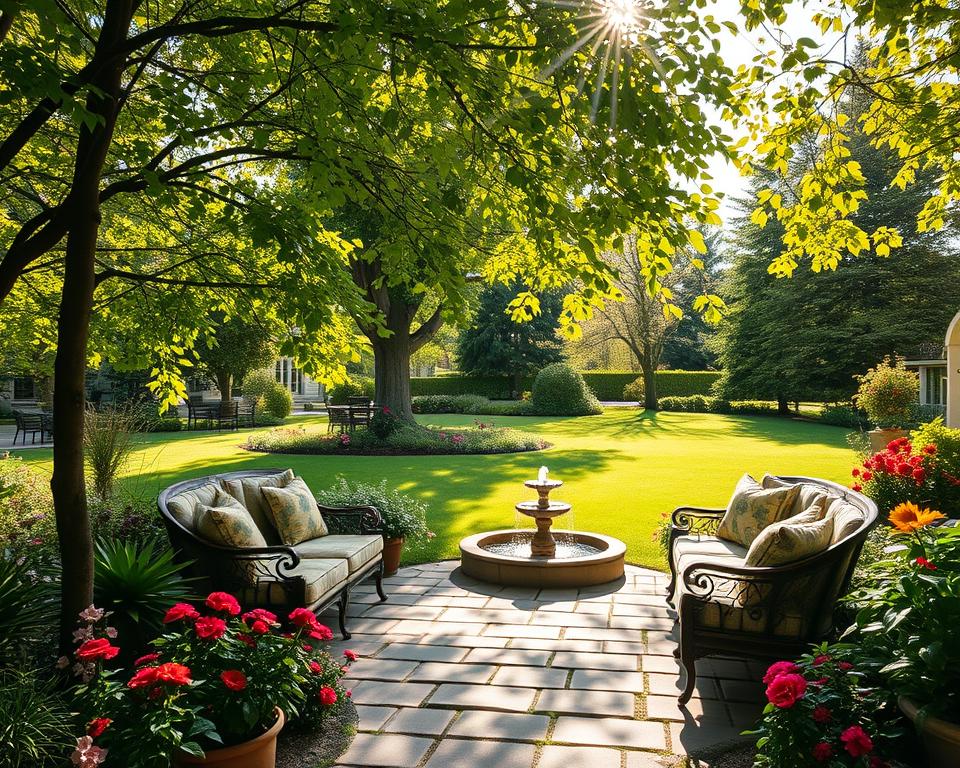
Understanding the sun patterns in your garden is crucial. Observe how sunlight falls on your garden throughout the day. Identify areas that receive full sun, partial shade, or full shade. This will help you decide where to place your seating area for optimal comfort.
Evaluating Privacy Needs
Privacy is a significant consideration when creating a garden seating area. Assess your garden’s exposure to neighboring properties and public spaces.
Dealing with Overlooking Neighbours
If your garden is overlooked by neighbors, consider using screening plants, trellises, or decorative panels to enhance privacy. Strategically placing your seating area can also help minimize visibility from outside.
By carefully assessing your garden space, you can create a seating area that is both functional and enjoyable, tailored to your specific needs and preferences.
Determining the Purpose of Your Seating Area
When designing your garden, it’s crucial to define the purpose of your seating area. This decision will influence the layout, furniture, and overall ambiance of your outdoor space.
Dining Spaces vs. Lounging Areas
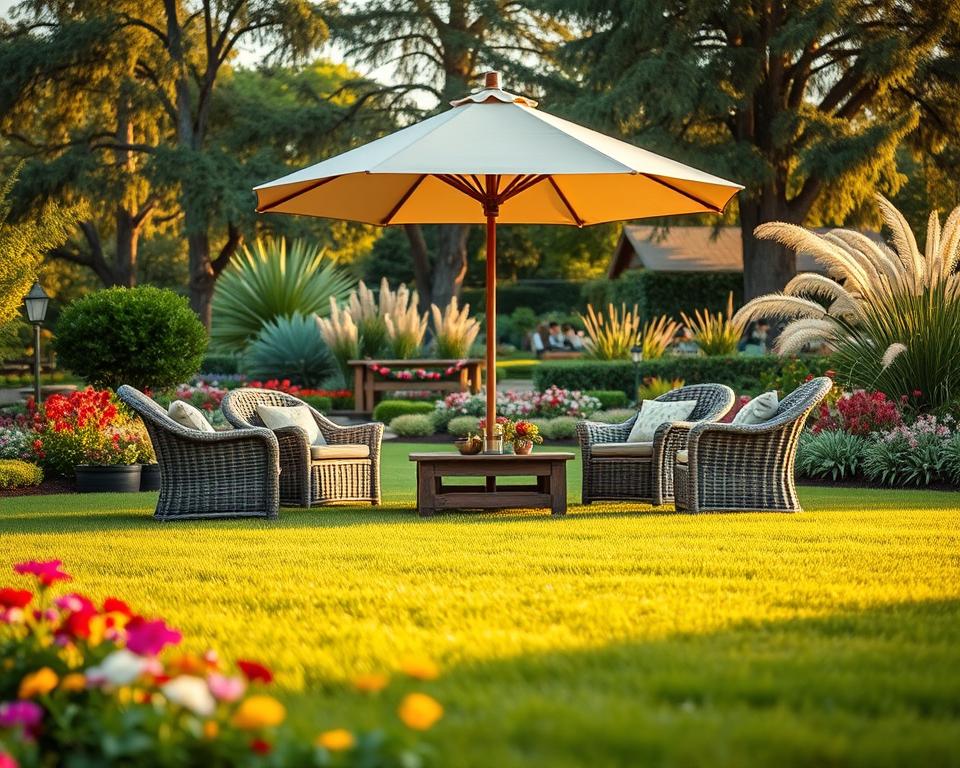
You need to decide whether your seating area will be primarily for dining or lounging. A dining space requires a table and chairs, while a lounging area might feature sofas and coffee tables. Consider how you plan to use the space most often.
Multi-functional Considerations
Many garden seating areas serve multiple purposes. You might want to incorporate elements of both dining and lounging spaces. Consider using modular furniture that can be rearranged to suit different needs.
Family-friendly vs. Adult Retreat
Think about who will be using the seating area. If you have children, you may want to create a family-friendly space with durable furniture and plenty of seating. Alternatively, you might prefer an adult retreat with more sophisticated furnishings and a quieter atmosphere.
By determining the purpose of your seating area, you can create a functional and enjoyable outdoor space that meets your needs.
Selecting a Garden Seating Style
Selecting the right garden seating style is essential for creating an inviting outdoor area. Your garden seating can be a reflection of your personal taste and complement the overall aesthetic of your garden.
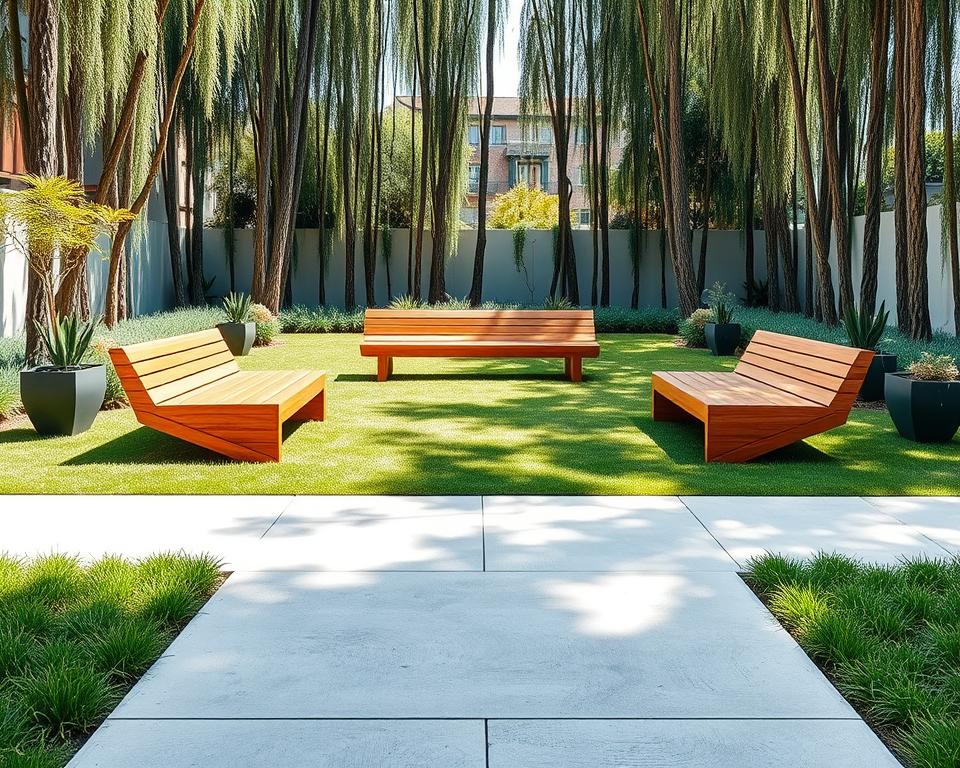
Contemporary Minimalist Designs
For a modern look, consider contemporary minimalist designs. These styles often feature clean lines, simple shapes, and a neutral color palette. Materials such as aluminium and recycled plastic are popular for their durability and low maintenance. A minimalist approach can create a sense of calm and serenity in your garden.
Rustic and Country Garden Aesthetics
If you prefer a more traditional or countryside feel, rustic and country garden aesthetics might be the way to go. These styles often incorporate natural materials like wood and stone, and may feature intricate carvings or vintage pieces. Rustic garden seating can add warmth and character to your outdoor space.
Mediterranean-inspired Spaces
Mediterranean-inspired garden seating styles are perfect for creating a warm and inviting atmosphere. Characterized by the use of terracotta, wrought iron, and vibrant colors, these spaces evoke the feeling of a sunny Mediterranean villa. Consider incorporating lush greenery and colorful tiles to enhance the ambiance.
Traditional British Garden Seating
For a classic look, traditional British garden seating is a timeless choice. This style often features elegant designs made from teak or cast iron, with intricate details and ornate patterns. Traditional British garden seating can add a touch of sophistication and elegance to your garden.
| Garden Seating Style | Key Features | Materials |
|---|---|---|
| Contemporary Minimalist | Clean lines, simple shapes | Aluminium, recycled plastic |
| Rustic and Country | Natural look, intricate carvings | Wood, stone |
| Mediterranean-inspired | Vibrant colors, terracotta | Terracotta, wrought iron |
| Traditional British | Elegant designs, intricate details | Teak, cast iron |
As you can see, there are various garden seating styles to choose from, each with its unique characteristics and materials. By selecting a style that complements your garden’s aesthetic, you can create a beautiful and inviting outdoor space.
Creating a Seating Area in the Garden – Ideas and Tips for Different Budgets
Whether you’re looking to splurge or save, creating a garden seating area can be tailored to fit any budget, ensuring a perfect blend of functionality and aesthetics. Your garden seating area can be a reflection of your personal style, from opulent luxury to budget-friendly chic.
Luxury Options and High-end Materials
For those with a larger budget, luxury garden seating areas can be created using high-end materials such as teak, wrought iron, or premium synthetic wicker. These materials not only offer durability but also add a touch of sophistication to your garden.
Luxury Features:
- High-quality, weather-resistant furniture
- Intricate designs and craftsmanship
- Premium cushioning and upholstery
Mid-range Solutions
For many, a mid-range budget is the most realistic. Here, you can find a balance between quality and affordability. Materials like recycled plastic or sustainably sourced wood offer durability without the hefty price tag.
| Material | Price Range | Durability |
|---|---|---|
| Recycled Plastic | £100-£500 | High |
| Sustainably Sourced Wood | £200-£800 | Medium-High |
Budget-friendly DIY Approaches
Creating a garden seating area on a tight budget is entirely feasible with a bit of creativity. DIY approaches can be both fun and rewarding.
Upcycling Existing Furniture
One of the most budget-friendly ways to create a garden seating area is by upcycling existing furniture. Old pallets, crates, or even an old door can be repurposed into unique seating or tables.
Tips for Upcycling:
- Clean and refurbish old furniture
- Add cushions or pillows for comfort
- Use paint or varnish to protect and enhance

By considering your budget and the style you wish to achieve, you can create a beautiful and functional garden seating area that enhances your outdoor living space.
Choosing the Right Furniture
When it comes to furnishing your garden seating area, several factors need to be considered to achieve the perfect blend of comfort and durability. The British climate, known for its unpredictability, demands furniture that can withstand various weather conditions.
Weather-resistant Materials for British Climate
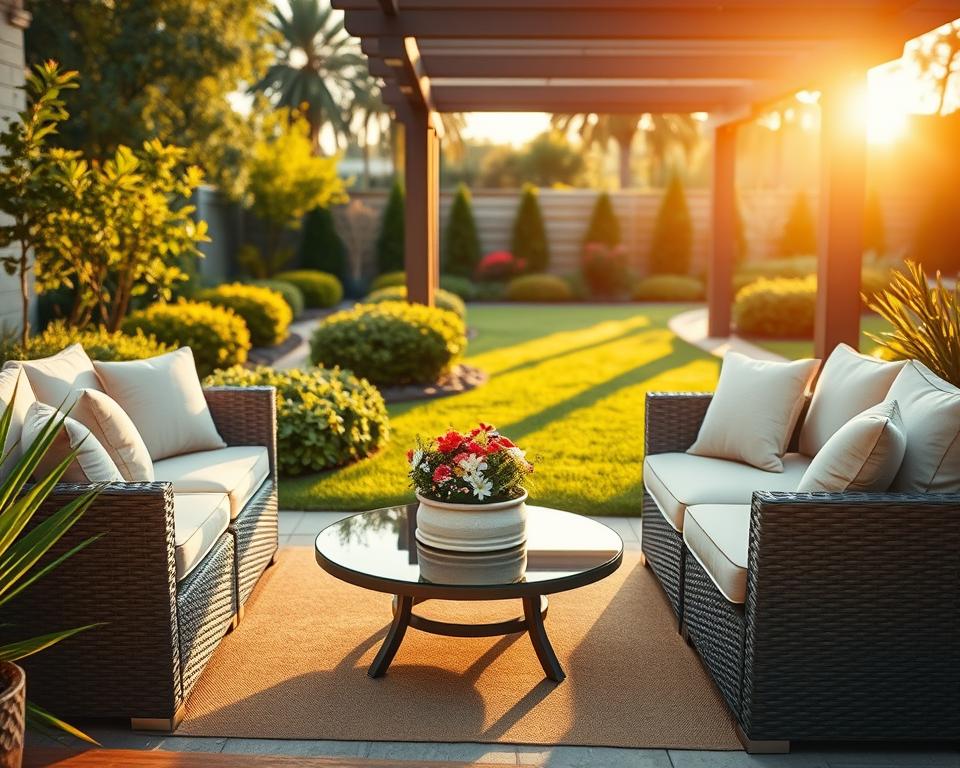
Opting for weather-resistant materials is crucial. Recycled plastic and teak are excellent choices due to their durability and resistance to rot, rust, and insect damage. Synthetic wicker furniture is another popular option, offering a stylish and weather-resistant alternative.
Comfort Considerations
Comfort is paramount in a garden seating area. Consider furniture with thick cushions and ergonomic designs that provide adequate support. The material of the cushions should be weather-resistant as well, with solutions like Sunbrella fabric offering both comfort and durability.
Space-saving Options for Smaller Gardens
For smaller gardens, space-saving options are essential. Furniture that serves multiple purposes or can be easily stored away when not in use is ideal.
Foldable and Stackable Furniture
Foldable and stackable furniture are excellent solutions for compact spaces. These designs allow you to maximize your garden’s potential without cluttering it with bulky furniture. Look for chairs and tables that are easy to fold and store, making them perfect for smaller gardens or for creating a flexible outdoor living space.
Paving and Flooring Options
When designing your garden seating area, the choice of paving and flooring is crucial for both aesthetics and functionality. The right paving can complement your garden’s style, while also providing a durable and safe surface for walking and seating.

Stone and Concrete Solutions
Stone and concrete are popular choices for garden paving due to their durability and versatility. Natural stone, such as Yorkstone or slate, offers a timeless appeal and can be used to create intricate patterns. Concrete paving slabs are another cost-effective option that can mimic the look of natural stone.
According to gardening expert, “The right paving can make or break the overall look of your garden. Natural stone is always a popular choice due to its unique character and durability.”
“Paving is not just about functionality; it’s also about creating a visual pathway that draws the eye through your garden.”
Wooden Decking
Wooden decking is an excellent option for creating a warm and inviting atmosphere in your garden. It can be used to create a raised platform or a pathway, adding depth and visual interest to your outdoor space. When choosing wooden decking, consider using durable and weather-resistant woods like cedar or pressure-treated pine.
Gravel and Loose Materials
Gravel and other loose materials offer a flexible and budget-friendly paving solution. They can be used to create a decorative border or a pathway, and are particularly effective in modern or minimalist garden designs.
Artificial Grass Alternatives
For a low-maintenance option, consider artificial grass alternatives. These can provide a lush, green appearance without the need for regular watering and mowing. They are ideal for areas where real grass may struggle to grow.
Step-by-Step Guide to Building Your Garden Seating Area
Creating an inviting garden seating area is a straightforward process when broken down into manageable steps. By following this guide, you’ll be able to transform your outdoor space into a beautiful and functional area perfect for relaxation or entertainment.
Planning and Preparation
The first step in building a seating area is thorough planning and preparation. Start by deciding on the purpose of your seating area – will it be for dining, lounging, or a combination of both? Consider the size and shape of your garden, as well as the existing features such as paths, plants, and slopes.
- Measure your available space to determine the maximum size for your seating area.
- Think about the style and theme you want to achieve.
- Make a sketch or plan of your design.
Ground Preparation Techniques
Proper ground preparation is crucial for a stable and long-lasting seating area. This involves clearing the site, leveling the ground, and laying a suitable base material.
- Clear the area of any debris, grass, or weeds.
- Level the ground to ensure it’s even.
- Lay a base material such as compacted gravel or sand.
Installation Process
Tools and Materials Needed
Before starting the installation, gather all the necessary tools and materials. These may include paving slabs, decking materials, a spirit level, a trowel, and a rubber mallet.
Weekend Project Timeline
With careful planning, you can complete your garden seating area over a weekend. Here’s a basic timeline:
- Day 1: Prepare the ground and lay the base.
- Day 2: Install the seating area surface and furniture.

By following these steps and considering your specific needs and preferences, you can create a beautiful and functional garden seating area that enhances your outdoor living experience.
Creating Shade and Shelter
Creating a shaded retreat in your garden can significantly enhance your outdoor living experience. Adequate shade not only provides comfort but also protects you from harmful UV rays. When planning your garden seating area, it’s essential to consider various shade and shelter solutions.
Pergolas and Arbours
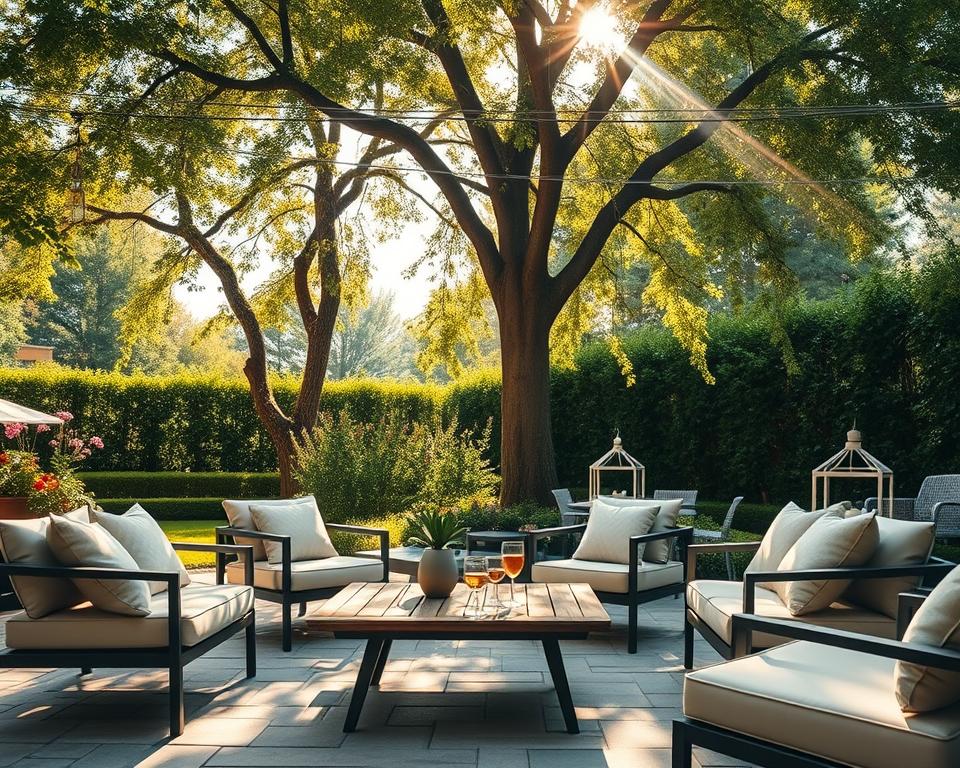
Pergolas and arbours are popular choices for creating shaded areas in gardens. These structures can be adorned with climbing plants, providing natural shade and a beautiful aesthetic. Pergolas can be freestanding or attached to your house, offering flexibility in design.
Parasols and Umbrellas
Parasols and umbrellas are versatile and easy-to-install shade solutions. They come in various sizes and styles, allowing you to choose the one that best fits your garden seating area. These portable shade providers can be moved as needed, making them ideal for changing sun patterns.
Sail Shades and Canopies
Sail shades and canopies offer a modern and sleek approach to shading your garden. These fabric structures can be tensioned between posts or attached to existing structures, providing effective shade while adding a contemporary touch to your garden.
Weather-resistant Solutions for British Summers
British summers can be unpredictable, making weather-resistant shade solutions essential. Look for materials and designs that can withstand wind and rain. Weather-resistant parasols and canopies are available, ensuring your garden seating area remains comfortable and dry.
| Shade Solution | Weather Resistance | Installation Ease |
|---|---|---|
| Pergolas | High | Medium |
| Parasols | Medium | Easy |
| Sail Shades | Medium | Medium |
By incorporating these shade and shelter solutions, you can enjoy your garden seating area throughout the year, regardless of the weather.
Incorporating Plants and Greenery
Plants and greenery are essential elements in transforming your garden seating area into a tranquil retreat. By thoughtfully selecting and placing plants, you can enhance the aesthetic appeal, create a sense of privacy, and even influence the local microclimate.
Container Gardens for Seating Areas
Container gardens offer flexibility and can be used to add colour and texture to your garden seating area. Choose planters that complement your garden’s style and fill them with a mix of flowering plants, foliage, and herbs to create visual interest.
Vertical Planting Solutions
For smaller gardens, vertical planting solutions can be an effective way to incorporate greenery without sacrificing space. Consider using trellises, wall-mounted planters, or living walls to add depth and visual appeal.
Fragrant Plants for Sensory Appeal
Incorporating fragrant plants into your garden seating area can enhance the sensory experience. Plants like lavender, rosemary, and jasmine not only smell wonderful but can also attract beneficial insects.
Year-round Interest with Evergreens
To maintain year-round interest, include evergreen plants in your garden design. These plants retain their foliage throughout the year, providing a constant element of greenery even in winter. Consider using evergreen shrubs or climbers to add structure and texture.
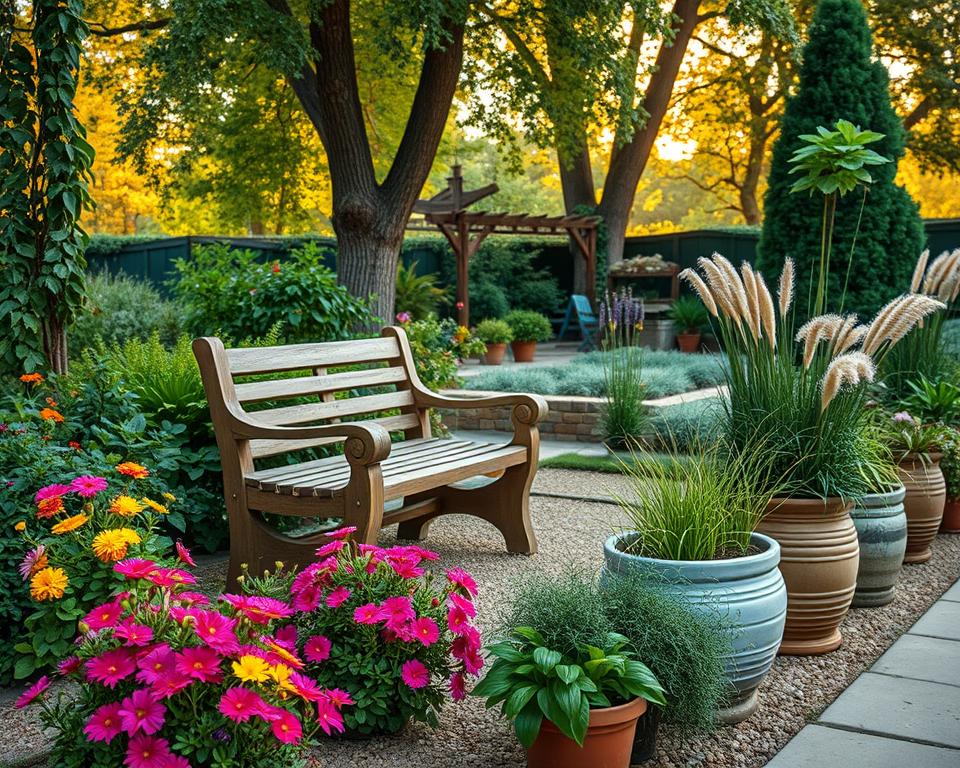
By incorporating a mix of plants and greenery, you can create a garden seating area that is not only beautiful but also inviting and comfortable.
Lighting Your Garden Seating Area
Lighting is a crucial element in creating an inviting garden seating area that can be enjoyed day and night. Proper illumination not only enhances the ambiance but also ensures safety and comfort during the evening hours.
Solar-powered Options
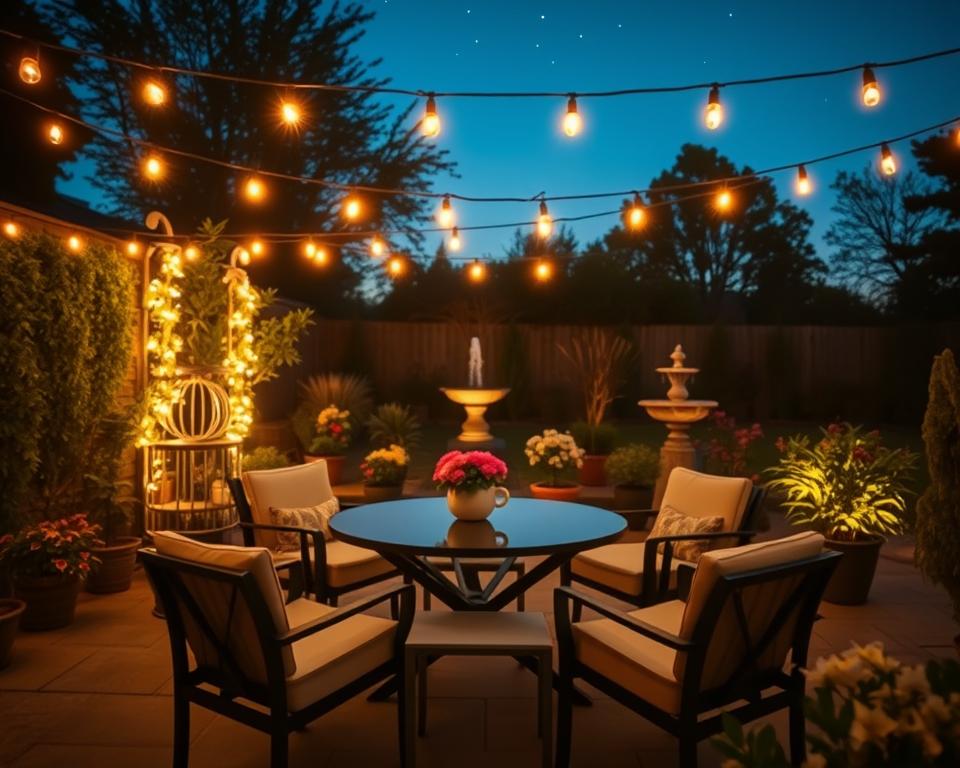
Solar-powered lights are an eco-friendly and cost-effective way to light your garden seating area. They harness energy from the sun during the day and automatically light up at night. You can place them along pathways, around seating areas, or within planters to create a warm glow.
String Lights and Lanterns
String lights and lanterns add a whimsical touch to your garden seating area. They come in various styles, from traditional to modern designs, and can be hung from trees, pergolas, or even the roof of your garden shed. They provide a soft, warm light that creates a cozy atmosphere.
Built-in Lighting Systems
For a more integrated look, consider installing built-in lighting systems. These can include step lights, deck lights, or lights embedded into your garden furniture. They provide a sleek, modern appearance and can be controlled with smart home systems for added convenience.
Candles and Fire Features
Candles and fire features not only provide light but also add warmth and a focal point to your garden seating area. They come in various forms, including fire pits, chimineas, and outdoor heaters. These elements create a cozy, inviting atmosphere, perfect for chilly evenings or special gatherings.
| Lighting Option | Benefits | Considerations |
|---|---|---|
| Solar-powered Lights | Eco-friendly, cost-effective, easy to install | Dependent on sunlight, limited brightness |
| String Lights and Lanterns | Aesthetic appeal, versatile, easy to hang | May require electrical outlets, weather resistance varies |
| Built-in Lighting Systems | Modern appearance, integrated control, durable | Higher installation cost, requires professional installation |
| Candles and Fire Features | Ambiance, warmth, focal point | Safety concerns, maintenance required, weather dependent |
Adding Warmth for Year-round Use
You can enjoy your garden seating area even on chilly evenings by incorporating the right warmth solutions. As the seasons change, a well-designed warmth solution can transform your outdoor space into a cozy retreat.
Fire Pits and Bowls
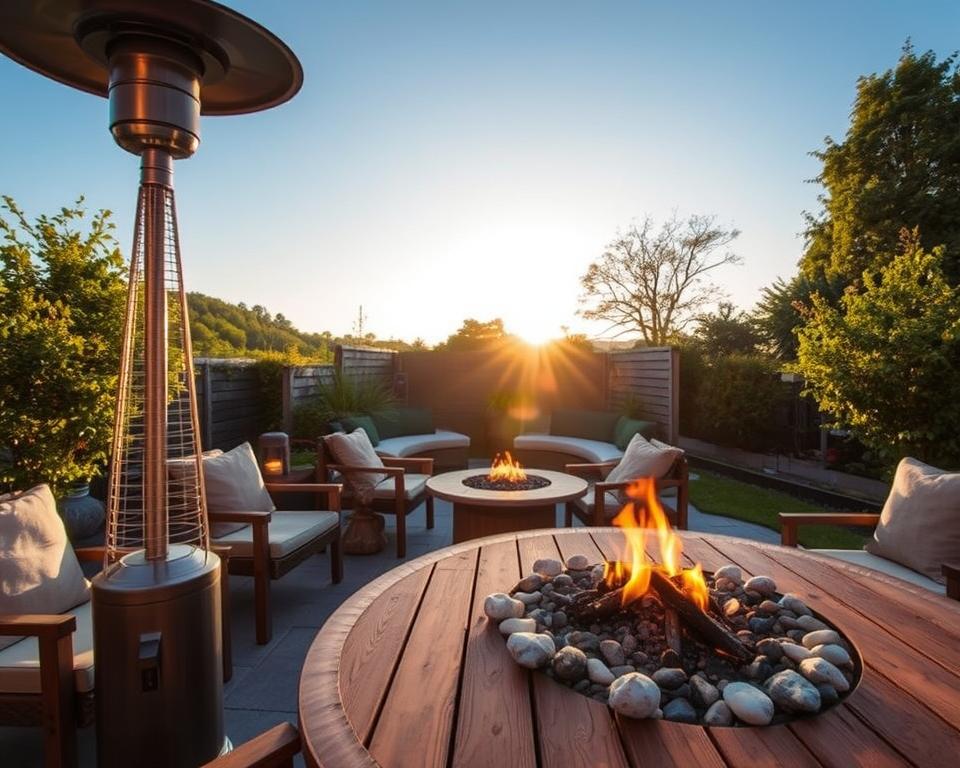
Fire pits and bowls are a popular choice for adding warmth to garden seating areas. They not only provide heat but also create a focal point for social gatherings. When choosing a fire pit or bowl, consider the size of your space and the material that suits your garden’s style.
Chimineas
Chimineas are another effective warmth solution that can add a traditional touch to your garden. They are designed to direct heat outward, making them efficient for warming a seating area. Chimineas come in various materials, including clay and metal.
Outdoor Heaters
Outdoor heaters offer a convenient and efficient way to warm your garden seating area. They come in various styles, including electric and gas models. When selecting an outdoor heater, consider the size of your space and the level of heat you need.
Insulated Furniture Options
Insulated furniture can also contribute to a warmer seating area. Look for outdoor sofas and chairs with insulated covers or materials that retain warmth. This can be a stylish way to keep your seating area cozy without relying solely on heaters or fire pits.
| Warmth Solution | Heat Output | Style Impact |
|---|---|---|
| Fire Pits | High | Creates a focal point |
| Chimineas | Medium to High | Traditional, directs heat |
| Outdoor Heaters | Variable | Modern, efficient |
| Insulated Furniture | Low to Medium | Stylish, cozy |
By incorporating one or more of these warmth solutions, you can enjoy your garden seating area throughout the year, regardless of the weather.
Privacy Solutions for Garden Seating
Privacy is a key consideration when designing your garden seating area. A secluded spot can make your outdoor space more enjoyable and relaxing. There are several ways to enhance privacy in your garden, ranging from natural screening to decorative elements.
Screening Plants and Hedges
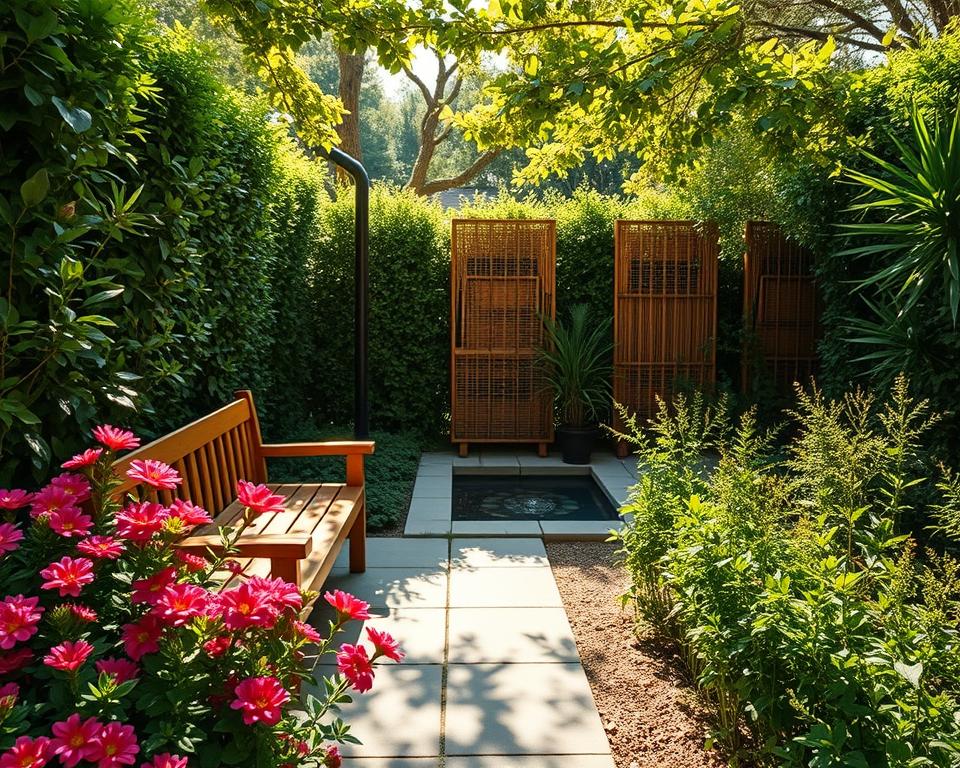
One of the most effective and aesthetically pleasing ways to create privacy is by using screening plants and hedges. Plants like Lavandula (Lavender) and Rosmarinus officinalis (Rosemary) not only provide a natural barrier but also add fragrance and beauty to your garden.
| Plant Type | Height | Maintenance |
|---|---|---|
| Lavandula | Up to 1 meter | Low |
| Rosmarinus officinalis | Up to 2 meters | Medium |
| Hedera helix (English Ivy) | Up to 3 meters | High |
Decorative Panels and Trellises
Decorative panels and trellises offer another solution for enhancing privacy. These can be made from various materials, including wood, metal, and composite materials. They can be used to create a screen or to support climbing plants, further enhancing the sense of seclusion.
Fencing and Wall Options
Fencing and walls are more permanent solutions for creating privacy. The choice of material and design can significantly impact the overall look and feel of your garden. From traditional wooden fences to modern metal or brick walls, the options are vast.
Planning Permission Considerations
Before installing fencing or walls, it’s essential to consider planning permission requirements. In the UK, there are specific guidelines regarding the height and placement of fences and walls, especially near highways or neighboring properties. Checking with your local council can help avoid potential issues.
Seasonal Maintenance of Your Garden Seating Area
To keep your outdoor space enjoyable, seasonal maintenance is key. Different seasons bring different challenges for your garden seating area, from harsh winter weather to the vibrant growth of spring and summer, and the decay of autumn.
Winter Protection Strategies
Protecting your garden seating area during winter is crucial. You should:
- Cover furniture with waterproof covers or store it indoors
- Clear debris from your seating area to prevent damage
- Use protective coatings on wooden furniture
Tip: Consider using furniture made from weather-resistant materials to minimize winter damage.
Spring Refresh Tips
As spring arrives, it’s time to refresh your garden seating area. Tasks include:
- Cleaning furniture thoroughly
- Inspecting for damage and making repairs
- Adding new cushions or decor to revitalize the space
Summer Upkeep
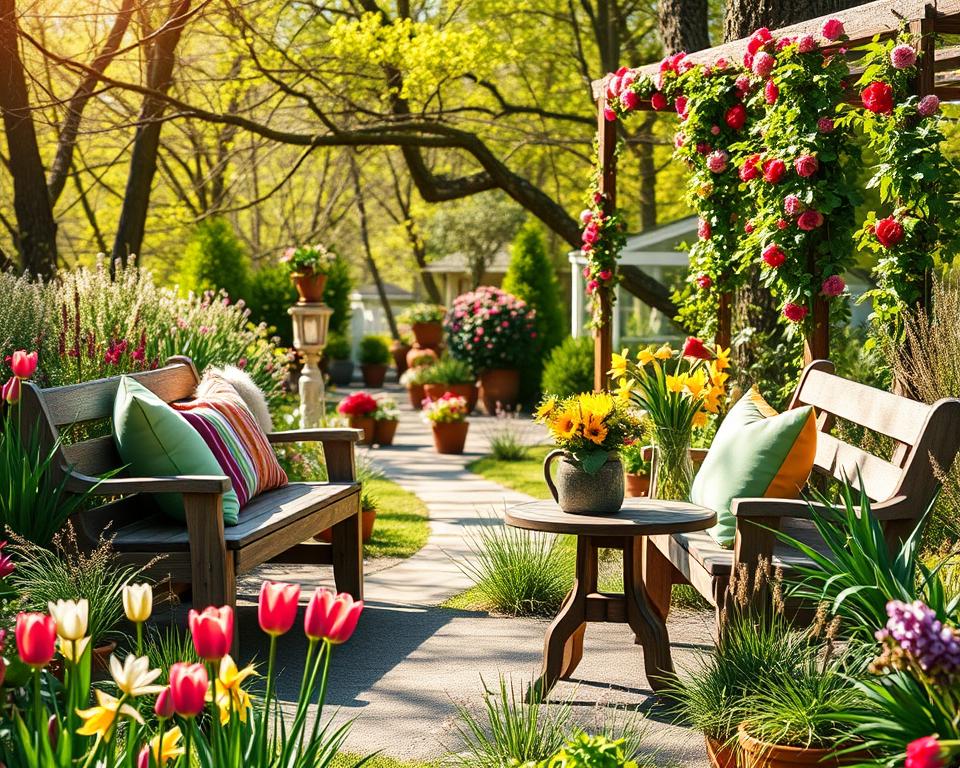
During summer, regular upkeep is necessary to keep your seating area inviting. This includes:
- Regularly cleaning surfaces
- Maintaining surrounding plants and greenery
- Ensuring drainage is clear to prevent water accumulation
Autumn Preparation
As autumn approaches, prepare your garden seating area for the coming winter by:
- Clearing fallen leaves and debris
- Storing or covering furniture
- Inspecting the area for any damage or needed repairs
This seasonal maintenance routine will help extend the life of your garden seating area and keep it enjoyable throughout the year.
Inspiring Real-life British Garden Seating Examples
From the bustling streets of London to the serene landscapes of the Cotswolds, British gardens showcase a diverse range of seating areas that cater to different tastes and needs. You can draw inspiration from these real-life examples to create your own perfect outdoor space.
Small Urban Gardens in London
In London, where space is often at a premium, garden seating areas are cleverly designed to maximize the available space. Compact furniture and vertical gardening are commonly used to create inviting areas that feel secluded from the hustle and bustle of city life. For instance, a small balcony can be transformed into a cozy seating nook with a bistro set and some potted plants.
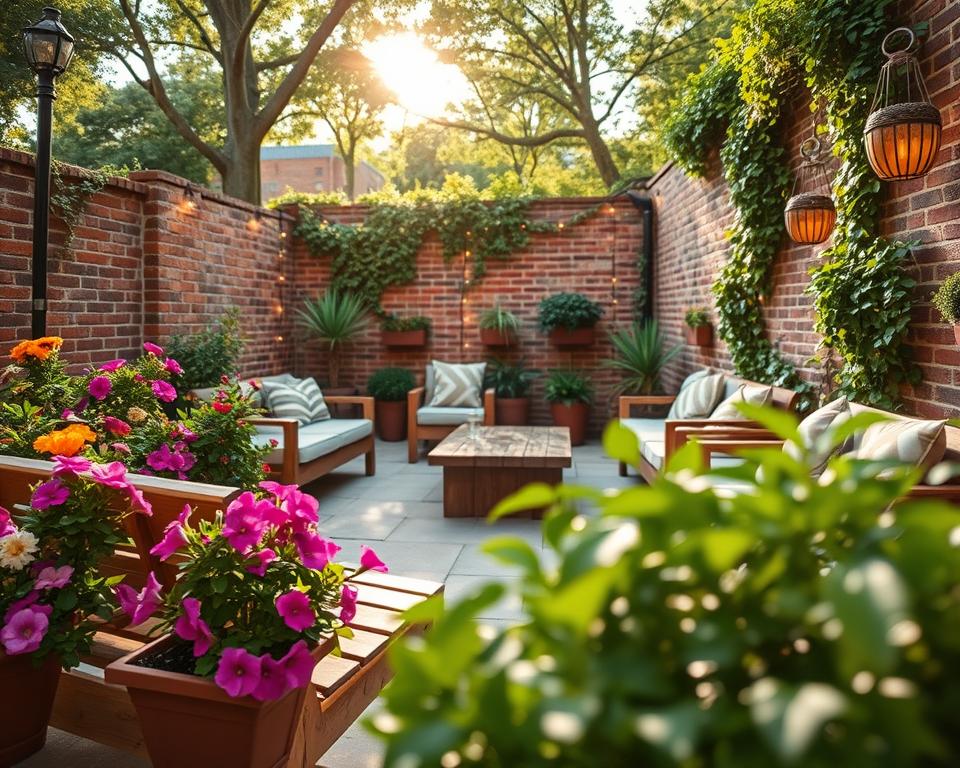
Cottage Gardens in the Cotswolds
The Cotswolds region is famous for its picturesque cottage gardens, which often feature traditional seating areas surrounded by lush flora. These charming spaces are perfect for relaxation and often include wooden benches and flower-filled borders. The natural beauty of the Cotswolds provides a serene backdrop for enjoying the outdoors.
Coastal Gardens in Cornwall
Coastal gardens in Cornwall offer a unique blend of rugged landscapes and mild climates, allowing for the creation of seating areas that take full advantage of the sea views. Weather-resistant furniture is a must in these exposed locations, and many gardens incorporate natural materials that complement the surrounding environment.
City Terraces in Edinburgh
Edinburgh’s city terraces often provide panoramic views of the cityscape, making them ideal locations for seating areas. Residents can enjoy their morning coffee or evening meals al fresco, surrounded by the historic charm of Edinburgh. Modern outdoor furniture is frequently used to create sleek, contemporary spaces that contrast with the traditional architecture.
These real-life examples demonstrate the versatility and creativity that can be applied to garden seating areas across Britain. Whether you have a small urban garden or a larger rural space, there’s inspiration to be found in these diverse settings.
Conclusion
As you now know, designing a garden seating area involves several key considerations, from assessing your garden space to selecting the right furniture and incorporating plants and greenery. By following the tips and ideas outlined in this article, you can create a beautiful and functional outdoor space that enhances your lifestyle and provides a peaceful retreat.
Your garden seating area can become an extension of your home, perfect for relaxing, dining, or entertaining. With the right design and elements, you can enjoy your outdoor space throughout the year. Whether you’re looking to create a luxurious oasis or a simple seating area, the possibilities are endless.
Now that you’ve reached the end of this guide, it’s time to start planning your garden seating area. Consider your needs, explore different styles, and don’t be afraid to get creative. With a little planning and imagination, you can turn your outdoor space into a haven that you’ll enjoy for years to come, making the most of your garden seating areas.
FAQ
What are the benefits of having a garden seating area?
Having a garden seating area can enhance your mental health, provide a space for social gatherings, and increase your overall quality of life by allowing you to spend more time outdoors.
How do I assess my garden space for a seating area?
To assess your garden space, measure and map the available area, consider sun patterns and shade, and evaluate your privacy needs to determine the best location for your seating area.
What are the different styles of garden seating areas I can choose from?
You can choose from various styles, including contemporary minimalist designs, rustic and country garden aesthetics, Mediterranean-inspired spaces, and traditional British garden seating, to name a few.
How do I create a seating area on a budget?
To create a seating area on a budget, consider budget-friendly DIY approaches, such as upcycling existing furniture, using affordable materials, and shopping during sales.
What type of furniture is best suited for a British climate?
For a British climate, it’s best to choose weather-resistant materials, such as recycled plastic, teak, or eucalyptus wood, and consider comfort and space-saving options, like foldable and stackable furniture.
What are my options for paving and flooring in a garden seating area?
You can choose from various paving and flooring options, including stone, concrete, wooden decking, gravel, and artificial grass alternatives, to create a durable and visually appealing surface.
How can I add warmth to my garden seating area for year-round use?
To add warmth, consider installing fire pits, chimineas, or outdoor heaters, and use insulated furniture options to keep your seating area cosy during colder months.
What are some ways to create shade and shelter in my garden seating area?
You can create shade and shelter using pergolas, arbours, parasols, umbrellas, sail shades, and canopies, and opt for weather-resistant solutions to protect your seating area from the elements.
How can I incorporate plants and greenery into my garden seating area?
Incorporate plants and greenery by using container gardens, vertical planting solutions, and fragrant plants, and consider evergreen plants for year-round interest.
What lighting options are available for garden seating areas?
You can choose from solar-powered options, string lights, lanterns, built-in lighting systems, candles, and fire features to illuminate your garden seating area and create ambiance.
How do I maintain my garden seating area throughout the seasons?
To maintain your garden seating area, implement winter protection strategies, spring refresh tips, summer upkeep, and autumn preparation to keep the space inviting and functional.