Exploring Alternative Uses for a Greenhouse in the UK
In the United Kingdom, a traditional greenhouse is often seen as a dedicated space for nurturing plants. This perception, however, only scratches the surface of its potential. These structures offer a remarkably versatile space that can transform a garden and lifestyle in surprising ways throughout the year.
Many believe these glass buildings provide constant warmth. The reality in the UK is different. An unheated structure experiences significant temperature changes with the seasons. This makes it unsuitable for some uses at certain times. Yet, it opens the door to creative adaptations.
Homeowners and gardeners are now recognising this untapped potential. They are adapting their garden buildings to serve multiple functions. This approach enhances both property value and personal enjoyment. The key is understanding the specific capabilities and limitations of one’s own structure.
This article will explore a diverse range of ideas. It will show how a simple garden feature can become a wellness retreat, a creative studio, or an entertaining space. The focus is on practical ways to maximise this valuable garden asset.
Inhaltsverzeichnis
Key Takeaways
- Greenhouses in the UK offer far more potential than traditional plant cultivation.
- The common view of these structures as purely horticultural is limiting.
- Temperature inside an unheated UK greenhouse fluctuates with the seasons.
- This seasonal variation inspires creative and adaptable uses for the space.
- Many homeowners are now utilising these buildings for multiple purposes.
- Understanding the specific features of your structure is essential for success.
- A well-planned greenhouse can become a valuable, multi-functional garden asset.
Embracing the Dual Functionality of Greenhouses
A significant shift is occurring in how UK homeowners perceive and utilise their garden greenhouses. These structures are no longer viewed as single-purpose domains for horticulture. Instead, they are being reimagined as versatile spaces that blend productivity with personal sanctuary.
Integrating Organic Produce and Leisure Spaces
Research from Hartley Botanic indicates that 95% of their customers primarily grow their own produce. The desire for better quality, organic food is a powerful driver. This core function now comfortably shares the space with a new purpose: relaxation.
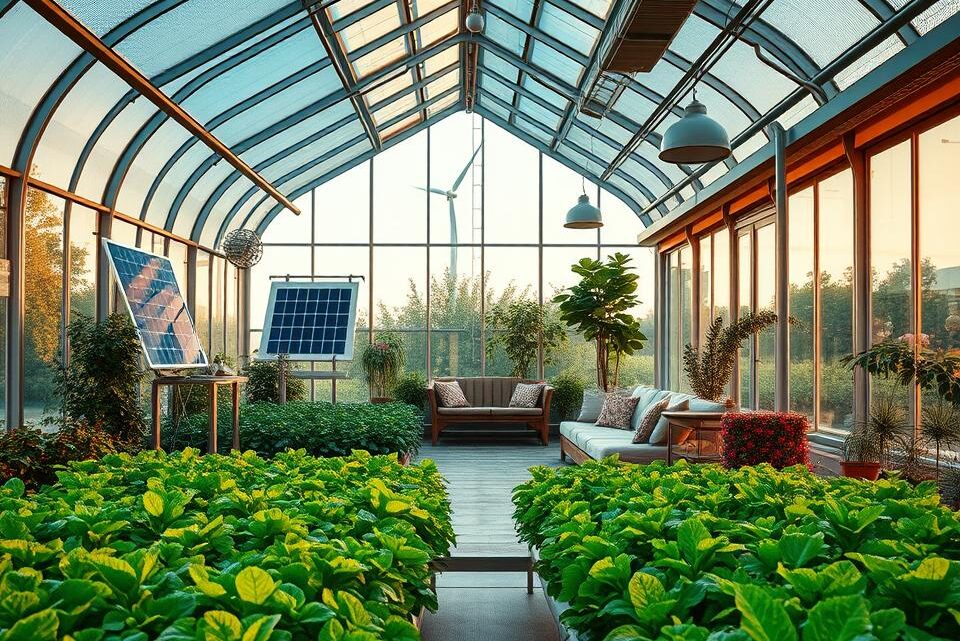
Thoughtful planning allows for both growing benches and comfortable seating. The goal is to create an environment where one can tend to plants and then unwind amongst the foliage. This integration transforms the greenhouse into a place that nourishes both body and mind.
Maximising Garden Potential Through Versatility
This dual approach justifies the initial investment by extracting multiple forms of value. A single structure serves different needs at various times of day and across seasons. It becomes a truly integrated part of the garden.
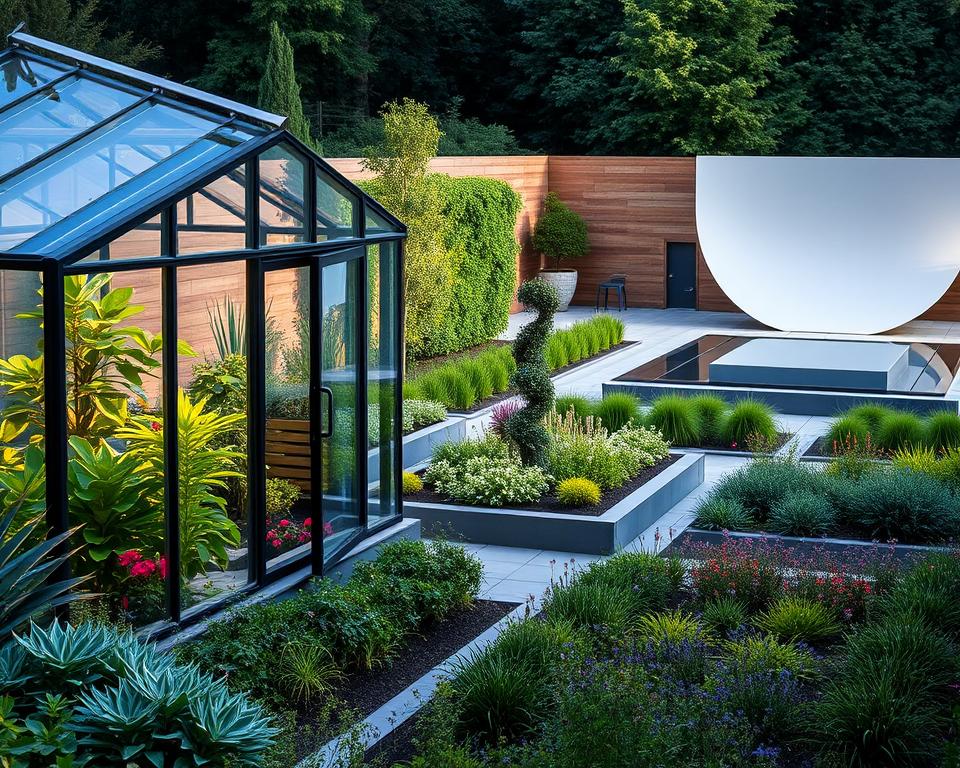
Aesthetic harmony is crucial. The greenhouse should find a natural place within the wider landscaping. It should complement the garden, not dominate it. This is especially important when the space serves both productive and social functions.
Successful dual functionality requires practical considerations:
- Spatial Zoning: Clearly define areas for gardening and relaxation.
- Durable Furniture: Select items that can withstand the humid environment.
- Cleanliness: Maintain standards that make the space inviting for all activities.
Alternative Uses for a Greenhouse
Contemporary British garden planning increasingly views these glass structures as versatile assets rather than purely horticultural spaces. The modern approach embraces their potential throughout seasonal changes.
Unheated structures experience significant temperature swings across the seasons. This characteristic creates unique opportunities for different functions throughout the year. Rather than fighting these natural cycles, smart design works with them.
Modern Adaptations in UK Garden Design
British homeowners are discovering innovative ways to maximise their investments. These transparent buildings can serve multiple purposes depending on the time of year. The key is understanding how the local climate affects the internal environment.
During colder months, the space might function as a sheltered workshop or storage area. When warmer weather arrives, it can transform into an entertainment venue or creative studio. This flexible approach ensures the structure remains valuable across all seasons.
Successful adaptations consider practical limitations like daily temperature changes and light availability. Realistic expectations about what an unheated structure can provide prevent disappointment. The goal is to match activities to the actual conditions inside.
As one garden designer notes, “The most successful projects embrace the building’s natural rhythms rather than imposing unrealistic demands.” This philosophy underpins modern British garden design thinking.
Innovative Design Ideas for Maximising Greenhouse Space
The physical footprint of a garden structure may be fixed, but its interior capacity can be dramatically expanded through vertical thinking. British gardeners are discovering that looking upwards provides the solution to spatial constraints.
Thoughtful design transforms limited floor areas into highly productive environments. This approach makes every centimetre work harder throughout the seasons.
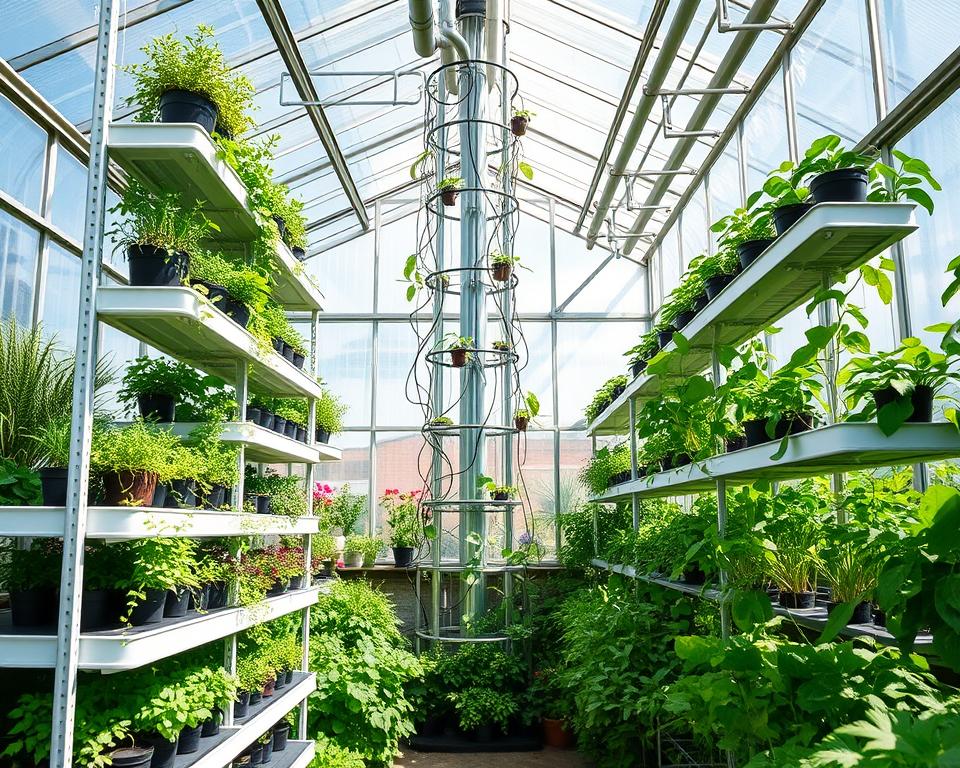
Shelving and Vertical Planting Solutions
Installing tiered shelving systems creates multiple growing levels within the same footprint. This strategy dramatically increases available surface area for pots and trays.
Hanging baskets suspended from roof structures utilise often-wasted overhead space. They work particularly well for trailing varieties that cascade downwards.
Wall-mounted planters keep valuable floor area clear for other purposes. This vertical approach allows the central space to remain open for activities.
Efficient Layouts and Storage Innovations
Designated zones for different functions prevent clutter from accumulating. A fitted potting bench with integrated soil containment keeps floors clean.
Strategic storage solutions maintain organisation essential for multifunctional use. Tool stations tucked into corners ensure gardening equipment stays accessible but unobtrusive.
Water management systems positioned thoughtfully prevent moisture issues. Proper drainage protects both plants and any furnishings placed within the structure.
Displaying colourful seed packets and vintage gardening books adds aesthetic appeal. This transforms practical storage into decorative elements that enhance the atmosphere.
Enhancing Greenhouse Appeal with Advanced Technology and Sustainability
Advanced systems transform simple garden buildings into sophisticated, climate-controlled environments. These innovations extend usability beyond traditional growing seasons.
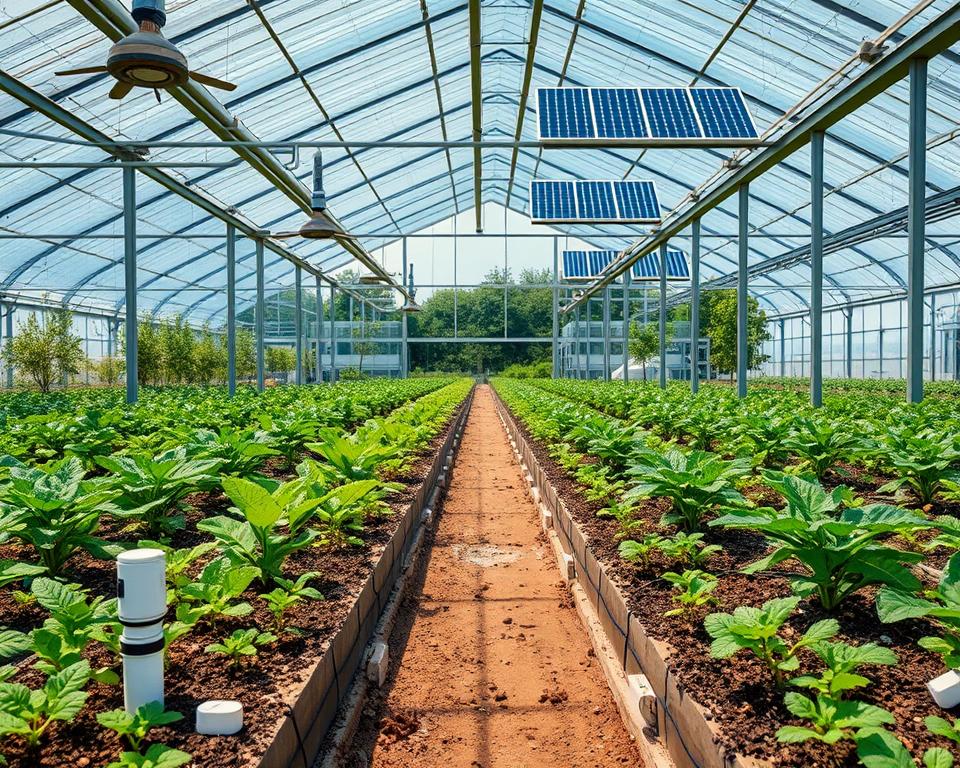
Electrical installations create new possibilities for these structures. Power enables lighting that extends productive hours into evening periods.
Smart Lighting, Heating, and Automation
Modern solutions address the unique challenges of glass structures. Intelligent systems maintain optimal conditions throughout day and night cycles.
| Technology Type | Primary Benefit | Installation Complexity | Seasonal Impact |
|---|---|---|---|
| Electrical Lighting | Extended evening use | Moderate | Year-round benefit |
| Solar-powered Systems | Sustainable operation | Low | Best in summer months |
| Smart Thermostats | Precise climate control | Moderate | Critical for winter |
| Automated Ventilation | Temperature regulation | High | Essential for summer |
Heating solutions maintain comfortable temperatures during colder months. Electric patio heaters can delay frost effects by several weeks.
For those preferring sustainable options, solar-powered lighting provides illumination without mains connection. Battery-operated systems offer similar flexibility.
Wi-Fi thermometers monitor conditions remotely. They send alerts when temperatures reach critical levels, protecting both plants and alternative uses.
UV-resistant shade cloths prevent overheating during intense sunlight. This maintains comfortable environments for various activities.
Greenhouse Interiors for Wellness, Leisure and Entertainment
Transforming a glass garden building into a sanctuary for mental and physical wellbeing represents one of the most rewarding adaptations. These structures naturally blend indoor comfort with outdoor connection.
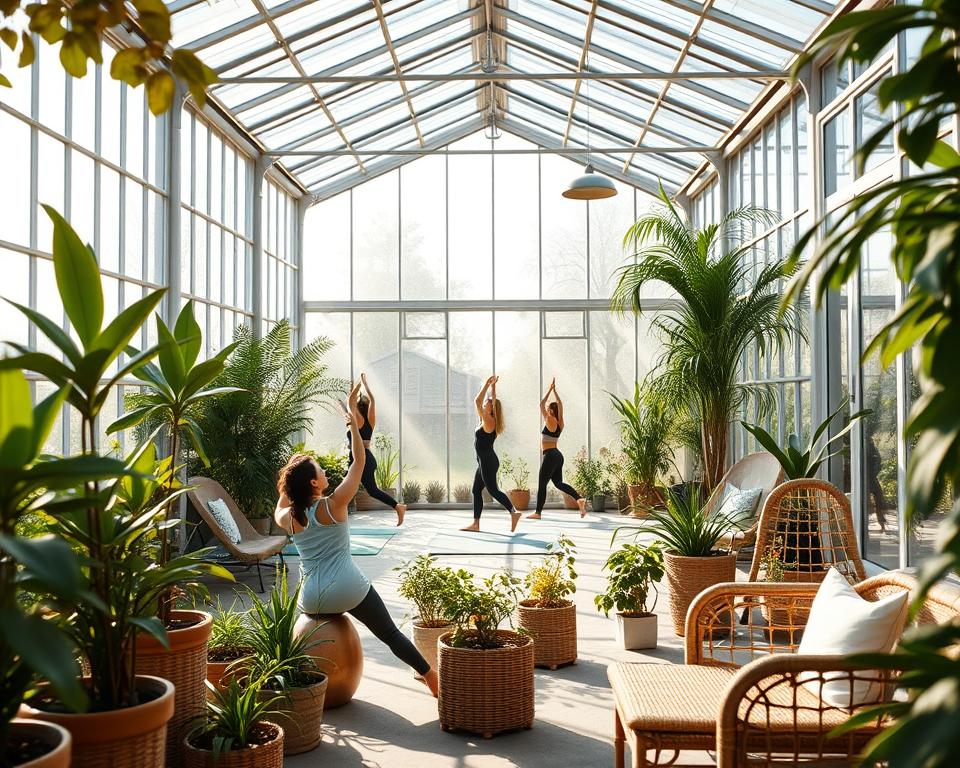
Creating a Yoga Studio and Meditation Nook
Yoga practice benefits immensely from natural surroundings. The combination of yoga and nature creates a powerful environment for mental health.
A beautiful yoga studio design requires minimal changes. Clear the central floor area for mats while surrounding spaces host calming plants. Pale wooden flooring and delicate drapes establish a zen environment.
The greenhouse setting provides abundant natural light. This enhances the yoga experience beyond typical indoor spaces. Living flowers and tropical plants engage multiple senses during practice.
Designing a Spa Retreat or Alfresco Dining Area
For relaxation, transform benches into comfortable daybeds with cushions. Create intimate nooks for reading and contemplation. This approach works particularly well in north-facing gardens.
Alfresco dining takes on new meaning within these transparent walls. They offer protection from unpredictable British weather while maintaining an outdoor feel. The structure naturally retains warmth during cooler summer evenings.
Well-appointed lighting extends entertainment hours significantly. This space functions across seasons, adapting from summer gatherings to cosy winter retreats. The environment supports nearly year-round garden entertaining.
Adapting Greenhouse Use to Seasonal Changes
The seasonal rhythm of the UK climate dictates a natural cycle of activities within an unheated greenhouse. Owners who understand these patterns can maximise their structure’s potential throughout the year.
Each season brings distinct opportunities and challenges that require different approaches. Successful adaptation means working with natural conditions rather than against them.
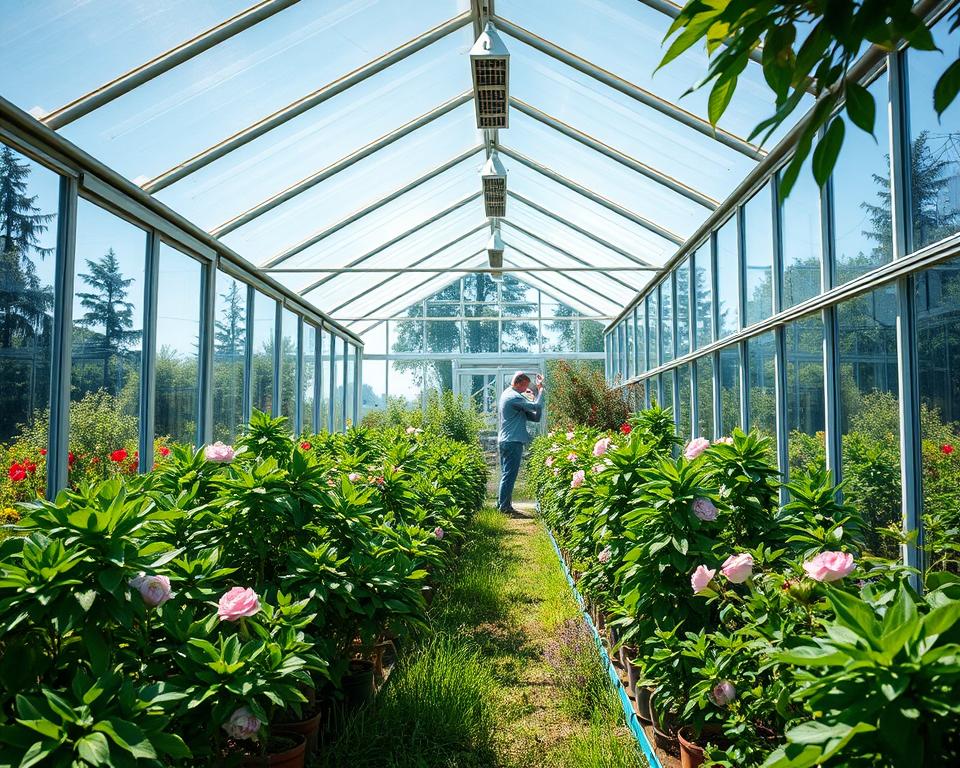
Optimising the Space for Both Winter and Summer
Late winter marks the beginning of the seed starting season. This period requires careful protection for young seedlings against frost.
Frost cloths and insulating blankets help maintain stable temperatures during cold nights. As daylight increases, seedlings begin their growth cycle.
The moderate seasons of spring and autumn offer ideal conditions for propagation. Cold-tolerant vegetables thrive during these periods with minimal intervention.
Summer brings intense heat that requires strategic management. Shade cloths become essential for temperature control during peak daylight hours.
This season also presents unique opportunities like food dehydration. The natural warmth accelerates the drying process for herbs and fruits.
Winter challenges include protecting overwintering plants from root freezing. Insulating pots and managing light exposure helps plants survive dormant periods.
Strategic planning allows owners to rotate functions according to seasonal suitability. Understanding microclimates ensures each season’s potential is fully realised.
Transforming Your Greenhouse into a Creative Workspace and Art Studio
Creative professionals across Britain are discovering that their garden structures offer ideal conditions for artistic endeavours. The combination of abundant natural light and inspiring botanical surroundings creates an environment that enhances focus and productivity.
Establishing an Inspiring Home Office or Artistic Retreat
Natural illumination makes these glass buildings perfect for visual arts. Painters and photographers benefit from the soft, diffused light that reveals true colours without harsh shadows.
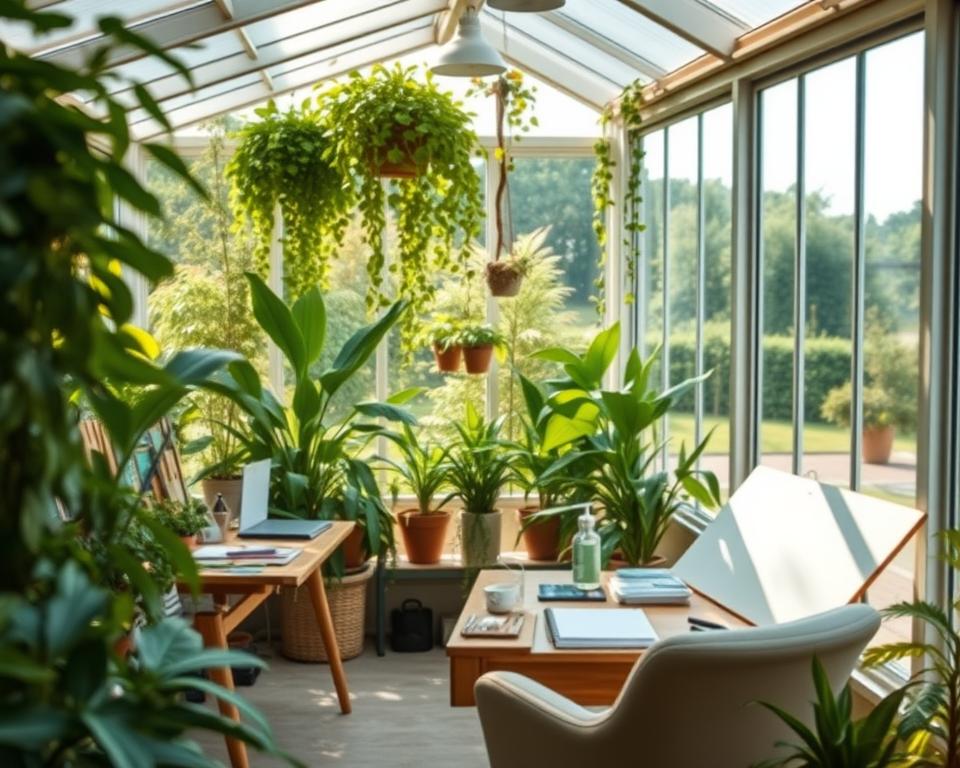
Setting up a functional studio requires careful planning. Workbenches and storage solutions help organise tools and materials. Managing environmental factors like dust and humidity protects both artwork and the surrounding plants.
The psychological benefits are significant. Research shows that working surrounded by living greenery reduces stress and enhances creativity. This makes the space ideal for remote workers seeking an energising environment.
| Creative Activity | Lighting Benefits | Practical Considerations | Seasonal Adaptations |
|---|---|---|---|
| Painting & Sculpting | True colour accuracy | Dust management | Winter heating needs |
| Photography Studio | Soft, shadow-free light | Shade cloth placement | Summer temperature control |
| Writing Retreat | Natural inspiration | Power source access | Flexible scheduling |
| Recording Space | Calming atmosphere | Soundproofing measures | Acoustic adjustments |
Technical requirements include reliable power sources and adequate shade management. Comfortable furnishings suitable for extended sessions are essential. The separation from main living areas keeps creative messes contained while providing a dedicated space for artistic expression.
Seasonal considerations are important for year-round use. Supplementary climate control may be needed during extreme temperatures. With proper planning, this versatile structure becomes a sanctuary for creativity and professional work.
Conclusion
Ultimately, these glass structures offer remarkable versatility beyond their traditional role. They provide a unique environment that can adapt to many needs. This adaptability makes them a valuable asset in any UK garden.
Understanding the specific structure is crucial. Its size, glazing, and heating capabilities determine its potential. Owners can then match activities to their greenhouse‘s natural rhythms. This approach ensures protection from the weather while maximising use.
Even unheated greenhouses provide year-round utility. The key is working with seasonal changes. One season might be perfect for growing herbs or tropical plants. Another could transform the space into a creative studio or wellness retreat.
Starting with simple changes is wise. This allows owners to gradually discover what works best for their lifestyle. Viewing this glass building as an evolving space unlocks its full potential. It becomes a cherished extension of the house and gardens, deeply connected to nature.
FAQ
Can a greenhouse be used for purposes other than growing plants?
Absolutely. Modern greenhouses are versatile structures that can serve as yoga studios, art spaces, home offices, or dining areas. Their controlled environment and natural light make them ideal for various leisure and work activities beyond traditional gardening.
What are the benefits of using a greenhouse as a wellness space?
Using a greenhouse for wellness combines the therapeutic benefits of nature with a sheltered environment. It provides ample natural light, warmth, and a connection to the outdoors, which can enhance practices like yoga or meditation. This setting helps reduce stress and improves mental wellbeing.
How can I adapt my greenhouse for use during colder months?
To make a greenhouse comfortable in winter, ensure proper insulation and consider installing an efficient heating system. Thermal screens and double-glazed glass help retain heat. This adaptation allows the space to be used year-round, whether for overwintering delicate plants or as a warm, bright room.
Are there special considerations for using a greenhouse as a creative workspace?
Yes, key considerations include managing light levels to prevent glare on screens, ensuring a stable temperature for comfort, and incorporating adequate power sources for equipment. Good ventilation and ergonomic furniture also help create a productive and inspiring creative environment.
What technology can enhance a multi-purpose greenhouse?
Smart technology greatly improves functionality. Automated lighting, climate control systems, and smart irrigation can be managed via smartphone apps. These innovations allow precise control over the environment, making the space adaptable for both plant cultivation and human use with minimal effort.
Can I grow food and use the greenhouse as a living space simultaneously?
A> Yes, many gardeners successfully integrate growing areas with leisure spaces. Utilising vertical gardens, shelving units, and designated zones allows for cultivating herbs and vegetables while maintaining an area for seating or activities. This approach maximises the utility of the greenhouse.