How Much Paint Do You Need for a Shed? Painting Guide
A fresh coat of paint offers more than a simple colour change for a garden shed. It provides a protective shield against the elements, significantly extending the life of the timber structure. Properly applied paintwork defends against moisture, harmful UV rays, and the risk of rot or mould.
Before any painting begins, a thorough check of the shed’s condition is essential. Applying paint to damp, damaged, or rotting wood will not fix underlying issues. The best results are always achieved by working on a clean, dry, and sound exterior surface.
This guide helps homeowners accurately determine the quantity of paint required for their project. Accurate calculations prevent the hassle of running out of materials and help avoid unnecessary expense on surplus tins.
Inhaltsverzeichnis
Key Takeaways
- Painting a shed is crucial for both enhancing its appearance and providing long-term protection.
- Always ensure the timber is in good condition and completely dry before starting.
- Correctly calculating the amount of paint needed saves both time and money.
- The surface area, paint type, and number of coats influence the total quantity required.
- Using quality materials and proper techniques ensures a durable and professional finish.
Why Painting Your Shed Matters
Beyond cosmetic appeal, proper shed painting provides essential defence against environmental challenges. This maintenance task represents a strategic investment that pays dividends in both visual appeal and structural integrity.
Enhancing Curb Appeal and Personal Style
A freshly painted garden building instantly transforms outdoor spaces. The right colour choice allows homeowners to express personal style while complementing their landscape design.
Modern trends favour bold, vibrant shades that add character to garden areas. This visual enhancement creates an attractive focal point that elevates the entire property’s appearance.
Long-Term Protection from the Elements
Quality exterior paint creates a waterproof barrier that shields timber from moisture penetration. This protection is crucial in the UK’s variable climate with frequent rain and humidity.
Pigmented coatings also reflect harmful UV rays, preserving the wood’s structural integrity. Proper application can extend a shed’s functional life for 10-15 years before reapplication becomes necessary.
This preventative approach is significantly more economical than replacing the entire structure. It represents cost-effective property maintenance that safeguards your investment.
Assessing Your Shed’s Condition and Repairs
A successful painting project begins long before the first brushstroke touches the timber. It starts with a meticulous evaluation of the structure’s current state. Rushing this vital stage can lead to disappointing results and future problems.
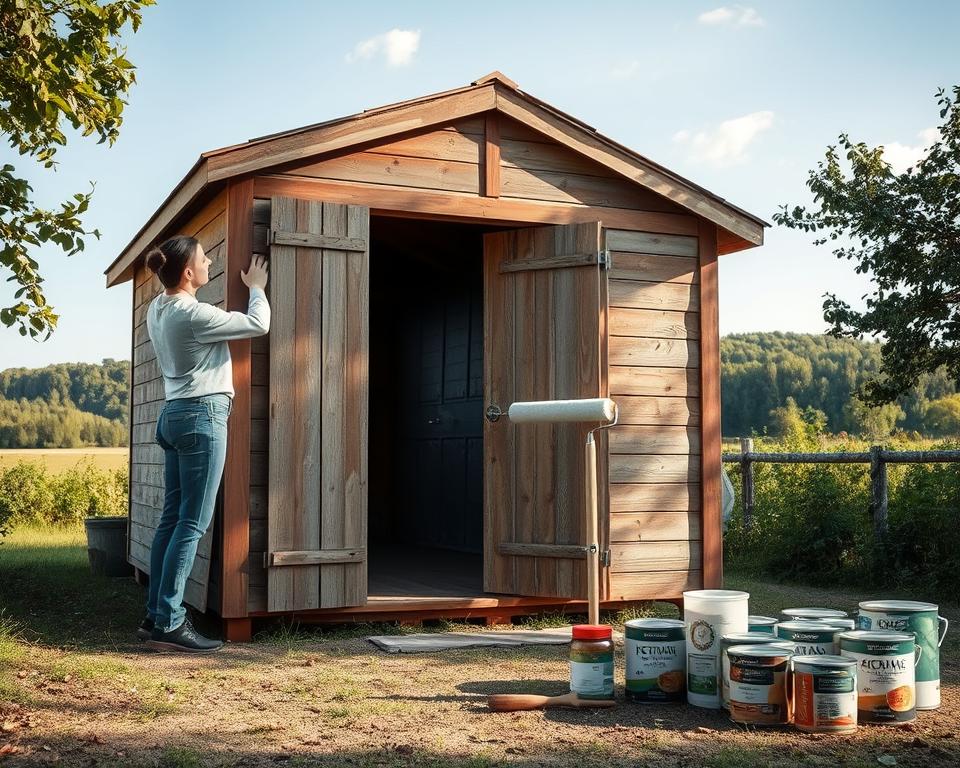
Thoroughly examining the exterior ensures the surface is a suitable canvas. This careful inspection helps identify issues that could undermine the paint’s protective qualities.
Identifying Damaged or Rotting Wood
Look for clear signs of decay during the assessment. Rot often appears as darkened, soft, or crumbly timber. A musty odour can also indicate fungal decay lurking beneath the surface.
Warped or split boards need immediate attention. These structural weaknesses compromise the integrity of the entire shed. They require repair or replacement to ensure a solid foundation for the new paint.
Applying a fresh coat over compromised wood only masks underlying issues temporarily.
Moisture content is critical for proper paint adhesion. Wood must be completely dry. A simple water drop test provides a quick check: if water beads on the surface, the timber is not ready.
Pre-Paint Repair and Maintenance Tips
Address all identified problems before painting begins. Fill small cracks, nail holes, and gaps with an exterior-grade wood filler. Once dry, sand the area smooth to create a uniform surface.
Pressure-treated timber requires special consideration. It needs adequate weathering time, typically around six months, before paint will properly adhere.
Cleaning is a crucial step. Remove any mould, mildew, or algae with appropriate fungicidal solutions. This prevents recurring growth beneath the new paint layer.
| Issue | Signs to Look For | Recommended Action |
|---|---|---|
| Wood Rot | Darkened, soft, crumbly wood | Replace affected sections |
| Moisture | Water beading on surface | Allow more drying time |
| Surface Damage | Cracks, holes, splits | Fill and sand smooth |
| Biological Growth | Mould, mildew, algae | Clean with fungicidal wash |
Loose hinges and fixtures should be tightened or replaced. Ensuring the structure is sound and functional is just as important as its appearance. This comprehensive approach guarantees a durable and professional finish.
How Much Paint Do You Need for a Shed?
Determining the precise amount of paint required avoids both project interruptions and material waste. Accurate calculation ensures homeowners purchase the correct quantity for their specific structure.
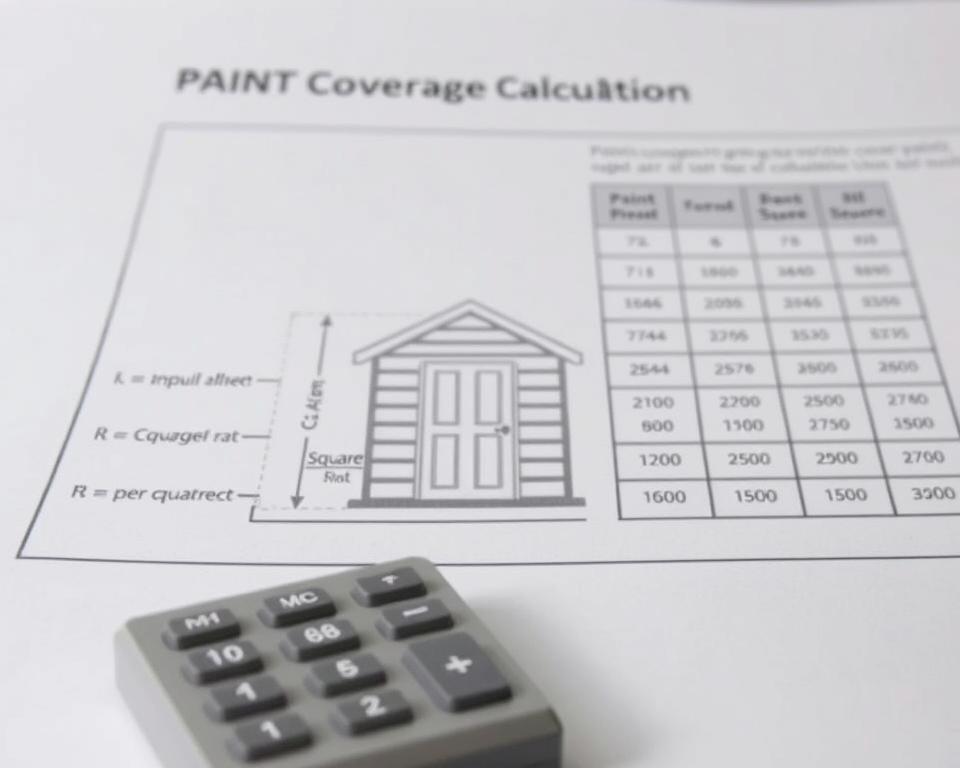
Calculating the Surface Area Accurately
The fundamental step involves measuring the total paintable surface area. Use a tape measure to record the height and width of each wall section.
Multiply these dimensions to calculate individual wall areas. For a standard rectangular shed, add all four sides together for the total.
Remember to subtract areas that won’t receive coverage. Windows and doors typically account for approximately one square metre each.
Factoring in Multiple Coats and Coverage Rates
Most exterior wood treatments require minimum two coats for proper protection. This effectively halves the coverage rate per litre.
Check the manufacturer’s specifications on the tin. Coverage typically ranges between 10-15 square metres per litre.
Practical examples demonstrate the calculation process:
- An 8ft × 6ft shed (20m²) needs 2.5-3 litres for two coats
- A 10ft × 8ft structure requires 4-5 litres for complete coverage
Always purchase an extra 10-15% for spillage and future touch-ups. This precaution ensures sufficient material for a professional finish.
Preparing Your Shed for a Professional Finish
Professional decorators consistently emphasise that preparation consumes more time than actual painting. This crucial step determines the longevity and quality of the final result.

Effective Cleaning and Sanding Techniques
Begin by removing all hardware and ensuring electrical safety. A thorough power wash removes accumulated dirt and loose particles. The structure must dry completely before proceeding.
Sanding creates the essential “key” for proper adhesion. Using 180-grit sandpaper with a block ensures even pressure across all surfaces. This process typically takes 30-60 minutes but significantly improves results.
After sanding, remove all dust with a light wash or thorough brushing. This prevents gritty textures in the final finish.
Taping, Masking, and Protecting Surrounding Areas
Pre-taped painter’s plastic saves considerable time when protecting windows and hardware. Masking tape secures edges around glass, hinges, and trim details.
Dust sheets shield nearby plants and flooring from paint splatter. Secure these coverings with weights to prevent movement during the painting process.
Proper preparation directly translates to a professional-quality finish that lasts years longer. This investment in time pays dividends in durability.
Selecting the Right Paint, Primer and Tools
Equipping oneself with the correct materials is a pivotal step towards a successful shed painting project. The choice of products directly influences the finish’s durability and protective capabilities.
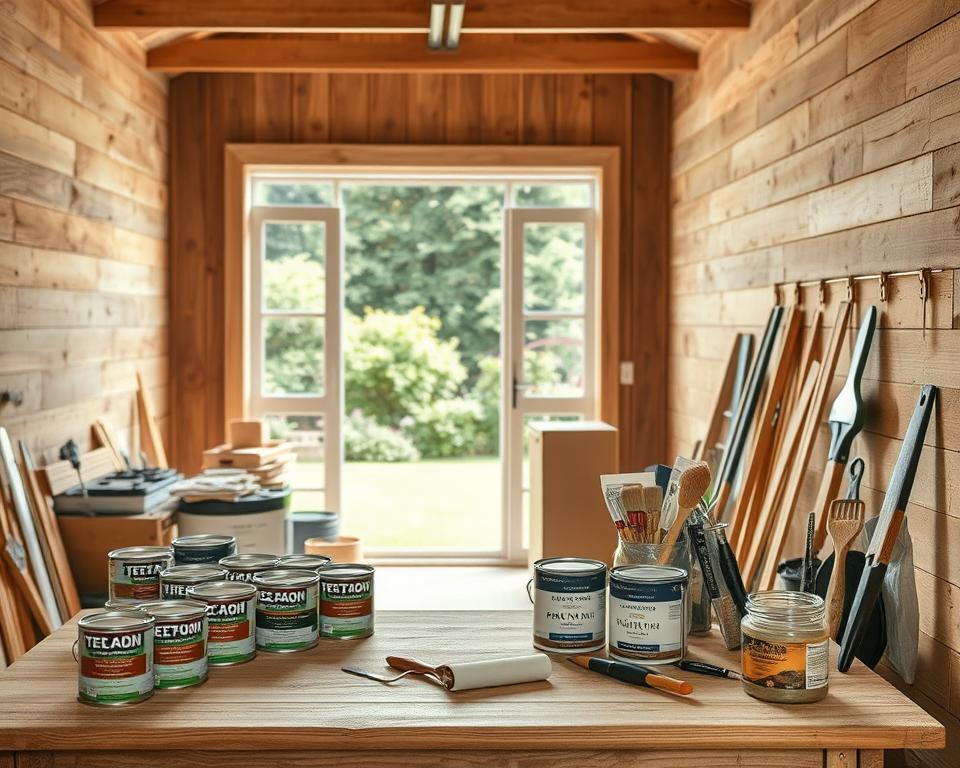
Investing in good quality materials from the outset ensures a longer-lasting result that withstands the UK’s variable weather.
Choosing High-Quality Exterior Wood Paint and Primer
For exterior wood protection, selecting the right finish is crucial. Three main types are available: varnishes for clear protection, stains that colour while showing the grain, and opaque wood paint for solid coverage.
Premium paints like Sadolin Superdec Satin and Zinsser Allcoat Exterior offer significant advantages. These self-priming exterior products resist fading, mould, and cracking, providing up to 15 years of protection.
A satin finish often proves more practical than matt, offering easier cleaning and subtle sheen.
Essential Tools and Safety Equipment
Having the right tools streamlines the entire process. A quality synthetic brush is ideal for detailed trim work, while a medium-pile roller covers large panels efficiently.
Safety gear is non-negotiable. Protective gloves, safety goggles, and a dust mask shield against irritants and particles during preparation and application.
Proper equipment ensures not just a superior finish but also a safer, more comfortable working experience.
Step-by-Step Painting Process
Systematic execution of the painting process ensures optimal adhesion and durability. This phase transforms meticulous preparation into lasting protection for the garden structure.

Following a logical sequence prevents common mistakes and delivers professional results. Each stage builds upon the previous one, creating a comprehensive protective system.
Applying Primer for a Better Finish
The initial step involves primer application, which seals bare timber surfaces. This foundation layer prevents colour bleed-through and ensures uniform topcoat coverage.
Apply primer using smooth, overlapping strokes following the wood grain direction. Consistent coverage without drips creates the ideal base for subsequent coats.
Painting the Main Surfaces and Trim Details
Begin with “cutting in” around edges and trim using a quality brush. This precision work establishes clean lines before addressing larger areas.
Transition to rollers for efficient coverage of flat panels. Maintain consistent overlap between passes and follow the natural grain pattern throughout the process.
Drying Times and Multiple Coats Consideration
Multiple thin coats deliver superior protection compared to single thick applications. Allow each layer to dry completely before adding the next coat.
Weather conditions significantly impact drying times. Ideal painting occurs on dry days with temperatures between 10-25°C for optimal results.
Inspiring Shed Painting Ideas and Extra Tips
Creative painting techniques can elevate a simple garden structure into a standout feature. These approaches combine aesthetic appeal with practical protection for lasting results.
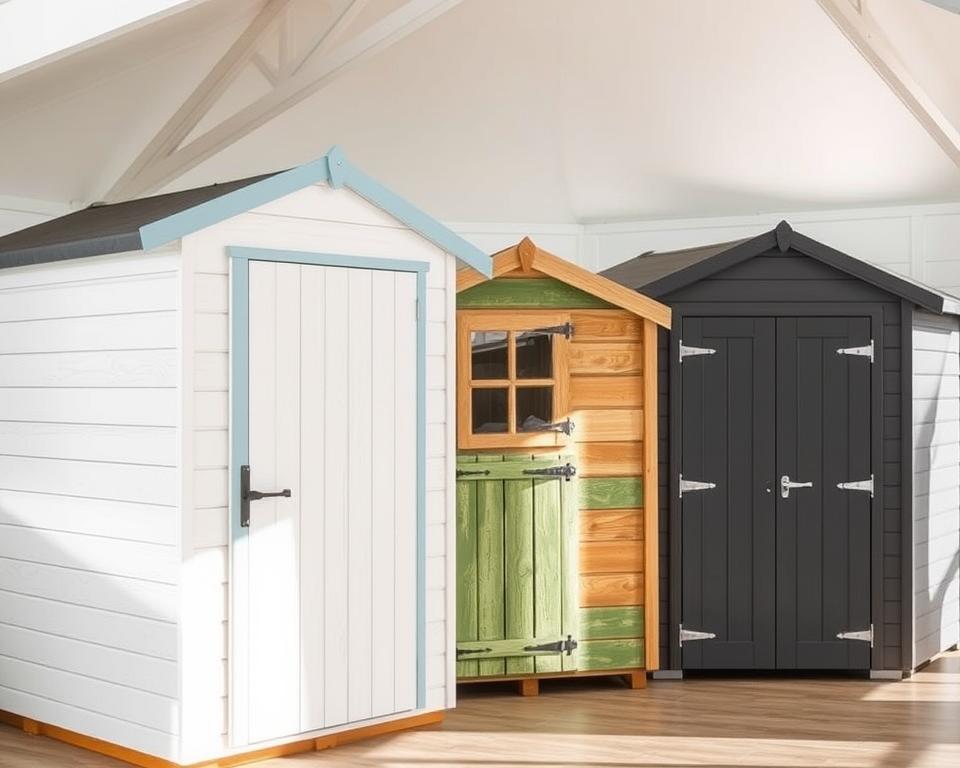
Modern Colour Trends and Creative Finishes
Contemporary garden shed designs favour bold, expressive colours. Dark shades like graphite black create striking modern aesthetics that complement any garden design.
Natural green tones harmonise beautifully with planting schemes. These options create tranquil spaces that feel integrated into the landscape.
Creative finishes offer exciting possibilities:
- Ombre effects using complementary colours across slats
- Two-tone designs that highlight architectural features
- Colour coordination with outdoor furniture and planters
Additional Advice for a Flawless, Long-Lasting Look
Proper preparation ensures the finish lasts for years. Pressure-treated timber requires adequate weathering before painting begins.
Test paint adhesion on small areas when working over existing stains. This prevents compatibility issues affecting the entire project.
Interior painting brightens spaces used as workshops or offices. Low-odour water-based paints work best for enclosed areas.
Avoid using masonry paint on timber surfaces. Choose products specifically formulated for exterior wood protection.
Conclusion
Completing a shed painting project successfully transforms both the appearance and durability of this essential garden structure. The entire task represents an achievable weekend job that delivers impressive results.
Proper preparation and quality materials ensure the finish lasts for years. Understanding surface area calculations prevents common frustrations with material shortages.
Key success factors include thorough surface assessment and patient application of multiple thin coats. The time investment is modest, typically 5-10 hours spread across a weekend.
This guide has addressed common questions about primer necessity and suitable weather conditions. Quality exterior wood paint protects timber structures against challenging UK weather.
The finished job enhances any garden space while providing essential long-term protection. This worthwhile investment safeguards your shed for years to come.
FAQ
What is the best way to calculate the amount of paint required?
The most effective method is to measure the shed’s height and width of each wall to calculate the total surface area. Remember to subtract areas occupied by doors and windows. Then, check the coverage rate on the paint tin, which indicates how many square metres one litre covers.
How many coats of paint are typically needed for a garden shed?
Applying two coats is standard practice for a durable and attractive finish. The first coat acts as a base, while the second ensures even colour and provides extra protection against weather conditions.
Is primer necessary before painting a wooden shed?
Yes, using a primer is highly recommended. It seals the wood, provides a uniform surface for the topcoat to adhere to, and enhances the longevity of the final paint job.
What type of paint should be used on an exterior shed?
A high-quality exterior wood paint or a dedicated wood stain is essential. These products are specifically formulated to withstand outdoor elements, offering superior protection and a longer-lasting finish.
What are the essential tools for painting a shed?
Key items include various sized brushes for detail work, a roller for large, flat surfaces, sandpaper for smoothing, dust sheets for protection, and masking tape for clean edges around windows and fittings.
How should one prepare the shed surface before starting?
Proper preparation involves a thorough clean to remove dirt and mildew, followed by sanding to create a smooth surface. Any rotten wood should be replaced, and repairs made to ensure the structure is sound.
Can you paint a shed in cold or wet weather?
It is best to avoid painting in poor conditions. Ideally, choose a dry day with moderate temperatures. High humidity or rain can prevent proper drying and adversely affect the finish.
How long does the paint take to dry completely?
Drying times vary by product, but typically, the surface will be dry to the touch within a few hours. However, allowing at least 24 hours between coats and before closing doors is advisable for the best results.