Essential Summer House Maintenance Guide for the UK
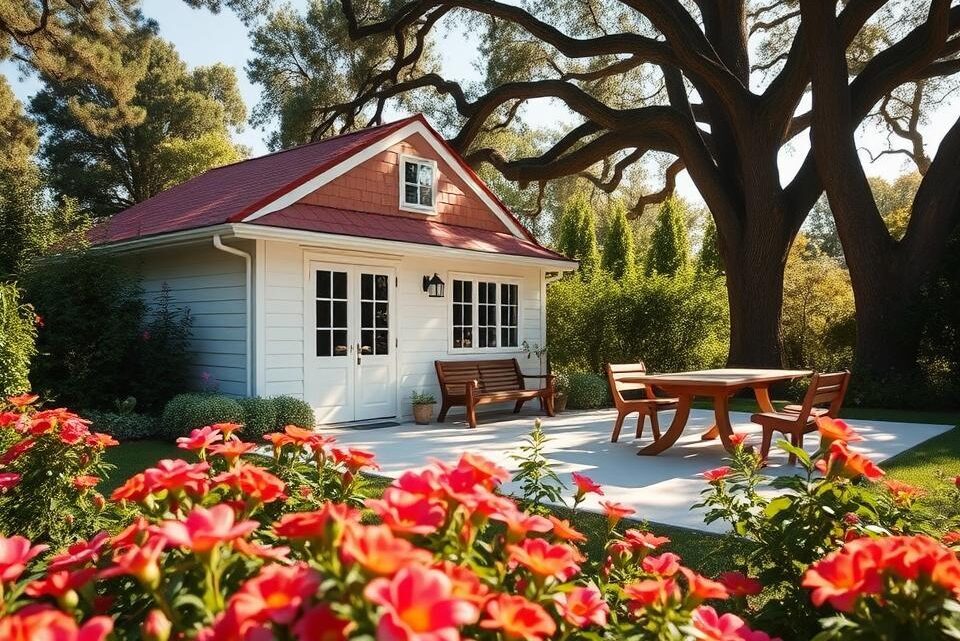
A timber garden building offers a wonderful space for relaxation and entertaining. It becomes a cherished part of your property. But the British climate presents unique challenges. Rain, wind, and damp conditions can take their toll.
Proper care is essential to protect your investment. This guide provides the information needed to keep your structure in top condition. It focuses on preserving the quality and longevity of your garden retreat.
Regular attention prevents minor issues from becoming major problems. It ensures your building remains a beautiful and functional extension of your home. This approach safeguards the structure for many years to come.
Inhaltsverzeichnis
Key Takeaways
- Protects your investment in the garden building.
- Addresses the specific demands of the UK climate.
- Helps maintain the structural integrity and appearance.
- Prevents costly future repairs.
- Extends the lifespan of the structure.
- Enhances the value of your outdoor space.
Introduction to Maintaining Your Summer House
The key to a long-lasting garden building lies in a consistent and thorough inspection routine. This proactive approach is the most effective way to protect your investment from the UK’s challenging weather.
The Importance of Regular Inspections
Conducting a detailed check at least once a year is crucial. It allows owners to spot early signs of wear and tear, such as minor cracks or moisture buildup.
Addressing these small issues promptly prevents them from escalating into significant, costly repairs. This habit saves both time and money in the long run.
How Proper Maintenance Enhances Longevity
A well-cared-for structure can serve its purpose for many years. The quality of ongoing care directly influences its functional condition and aesthetic appeal.
This systematic approach preserves the building’s value. It ensures your retreat remains a cherished part of your garden for a long time.
| Approach | Impact on Longevity | Potential Cost |
|---|---|---|
| Proactive (Regular Checks) | Extends lifespan significantly | Lower, predictable |
| Reactive (Waiting for Problems) | Shortens lifespan | Higher, unexpected |
Even when the building is not in use, periodic checks are essential. This prevents problems from going unnoticed during quiet periods, safeguarding your investment.
Comprehensive Inspections and Repairs
A thorough inspection is a vital step to ensure the longevity of any garden building. A methodical approach helps identify potential problems before they escalate.
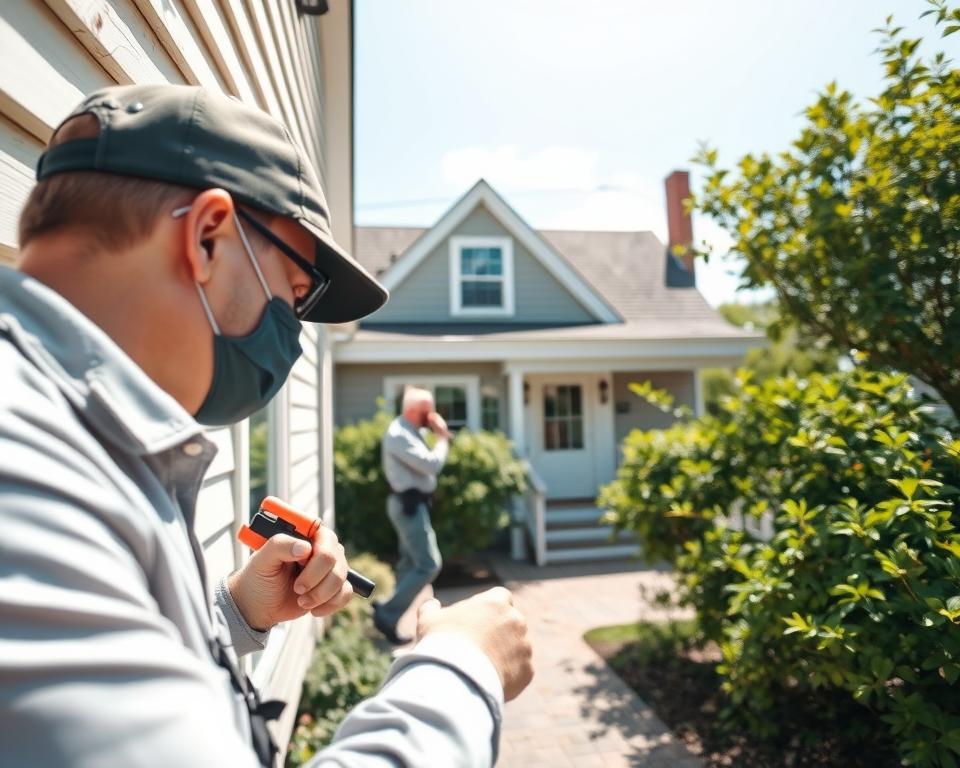
Starting from the outside and working inwards provides a logical sequence. This process covers every critical part of the structure.
Exterior Checks: Foundation, Roof, and Windows
Every check begins at the bottom. The foundation and base are crucial for stability. Look for any cracks, damp spots, or shifts in the soil.
Next, inspect the windows carefully. Check for broken seals or gaps that could let water in. Seal any openings with putty or wood filler.
Interior Evaluations: Doors, Flooring and Ventilation
Inside, pay close attention to the doors and flooring. Ensure hinges are tight and functional. Warping or difficulty closing can signal damage.
Examine the flooring for signs of water damage or weakness. Good ventilation is key to preventing moisture buildup and related issues.
| Area | What to Look For | Action |
|---|---|---|
| Foundation/Base | Cracks, erosion, damp | Seal, level, or reinforce |
| Windows | Gaps, broken seals | Apply sealant |
| Doors | Misalignment, worn hinges | Tighten or replace hardware |
| Flooring | Warping, soft spots | Dry out, repair, or replace |
Remember to clear away any debris from walls and surfaces during your inspection. This simple step helps you spot problems more easily.
Roof Maintenance and Glazing – Preventing Weather Damage
The overhead protection of any garden structure demands particular attention due to its constant exposure to the elements. Regular care prevents minor issues from becoming significant problems.
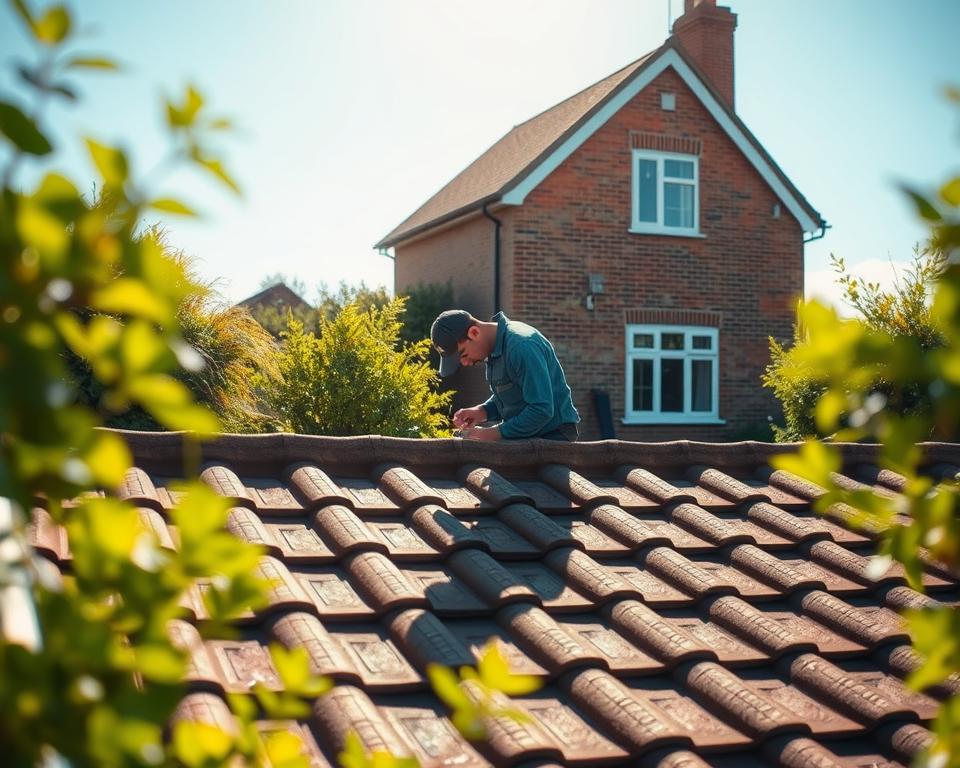
Systematic monitoring provides essential defence against environmental stresses. This approach safeguards the entire building throughout seasonal changes.
Effective Roof Inspection Techniques
Conduct thorough checks after severe weather events. Look for displaced materials, cracks, or water penetration signs.
Clear away leaves and branches regularly. This prevents water pooling and reduces weight stress on the structure.
Pay close attention to mineral felt or shingle condition. Promptly address any wear or displacement you discover.
Glazing Repairs and Replacement Tips
Even toughened glass can develop cracks under extreme conditions. Fortunately, replacement is typically straightforward.
Contact the original supplier or local specialists for matching materials. They can provide the correct size and type of glazing.
When investigating internal leaks or draughts, begin with the roof area. This is often the source of weather-related issues.
| Weather Condition | Inspection Frequency | Primary Focus Areas |
|---|---|---|
| Normal Conditions | Every 3-6 months | General wear, debris accumulation |
| After Storms | Immediately | Impact damage, displaced materials |
| Seasonal Changes | Twice yearly | Weathering, structural integrity |
Addressing problems promptly maintains the building’s protective qualities. This proactive approach saves time and resources in the long term.
Treat and Paint Your Wooden Summer House
The longevity of any wooden garden building hinges significantly on proper surface protection. Applying the right coatings prevents moisture absorption and structural deterioration.
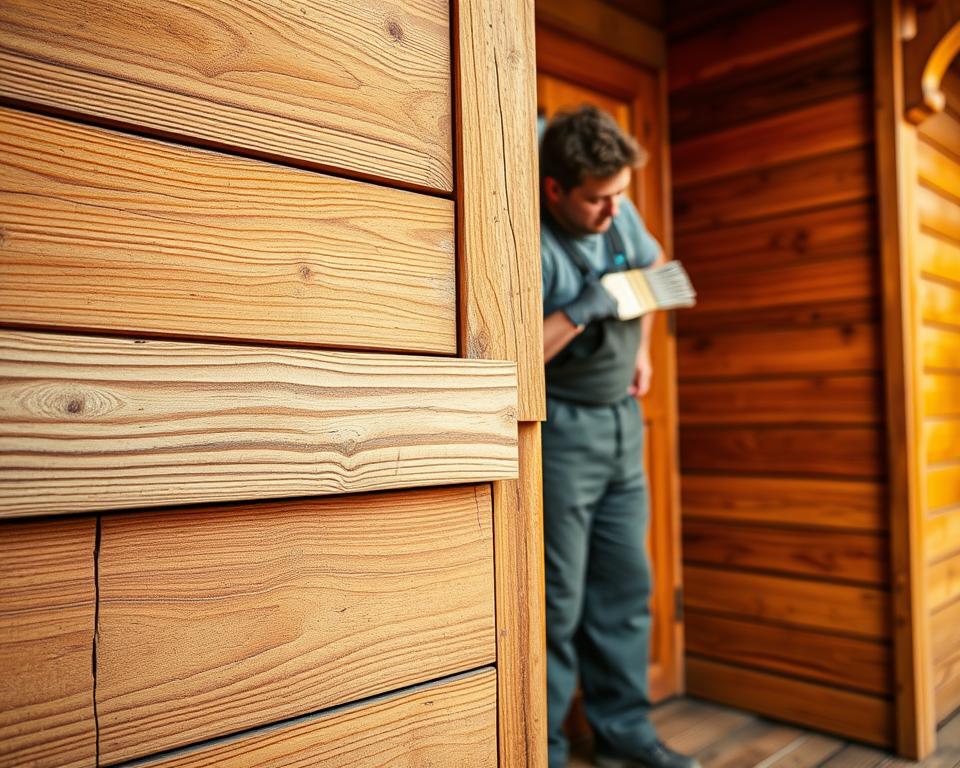
Selecting the Right Wood Treatment and Paint
Choosing appropriate products is crucial for effective protection. Water-based preservatives offer excellent moisture repellence when applied in multiple coats.
Homeowners should select between translucent stains that showcase natural grain or opaque paints that conceal imperfections. The choice depends on the timber’s quality and desired aesthetic.
Maintenance Frequency and Application Techniques
Initial treatment should occur immediately after installation. Annual reapplication provides consistent defence against the elements.
The optimal time for this work is early autumn, after summer storms but before cold weather arrives. This timing allows for application in warm conditions.
Proper technique involves using primer followed by at least two topcoats. Pay special attention to cut ends, joints, and overhangs where water can easily penetrate.
Ventilation, Moisture Control and Insect Prevention
Proper air management is a fundamental aspect of preserving a garden building’s condition. The enclosed nature of these structures, combined with the UK’s damp climate, creates a perfect environment for moisture to accumulate. This can lead to condensation, mould, and structural damage if left unchecked.
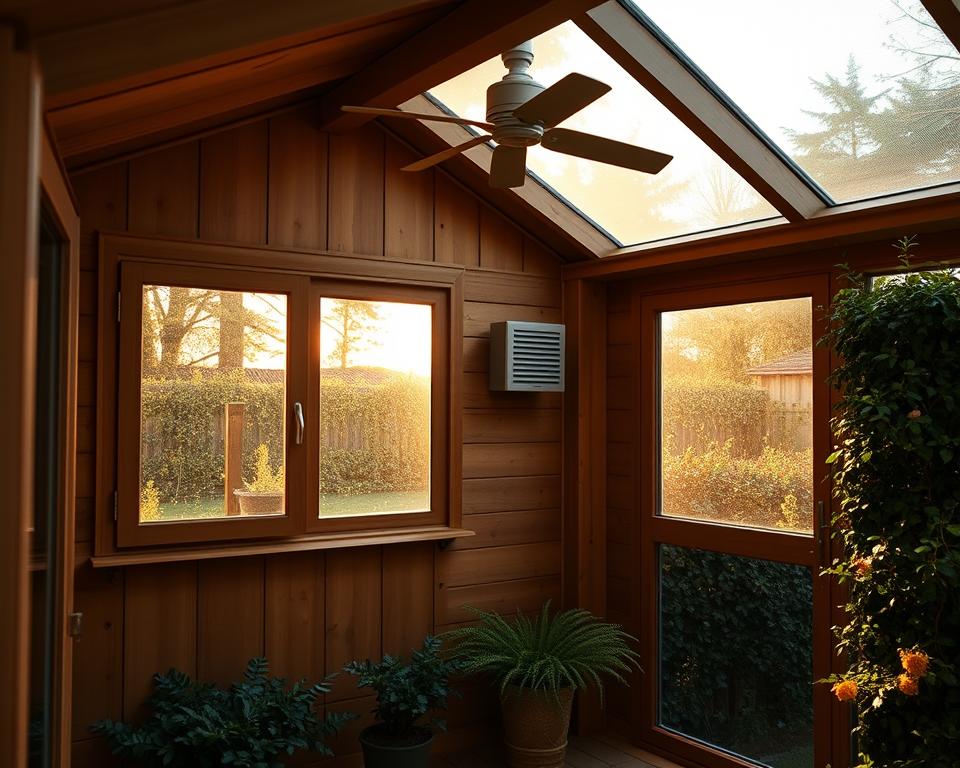
Tips for Preventing Damp and Condensation
Regular ventilation is the simplest yet most effective strategy. Opening doors and windows for a few hours twice a week, especially on dry days, allows trapped water vapour to escape. This routine is crucial during colder months from October to April.
For enhanced air circulation, consider using a fan inside the cabin. As one expert notes,
“Stagnant air is the enemy of any unheated garden building. Consistent airflow is your first line of defence against damp.”
During the winter season, remove potential humidity sources like indoor plants. This proactive step significantly reduces internal moisture levels when the building is not in frequent use.
| Season | Primary Action | Key Benefit |
|---|---|---|
| Spring | Increase airing frequency after winter | Removes musty odours, dries out condensation |
| Summer | Ventilate during cooler parts of the day | Maintains comfortable temperature, deters insects |
| Autumn/Winter | Ventilate on dry, mild days | Prevents damp buildup during closure |
This consistent approach not only protects the structure but also makes the space less inviting to pests. Good ventilation disrupts the stable environment that insects and other creatures seek for nesting.
Summer House Maintenance Guide: Essential Practices for All Seasons
Two critical factors determine the ongoing care needs of any garden structure: the timber type and the changing seasons. A thoughtful approach to both ensures your retreat remains beautiful and functional for many years.
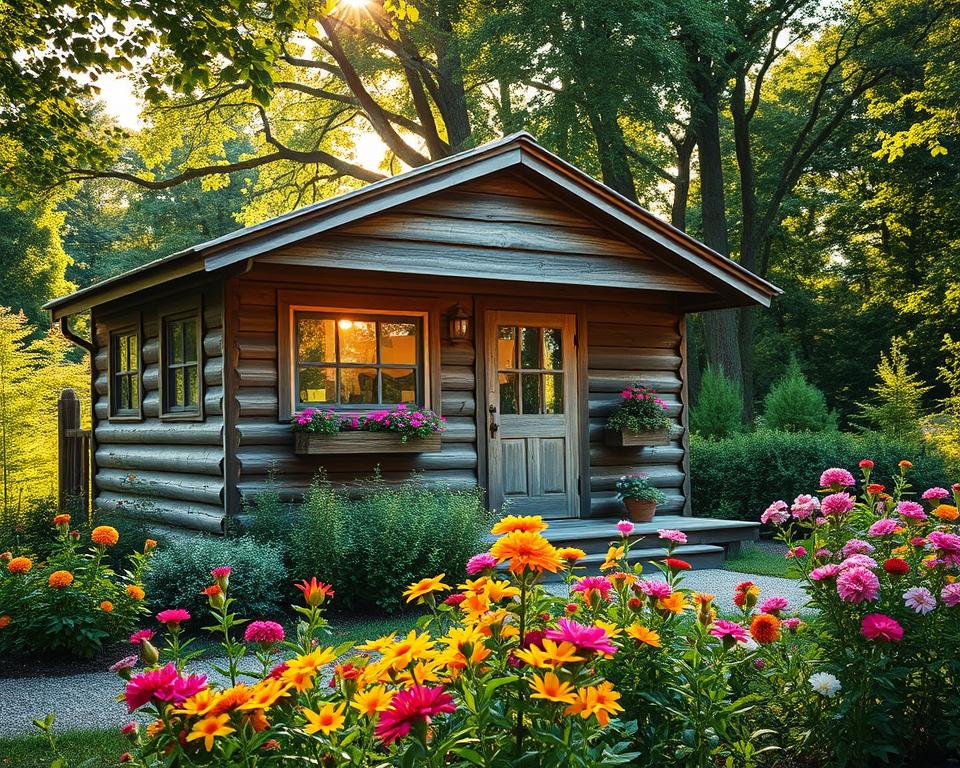
Seasonal Maintenance Strategies
Each season presents unique challenges for your outdoor building. Spring is the ideal time for comprehensive checks after winter’s harsh weather.
Warmer months provide the perfect opportunity for treating wood surfaces. This preparation helps the structure withstand autumn storms and cold conditions.
During winter, focus shifts to moisture control and ventilation. Regular checks during dry periods prevent deterioration during the harshest weather.
Softwood Versus Hardwood Care
The construction material significantly impacts long-term upkeep. Softwood buildings require more frequent attention to prevent wear and tear.
These structures need treatment every three to five years. Hardwood options, like Red Grandis, offer superior durability and natural resistance.
Quality hardwood can provide five to seven years of maintenance-free life. This reduces the long-term care burden significantly.
| Timber Type | Treatment Frequency | Key Characteristics |
|---|---|---|
| Softwood | Every 3-5 years | Affordable, requires regular preservation |
| Hardwood | Every 5-7 years | Naturally resistant to mould and rot |
Understanding how wood expands and contracts with moisture helps anticipate movement. With proper care, your garden building can serve your home beautifully for decades to come.
Conclusion
By adopting a systematic approach to upkeep, homeowners can ensure their garden investment provides lasting enjoyment. The information shared throughout this guide offers practical tips for protecting your outdoor retreat from the elements. This way of caring for your property makes routine tasks manageable.
Each step—from checking the foundation to managing ventilation—contributes to the long-term success of your garden cabin. Professional teams remain available to answer specific questions about care procedures. They can provide expert guidance tailored to your unique situation.
With proper attention, your summer house becomes a cherished extension of your home for many years come. Make sure to follow these essential practices to preserve both function and beauty. Your dedication to regular care will yield significant returns through extended enjoyment of your outdoor space.
FAQ
How often should a garden building be thoroughly inspected?
A comprehensive inspection should be performed at least twice a year, ideally during the spring and autumn. This timing helps identify any damage from winter weather and prepares the structure for the colder months ahead.
What is the most critical area to check on a cabin to prevent serious damage?
The roof is often the most vulnerable part. Regular checks for missing tiles, cracks, or accumulated debris are essential. A compromised roof can lead to significant water ingress, causing rot and structural issues.
What type of wood protection offers the best defence against the British weather?
A high-quality, microporous paint or stain specifically designed for exterior wood provides excellent protection. These products allow the timber to breathe, releasing trapped moisture while shielding it from UV rays and rain.
Why is ventilation inside a garden room so important?
Proper airflow is crucial for moisture control. Without adequate ventilation, condensation can build up, leading to damp problems and creating an environment where wood rot and insects can thrive.
How can one prevent insect infestation in a timber building?
Using a preservative treatment during construction or as part of a maintenance schedule is key. Keeping the wood dry and well-sealed with paint or stain also deters insects that are attracted to damp, untreated timber.
Does the base or foundation of a summer house require maintenance?
Yes, the foundation is vital for stability. It should be checked for levelness and signs of sinking or shifting. Ensuring water drains away from the base prevents moisture from seeping into the building’s floor and walls.
What is the difference in caring for a softwood versus a hardwood structure?
Softwood, being less dense, generally requires more frequent treatment and painting to protect it from the elements. Hardwood is more durable and naturally resistant to rot, often needing less intensive upkeep over its lifespan.